The Maldives is sold as a honeymoon postcard — a water villa, a reef, a sunset. But step off the seaplane pontoon and onto an inhabited island and a different country appears: smoking tuna grills, tea benches stacked with fried short eats, drums echoing across a football pitch after dark. This guide follows the food, craft and daily rituals that exist whether or not a single tourist is watching.
Eating Like an Islander: Hedhikaa, Garudhiya and the Tea Bench
Maldivian eating starts early and starts small. Before the heat settles, the tea benches of Malé and the populated atolls fill with sai — sweet, milky, poured from a kettle held high — and trays of hedhikaa, the short eats that accompany it. Expect bajiya, a crescent of pastry stuffed with tuna, onion and chilli; gulha, fried balls of smoked fish and grated coconut; masroshi, a flatbread folded around peppery tuna; and kulhi boakibaa, a dense rice cake flecked with fish. They cost almost nothing, they arrive on a plastic plate, and they are the single best introduction to the national palate: tuna, coconut, lime, chilli, smoke.
The main meal is garudhiya, a clear broth simmered from skipjack or yellowfin tuna, ladled over rice and sharpened at the table with lime, chilli, onion and a spoon of rihaakuru — a dark, pungent fish paste that is essentially the islands' soy sauce. Alongside it comes fihunu mas, fish rubbed with chilli and garlic and grilled hard over coconut husk, and mas huni, shredded smoked tuna with coconut and onion eaten with roshi for breakfast. Wash it down with kurumba, a young green coconut split open with a machete, or with the juice of a local lime.
Where to find it: the fish market on the Malé waterfront in the early morning, where yellowfin is laid out on concrete and auctioned fast; the small family-run kitchens on guesthouse islands such as Maafushi, Thoddoo, Fulidhoo and Feridhoo, which will cook to order if you ask the night before; and any island café that looks like a bus shelter with a fan. One thing you won't find on an inhabited island is a glass of wine with dinner — alcohol and pork are prohibited outside resort islands, so the local drink is tea, coconut or a brightly coloured bottled fruit juice.
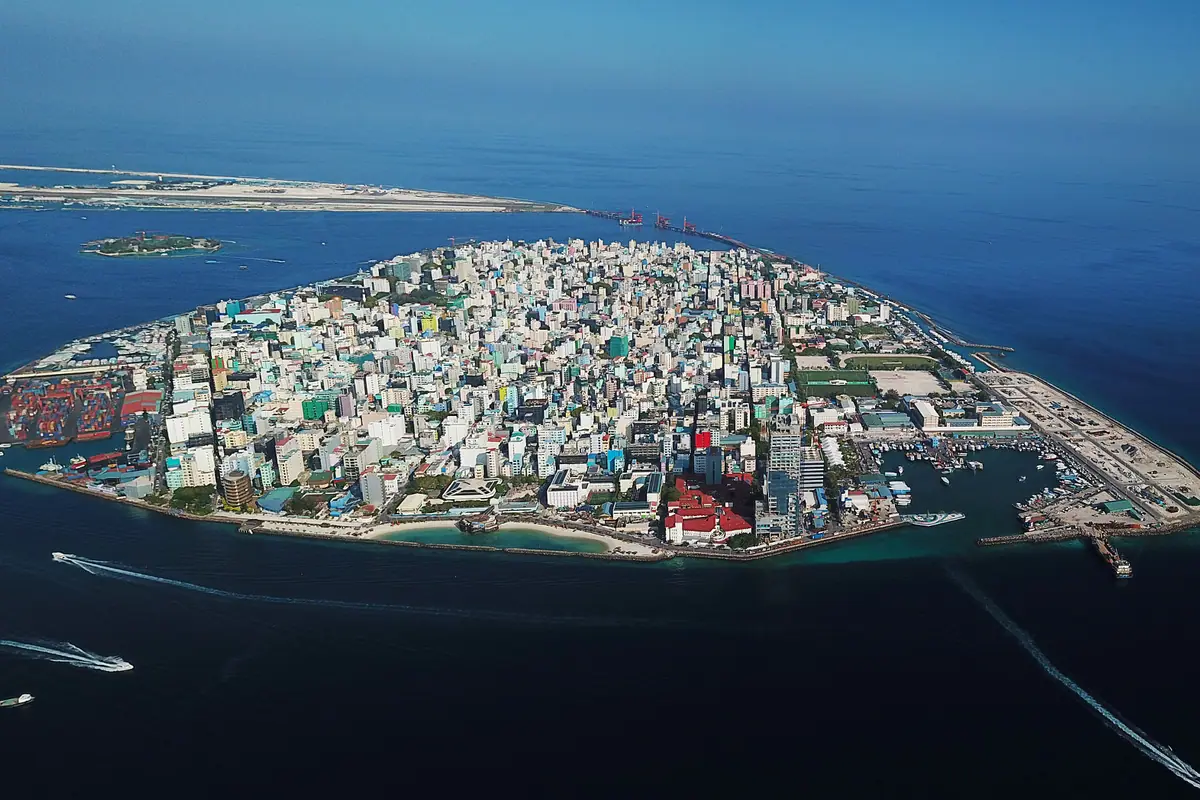
Malé's Coral-Stone Heart: Hukuru Miskiy, Sultan Park and the Old Harbour
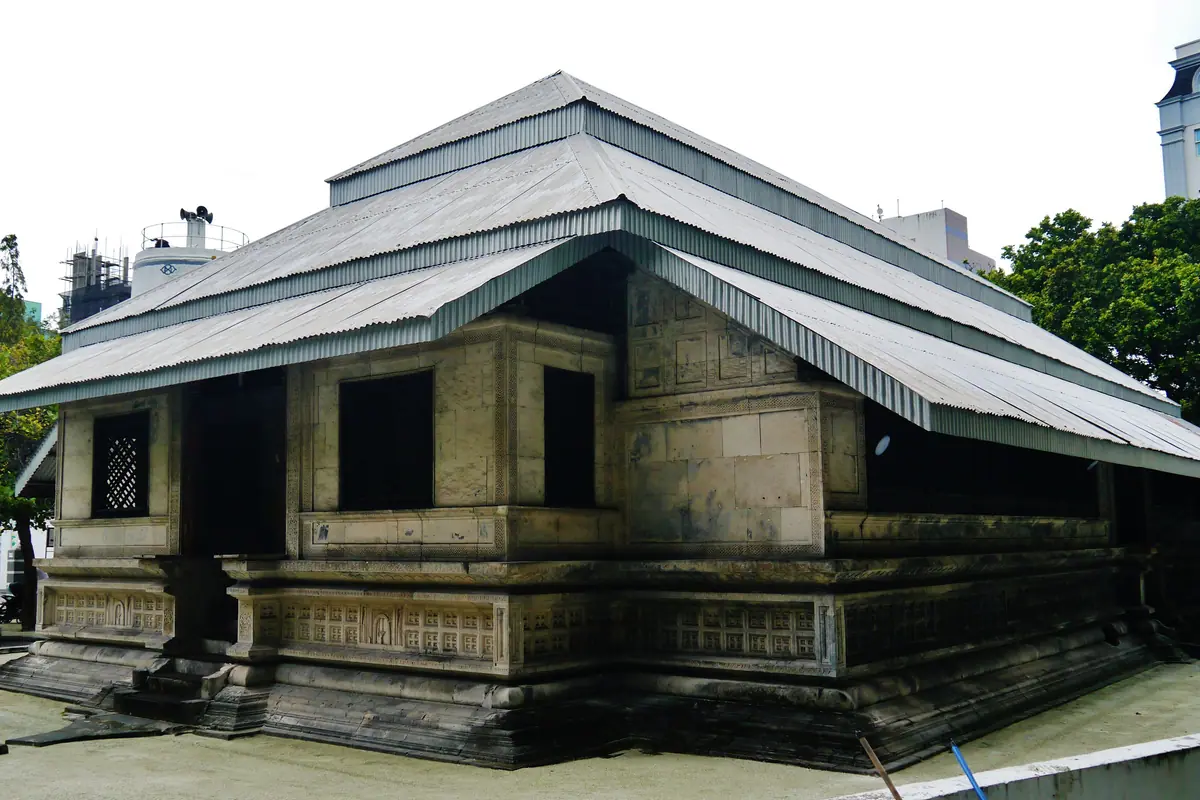
The capital rewards half a day, and it should start at Hukuru Miskiy, the Old Friday Mosque, built in 1658 and assembled from blocks of carved coral stone. Its walls are cut with panels of Arabic calligraphy, its interior ceiling is a lattice of timber and lacquerwork, and the surrounding cemetery holds the tombstones of sultans and the small domed shrine of Medhu Ziyaaraiy, the man credited with bringing Islam to the islands. Visitors enter outside prayer times and are asked to dress modestly — shoulders and knees covered, shoes off, women's heads covered.
A few minutes' walk away, the Grand Friday Mosque raises a gold dome above the waterfront, and beside it Sultan Park opens its shade trees onto the National Museum, where a coral-stone throne, royal drums and a collection of lacquered boxes tell the story of a sultanate that lasted for centuries. The neighbouring Muliaage, a colonial-era villa wrapped in white fretwork, is the official residence of the president, and the old royal cemetery sits quietly behind its gates.
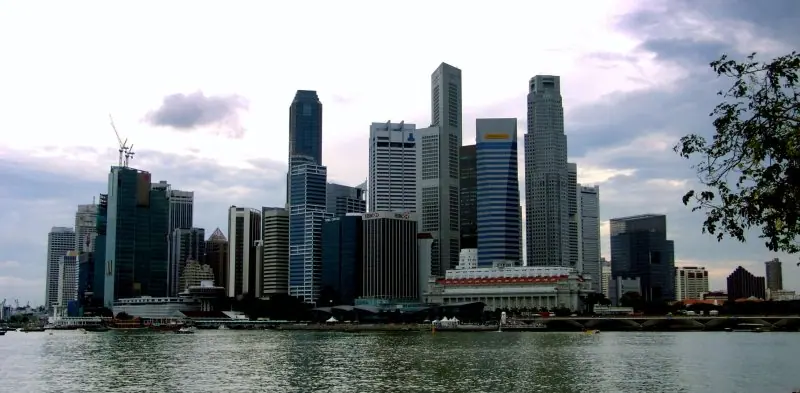
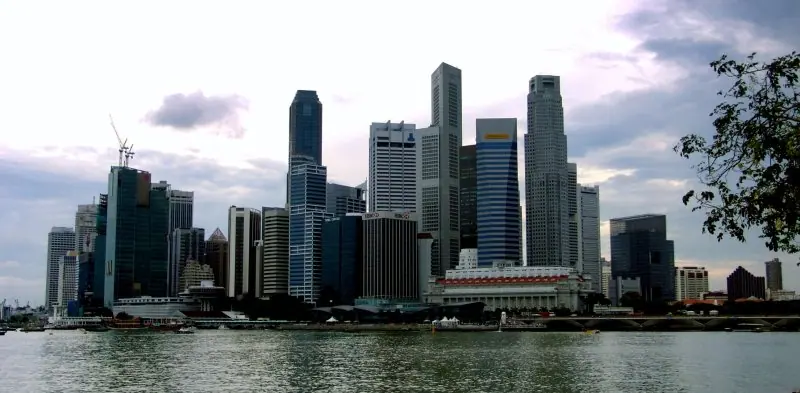
Finish at the Artificial Beach, where Maldivian families swim fully clothed at dusk and children ride bicycles along the seawall, then walk the harbour as the fishing boats unload. If you have time, cross the Sinamalé Bridge — the long ribbon of road that links Malé to the reclaimed island of Hulhumalé — for a cleaner, emptier beach and a very different view back at the city skyline. Note that Friday is a half-day at best: many shops and museums shut around prayers.
Bodu Beru, Thaana and the Craft of Island Hands
Maldivian culture is oral, musical and made by hand. The signature sound is bodu beru — literally 'big drum' — performed by a dozen men on coconut-wood drums skinned with goat hide, one leading the chant, the rest answering in call-and-response while dancers move in a slow circle. It began as a celebration of the full moon, absorbed African, Arab and South Asian rhythms over the trading centuries, and it still erupts at weddings, Eid and national festivals. Resort islands stage polished versions; on a local island you'll hear the genuine thing, unrehearsed, on a sand pitch under floodlights.
Craft traditions survive on specific islands, often carried by women. On Thulhaadhoo in Baa Atoll, artisans turn local wood on hand lathes and finish it with liye laajehun, the lacquerwork of red, black and yellow geometric bands that decorates everything from vases to the ceilings of royal tombs. In Gadhdhoo and on Fuvahmulah, weavers dry, dye and plait reeds into thundu kunaa, the fine mats once traded north to the courts of Sri Lanka. Coir rope spun from coconut husk, coral-stone carving and boat-building still hang on in a handful of villages.
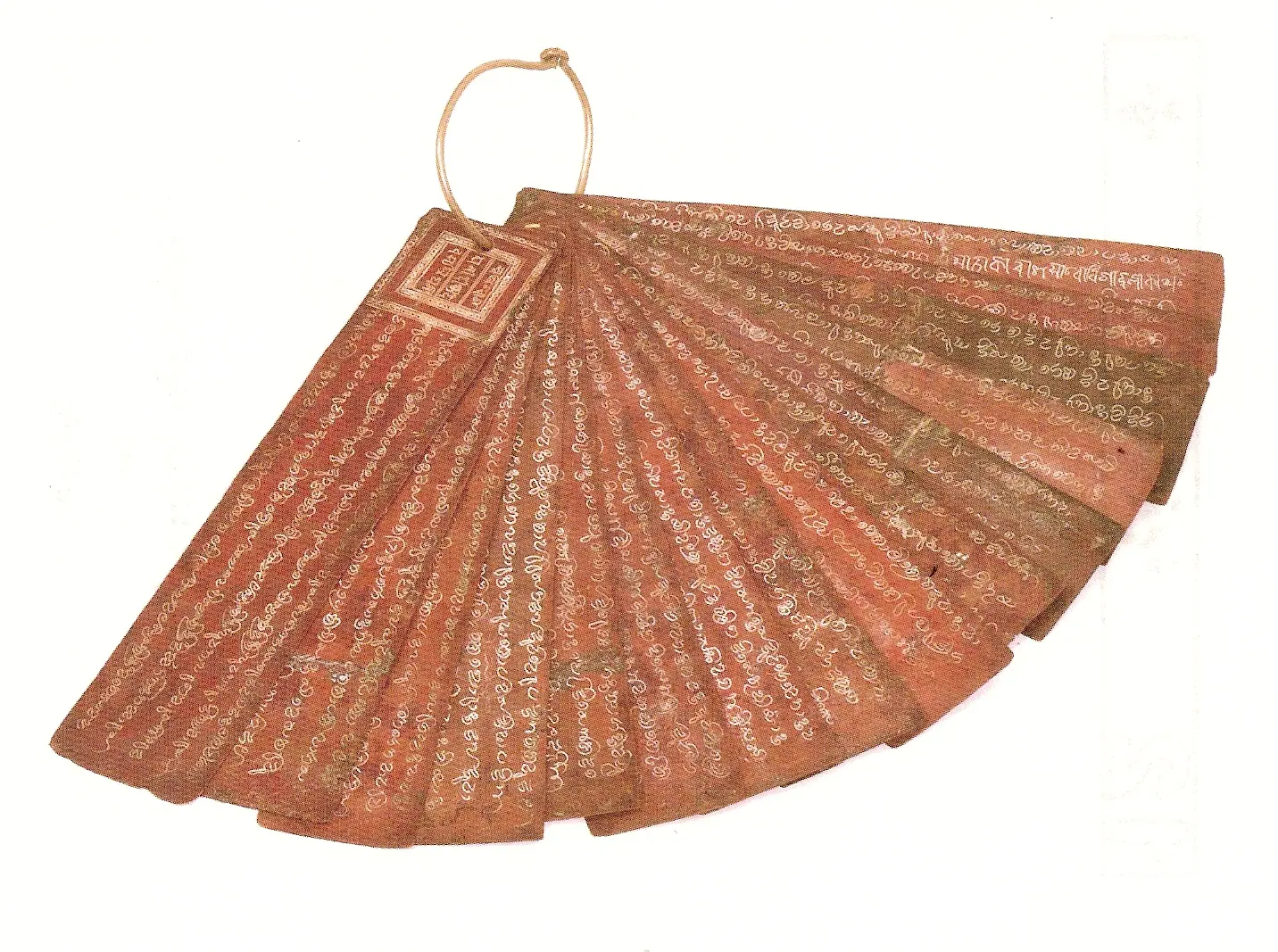
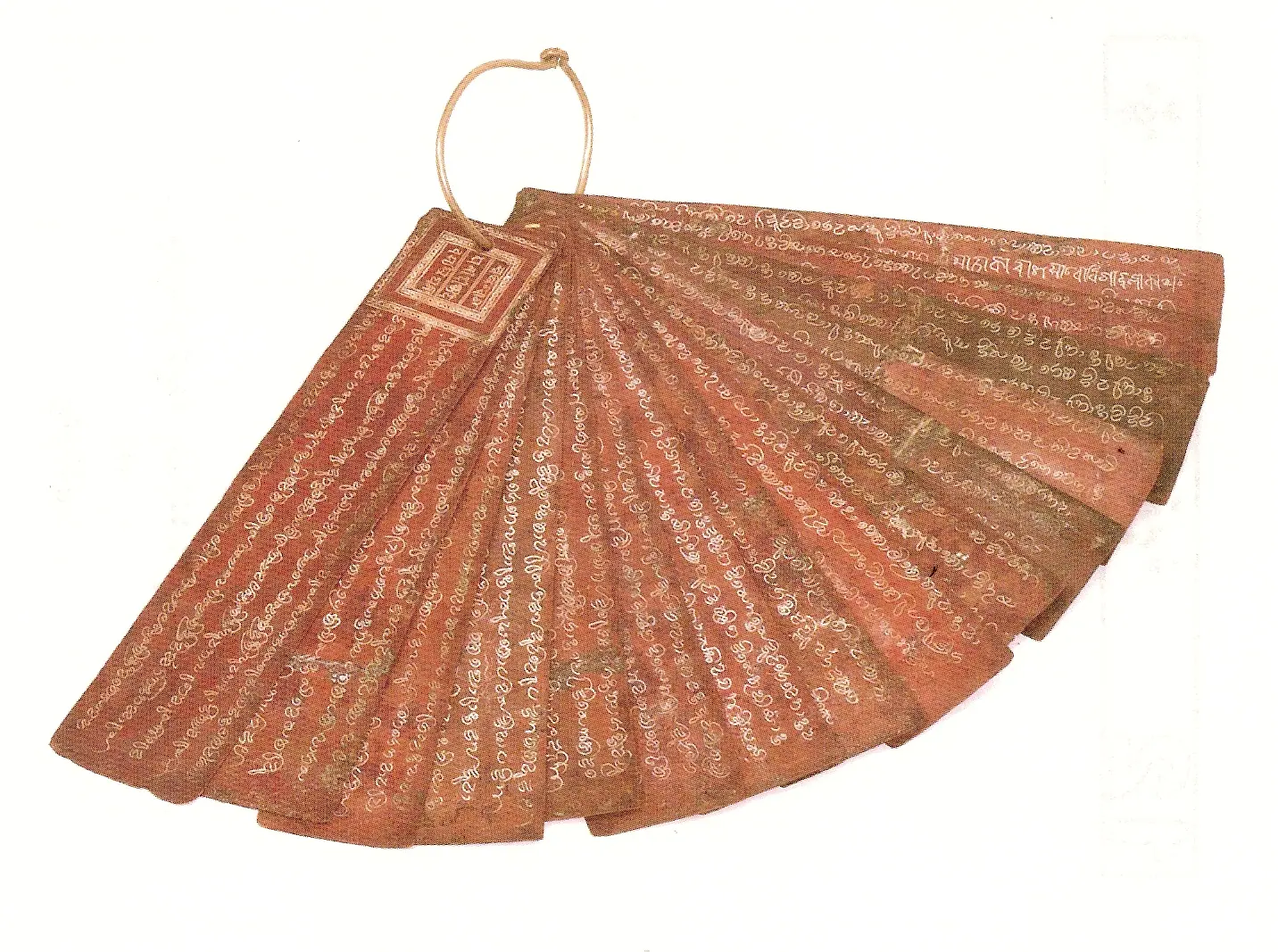
Language is part of the experience. Dhivehi is written in Thaana, a right-to-left script of curved consonants and vowel marks derived from Arabic numerals, and island signboards are unreadable to most visitors — which is half the fun. In villages, greet with a smile before you photograph, keep shoulders and knees covered away from the designated bikini beach, and remember that Friday prayers close shops for an hour or two. Learning 'assalaamu alaikum' earns a warmer reception than any tip.
Underwater Landmarks: Hanifaru Bay, Banana Reef and Maaya Thila
The Maldives' real cathedrals are underwater. In Baa Atoll, Hanifaru Bay is the headline act: a narrow inlet inside a UNESCO Biosphere Reserve where, from roughly June to November, plankton blooms in the southwest monsoon current and draws dozens — sometimes more than a hundred — of reef manta rays into a feeding spiral. Snorkelling is permitted under strict numbers and diving is not allowed inside the bay, which is exactly why the mantas keep coming back.
In North Malé Atoll, Banana Reef was one of the country's first protected dive sites and remains a beginner-friendly classic of overhangs, soft coral and schooling fusiliers, while HP Reef nearby offers a drift over bright fan corals. South Ari Atoll hosts a marine protected area where whale sharks cruise the outer reef year-round, and Maaya Thila, a submerged pinnacle in Ari Atoll, is famous for night dives with grey reef sharks hunting in torchlight. Further south, Fotteyo Kandu in Vaavu Atoll delivers the drama — a channel with grey reef sharks, eagle rays and, in season, hammerheads.
Timing matters. The dry northeast monsoon, called iruvai, runs from about December to April and delivers the calmest seas and clearest visibility — the peak season for divers and the highest prices. The southwest monsoon, hulhangu, from May to October brings wind, rain and richer plankton, which is precisely what attracts mantas and whale sharks. Water sits around 27–30°C year-round, so a 3mm suit is plenty; liveaboards and day boats from the main atolls reach most of these sites within an hour or two.
Sandbanks, Dhoni Sails and the Sea of Stars
The most Maldivian day out costs almost nothing: a dhoni, the traditional wooden boat with a curved bow, takes you to a sandbank that vanishes at high tide. You snorkel the drop-off, eat grilled tuna and coconut rice under a makeshift awning, and watch the horizon stay empty for hours. Guesthouses on Maafushi, Dhigurah and Rasdhoo run these trips routinely, often combined with a stop at a reef where turtles graze on seagrass.
In the late afternoon, boats head out to meet spinner dolphins, which leap and pirouette in the bow wave of the returning fleet — a spectacle so regular that it has become a fixture of island evenings. After dark, the phenomenon people travel for is on Vaadhoo Island in Raa Atoll, where bioluminescent plankton turn the shoreline into a field of blue sparks on moonless nights. It is best seen on a new-moon tide between roughly June and November, and it is unpredictable; locals call the glow 'the sea of stars' and treat it as a gift rather than a guarantee.
Night fishing is the other classic. You drop a handline over the reef edge for snapper, emperor or jobfish, and whatever you catch is grilled for you on the beach an hour later — a transaction so satisfying it ruins restaurant fish forever. Longer day trips reach islands such as Dhigurah, with its three-kilometre sand spit and resident whale sharks, and Thoddoo, whose farming families grow the watermelons and chillies sold across the atolls.
Island Etiquette, Monsoons and Moving Between Atolls
Plan around two monsoons. Iruvai, the dry northeast monsoon, roughly spans December to April: blue skies, flat seas, easy ferries and peak rates. Hulhangu, the wet southwest monsoon from May to October, brings short, heavy showers, choppier crossings and lower prices, plus the plankton that makes the diving extraordinary. Ramadan shifts the rhythm of every inhabited island — some cafés close by day, working hours shorten and evening life moves late; visitors are still welcome but should eat and drink discreetly in public.
The Maldives is a Muslim country, and its inhabited islands are not resort islands. Alcohol and pork are not sold on them, modest dress is expected in villages, and bikinis belong on the designated bikini beach, marked by signs and usually screened by palms. Topless sunbathing is not acceptable anywhere outside a private resort. Tipping is appreciated but not obligatory; a small note for a boat crew or a room attendant is generous and rarely expected.
Getting between atolls takes planning. Public ferries are remarkably cheap but slow, run on limited days and generally skip Friday altogether, so most travellers pair a ferry or two with a speedboat transfer arranged by their guesthouse. Domestic flights connect Malé with the far southern atolls, and seaplanes serve resort islands only, operating in daylight hours. Book transfers with your accommodation before you arrive — it removes almost all the friction from island hopping and leaves you free to worry about nothing more than which tea bench to try next.
Frequently asked questions
Can you visit the Maldives without staying at a resort?
Yes. Hundreds of inhabited islands allow tourism, and guesthouses on Maafushi, Dhigurah, Ukulhas, Thoddoo, Fulidhoo and Rasdhoo welcome visitors at a fraction of resort prices. You get a local beach, family-run kitchens and a designated bikini beach, with the trade-off that alcohol is not available and dress codes apply in the villages.
What traditional Maldivian food should I try first?
Start with a tea bench: sai and a plate of hedhikaa such as bajiya, gulha and masroshi. Then move on to garudhiya — tuna broth poured over rice with lime, chilli and onion — plus fihunu mas, grilled chilli-rubbed fish, mas huni with roshi for breakfast, and rihaakuru, the deep-flavoured fish paste that seasons everything.
When is the best time to visit for diving and marine life?
For flat seas and the clearest visibility, aim for the dry northeast monsoon, roughly December to April. For mantas and whale sharks, the plankton-rich southwest monsoon from May to October is better — Hanifaru Bay in Baa Atoll typically peaks between June and November, and whale sharks appear year-round off South Ari Atoll.
What should I wear and how should I behave on local islands?
Cover shoulders and knees away from the beach, remove shoes before entering a mosque and ask before photographing people. Swimwear belongs on the marked bikini beach; topless sunbathing is not acceptable. Alcohol and pork are unavailable on inhabited islands, and shops close briefly around Friday prayers.
How do I travel between islands and atolls?
Public ferries are the cheapest option but are slow, run on limited days and usually do not operate on Fridays. Speedboat transfers, booked in advance through your guesthouse, cover most routes in under two hours, while domestic flights link Malé with the far southern atolls. Seaplanes serve resort islands only and fly in daylight.
Sort the rest of your trip
Everything for Maldives, in one place
Stay in Maldives
Hotels, guesthouses and apartments — compared in one search.
Search hotels
Transfer in Maldives
Private driver waiting on arrival — no queues, no surprises.
Book a transfer
Stay online in Maldives
Travel eSIM — data the moment you land, no roaming bills.
Get an eSIM