Israel is a country you can cross in a morning and still spend weeks unravelling — a walled Old City of golden stone, a Mediterranean metropolis of white Bauhaus cubes, a freshwater lake ringed by holy sites, and a desert that drops to the lowest point on Earth. Few places pack so many landscapes, languages and layers of history into so little space.
Jerusalem's Old City: Four Quarters, One Unforgettable Maze
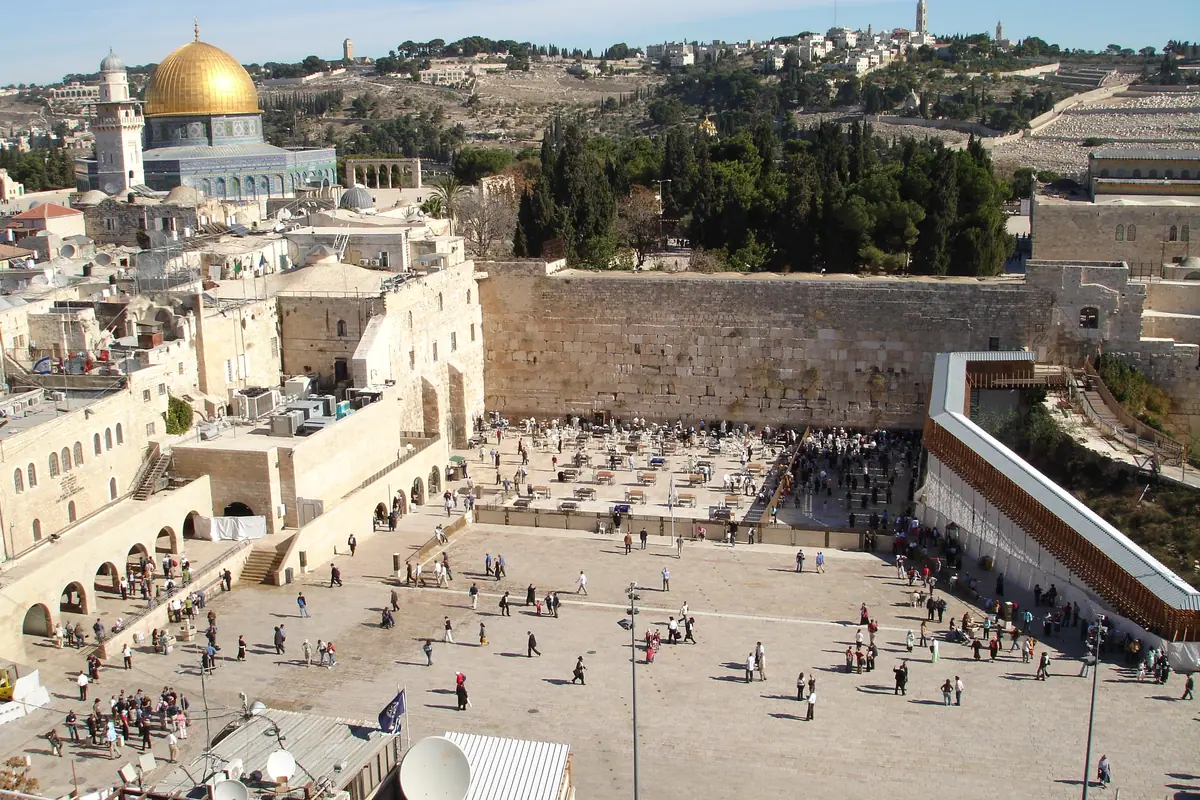
The Old City of Jerusalem covers barely one square kilometre yet holds some of the most contested and revered ground on the planet. Step in through Jaffa Gate or the busier Damascus Gate and the streets narrow into a vaulted bazaar of spice sacks, pilgrim trinkets and stone arched so low you have to duck. The Western Wall, the last surviving retaining wall of the ancient Temple courtyard, is the emotional heart of the Jewish Quarter: men and women pray in separate areas, heads are covered with paper kippot handed out at the entrance, and folded notes are pressed into the cracks between the enormous Herodian blocks. Above it sits the Temple Mount, crowned by the golden Dome of the Rock and the Al-Aqsa Mosque; access for non-Muslim visitors is limited to set morning hours through a single gate, with modest dress required and occasional closures.
A few minutes' walk west lies the Church of the Holy Sepulchre, built over the sites of the crucifixion and tomb, where a tangled queue forms from early morning for a few seconds inside the Edicule. The Via Dolorosa's fourteen stations thread back through the Muslim and Christian quarters, best walked before 10am when the shopkeepers are still lifting their shutters.
Outside the walls, climb the Mount of Olives for the classic postcard view over the domes and rooftops, then walk down past the Church of All Nations and the ancient olive trees of the Garden of Gethsemane. Underground, the City of David reveals Hezekiah's Tunnel, a 2,700-year-old water channel you wade through waist-deep in the dark for roughly 30 to 45 minutes — bring water shoes and a small torch.
Allow at least two full days here; the light is best early, the stone slippery after rain, and winter brings cold showers while summer afternoons can be punishingly dry. From Friday afternoon until Saturday nightfall, the Jewish Quarter slows almost to a standstill, while the Muslim Quarter market is at its loudest mid-morning.
Jerusalem Beyond the Walls: Museums, Memory and Market Stalls
The Israel Museum is the country's flagship, and its Shrine of the Book — a white dome shaped like the lid of the jars that held them — displays the Dead Sea Scrolls in a softly lit underground chamber. Just outside stands a meticulous 1:50 scale model of Jerusalem as it looked in 66 CE, the best possible primer before you walk the real streets. Add the archaeology and fine art wings and you have an easy three hours.
Yad Vashem, the Holocaust remembrance centre on the western edge of the city, is sobering and essential; the historical museum takes most visitors two to three hours, children under ten are not admitted, entry is free, and it closes on Saturdays and Jewish holidays. Nearby Mount Herzl holds the country's national cemetery and the graves of its founding figures.
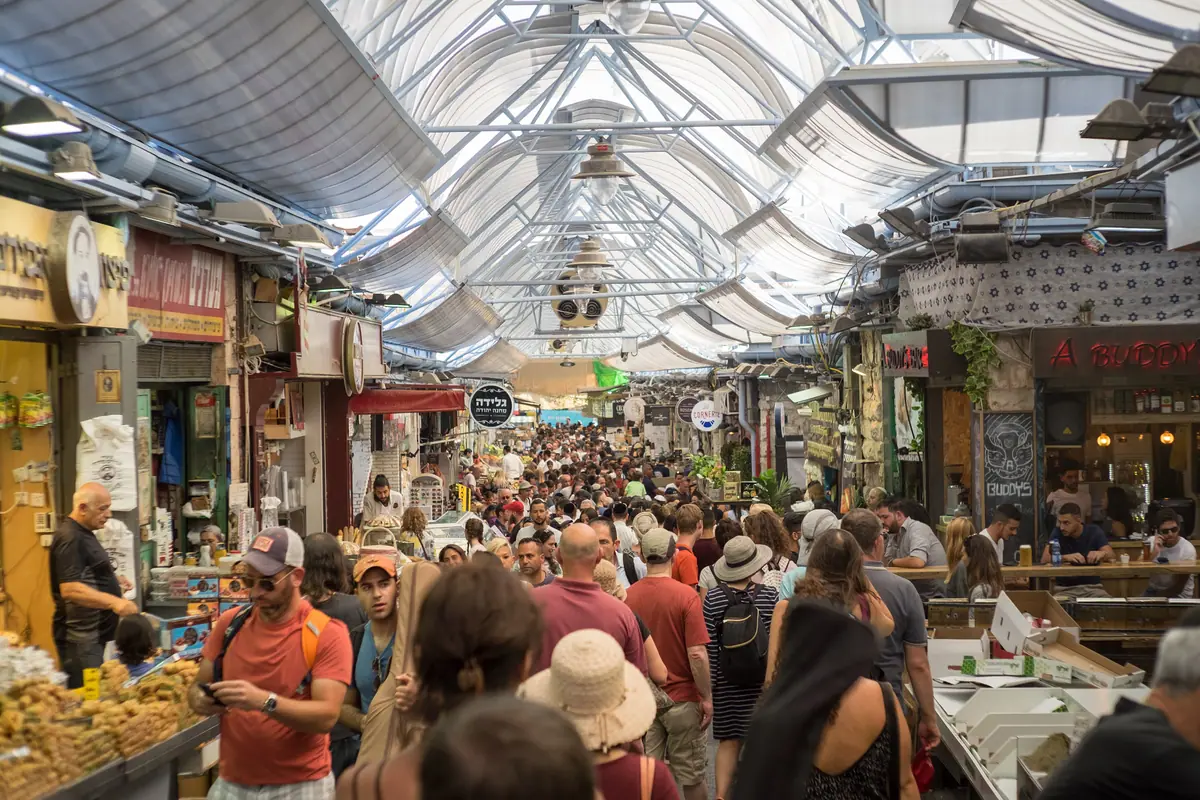
For a change of register, head to Mahane Yehuda Market, where more than 250 stalls sell rugelach, halva, dried fruit, olive oil and cheap, superb hummus. Thursday and Friday mornings are a frenzy of shoppers stocking up before Shabbat; on Thursday nights the same lanes fill with small bars, and after Saturday nightfall the market wakes again. The nearby neighbourhoods of Nachlaot and the cafés of Ein Kerem round out a day that never touches a tour bus.
Tel Aviv and Jaffa: Bauhaus Boulevards and an Ancient Port
Tel Aviv is the counterweight to Jerusalem: secular, beach-fixated, open late. Its White City is the largest concentration of Bauhaus and International Style buildings anywhere, best appreciated along Rothschild Boulevard and the streets around Habima Square, where white cubes with rounded balconies and shaded stairwells glow in the afternoon sun. The Tel Aviv Museum of Art and the characterful lanes of Neve Tzedek, the city's first neighbourhood, are within comfortable walking distance.
The city's 14 kilometres of Mediterranean sand are its living room. Gordon, Frishman and Hilton beaches draw a young crowd with paddle-ball, matkot, and sunset drum circles; some stretches set aside separate bathing days, and the whole promenade runs south along the seafront to Jaffa. Come Friday afternoon, buses and trains stop for Shabbat, but Tel Aviv barely notices — cafés, galleries and many restaurants stay open, so it is the easiest place in the country to spend a Saturday.
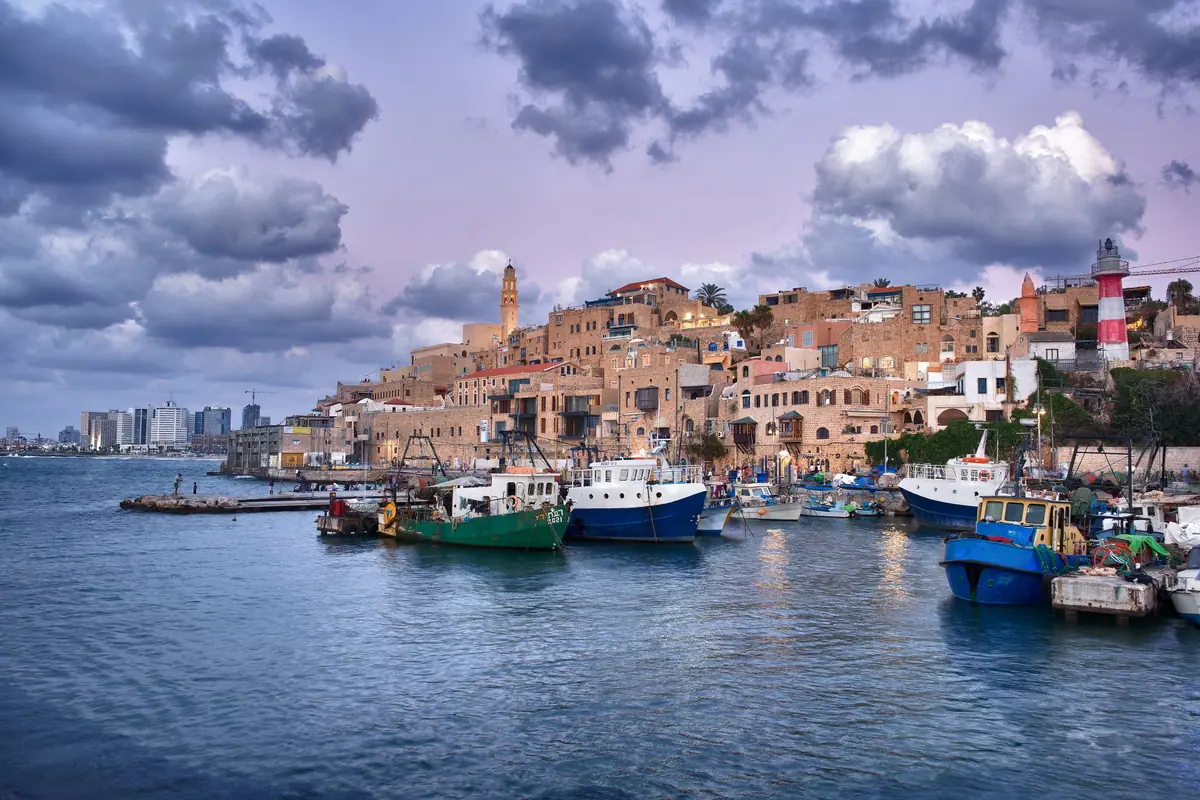
Jaffa, grafted onto the southern edge, is one of the oldest ports in the world. Wander the restored alleys of the old town, the Franciscan St. Peter's Church with its bell tower, the clock tower square and the flea market, then eat grilled fish overlooking Andromeda Rock as the sun drops. The Carmel Market and the covered Sarona quarter cover the food side; for breakfast, order shakshuka or a sabich pita and you will understand why Israelis argue about food the way other nations argue about politics.
Up the Coast: Caesarea, Haifa's Terraces and Crusader Acre
Caesarea Maritima, about an hour north of Tel Aviv, is the country's finest Roman site — a vast harbour city built by Herod the Great with a theatre still used for open-air concerts, a hippodrome, bathhouses and the submerged foundations of an artificial port you can snorkel over. Half a day is enough, and the late afternoon light on the sandstone is worth waiting for.
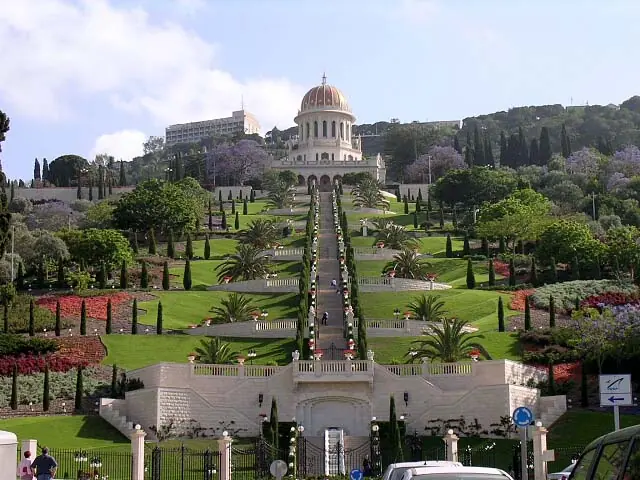
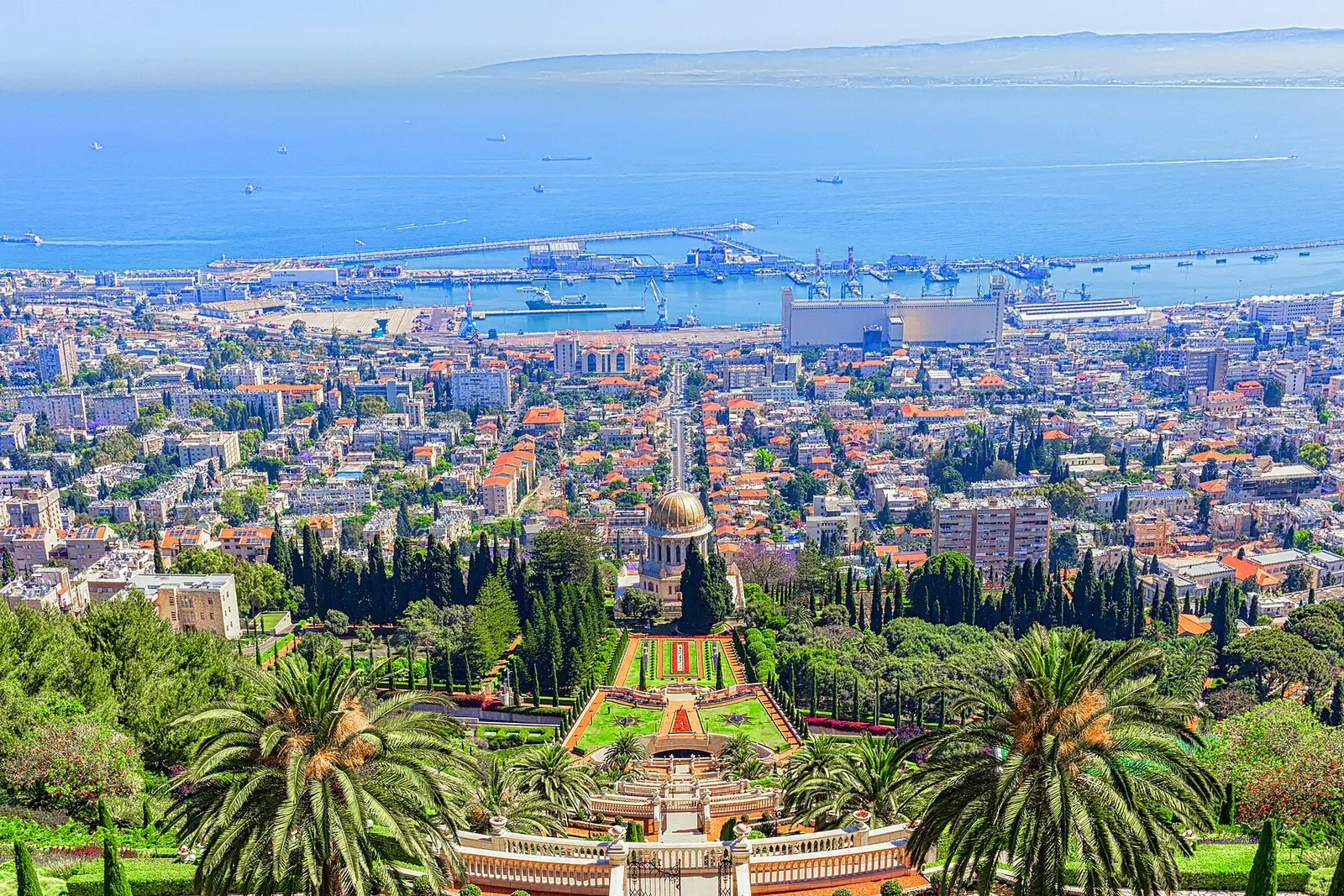
Haifa climbs Mount Carmel in tiers, and its crowning sight is the Bahá'í Gardens: nineteen terraces of manicured lawn and flowerbeds cascading down the mountainside around the golden-domed Shrine of the Báb. Free guided walks descend the terraces at set times on certain days; otherwise the upper and lower viewpoints give the full panorama. Below, the German Colony's Ben-Gurion Avenue leads straight to the port, lined with cafés and restaurants.
Twenty minutes up the coast by train, Acre — Akko — is a Crusader city almost intact beneath its Ottoman surface. Walk the echoing Knights' Halls, the underground Crusader tunnel, the sea walls and the courtyards of the Al-Jazzar Mosque, then eat at the fishing port. Further north at Rosh Hanikra, a cable car drops down the chalk cliffs into sea grottoes that glow turquoise when the water is calm — check opening times, as rough seas close them.
The Galilee and the Golan: Green Hills, Holy Sites and Cool Air
Nazareth's Basilica of the Annunciation is the largest church in the Middle East, a modern two-tiered structure built over the traditional grotto of the Annunciation and decorated with mosaics sent from Catholic communities around the world. The old market lanes below, plus the nearby Church of St. Joseph and Mary's Well, make an atmospheric half day.
The Sea of Galilee, or Kinneret, sits about 40 minutes east. Around its shore you can visit the black basalt synagogue ruins at Capernaum, the Mount of Beatitudes with its octagonal chapel, the loaves-and-fishes mosaic at Tabgha, and the baptismal site on the Jordan River. It is easily circled in a day, with a stop in Tiberias for grilled tilapia — sold everywhere as St. Peter's fish.
Head up into the hills and the air cools quickly. Safed, a hilltop town of narrow stone alleys, is the historic cradle of Kabbalah, with ancient synagogues and a lively artists' quarter of galleries and workshops. Beyond it, the Golan Heights offers the Banias Nature Reserve, where the Hermon stream crashes through a gorge, the medieval Nimrod Fortress, panoramic lookouts, and small family wineries. In spring and autumn the Hula Valley becomes a flyway for tens of thousands of cranes and pelicans — bring binoculars.
The Desert South: Masada at Sunrise, the Dead Sea and the Negev
Masada, the fortress palace Herod built on a sheer desert plateau, is the country's defining archaeological site. Most travellers climb the Snake Path in the dark, starting roughly ninety minutes before dawn with a torch and plenty of water, to watch the sun rise over the Dead Sea from the ramparts; a cable car runs from the visitor centre if you would rather skip the hike. On top, Herod's northern palace clings to the cliff, and the Roman siege camps and ramp below tell the story of the final stand.
Below Masada, the Dead Sea marks the lowest point on Earth at around 430 metres below sea level. Floating is effortless and unforgettable — do not splash, do not shave beforehand, limit yourself to about twenty minutes, and rinse off in the freshwater showers at Ein Bokek's free beaches. Nearby Ein Gedi Nature Reserve is a lush surprise: two streams, David and Arugot, cut through the cliffs past waterfalls, Nubian ibex and rock hyrax. Come between October and April for comfortable hiking; summer heat regularly tops 40°C.
Further south the Negev opens up. Ramon Crater, a vast erosion cirque at Mitzpe Ramon, has rim trails and some of the darkest night skies in the region, while the Nabataean ruins of Avdat and Shivta recall the ancient incense routes. Eilat, at the country's southern tip, is a Red Sea resort with coral reefs, a protected coral beach reserve and superb snorkelling and diving, plus the red sandstone formations of Timna Park — Solomon's Pillars and the Mushroom among them. It is four to five hours by road from Tel Aviv, or a short domestic flight.
Frequently asked questions
How many days do you need to see Israel?
Seven to ten days covers the essentials comfortably: three nights in Jerusalem, two in Tel Aviv or Jaffa, one or two in the Galilee, and one for Masada and the Dead Sea. With two weeks you can add the Golan Heights, Acre, the Negev and Eilat without rushing.
When is the best time to visit Israel?
March to May and October to November bring mild temperatures, green hills in the north and comfortable desert hiking. Summer is hot and humid on the coast, winter is cool and rainy in Jerusalem but pleasant in Eilat. Avoid the major Jewish holidays if you want shops and transport running normally, and expect peak prices during Passover and Sukkot.
What should I know about Shabbat?
Shabbat runs from Friday afternoon until Saturday nightfall. Trains and buses stop, many shops and restaurants close, and Jerusalem becomes very quiet. Tel Aviv stays lively, with cafés and many restaurants open, and Haifa keeps some public transport running. Plan travel and grocery shopping around it, and note that many sites close early on Fridays.
Can you visit Masada and the Dead Sea in one day?
Yes, and most people do. It is about 90 minutes by road from Jerusalem. Start before dawn to hike the Snake Path for sunrise, spend two to three hours on the plateau, then swim or float at Ein Bokek, stopping at Ein Gedi Nature Reserve on the way back. Bring water, a hat, water shoes and a towel.
Do you need to rent a car in Israel?
Not for Jerusalem, Tel Aviv or Haifa, which are well linked by train and city buses. A car makes the Galilee, Golan, Negev and Dead Sea far easier and lets you travel on your own schedule, but book early for weekends and holidays. Eilat is reachable by domestic flight or a long bus ride if you prefer to skip the drive.
Plan it — experiences in Israel
Live search, booked directly with trusted providers.
Sort the rest of your trip
Everything for Israel, in one place
Stay in Israel
Hotels, guesthouses and apartments — compared in one search.
Search hotels
Transfer in Israel
Private driver waiting on arrival — no queues, no surprises.
Book a transfer
Stay online in Israel
Travel eSIM — data the moment you land, no roaming bills.
Get an eSIMMore guides in Israel
Israel Food, Culture and Local Experiences: A Tour Guide to Markets, Kitchens and Desert Hospitality
Best Time to Visit Israel: A Season-by-Season Guide to Hotels and Sights
Where to Stay in Israel: Top Cities, Hotels and Must-See Attractions
Things to Do in Haifa: Terraced Gardens, Street Food and Carmel Trails
