Israel packs sea, desert, holy sites and hilltop towns into a country you can cross in an afternoon, which makes choosing your hotel the single most important decision of the trip. Base yourself well and the Western Wall, the beaches of Tel Aviv, the salt flats of the Dead Sea and the coral reefs of Eilat all fall within easy reach.
Where to Base Yourself: Israel's Hotel Map at a Glance
Israel is small enough to treat as a single destination. The drive between Jerusalem and Tel Aviv takes roughly an hour on the fast highway, Haifa sits about ninety minutes north of Tel Aviv, the Dead Sea resorts are an easy day trip from Jerusalem, and even Eilat at the southern tip is reachable by domestic flight or a scenic desert drive. That geography shapes how people book: many travellers split their stay between two bases rather than moving every night, pairing Jerusalem's stone-clad hotels with Tel Aviv's beachfront towers.
The accommodation itself is surprisingly varied. Tel Aviv leans toward design-led boutique properties and modern high-rises along the seafront; Jerusalem favours heritage buildings, garden hotels and guesthouses inside and just outside the Old City walls. In the north you will find intimate boutique inns, kibbutz guesthouses and rustic cabin-style 'zimmers', while the Dead Sea and Eilat are all about resort hotels with pools, spas and half-board packages.
One local rhythm matters more than any map: Shabbat. From Friday afternoon until Saturday evening, many shops, buses and restaurants close, and hotel life shifts accordingly — lifts that stop on every floor, kosher kitchens, Shabbat-friendly keys and long, slow breakfasts. Booking early pays off for the spring window of March to May and the autumn stretch of October to November, and especially around Passover and Sukkot, when domestic demand for rooms soars.
Practical tip: hotels in Israel almost always include a generous Israeli breakfast, and most are kosher, meaning no pork or shellfish and no mixing of meat and dairy. If you keep kosher or observe Shabbat, mention it when booking — many properties will happily arrange a room within walking distance of synagogues or the Old City.
Jerusalem: Sleeping Beside the Old City Walls
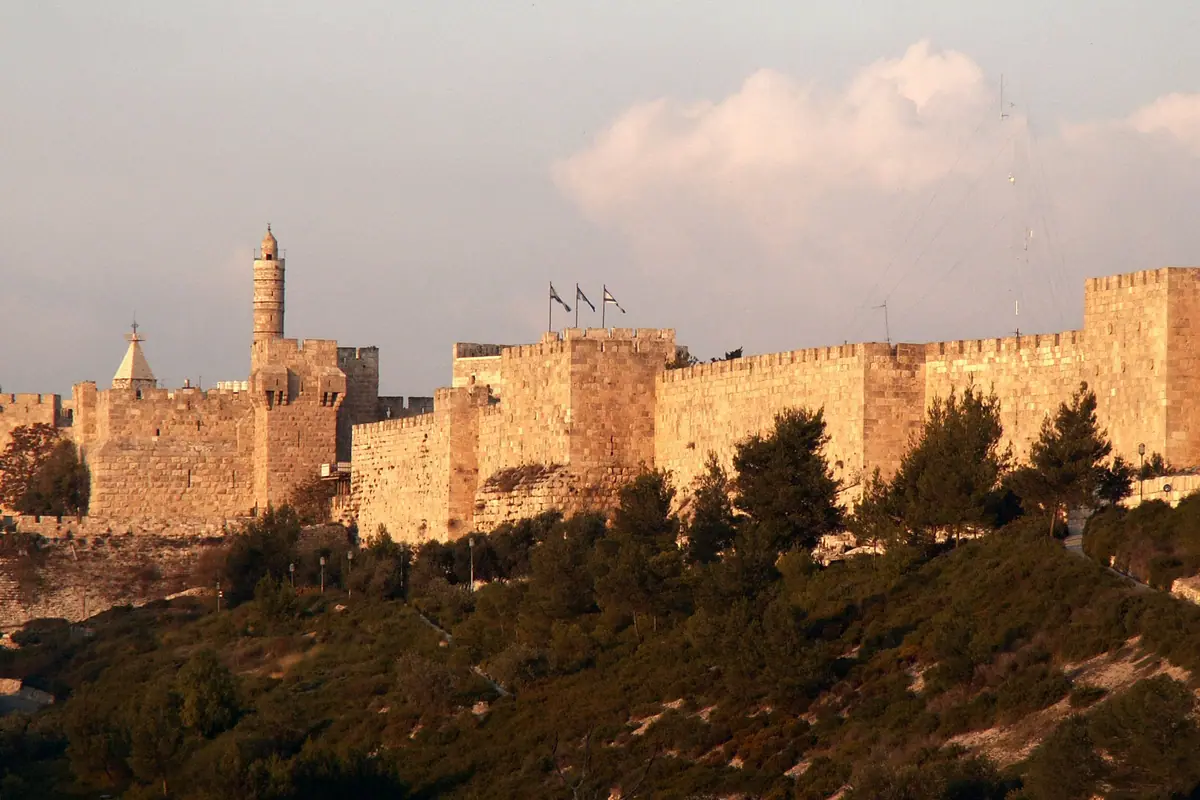
Jerusalem rewards travellers who stay close to the history rather than commuting into it. The Old City is divided into four quarters — Jewish, Christian, Muslim and Armenian — and within its walls you can walk from the Western Wall, the holiest site in Judaism, through the Via Dolorosa to the Church of the Holy Sepulchre, believed to hold the site of the crucifixion and resurrection, and on to the Dome of the Rock on the Temple Mount. Hotels inside the walls are few and simple; most visitors instead stay in Mamilla, the City Centre or the German Colony, a short walk or tram ride from Jaffa Gate and the Tower of David.
Beyond the walls, the must-sees keep coming. The Mount of Olives delivers the classic panorama over the golden Dome of the Rock, with the Garden of Gethsemane at its foot; Mount Zion holds the Room of the Last Supper and King David's Tomb. The Israel Museum displays the Dead Sea Scrolls in the Shrine of the Book, while Yad Vashem, the Holocaust remembrance centre, demands a quiet half-day. Mahane Yehuda Market is the city's best food stop by day and its liveliest bar scene by night.
Choose your neighbourhood by mood. Stay near Mamilla or Jaffa Gate for maximum sightseeing on foot, in the City Centre for the light rail and nightlife, in leafy Rehavia or Ein Kerem for quiet gardens and village atmosphere. Friday evenings are exceptionally still, so plan a hotel with a good restaurant or a kitchenette — and remember that many Old City sites keep shorter hours on Fridays and close on Saturdays.
Tel Aviv: Beachfront Towers and Bauhaus Boutiques
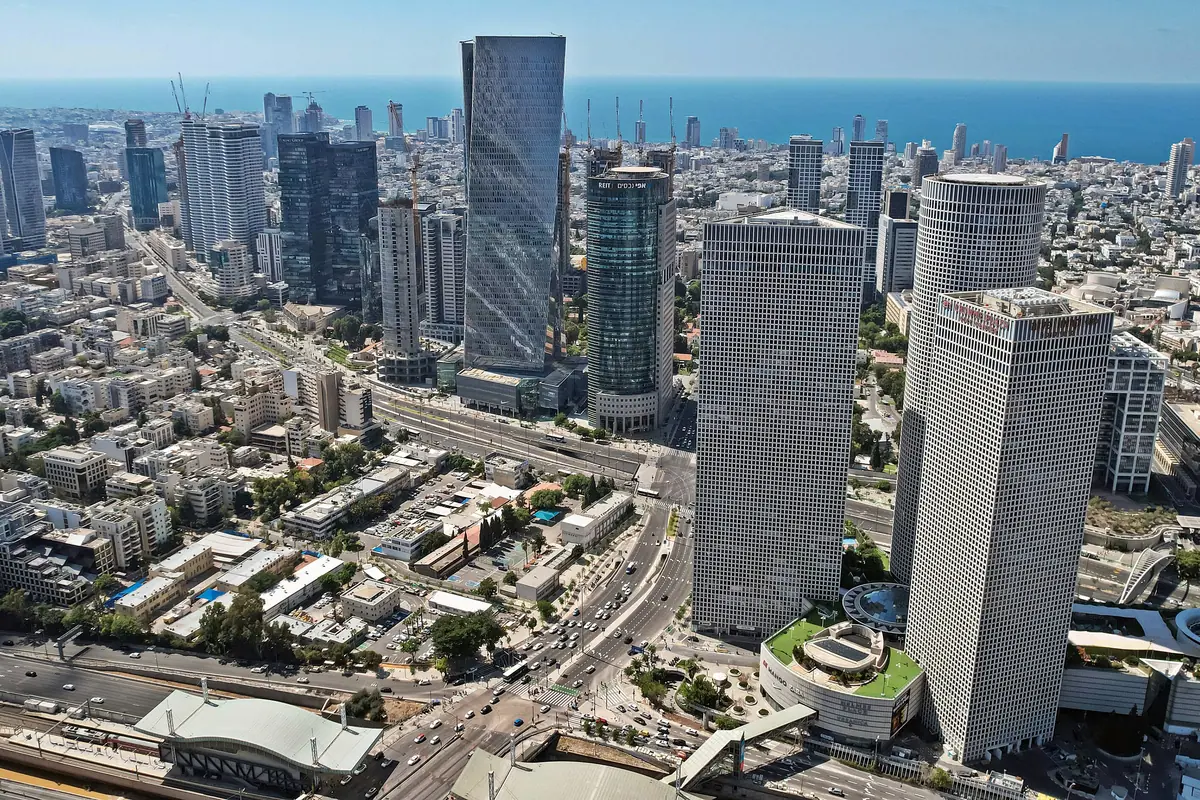
Tel Aviv is the country's hotel playground, and its personality changes block by block. The seafront strip along Hayarkon and Gordon Beach is lined with high-rise hotels where rooms come with balconies facing the Mediterranean; the White City's UNESCO-listed Bauhaus architecture gives the boulevards a distinctly European feel; and in the south, Neve Tzedek and ancient Jaffa offer boutique stays in restored stone houses and alleyways overlooking the old port.
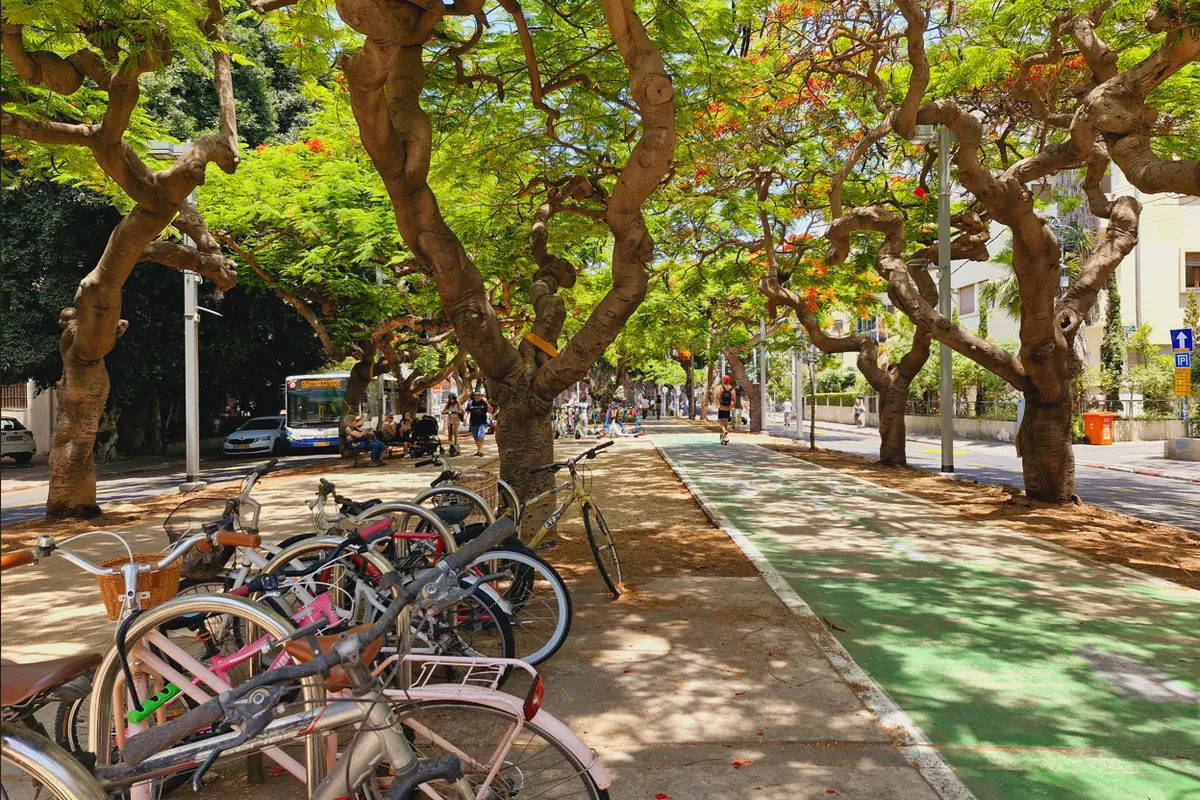
The city's attractions are refreshingly walkable. Stroll Rothschild Boulevard for Bauhaus façades and coffee culture, dive into the noise and colour of Carmel Market, follow the promenade to the Port of Tel Aviv, and spend an evening in Jaffa's flea-market quarter and its hilltop churches. The Tel Aviv Museum of Art and the nearby cultural complex anchor a serious arts scene, while Hatachana, the restored Ottoman railway station, is a lovely spot for a slow afternoon.
For value, look slightly inland: Florentin and the streets around Allenby offer characterful small hotels and apartments at gentler rates, still within a short walk of the beach. If you are travelling in July and August, expect heat and high prices — booking a room with a pool or a sea breeze is worth the splurge. Spring and autumn are when the city is at its most enjoyable, with beach weather and long café evenings.
The Dead Sea and the Negev: Spa Resorts and Desert Camps
The lowest point on Earth is also one of the easiest places to build a hotel around. The Dead Sea's hotel strip at Ein Bokek sits directly on the shore, with spas, salt-water pools and private beach access — you can float in water so mineral-rich that nothing lives in it, then wrap yourself in the famous black mud. Come for two or three nights rather than one: the air is dry and the experience is best taken slowly, with early mornings for floating and afternoons for the spa.
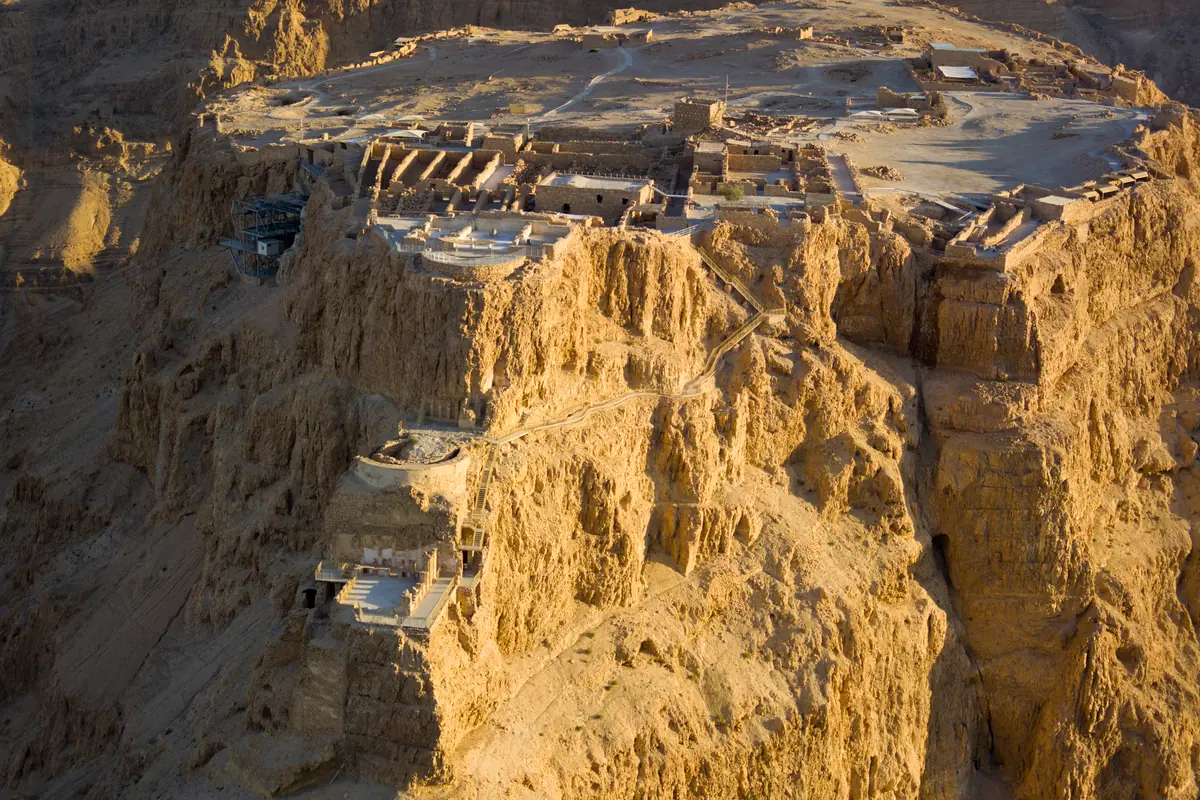
Inland, the Negev desert delivers the region's most dramatic day trips. Masada, the fortified palace of Herod the Great, rises above the Dead Sea and is reached by cable car or by the winding Snake Path — sunrise from the summit is unforgettable. Nearby, Ein Gedi Nature Reserve hides waterfalls and ibex in desert wadis, and the Qumran caves look out over the landscape where the Dead Sea Scrolls were found.
Further south, Mitzpe Ramon perches on the edge of the Ramon Crater, a vast geological bowl that draws hikers, jeep tours and stargazers; boutique desert lodges and glamping camps make it a memorable overnight stop. Practical notes: don't shave or exfoliate before entering the Dead Sea, limit floats to about fifteen minutes, rinse off salt immediately, and carry far more water than you think you need. Winter here is mild and pleasant, while summer heat is genuinely punishing after mid-morning.
Galilee, Golan, Haifa and Acre: Northern Israel Hotels
Northern Israel is where the country slows down, and its hotels reflect that — boutique inns in restored stone houses, kibbutz guesthouses with gardens, spa hotels above the Sea of Galilee and wooden 'zimmers' with private hot tubs. Tiberias makes a convenient base on the lake, close to Capernaum, the Mount of Beatitudes and the Jordan River baptismal sites, while Nazareth's Basilica of the Annunciation and Mary's Well anchor the region's Christian heritage.
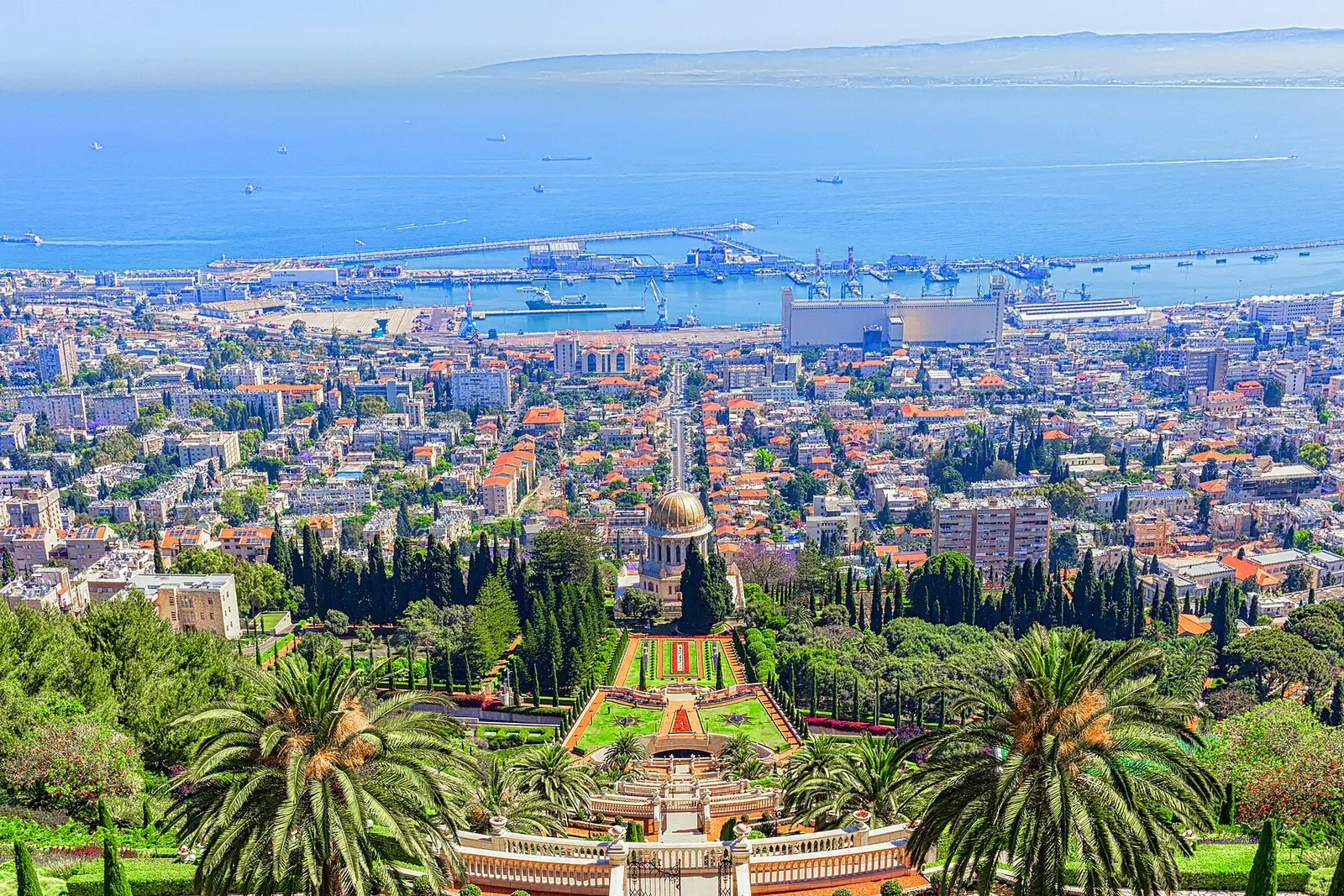
Head west and you reach Haifa, whose Bahá'í Gardens cascade down Mount Carmel in manicured terraces above the German Colony, and Acre (Akko), a UNESCO-listed crusader port where the Knights' Halls, the Al-Jazzar Mosque and the sea walls form one of the country's most atmospheric old towns. A night inside Acre's walls, or in Haifa's German Colony, gives you these sights before the day-trippers arrive.
Push north into the Golan Heights for the Banias Nature Reserve's waterfalls, the Nimrod Fortress and sweeping views toward Mount Hermon, and stop at Rosh Hanikra on the Mediterranean coast to ride the cable car down to the sea-carved grottoes. Safed (Tzfat), the hilltop city of Kabbalah, is the region's most charming overnight, with an artists' quarter of galleries and synagogues. Spring wildflowers and autumn colours are the best seasons for a driving trip here; a rental car is by far the easiest way to link these places.
Eilat and Booking Smart: Red Sea Resorts and Local Know-How
Eilat, at the country's southern tip, is Israel's resort town: a lagoon lined with hotels, a promenade of restaurants and dive shops, and warm water year-round. The Coral Beach Nature Reserve offers some of the best snorkelling and diving in the region, the Underwater Observatory Marine Park lets you see the reef without getting wet, and Dolphin Reef and nearby Timna Park's ancient copper mines and sandstone pillars fill out a family itinerary. Winter is peak season here, when the rest of the country is cool and rainy.
Getting around is straightforward but worth planning. Trains connect Tel Aviv with Haifa and the airport, and the fast line links Tel Aviv and Jerusalem; buses reach most towns, though services pause for Shabbat. A rental car suits the Galilee, Golan, Negev and Dead Sea, while Eilat is easiest by domestic flight or a long desert drive. Expect security checks at malls and transport hubs, and carry your passport when travelling between regions.
When you book, weigh the season carefully: March to May and October to November bring the most comfortable weather nationwide, summer is beach weather in Tel Aviv and Eilat but brutal at the Dead Sea, and winter is the time for Eilat and the desert. Israeli hotel rates rise sharply for Jewish holidays and school breaks, so reserve months ahead and consider half-board packages outside the big cities, where dining options thin out after dark.
Finally, small details make a difference. Ask whether your hotel runs a Shabbat lift, confirm whether breakfast is dairy-based, and check if parking is included — it rarely is in Tel Aviv or Jerusalem. Tipping around ten percent is normal, tap water is safe to drink, and hotel staff are generally excellent sources of advice on which sites need advance tickets or early starts.
Frequently asked questions
What is the best time of year to book a hotel in Israel?
Spring, from March to May, and autumn, from October to November, offer the most comfortable weather across the whole country, from the Galilee to the Negev, and hotels fill quickly then. Winter suits Eilat and the Dead Sea, while July and August are best reserved for beach stays in Tel Aviv and Eilat because inland destinations become extremely hot.
Which city should I choose as my main base in Israel?
Most first-time visitors split their stay between Jerusalem, for the Old City, the Western Wall and the Israel Museum, and Tel Aviv, for the beaches, Bauhaus architecture and Jaffa. From those two bases you can day-trip to the Dead Sea and Masada, and add two or three nights in the Galilee or Eilat if time allows.
Do hotels in Israel operate normally during Shabbat?
Hotels stay open and are fully staffed, but from Friday afternoon until Saturday evening many shops, buses and restaurants close. Many properties provide Shabbat lifts that stop on every floor, pre-set lighting and kosher Shabbat meals, so it is worth asking about these services when you reserve, especially in Jerusalem.
Is breakfast included in Israeli hotels, and is it kosher?
A generous breakfast is standard in most Israeli hotels and is usually included in the rate. The vast majority of hotel kitchens are kosher, meaning no pork or shellfish and no mixing of meat and dairy at the same meal, and many offer a dairy-based buffet with salads, cheeses, eggs and pastries.
Do I need a car to reach Israel's main attractions?
Not for Jerusalem, Tel Aviv, Haifa or Eilat, which are well served by trains, buses and domestic flights. A rental car makes a real difference in the Galilee, the Golan Heights, the Negev and around the Dead Sea, where sights like Masada, Ein Gedi and the Banias Nature Reserve are spread out and public transport is limited, especially on Saturdays.
Sort the rest of your trip
Everything for Israel, in one place
Transfer in Israel
Private driver waiting on arrival — no queues, no surprises.
Book a transfer
Things to do in Israel
Skip-the-line tickets, guided tours and standout experiences.
See experiences
Stay online in Israel
Travel eSIM — data the moment you land, no roaming bills.
Get an eSIMMore guides in Israel
Israel Food, Culture and Local Experiences: A Tour Guide to Markets, Kitchens and Desert Hospitality
Best Time to Visit Israel: A Season-by-Season Guide to Hotels and Sights
Things to Do in Haifa: Terraced Gardens, Street Food and Carmel Trails
