Israel packs Mediterranean beaches, desert canyons, holy cities and a coral-fringed Red Sea into a country you can cross in a morning. That compactness means the best time to visit depends less on distance than on two forces almost nobody factors in at first: the holiday calendar and the fierce regional differences in heat. Get the timing right, and your hotel becomes a base camp rather than a compromise.
Why Israel's Calendar Matters as Much as Its Weather
Israel is small enough that you could swim off a Tel Aviv beach in the morning, eat lunch on the shore of the Dead Sea — the lowest land point on Earth, roughly 430 metres below sea level — and watch sunset from the walls of Jerusalem's Old City. But that short drive takes you through three genuinely different climates. The Mediterranean coast around Tel Aviv and Haifa is humid and mild; the Judean hills where Jerusalem sits run several degrees cooler and catch real winter rain; the Jordan Valley, Dead Sea and Negev desert are dry and punishingly hot for much of the year; and Eilat at the southern tip stays warm enough for Red Sea diving even in January.
The second force is the holiday calendar. Israeli hotel rates are driven less by the thermometer than by demand spikes around Jewish holidays, Christian pilgrimages and Ramadan travel. Passover in spring and the autumn High Holidays can push room rates up sharply and fill Jerusalem and Tiberias hotels months ahead, while the same destinations can feel almost sleepy in the gaps between. Understanding both rhythms is what separates a smooth trip from an expensive one.
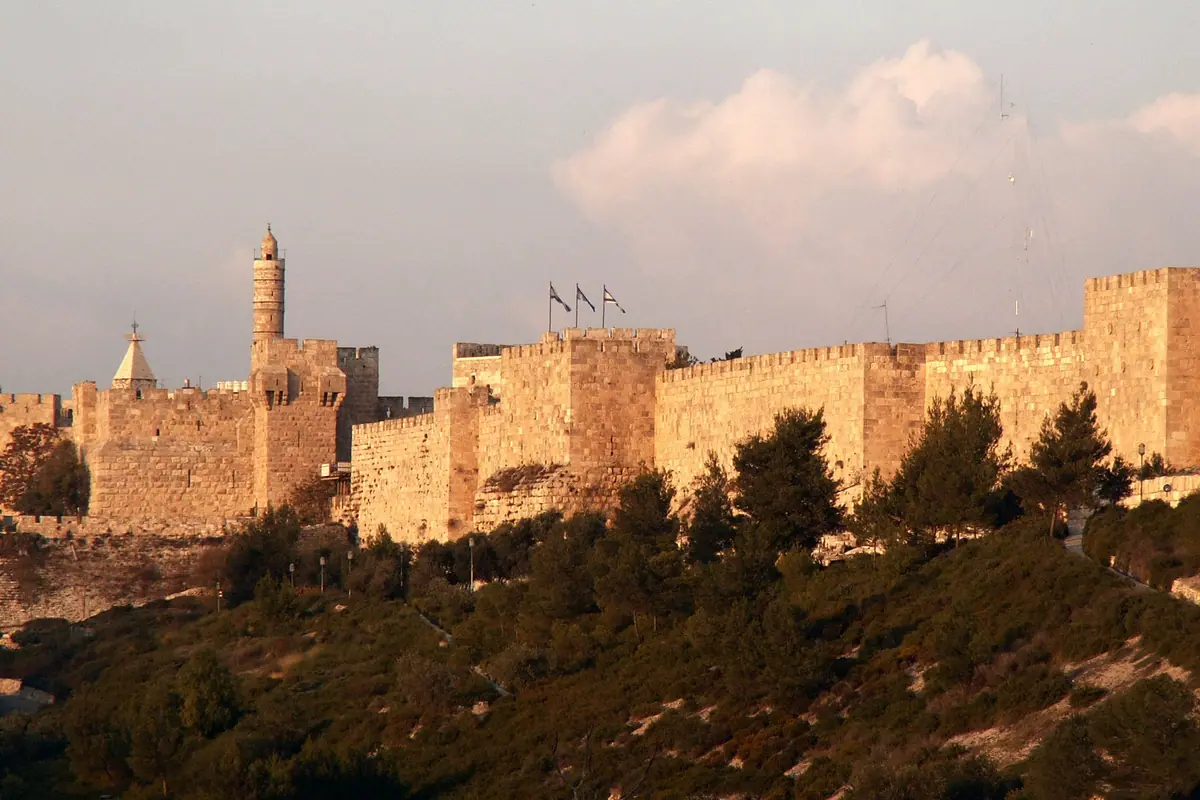
Spring: Wildflowers, Pilgrims and the Busiest Fortnight
March to May is the consensus best window. Daytime temperatures settle into a comfortable 20–27°C along the coast and in Jerusalem, the Galilee turns green, and the northern Negev erupts in wildflowers — anemones and poppies carpeting hills that will be bone-dry by June. This is prime hiking weather for Masada's snake path, Ein Gedi's desert springs and the trails of the Golan. The Mediterranean is still bracing for swimming until late April, but sightseeing is effortless.
The catch is Passover, usually falling in April, when domestic tourism peaks and hotels from Jerusalem to the Sea of Galilee sell out at premium rates. Book three to six months ahead if your dates overlap, and expect minimum-night stays and prepaid, non-refundable policies. Easter brings its own surge of pilgrims to the Church of the Holy Sepulchre and the Via Dolorosa, while Nazareth's Basilica of the Annunciation draws crowds for its own celebrations. If you want spring without the crush, aim for late March or the first half of May.
One more spring quirk: Israel's memorial and independence days fall in late April or May, when sirens sound, ceremonies take over public spaces and some attractions adjust hours. It rarely disrupts a trip, but it is worth checking before you lock in a tight itinerary.
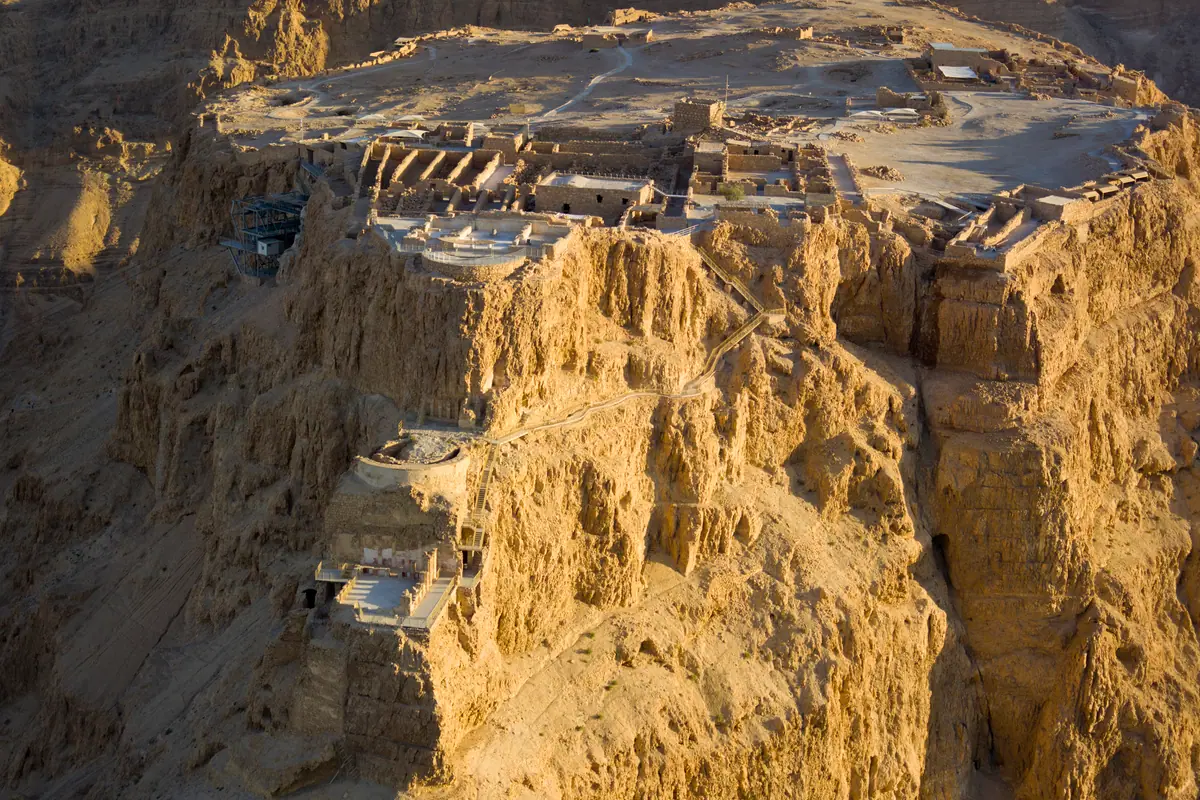
Summer: Beach Days, Desert Extremes and Family Season
June to August is hot, humid and unapologetically busy. Tel Aviv and the coastal strip hit 30–32°C with heavy humidity, which makes the beaches from Gordon Beach down to Jaffa's old port the centre of gravity; the restored alleys of Jaffa and the cafés of Rothschild Boulevard fill up after dark rather than at midday. Eilat and the Dead Sea are another category altogether, regularly exceeding 40°C, so hikes at Masada or Ramon Crater need a pre-dawn start and litres of water.
This is also Israeli school holiday season, so July and August bring the year's highest hotel rates and the tightest availability, especially at Eilat's resort strip and the Dead Sea spa hotels. Air conditioning, a pool and proximity to the beach stop being luxuries and start being the deciding factor in where you stay.
There is an upside: long daylight hours, warm sea temperatures perfect for diving Eilat's coral reefs, and a festival calendar of open-air music and nightlife. If you visit in summer, plan your sightseeing for early mornings and evenings, and treat the middle of the day as siesta time — exactly as locals do.
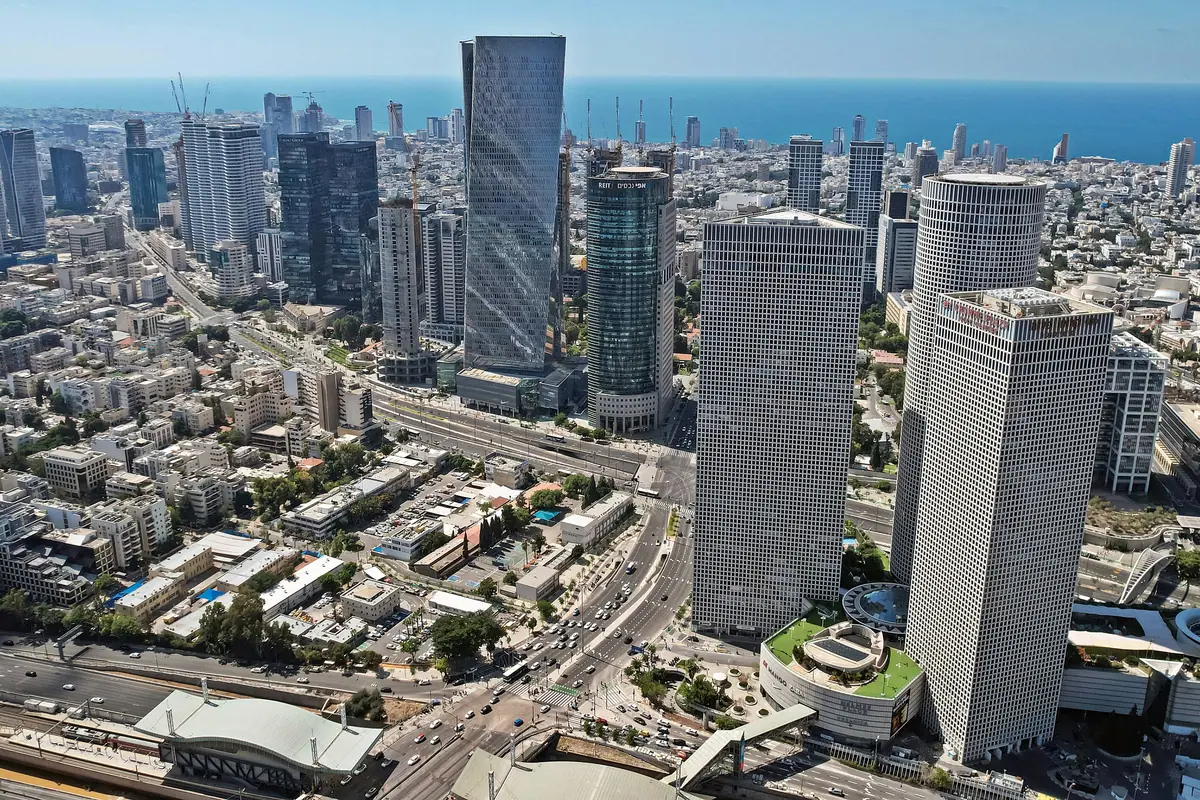
Autumn: Warm Sea, Shoulder-Season Value and the High Holidays
September to November rivals spring as the smartest time to come. The sea stays warm enough to swim into October and even early November, the summer humidity breaks, and Jerusalem becomes genuinely pleasant for walking the Ramparts and the Mount of Olives viewpoints. November is particularly good value: hotels drop their peak pricing, the Negev cools for hiking, and the Galilee's olive groves are being harvested.
The complication is the High Holidays. Rosh Hashanah and Yom Kippur fall in September or October, and Sukkot follows close behind. Yom Kippur is the most striking: for roughly 25 hours the country effectively pauses — flights stop, public transport halts, shops and restaurants close and roads empty of traffic. It is unforgettable if you are prepared for it, and frustrating if you are not. Sukkot then sends Israeli families to guesthouses and desert lodges, pushing prices up again for a week.
If your dates are fixed around these holidays, book accommodation and intercity transport far in advance and confirm that your hotel restaurant will be open. If they are flexible, the weeks between Sukkot and mid-November are arguably the finest window of the entire year.
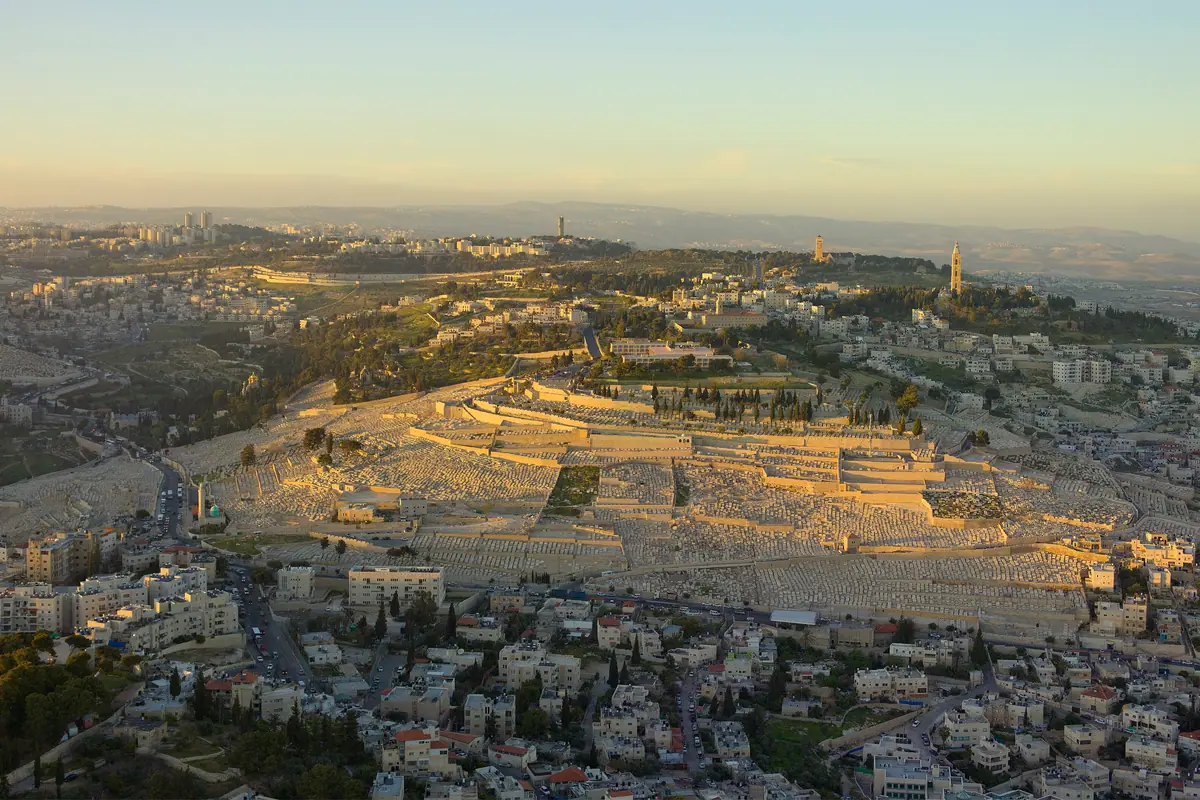
Winter: Rain in Jerusalem, Sunshine in Eilat
December to February is Israel's low season on the coast and in the hills, and its high season in the far south. Jerusalem turns cool and wet, occasionally cold enough for snow flurries, and its stone alleys are at their most atmospheric with far smaller crowds at the Western Wall, the Church of the Holy Sepulchre and the Israel Museum. Coastal Tel Aviv manages 17–19°C on mild days, with the occasional heavy downpour.
Eilat, two hours south, is a different planet: 20–23°C, sunny most days, with excellent visibility for diving and snorkelling in the Red Sea. The Dead Sea also works well in winter, when you can float without the summer scorch and hike Masada or Ein Gedi in comfort. This is the cheapest time for city hotels, with the notable exception of Christmas and New Year, when Bethlehem, Nazareth and Jerusalem fill with pilgrims and rates spike.
Practical notes for winter travel: Shabbat still shuts most businesses from Friday afternoon to Saturday evening, and rain can briefly close desert roads and hiking trails. Build in flexibility, pack layers, and you will find winter offers the best prices and the quietest version of Israel's great sites.
Matching Your Base to the Season
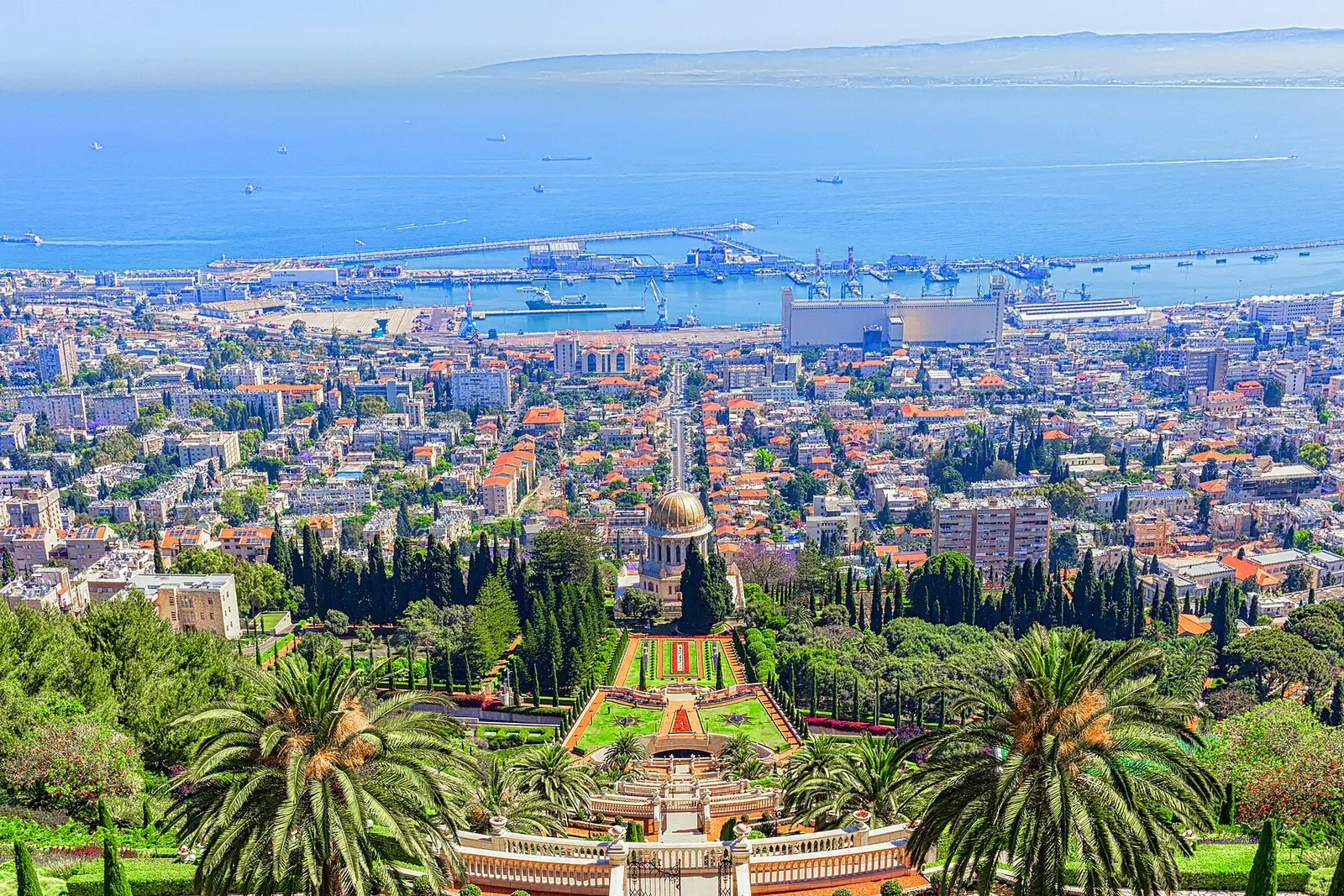
Where you sleep should follow the season. In spring and autumn, Jerusalem is the natural base for the Old City, Mount Zion and day trips to Bethlehem and the Dead Sea, while Tel Aviv suits beach-and-nightlife travellers and Haifa puts the terraced Bahá'í Gardens, Acre's Crusader halls and the Galilee within easy reach. In summer, coastal and lakeside hotels with pools earn their premium, and desert accommodation should be chosen for air conditioning and early-morning access rather than charm.
In winter, consider splitting your stay: a few cool, atmospheric days in Jerusalem, then a flight or drive south to Eilat or the Dead Sea for warmth. Note that many Israeli hotels include a substantial breakfast, and that kosher kitchens mean Friday nights and Saturdays can look different from the rest of the week. Rooms with sea or Old City views cost more but transform the experience, particularly in Jaffa, Haifa and along the Dead Sea shore.
Whatever the month, the golden rule is the same: book around the holiday calendar, not just the weather forecast. Israel rewards travellers who plan their hotels as carefully as their itinerary — the sites are extraordinary, but the right room in the right city at the right time is what makes the trip effortless.
Frequently asked questions
What is the best month to visit Israel overall?
April, May and October are the sweet spots: warm but not stifling, dry in the desert, comfortable in Jerusalem and good for hiking at Masada, Ein Gedi and in the Galilee. Late October and November offer the same conditions with lower hotel prices and fewer crowds.
When are Israeli hotels most expensive?
Rates peak during Passover in spring, the High Holidays in autumn (Rosh Hashanah, Yom Kippur and especially Sukkot), and the July–August school holidays. Christmas and New Year also spike in Jerusalem, Nazareth and Bethlehem. Booking three to six months ahead is wise for these periods.
Is it worth visiting Israel in winter?
Yes, if you plan around the rain. December to February brings cool, wet weather to Jerusalem and the coast but mild, sunny days in Eilat and comfortable conditions at the Dead Sea. It is the cheapest season for city hotels and the quietest time at major religious sites.
How does Shabbat affect travel and hotels?
From Friday afternoon until Saturday evening, most shops, restaurants and public transport shut down, though hotel services continue and Arab neighbourhoods in Jaffa, Haifa and East Jerusalem stay largely open. Plan Friday sightseeing early and check whether your hotel restaurant operates on Saturday.
How far ahead should I book for a summer trip?
For July and August, book flights and hotels two to four months ahead, particularly in Eilat and at Dead Sea resorts where family demand is highest. For the shoulder months of May and November, six to eight weeks is usually enough.
Sort the rest of your trip
Everything for Israel, in one place
Transfer in Israel
Private driver waiting on arrival — no queues, no surprises.
Book a transfer
Things to do in Israel
Skip-the-line tickets, guided tours and standout experiences.
See experiences
Stay online in Israel
Travel eSIM — data the moment you land, no roaming bills.
Get an eSIMMore guides in Israel
Things to Do in Israel: Must-See Landmarks from Jerusalem to the Dead Sea
Israel Food, Culture and Local Experiences: A Tour Guide to Markets, Kitchens and Desert Hospitality
Where to Stay in Israel: Top Cities, Hotels and Must-See Attractions
Things to Do in Haifa: Terraced Gardens, Street Food and Carmel Trails
