Israel is a small country that eats like a continent, where a single day can start with cardamom coffee in a Druze village, pass through Crusader stone halls, and end with grilled fish on the Jaffa waterfront. This guide follows the food, the markets and the local rituals that make travelling here feel like a long, loud, generous dinner party — anchored to the landmarks you should not miss.
A Table Spanning Three Continents: How Israel Eats
Ask ten Israelis to name the national dish and you will get ten arguments — hummus, falafel, shakshuka, grilled fish, or somebody's grandmother's stuffed vegetables. The argument is the point. The country's kitchens are a collision of Levantine, North African, Yemenite, Ethiopian, Balkan and Eastern European cooking, layered over the Palestinian, Druze, Bedouin and Circassian traditions that predate the modern state. One day of eating might begin with labneh and olive oil in a Carmel hills village, pause for a Yemenite jachnun pastry on a Jerusalem Saturday morning, and finish with a whole sea bream pulled off a charcoal grill in Jaffa.
Breakfast is a national institution and a bargain-hunter's best friend: a swarm of small salads, soft cheeses, olives, eggs, fresh bread and strong coffee, served until late morning and often enough food for two. Hummus, meanwhile, is not a dip here but a founding meal powering a deep lunch institution, eaten with warm pita, pickles, raw onion and a bowl of lemon-garlic sauce. Street food is its own education: falafel stuffed into pita with pickled cauliflower, sabich layered with fried aubergine, egg and mango pickle, shawarma shaved from a rotating spit, flaky bourekas at bus stops, and knafeh — stretchy cheese under shredded pastry and rosewater syrup — sold hot from trays in Jaffa and Acre.
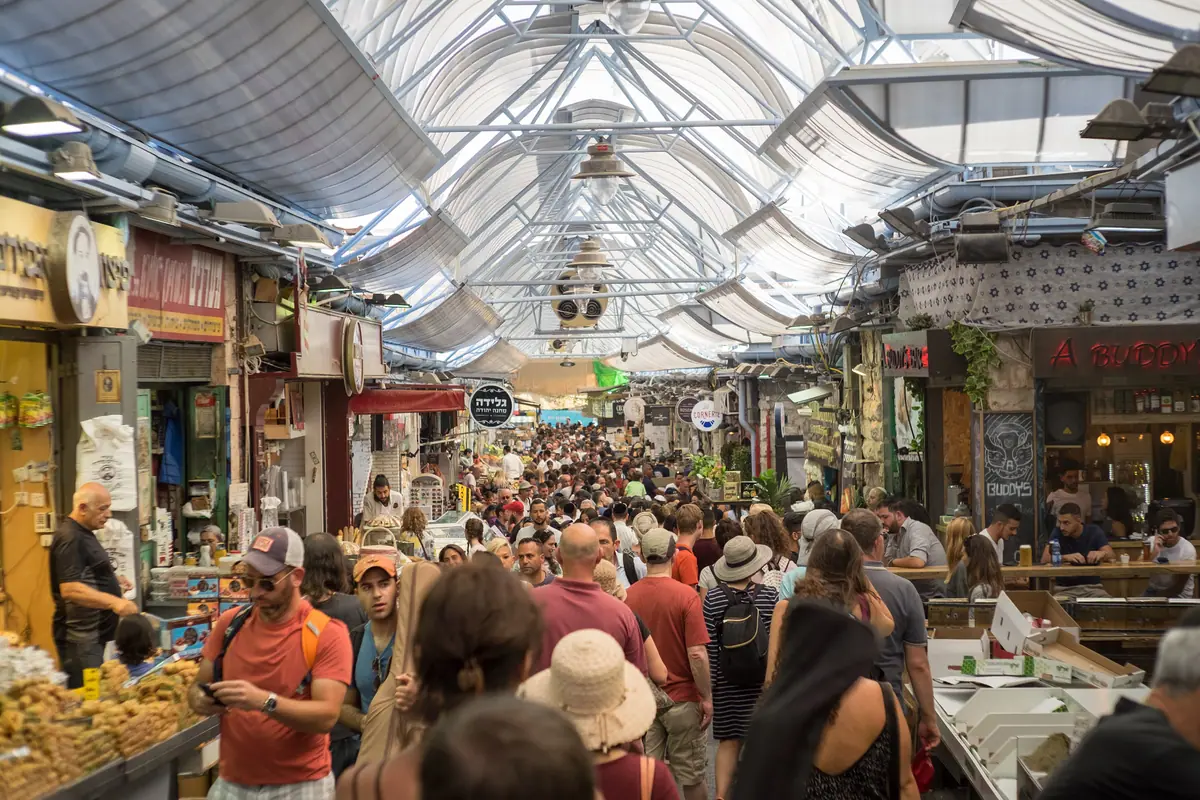
Markets are the spine of the food culture. Jerusalem's Mahane Yehuda, Tel Aviv's Carmel Market, the alleys of Nazareth and the covered lanes of Acre all run on the same rhythm: produce and spice sellers early, prepared food and coffee through the day, and in some cases a full transformation into bars and music after dark. Buy tahini, halva, za'atar, dried figs, goat cheese and olive oil by the scoop; and check the calendar, because Friday afternoon brings a stampede before everything shuts for the Sabbath.
Jerusalem: Stone Lanes, Sabbath Tables and the Old City
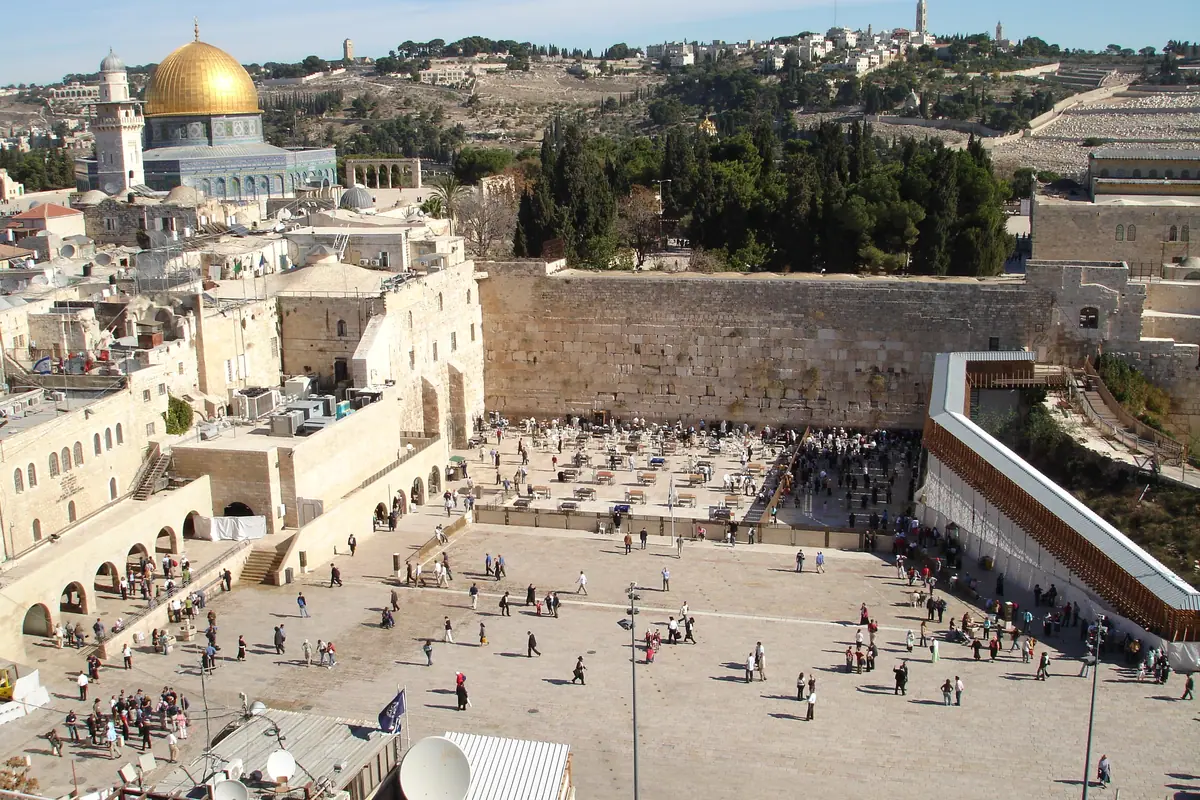
The Old City packs four quarters, a thousand years of architecture and the world's densest concentration of holy sites into roughly one square kilometre. The Western Wall, Judaism's most sacred prayer site, is open around the clock and simplest to visit at sunrise or late evening; above it sits the Temple Mount with the Dome of the Rock, generally open to visitors in the morning on weekdays outside prayer times. The Church of the Holy Sepulchre, where the Via Dolorosa ends, shelters the last stations of the cross, Golgotha and the Edicule under a haze of incense and pilgrim chant. Walk the Cardo, climb the Ramparts Walk for rooftop views, and cross the Kidron Valley to the Mount of Olives for the classic panorama across the golden Dome.
Beyond the walls, the city's cultural weight is just as thick: the Israel Museum holds the Shrine of the Book with the Dead Sea Scrolls and a vast model of Jerusalem from the Second Temple period, while Yad Vashem is a sombre, essential half day. Ein Kerem's terraced village lanes make a quieter afternoon of galleries and church bells, and Bethlehem's Church of the Nativity is a short drive south. Mahane Yehuda sits between the modern city and the old, spilling into the small synagogues and courtyards of Nachlaot, where Friday brings cholent-scented air and long communal tables.
Eat your way through the quarters: hummus and grilled meats in the Muslim Quarter, Armenian pastries near the Jaffa Gate, Ethiopian injera along Prophets Street, and Georgian or Bukharan cooking in the market alleys. Come Friday afternoon and you will watch the city exhale — shutters down, buses stopped, families walking to dinner in their best clothes. Saturday night, the same streets switch back on within minutes.
Tel Aviv and Jaffa: Bauhaus, Market Hummus and Beach Life
Tel Aviv is the country's secular, restless counterpoint to Jerusalem, and its UNESCO-listed White City is the reason to walk rather than ride. Thousands of Bauhaus and International Style buildings line Rothschild Boulevard, Shenkin Street and the streets of Neve Tzedek, best seen on a slow morning that ends with coffee and a pastry at a pavement table. The Tel Aviv Museum of Art and Habima Square anchor the cultural core, Sarona's restored Templer houses cover food and shopping, and the long beach promenade runs north to the old port, where the fishing docks turned into a boardwalk of seafood and sunset crowds.
Carmel Market is the loud heart of it: fruit, spices, olives, dried fruit and cheap eat-in counters, plus the adjacent Levinsky spice market for blends you will want to smuggle home. In the Kerem HaTeimanim quarter beside the market, tiny family kitchens serve sabich and Yemenite soup that locals queue for at lunch. Tel Aviv is also where the country's contemporary restaurant scene shows off — Levantine tasting menus, natural wine bars, vegetarian and vegan kitchens that make eating plant-based effortless rather than a compromise.
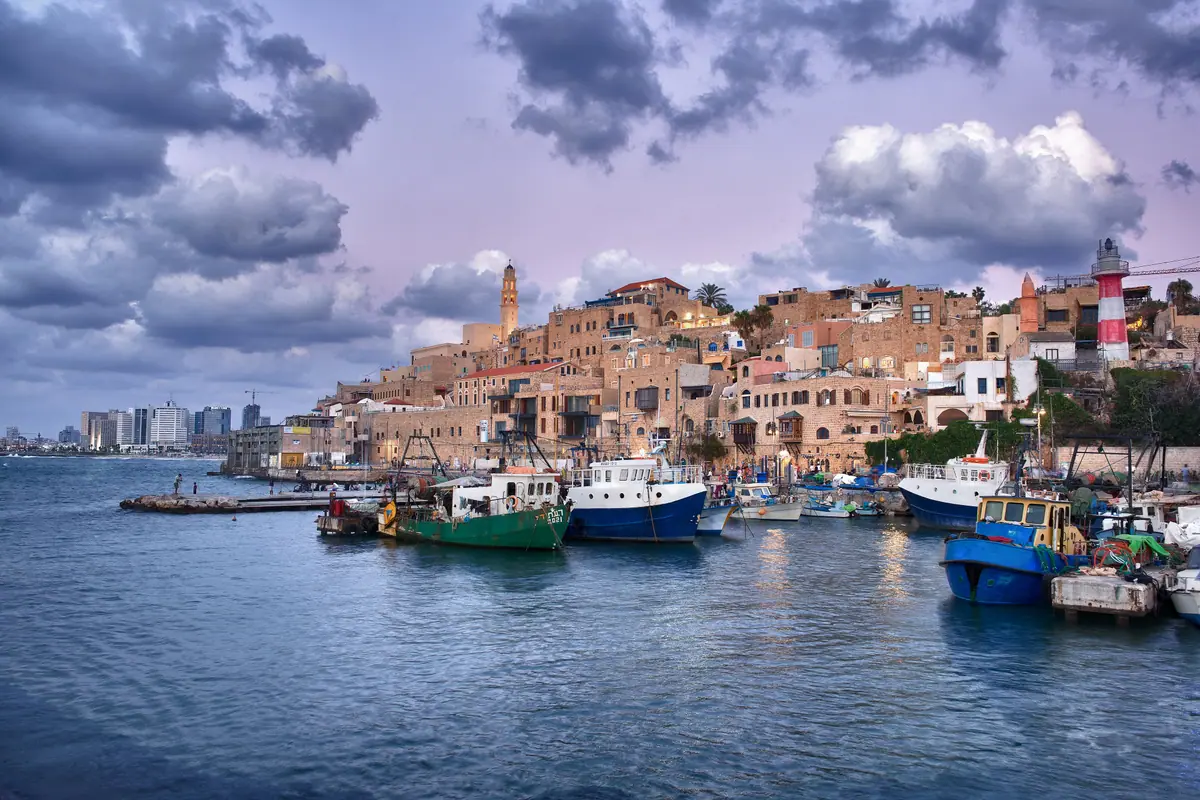
South of the promenade, Jaffa is the ancient port the modern city grew out of. The clock tower, St Peter's Church, the restored Old Port and the flea market lanes of the old town all reward wandering, and the Andromeda rock offshore frames the best sunset in the area. Order grilled fish and mezze at the harbour, finish with knafeh from a corner shop, then walk back along the beach into Tel Aviv as the lights come on. Give Jaffa a full afternoon and evening; it deserves more than a photo stop.
The North: Galilee, Golan and the Carmel Villages
The Galilee is where the landscape turns green and the food gets village-specific. Nazareth's Basilica of the Annunciation is the largest church in the Middle East and the town's old market is a wonderful place to graze on knafeh, spice blends and Arab pastries. Around the Sea of Galilee you can visit Capernaum's ancient synagogue, the church at Tabgha and the Mount of Beatitudes, then eat St Peter's fish — tilapia grilled whole — at one of the lakeside restaurants in Tiberias.
Head into the hills and the Druze villages of Daliyat al-Karmel and Isfiya offer one of the country's best local experiences: paper-thin pita baked on a dome-shaped griddle, spread with labneh, za'atar and olive oil, rolled and eaten standing up. Further north, Circassian and Arab villages, boutique cheese dairies, boutique wineries on the Golan plateau and apple and cherry orchards turn autumn into a rolling harvest festival — the olive harvest in October and November is the season to join a picking and a long communal lunch.
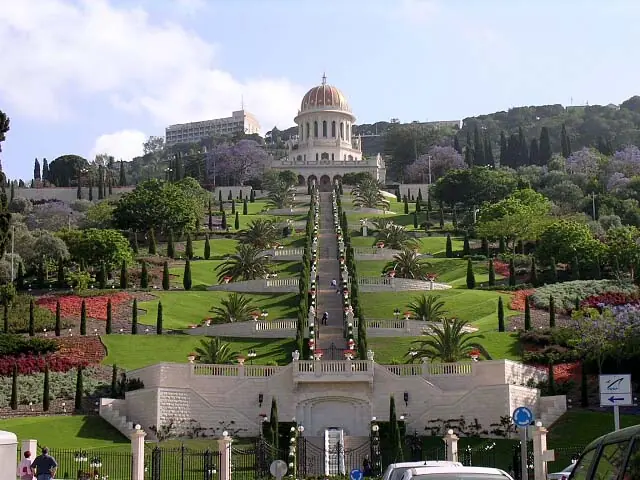
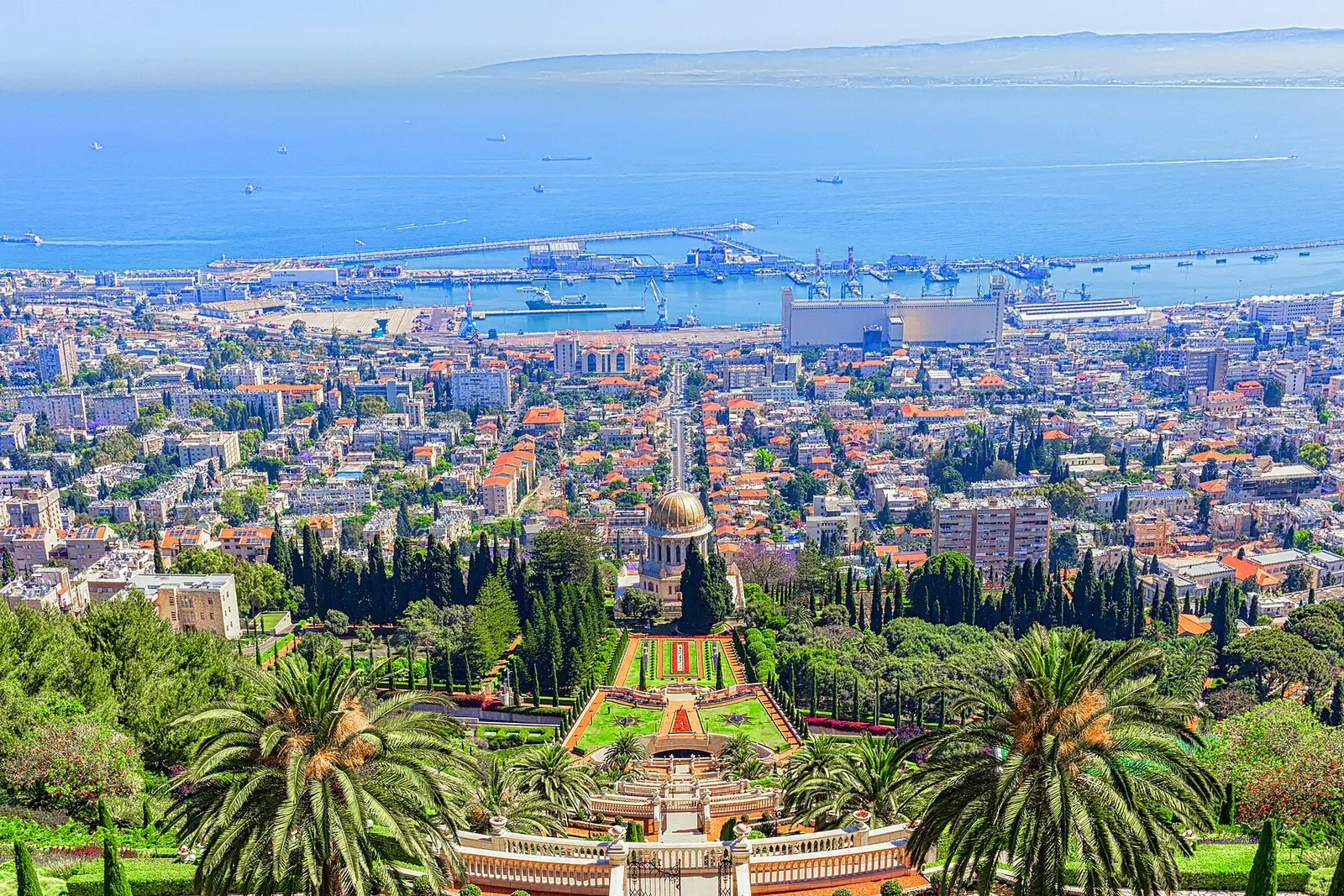
On the coast, Acre (Akko) is a must: the Crusader Halls and tunnels beneath the old city, the Al-Jazzar Mosque, and a fishing port where hummus and grilled fish have been served for generations. Haifa's Bahá'í Gardens cascade down Mount Carmel towards the German Colony in nineteen manicured terraces, free to visit on a guided walk. Finish the north at Rosh Hanikra's sea grottoes or the Roman ruins and amphitheatre at Caesarea Maritima, where the Mediterranean is the backdrop to the stage.
Desert and Dead Sea: Masada, Craters and Bedouin Hospitality
The Judean desert delivers the country's most cinematic morning: climb Masada before dawn, either up the Snake Path or by cable car, and watch the sun rise over the Dead Sea from Herod's palace ruins, the Roman siege ramp still visible below. Afterwards, drive to Ein Gedi Nature Reserve, where ibex scramble across the cliffs and two spring-fed streams cut green canyons through the rock — a genuinely refreshing hike in the middle of the desert.
Then float. The Dead Sea's hyper-saline water makes sinking impossible, and the mineral mud is free for the smearing. Keep the water out of your eyes and your visit short if you have sensitive skin, and go early or late in the day; the salt flats glow at sunset. Further south, the Negev opens into the Ramon Crater at Mitzpe Ramon, the Nabataean ruins of Avdat and Shivta, the sandstone pillars of Timna Park, and Eilat's coral reef for snorkelling.
The best desert experience is a night with Bedouin hosts: goat-hair tents, sage tea poured from a height, a hafla dinner of rice, salads and lamb, and a sky so full of stars it looks artificial. Spring (February to April) brings wildflowers and bearable heat, autumn (October to November) is equally good, and summer desert travel should be limited to very early mornings. Book desert stays well ahead on weekends and holidays.
Practical Rhythms: Shabbat, Seasons and Eating Well
Israel runs on a two-speed calendar. From Friday sundown to Saturday nightfall, Shabbat closes most shops, buses and trains, and Jerusalem all but shuts down; Tel Aviv stays partly alive, and Arab, Druze and Christian towns keep trading as usual. Do your market shopping Friday morning, plan a long walk or beach day for Saturday, and remember that Yom Kippur stops the country almost entirely — an extraordinary thing to witness, but a difficult day to travel. Ramadan shifts opening hours across Jerusalem and the north, while Passover and Sukkot fill hotels and hike trails, so book those periods months in advance.
Spring and autumn are the sweet spots: March to May for wildflowers, mild hiking weather in the Galilee and the Negev, and outdoor food festivals; September to November for olive and wine harvests and warm sea temperatures. Summer is hot and humid on the coast but manageable with early starts, and winter is mild and green in the north with occasional snow on Mount Hermon and rain in Jerusalem.
A few local habits make the trip smoother: many places keep kosher and therefore serve either dairy or meat but not both, and some do not open on Shabbat at all; tap water is fine to drink; tipping around ten to fifteen percent is normal; and modest dress — shoulders and knees covered — is appreciated in holy sites and religious neighbourhoods. Allow eight to ten days to link Jerusalem, Tel Aviv and Jaffa, the Galilee and the Dead Sea without rushing, and build in at least one long meal with locals. That table, more than any ruin, is the memory people take home.
Frequently asked questions
What is the best time of year to visit Israel for food and culture?
March to May and September to November are ideal. Spring brings wildflowers, comfortable hiking in the Galilee and Negev, and outdoor markets at their best; autumn brings the olive and grape harvests, wine festivals and warm swimming in the Mediterranean and Red Sea. July and August are hot and humid on the coast, and winter is mild with rain in the north.
What should I eat first in Israel?
Start with hummus as a full meal — warm pita, pickles, raw onion and lemon-garlic sauce — then work through sabich, falafel, shakshuka, grilled whole fish, Druze pita with labneh and za'atar, and knafeh for dessert. On a Saturday morning in Jerusalem, try jachnun, a slow-baked Yemenite pastry eaten with tomato sauce and egg.
Is everything closed on Shabbat?
In Jerusalem, most shops, restaurants and public transport stop from Friday sundown to Saturday nightfall. Tel Aviv is more relaxed, with many cafes and bars open, and Arab, Druze and Christian towns trade normally. Do your food shopping on Friday morning, and check opening hours before planning a Saturday visit to a specific market or museum.
How many days do I need to see the highlights?
Five days covers Jerusalem, Tel Aviv and Jaffa plus a Dead Sea day. Eight to ten days lets you add the Galilee, Nazareth, Acre and Haifa, and a night in the Negev desert. Two weeks allows the Golan, Eilat's reef and slower time in the markets and villages.
Do I need to book tours and desert stays in advance?
Yes for peak periods. Masada sunrise trips, Dead Sea day tours, Galilee and Golan wine routes, and Bedouin tent stays fill up quickly around weekends, Jewish holidays and Ramadan. A local guide is especially worthwhile in Jerusalem's Old City, where the layers of history are hard to read without context.
Sort the rest of your trip
Everything for Israel, in one place
Stay in Israel
Hotels, guesthouses and apartments — compared in one search.
Search hotels
Transfer in Israel
Private driver waiting on arrival — no queues, no surprises.
Book a transfer
Stay online in Israel
Travel eSIM — data the moment you land, no roaming bills.
Get an eSIMMore guides in Israel
Things to Do in Israel: Must-See Landmarks from Jerusalem to the Dead Sea
Best Time to Visit Israel: A Season-by-Season Guide to Hotels and Sights
Where to Stay in Israel: Top Cities, Hotels and Must-See Attractions
Things to Do in Haifa: Terraced Gardens, Street Food and Carmel Trails
