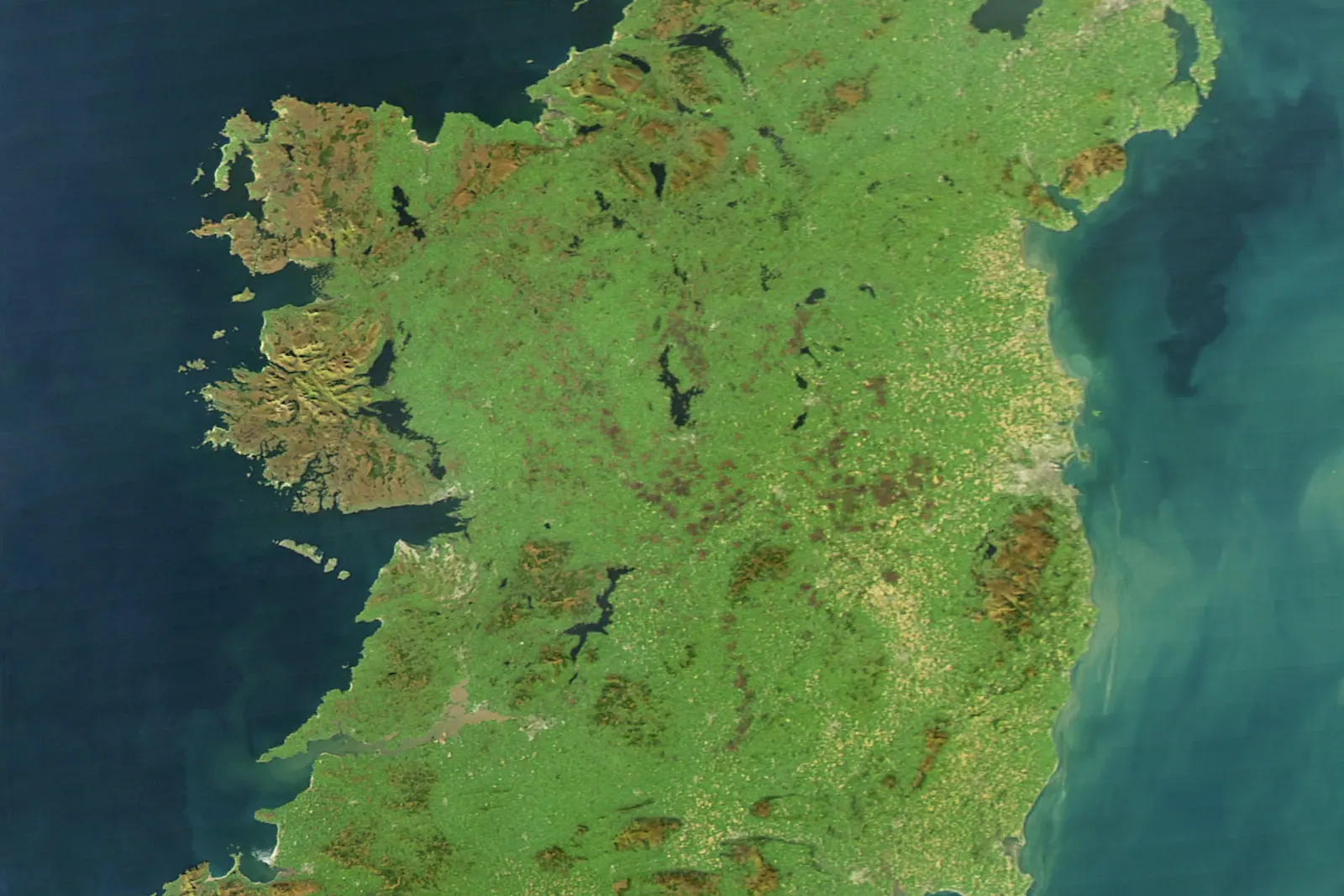
Ireland squeezes a continent's worth of drama onto an island you could cross in a single day: sea cliffs dropping 200 metres into the Atlantic, passage tombs older than the pyramids, and small towns where a fiddle strikes up at nine and nobody leaves before closing. The trick is knowing which stretches of the map deserve more than a hurried photo stop — and which are worth building a whole trip around.
Dublin's Historic Core: Trinity, Castles and Cathedrals
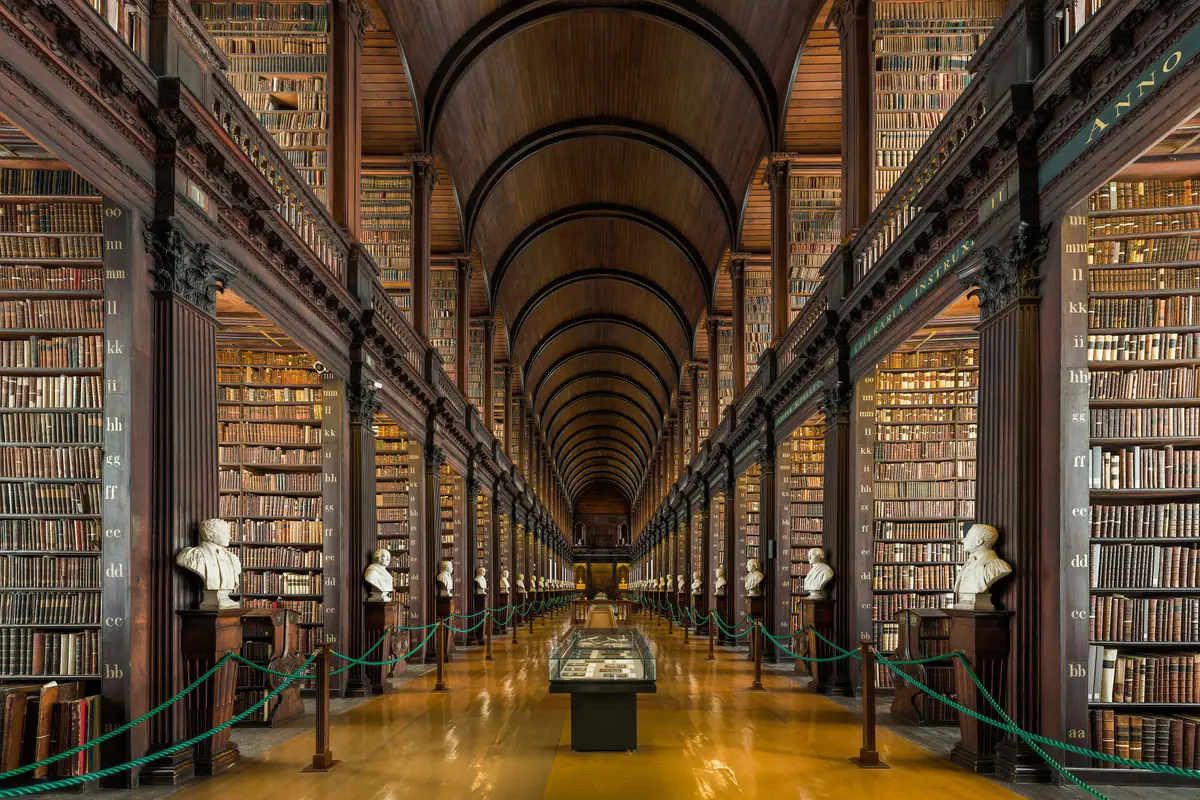
Start where the city does. Behind the cobbled quadrangle of Trinity College sits the Long Room, a 65-metre library hall of dark oak, marble busts and ladders, and the Book of Kells — an illuminated gospel manuscript written by monks around the year 800. Allow 90 minutes to two hours, and book a first-slot ticket: queues swell between mid-morning and early afternoon, and the Long Room feels far more atmospheric before the tour groups arrive.
A short walk south brings you to Dublin Castle, the round tower of St Patrick's Cathedral — the largest church in the country and the one where Jonathan Swift once preached — and Christ Church Cathedral, whose stone crypt is one of the eeriest spaces in the city. Kilmainham Gaol, west of the centre, runs hour-long guided tours through the cells and yards where the leaders of the 1916 Rising were held and executed; timed slots sell out days ahead, so reserve before you fly.
The city's museums are free and genuinely world-class. On Kildare Street the archaeology collection holds the Tara Brooch, the Ardagh Chalice and eerily preserved bog bodies; the National Gallery and the Hugh Lane hang Irish painters a few minutes apart. Wander the Georgian doorways of Merrion Square and St Stephen's Green, spot wild fallow deer in Phoenix Park, then finish in a pub where musicians gather informally — the old rooms around Smithfield are a better bet than the louder tourist strips.
The Cliffs of Moher and the Burren
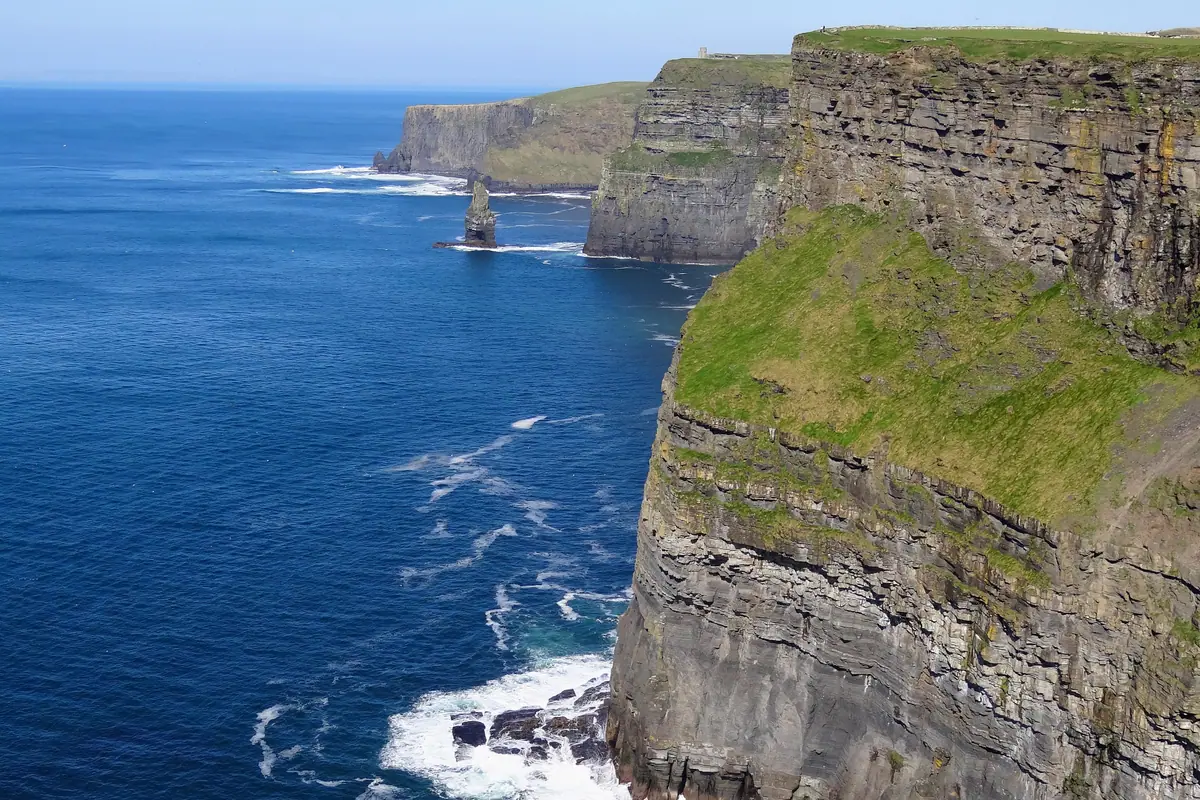
Nothing prepares you for the scale of the Cliffs of Moher, where 214 metres of shale and sandstone drop vertically into the Atlantic for eight kilometres. O'Brien's Tower marks the highest point, the Branaunmore sea stack stands offshore, and puffins nest on Goat Island between May and July. Give it two to three hours; arrive before 9am or after 5pm in summer to dodge the coach crowds, and walk the coastal path towards Doolin for the views most visitors never see.
Inland lies the Burren, 250 square kilometres of grey limestone pavement that looks lunar until you notice the orchids blooming in cracks in May and June, alongside Arctic-alpine plants found nowhere else in Ireland. Poulnabrone, a portal tomb roughly 5,800 years old, stands alone in a field with a viewing path around it. Pair it with Aillwee Cave and the roofless abbey at Corcomroe for a full, quiet day.
Base yourself in Doolin, a village of three pubs, ferries to the Aran Islands and some of the most reliable traditional music sessions in the country. South of the cliffs, the Loop Head drive is a lesser-known coastal loop with sea stacks and a lighthouse, and Lahinch draws surfers year-round. Allow a full day for Clare, two if you want the music as well as the landscape.
Galway, Connemara and the Wild Atlantic Way
Galway is the most sociable city in Ireland, small enough to cross on foot in twenty minutes and packed with buskers, bookshops and pubs along the Latin Quarter's cobbles near the Spanish Arch. Time a visit around the arts festival in July, the oyster festival in September or the horse races at Ballybrit in late July, when the whole city seems to be out on the streets. Even off-festival, the riverside walks along the Corrib and the Claddagh quays are worth an afternoon.
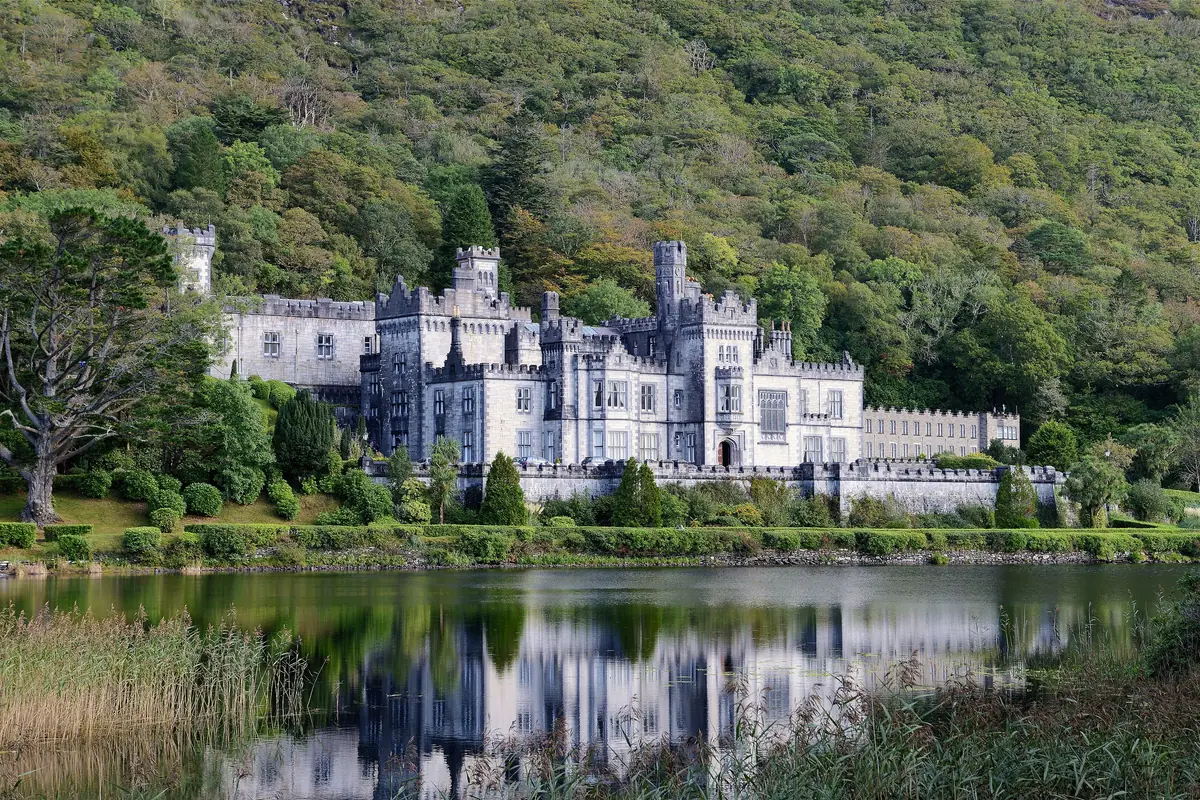
West of the city, Connemara turns bleak and beautiful: the Twelve Bens mountains, the Killary Fjord, and Kylemore Abbey, a Victorian Gothic mansion with a restored walled garden set against a lakeside hillside. The national park's Diamond Hill loop takes two to three hours and rewards every step with a view over bog, lough and sea. The Sky Road outside Clifden is one of the finest short drives in the country.
This is the heart of the Wild Atlantic Way, a signed coastal route of roughly 2,500 kilometres running from Kinsale in the south to Malin Head at the island's northern tip. Most travellers manage a section rather than the whole thing; ten days to two weeks is realistic for the entire route. Highlights include Achill Island and Keem Bay, the sea cliffs of Slieve League, the flat-topped Benbulben in Yeats country and the blowhole at Downpatrick Head.
The Ring of Kerry, Killarney and Dingle
The Ring of Kerry is a 179-kilometre loop around the Iveragh Peninsula, best driven with early starts — coaches leave Killarney in convoy mid-morning, so setting off by 8am keeps you ahead of them and in better light. Moll's Gap, Ladies View and the cascades at Torc Waterfall are the classic stops, but the quietest stretches are on the southern half near Valentia Island and the Ballaghbeama pass. Plan a full day with stops; without them it is three to four hours of driving.
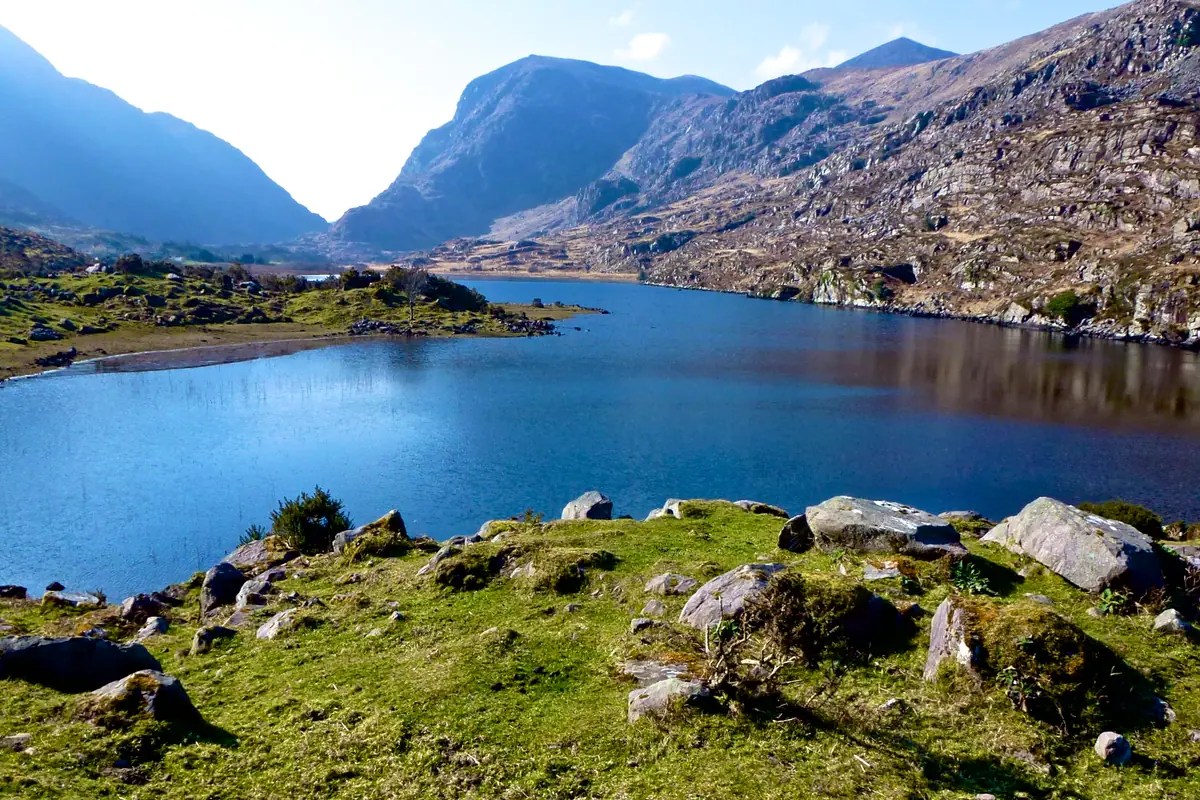
Killarney National Park wraps around the town with oak woods, red deer and the lakes, and Muckross House with its Victorian gardens is a half-day in itself. For something slower, take a jaunting car or walk the Gap of Dunloe, a narrow pass squeezed between Purple Mountain and the Macgillycuddy's Reeks, then return by boat across the lakes. Ross Castle at dusk, reflected in the water, is one of the most photographed sights in the southwest.
Further west, the Dingle Peninsula and its Slea Head Drive pack in early Christian beehive huts, the dry-stone Gallarus Oratory and sweeping views to the Blasket Islands. Offshore, Skellig Michael's sixth-century monastic settlement clings to a rock 12 kilometres out from Portmagee; boats run May to September only, are entirely weather-dependent, and require booking well in advance — the climb of some 600 steps is steep but unforgettable.
Ancient Ireland: Newgrange, Glendalough and the Rock of Cashel
Brú na Bóinne in County Meath holds the country's greatest prehistoric monuments. Newgrange was built around 3200 BC — older than Stonehenge and the Great Pyramid — and each winter solstice dawn for a few minutes sunlight creeps down its entrance passage to light the chamber. Knowth next door has the largest collection of megalithic art in Europe. Access is by shuttle from the visitor centre only, with timed slots that often sell out in high season.
The Hill of Tara, seat of Ireland's high kings, is a low grassy ridge with earthworks you must imagine back into a royal court — the views, not the ruins, are the reward. In County Wicklow, Glendalough is far more tangible: a monastic city founded in the sixth century, complete with a 30-metre round tower, stone churches and a graveyard of leaning crosses. The two-hour Spinc loop above the upper lake is one of the best half-day walks in the east.
In the south, the Rock of Cashel rises dramatically from the Golden Vale, crowned by a cathedral, a round tower and Cormac's Chapel with its 12th-century frescoes; the ruined Hore Abbey sits in the fields below. The west has its own deep time — the passage tombs of Carrowmore in Sligo, the stone-walled fields of the Céide Fields in Mayo, and Dún Aonghasa, a Bronze Age fort perched on an 87-metre cliff on Inis Mór in the Aran Islands.
Cork, Kilkenny, Pubs and Island Escapes
Cork city rewards a day of wandering: the 19th-century English Market for cheeses, spiced beef and seafood, then the lanes north of the river for coffee and craft beer. Eight kilometres away, Blarney Castle draws crowds who queue to lean backwards over the parapet and kiss the stone — the grounds, with their rock close, fern gardens and poisonous plants, are worth as much as the ritual. Allow two to three hours, and go early.
Kilkenny is the finest surviving medieval town in the country, with a castle at one end of the main street and the round tower of St Canice's Cathedral at the other, which you can climb by ladder for the best view in the region. Further south, Waterford's Viking Triangle and Limerick's riverside market add two more easy city stops between the bigger sights.
No trip is complete without the islands. Ferries run to Inis Mór, Inis Meáin and Inis Oírr from Rossaveal and Doolin, and hiring a bicycle on Inis Mór is one of the great simple pleasures of Irish travel. Practically: drive on the left on narrow roads and hire the smallest car you can live with; pack waterproofs whatever the forecast, as rain falls in every month; and remember daylight swings from roughly 4:15pm sunsets in December to nearly 10pm in June. Book accommodation and boat trips early for July, August and the first half of September.
Frequently asked questions
How many days do you need to see Ireland?
A week to ten days covers the classic loop — Dublin, the Burren and Cliffs of Moher, Galway and Connemara, Killarney and the Ring of Kerry, then Cork. Add another four or five days if you want the Wild Atlantic Way's northern stretches, the Aran Islands or Skellig Michael, all of which depend on weather and ferry schedules.
When is the best time to visit Ireland?
May, June and September offer the best balance of long daylight, milder weather and manageable crowds. July and August are warmest but busiest, with the highest prices and the most coach traffic at headline sights. Winter is quiet, cheap and surprisingly mild, but daylight is short — sunset can come before 4:30pm in December.
Do you need a car to get around Ireland?
For the west coast, cliffs and peninsulas, yes — a car gives you the freedom to stop and to start early before the tour buses. Dublin, Cork, Galway, Limerick and Kilkenny are all linked by comfortable trains and express coaches, and day tours run from the main cities to places like the Cliffs of Moher and the Ring of Kerry if you would rather not drive.
Which sights should I book in advance?
Timed-entry slots sell out regularly for Newgrange and Knowth, Kilmainham Gaol and the Book of Kells at Trinity College, especially between May and September. Boat trips to Skellig Michael and the Aran Islands should be reserved weeks ahead, and any summer accommodation along the Wild Atlantic Way is best secured months in advance.
What should I pack for an Ireland trip?
Layers and genuinely waterproof outerwear, plus footwear you can walk in on wet grass and uneven stone. Weather changes fast and rain falls in every month, so a light waterproof jacket beats an umbrella on exposed cliffs. Bring a warm midlayer even in summer, and something slightly smarter if you plan on evening music sessions or dinners in town.
Plan it — experiences in Ireland
Live search, booked directly with trusted providers.
Sort the rest of your trip
Everything for Ireland, in one place
Stay in Ireland
Hotels, guesthouses and apartments — compared in one search.
Search hotels
Transfer in Ireland
Private driver waiting on arrival — no queues, no surprises.
Book a transfer
Stay online in Ireland
Travel eSIM — data the moment you land, no roaming bills.
Get an eSIM