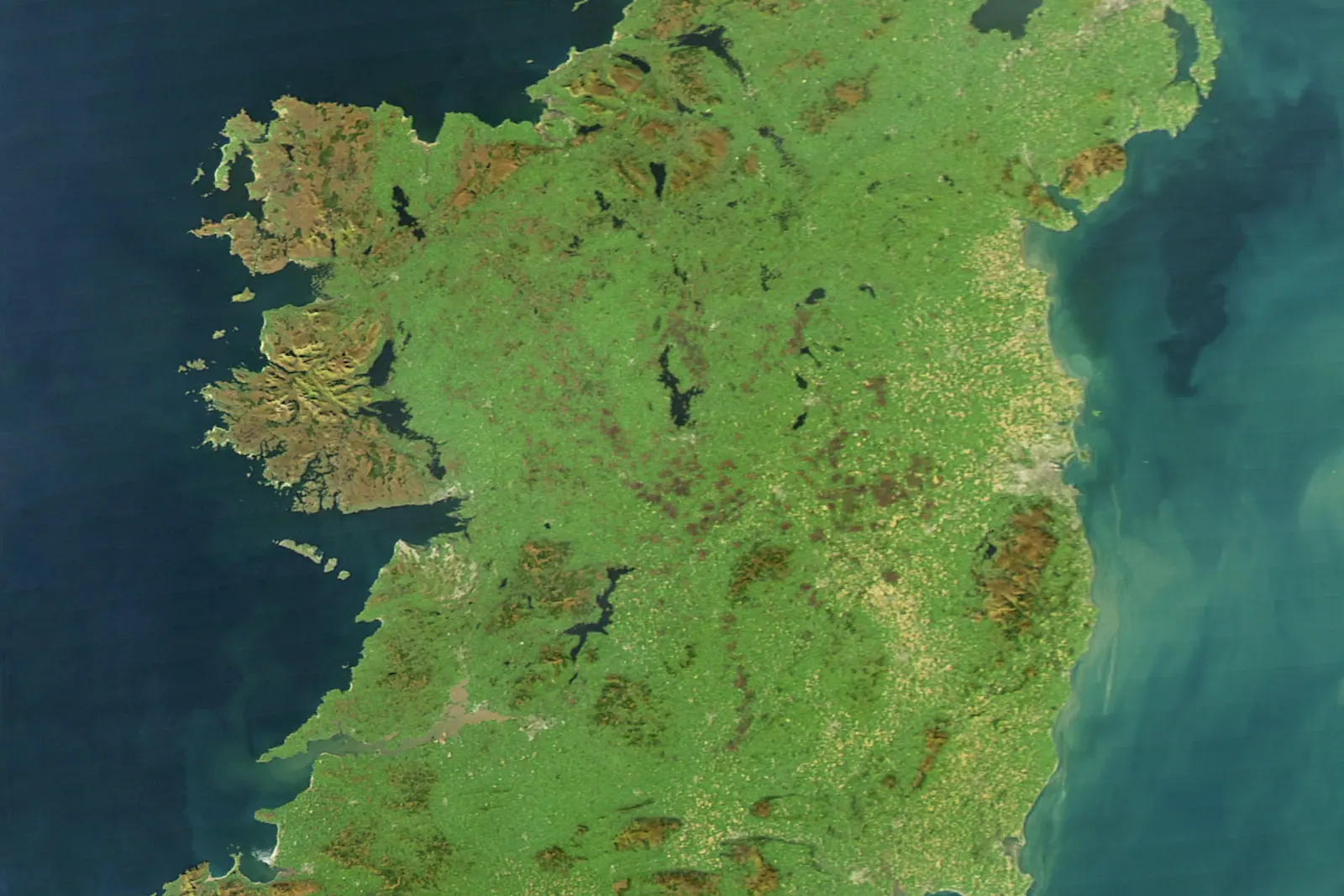
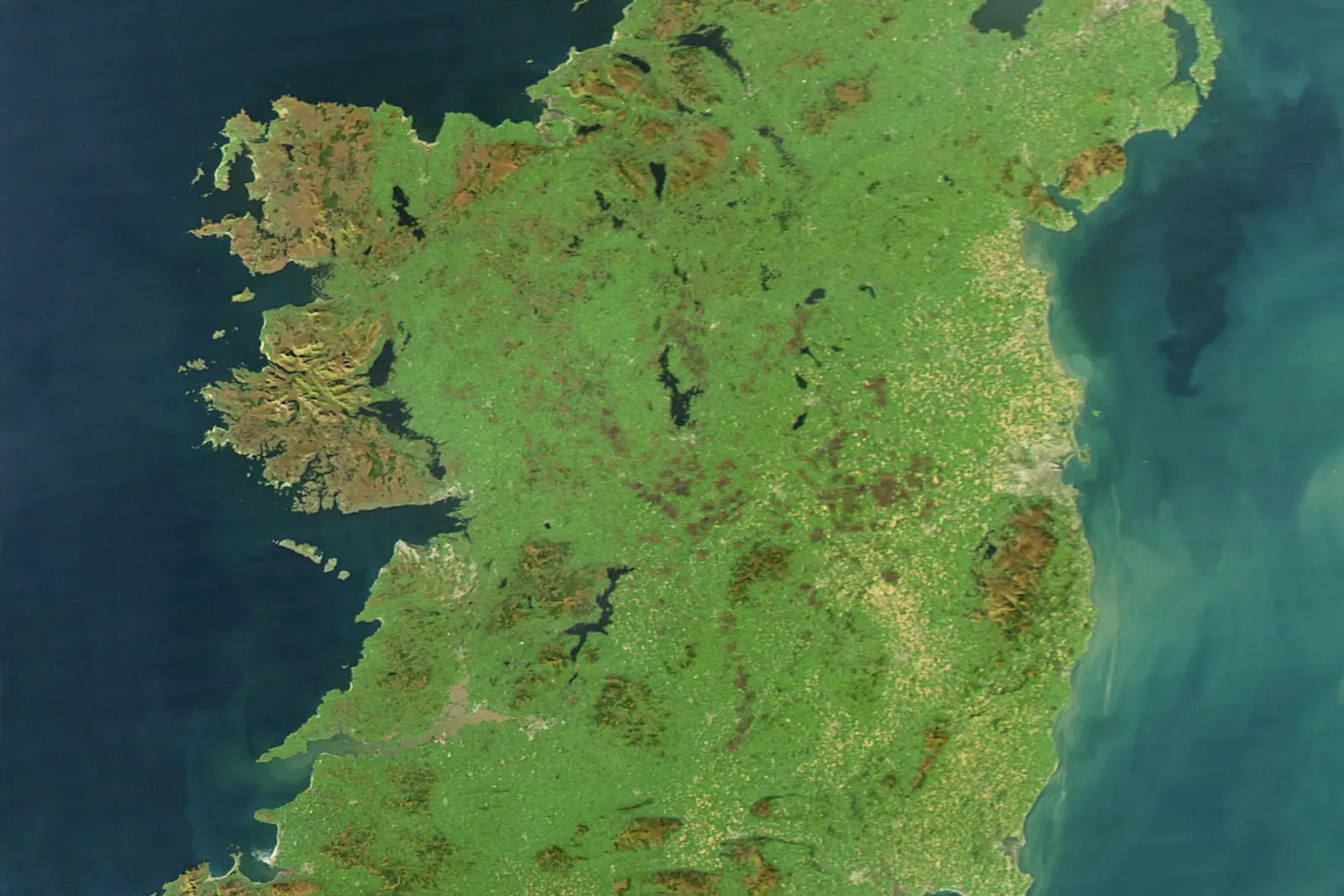
Ireland does not really have four seasons so much as four moods, and the one you choose decides whether your hotel room looks out on a heather-purple hillside or a rain-lashed Atlantic swell. Pick the right month and a modest guesthouse in Dingle can feel like the best decision of your trip; pick the wrong one and you will pay peak rates for a view of grey mist. Here is how the calendar changes the country — and your booking.
How Ireland's Seasons Shape Where You Sleep
Ireland sits in the path of the Gulf Stream, which keeps winters mild and summers cool rather than dramatic. You will rarely meet snow on the coast or a heatwave inland, but you will meet rain in every month — the west, from Kerry through Connemara to Donegal, is noticeably wetter than the sheltered east around Dublin and Meath. What changes most dramatically is daylight: around the summer solstice the sky stays bright until nearly 11pm in the west, while in late December darkness falls before 4.30pm.
That swing matters more than temperature when you are choosing a hotel. Long June evenings make a coastal room with a sea view worth every euro; short winter days reward somewhere with a fireplace, a bar and a short walk to dinner. Rates follow the light too. Prices climb steeply from late June to the end of August and around public holidays, then fall away in May, September and October, and drop to their lowest in November and January outside the cities.
Think about the kind of stay you want before you think about the date: a city hotel for theatre and museums, a country house for gardens and long dinners, a castle hotel for a splurge, or a family-run guesthouse on the coast for walking. Each has its own best window, and none of them is July.
Spring: Empty Roads, Wild Gardens and Shoulder-Season Rates
March opens with St Patrick's Day on the 17th, when Dublin, Galway, Cork and countless small towns fill with parades and music. Hotel rooms in central Dublin for the days either side are booked many months out and priced accordingly, so if you are not chasing the parade, aim for the last week of March instead, when the crowds vanish and rates settle. Expect blustery showers, daffodils along every hedgerow and often a crisp, clear light that photographers love.
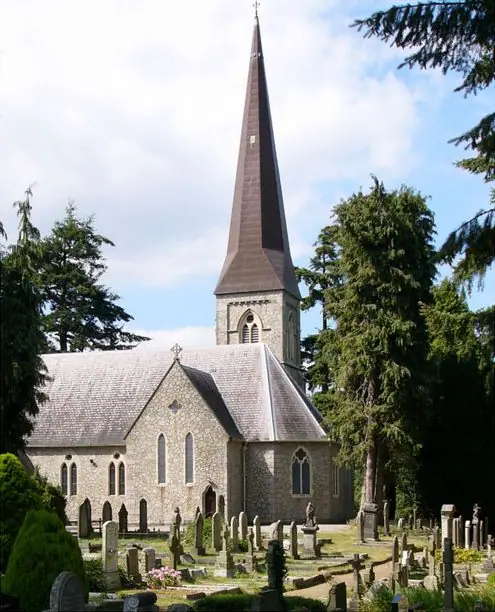
April and May are arguably the most underrated months for an Irish hotel stay. The great gardens come alive: Powerscourt in County Wicklow with its terraces and waterfall, the rhododendron displays around Killarney National Park, and the bluebell woods of the midlands. City sightseeing is comfortable without queues at Trinity College, where the Book of Kells and the Long Room draw visitors all year, or at Kilmainham Gaol, which still rewards booking ahead even in a quiet month.
Daylight stretches well past 9pm by late May, so you can drive a stretch of coast after dinner and still see it. Hoteliers start their season properly in May, which means full service without full-season prices — a good compromise if you want coastal views and warm-ish weather but not the August bill.
Summer: Endless Light, Peak Crowds and the Wild Atlantic Way
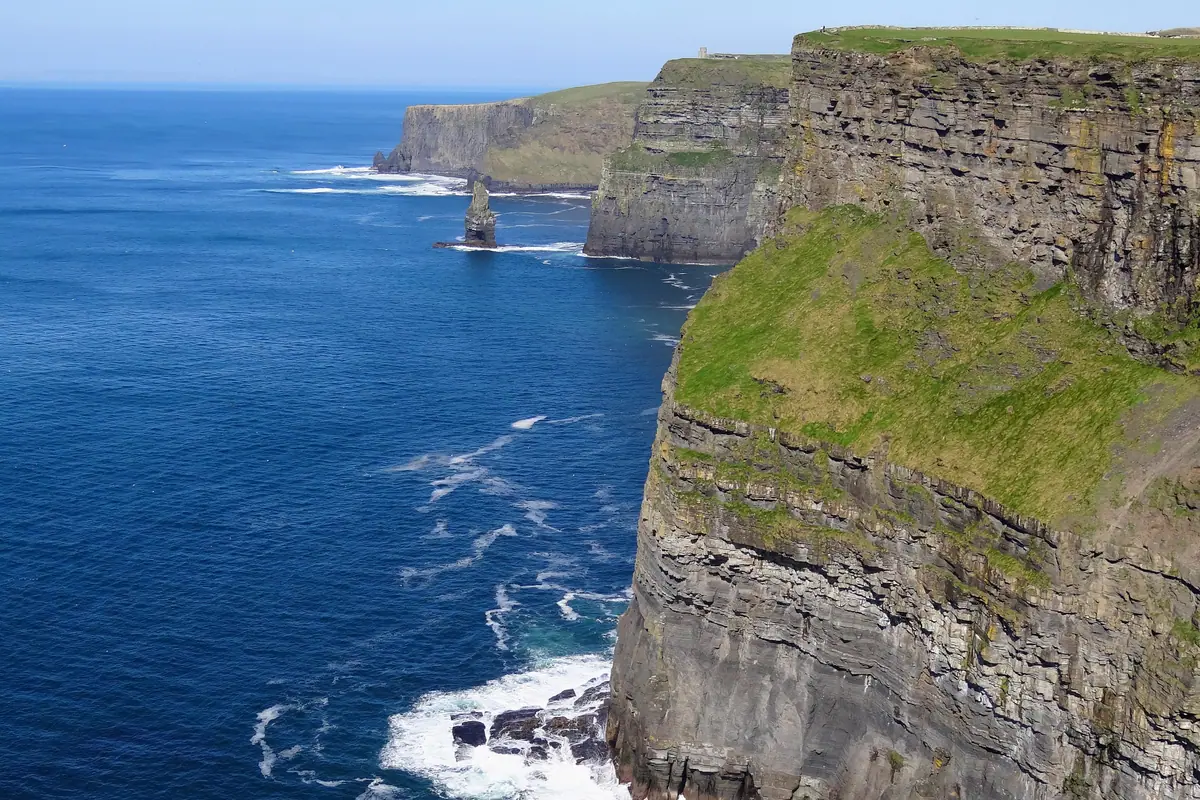
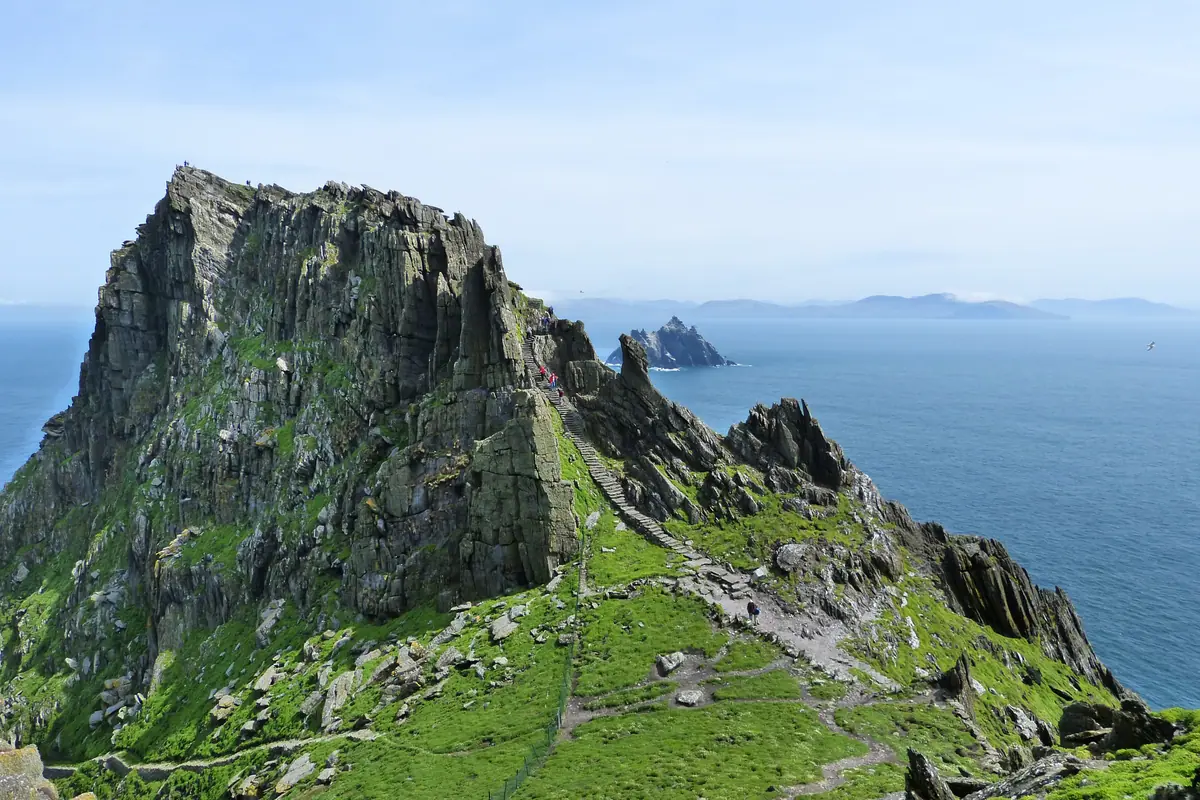
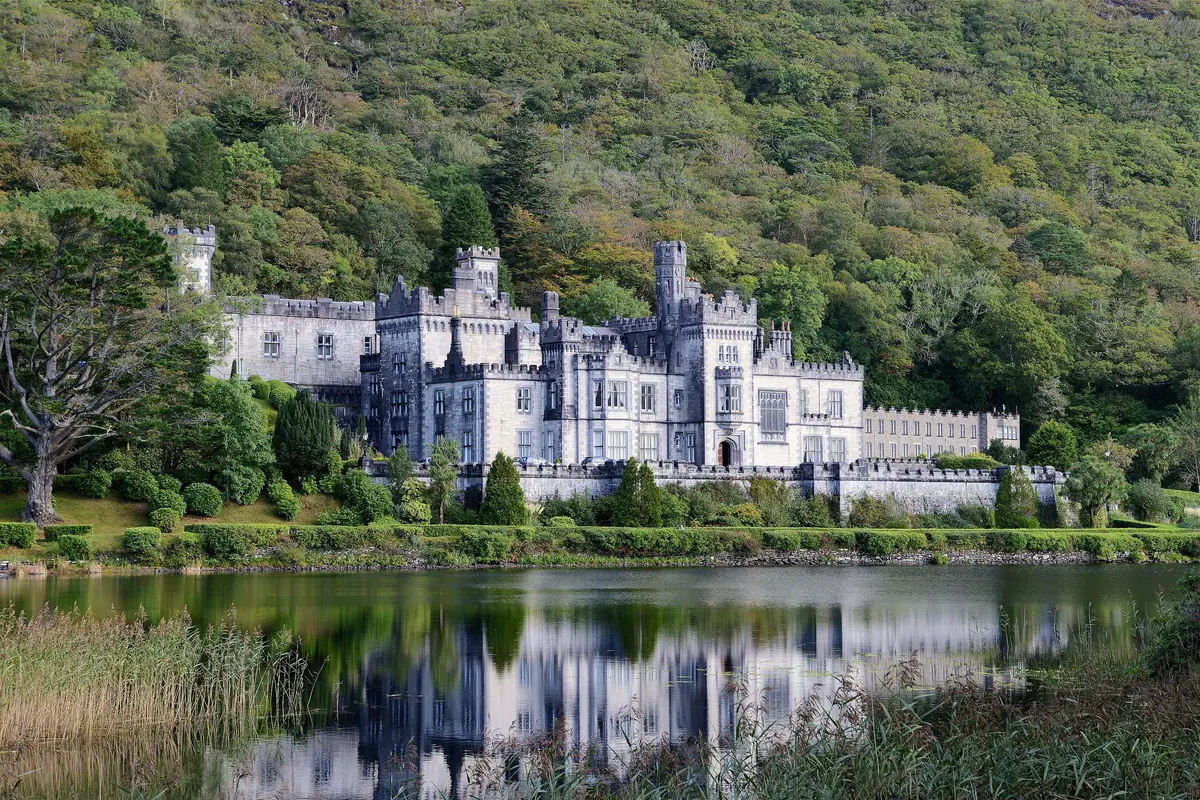
From June to August Ireland runs at full tilt. This is the season for the big set pieces: the Cliffs of Moher in County Clare, the Ring of Kerry, the Giant's Causeway on the Antrim coast, the Aran Islands and the brooding profile of Skellig Michael off the Kerry coast, reached by boat from Portmagee on a limited number of sailings that sell out weeks ahead. Kylemore Abbey in Connemara and the Rock of Cashel both handle crowds well, but arrive early.
The long evenings are the real luxury. Festivals fill the calendar — literary celebrations in Dublin around 16 June, arts festivals in Galway in July, traditional music gatherings that move between towns each August — and pubs spill onto the street until late. It is also the only reliable window for island boat trips, mountain walks in the Wicklow Mountains and swimming off the beaches of Donegal.
The trade-off is price and pressure. Book coastal and castle hotels three to six months ahead, especially for the August bank holiday weekend, and expect minimum-stay rules and premium rates in Dingle, Killarney, Galway and west Cork. Visit the Cliffs of Moher before 10am or after 5pm to dodge the coach traffic, and treat any sunny afternoon as a gift: locals do exactly the same.
Autumn: The Sweet Spot for Value and Colour
September and early October are the connoisseur's choice. The sea is at its warmest after a summer of sun, the roads empty once schools return, and hotel rates fall while the service stays at full strength. Food lovers gravitate to Galway for its late-September oyster festival and to Kinsale in County Cork for its October gourmet weekend, when the south coast's restaurants are at their best.
Colour comes next. Killarney's oak woods, the Glendalough valley in County Wicklow and the lakes of Connemara turn gold and rust through October, and the light on the mountains is softer than in high summer. Dublin's theatre and music season restarts, and Halloween — a festival with genuine Irish roots — brings elaborate celebrations to Derry and a gothic-themed weekend to the capital.
November is the quietest, cheapest month of the year. Some rural country houses close for maintenance or serve dinner only at weekends, so check before booking, and accept that darkness arrives early. In exchange you get empty roads, roaring fires and rates you will not see again until January.
If you want a single recommendation: aim for the second or third week of September. You keep summer's scenery, lose summer's crowds and pay shoulder-season prices for a room that would have cost a third more a month earlier.
Winter: Cosy Fires, Solstice Light and City Breaks
Winter in Ireland is mild and mostly wet rather than freezing, and the season has its own rewards. Newgrange in County Meath aligns with the rising sun at the winter solstice around 21 December, when a shaft of light creeps into the ancient passage — access is by lottery, so enter well in advance. Christmas markets appear in Dublin, Galway and Belfast, and the streets of the capital glow through December.
Book carefully around the holidays: many hotels run multi-night festive packages, while restaurants and attractions often close on 24, 25 and 26 December. Early January is the dead zone — the cheapest rooms of the year, ideal for a city break built around museums, Trinity College, Kilmainham Gaol and long pub lunches. Storm season peaks between December and February, which can close the Cliffs of Moher and cancel ferries, so build flexibility into coastal plans.
By February the countryside is quiet, the trad music sessions are as good as ever and hotel prices are still low. It is a season for indoor Ireland: stout by a turf fire while the rain runs down the window, then a walk on an empty beach the next morning.
Matching Your Base — and Your Booking — to the Season
Where you stay decides when you should go. Dublin works all year, with hotels within walking distance of Trinity College, St Patrick's Cathedral, Phoenix Park and the cobbled lanes around Temple Bar. Galway is best from May to September as a base for Connemara, the Aran Islands and the Cliffs of Moher. Killarney and Dingle need the drier, brighter months for the Ring of Kerry, while Belfast and the Causeway Coast reward a May or September visit with fewer tour buses.
Booking tactics matter as much as timing. Irish hotels commonly apply minimum two- or three-night stays at weekends and over public holidays — St Patrick's Day, Easter, and the bank holidays in May, June, August and October — and midweek rates are frequently far lower. Ask directly about sea-view or garden rooms, which often cost little more than a standard one but transform a stay.
Finally, treat the weather as a planning tool rather than an obstacle. Pack a waterproof layer, plan one indoor attraction for each day and keep a wet-weather alternative in reserve. Ireland rewards the traveller who books a good hotel, leaves the schedule loose and lets the forecast decide which headland gets the afternoon.
Frequently asked questions
What is the cheapest time to book a hotel in Ireland?
November and January are reliably the cheapest months outside Dublin, with midweek rates in February and March not far behind. Avoid public holiday weekends and the St Patrick's Day period, when even modest rooms jump in price.
How far ahead should I book for summer?
For July and August, especially in Dingle, Killarney, Galway, west Cork and anywhere with a sea view, book three to six months ahead. Castle hotels and small coastal properties sell out earliest, and August bank holiday weekends can go a year in advance.
When is the best time to visit the Cliffs of Moher and Skellig Michael?
The Cliffs of Moher are open year-round but clearest from April to September; arrive before 10am or after 5pm to avoid the busiest hours. Boat trips to Skellig Michael run roughly from May to early October and must be booked well in advance, as landings are strictly limited.
Is winter a bad time to stay in Ireland?
Not at all, if you plan for it. City hotels in Dublin, Galway and Belfast are excellent value, pubs and music sessions carry on, and Newgrange's solstice light is a winter-only experience. Rural hotels may reduce midweek service or close in January, so check before booking.
Do Irish hotels have minimum-stay rules?
Many do, particularly at weekends and over bank holidays, when two- or three-night minimums are common in tourist areas. Midweek stays usually have no minimum and often cost noticeably less for the same room.
Sort the rest of your trip
Everything for Ireland, in one place
Transfer in Ireland
Private driver waiting on arrival — no queues, no surprises.
Book a transfer
Things to do in Ireland
Skip-the-line tickets, guided tours and standout experiences.
See experiences
Stay online in Ireland
Travel eSIM — data the moment you land, no roaming bills.
Get an eSIM