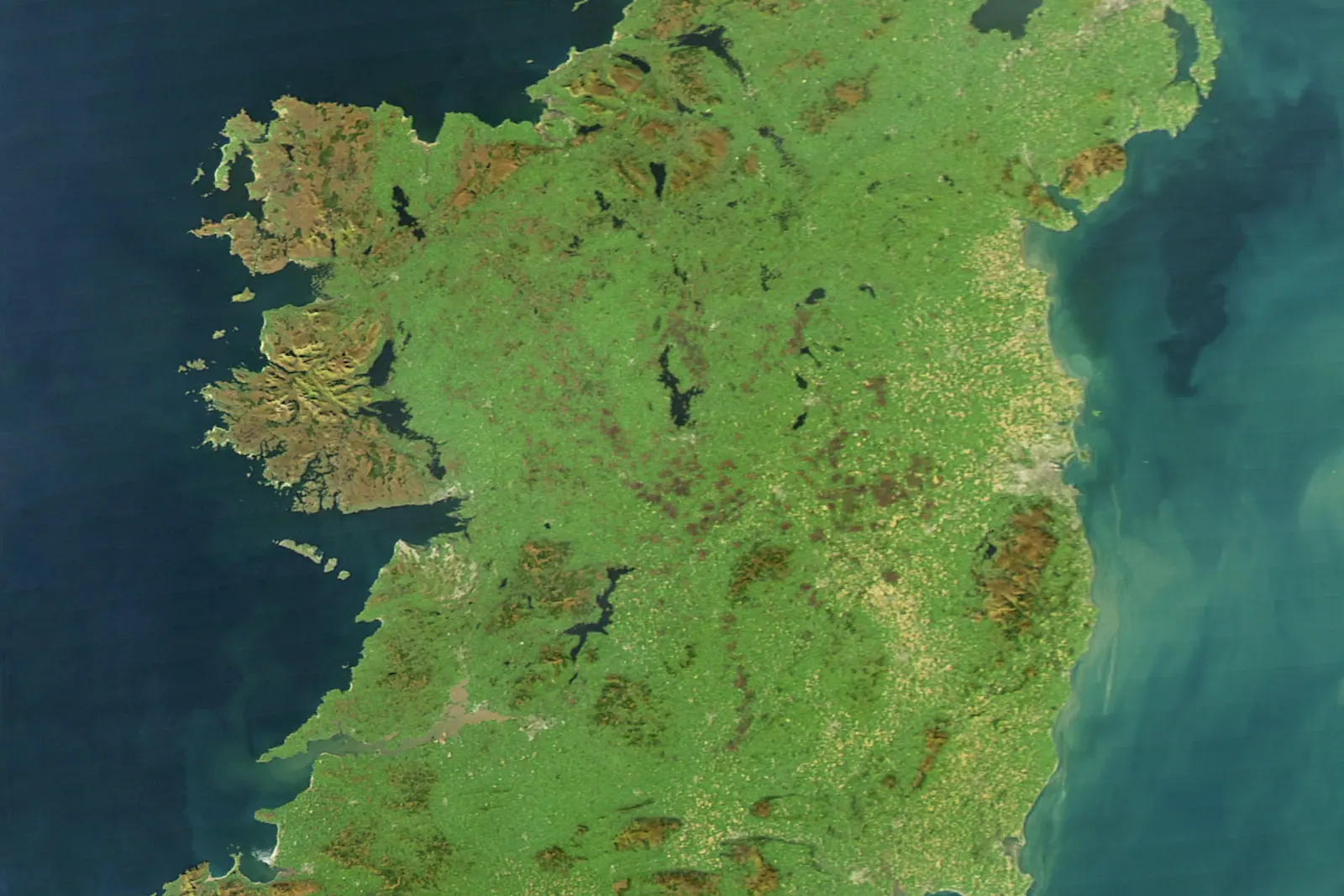
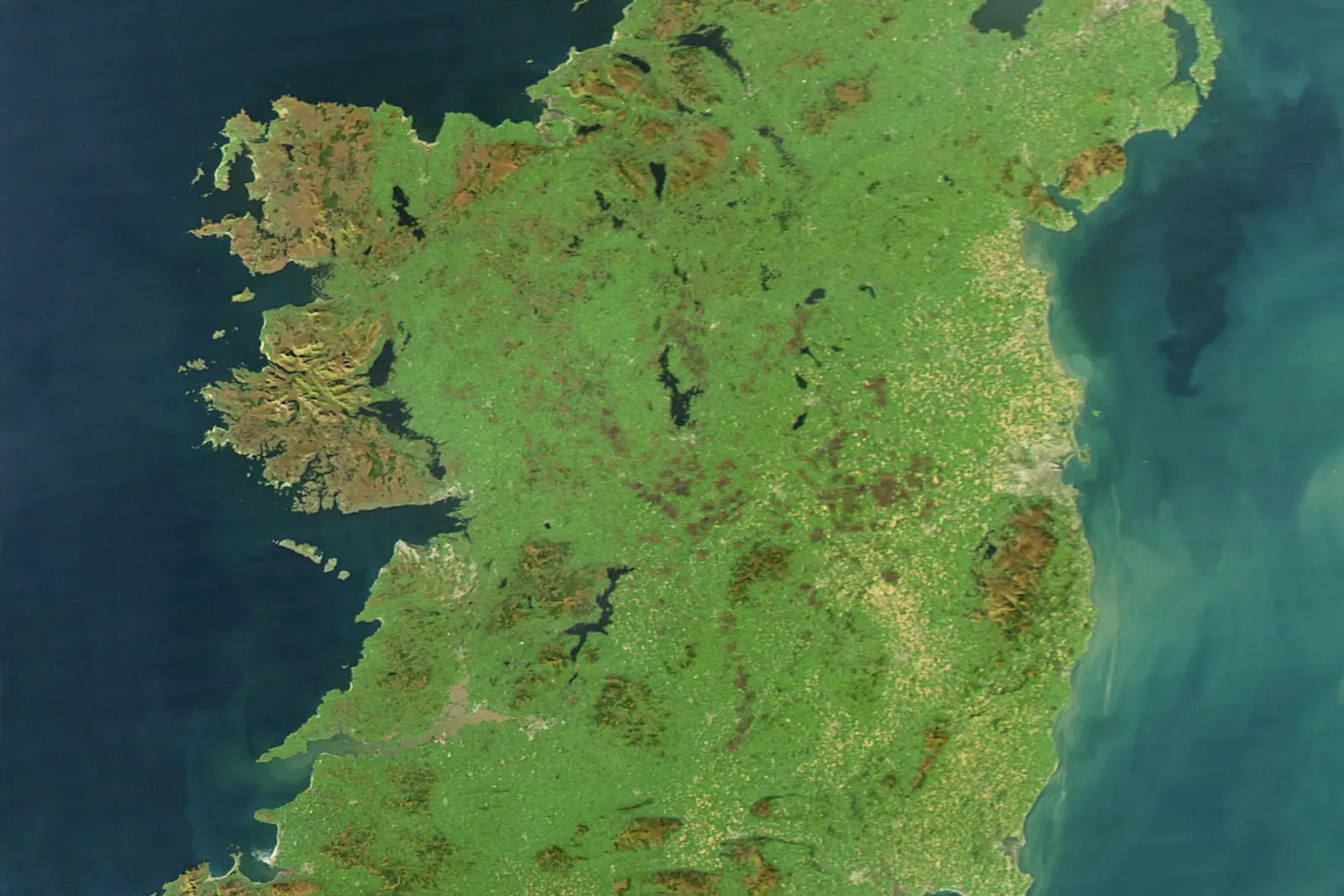
Ireland packs a startling amount into a small island: medieval cathedral cities, Atlantic cliff edges, ring forts older than the pyramids and a pub session that can start at nine and end at dawn. Where you sleep shapes how you see it, because the best places to stay sit within an hour of the sights you came for.
Why Irish Hotels Shape the Whole Trip
Accommodation in Ireland is unusually varied for such a compact country. You can sleep behind the battlements of a genuine castle hotel in County Clare, in a Georgian townhouse with tall sash windows in Dublin, in a country house wrapped in walled gardens in Wicklow, or in a whitewashed farmhouse on the Dingle Peninsula where the host makes brown bread at six in the morning. Each one gives you a different version of the country.
Distances are short enough that your base does not lock you out of anything. From a city-centre bed you can reach a cliff edge, a monastic ruin or a Neolithic tomb in two or three hours, and the roads between them are part of the appeal. That means a sensible strategy is to split your nights between two or three towns rather than relocating every day.
Standards are high across the board, and hospitality is genuinely conversational — expect to be asked where you have been so far and told, at length, where you should go next. Breakfasts are substantial, fires are lit in shoulder season, and almost every town of any size has at least one pub within walking distance of the door.
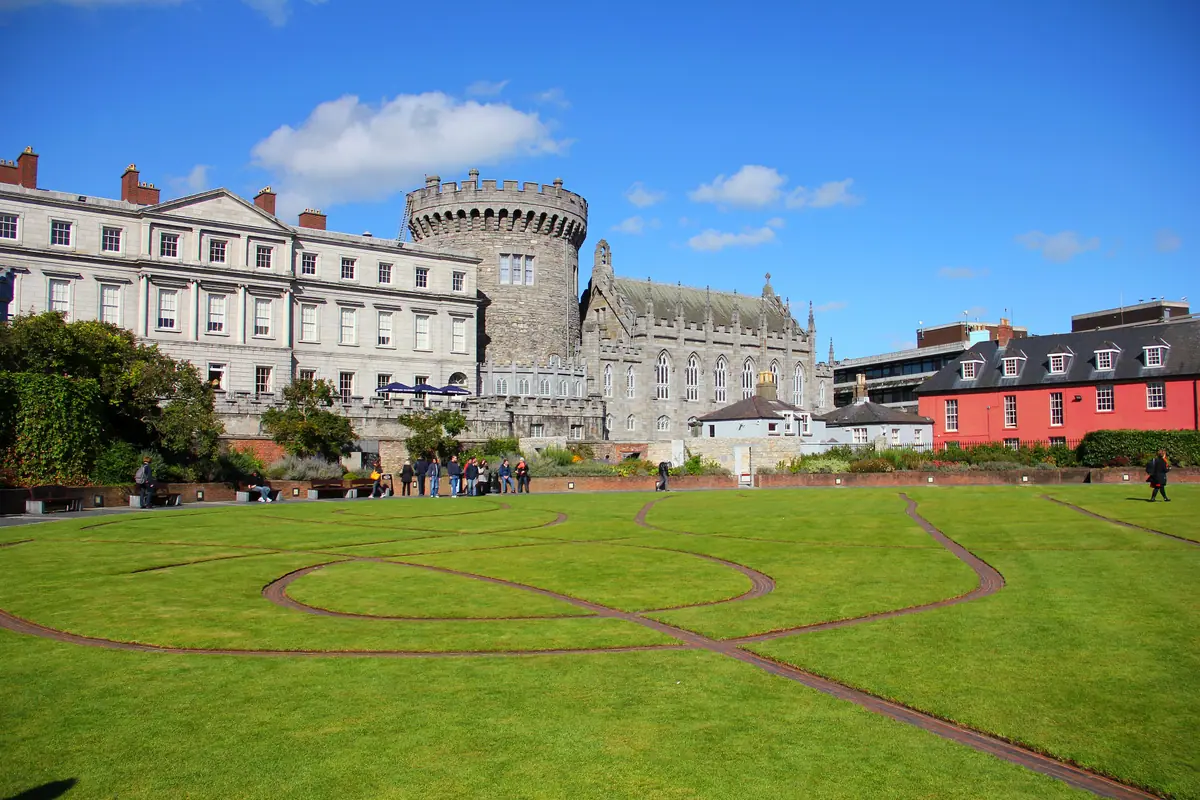
Dublin: Georgian Doors, Medieval Streets and the Book of Kells
Dublin rewards staying central. Trinity College, where the illuminated Book of Kells is displayed in the Long Room library, sits a few minutes from Grafton Street and the green of St Stephen's Green. Dublin Castle and the two great medieval cathedrals, Christ Church and St Patrick's, cluster around the old Viking quarter, while Kilmainham Gaol on the city's western edge tells the story of modern Irish history in a single grim, unforgettable hour.
Most visitors bed down south of the Liffey, around Merrion Square, Baggot Street and Ballsbridge, where Georgian townhouses have been converted into small, characterful hotels. North of the river, the Smithfield and Capel Street area offers better value and a grittier, more local nightlife, with the Ha'penny Bridge and Temple Bar a short walk away across the water. Phoenix Park, one of Europe's largest enclosed city parks, is ten minutes further west.
Give Dublin two or three nights minimum. Use one day for the historic core and the Book of Kells, one for Kilmainham Gaol and Phoenix Park, and one for the coast at Howth or Dalkey if the weather behaves. Book summer weekends well ahead, and remember that hotel rates spike sharply around St Patrick's Day in March.
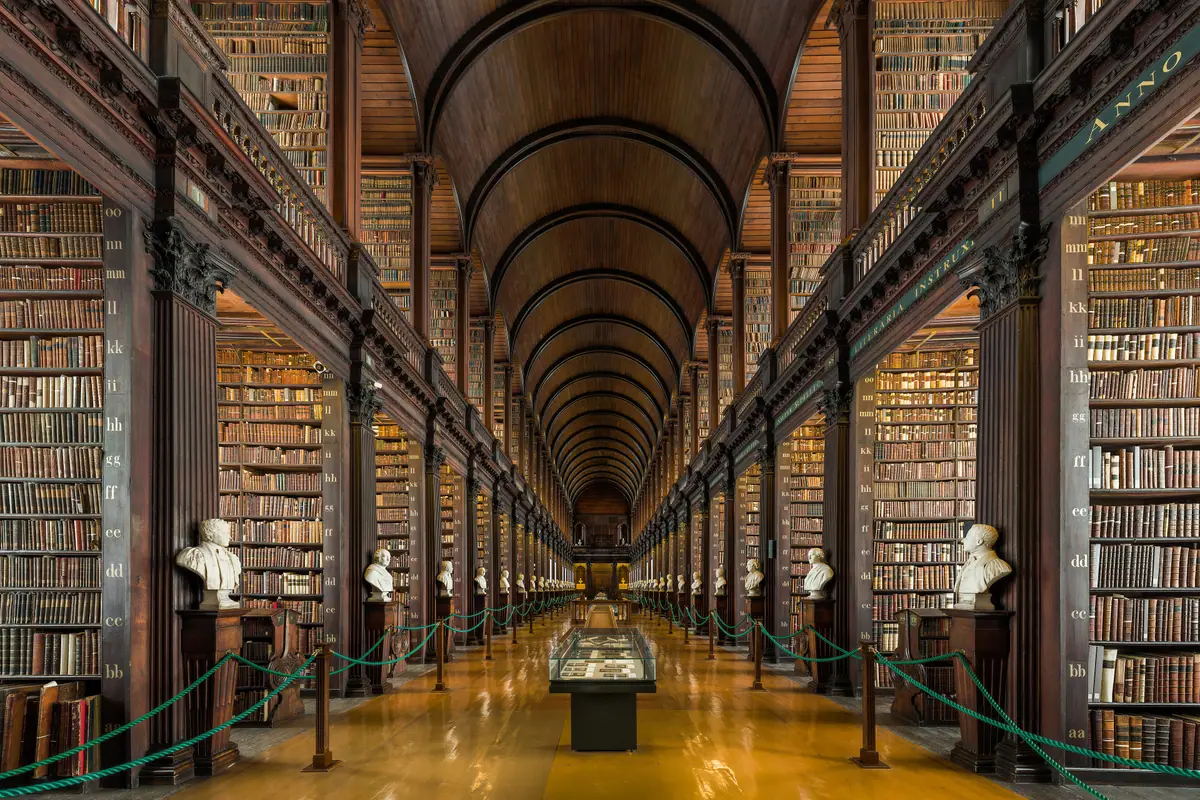
Galway, Connemara and the Atlantic Edge
Galway is the natural western base: a small, walkable city of narrow lanes, buskers and brightly painted pubs, with the Spanish Arch and the Claddagh quays at its heart and the long Salthill Promenade stretching west along the bay. Stay in the Latin Quarter if you want music spilling out of doorways, or out towards Salthill for sea views and easier parking.
From Galway you can reach the Cliffs of Moher in County Clare in about ninety minutes, and the Aran Islands by ferry from Rossaveal, where the prehistoric fort of Dún Aonghasa perches on a three-hundred-foot cliff. North and west lie Connemara and Kylemore Abbey, a nineteenth-century castle-like house with Victorian walled gardens set against a lake and the Twelve Bens mountains. The Burren's limestone pavement and the Poulnabrone dolmen are an easy detour south.
Accommodation here ranges from city guesthouses to remote country houses with peat fires and no television signal worth mentioning. Two or three nights works well; three or four if you want to include the islands or walk a stretch of the Western Way. Summer fills fast, especially during the city's arts festival in July.
The Southwest: Killarney, Kerry and Cork
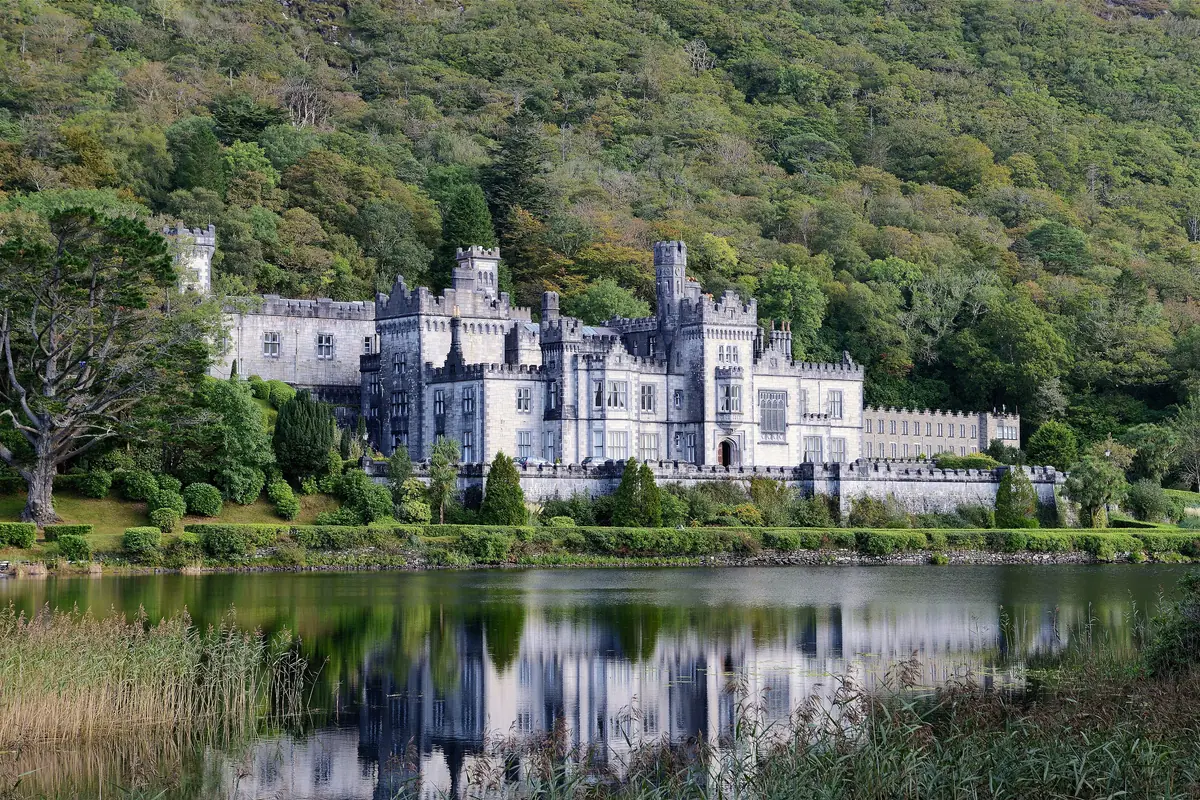
Killarney is the classic touring base for the southwest, sitting at the edge of a national park of lakes, oak woods and red deer. From town you can walk or cycle to Ross Castle on the lower lake, visit the Victorian glasshouses and formal gardens at Muckross House, or drive the Gap of Dunloe between purple mountain walls. The Ring of Kerry loop, around a hundred and eighty kilometres of coast and mountain, starts and ends on your doorstep.
Further west, the Dingle Peninsula and the Slea Head Drive are arguably more beautiful and far less crowded, with beehive huts, early Christian chapels and the Blasket Islands offshore. Offshore from the Kerry coast, the rock of Skellig Michael rises out of the Atlantic, a UNESCO-listed monastic settlement reached by boat in calm weather only.
Cork city makes a good contrast: the vaulted English Market, the bells of St Anne's, and the harbour town of Cobh with its steep terraced streets and towering St Colman's Cathedral. On the drive between Dublin and Cork, the Rock of Cashel — a limestone outcrop crowned with a round tower and cathedral ruins — is the single best roadside stop in the country. Base in Killarney for scenery, Cork for food and city life.
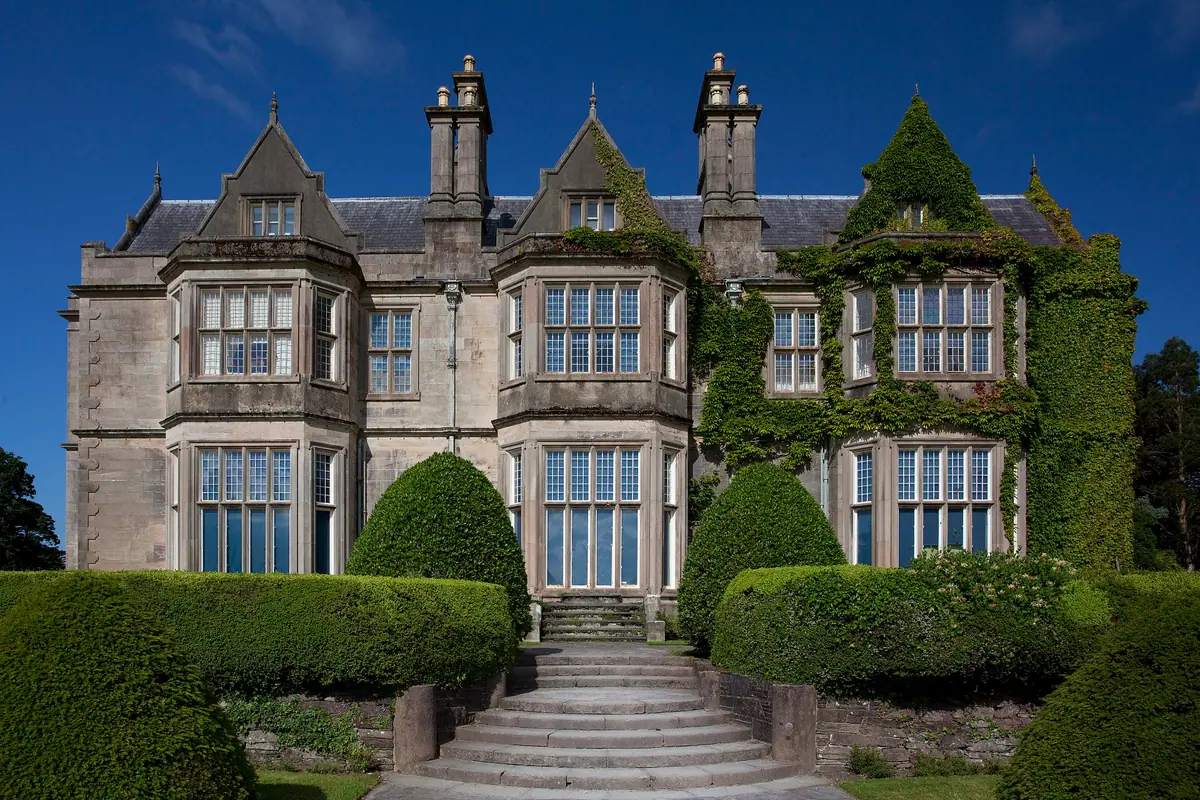
Castle Hotels, Country Houses and Coastal Retreats
Beyond the cities, Ireland's most memorable beds are its historic houses. A number of genuine castles, mostly in Clare, Mayo, Limerick and Kerry, have been converted into hotels where you eat in a vaulted hall and sleep under a canopy bed; they are expensive but often the reason people come. Country house hotels in Wicklow, Meath and Westmeath offer the same atmosphere at gentler prices, usually with gardens and a decent restaurant attached.
For something simpler, the farmhouse and townhouse bed-and-breakfast tradition is still alive and worth seeking out, particularly along the western coast and in quieter counties like Sligo, Donegal and Leitrim. Look for properties with sea views or mountain views rather than stars, and check whether the room has an en-suite bathroom, since older houses sometimes do not.
Wicklow, just south of Dublin, is the easy escape: the gardens and waterfall at Powerscourt, the monastic ruins and round tower of Glendalough in a glacial valley, and the Wicklow Mountains on the road south. Slieve League in Donegal, with its near-600-metre sea cliffs, is the wilder alternative for anyone heading north. Book castle and country house stays two to three months ahead for summer.
When to Go, How Long to Stay and How to Get Around
May, June and September are the sweet spots: long daylight, blooming hedgerows, and manageable crowds. July and August are warmest but busiest and priciest, particularly in Killarney, Galway and Dingle. Winter is quiet, dark by half past four, and often remarkably good value, with cosy pubs and near-empty heritage sites; October and April are the compromise months. Rain is possible in every month, so pack layers and a waterproof rather than an umbrella.
For a first visit, seven to ten days allows Dublin plus a loop through Galway, Clare and Kerry without rushing. Three days is enough for Dublin alone; five days suits the west. A rental car gives you the freedom to stop at viewpoints and reach isolated beaches, but you drive on the left, roads outside the main routes are narrow, and it is worth paying for full insurance cover.
Public transport links the main cities by rail and coach, so a car-free trip focused on Dublin, Cork, Galway and Killarney is perfectly doable, with day tours filling the gaps. However you travel, book your first and last nights before you fly, keep one evening free for live music, and allow more time than you think for a country where every second turn reveals something worth stopping for.
Frequently asked questions
How many days do you need in Ireland?
Seven to ten days is ideal for a first visit, covering Dublin, Galway, the Cliffs of Moher and the Ring of Kerry at a relaxed pace. Three days works if you stay in Dublin, and five if you want to focus on the west coast alone.
What is the best time of year to visit Ireland?
Late May, June and September offer the best balance of long daylight, mild weather and thinner crowds. July and August are the warmest but the busiest and most expensive, while November to February is quiet, cheap and very dark.
Do you need a car to get around Ireland?
Not strictly. Trains and coaches connect Dublin, Cork, Galway, Limerick and Killarney, with day tours reaching places like the Cliffs of Moher and the Ring of Kerry. A car adds freedom for the Dingle Peninsula, Connemara and Donegal, but means driving on the left on narrow rural roads.
Where should you stay for a first trip to Ireland?
Split your nights. Base in Dublin for two or three nights, then Galway for the west, and Killarney for the southwest. That combination puts most of the country's headline attractions — Trinity College and the Book of Kells, the Cliffs of Moher, Kylemore Abbey and the Ring of Kerry — within easy reach.
Are castle hotels in Ireland worth the money?
If you want the experience, yes — a night in a converted castle with a vaulted dining hall is memorable in a way a standard hotel room is not. They cost considerably more than a country house or guesthouse, so many travellers book a single splurge night and spend the rest of the trip in smaller, friendlier places.
Sort the rest of your trip
Everything for Ireland, in one place
Transfer in Ireland
Private driver waiting on arrival — no queues, no surprises.
Book a transfer
Things to do in Ireland
Skip-the-line tickets, guided tours and standout experiences.
See experiences
Stay online in Ireland
Travel eSIM — data the moment you land, no roaming bills.
Get an eSIM