Iceland squeezes volcanoes, glaciers, black-sand beaches and hissing steam vents onto an island you can circle in a week — yet most first-time visitors barely scratch the surface. The secret is knowing which landmarks justify the detour, and when to point the rental car at them. Here is where to start.
Reykjavík and the Golden Circle: Your First 48 Hours
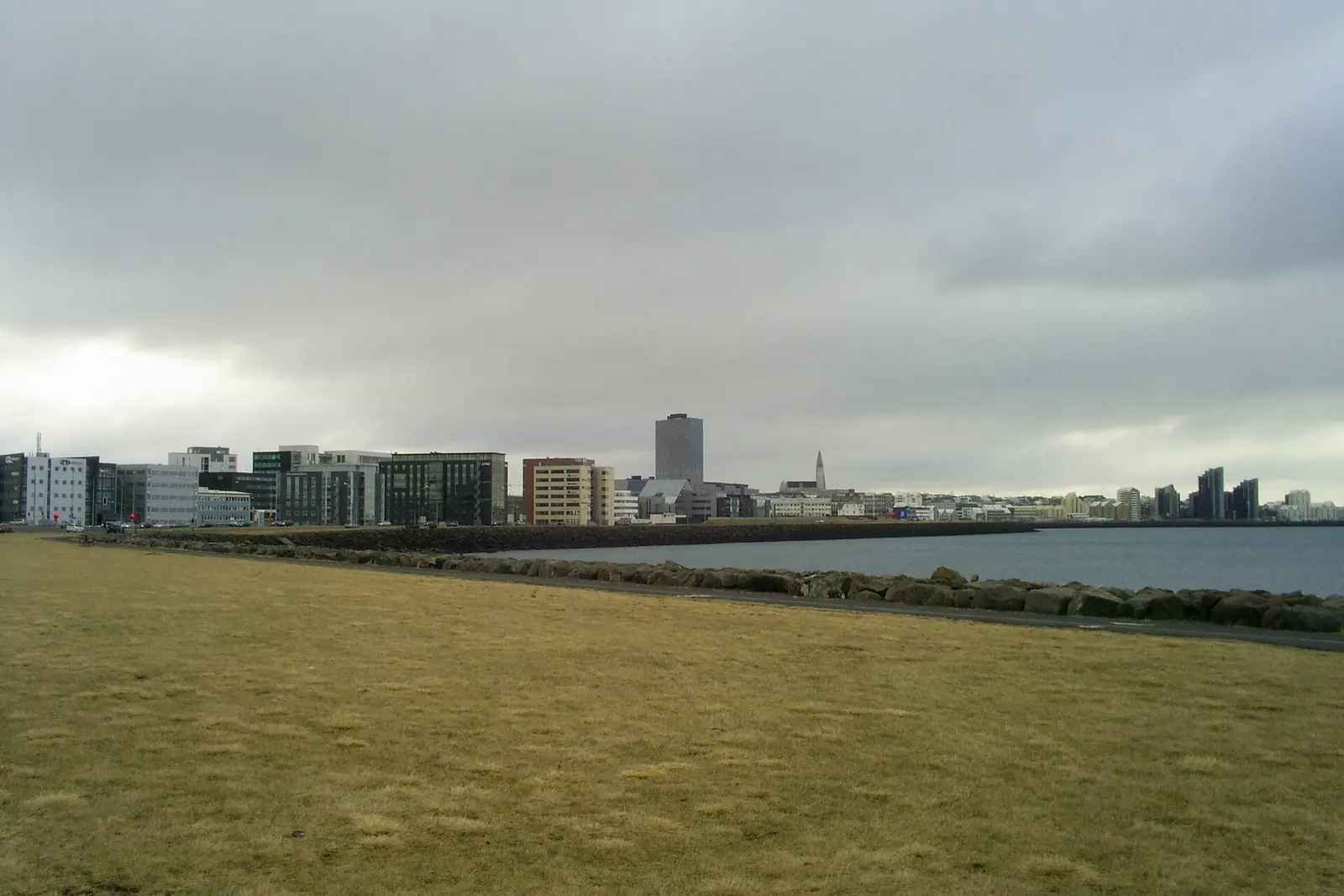
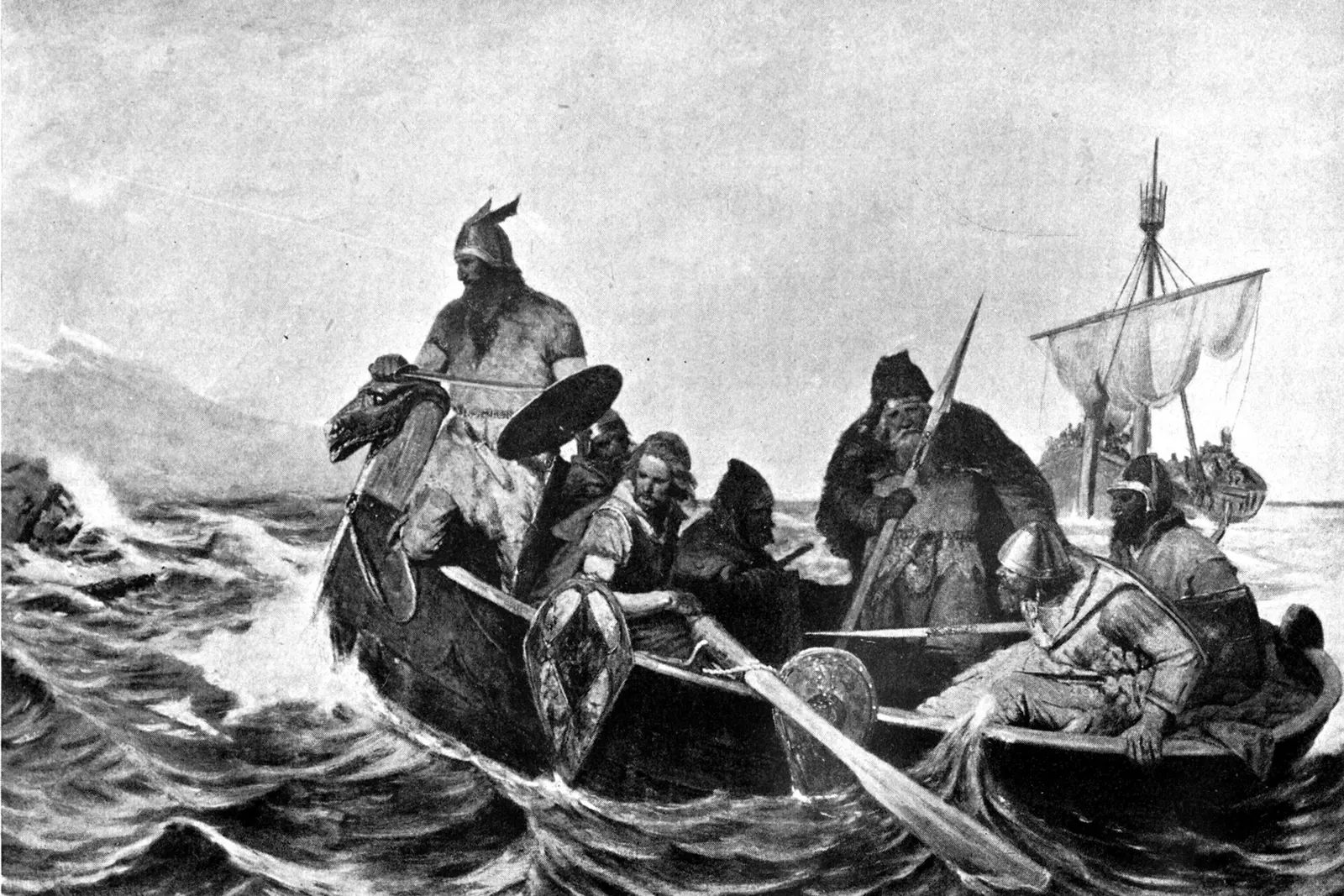
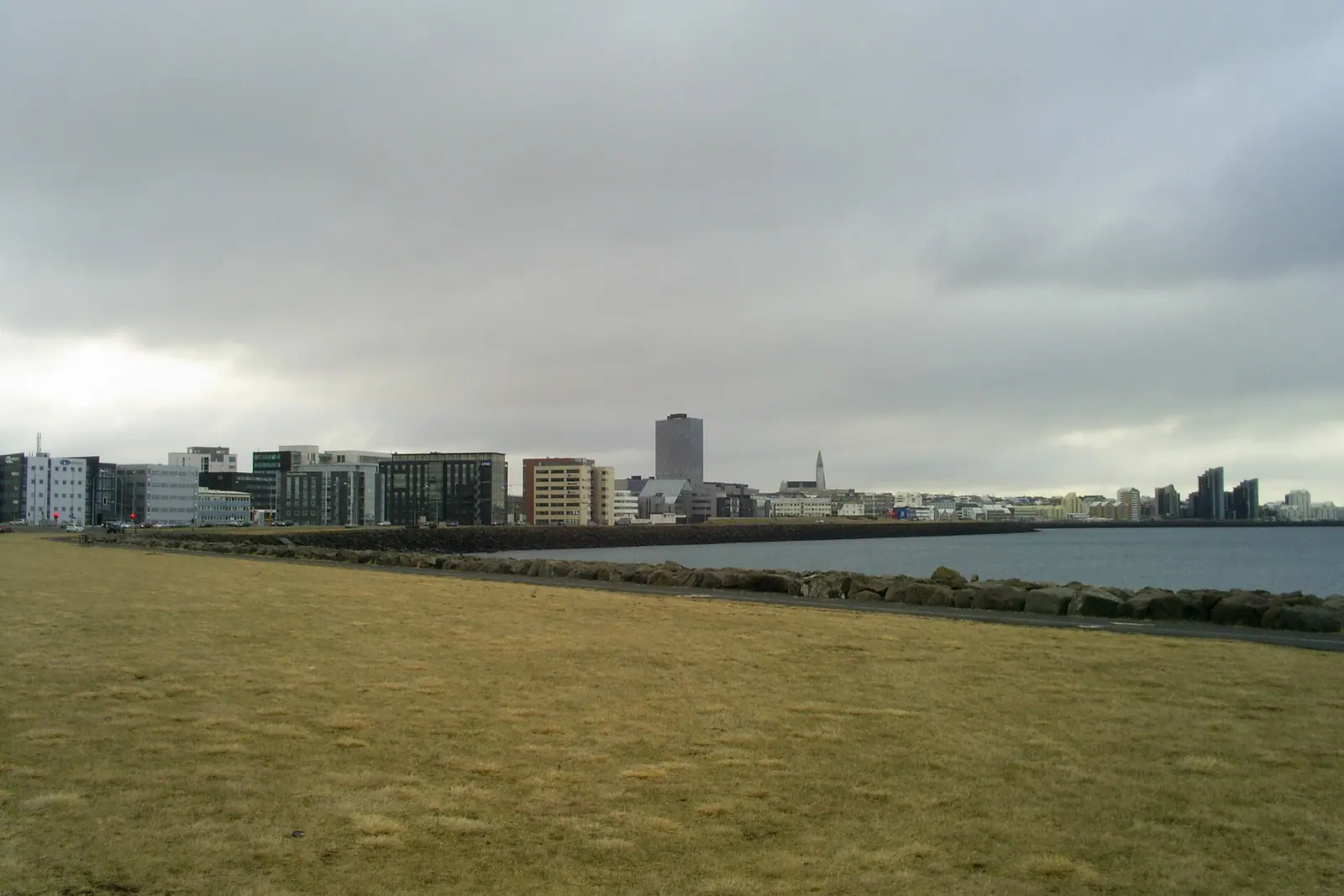
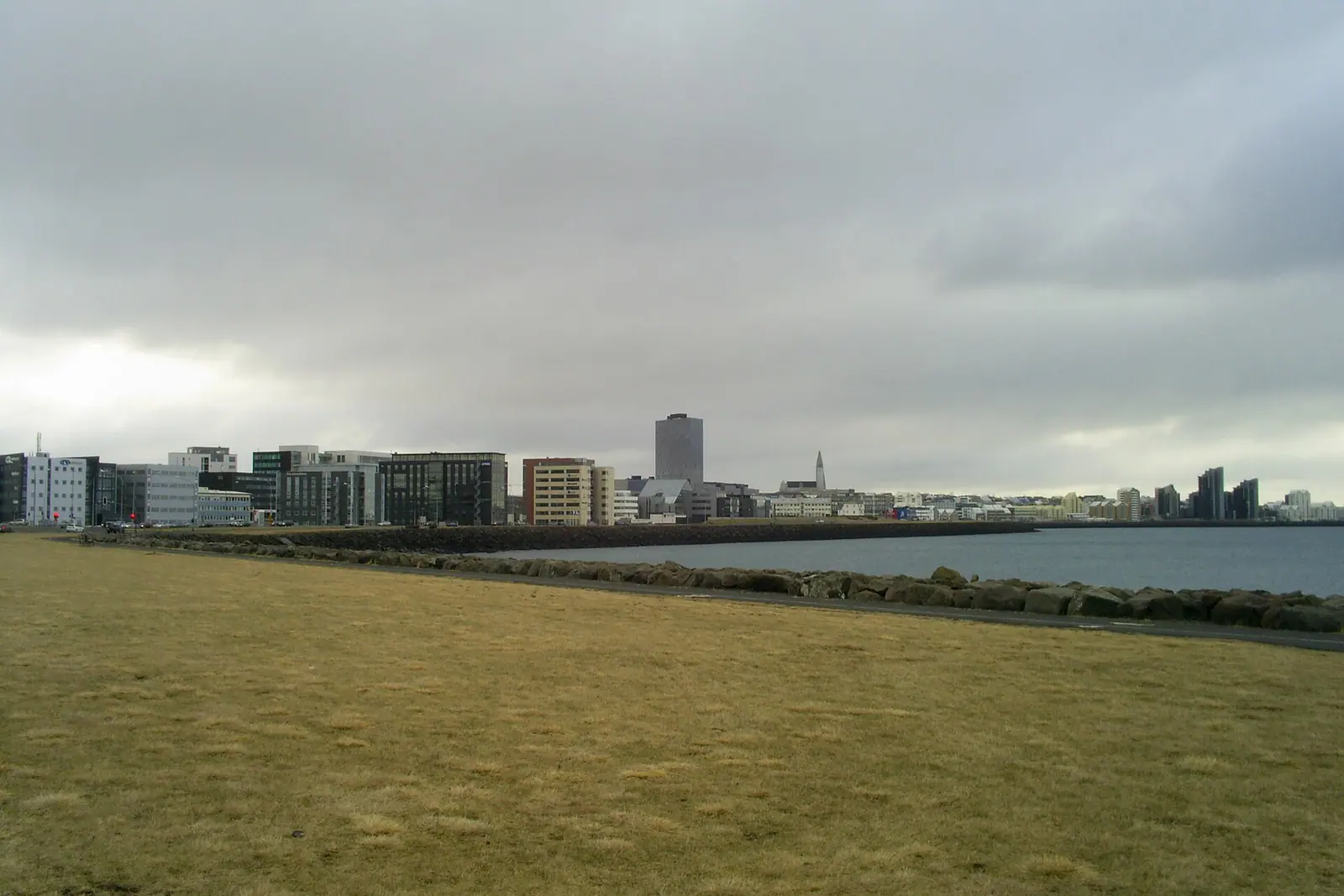
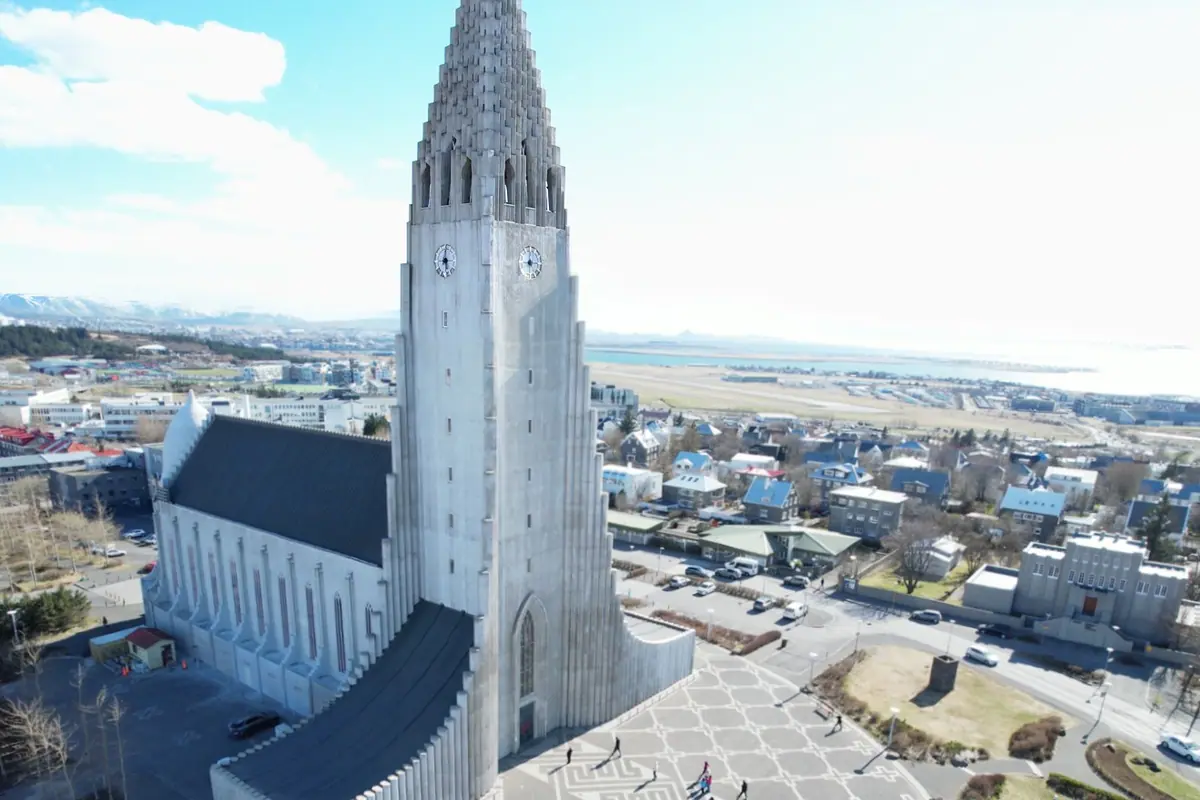
Start in Reykjavík, a small, walkable capital that rewards a slow day before the long drives begin. Hallgrímskirkja, the concrete church that towers over the city, has a lift to its viewing deck and the best panorama of the corrugated, candy-coloured rooftops below. Down by the old harbour, Harpa's faceted glass facade catches whatever light the sky is offering, and the Sun Voyager sculpture on the Sæbraut shoreline is the city's most photographed silhouette. Laugavegur and the surrounding lanes cover cafés, wool shops and the National Museum of Iceland, which explains the settlement story in a couple of hours.
Gullfoss, Geysir and Þingvellir: The Golden Circle Loop
The Golden Circle is the country's most famous day drive, roughly 300 kilometres round trip from Reykjavík, and it earns the hype. Þingvellir National Park sits in a rift valley where the North American and Eurasian tectonic plates are visibly pulling apart; it is also where the world's oldest surviving parliament, the Alþingi, met from 930. Walk the Almannagjá gorge to Öxarárfoss and look down into the Silfra fissure, where clear glacial water fills a crack between continents.
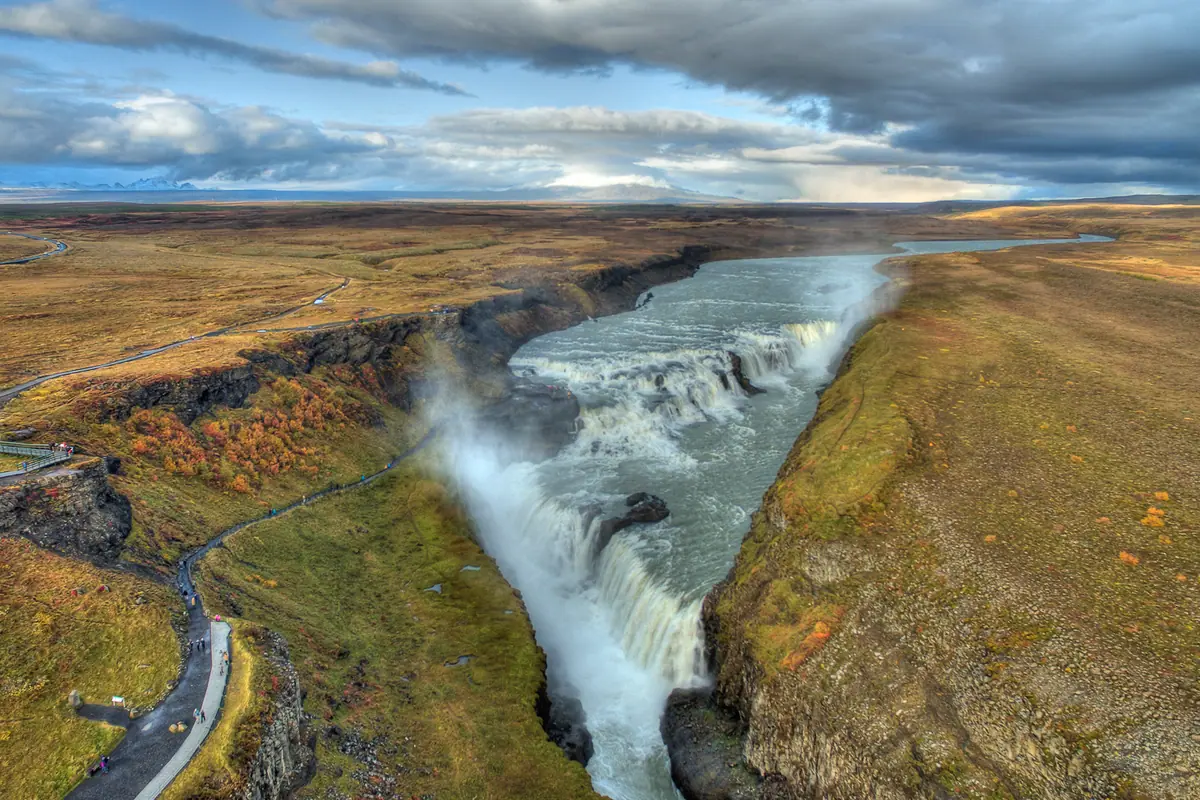
At the Geysir geothermal field, the original namesake spring now sleeps, but Strokkur more than compensates, hurling a column of boiling water 20 to 30 metres into the air every five to ten minutes. A short drive further, Gullfoss thunders in two tiers over a 32-metre drop into the Hvítá river canyon, with spray-soaked paths that turn genuinely icy between November and March. Go early or late in the day to dodge the coach crowds, and add the volcanic crater Kerið on the way back if you still have daylight.
The South Coast: Waterfalls You Can Walk Behind
Route 1 east from Reykjavík strings together the sights most people picture when they think of Iceland. Seljalandsfoss is the showstopper because a path curves behind the falling water itself — you will get soaked, so waterproofs are non-negotiable, and the route is slippery underfoot. Tucked in the neighbouring gorge is Gljúfrabúi, hidden enough that many drivers miss it entirely.
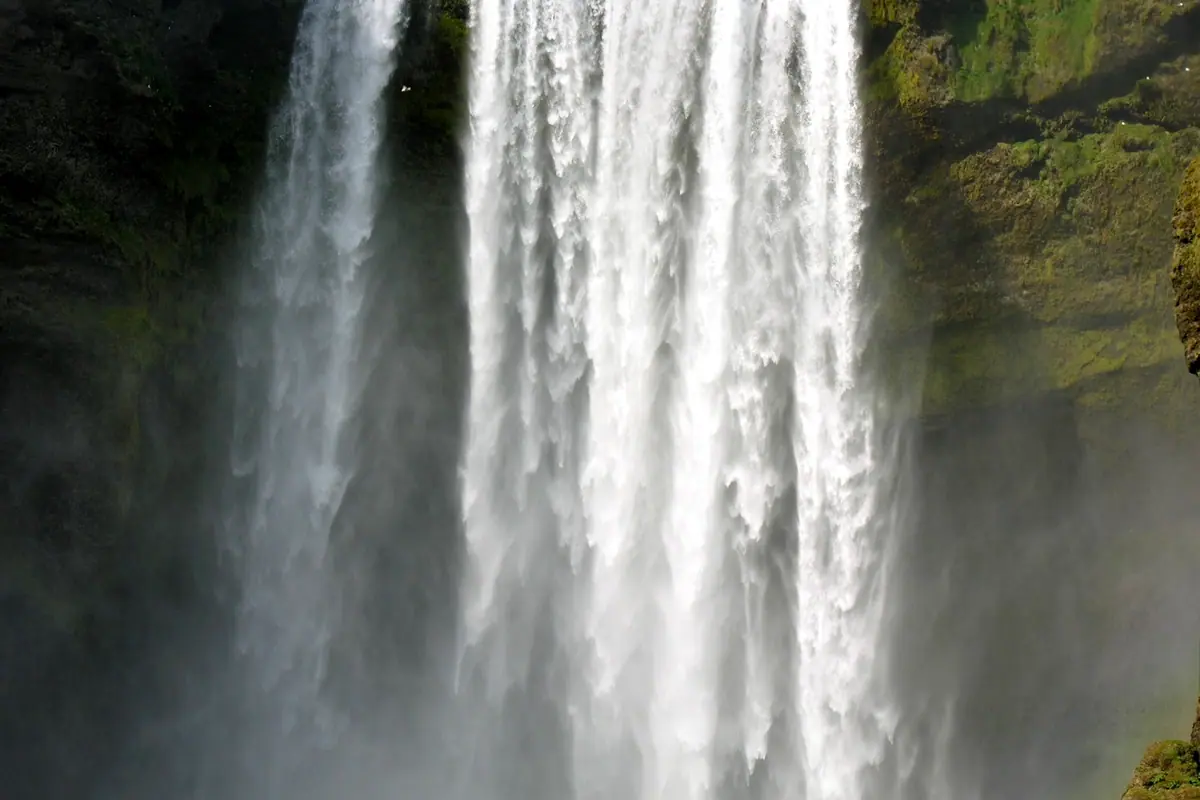
Twenty-five minutes further east, Skógafoss drops about 60 metres in a single broad sheet, with a staircase of some 500 steps climbing the cliff beside it and the trailhead for the Fimmvörðuháls hike at the top. Both waterfalls are within two hours of the capital, which makes them an easy day trip, though most travellers continue onward to Vík for the night.
Reynisfjara, Dyrhólaey and the Black Sand Coast
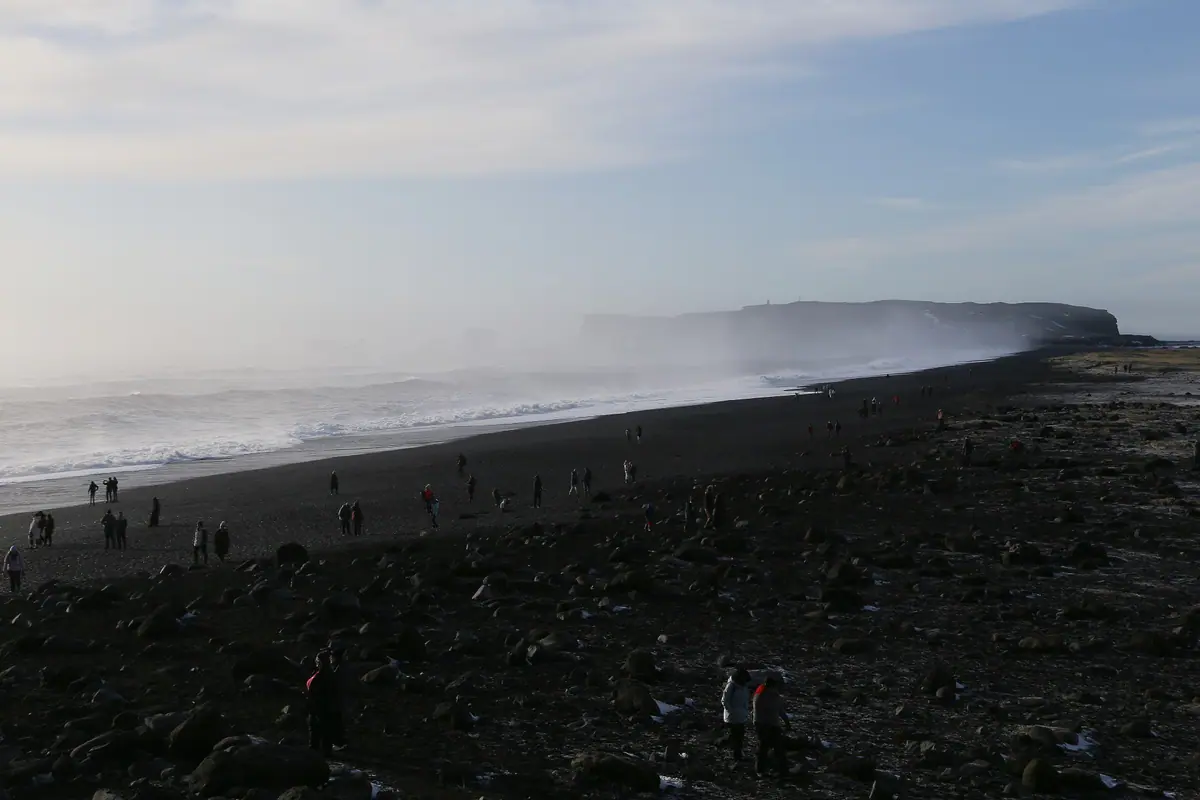
Near Vík, Reynisfjara is the black-sand beach everyone comes for: basalt columns stacked like organ pipes against the cliff, and the Reynisdrangar sea stacks rising out of a grey Atlantic. Treat the water with real respect — sneaker waves surge far up the sand without warning, and visitors have been caught out by turning their backs on the surf. Stay well up the beach and never approach the waterline for a photo.
Just west, Dyrhólaey is a promontory with a natural arch, a lighthouse and a cliff full of nesting seabirds; puffins crowd the ledges from May through August, particularly in the evening. Vík makes a sensible overnight stop with fuel, food and guesthouses, and the glacier tongue of Sólheimajökull is close enough for an easy walk to its icy edge the following morning.
Glaciers, Ice Caves and the Jökulsárlón Lagoon
Vatnajökull National Park protects one of Europe's largest ice caps, covering roughly eight per cent of the country, and the Skaftafell area is the most accessible corner of it. Trails lead to Svartifoss, a waterfall framed by dark hexagonal basalt columns, while guided glacier walks onto outlets such as Falljökull or Svínafellsjökull provide crampons, ice axes and a safe look at crevasses you would never approach alone.
Further east, Jökulsárlón glacier lagoon is the country's most surreal sight: icebergs calved from Breiðamerkurjökull drift slowly toward the sea, trailed by curious seals, and boat trips run in the warmer months. Across Route 1, Diamond Beach is where those same chunks of ice wash ashore and glitter on black sand until the tide takes them back.
Winter opens the crystal ice caves beneath the glacier, typically from November to March and always with a certified local guide, since conditions change daily and some seasons close them entirely. December daylight lasts only four to five hours, so plan driving around the light rather than the clock.
North Iceland: Akureyri, Mývatn and Mighty Dettifoss
Akureyri, the unofficial capital of the north, sits at the head of Eyjafjörður fjord with a compact centre, a botanical garden and a church whose stepped facade mirrors the surrounding mountains. From nearby Húsavík on Skjálfandi Bay, whale-watching boats head out from spring to autumn to find humpbacks, minke whales and, on lucky days, the immense blue whale.
Lake Mývatn is a landscape of pseudocraters at Skútustaðir, the twisted lava labyrinth of Dimmuborgir and the reeking, bubbling mud pots of Hverir below Námafjall. Goðafoss, the waterfall of the gods, sits right beside Route 1 and costs nothing but a short stop.
Northeast of Mývatn, Dettifoss plunges 44 metres into the Jökulsá á Fjöllum canyon and is widely considered Europe's most powerful waterfall by volume, a flat wall of water about 100 metres wide with a permanent roar and mist cloud. The west bank is rougher going; the east bank has easier access. Finish with the horseshoe-shaped cliffs of Ásbyrgi canyon.
Snæfellsnes, the Westfjords and Iceland's Wild Edges
Snæfellsnes Peninsula is often described as Iceland in miniature, and the comparison holds. Kirkjufell, the arrow-shaped mountain beside Kirkjufellsfoss on the north coast, is one of the most photographed peaks in the country, while Snæfellsjökull — a glacier-capped volcano — anchors the western tip. Djúpalónssandur's black pebble beach holds the rusted remains of a trawler, Arnarstapi has wave-battered coastal arches, and Vatnshellir lava cave can be explored on a guided tour.
Hot Springs, Northern Lights and the Highlands
Iceland's geothermal water is a national ritual. The Blue Lagoon on the Reykjanes Peninsula is the famous one and conveniently close to Keflavík airport, though volcanic activity in the region has forced periodic closures, so book flexibly. Nearer the capital, the Sky Lagoon offers ocean-edge soaking; inland, the Secret Lagoon at Flúðir and the Mývatn Nature Baths are quieter and cheaper. Always shower thoroughly without swimwear before getting in — it is a firm local expectation.
The aurora appears from September through mid-April, needing dark skies, clear weather and patience; the strongest displays usually come after 10pm far from town lights. Summer flips the script entirely with the midnight sun from June to August. For the interior, F-roads into the highlands — Landmannalaugar's natural hot river, Þórsmörk, Askja and Kerlingarfjöll — generally open mid-June and close in September, and genuinely require a 4WD. Check road and weather conditions every morning, and never drive off marked tracks.
Frequently asked questions
What is the best time of year to visit Iceland?
June to August brings the midnight sun, all roads open, puffins and the best camping weather, but also the biggest crowds. September to March is aurora season and the only window for natural ice caves, though daylight shrinks to four or five hours around December. May and September are excellent compromises with lighter traffic and reasonable conditions.
How many days do I need in Iceland?
Four to five days covers Reykjavík, the Golden Circle and the South Coast as far as Jökulsárlón without rushing. A full loop of Route 1 takes seven to ten days, and adding the Westfjords or highland detours comfortably pushes that toward two weeks.
Do I need a 4WD rental car?
Not for Route 1 and the main south and north coast sights in summer — a normal car is fine. You do need a 4WD for any F-road into the highlands, for the Westfjords' rougher tracks and for winter driving beyond the capital region. Off-road driving is illegal and damages fragile lava and moss.
Can I see the northern lights without a tour?
Yes, if you have a car and clear skies. Drive away from town lights, face north, allow your eyes twenty minutes to adjust and expect to wait. Check the cloud and aurora activity forecasts daily, and keep in mind that a bright moon or a heavy overcast night will hide even a strong display.
What should I pack for Iceland?
Waterproof jacket and trousers, warm layers, gloves, a hat and sturdy waterproof boots are essential year-round, because wind and rain arrive without much warning. Bring swimwear and a quick-dry towel for geothermal pools, and drink the tap water — it is free, cold and excellent everywhere.
Plan it — experiences in Iceland
Live search, booked directly with trusted providers.
Sort the rest of your trip
Everything for Iceland, in one place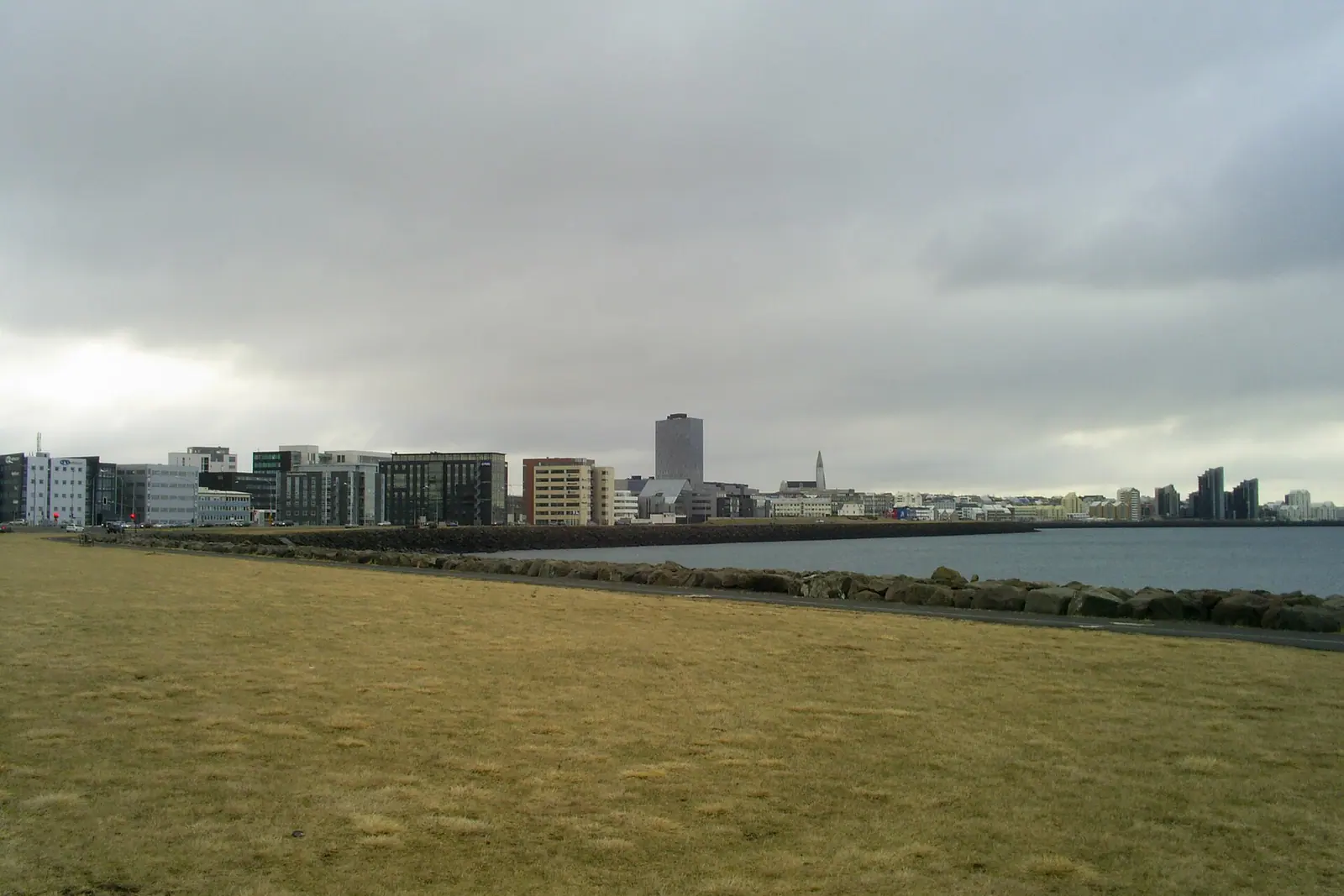
Stay in Iceland
Hotels, guesthouses and apartments — compared in one search.
Search hotels
Transfer in Iceland
Private driver waiting on arrival — no queues, no surprises.
Book a transfer
Stay online in Iceland
Travel eSIM — data the moment you land, no roaming bills.
Get an eSIM