Iceland changes costume four times a year, and the version you meet depends entirely on when you arrive. The same south-coast road that glitters under a low winter sun and a curtain of green aurora is, six months later, a corridor of lupine fields and daylight that never quite ends. Choosing your dates is really choosing which Iceland you want — and which beds you can still find.
Iceland's Travel Year at a Glance
Iceland sits just under the Arctic Circle, which means the year is divided less by temperature than by light. In Reykjavík, late June delivers roughly 21 hours of daylight and a sun that only dips behind the horizon for a couple of hours; by mid-December you are down to about four hours of grey-blue twilight. That single fact shapes everything: what you can drive, what you can photograph, and how much you will pay for a room.
Temperature is a gentler variable than most first-timers expect. Summer days in the south hover around 10–14°C, and winter averages sit close to freezing, with the coast warmer than the interior highlands. What really defines a day is wind and precipitation — a bright, still afternoon can turn into horizontal rain within an hour, which is why locals dress in layers year-round and treat weather forecasts as entertainment rather than gospel.
The classic touring route, the Ring Road, runs about 1,332 km around the island and takes a minimum of seven days without rushing — longer if you want the Westfjords or the interior. The highland F-roads, which open the landscapes around Landmannalaugar and Þórsmörk, are generally passable only from mid-June to mid-September. Time your trip around those dates and an enormous amount of Iceland unlocks at once.
High Summer (June to August): Midnight Sun and the Busiest Beds
Summer is Iceland at its most generous and its most crowded. Days are effectively endless, so you can walk the ridge above Skógafoss at eleven at night in full light, drive the Golden Circle — Þingvellir National Park, the steaming vents around Geysir, and the double cascade of Gullfoss — and still reach Seljalandsfoss before the light softens. Puffins nest in vast numbers from May to mid-August at Dyrhólaey and the cliffs of Látrabjarg in the Westfjords, and Húsavík on the north coast runs its best whale-watching trips of the year.
The trade-off is demand. Rooms in Reykjavík, Vík í Mýrdal, Höfn and Akureyri sell out months ahead for July and August, and the same is true of the small farm stays and guesthouses that make the countryside so memorable. If you are set on a summer Ring Road trip, treat accommodation as the thing you book first and build the itinerary around the beds you find, not the other way round.
Summer also brings the small irritations of peak season: busy car parks at the big waterfalls, midges around Lake Mývatn, and the highest rental and hotel rates of the year. The compensation is access. Highland roads are open, mountain huts in Þórsmörk and Landmannalaugar are staffed, and long daylight means a delayed flight or a slow drive never costs you a sight.
Shoulder Months (May and September): Iceland's Quiet Sweet Spot
Ask people who live in Iceland when they would travel here and many will say September. The crowds thin, the prices soften, the highlands usually stay open until mid-September, and the nights are dark enough again for the aurora to reappear over Þingvellir and the lava fields of Reykjanes. The south coast — Seljalandsfoss, the black sand at Reynisfjara, the basalt columns of Reynisdrangar — is still fully reachable, and the light turns a warm amber that photographers chase all year.
May is September's mirror image. Snow lingers on the high ground and some interior roads remain closed, but the first puffins return to the sea cliffs, the roads are blissfully empty, and hotel availability is far better than in midsummer. Book a guesthouse in Vík or a converted farm stay in the south and you will often find you are the only guests at breakfast.
Both shoulder months demand flexibility. In May you may lose a day to a closed mountain pass; in September you may lose an afternoon to a gale on the east coast. Build in one spare day, rent a vehicle with good clearance if you plan to leave the Ring Road, and pack for two seasons in a single afternoon. That tolerance is exactly what buys you Iceland without the queues.
Winter (October to March): Aurora Nights and Ice Cave Days
Winter is when Iceland becomes strange and beautiful. From late September through March, clear dark skies give you a genuine shot at the northern lights, strongest around the equinoxes and on cold, still nights away from town light. The south coast delivers a completely different set of experiences: guided ice cave trips beneath Vatnajökull, glacier walks from Skaftafell, and the icebergs of Jökulsárlón drifting out to the black volcanic shingle of Diamond Beach.
The costs of winter are real. Daylight shrinks to four or five hours in December, which concentrates sightseeing into a short blue-gold window and makes long driving days unwise. Sudden wind closures can shut sections of the Ring Road without notice, and the road to Reynisfjara carries warnings about sneaker waves that have caught out plenty of confident visitors. Highland F-roads are firmly off limits, and a two-wheel-drive car is not a sensible choice outside the Reykjavík area.
On the other hand, winter hotel inventory is easier than summer in most of the country — with two glaring exceptions. The Christmas and New Year period fills Reykjavík solid, and aurora season weekends in the south coast villages book out fast. If your plan revolves around a specific glass-roofed country hotel or a remote farm stay, reserve it as early as you would a July room.

Choose Your Base: Where You Sleep Shapes What You See
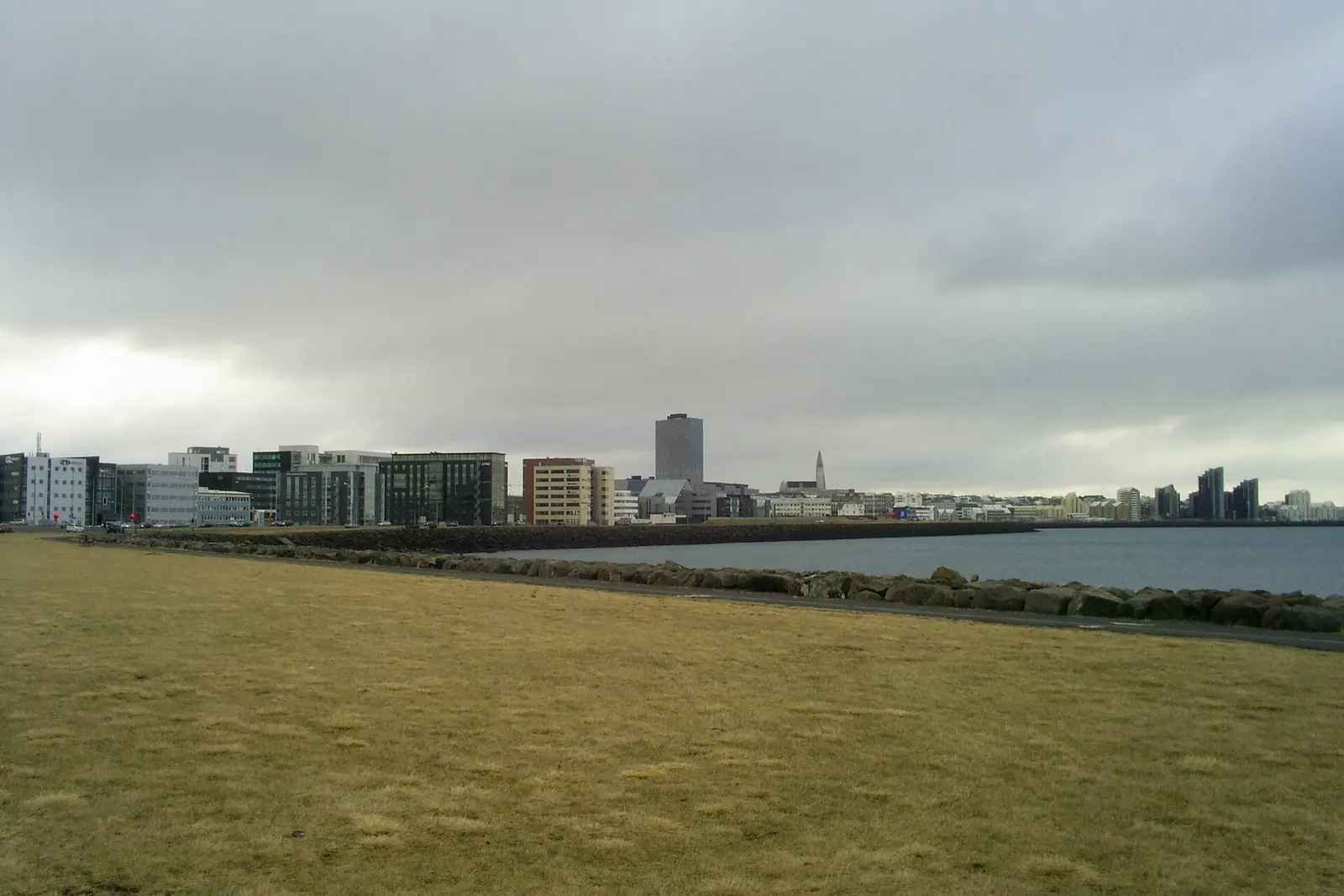
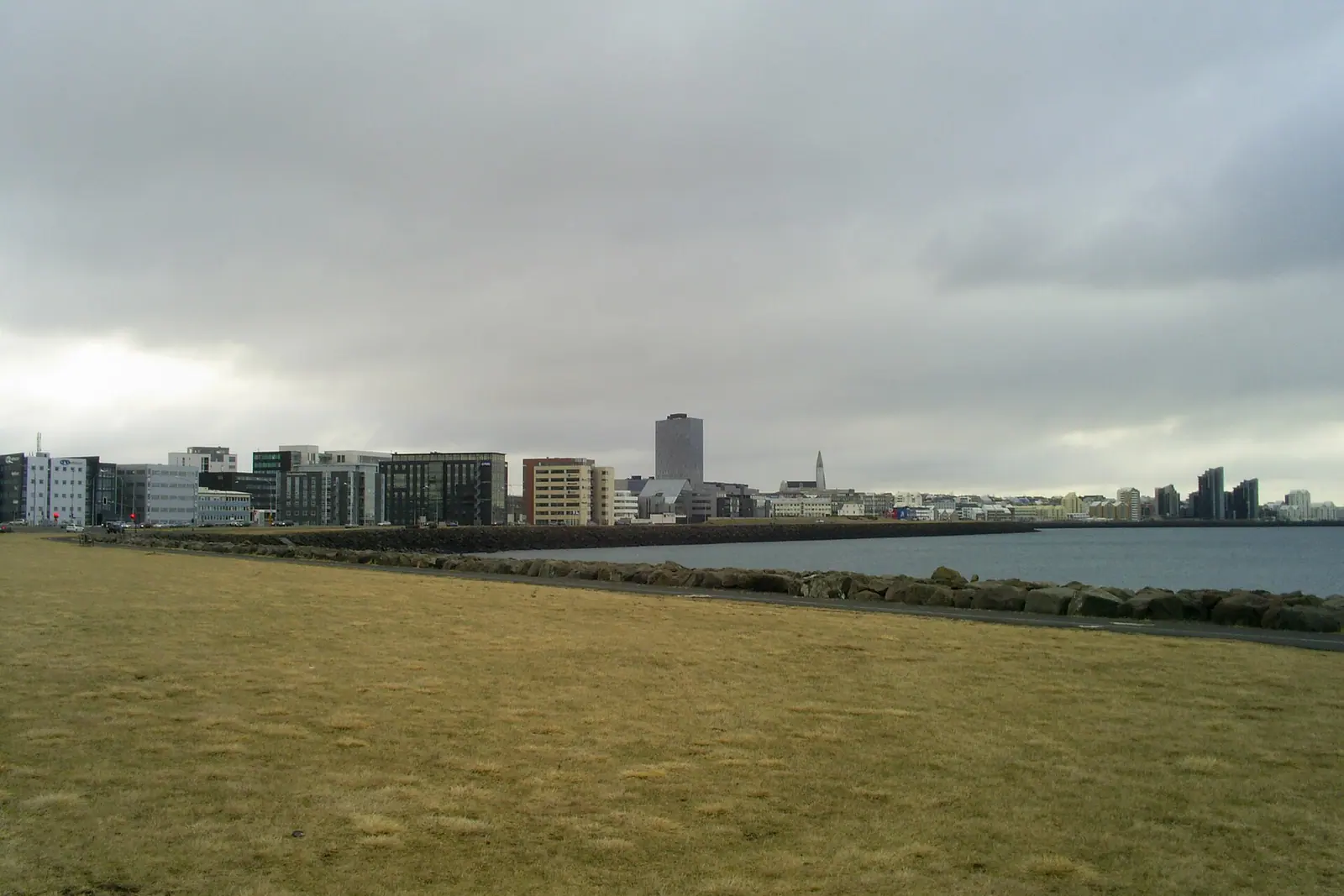
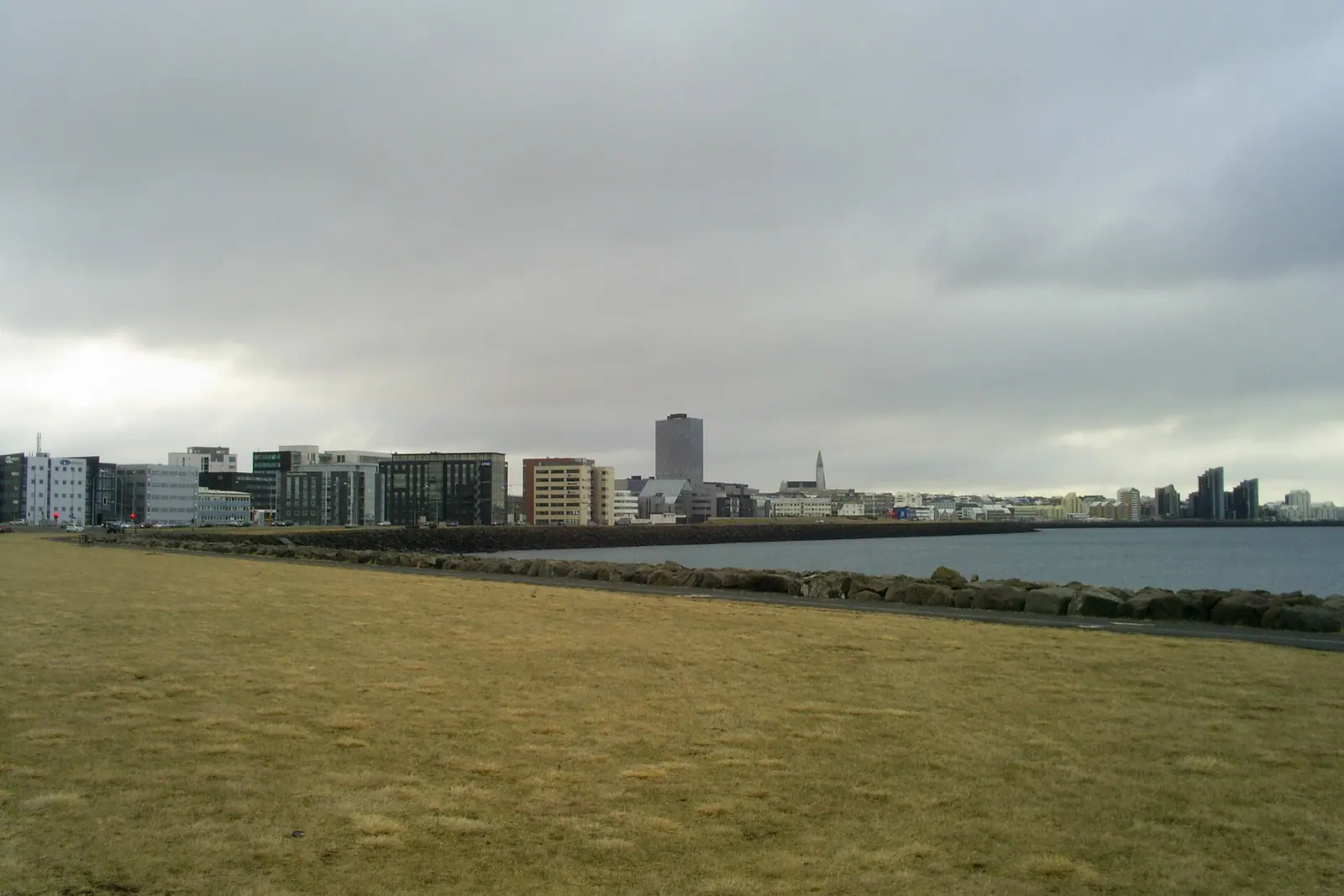
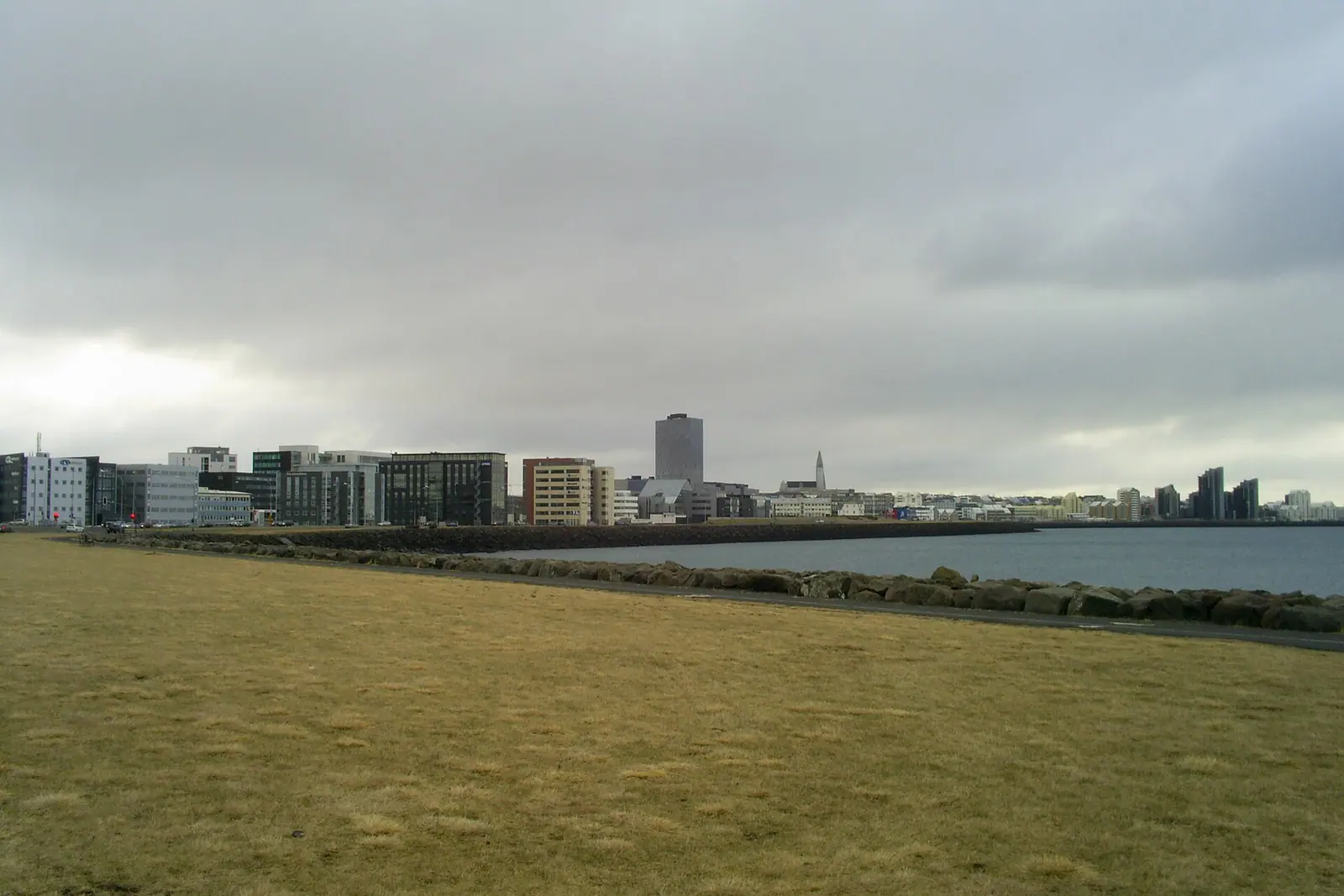
Iceland rewards travellers who move their base rather than commute. Reykjavík itself is worth two nights: climb the tower of Hallgrímskirkja for the rooftop view, walk the harbourfront past Harpa concert hall and the Sun Voyager sculpture, and use the city as a springboard for the Golden Circle and the Reykjanes peninsula. Staying a second night in the capital is far cheaper than paying for a long day tour and a hotel elsewhere on the same day.
South of the city, the natural overnight stops are Hvolsvöllur, Vík í Mýrdal and, for the glacier country, Höfn or the Skaftafell area. From Vík you can reach Fjaðrárgljúfur canyon, the vast glacial outwash plains, and Vestrahorn's jagged peaks in the southeast in a single unhurried day. In the north, Akureyri makes a comfortable base for Lake Mývatn, the lava formations of Dimmuborgir, the geothermal grotto at Grjótagjá, and the thundering Dettifoss and horseshoe cliffs of Ásbyrgi.
The west deserves its own nights: the Snæfellsnes peninsula, with Kirkjufell rising like a witch's hat above the water, the historic village of Stykkishólmur, and the cascades of Hraunfossar tumbling out of a lava field beside the hot spring at Deildartunguhver. Further northwest, the Westfjords — Látrabjarg's bird cliffs, Ísafjörður's fjord — are essentially a summer destination, with many guesthouses shutting from October to April. In the highlands, mountain huts near Landmannalaugar and Þórsmörk operate only in the short summer window, and they book out early.
Booking Timing, Weatherproofing and Practical Hotel Tips
For July and August, and for the northern-lights weekends of September, October and March, aim to reserve your first and last nights in Reykjavík at least three to five months ahead, and secure countryside stays at the same time. For Christmas, New Year and the first half of February, add another month of lead time. Shoulder-season trips can often be arranged six to eight weeks out, which is one more argument for May and September.
When you compare properties, look beyond the star rating. In rural Iceland the difference between a good and a mediocre stay is usually whether breakfast is included, whether there is a private bathroom, and whether the place has a hot tub or geothermal pool to soak in after a wet hike. Rooms are often compact, single occupancy is scarce, and reception hours are limited, so tell your host if you will arrive after nine in the evening.
Finally, let the season dictate your packing and your driving. Bring a waterproof shell and warm mid-layers whatever the month, add a swimsuit for geothermal bathing, and carry a headlamp and microspikes if you travel between November and March. Check local road and weather information each morning before setting out, never drive onto a beach or into a river crossing in a standard car, and keep a spare day in the itinerary. In Iceland, the best-laid plan is the one with slack in it.
Frequently asked questions
What is the best month to see the northern lights in Iceland?
Aurora season runs roughly from late September to early April, when nights are dark enough. The equinox months of September, October and March tend to produce the strongest displays, but activity, cloud cover and light pollution matter more than the calendar. Base yourself in the countryside away from Reykjavík for the best odds, and allow at least three or four nights to give yourself a real chance.
When can I experience the midnight sun?
In Reykjavík the sun barely sets from around mid-June to the end of June, and daylight stays extraordinarily long from late May to mid-July. Further north, around Akureyri and the island of Grímsey on the Arctic Circle, the midnight sun is visible for several weeks either side of the solstice. Even in May and August you can comfortably hike at ten at night in good light.
Do I need a four-wheel-drive car in Iceland?
For the Ring Road in summer, a normal car is fine. For the highland F-roads, winter driving anywhere outside Reykjavík, or any route with gravel and river crossings, a four-wheel-drive vehicle is strongly recommended and sometimes required by rental terms. Winter tyres, a charged phone, a full tank and a check of local road and weather reports each morning are essential habits rather than optional extras.
How far in advance should I book hotels in Iceland?
Book three to five months ahead for July and August and for northern-lights weekends in autumn and early spring. Christmas, New Year and the February half-term period often need even more lead time. May and September are more forgiving, with six to eight weeks usually enough for most guesthouses, though the most distinctive countryside properties still sell out early.
Are the ice caves and glacier walks available all year?
No. Ice cave tours beneath Vatnajökull generally run from November to March, depending on conditions, and must be done with a certified guide. Glacier walks from the Skaftafell area operate more widely, from spring through autumn. Winter trips out of the Jökulsárlón area let you combine a cave visit with the iceberg-strewn lagoon and Diamond Beach in a single short day of daylight.
Sort the rest of your trip
Everything for Iceland, in one place
Transfer in Iceland
Private driver waiting on arrival — no queues, no surprises.
Book a transfer
Things to do in Iceland
Skip-the-line tickets, guided tours and standout experiences.
See experiences
Stay online in Iceland
Travel eSIM — data the moment you land, no roaming bills.
Get an eSIM