Iceland is a country where your choice of bed quietly decides your itinerary: sleep in Reykjavík and you day-trip, sleep in Vík and you wake up beneath a black sand ridge, sleep in Akureyri and the north opens up. This guide maps the island's main lodging regions onto the landmarks you actually came to see.
How Iceland's Geography Shapes Where You Sleep
Almost every visitor lands at Keflavík and starts in the capital, but Iceland's real draw is the 1,332-kilometre Ring Road that loops the island past glaciers, fjords and geothermal fields. Distances are deceiving: Reykjavík to Vík takes about two and a half hours, Reykjavík to the glacier lagoon at Jökulsárlón runs four and a half to five, and the drive north to Akureyri eats the better part of a day. Where you book therefore determines how much time you spend behind the wheel rather than standing in front of a waterfall.
The practical rhythm is simple. Four to five nights suits a Reykjavík base plus the Golden Circle and the south coast. Seven to ten nights lets you complete the full ring, adding the east fjords, the Mývatn volcanic zone and the Westfjords if you are willing to trade paved speed for gravel and patience. Rooms in the capital and along the south coast sell out first for July and August, and again for the aurora months from September through March.
Accommodation itself spans a wide range: design-led city hotels, family guesthouses with shared bathrooms, working farm stays where you can ride Icelandic horses before breakfast, self-catering cabins, and geothermal spa hotels near Hveragerði and the Mývatn area. Rural properties often include breakfast and sometimes a set dinner, which matters when the nearest restaurant is forty minutes away and closes at nine.
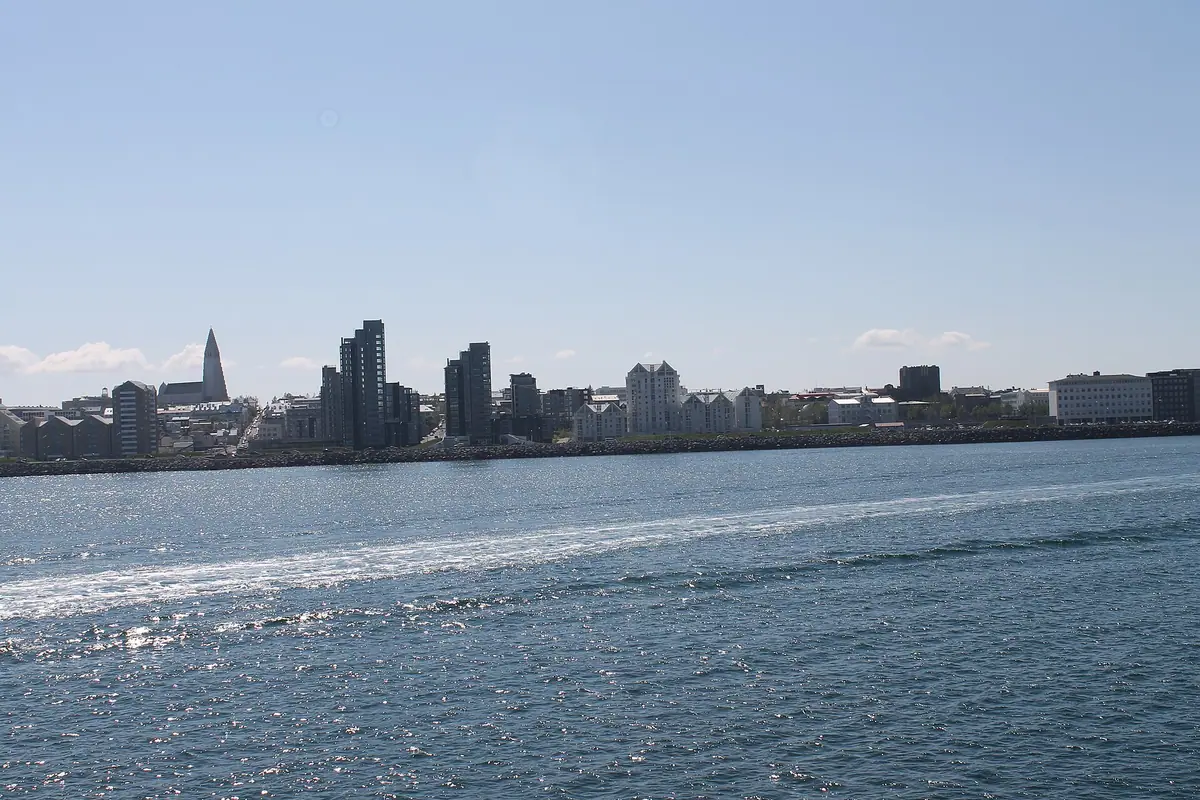
Reykjavík: Which Neighborhood Fits Your Trip
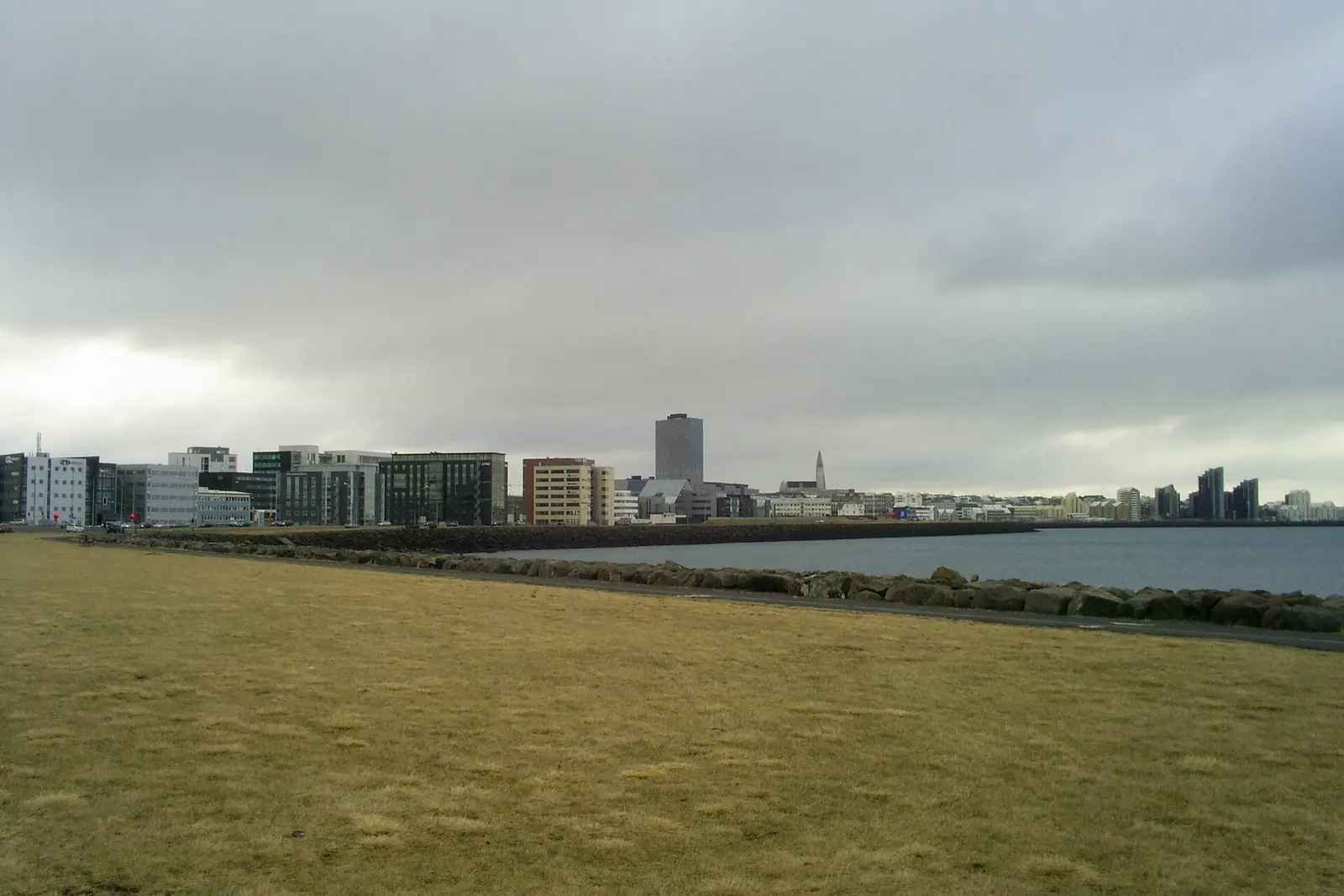
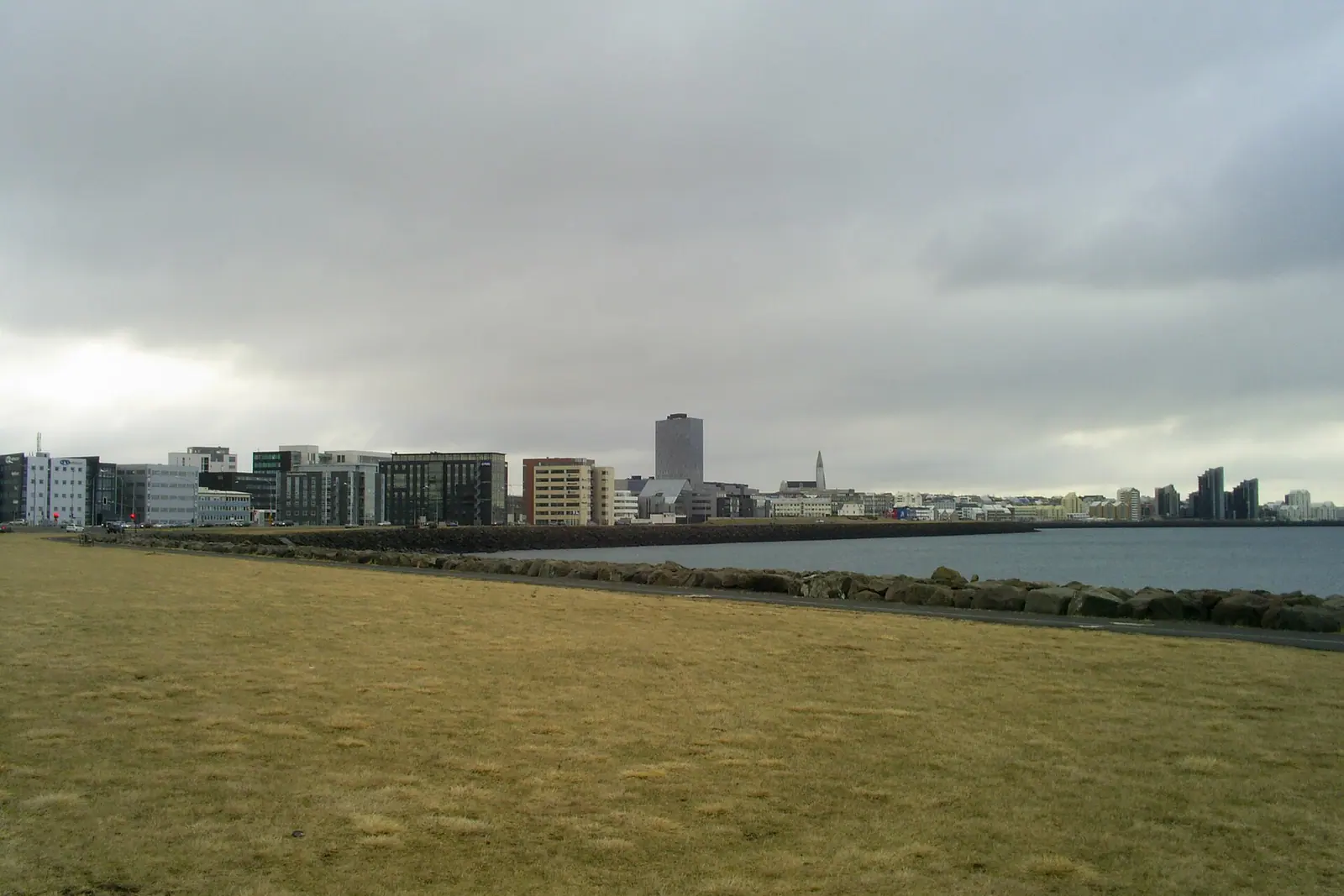
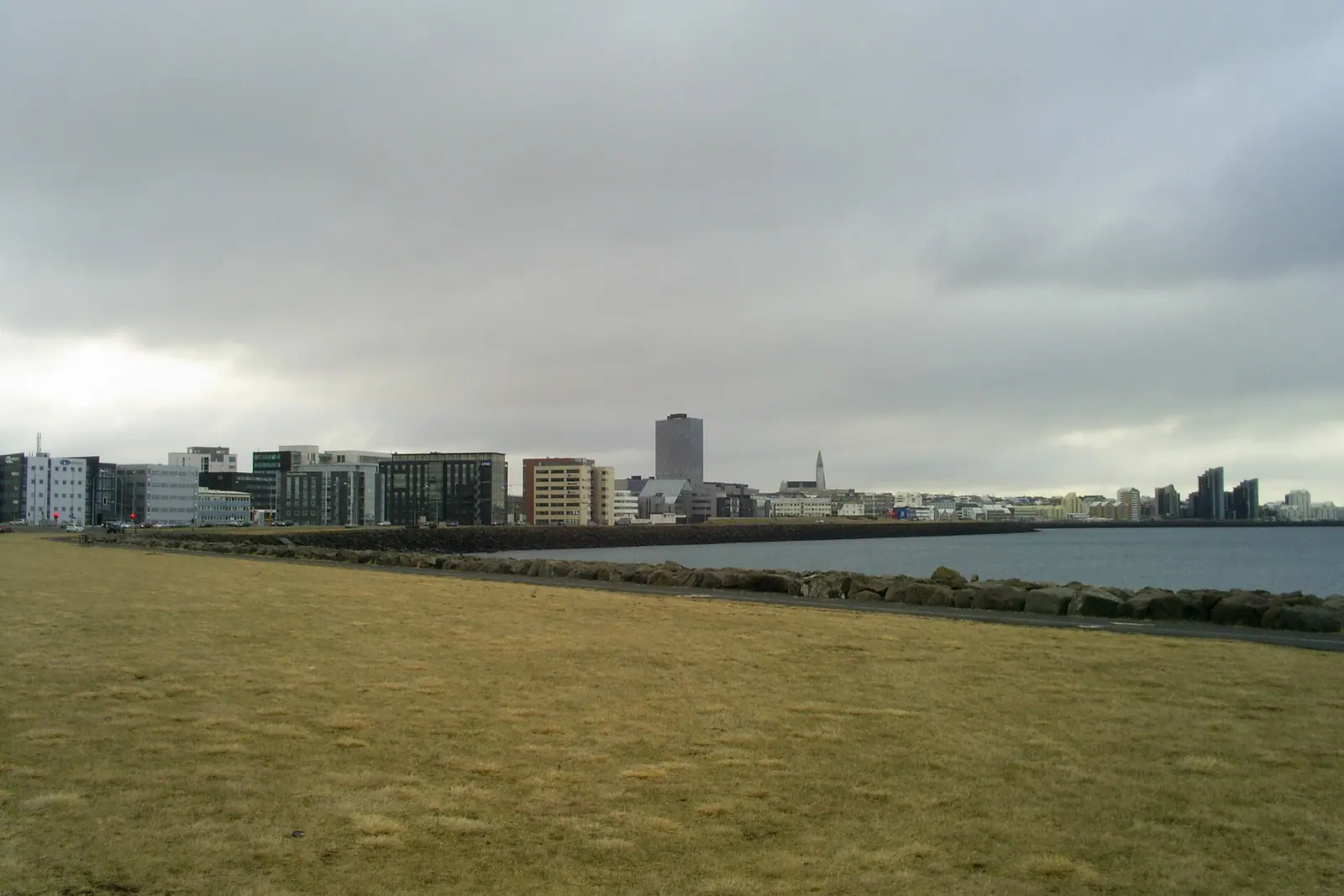
Downtown Reykjavík, known locally as 101, puts you within walking distance of Hallgrímskirkja, the concrete church whose tower gives the best free panorama of the city, and the rainbow-painted slope of Skólavörðustígur leading down to Laugavegur's shops and bars. The National Museum of Iceland and the lakeside of Tjörnin sit a short stroll away, while Harpa concert hall and the Sun Voyager sculpture mark the waterfront. Staying here means you can ignore the car entirely for two days.
The old harbour district of Grandi is quieter and increasingly popular, with whale-watching boats, the ferry to the island of Viðey and converted warehouse buildings steps from the water. It is roughly a twenty-minute walk to the centre, which suits travellers who want evening calm without giving up access. Further out, the hill of Öskjuhlíð is home to the Perlan museum, whose glass dome and indoor ice cave make a useful rainy-day anchor near the domestic airport side of town.
Practical notes for the capital: parking is metered in the centre on weekdays, hotel garages are worth the fee, and the city bus network covers everything you would realistically visit. If a geothermal soak is on your list, the Sky Lagoon sits about fifteen minutes south in Kópavogur, while the better-known Blue Lagoon is out on the Reykjanes peninsula near Grindavík, close to the airport and best slotted in on arrival or departure day.
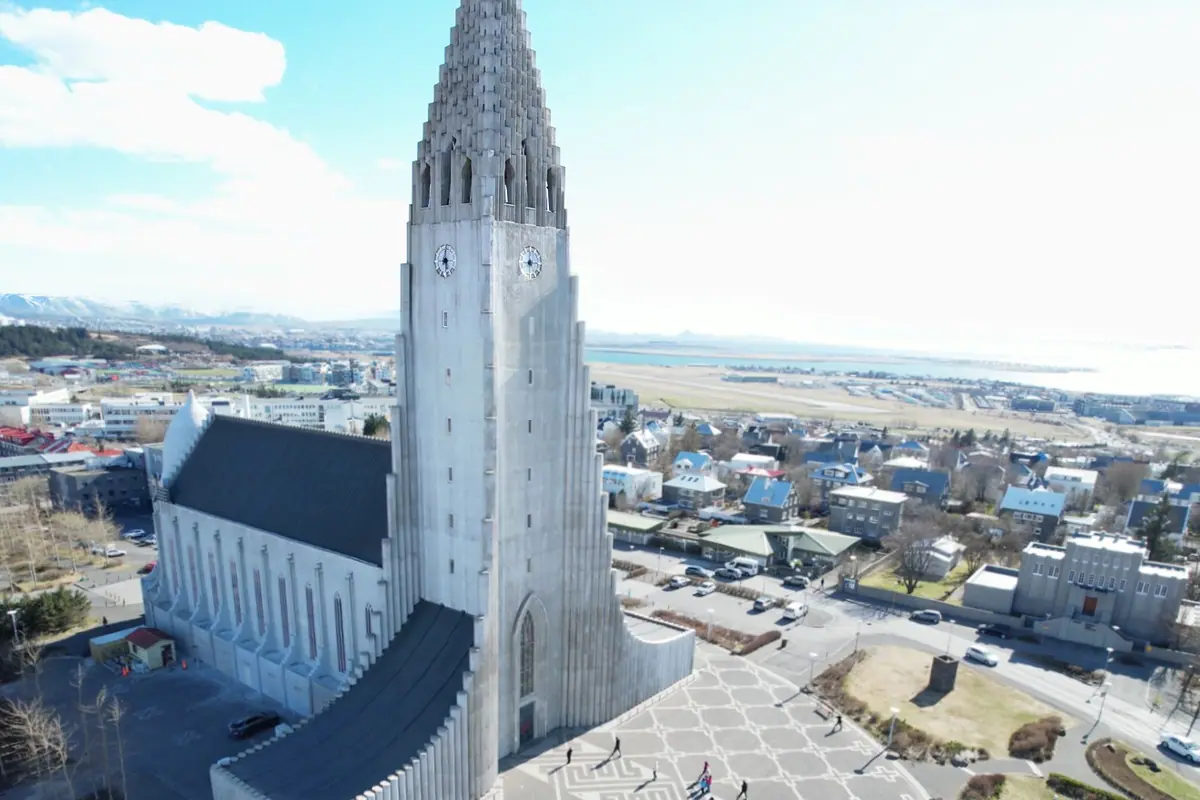
The Golden Circle and South Coast: Waterfalls and Black Sand
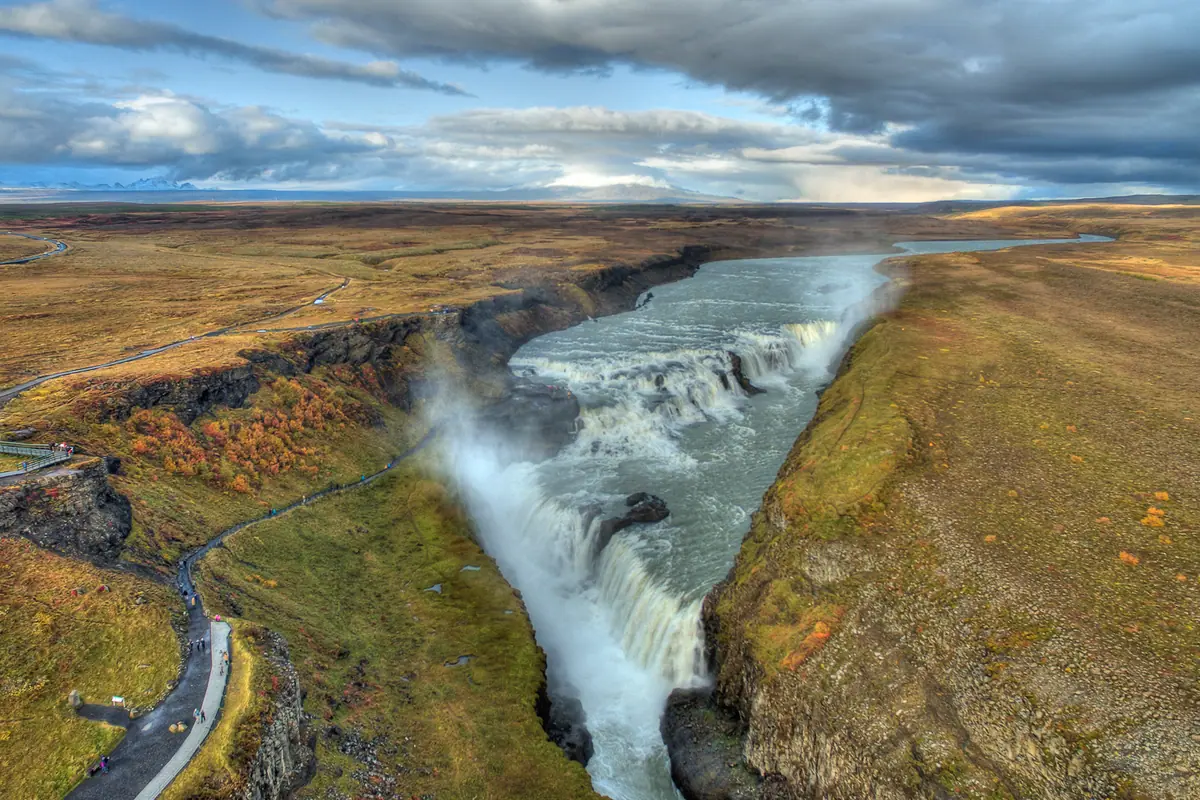
The classic Golden Circle loop begins at Þingvellir National Park, a UNESCO-listed rift valley where the North American and Eurasian plates pull apart and where Iceland's ancient open-air parliament met. From there, the Geysir geothermal field delivers Strokkur, erupting every six to ten minutes, before Gullfoss thunders into a canyon that glitters with spray in low sun. Most travellers do this as a single long day from Reykjavík, but staying overnight in Hveragerði, Flúðir or Selfoss turns a rushed circuit into a relaxed one.
The south coast deserves at least two nights of its own. Seljalandsfoss lets you walk behind the falling water and get soaked, Skógafoss throws up a permanent rainbow and a staircase to the top, and Reynisfjara near Vík offers black sand, basalt sea stacks and a serious warning: sneaker waves here have caught visitors who turned their backs on the surf. Farther east, Fjaðrárgljúfur's mossy canyon and the vast Vatnajökull ice cap lead toward the glacier lagoon at Jökulsárlón and the iceberg-strewn Diamond Beach across the road.
Hotel options follow the road: village hotels in Vík, farm stays with horses near Hvolsvöllur, modern lodges in Kirkjubæjarklaustur and Höfn, and mountain huts for hikers around Skaftafell. Book two or three months ahead in summer, and always ask about breakfast hours if you plan an early glacier walk.
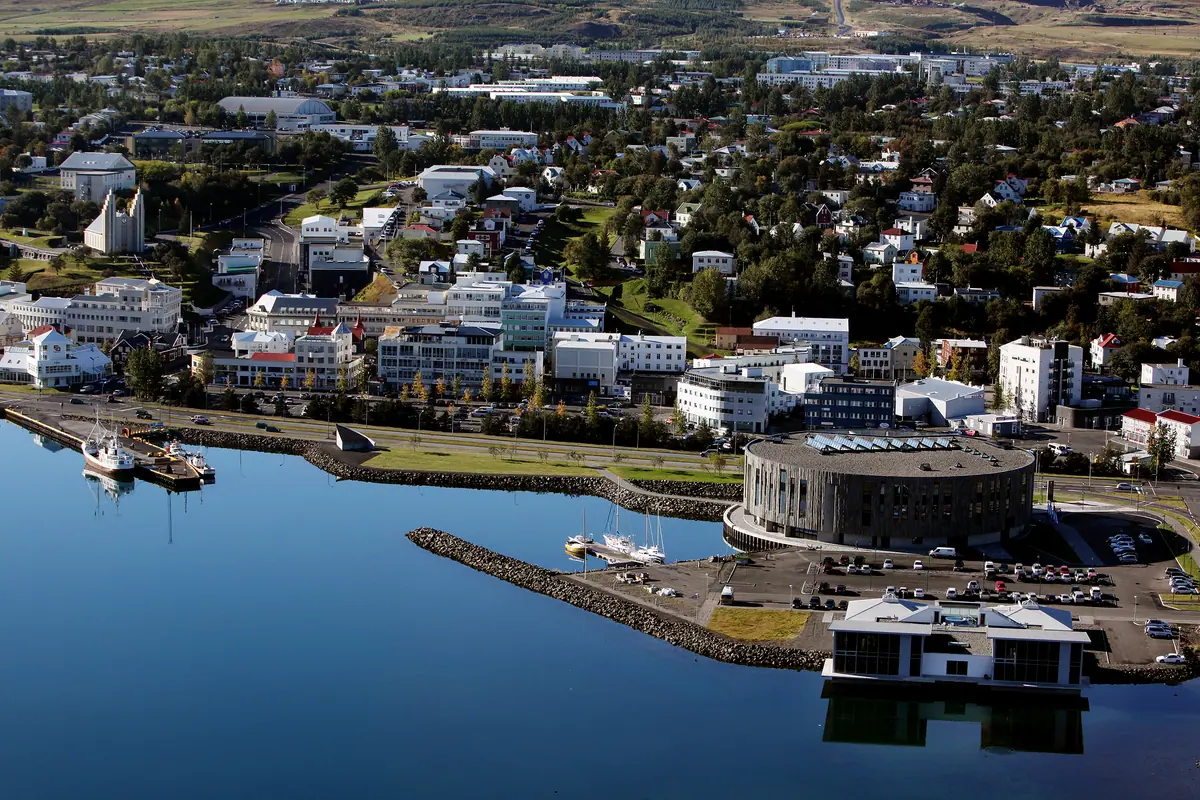
North Iceland: Akureyri, Mývatn and the Whale Coast
Akureyri, Iceland's second city with roughly nineteen thousand residents, makes the north feel genuinely liveable. Its landmark church, Akureyrarkirkja, sits above a compact centre of cafés and wool shops, the botanical garden blooms improbably at this latitude, and the ski slopes of Hlíðarfjall rise just outside town for winter stays. From Akureyri it is about an hour to Húsavík, the harbour town widely regarded as the country's best base for whale watching in Skjálfandi Bay, where humpbacks and minke whales are regularly spotted from May to September.
East of Akureyri lies the Mývatn region, a volcanic playground of pseudocraters, the lava labyrinth of Dimmuborgir, the steaming vents of Hverir and the Krafla caldera. The Mývatn Nature Baths offer a milky, mineral-rich soak with far fewer crowds than the famous lagoon in the southwest, and hotels and guesthouses cluster around Reykjahlíð and the lakeside villages.
Do not skip Dettifoss in Vatnajökull National Park, the most powerful waterfall in Europe, reached by a rough but manageable road, with the horseshoe canyon of Ásbyrgi a short drive beyond. Northern lights here are frequently brighter than in the capital because light pollution is minimal; many northern hotels offer aurora wake-up calls, and September to March gives you the dark skies you need.
East Fjords, Glacier Lagoons and the Westfjords
The east fjords are Iceland's slow lane: winding roads, reindeer on the hillsides, and small fishing towns such as Seyðisfjörður with its colourful timber houses and Egilsstaðir as the practical hub. Accommodation is mostly small guesthouses, farm stays and a handful of hotels in Neskaupstaður and Eskifjörður, so this is a stretch to reserve early rather than improvise.
At the southern edge of this region, Jökulsárlón glacier lagoon floats icebergs calved from Breiðamerkurjökull out to sea, with seals often cruising between them and amphibian boat tours running in summer. Winter transforms the area: guided ice-cave trips beneath Vatnajökull are among the country's most memorable experiences, and the town of Höfn is the place to eat langoustine. Base yourself in Höfn or at one of the farms near Skaftafell for two nights if you want both lagoon and glacier.
The Westfjords are the opposite extreme: remote, sparsely populated and threaded with steep fjord roads and a few long tunnels. Ísafjörður is the main town, Dynjandi the cascading showpiece waterfall, and the cliffs of Látrabjarg host millions of nesting seabirds, including puffins, from May to August. Hotels are few and simple, and the reward is silence, hot pots and horizons with nobody in them.
Snæfellsnes, Geothermal Stays and Booking Like a Local
Snæfellsnes is often called Iceland in miniature, and it earns the name. The church-shaped peak of Kirkjufell and its neighbouring waterfall of Kirkjufellsfoss are the most photographed pair in the country, the Snæfellsjökull glacier crowns a national park of lava tubes and lava fields, and villages like Arnarstapi and Stykkishólmur offer guesthouses within sight of the water. Two nights here, based in Grundarfjörður or Hellnar, covers the peninsula comfortably.
For a hotel that doubles as an experience, look at geothermal properties around Hveragerði and Flúðir in the south, or the Mývatn area in the north, where hot water comes out of the ground and outdoor pools steam in the snow. On the Reykjanes peninsula, the Blue Lagoon complex near Grindavík pairs a spa with on-site lodging, though volcanic activity in the area has periodically affected access, so check the current situation before you commit.
Booking sense for Iceland: reserve summer rooms three to six months out, choose free-cancellation rates where you can, and cap your driving at around 300 kilometres a day. A standard car handles the Ring Road in summer, but highland routes to Landmannalaugar and Kerlingarfjöll are F-roads requiring a genuine 4x4 and are usually only open from mid-June to mid-September. Pack layers, expect wind, and treat every rural breakfast buffet as a strategic opportunity.
Frequently asked questions
When is the best time to visit Iceland?
June to August brings the midnight sun, open highland roads and full access to the Ring Road, with the highest prices and crowds. May and September are quieter and cheaper with long daylight. September to March is aurora season and the time for ice caves, but expect short days, wind and sudden road closures.
How far in advance should I book an Iceland hotel?
For July and August, or for the New Year period, book three to six months ahead, especially along the south coast and in the east fjords where rooms are limited. Shoulder season in May and September usually allows two to three months' notice, and remote Westfjords properties should still be reserved early.
Do I need a car to see Iceland's attractions?
Not in Reykjavík, which is compact and walkable with good local buses. For the Golden Circle, the south coast waterfalls, Jökulsárlón or the north, you need either a rental car or organised day tours. A 4x4 is essential for F-road highland destinations such as Landmannalaugar.
Can I see the northern lights from my hotel?
Often yes, if you stay outside Reykjavík where light pollution is low. Rural hotels and farm stays in the north, the south coast and Snæfellsnes are ideal, and many offer aurora wake-up calls. You need darkness, clear skies and patience between September and March.
How many days should I allow in Iceland?
Four to five nights covers Reykjavík, the Golden Circle and the south coast as far as Vík without rushing. Seven to ten nights lets you complete the full Ring Road with stops at Mývatn, Dettifoss and the east fjords, and adding Snæfellsnes or the Westfjords pushes the ideal trip toward ten to fourteen nights.
Sort the rest of your trip
Everything for Iceland, in one place
Transfer in Iceland
Private driver waiting on arrival — no queues, no surprises.
Book a transfer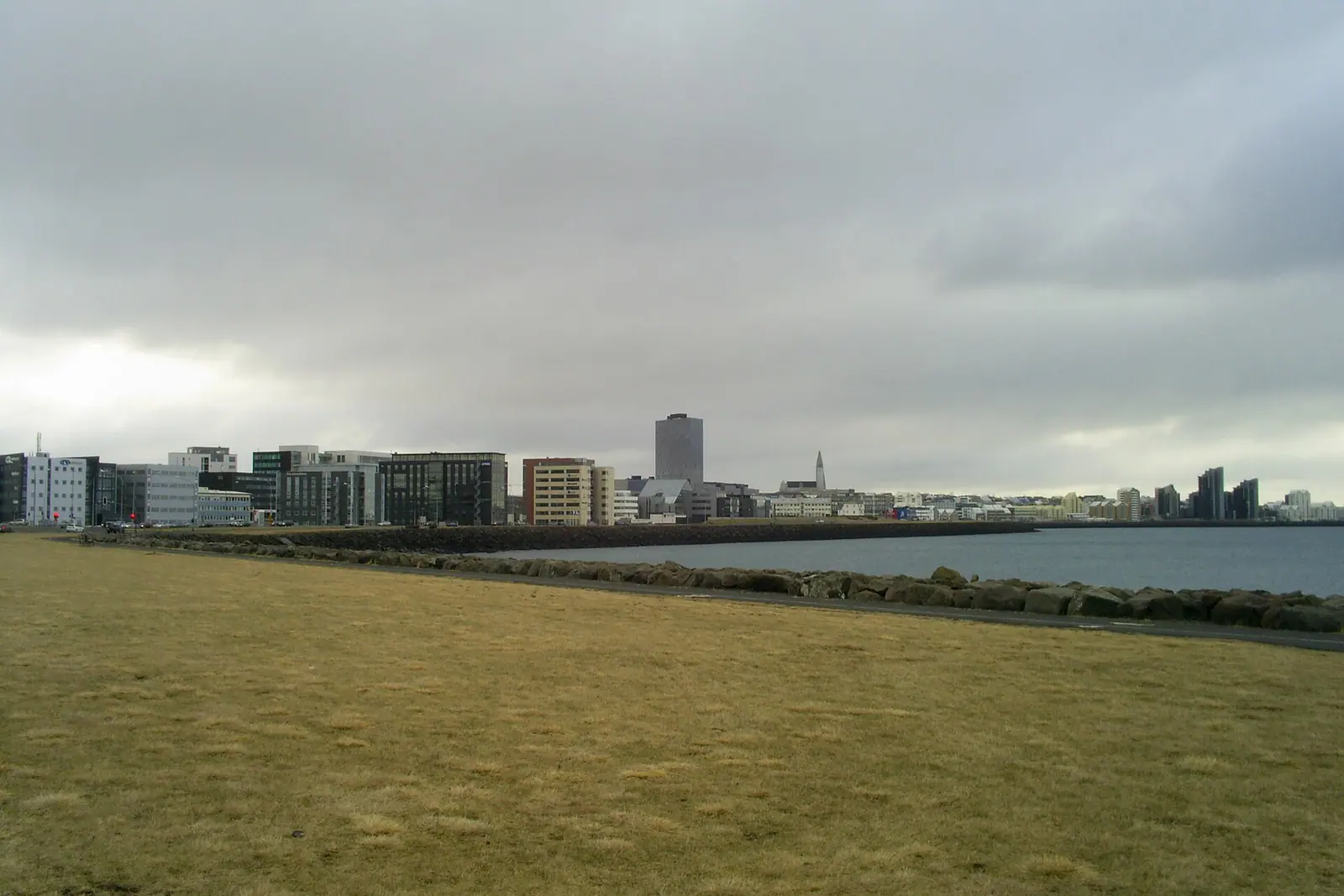
Things to do in Iceland
Skip-the-line tickets, guided tours and standout experiences.
See experiences
Stay online in Iceland
Travel eSIM — data the moment you land, no roaming bills.
Get an eSIM