Iceland is a country you taste as much as you see: sulphur in the air at Geysir, salt spray off the black sand at Reynisfjara, butter melting into warm rye bread pulled from the ground beside Laugarvatn. Tour it slowly and you get sagas, swimming pools, sheep farms and icebergs in the same day — this guide shows you where the culture and the landmarks meet.
Eating on a Volcano: What Icelandic Food Culture Actually Is
Iceland's kitchen was built by scarcity and geology. For centuries, the growing season was too short and the soil too thin for much beyond hay, so families dried, smoked, salted and pickled whatever the sea and the sheep gave them. That inheritance is still on the plate: wind-dried haddock torn into strips with butter, lamb raised on wild herbs in the highlands, tangy skyr eaten plain or whipped into desserts, and dense rye bread baked in a pot buried in steaming ground. Modern Icelandic cooking didn't abandon any of it — it just added better ovens and a serious pastry scene.
What surprises most first-time visitors is how much of the country is farmed with heat rather than sunlight. Geothermal boreholes warm greenhouses near Hveragerði and around Flúðir, where tomatoes, cucumbers, peppers and even bananas grow through the winter beside volcanic vents. Stop at one of these greenhouse farms on a Golden Circle day and you'll be handed a tomato still warm from the vine, or a bloody mary garnished with produce grown a few metres away. It's the neatest illustration of the national personality: harness the lava, then have lunch.
Meals to seek out across a tour include kjötsúpa (a hearty lamb and root vegetable soup), plokkfiskur (creamed fish mashed with potato and served with that rye bread), and the small, cinnamon-dusted doughnuts called kleinur that turn up in every petrol-station bakery. If you're travelling between January and February, you may run into a þorrablót feast — a midwinter spread of cured shark, singed sheep's head and sour ram's testicles, followed by a shot of caraway spirit. Locals treat it half as ritual, half as dare.
The Golden Circle: Þingvellir, Geysir and Gullfoss
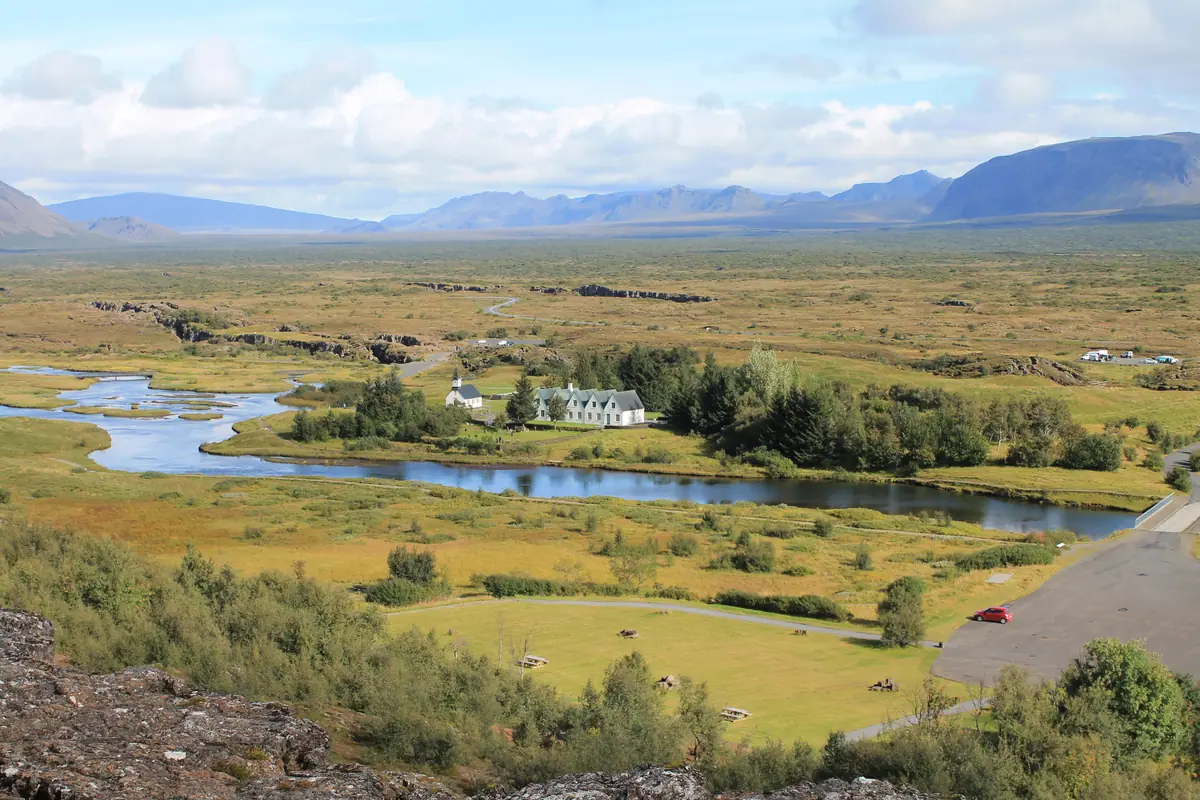
Almost every Iceland tour begins on the Golden Circle, and the three headline stops earn the hype. Þingvellir National Park is where the North American and Eurasian plates pull apart, so you can walk down into the Almannagjá rift and follow the path to Öxarárfoss, a waterfall tumbling over the cliff edge. It's also the site of the world's oldest surviving parliament, the Alþingi, first convened here in 930, which gives the landscape a strange double identity: geological wound and national origin story. Nearby, at Silfra, divers and snorkellers drift through glacial meltwater in the crack between continents.
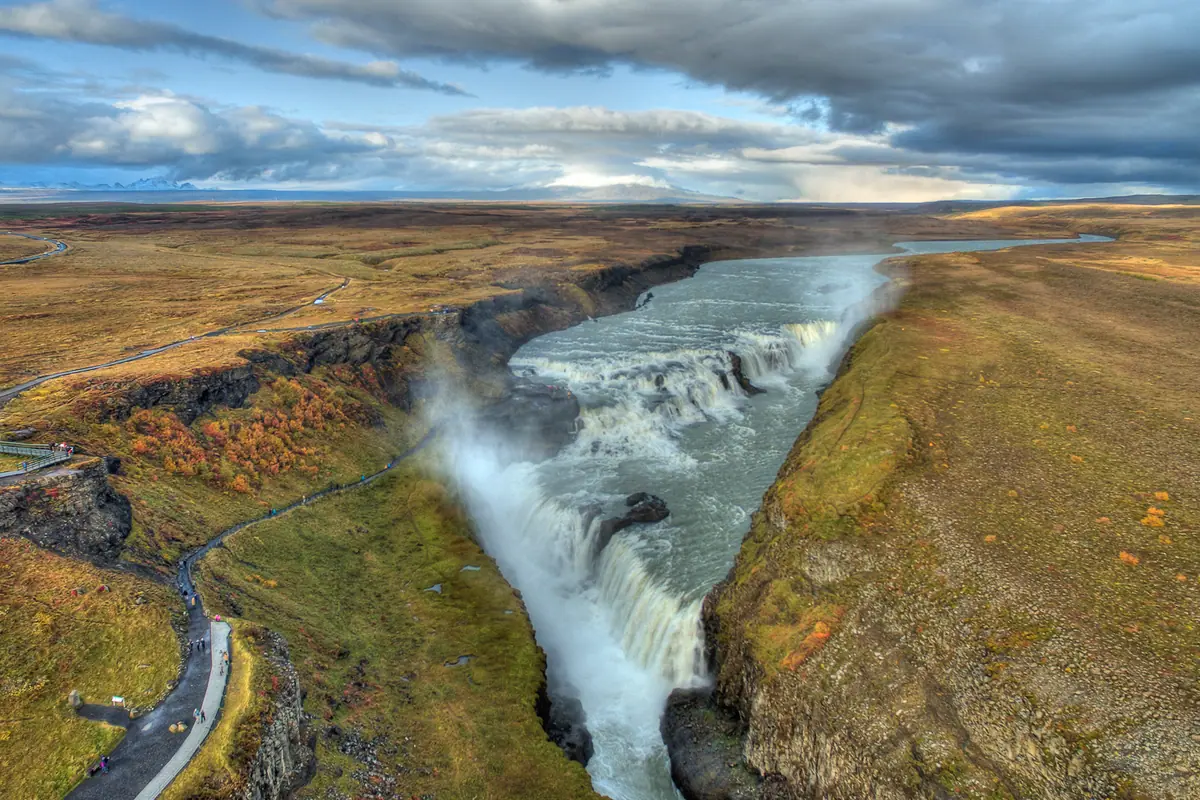
Twenty minutes on, the Geysir geothermal field steams and bubbles across a hillside of ochre and grey. The original Geysir is largely dormant, but Strokkur beside it erupts every five to ten minutes, flinging a column of boiling water up to twenty metres while a crowd of raincoats counts down. From there the road climbs to Gullfoss, where the Hvítá river turns hard left and drops in two tiers into a misty canyon that often throws a rainbow across the spray. In winter the surrounding path ices over — the lower viewpoint may close, but the upper one is still worth the wind.
Build the day around food rather than just driving. At Laugarvatn, geothermal rye bread is still baked in the hot sand and served warm with butter and a slice of smoked trout; at Kerið, the red-walled crater lake further south, the car park is a handy picnic stop. Skálholt, one of the country's oldest bishoprics, sits quietly between the two and gives you a thousand years of church history in a single grass-roofed site. A full Golden Circle loop from Reykjavík takes eight to ten hours with stops — comfortable in summer, tight and dark in midwinter.
Reykjavík: Coffee, Harbour Food and Hallgrímskirkja
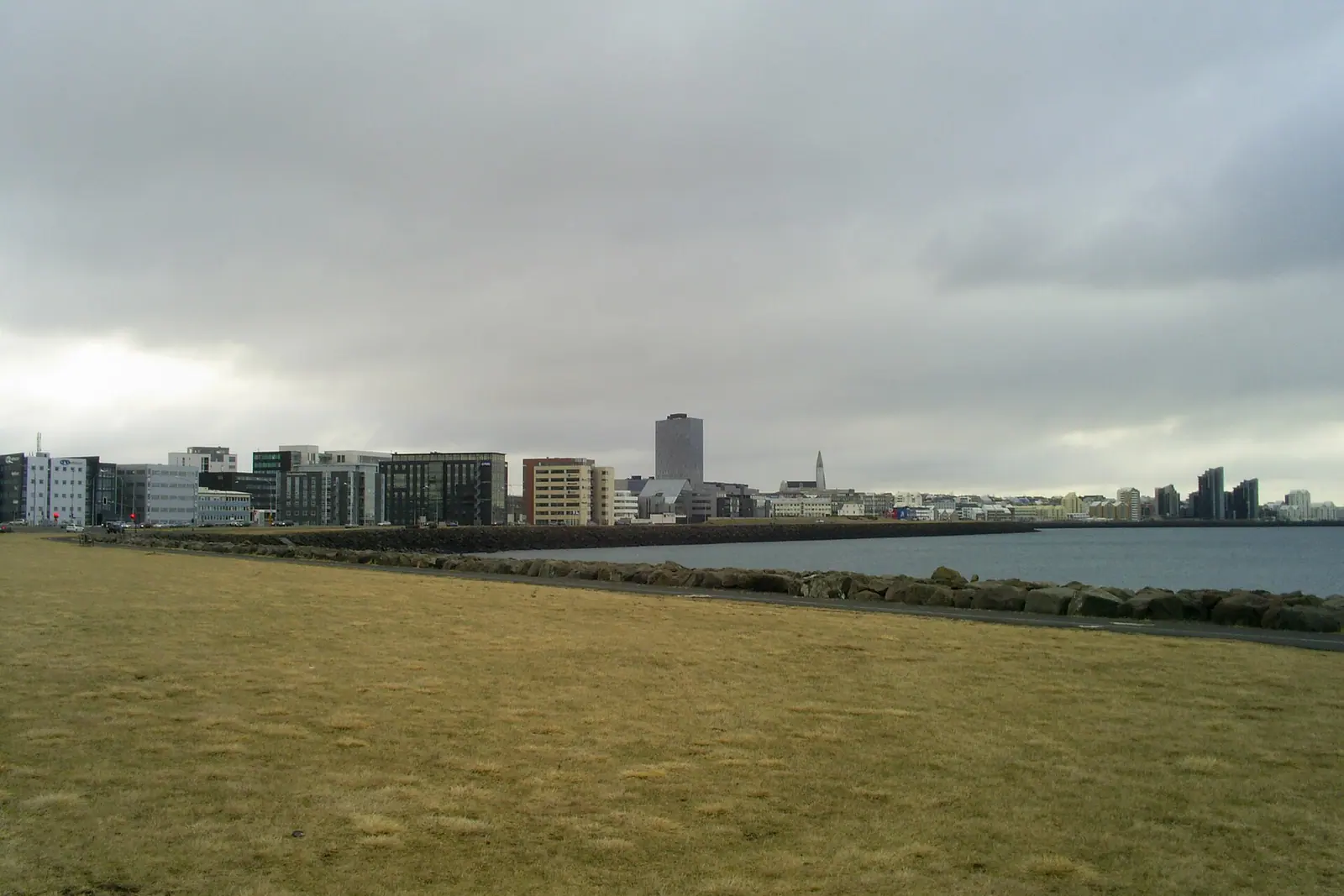
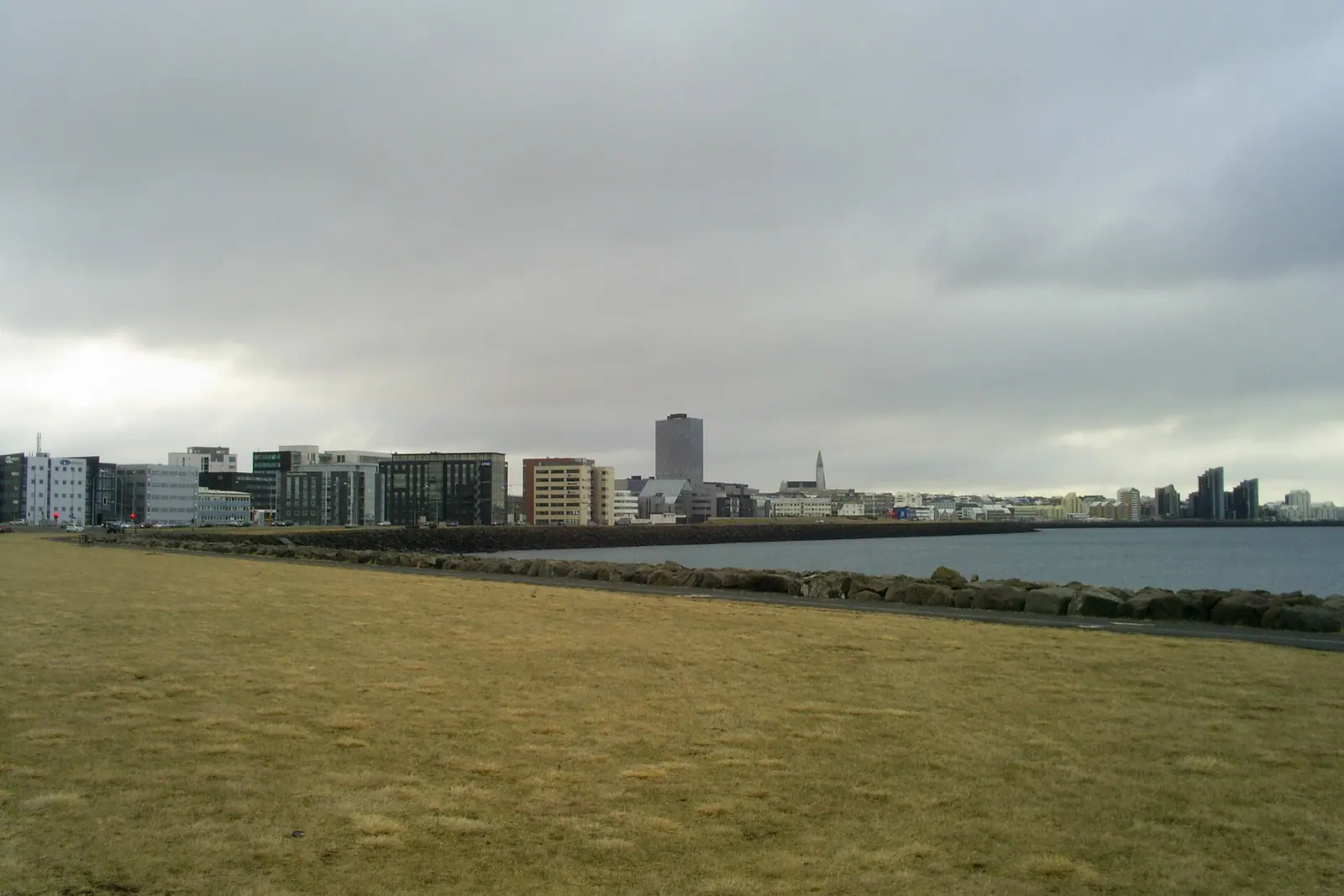
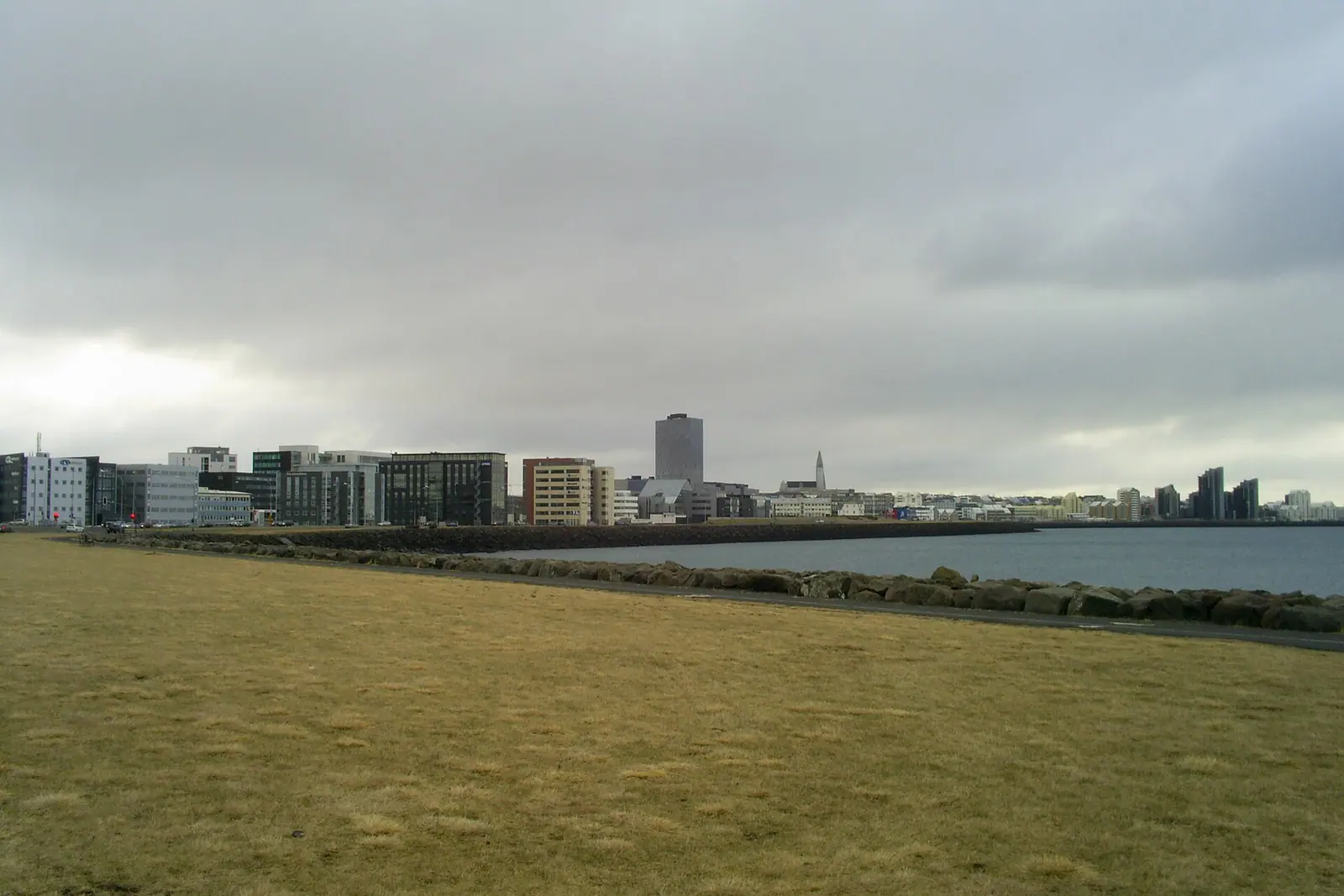
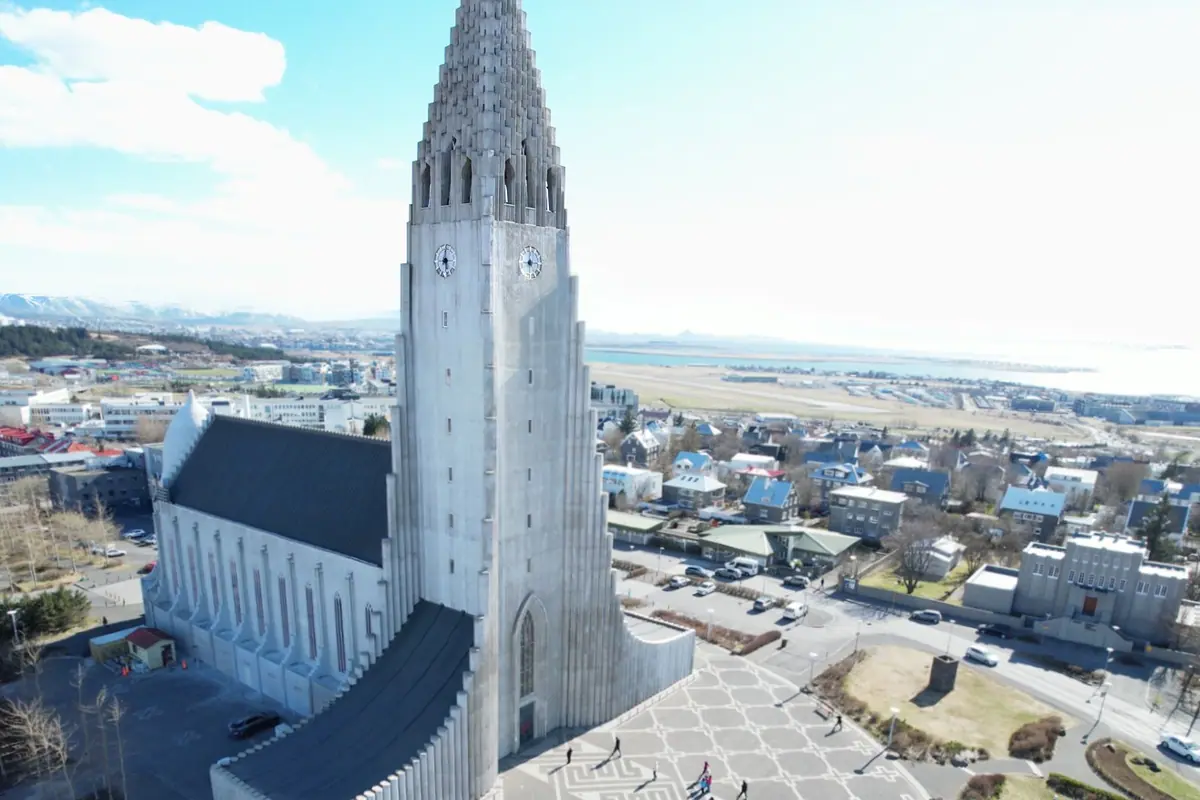
Reykjavík is small enough to walk in a day and layered enough to keep you for three. Start with Hallgrímskirkja, the concrete church whose stepped tower is modelled on basalt columns; the lift to the viewing gallery gives you the best free-ish panorama of the city — coloured tin roofs, the faxi? no, the bay, and Mount Esja across the water. Walk downhill past the Sun Voyager sculpture on the waterfront to Harpa, the glass concert hall on the old harbour, where the facade shifts colour with the weather and there's usually something on in the evening.
The old harbour is where the city eats. Whale-watching and puffin boats leave from here in summer, and the converted fish-processing sheds around Grandi now hold bakeries, small breweries and seafood counters. Grab a grilled hot dog from the little stand near the harbour — Iceland's most democratic meal, made with lamb and topped with crispy onion — then wander Laugavegur and the side streets for specialty coffee, which Icelanders take very seriously and drink at all hours. The National Museum of Iceland fills in the settlement story from Viking longhouse to independence.
For the most local experience in the capital, skip the famous spas and go to a neighbourhood swimming pool instead. Laugardalslaug and Sundhöllin are municipal, cheap, open year-round and built around outdoor hot pots where Icelanders debrief their day in the steam. Etiquette matters: you shower thoroughly without a swimsuit before entering, and you leave your shoes at the door in the changing rooms. Do it once and you understand why the pool is the country's real social club.
The South Coast: Waterfalls, Black Sand and Farm Tables
The south coast packs Iceland's greatest hits into a single road. Seljalandsfoss lets you walk behind the falling water — bring a waterproof shell, you will get soaked. A short drive east, Skógafoss drops sixty metres in a permanent curtain of spray, with the Fimmvörðuháls hiking trail climbing the stairs beside it toward the highlands. Continue to Reynisfjara, the black sand beach near Vík, where basalt columns rise like organ pipes from the shore and the sea regularly kills careless visitors: never turn your back on the waves here, and stay well above the waterline.
Culture along this stretch is rural and agricultural. Between the waterfalls you'll pass turf-roofed churches, sheep farms selling wool and cheese, and family-run guesthouses where dinner is lamb, potatoes and a bowl of skyr with rhubarb. In May and August, the sea cliffs at Dyrhólaey fill with puffins nesting on the ledges. Further east, the landscape turns serious around Skaftafell, the gateway to Vatnajökull, Europe's largest ice cap, where guided ice-cave tours run roughly November to March and glacier walks operate through the summer.
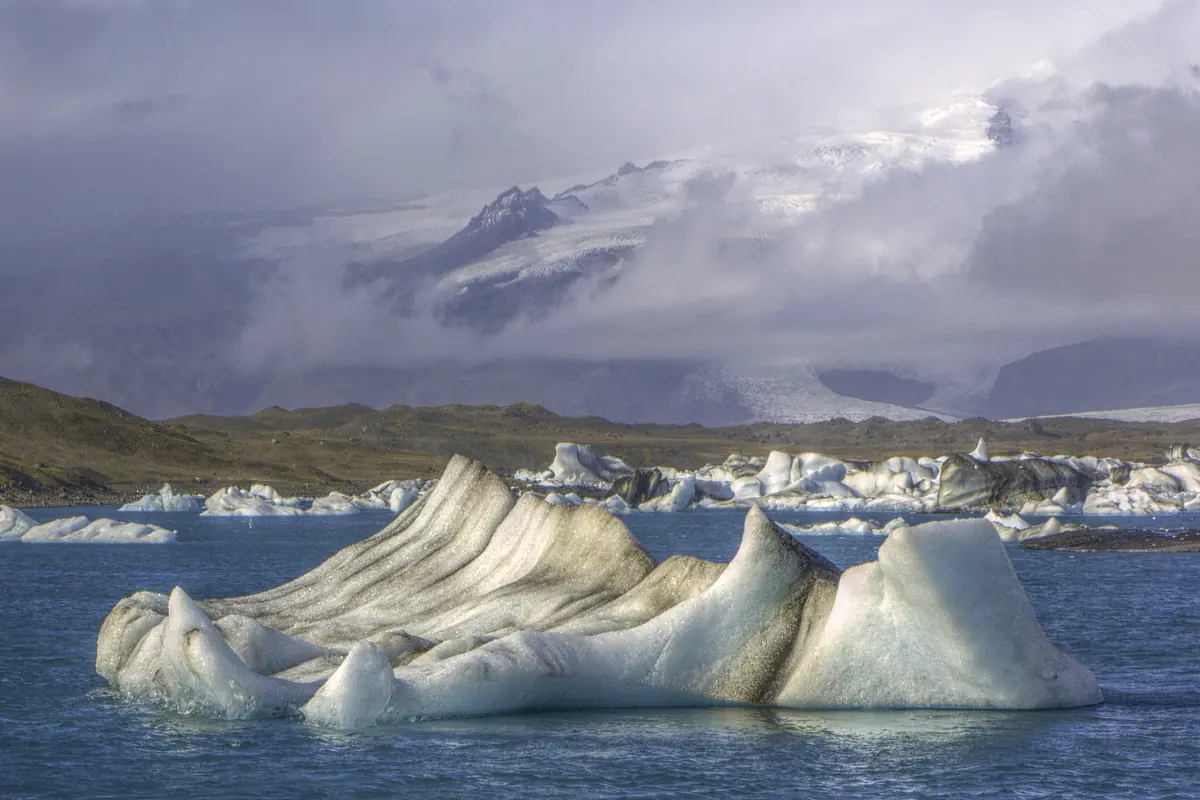
Finish at Jökulsárlón, the glacier lagoon where icebergs calve off Breiðamerkurjökull and drift toward the sea, followed by Diamond Beach across the road, where those same chunks wash up glittering on black sand. It's worth two nights down here rather than one — the light changes constantly, seals haul out on the ice, and the drive back to Reykjavík in one go is a seven-hour push you'll regret.
North and West: Whale Watching, Mývatn and the Westfjords
North Iceland trades waterfalls for geology and wildlife. Húsavík, on Skjálfandi bay, is the country's whale-watching capital — humpbacks and minke whales are most reliable from June to August, with sailings also in May and September when the weather cooperates. Inland, the Mývatn region is a volcanic playground: the lava labyrinth of Dimmuborgir, the steaming vents and ochre clay of the Námafjall area, and the nature baths that sit beside it. Add Dettifoss, Europe's most powerful waterfall by volume, and the horseshoe canyon of Ásbyrgi, and you have three days of touring without leaving the northeast.
Akureyri, the northern capital, is the best place to eat well outside Reykjavík — think fish soup, langoustine, and bakeries that sell out of cinnamon buns by mid-morning. From there, ferries and long drives lead to the Westfjords, Iceland's most remote and least visited region. Ísafjörður is the main town, a fjord-side collection of old timber houses with a serious kayaking and hiking culture, and Látrabjarg, a clifftop plateau in the far west, is one of Europe's largest seabird cliffs — puffins, guillemots and razorbills nest there in summer, often within a metre of the path.
On the way, the Snæfellsnes peninsula delivers a compressed version of the whole country: the arrow-shaped mountain Kirkjufell and its neighbouring waterfall, the crater-strewn lava fields around Snæfellsjökull, and the fishing village of Stykkishólmur, where ferries cross to the Westfjords. Stop at a farm café for hangikjöt — smoked lamb — on flatbread, and you've completed the northern food circuit in one sitting.
Seasons, Sagas and Travelling Like a Local
Timing shapes everything in Iceland. Mid-June to mid-August brings the midnight sun, open F-roads into the highlands, puffins at the cliffs and whale-watching at its peak — plus the highest prices and the busiest campsites. September and October trade daylight for autumn colour, quieter roads and the first northern lights, which are visible from roughly late August to mid-April on clear, dark, moonless nights. Winter is for ice caves, frozen waterfalls and the þorrablót season, but you'll need to respect road closures, wind warnings and the fact that daylight may last only four or five hours in December.
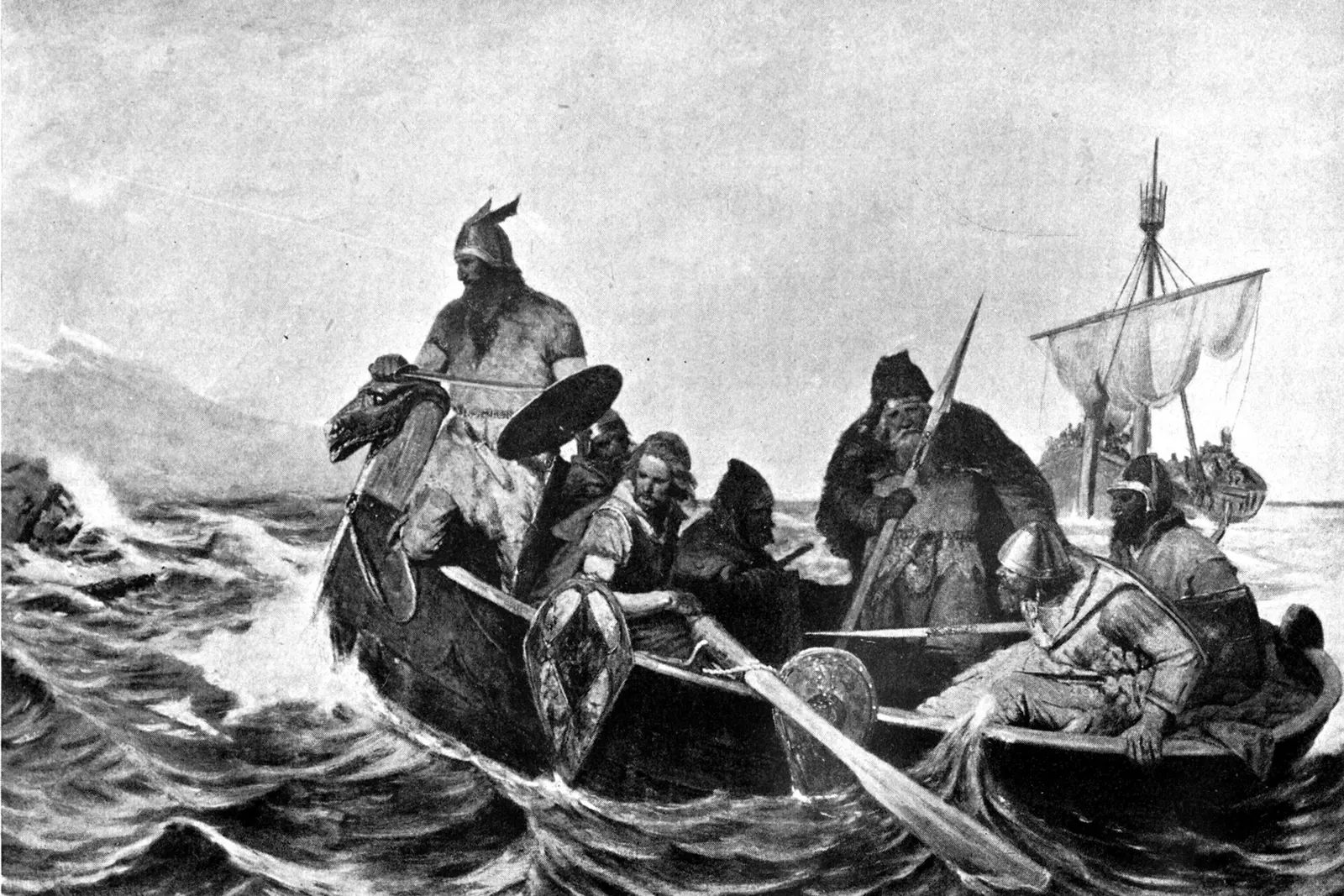
Icelanders read their landscape through literature. The medieval sagas — Njáls saga, Egils saga — are set in the very valleys you'll drive through, and place names still carry the old stories. You'll also hear, entirely sincerely, about the hidden people and the elf stones that roads have been diverted around; ask a guide and you'll get a straight-faced account of the rocks you shouldn't disturb. Local culture also lives in knitting: the lopapeysa, that circular-yoked wool sweater, is still made from unspun Icelandic fleece and sold in every town, and puffin colonies, arctic char, and the sturdy little Icelandic horse are all part of the same rural economy you're travelling through.
Practical habits make the trip smoother. Tap water is glacial and free — never buy bottled. Tipping isn't expected. Alcohol is sold only in the state-run shops and licensed bars, so plan ahead. F-roads marked on maps require a genuine four-wheel drive and are only open in summer; river crossings are not for rental hatchbacks. Pack layers, not an umbrella — wind turns rain sideways here. And build in slack days: a two-hour drive in Iceland can become four when the weather closes in, and the best moments, whether a farm kitchen or a rainbow over Gullfoss, rarely arrive on schedule. Whether you join organised tours or drive yourself, leave room for the unexpected detour.
Frequently asked questions
What traditional Icelandic food should I try first?
Start with skyr, a thick cultured dairy eaten with berries or cream, then kjötsúpa (lamb and root vegetable soup) and plokkfiskur with geothermal rye bread. For something braver, sample wind-dried fish with butter or the cured shark served at midwinter þorrablót feasts. Hot dogs made with lamb and topped with crispy onion are a genuine local staple.
When is the best time to visit Iceland?
Mid-June to mid-August gives the midnight sun, open highland roads, nesting puffins and the best whale watching, along with peak prices. September to March is when the northern lights appear on clear dark nights, and December to March is the only window for guided ice-cave tours on Vatnajökull. May and September are quieter, cheaper compromises.
Do I need to book tours or can I drive myself?
Both work well. The Golden Circle, south coast and Snæfellsnes are straightforward self-drive routes on paved roads, but F-roads into the highlands need a real four-wheel drive and summer conditions. Glacier walks, ice caves and whale watching must be done with licensed local guides, and multi-day ring-road tours are a stress-free option for anyone wary of winter driving.
How expensive is Iceland and should I tip?
It is one of Europe's pricier destinations, largely because of import costs, so cooking in guesthouses, buying groceries and using municipal swimming pools rather than resort spas will stretch your budget. Tipping is not expected anywhere — restaurants, taxis and tour guides are all paid properly, and tap water is free and excellent.
What are the must-see landmarks for a first trip?
Þingvellir National Park, Strokkur at Geysir and Gullfoss on the Golden Circle; Seljalandsfoss, Skógafoss, Reynisfjara and Jökulsárlón on the south coast; Hallgrímskirkja and Harpa in Reykjavík; Húsavík for whales and Mývatn in the north; and Kirkjufell on the Snæfellsnes peninsula if you have a spare day in the west.
Sort the rest of your trip
Everything for Iceland, in one place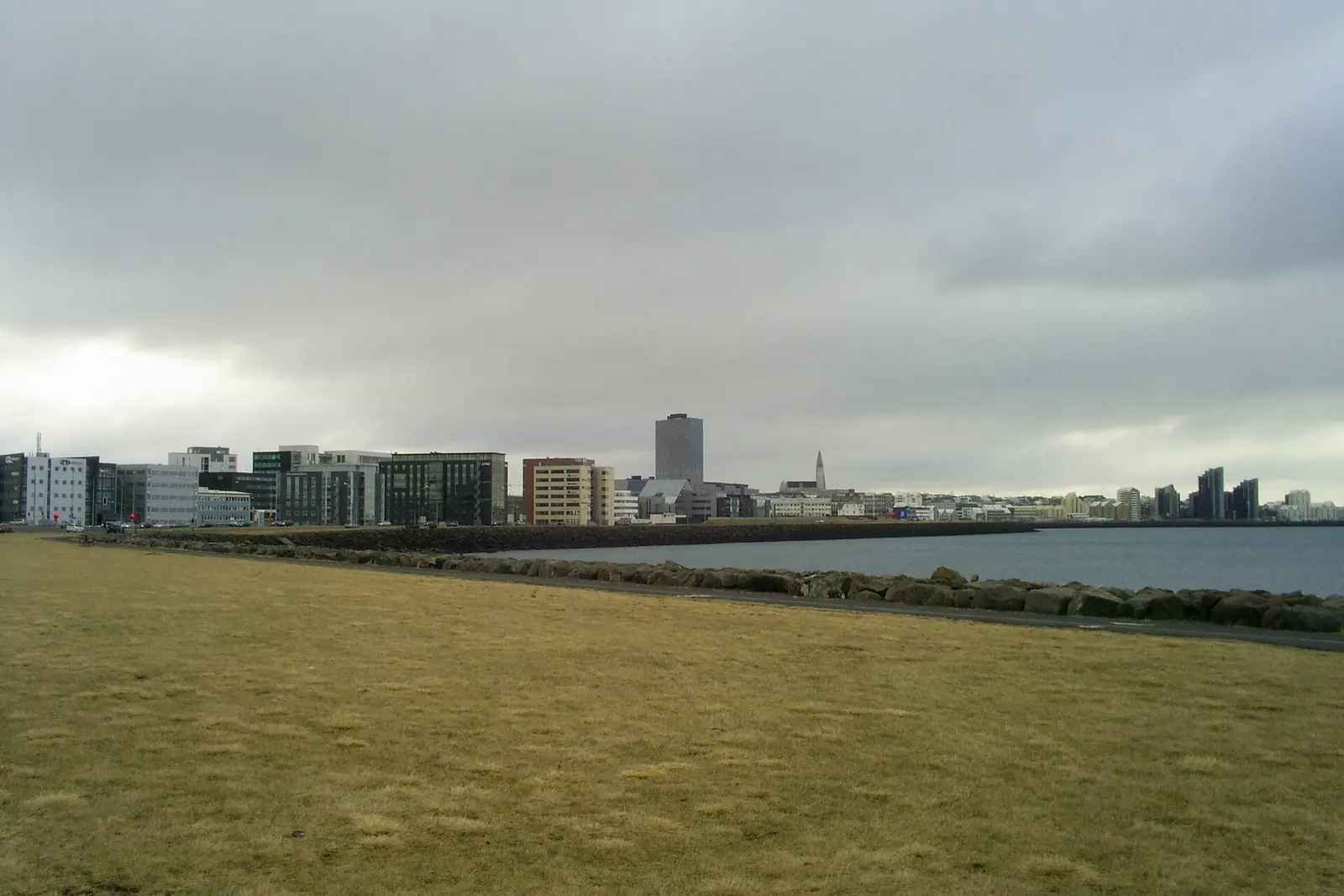
Stay in Iceland
Hotels, guesthouses and apartments — compared in one search.
Search hotels
Transfer in Iceland
Private driver waiting on arrival — no queues, no surprises.
Book a transfer
Stay online in Iceland
Travel eSIM — data the moment you land, no roaming bills.
Get an eSIM