Hong Kong compresses a mountain range, a harbour, a forest of skyscrapers and a few thousand temples and tea shops into a space you can cross in half an hour. The trick is knowing which icons deserve your morning and which ones are better at dusk. Here's how to see the city's greatest hits without spending your whole trip in a queue.
Ride the Peak Tram to Victoria Peak
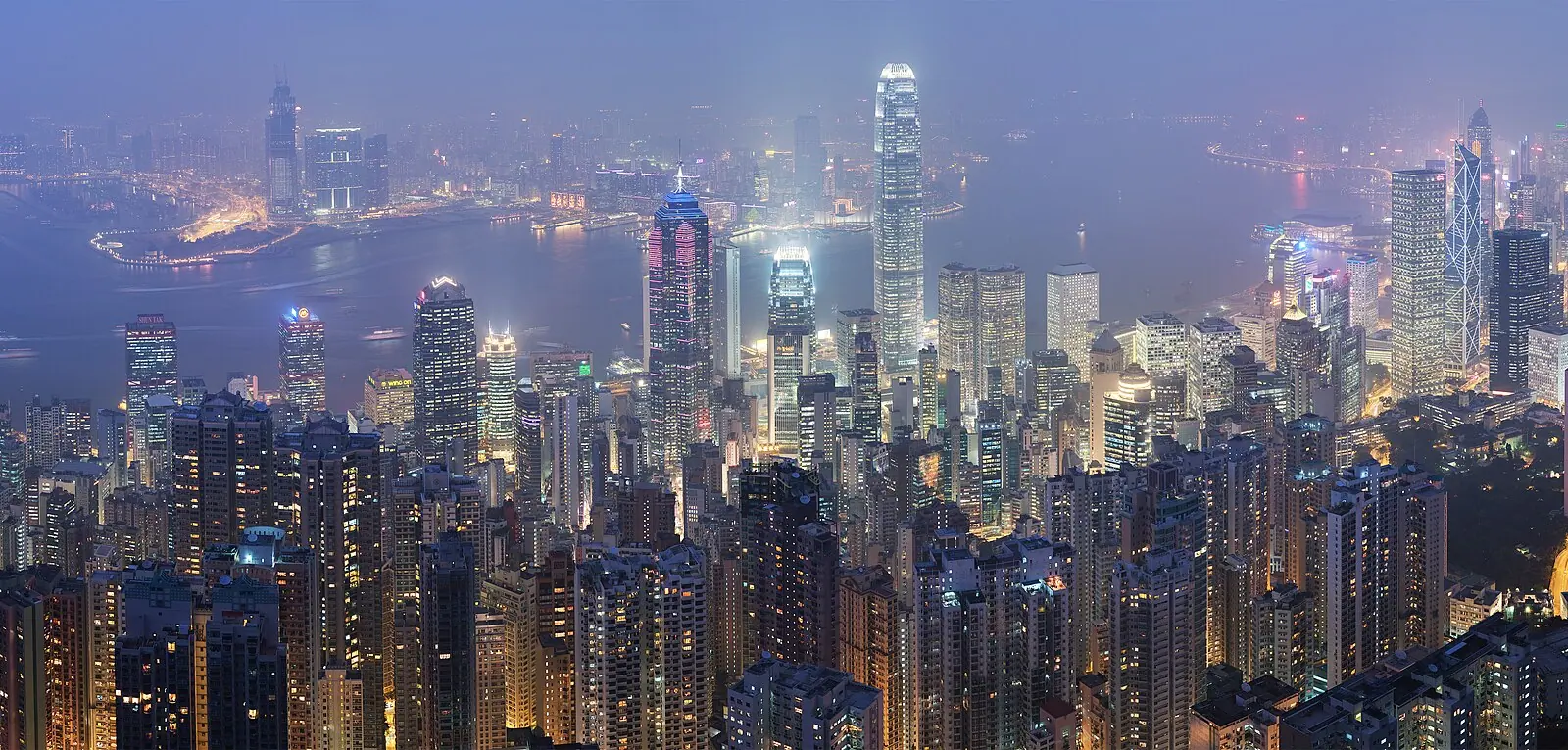
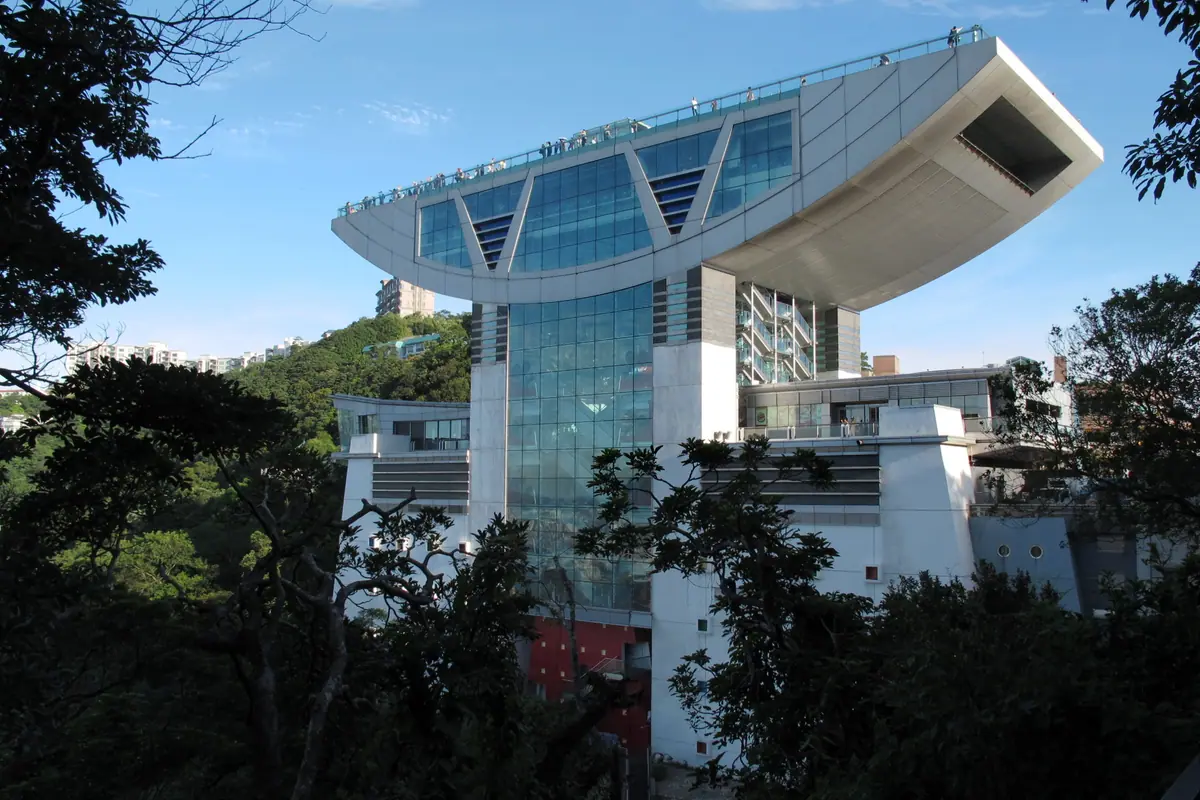
The defining view of Hong Kong is from the top of Victoria Peak, and the classic way up is the Peak Tram, which has been hauling passengers from Central since 1888. The ride is short but oddly thrilling: the track climbs at such an angle that the towers of Admiralty appear to lean past the windows, and luggage is best left behind. Head up before 9am to dodge the worst of the queue, or time your ascent for late afternoon so you catch the harbour in daylight and again after the lights come on.
At the summit, Sky Terrace 428 sits at 428 metres and gives a 360-degree panorama across Victoria Harbour to Kowloon and, on exceptionally clear days, deep into the New Territories. If you'd rather not pay for a platform, the free viewing area nearby is nearly as good. Then walk the flat, shaded Lugard Road loop — roughly an hour at an unhurried pace — where the skyline flickers between the trees and the crowds thin out completely.
Visibility decides everything here. October to December and the crisp weeks after Chinese New Year offer the sharpest skies; by July and August, humidity and haze soften the view into a pale wash. If the tram queue looks hopeless, local buses run up from Central and Admiralty, and confident walkers can climb from Wan Chai or via Old Peak Road in about an hour.
Cross the Harbour on the Star Ferry and Walk Tsim Sha Tsui
No skyscraper beats the Star Ferry for sheer value. The green-and-white boats have shuttled between Central and Tsim Sha Tsui since 1888, and the eight-minute crossing — take the upper deck, sit on a teak bench, and don't fight the reversible backrest — is the single best introduction to the city. Sail at sunset for gold on the water, or at 8pm when the skyline starts flashing.
On the Kowloon side, the Tsim Sha Tsui Promenade runs past the Avenue of Stars, where handprints and statues honour the city's film industry, and the red-brick Clock Tower, the last remnant of the old railway terminus that once sent passengers all the way to Guangzhou. The promenade is where locals jog at dawn, families eat ice cream at dusk and photographers set up tripods for the nightly Symphony of Lights, a ten-minute sound-and-light show that rolls across dozens of harbourfront towers at 8pm every evening.
For a different angle, time a crossing on a smaller outlying-island ferry or join a short harbour cruise from the Central piers. The Kowloon Public Pier and the waterfront outside the Cultural Centre are the best free seats in town, and the walk back through Salisbury Road puts you right in the middle of the museum district.
Temples, Monasteries and the Tian Tan Buddha
Hong Kong's spiritual landmarks range from tiny neighbourhood shrines to a bronze Buddha visible for miles. Start in Sheung Wan at Man Mo Temple on Hollywood Road, a compact 19th-century hall dedicated to the gods of literature and war, where spiral incense coils hang so thick the air turns to smoke. It takes fifteen minutes to see; combine it with the surrounding antiques streets. In Kowloon, Wong Tai Sin Temple draws crowds year-round and its arcade of fortune tellers is an attraction in itself, while the Tang-style wooden halls of Chi Lin Nunnery and the immaculate Nan Lian Garden in Diamond Hill offer stillness that feels engineered — and largely is.
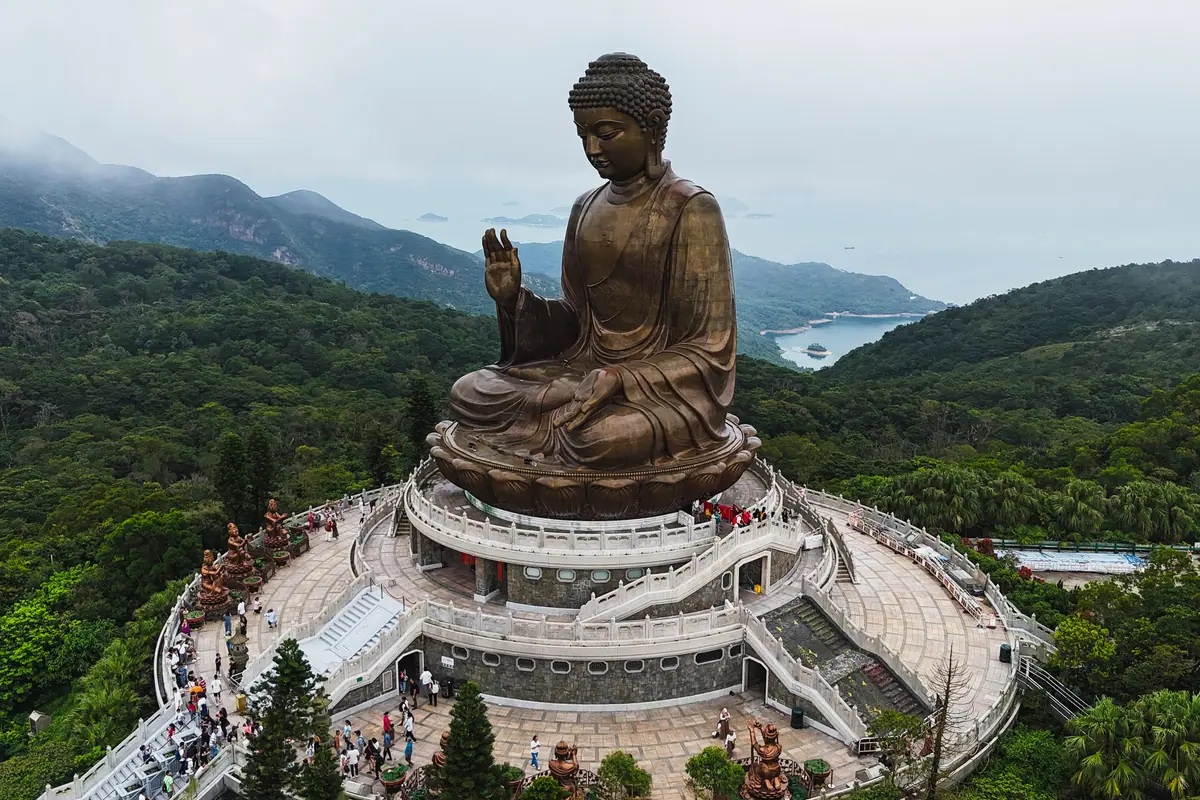
The big set piece is on Lantau Island. The Tian Tan Buddha, a 34-metre bronze figure completed in 1993, sits above Po Lin Monastery at the top of 268 steps, with the South China Sea and green peaks rolling away behind it. Reach it by cable car from Tung Chung — about 25 minutes of dangling over the airport, bays and forest — or by bus for a fraction of the cost and none of the queue, which can stretch for an hour or more on weekends and public holidays.
Give the day three to four hours. Have a vegetarian lunch at the monastery, then take a local bus down to Tai O, a stilt-house fishing village on the island's west coast where shrimp paste dries in the sun and boats thread between homes on legs. It's the closest thing to old Hong Kong you'll find without leaving the city.
Markets, Old Streets and Street Food in Kowloon
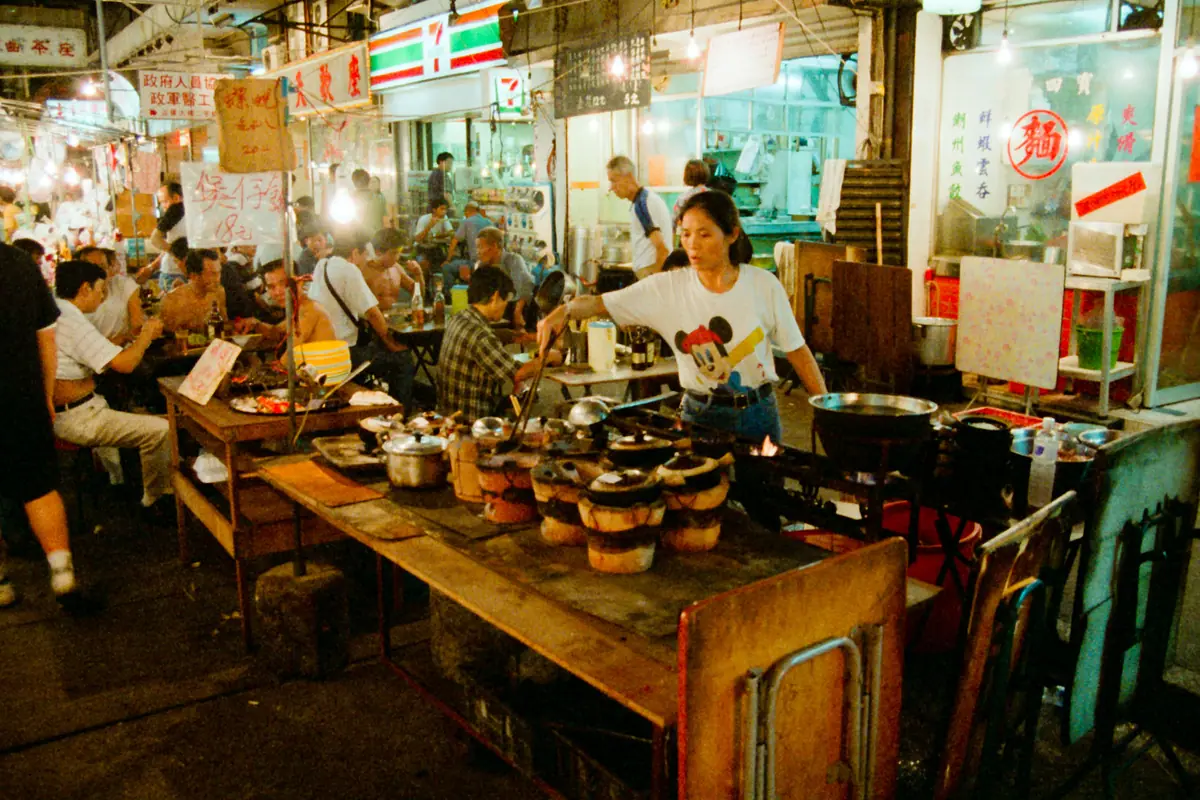
Temple Street Night Market is the classic Kowloon experience: from late afternoon until around midnight, stalls spill across Jordan and Yau Ma Tei selling jade, watches, phone cases and dubious souvenirs, while fortune tellers tap their tables and Cantonese opera singers perform for coins. Eat claypot rice or seafood at the open-air tables along the street; it's theatre as much as dinner. In the daytime, Mong Kok takes over — the Ladies' Market on Tung Choi Street for clothing and accessories, the Flower Market, the Goldfish Market and the Bird Garden all within a few blocks, plus whole streets devoted to sneakers or electronics.
Food is the other great landmark. A cha chaan teng — the city's homegrown diner — will serve you milk tea, a pineapple bun with butter and a flaky egg tart for pocket change, and breakfast dim sum in a noisy hall is a ritual worth scheduling for a weekday morning when trolleys still circulate. Look for dai pai dong cook-fresh stalls in Sham Shui Po and Central for noodles, roast goose and wontons.
On the Hong Kong Island side, ride the Central–Mid-Levels Escalator up through the wet market streets, then wander the lanes around Tai Kwun, a restored colonial police compound turned arts hub, and PMQ, formerly married police quarters and now design studios and small shops. Cat Street nearby deals in antiques, Mao-era trinkets and jade, and Hollywood Road's side alleys reward slow walking.
Museums and the West Kowloon Cultural District
The West Kowloon Cultural District has reshaped the harbourfront into a cultural quarter. M+, the enormous visual-culture museum, covers architecture, design, moving image and contemporary art with a collection that leans Asian and refuses to be boring; the Hong Kong Palace Museum next door displays rotating treasures of Chinese painting, porcelain and imperial court life in a building designed to echo a traditional vessel. Between them sits the Xiqu Centre, a striking curved landmark dedicated to Cantonese opera, and the Art Park, where families picnic on lawns while the sun sets behind the skyline.
In Tsim Sha Tsui, the Hong Kong Museum of History's permanent Hong Kong Story galleries walk you from geological time through the opium trade, colonial years and post-war boom, and are free to enter; allow two to three hours, or more if you read every label as you should. The Hong Kong Museum of Art on the waterfront holds Chinese antiquities, local painting and a superb Wu Guanzhong collection, all against windows framing the world's most photographed harbour.
Most institutions close one weekday, so check before you build a day around them, and book timed-entry slots online for the big West Kowloon venues on weekends. If rain or humidity wrecks your outdoor plans, Sky100 at the top of the International Commerce Centre gives you the view indoors with the added satisfaction of looking down at the Peak you climbed yesterday.
Hiking Trails, Islands and Beaches
Roughly three-quarters of Hong Kong is countryside, and the quickest proof is Dragon's Back on the eastern side of Hong Kong Island. Start at To Tei Wan on Shek O Road and follow the ridge for about 8.5 kilometres to Big Wave Bay — three to four hours at an easy pace, with the sea on both sides for much of the way and a swim and a beach-shack lunch waiting at the end. For a tougher half-day, Lion Rock above Kowloon is a steep, sweaty climb rewarded with a view straight down the territory's spine.
The islands are where weekends really go. Ferries from Central reach Cheung Chau in under an hour — a car-free, bicycle-sized place with a beach, seafood restaurants and the bun-snatching festival each spring — and Lamma for a slower, greener day of walking and fish dinners. Lantau adds Sunset Peak's silver-grass slopes and the waterfalls and monasteries around Ngong Ping. In Sai Kung, boat trips thread through the volcanic rock formations of the geopark to Sharp Island and its tombolo beach.
Time your outdoor days for October to March, when temperatures sit in the comfortable twenties and humidity drops; summer brings 33°C heat, sudden downpours and typhoon season from roughly July to September, when trails and ferries can shut with little warning. Carry more water than you think you need, start early, and note that Hong Kong trails are well signposted with numbered distance posts — genuinely hard to get lost on, if not always easy to climb.
Frequently asked questions
How many days do you need to see Hong Kong's main sights?
Four full days covers the essentials comfortably: one for Victoria Peak and Central, one for Tsim Sha Tsui and the Star Ferry, one for Lantau and the Tian Tan Buddha, and one for a hike or island. Add a fifth if you want the West Kowloon museums and a proper market evening without rushing.
What is the best time of year to visit Hong Kong?
October to December is the sweet spot — clear skies, low humidity and comfortable temperatures in the low twenties. March and April are also pleasant but can be misty. Avoid July to September if you plan to hike, as heat, thunderstorms and typhoons regularly disrupt outdoor plans and ferry services.
Is the Peak Tram worth the queue?
Yes, once. It's a historic ride with a genuinely dramatic gradient, but queues can exceed an hour at peak times. Go before 9am or after 7pm, or take a local bus or taxi up and ride the tram back down instead.
Do I need cash, and how do I get around?
The metro, buses, ferries and trams all run on a stored-value smart card, which you can top up everywhere and also use in convenience stores. Keep some cash for markets, dai pai dong stalls and small noodle shops, where cards are often not accepted.
How do I reach the Tian Tan Buddha and Tai O?
Take the metro to Tung Chung, then either the cable car or a local bus up to Ngong Ping for the Buddha and Po Lin Monastery, about 25 to 50 minutes depending on your choice. From there, a bus or taxi descends to Tai O fishing village, roughly 20 minutes away; allow a full day for both.
Plan it — experiences in Hong Kong
Live search, booked directly with trusted providers.
Sort the rest of your trip
Everything for Hong Kong, in one place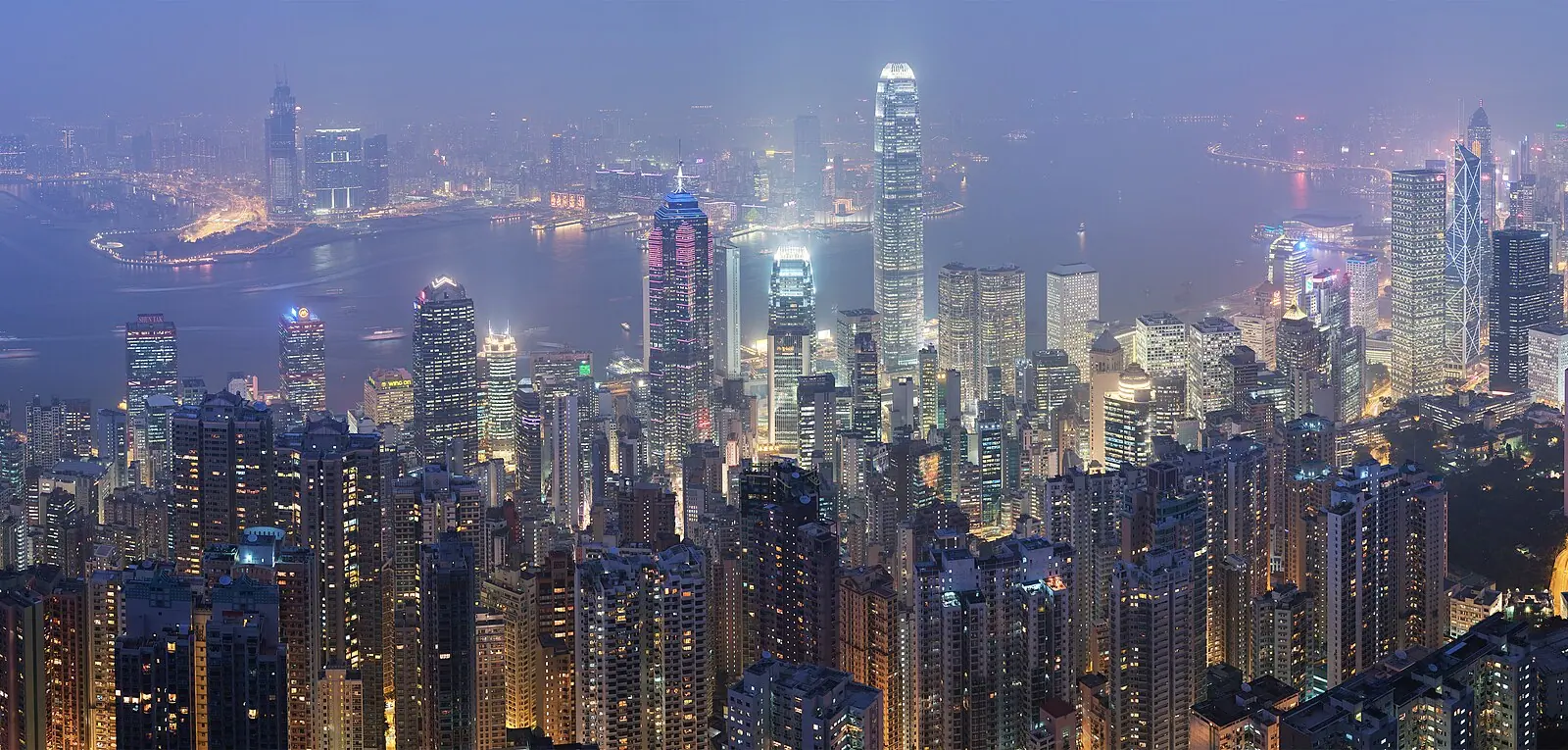
Stay in Hong Kong
Hotels, guesthouses and apartments — compared in one search.
Search hotels
Transfer in Hong Kong
Private driver waiting on arrival — no queues, no surprises.
Book a transfer
Stay online in Hong Kong
Travel eSIM — data the moment you land, no roaming bills.
Get an eSIM