Hong Kong hits you in layers: the roar of Nathan Road, the hush inside a incense-coiled temple, the sudden green of a ridge trail forty minutes from a million skyscrapers. Give it a full week and you can ride the Peak Tram at dusk, stand under the Tian Tan Buddha on Lantau, eat your weight in dim sum, and still make it back to the airport relaxed. This is how to pace seven days so the city never blurs into a single frantic blur.
Day 1: Landing at Chek Lap Kok and Settling Into Kowloon
Your week starts on reclaimed land west of Lantau, where Hong Kong International Airport sprawls across Chek Lap Kok. The smoothest way into town is the airport express train: roughly 24 minutes to Kowloon Station and 26 to Hong Kong Station, running every ten minutes from about 5:50am until after midnight. Cheaper airport buses crawl along the same route in around an hour — the A21 drops you in Tsim Sha Tsui, the A11 in Causeway Bay — while taxis are colour-coded: red for the urban core, green for the New Territories, blue for Lantau. Before you leave the arrivals hall, pick up a rechargeable tap-and-go transit card; it works on trains, buses, ferries, trams and in most convenience stores, and it will save you a fortune in fumbling for coins.
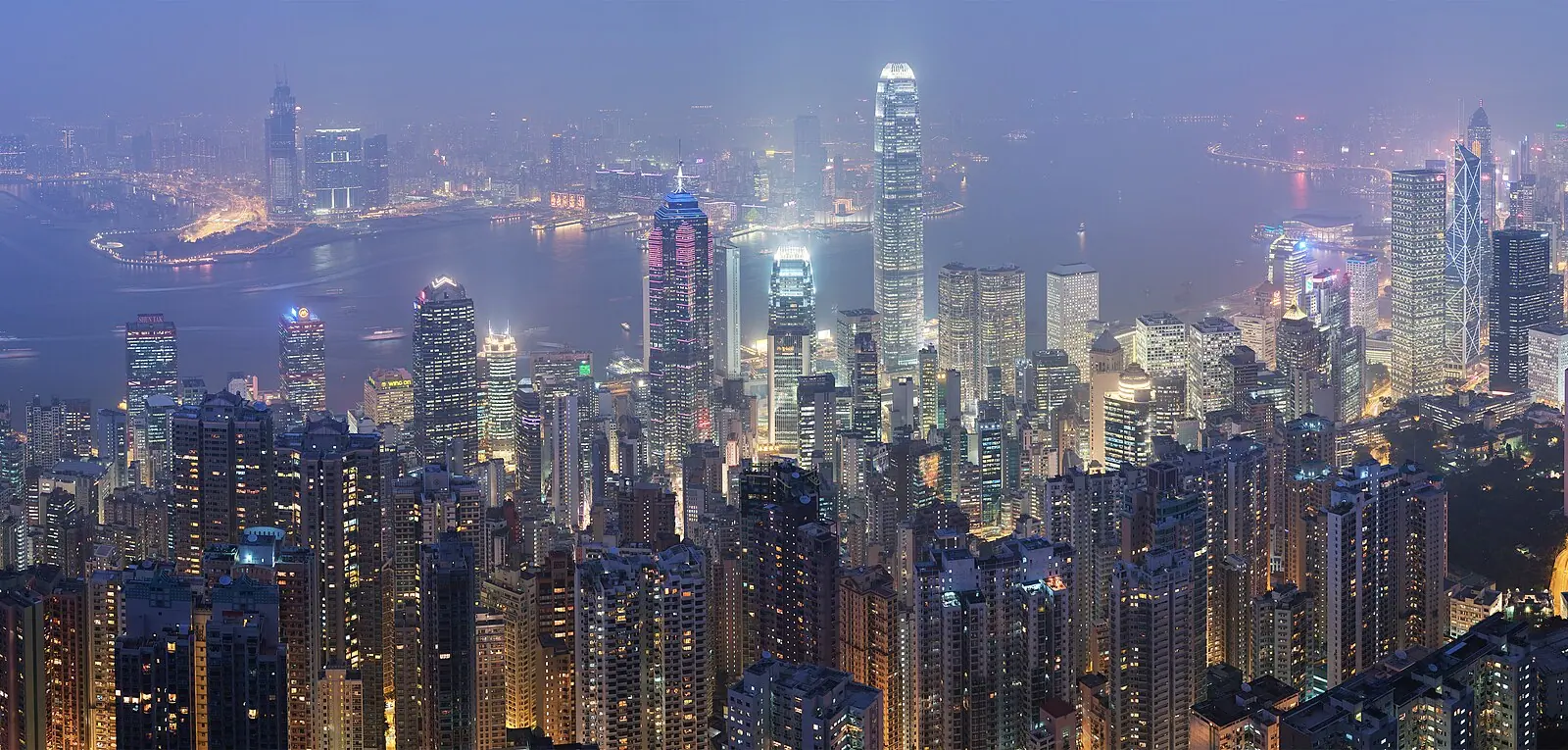
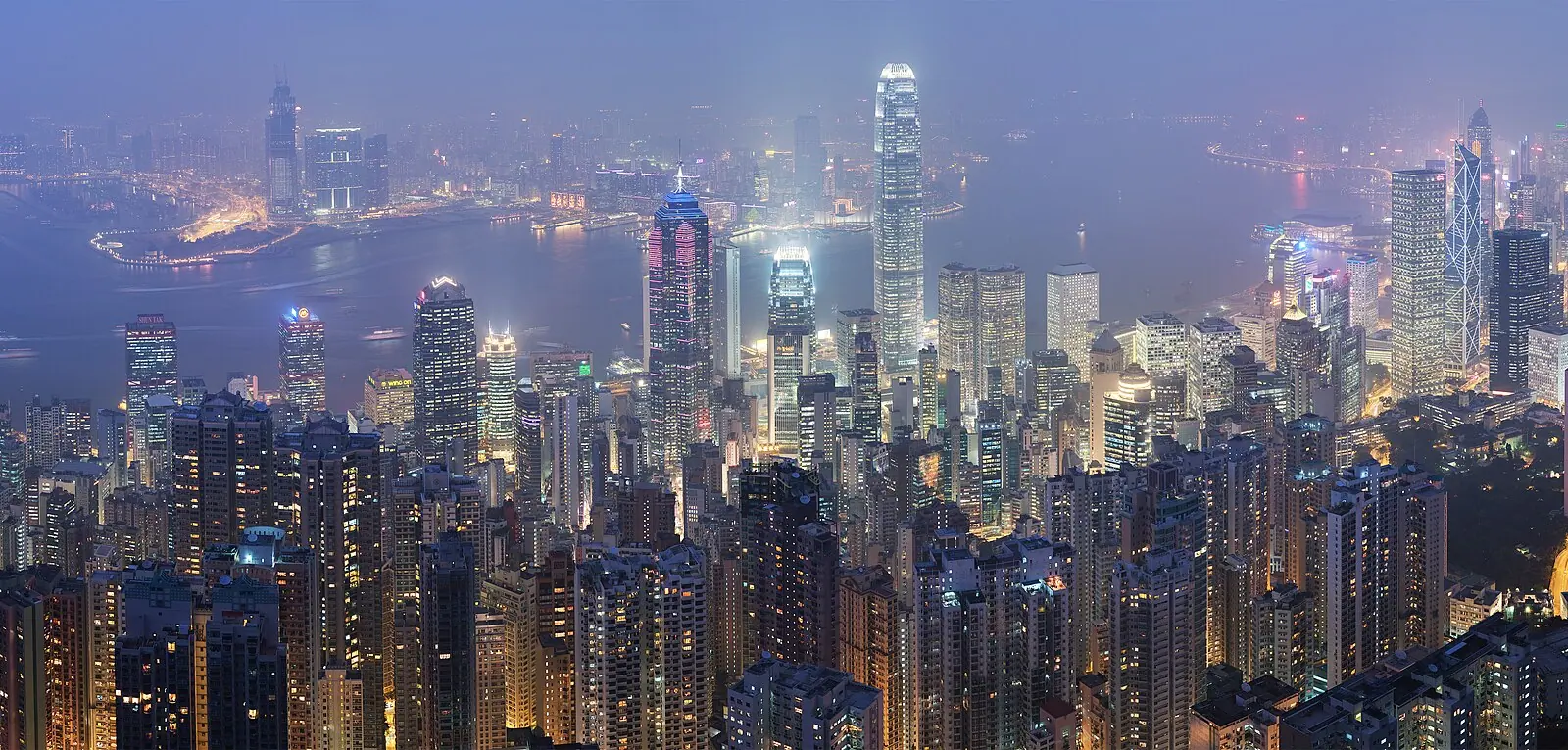
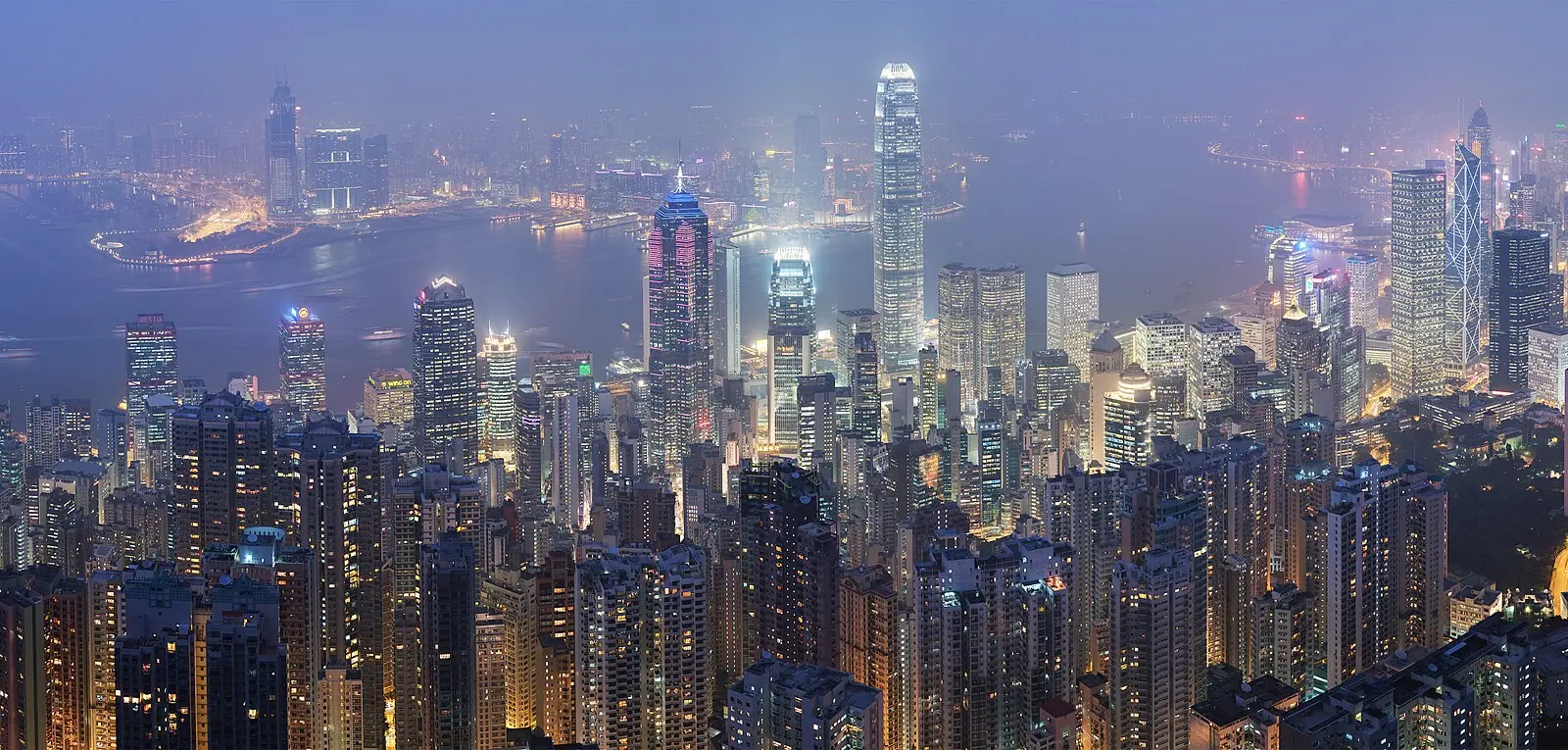
Where you sleep shapes your week more than any single sight. Tsim Sha Tsui puts the harbour, the museums and the night markets on your doorstep; Central and Sheung Wan are better for restaurants, old streets and late bars; Mong Kok suits anyone watching the budget. Fight jet lag with an evening walk along the Tsim Sha Tsui Promenade and the Avenue of Stars, where the skyline glitters across Victoria Harbour and handprints of film stars are pressed into the pavement. Time it for 8pm and you catch the Symphony of Lights, a nightly thirteen-minute laser and light show fired from buildings on both sides of the water.
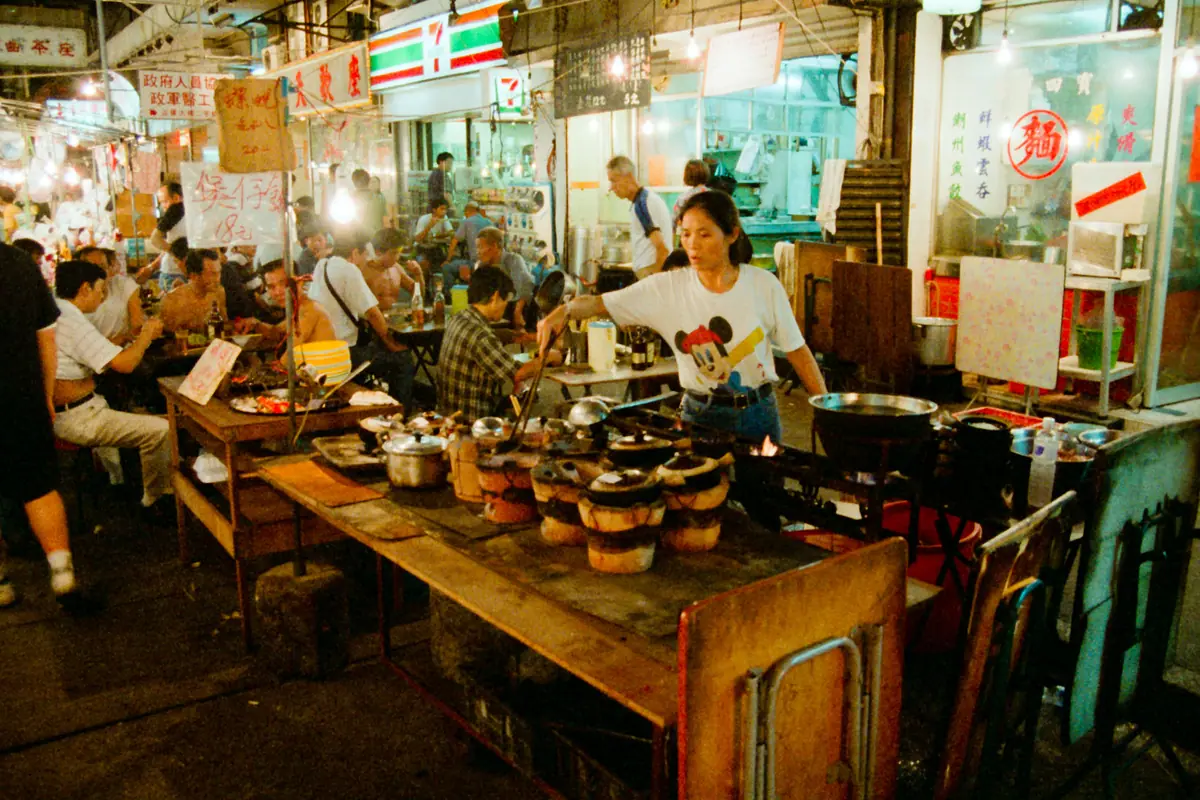
Then walk fifteen minutes north to Temple Street Night Market in Jordan and Yau Ma Tei, which starts setting up in the late afternoon and hums until around midnight. Clay-pot rice, seafood on ice, plastic stools, fortune tellers with birdcages and Cantonese opera drifting from a makeshift stage — it is a soft,感官-heavy introduction to the city that does not demand much energy from a traveller who has just crossed nine time zones.
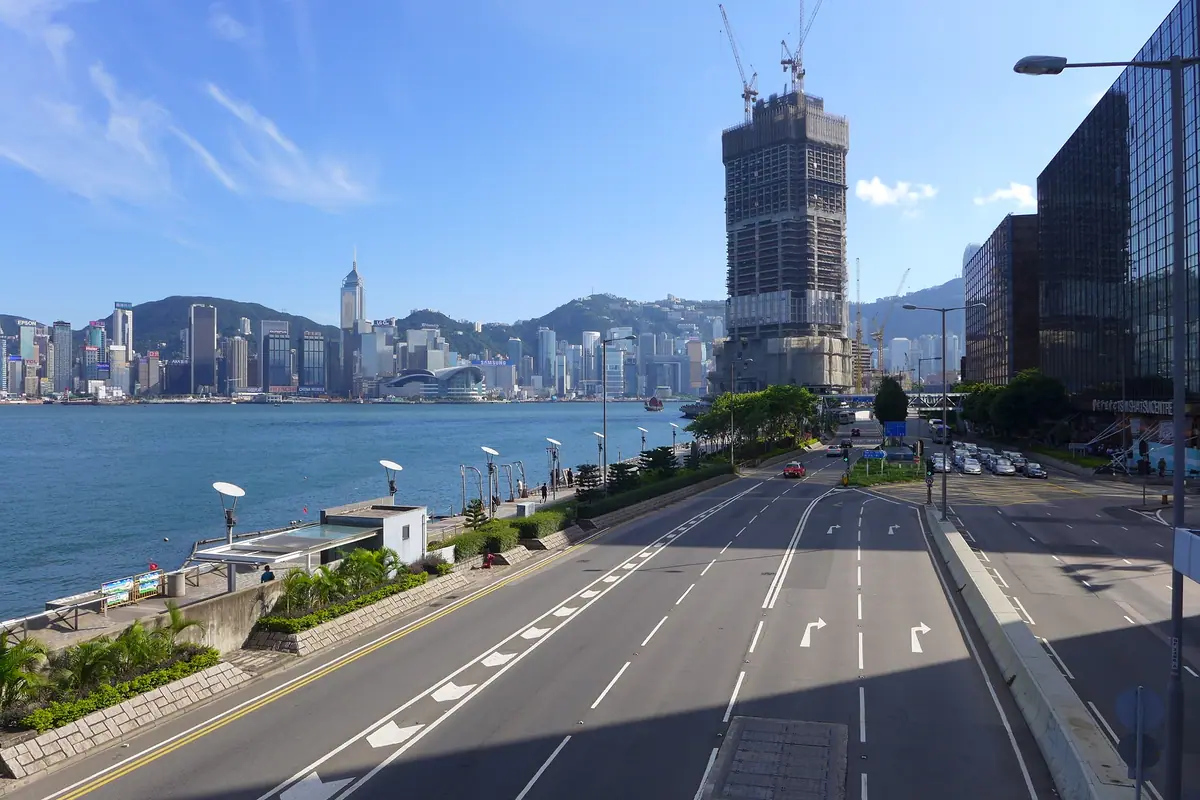
Days 2–3: Hong Kong Island, the Peak and the Star Ferry
Take the Star Ferry from Tsim Sha Tsui to Central at least once, ideally as the light goes golden. The crossing lasts under ten minutes, costs a handful of dollars, and offers the single best-value view in Asia from a wooden bench on the upper deck. From the Central piers you are a short walk from the city's older bones: Man Mo Temple on Hollywood Road, its ceiling hung with slow-burning incense coils; the antique shops and galleries that trail up from there; the restored former Central Police Station compound, now a free arts and heritage site; and the Central–Mid-Levels Escalator, an 800-metre chain of outdoor moving stairways that ferries commuters and curious visitors up through SoHo's bars and noodle shops.
The Peak is non-negotiable. The Peak Tram has been hauling passengers up from Garden Road since 1888, and the gradient is so steep that the towers of Central appear to tilt past the windows — sit on the right-hand side going up. At the top, the Sky Terrace viewing platform delivers the postcard panorama, but the smarter move is the free circular walk around Lugard Road and Harlech Road: about 3.5 kilometres, an hour at an easy pace, with harbour views opening between the trees the whole way. Aim to arrive in the late afternoon so you watch the city switch on, or come after 8pm when the queues for the tram have thinned.
Spend your second Island day eating and wandering. Morning dim sum in Central or Sheung Wan is a ritual, not a meal; follow it with a tram ride on the double-decker "ding ding" — a flat fare, no rush, perfect front-row seat on the top deck. Roast goose, egg tarts, milk tea and wonton noodles all deserve a slot, and the open-air food stalls of the older districts serve some of the best cheap cooking in the territory. If your visit lands on a Wednesday, head to Happy Valley Racecourse for evening horse racing under floodlights, where entry to the public stands is pocket change and the crowd is a cross-section of the entire city.
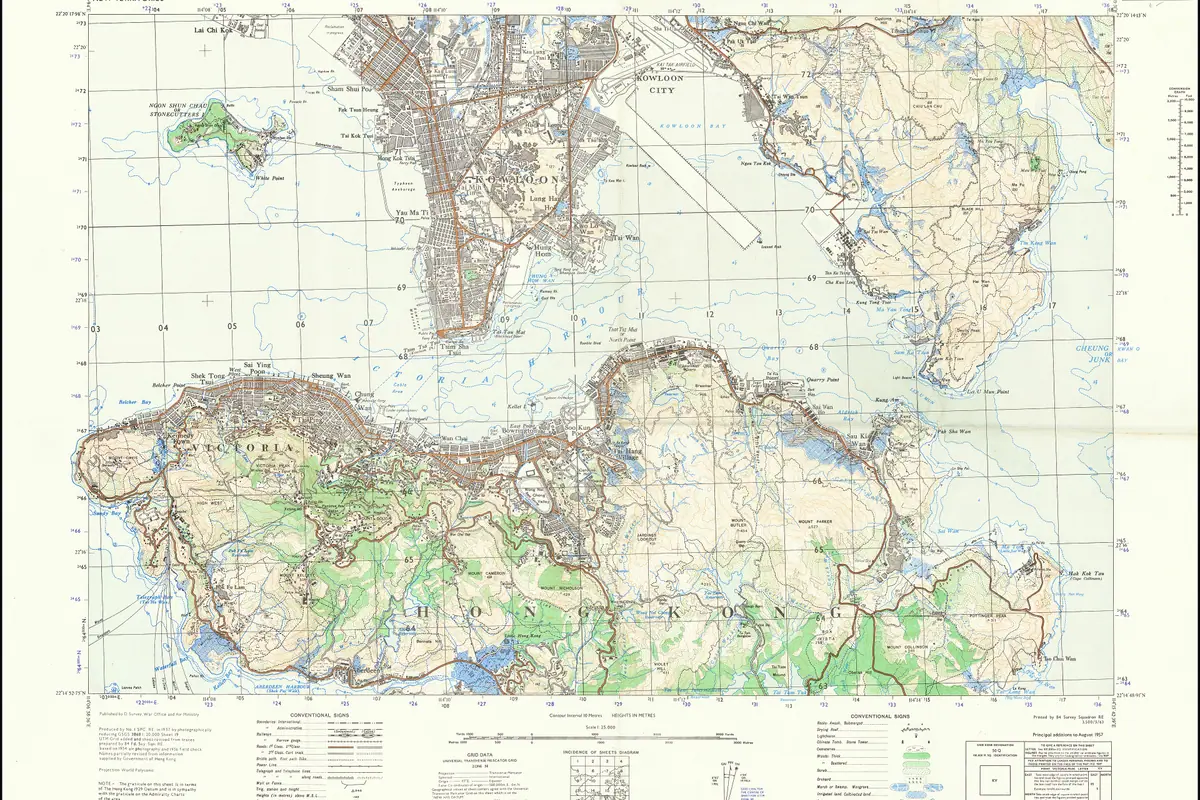
Day 4: Kowloon's Museums, Markets and Neon Streets
Give a full day to Kowloon and start in Tsim Sha Tsui's museum quarter. The Hong Kong Museum of History walks you through the territory's story from geology to handover in a couple of absorbing hours, and it makes everything you see afterwards legible. Across the water in the West Kowloon Cultural District, the M+ building holds one of the world's great collections of visual culture, while the Hong Kong Palace Museum next door draws on centuries of imperial Chinese art. Between them lies the Art Park, a lawn facing the harbour that is the best free sunset seat on this side of the water.
Then get lost in the markets. Mong Kok is the densest concentration: the Ladies' Market along Tung Choi Street runs from late morning to about 11pm and sells everything from phone cases to silk slippers; Flower Market Road is a corridor of orchids and lilies; Yuen Po Street Bird Garden is a lovely, slightly melancholy enclave of songbird cages; and the Goldfish Market displays bags of orange fish hung like lanterns along the shopfronts. In Yau Ma Tei, the Jade Market sells bangles, pendants and carved discs from around 10am to 6pm, and haggling is expected rather than rude.
For views, ride the lift to the observation deck on the 100th floor of the International Commerce Centre in West Kowloon, where the harbour, the Island skyline and the Peak line up in one 360-degree sweep. For dinner, either join the queue at a Michael-free neighbourhood roast shop, brave the curry houses of Chungking Mansions, or return to the seafood stalls off Temple Street. Then walk Nathan Road just to see the neon run — it is loud, gaudy and utterly Hong Kong.
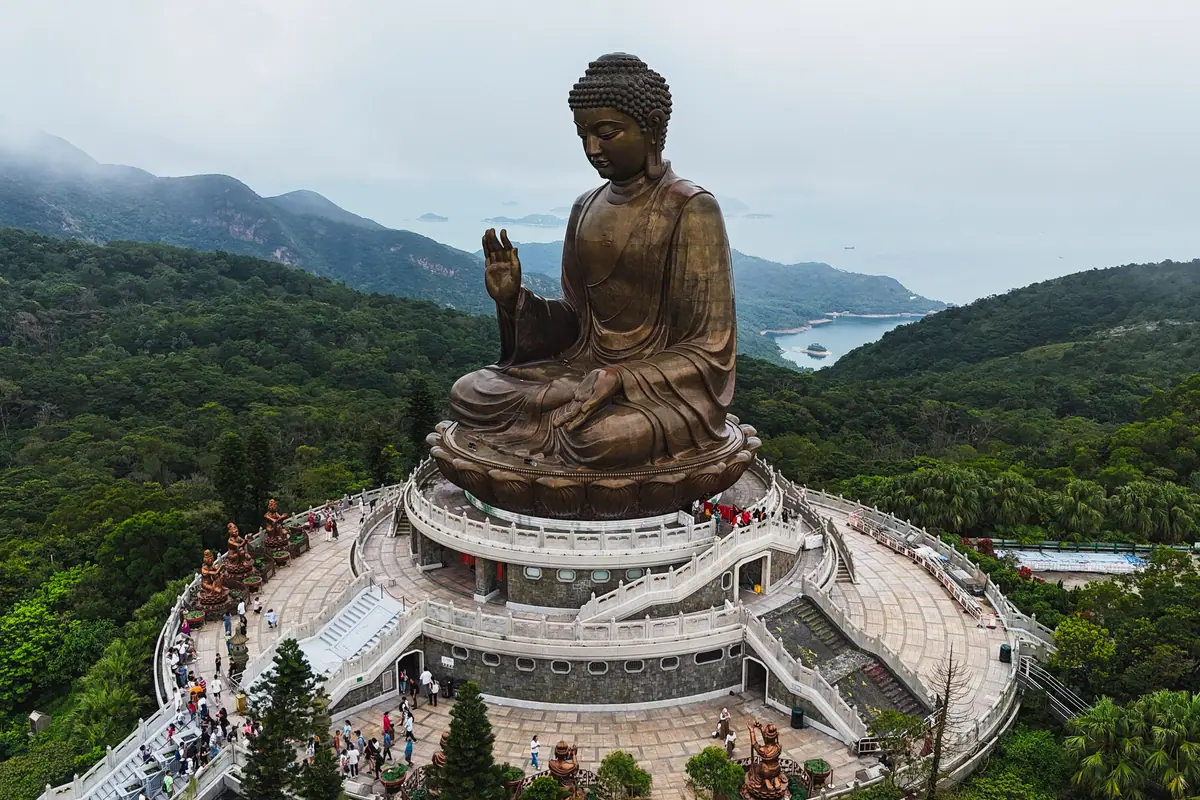
Day 5: Lantau Island, the Tian Tan Buddha and Tai O
Lantau is the escape valve. From Central, the metro reaches Tung Chung in about half an hour, where the Ngong Ping cable car lifts you over the bay and up the mountainside on a 25-minute ride with the airport and the South China Sea spinning below. Queues build fast, so aim for the first departures — roughly 10am on weekdays, 9am at weekends. From the top station it is a short walk to the Tian Tan Buddha, a 34-metre bronze figure completed in 1993 and reached by climbing 268 steps. It sits facing north over the Po Lin Monastery, whose vegetarian kitchen serves some of the most satisfying food on the island.
Behind the monastery, the Wisdom Path is a quiet antidote to the crowds: 38 wooden steles arranged in a figure of eight, carved with the Heart Sutra. From Ngong Ping, a local bus rattles down to Tai O, a stilt-house fishing village that feels like a different century — shrimp paste drying in the sun, narrow lanes bridging the tidal channels, and small boats running out towards the open water in search of the pink dolphins that still haunt these shallows. Stay for sunset, when the stilt houses turn gold, then take the bus or ferry back to Tung Chung and the city.
Two practical warnings. If a typhoon signal goes up, the cable car stops running and you will need the bus from Tung Chung instead — check the forecast before committing to the trip. And if the weather is clear and you have energy left, carry on past Ngong Ping to the Sunset Peak trail or the long sandy stretch at Cheung Sha, both far quieter than anything on Hong Kong Island.
Day 6: Ridges, Beaches and Outlying Islands
Hong Kong's best-kept secret is that two-thirds of it is countryside. The Dragon's Back trail on the southeastern tip of Hong Kong Island is the classic: about 8.5 kilometres from the trailhead near Cape Collinson over to Big Wave Bay, taking three to four hours at a relaxed pace, with the coastline of Shek O and the open sea on one side and the city's towers floating behind you on the other. Finish with a swim at Big Wave Bay — board rental is available when the swell is up — or push on to Shek O beach for a cold beer and a bus back to Shau Kei Wan. The trail bakes in summer, so start early, carry more water than you think you need, and save it for the cooler months between October and April.
The south side of the island makes an easy, low-effort day. Buses run down to Stanley, where the market sells linen, ceramics and souvenirs beside a waterfront of pubs and a colonial-style pier; nearby Repulse Bay has a broad sandy beach and a temple guarded by oversized statues of Tin Hau and Kwun Yam. Farther west, Aberdeen'styphoon shelter still shelters fishing boats you can tour by sampan. If you would rather be on the water, ferries from Central's piers reach Cheung Chau in around 45 minutes — a car-free island of bikes, temple festivals and the cave said to have hidden a famous pirate — and Lamma Island, where a walking trail links the villages of Yung Shue Wan and Sok Kwu Wan and the reward at the end is a seafood lunch cooked from tanks on the quay.
Sai Kung, on the eastern side of the New Territories, is the other great seafood pilgrimage, and the boats from its pier will drop you on beaches that look nothing like a city of seven million people. Beaches with shark nets and lifeguards operate roughly April to October; outside that window the water is still swimmable but unsupervised.
Day 7: Temples, Last Dim Sum and Getting to the Airport
Spend your final morning at Wong Tai Sin Temple in Kowloon, one of the city's most beloved Taoist shrines, where worshippers shake fortune sticks and the smoke of hundreds of incense sticks hangs under the roofs. A short metro ride away in Diamond Hill, the Chi Lin Nunnery and Nan Lian Garden are an unexpected pocket of Tang-dynasty serenity — timber halls built without a single nail, a perfectly raked gravel garden and a golden pavilion reflected in a lotus pond. Both are free, both are quiet, and both are worth an hour of anyone's last day. Kowloon Walled City Park, on the site of the famously dense enclave that was demolished in the 1990s, is another good stop if you want one more piece of the city's history before you leave.
Then eat. A final dim sum lunch, a last bubble tea, a bag of egg tarts for the plane. If you have shopping left, Sheung Wan is the place for dried seafood, ginseng and Chinese medicines, Causeway Bay for department stores, and Tsim Sha Tsui for tailors who can turn around a suit in a few days. For souvenirs that survive the flight home, the flagship stores of local designers and the old stationery shops of Central beat any airport gift shop.
Departure logistics are refreshingly civilised. The airport express offers in-town check-in at both Hong Kong Station and Kowloon Station, so you can drop your bags in the morning, keep the afternoon free and simply walk onto the train with your boarding pass in hand. Trains run every ten minutes and take about 24 minutes to the terminals; allow two and a half hours at the airport before a long-haul flight, and a little more if you are travelling during a holiday peak. If a week feels too short — and it will — a ferry from Sheung Wan reaches Macau in about an hour, and high-speed trains from West Kowloon cross into Shenzhen in under twenty minutes, passport permitting.
Frequently asked questions
How do I get from Hong Kong airport to the city?
The airport express train is the fastest option, taking around 24 minutes to Kowloon Station and 26 minutes to Hong Kong Station, with departures every ten minutes from roughly 5:50am to after midnight. Airport buses such as the A21 to Tsim Sha Tsui or A11 to Causeway Bay cost less but take about an hour. Taxis are colour-coded: red for the urban areas, green for the New Territories and blue for Lantau.
How many days do I need in Hong Kong?
Five days covers Hong Kong Island, Kowloon and one big day out. A full week lets you add Lantau and the Tian Tan Buddha, a hike like the Dragon's Back, a beach or outlying island, and still leave room for markets, temples and long dim sum lunches without rushing.
When is the best time to visit Hong Kong?
October to December is the sweet spot, with dry air, comfortable temperatures in the low twenties and the clearest views from the Peak. March and April are also pleasant. June to September is hot, humid and the heart of typhoon season, while January and February bring cooler weather and the crowded Chinese New Year period.
Do I need cash in Hong Kong, or is card enough?
Cards and phones work almost everywhere, but a rechargeable tap-and-go transit card is genuinely useful for trains, buses, ferries, trams and convenience stores. Keep some cash for market stalls, small noodle shops, taxis and temple donations, where notes are still the default.
Can I visit Macau or Shenzhen on a day trip?
Yes. Ferries from the Sheung Wan ferry terminal reach Macau in about an hour, and high-speed trains from West Kowloon station cross into Shenzhen in under twenty minutes. Bring your passport and check the entry requirements for your nationality before you go, as rules differ for each destination.
Plan it — flights in Hong Kong
Live search, booked directly with trusted providers.
Sort the rest of your trip
Everything for Hong Kong, in one place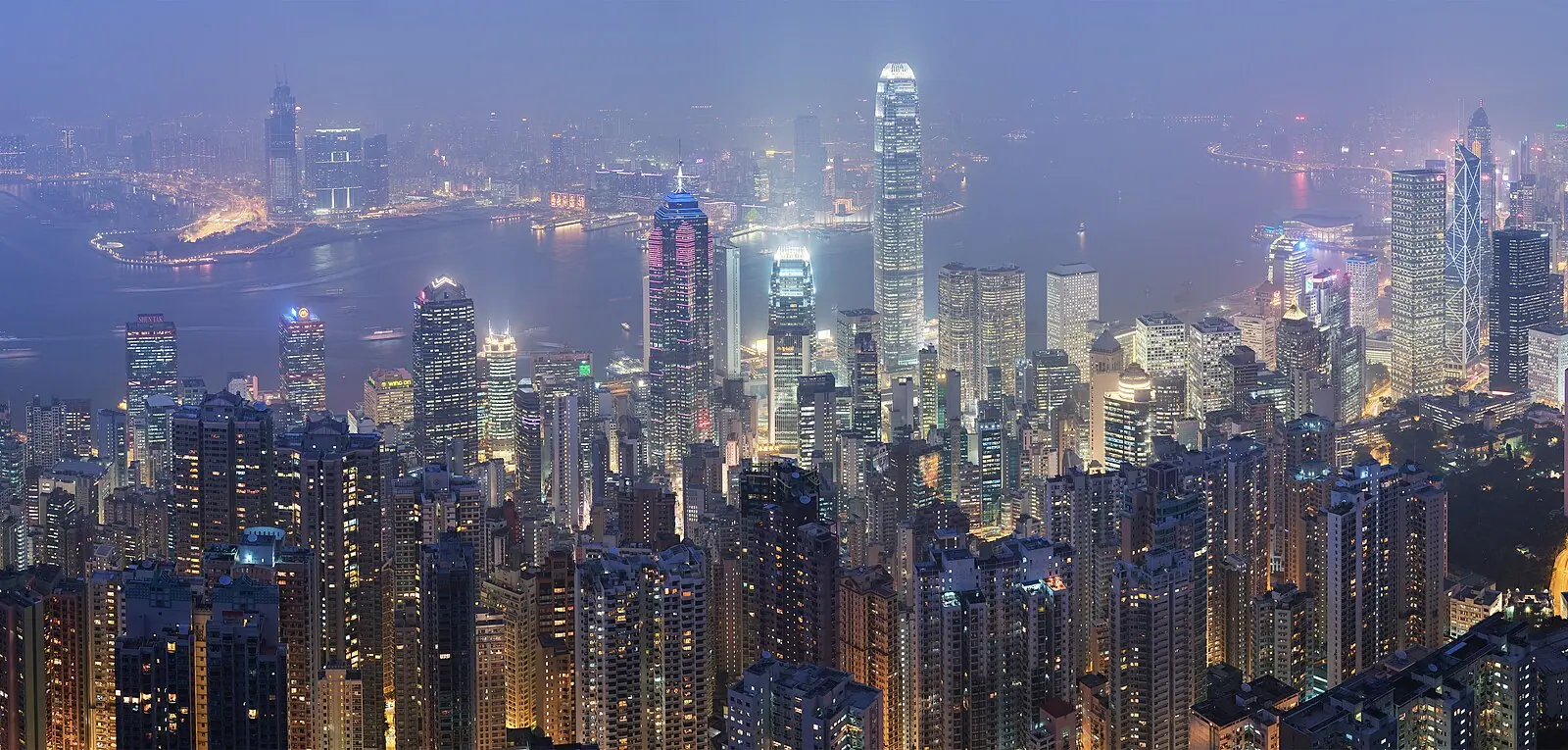
Stay in Hong Kong
Hotels, guesthouses and apartments — compared in one search.
Search hotels
Transfer in Hong Kong
Private driver waiting on arrival — no queues, no surprises.
Book a transfer
Travel insurance
Medical cover, delays and lost baggage — sorted before you go.
Get covered