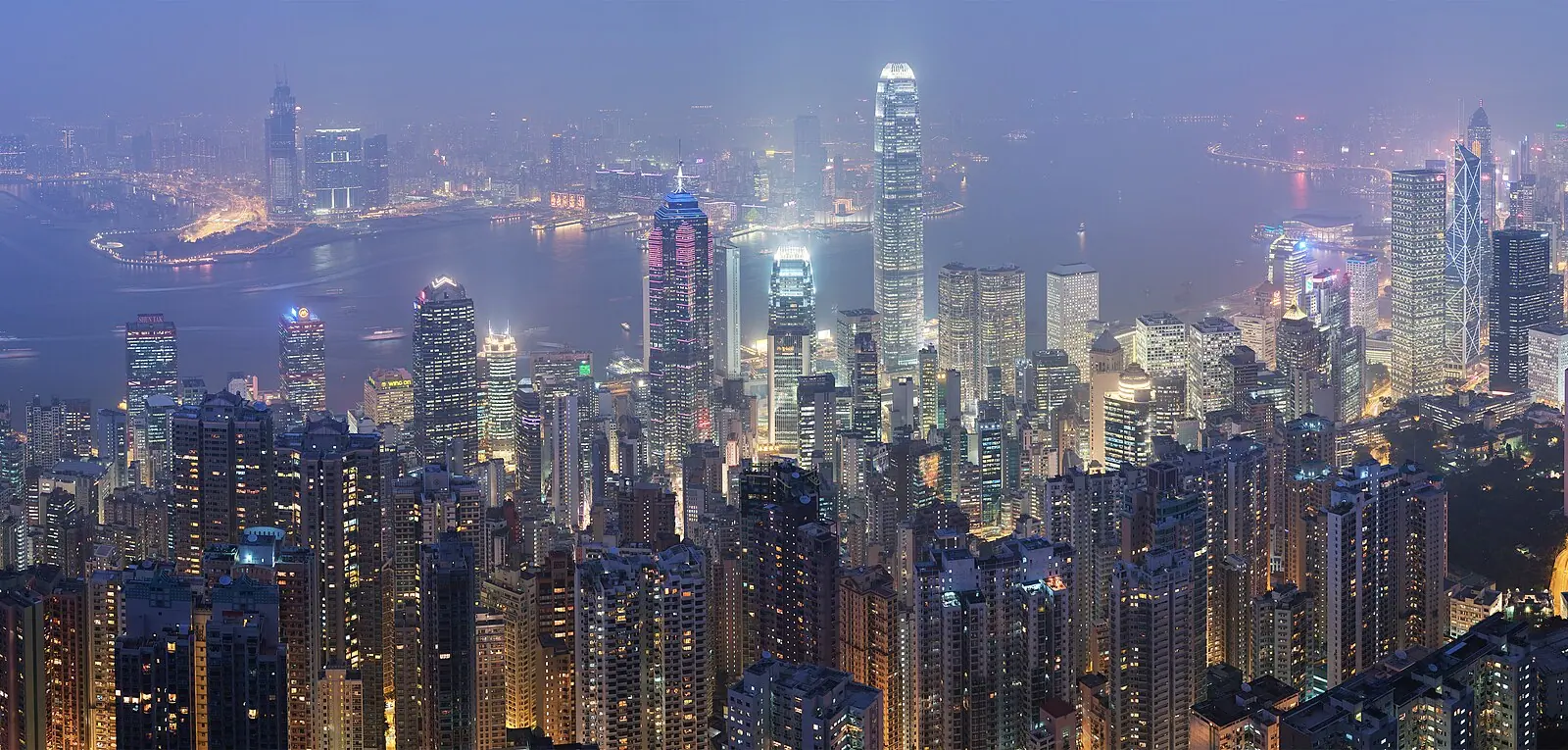
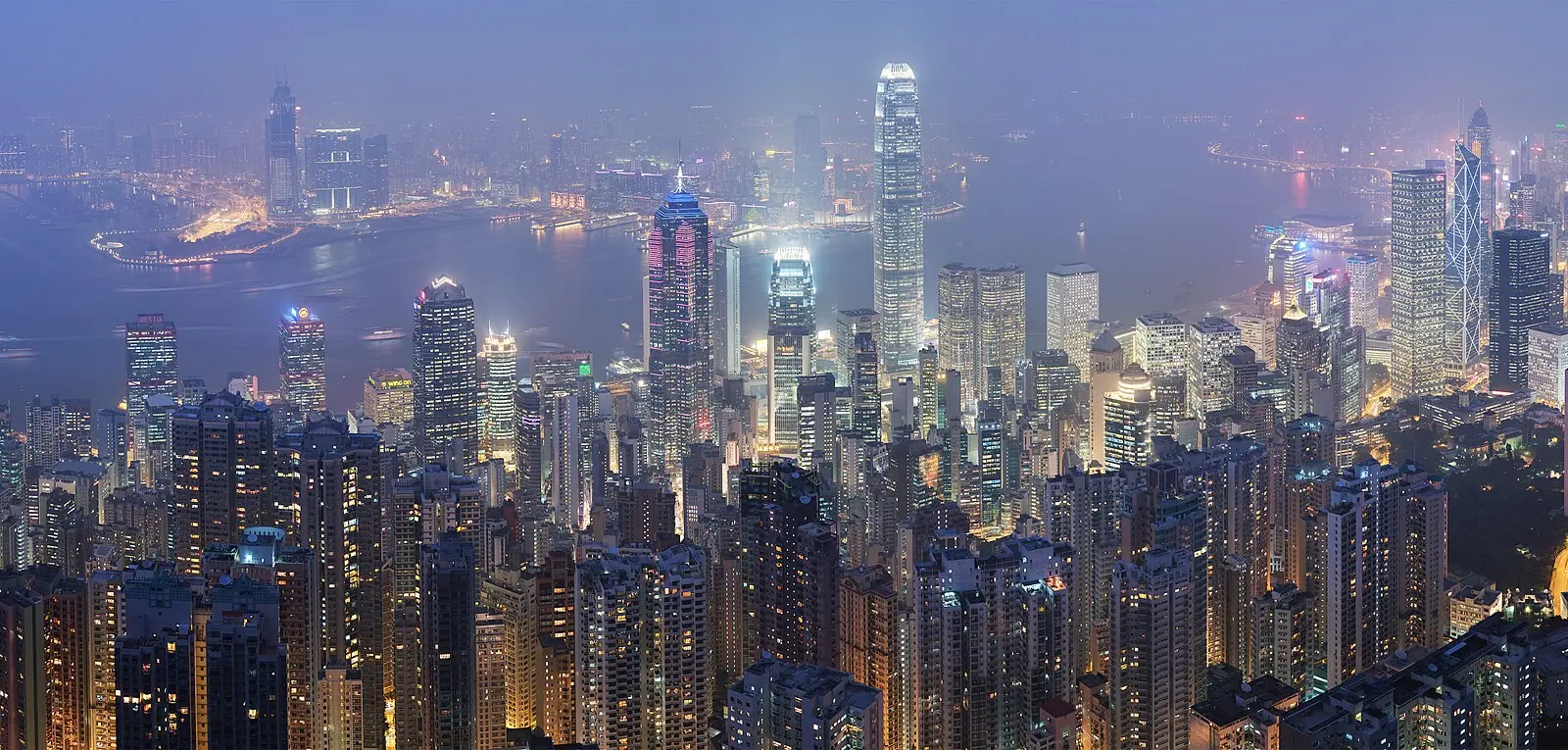
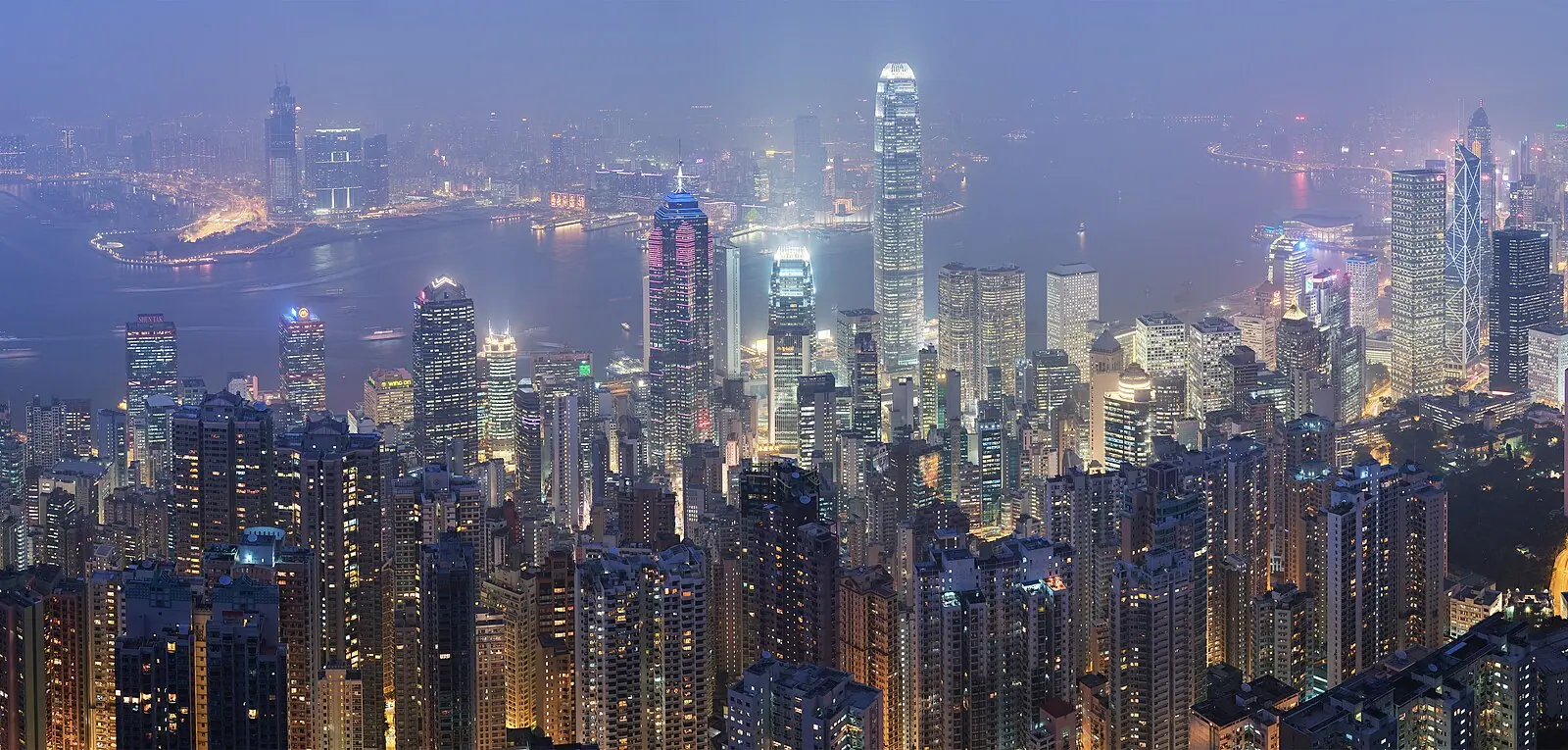
Hong Kong changes costume four times a year, and the room you book decides how much of that costume you actually get to see. A harbour-facing window in late October is a front-row seat to one of the world's great skylines; the same window in July is a screen of warm rain. Here is how to line up your dates, your neighbourhood and your budget with the city's real rhythms.
Why Hong Kong's Calendar Rewrites Your Hotel Bill
Sitting just south of the Tropic of Cancer, Hong Kong has a genuinely subtropical climate: a cool, damp winter, a spring that arrives wrapped in cloud, a summer that sizzles and storms, and an autumn so clear and dry that locals plan their hiking and wedding photos around it. What most visitors underestimate is how little the weather alone drives hotel demand. Rates here swing wildly around Lunar New Year, mainland holiday weeks, international trade fairs and the Christmas run-up — sometimes doubling within a single month for identical rooms.
That means the single most useful thing you can do before booking is decide which version of the city you want. Autumn is for The Peak, the Star Ferry and long walks along the Tsim Sha Tsui Promenade. Winter is for temples, dim sum and fireworks. Spring and early summer suit museum days in West Kowloon. High summer is for hotel pools, night markets and steep discounts, provided you accept that a typhoon may rearrange your itinerary.
Rooms in Hong Kong are famously compact, and a small room in the right place beats a larger one in the wrong one. A five-minute walk to an MTR station matters more here than almost anywhere, because in the wet months you will be hopping between covered walkways, malls and underground passages rather than strolling. Factor that into your choice as much as the season itself.
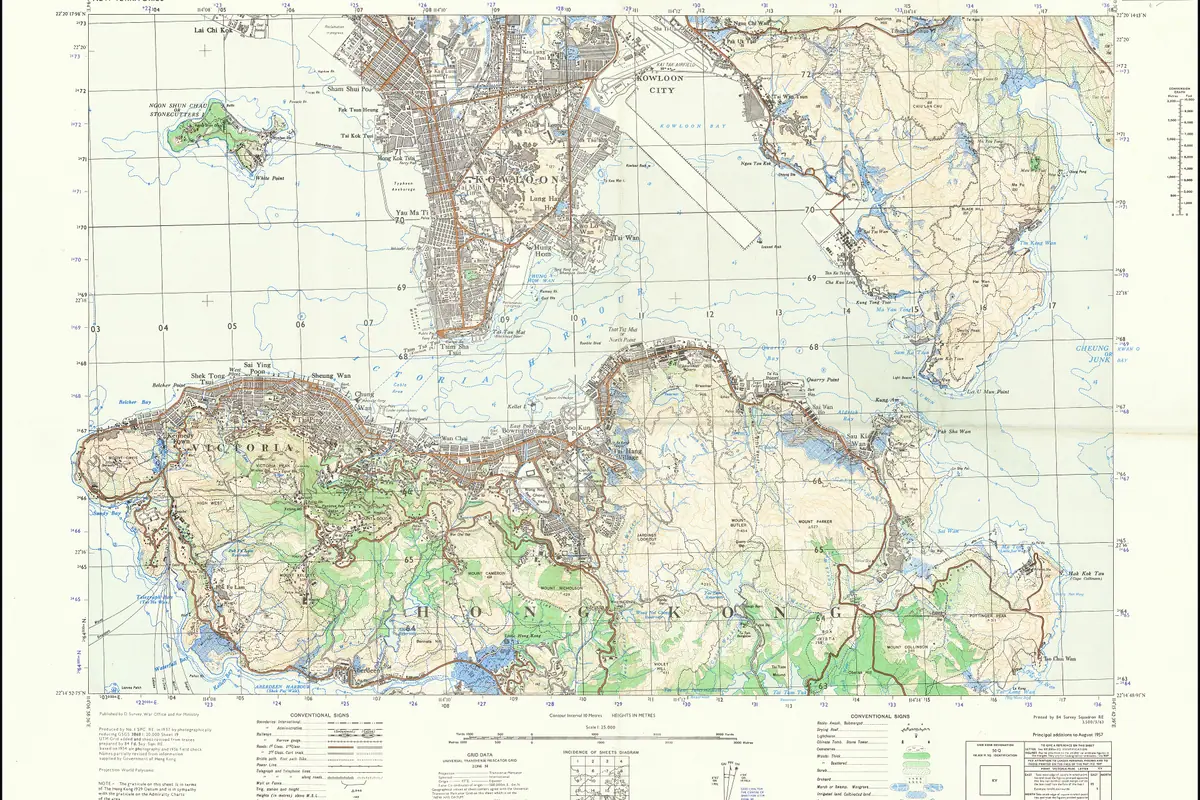
Late October to Early December: The Golden Window
When the northeast monsoon settles in, the humidity drops and the sky turns a hard, clean blue. Daytime temperatures hover pleasantly between roughly 18°C and 25°C, evenings call for a light jacket, and visibility is at its best all year. This is when the city's headline sights deliver: the view from Victoria Peak over the harbour and Kowloon, the century-old Star Ferry crossing between Central and Tsim Sha Tsui, the Avenue of Stars, and the nightly Symphony of Lights, which plays across more than 40 harbourfront buildings at 8pm.
It is also the best window for walking. The Dragon's Back ridge above Shek O, the MacLehose Trail sections in the New Territories, the climb up to the Tian Tan Buddha's 268 steps at Ngong Ping and the stilt-house lanes of Tai O all become comfortable rather than punishing. Book outdoor plans for the first half of your trip and keep indoor options in reserve, because this is also the stretch when trade fairs fill the business hotels and rates climb sharply.
Expect to pay peak prices, particularly during late-October and November exhibition weeks and again as Christmas approaches. Reserve six to ten weeks ahead, and if your dates are flexible, shifting by three or four days can put you on the quiet side of a fair. December brings festive lighting across Central and Tsim Sha Tsui, temperatures of about 15°C to 20°C, and a New Year's Eve atmosphere that fills the harbourfront hotels months in advance.
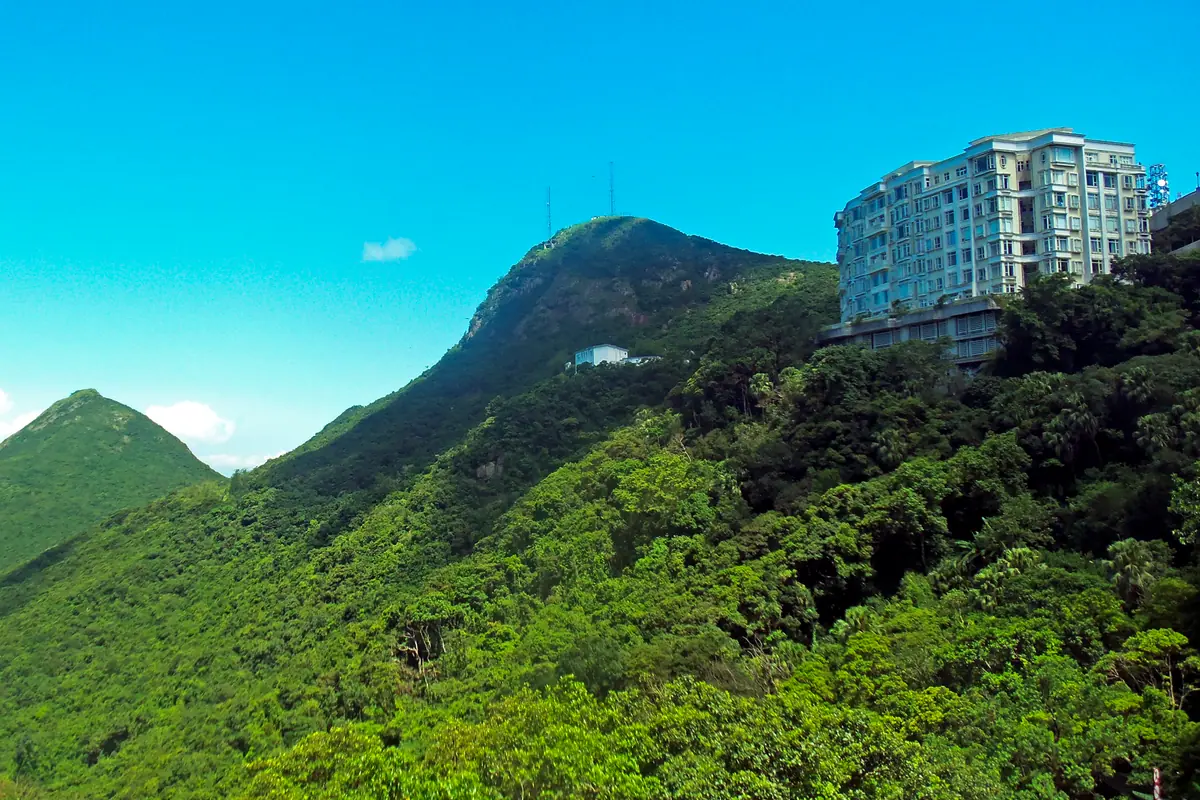
January to March: Lunar New Year Fireworks, Cool Mist and Quiet Value
Lunar New Year falls between late January and mid-February, and it is the single most expensive and most spectacular time to sleep in Hong Kong. The city empties of office workers, then refills with visitors for the Tsim Sha Tsui night parade, fireworks over Victoria Harbour, flower markets at Victoria Park in Causeway Bay and Fa Hui Park in Mong Kok, and thick clouds of incense at Wong Tai Sin Temple and the 19th-century Man Mo Temple in Sheung Wan. Lion dances thread through older districts, and hotel restaurants serve elaborate celebratory menus.
Hotels impose minimum-stay requirements and prepayment over those few days, so book three to five months out if the festival is your reason for coming. Once the holiday passes, however, the same rooms fall to their lowest prices of the year. February and early March are cool and grey, roughly 12°C to 20°C, with drizzle and fog that can swallow the Peak entirely — a fair trade for the savings and the near-empty museums.
This is prime season for indoor sightseeing and day trips. The Hong Kong Palace Museum and M+ in the West Kowloon Cultural District, the Hong Kong Museum of History in Tsim Sha Tsui and the Goldfish Market and Flower Market in Mong Kok all work beautifully in cool weather, as does a ride on the Ngong Ping cable car followed by Po Lin Monastery and the Big Buddha. Check the live view before committing to high-altitude trips — mist can hide the whole plateau.
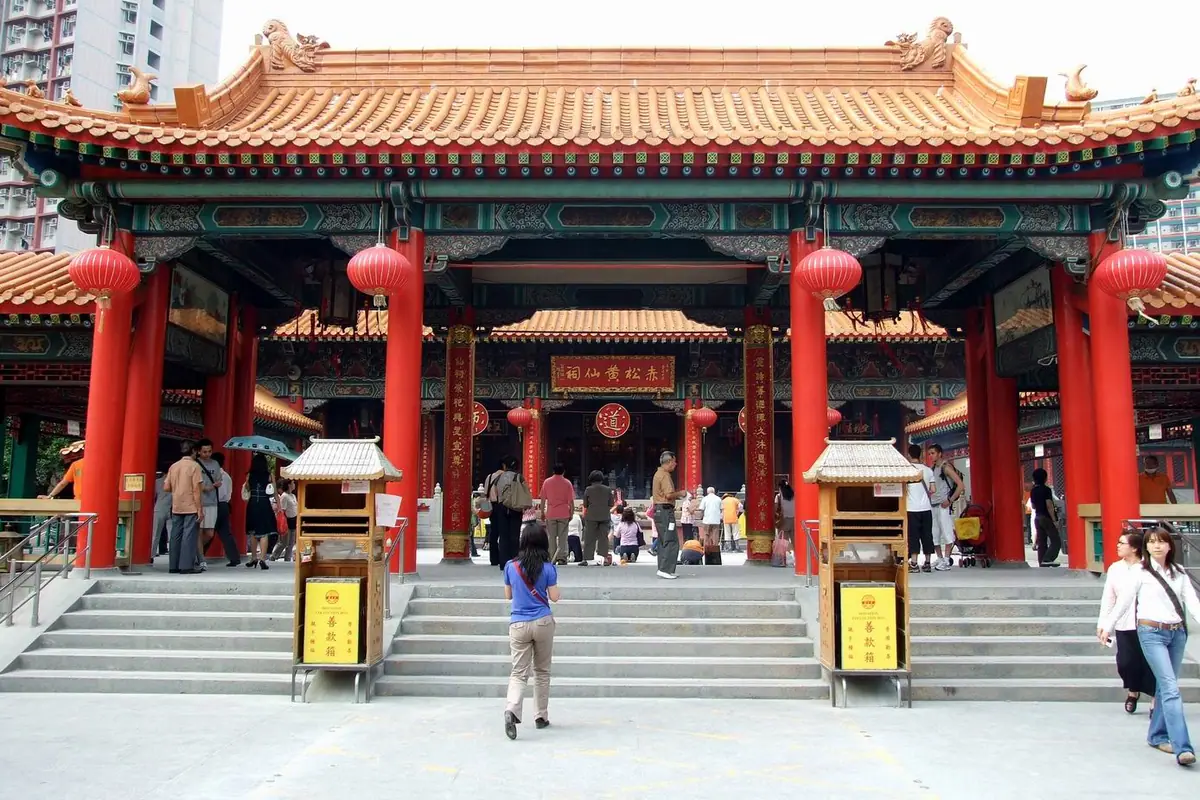
April to June: Shoulder-Season Rates, Harbour Mist and the Dragon Boats
Spring in Hong Kong is warm, humid and increasingly theatrical. Temperatures climb through the mid-20s to 30°C, the harbour softens into haze, and the Peak Tram often climbs into cloud rather than above it. Short, heavy showers arrive without much warning, occasionally escalating into black rainstorm warnings that shut down schools and send everyone scurrying into malls. Pack a compact umbrella and shoes you do not mind soaking.
The reward is pricing. Once the Easter break passes, rates drop through April and stay low through May and June, with the deepest discounts in the last weeks of June. Indoor heavyweights come into their own: M+ and the Hong Kong Palace Museum across the harbour, the restored Tai Kwun former police compound in Central, the design studios of PMQ, and the serene Chi Lin Nunnery and Nan Lian Garden in Diamond Hill, where a Tang-style timber complex sits beside a perfectly raked landscape.
Dragon Boat Festival, on the fifth day of the fifth lunar month in May or June, is worth planning around. Crews race long, dragon-headed boats at Stanley, Aberdeen and Tuen Mun, drawing big, cheerful crowds — pair it with a wander through Stanley Market and a swim at Stanley Beach. Warmer water also makes Repulse Bay, Shek O and the island-hopping boat trips from Sai Kung genuinely inviting, provided you dodge the afternoon downpours.
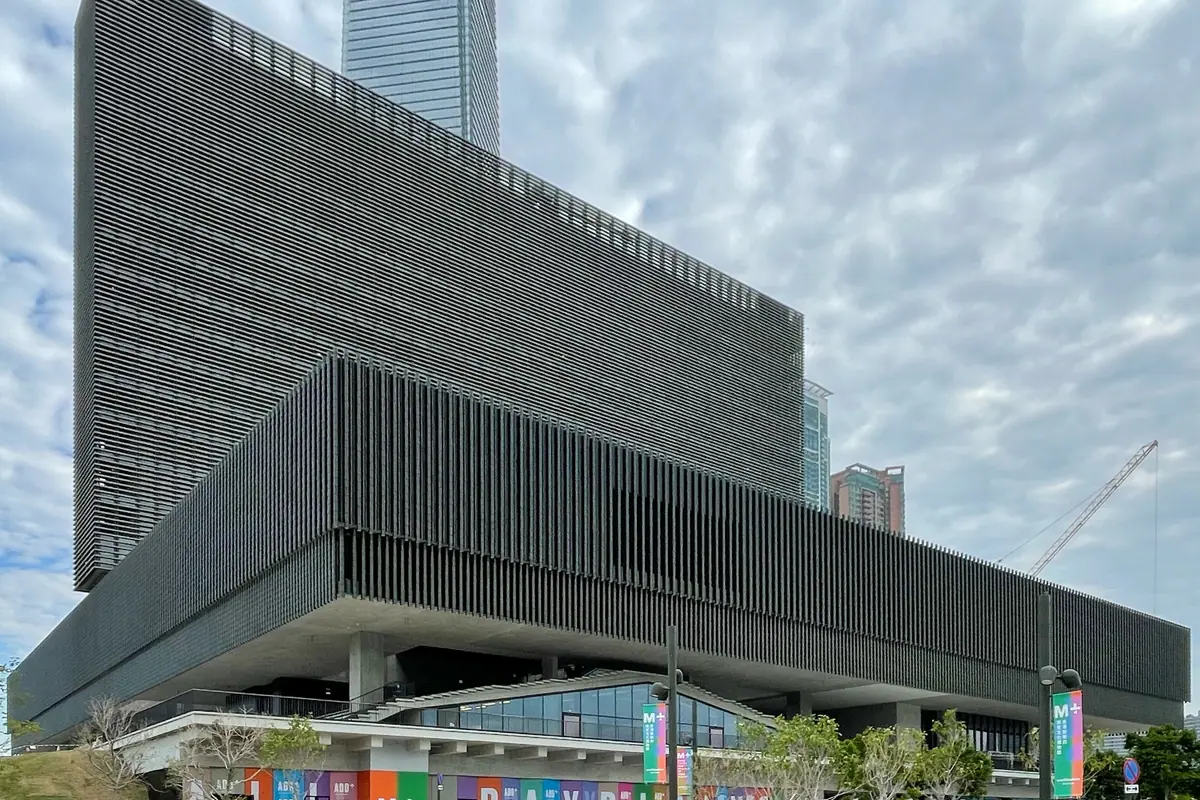
July to September: Typhoon Season, Sizzling Heat and Deep Discounts
High summer is hot, sticky and dramatic: daytime highs of 30°C to 33°C, humidity close to saturation, and the peak of typhoon season from July through September. When the observatory raises the number eight signal, ferries stop, exposed bus and rail routes suspend, offices close and flights are cancelled — sometimes for a day, occasionally longer. Hotels handle this well, with staff on duty, restaurants running and flexible food service, and harbour-facing rooms turning into extraordinary storm-watching boxes.
Book fully flexible rates and never travel here without solid travel insurance. That said, a typhoon does not mean constant rain; many summer days are bright, brutal and broken up by spectacular late-afternoon thunderstorms. This is also festival season in its own right, with the Hong Kong Book Fair and comics convention drawing enormous local crowds, and longer opening hours at Ocean Park and Hong Kong Disneyland on Lantau.
The payoff is value. July and August are among the cheapest months for four- and five-star rooms, especially on the Island, and hotel pools suddenly become the most-used facility on the property. Mid-Autumn Festival, in September or early October, brings lantern carnivals at Victoria Park, the fire dragon dance through the narrow streets of Tai Hang and mooncakes everywhere — a lovely, photogenic moment just before autumn prices kick back in.
Where to Sleep, and How the Season Should Shape Your Choice
In Tsim Sha Tsui you get the classic postcard stay: rooms angled at Victoria Harbour, the Avenue of Stars, the Star Ferry pier, K11 Musea and the museum cluster along Salisbury Road. Central and Sheung Wan suit eaters and wanderers, with Tai Kwun, PMQ, the Mid-Levels Escalator, Man Mo Temple and Lan Kwai Fong all within reach; business hotels here often drop their rates at weekends. Causeway Bay is for shoppers near Times Square and Victoria Park, Wan Chai mixes the Blue House and old markets with easy tram access, and Mong Kok throws you straight into Temple Street Night Market, the Ladies' Market and the Flower Market.
For value, look at North Point and Quarry Bay on the eastern Island, or the western edge of Kowloon near West Kowloon Cultural District, where M+, the Palace Museum and Sky100 sit beside fast rail links. Wherever you land, ask for the room's square metres and floor. A high floor earns the view in clear months; in foggy spring or humid summer, a cheaper city-facing room is no loss at all. Confirm the service charge, whether breakfast is included, and how long the walk to the nearest MTR station really takes.
On timing: reserve two to three months ahead for the October-to-December golden window, three to five months for Lunar New Year, and just two to four weeks for the low seasons of late February, March, June and August, when good rooms often remain available at short notice. Avoid arriving during an exhibition week without a confirmed booking, and always check the cancellation terms — in typhoon season, flexibility is worth more than a slightly lower rate.
Frequently asked questions
What is the best month to stay in Hong Kong?
Late October through early December is the sweet spot: dry air, 18°C to 25°C days, and the clearest skies of the year for Victoria Peak, the Star Ferry and the Tsim Sha Tsui Promenade. Mid-March to April is the next best window, with mild temperatures and lower hotel rates.
When are Hong Kong hotel rooms cheapest?
The weeks after Lunar New Year through mid-March, and the summer months of July and August, when heat, humidity and typhoon season push rates down sharply — especially for four- and five-star properties on Hong Kong Island and in West Kowloon.
How far ahead should I book for Lunar New Year in Hong Kong?
Three to five months. The Tsim Sha Tsui parade and Victoria Harbour fireworks make it the busiest week of the year, and many hotels require a minimum stay of three or four nights with full prepayment and no refunds.
What happens to my hotel stay during a typhoon?
When the number eight signal is hoisted, ferries, exposed bus routes and many services stop, and flights are frequently cancelled. Hotel staff usually remain on duty and restaurants keep serving, but the smarter move is to book a flexible, cancellable rate between July and September rather than relying on goodwill.
Is a Victoria Harbour view room worth paying extra for?
In the clear months from October to February, yes — the Symphony of Lights at 8pm and the Peak-to-Kowloon panorama justify it. In foggy spring or humid summer, harbour views are often hazy or rained out, so a city-facing room at a lower rate is the better value.
Sort the rest of your trip
Everything for Hong Kong, in one place
Transfer in Hong Kong
Private driver waiting on arrival — no queues, no surprises.
Book a transfer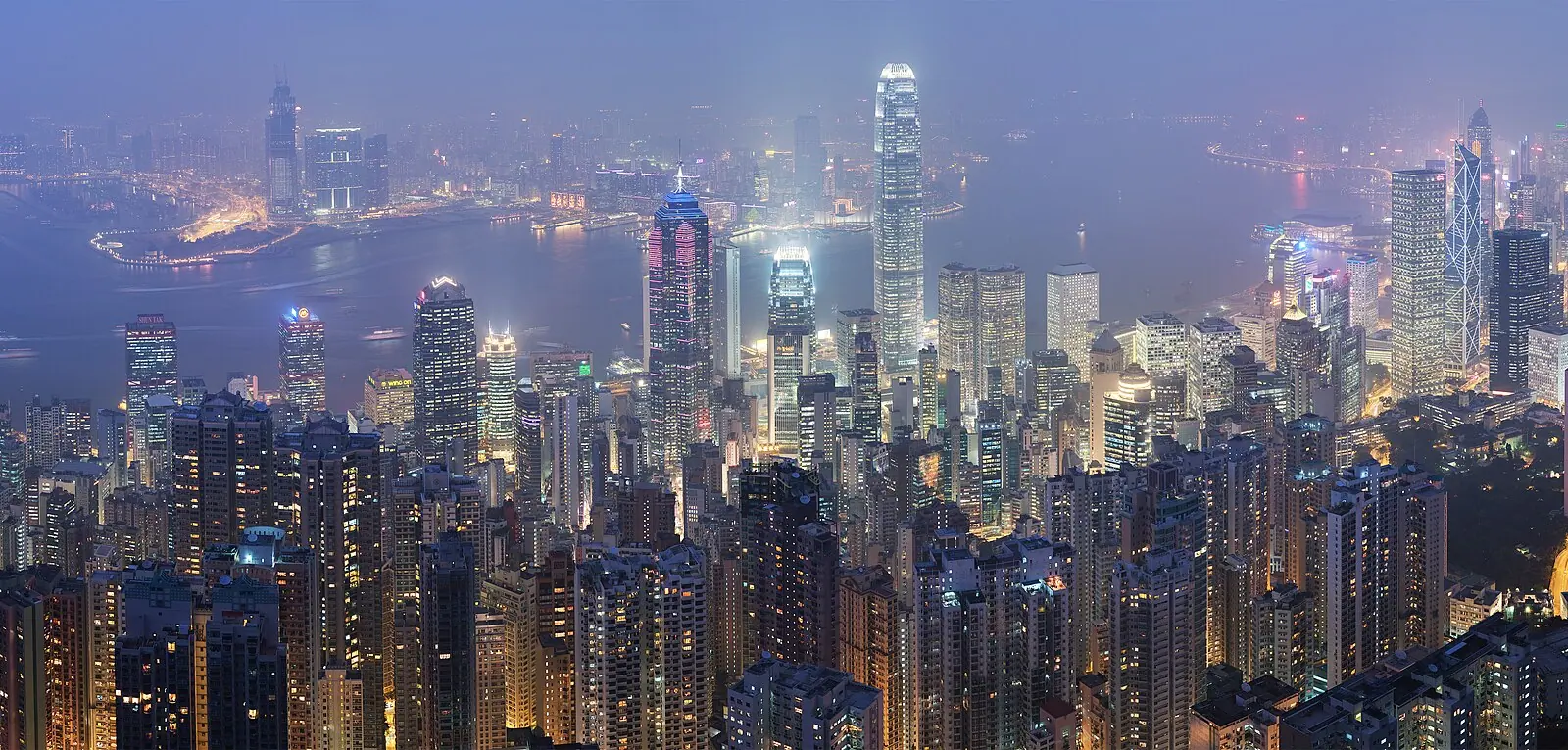
Things to do in Hong Kong
Skip-the-line tickets, guided tours and standout experiences.
See experiences
Stay online in Hong Kong
Travel eSIM — data the moment you land, no roaming bills.
Get an eSIM