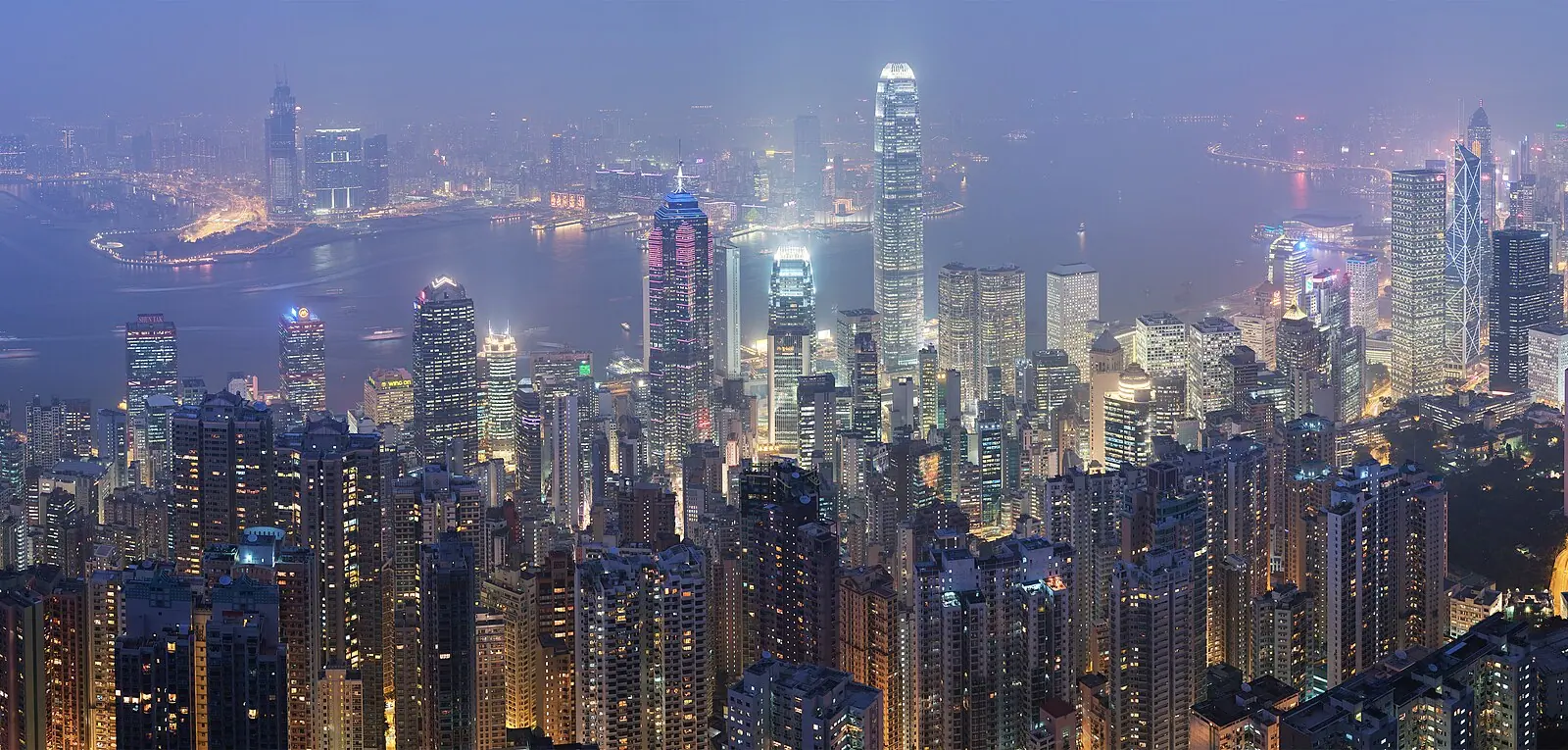
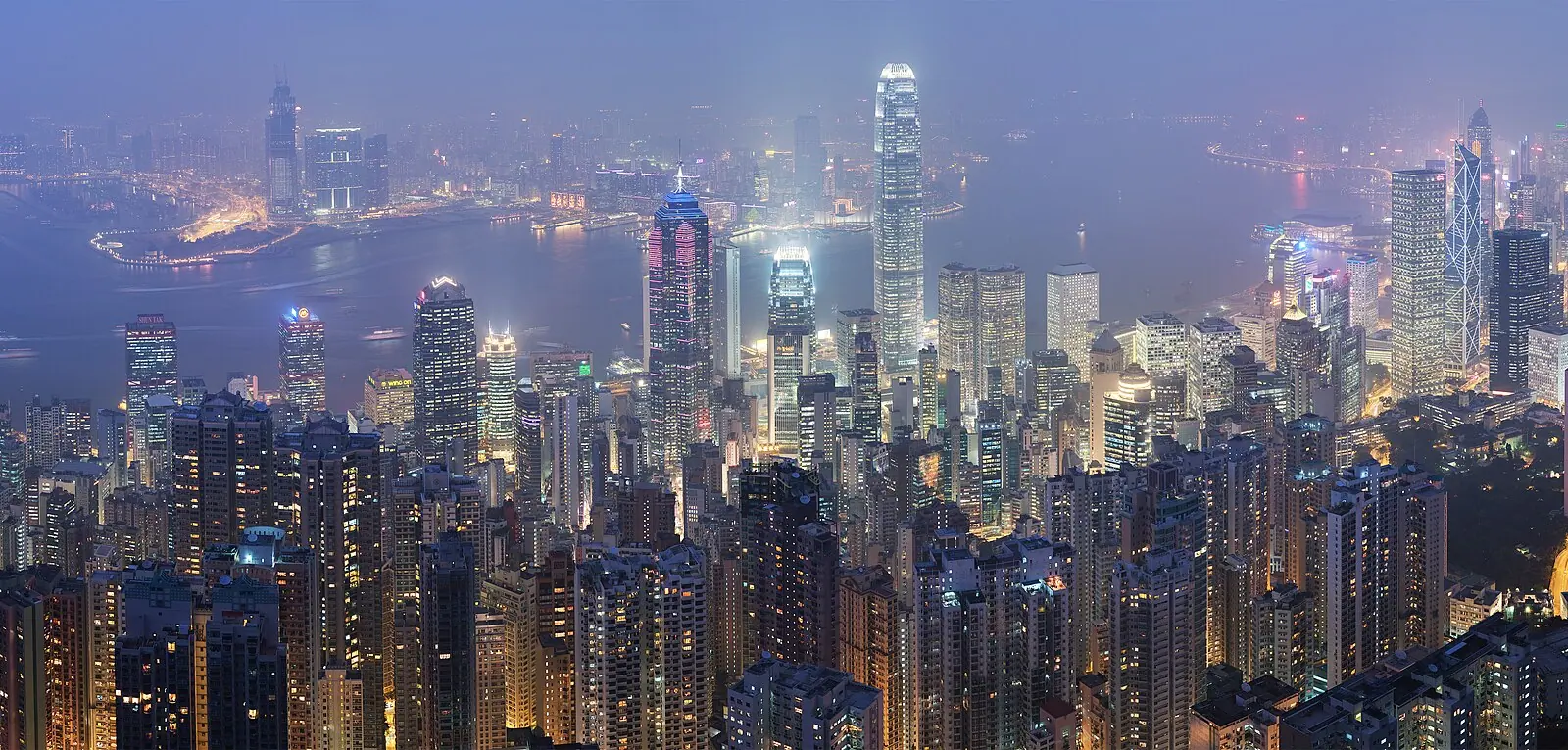
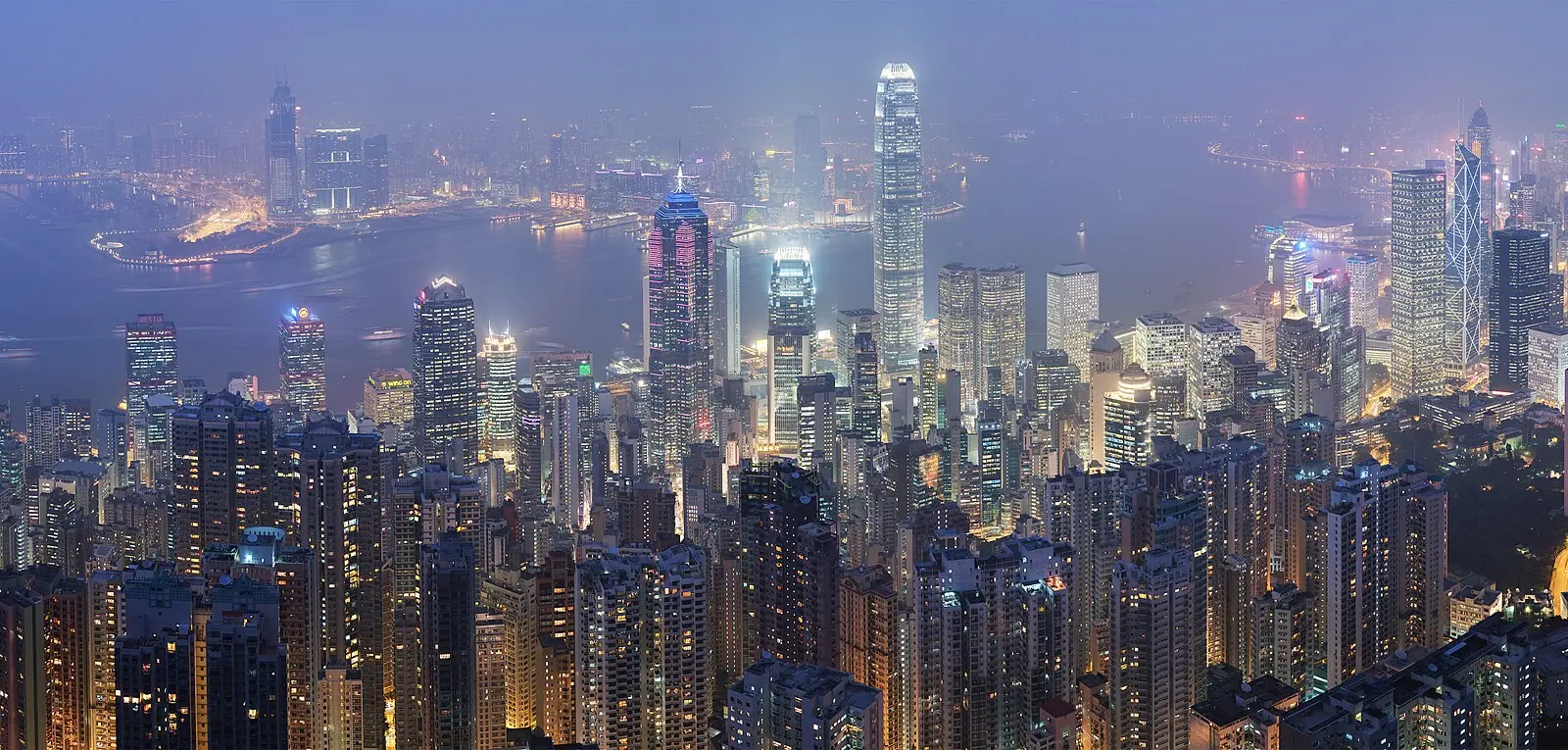
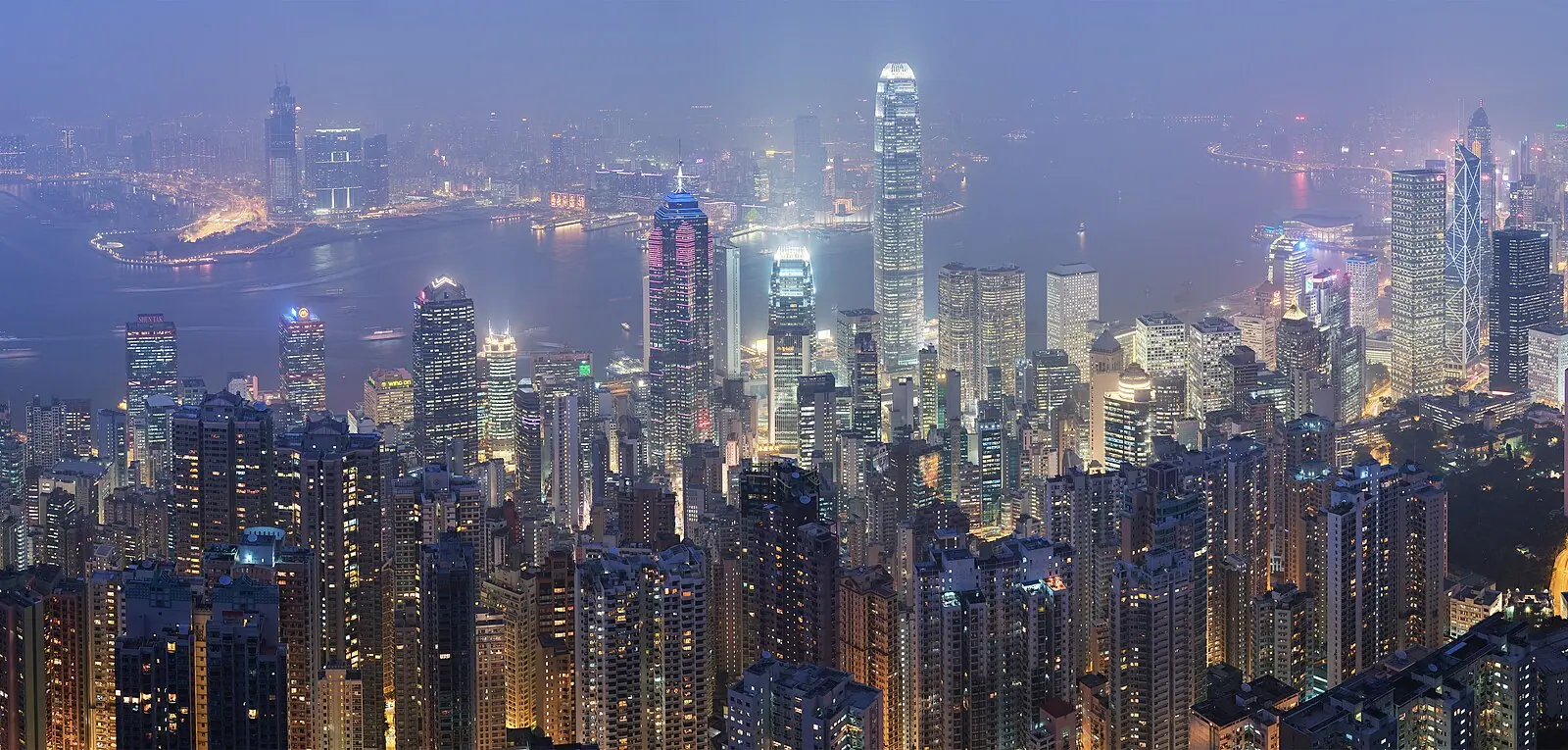
Hong Kong packs skyscraper canyons, incense-heavy temples, typhoon-swept beaches and a harbour that glitters after dark into a territory you can cross by train in under an hour. Where you sleep decides what you see first each morning, so choose your patch of the city deliberately. This guide walks through the districts worth booking, what each one feels like at 7am and 11pm, and the landmarks you should build your days around.
Choosing Your Base: Hong Kong Island vs Kowloon
Most first visits come down to a simple fork: the north shore of Hong Kong Island or the southern tip of Kowloon. Hong Kong Island means Central, Admiralty, Wan Chai and Sheung Wan — finance towers, tram tracks, steep escalators and streets that smell of roast goose and wet stone. Kowloon means Tsim Sha Tsui, Jordan and Mong Kok — denser, louder, brighter, with the best viewing angle back towards the island's skyline. Both are served by the same metro network, and crossing the harbour takes about ten minutes on the trains or a breezy ride on the historic cross-harbour ferries that still chug between Central and Tsim Sha Tsui.
If you want harbour views from your pillow, book Tsim Sha Tsui's waterfront strip, where room rates climb with the floor number and windows frame the whole island skyline. If you would rather step out into cafés, cocktail bars and gallery spaces, aim for Sheung Wan or the mid-levels above Central. Families and repeat visitors often prefer Wan Chai for its wider pavements, tram stops and easy access to Hong Kong Park and the ferries.
Room sizes are the trade-off everywhere. A 'deluxe' in Hong Kong is often what a mid-range room looks like elsewhere, so read the square-metre figure rather than the marketing language. Sea-view rooms command a real premium at weekends and during the October–December high season; the same room can be noticeably cheaper on a Tuesday in late August, when humidity and afternoon downpours keep the crowds indoors.
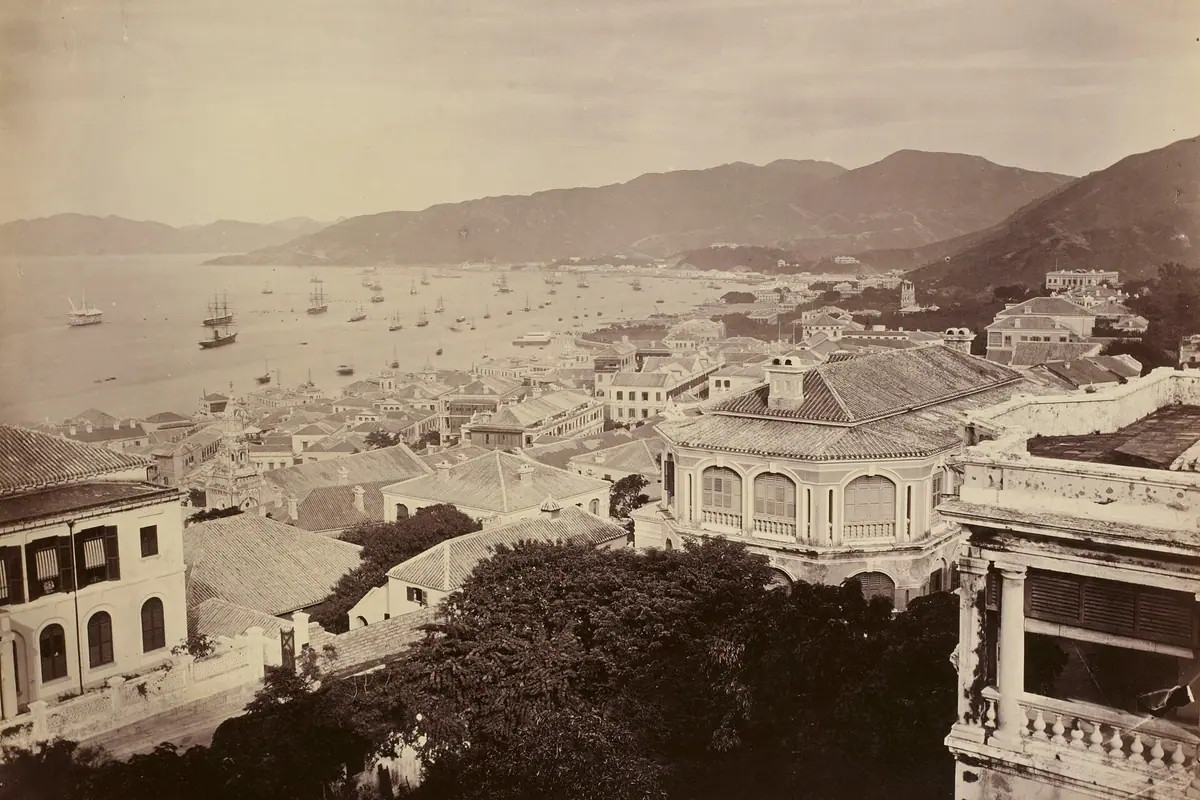
Central, Sheung Wan and the Peak District
Staying on Hong Kong Island puts you underneath Victoria Peak, the 552-metre ridge that defines the city's geography. The historic funicular climbs from Garden Road to the Peak terminus in around eight minutes, and the Sky Terrace and Lugard Road loop give you the postcard panorama over Central's towers and the harbour beyond. Go early, before 9am, or after 8pm, when the queues thin and the lights come on.
Down at street level, Central mixes colonial leftovers with glass. Statue Square and the flag-raising plaza sit beside the Cenotaph, while Man Mo Temple in neighbouring Sheung Wan is a different century entirely — coils of incense hang over the altar, and the air is thick and sweet. Ten minutes' walk away, the streets of SoHo and Lan Kwai Fong handle dinner and drinks, and the mid-levels escalator, one of the longest outdoor covered escalator systems anywhere, ferries commuters and visitors uphill for free.
Sheung Wan and Sai Ying Pun suit travellers who want a neighbourhood rather than a resort: dried-seafood shops, third-wave coffee, small design hotels and easy tram access to everywhere. Kennedy Town, further west on the island line, is quieter and cheaper, with a seafront promenade that locals use for jogging at dusk. Wan Chai sits in between, handy for the Hong Kong Convention and Exhibition Centre and for the Star Street pocket of restaurants behind it.
Practical rhythm: book Hong Kong Island if your days are built around Victoria Peak, the Central museums and business meetings, and expect to pay for the privilege. Minimum stays of two or three nights are common at boutique properties during peak periods, so check policies before you commit.
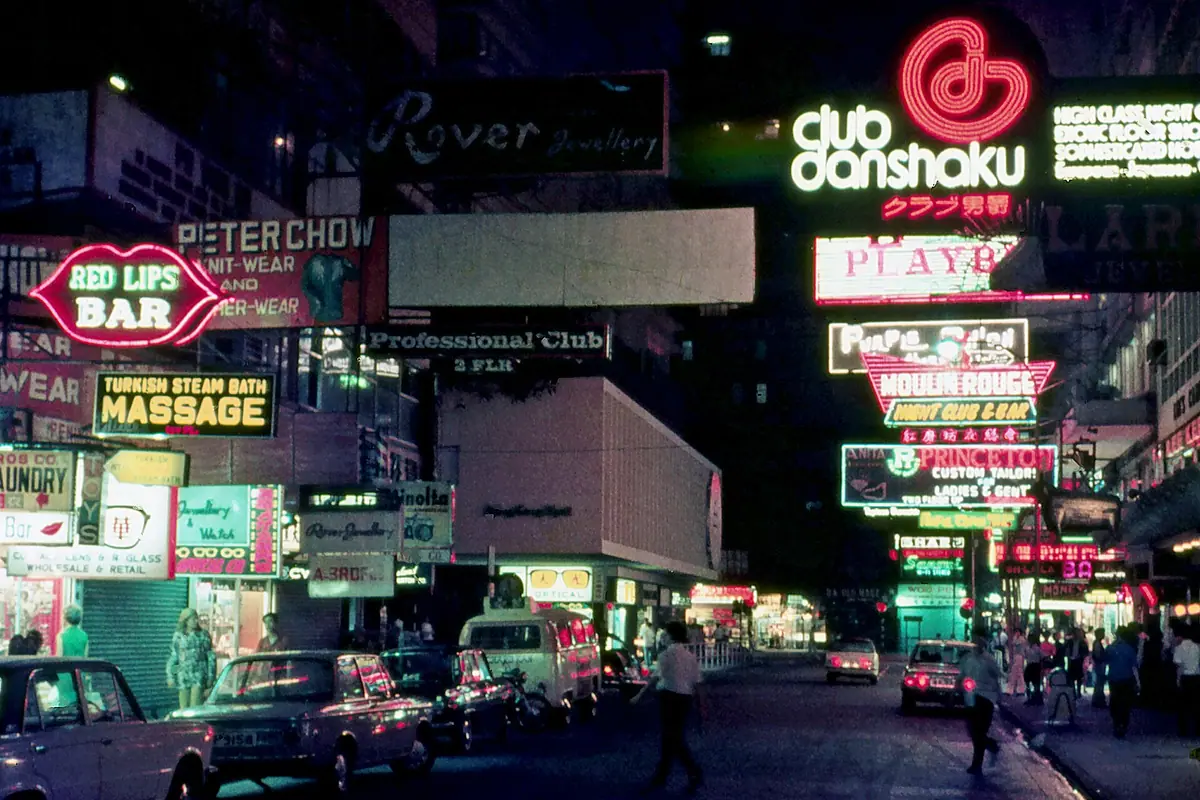
Tsim Sha Tsui and Kowloon's Waterfront
Kowloon's southern tip is the city's front row. The Tsim Sha Tsui Promenade runs from the Clock Tower — the last remnant of the old railway terminus — past the Hong Kong Museum of Art and the Hong Kong Space Museum towards the Avenue of Stars, where handprints of film stars line the railings and the nightly light-and-sound show across the water draws crowds at 8pm. This is the view everyone photographs: the island's towers reflected in Victoria Harbour, with ferries crossing in between.
Hotels here range from grand heritage properties with afternoon tea in the lobby to compact business towers a block off Nathan Road. The advantage is walkability: you can reach the Star Ferry piers, the museums, and the shopping along Canton Road on foot, and the metro from Tsim Sha Tsui puts the whole territory within reach. Rooms facing the harbour cost more; rooms facing Nathan Road are cheaper but never quiet.
Push north and Kowloon changes character. Jordan and Mong Kok are market territory — the Temple Street Night Market for fortune-tellers, claypot rice and trinkets, and the Ladies' Market on Tung Choi Street for clothes and bags. Further out, Wong Tai Sin Temple draws crowds for its fortune sticks, while the Chi Lin Nunnery and Nan Lian Garden offer a startlingly serene Tang-style complex of timber halls and raked gravel amid the tower blocks. All are straightforward metro hops from a Tsim Sha Tsui base.
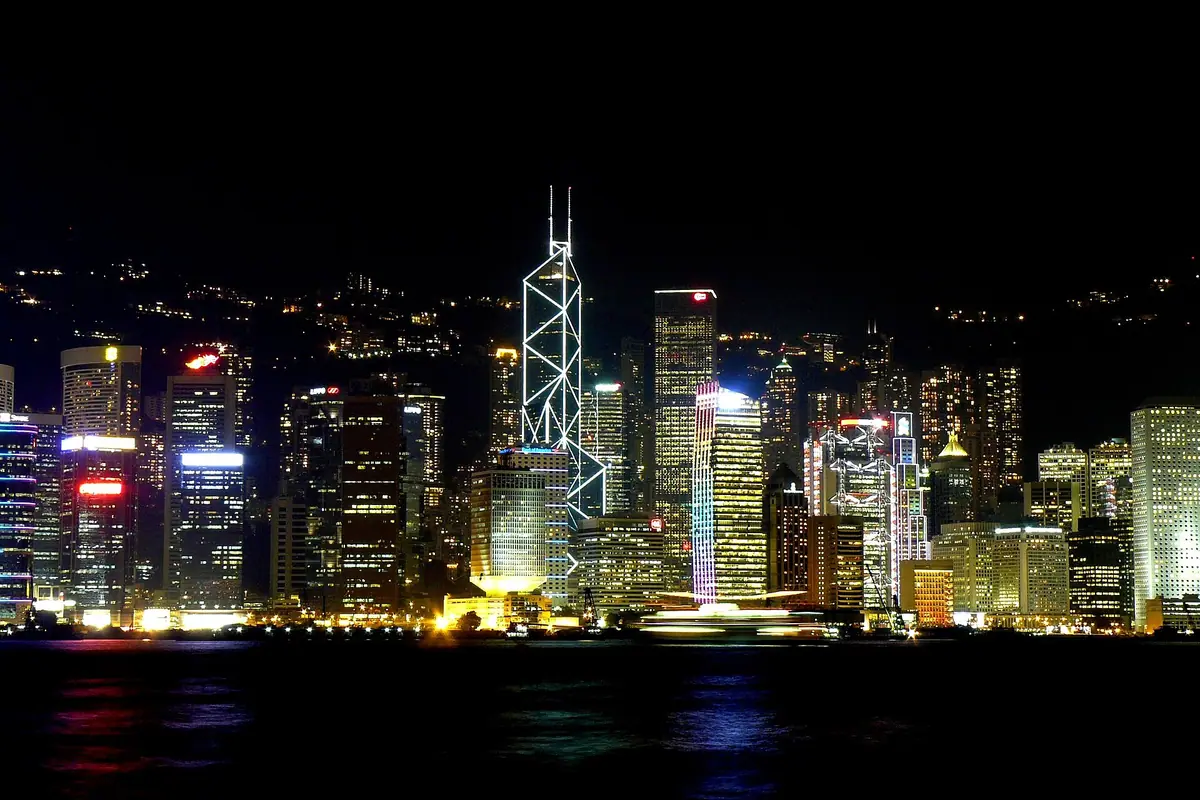
Lantau, the Outlying Islands and Resort-Style Stays
If you want space, water and a slower pace, look beyond the urban core. Lantau, the territory's largest island, is reached by metro or by the long cable car that swings over the hills to Ngong Ping. There, the Tian Tan Buddha — the seated bronze figure known simply as the Big Buddha — sits at the top of 268 steps, with Po Lin Monastery below serving vegetarian meals to visitors. The fishing village of Tai O, built on stilts over tidal creeks, is another half-hour by bus and feels like a different era.
Resort hotels cluster on Lantau's coasts and around Discovery Bay, and on the southern side of Hong Kong Island at Repulse Bay and Stanley, where beaches, a market and seaside restaurants make a gentle counterpoint to Central's density. These are good bases for families, for anyone staying a week or more, or for travellers who want a pool and a garden after a day of sightseeing.
The catch is time. A beach hotel can mean forty to sixty minutes each way into the city, plus a taxi or shuttle at the end of the night. The airport rail link and the metro make Lantau workable, but if your itinerary is temple-and-market heavy, stay central and day-trip out instead. Sai Kung, on the eastern New Territories coast, is the launch point for boat trips to secluded beaches and geopark rock formations — wonderful, but best paired with a car or a very patient bus habit.
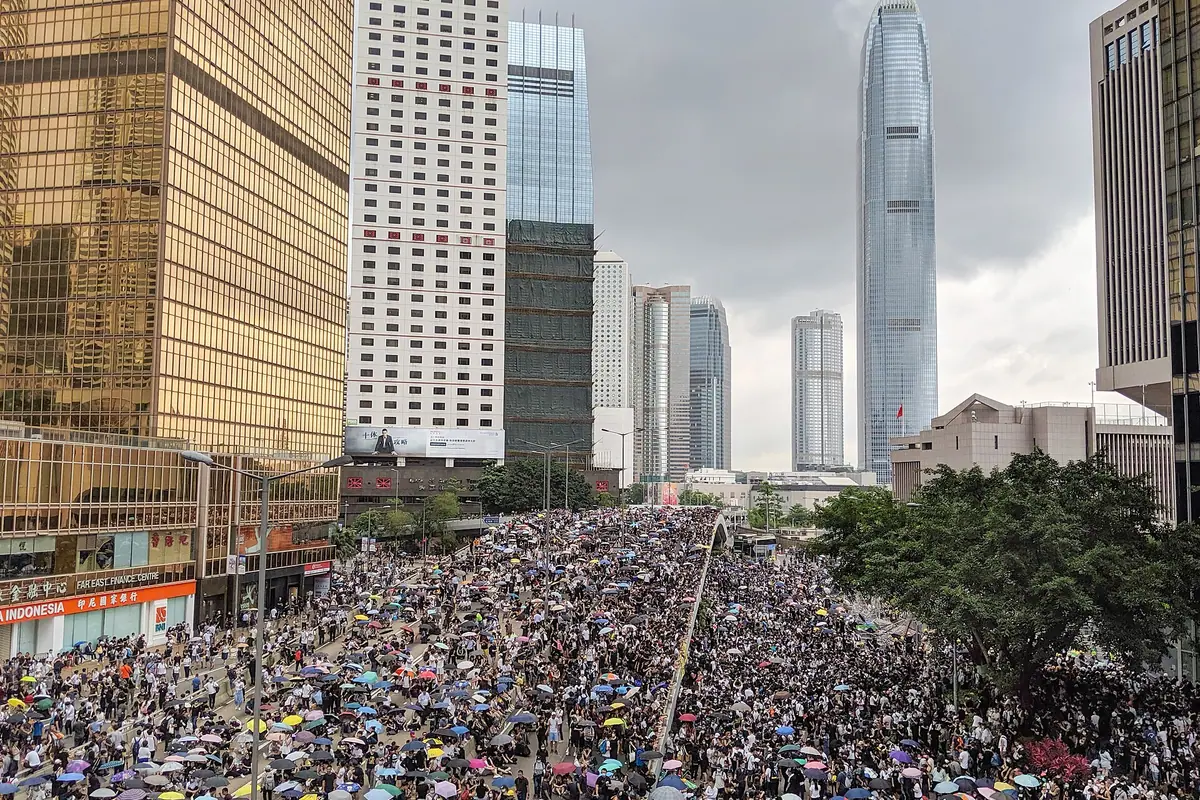
Luxury, Boutique or Budget: What Your Money Buys
Hong Kong's hotel ladder is unusually steep. At the top, harbour-front grand dames and glassy towers offer butler service, rooftop infinity pools, multiple restaurants and views straight at the skyline — and they charge accordingly, especially over New Year, Chinese New Year and the autumn trade-fair weeks. Mid-range means international four-star chains and well-run local properties a few streets back from the water, usually with a small gym, a compact pool and a breakfast buffet that covers both congee and croissants.
Boutique is where the city shines. Converted warehouses in Sheung Wan, former residential blocks in Wan Chai and design-led townhouses in Sai Ying Pun deliver character, decent coffee downstairs and rooms that, while small, are cleverly planned. Budget travellers have two main options: guesthouses and hostels in Chungking Mansions and Mirador Mansions in Tsim Sha Tsui, and newer capsule-style properties scattered along the metro. Both are cheap, safe enough if you read recent reviews carefully, and often surprisingly well located.
A few money-saving habits help. Rates drop sharply on Sunday and Monday nights outside holiday periods. Booking directly sometimes unlocks late checkout or breakfast, but comparison still matters. And note that many hotels quote in Hong Kong dollars with a service charge added on top — check what is included before you decide.
For longer stays, serviced apartments in Kennedy Town, North Point or Kowloon's Hung Hom offer kitchens and weekly rates that undercut hotels by a wide margin. They usually require a minimum stay of a week or a month, which suits remote workers and slow travellers.
When to Go and How to Get Around
The sweet spot is October to early December: temperatures in the low twenties, low humidity, clear skies and the best chance of sharp photos from Victoria Peak. March and April are also pleasant but hazier and wetter. Summer, roughly June to September, is hot, sticky and inside typhoon season — when a typhoon signal goes up, ferries stop, flights are delayed and museums and malls become the day's plan. Hotel prices soften in July and August, but so does the weather.
Getting around is the easy part. The metro is fast, air-conditioned, signposted in English and cheap; a stored-value transit card tapped at the gates covers trains, buses, trams and ferries, and can be topped up at convenience stores. The double-decker trams on Hong Kong Island are slow, cheap and the best sightseeing you will find for pocket change. Taxis are metered and plentiful, though drivers may not speak much English — have your destination written in Chinese.
Build your days around geography rather than a checklist. Pair Victoria Peak with Central and Sheung Wan on one day; keep Tsim Sha Tsui's promenade, museums and Temple Street for another; give Lantau a full day for the Big Buddha, Po Lin Monastery and Tai O; and save a half-day for Wong Tai Sin Temple, Chi Lin Nunnery and the Nan Lian Garden. Two nights is enough for a taster, four or five lets you breathe, and a week means you can add Repulse Bay, Stanley and a boat trip from Sai Kung without sprinting.
Frequently asked questions
Which area of Hong Kong is best for first-time visitors?
Tsim Sha Tsui in Kowloon is the easiest introduction: you can walk to the waterfront promenade, the Clock Tower, the Avenue of Stars and several museums, and the nightly harbour light show happens right in front of you. Hong Kong Island's Central and Sheung Wan suit travellers who prefer cafés, temples and easy access to Victoria Peak and the historic funicular.
How much do Hong Kong hotels cost per night?
It varies enormously by district, season and view. Budget guesthouses and capsule hotels are the cheapest, mid-range four-star properties sit in the middle, and harbour-view luxury towers at the top. Rates spike around Chinese New Year, New Year's Eve and major trade fairs, and fall on Sunday and Monday nights outside holiday periods.
When is the best time to visit Hong Kong?
October to early December offers the most comfortable weather, with lower humidity, cooler temperatures and clearer views from Victoria Peak. March and April are mild but often hazy. June to September is hot, wet and typhoon-prone, though hotel prices are lower and indoor attractions like the Hong Kong Museum of Art stay open.
Do I need to stay on Hong Kong Island to see the main sights?
No. The metro and the cross-harbour ferries link Kowloon and Hong Kong Island in around ten minutes, so a base in Tsim Sha Tsui reaches Central, Victoria Peak, Man Mo Temple and the Wan Chai waterfront easily. Kowloon is often slightly cheaper and gives you the better skyline view at night.
Are there good budget hotels in Hong Kong?
Yes, mainly in Tsim Sha Tsui, Jordan, Mong Kok and around North Point. Expect small rooms, few frills and occasionally shared bathrooms, so read recent guest reviews and check the exact address against the metro map. Serviced apartments in Kennedy Town or Hung Hom are a better value option for stays of a week or longer.
Sort the rest of your trip
Everything for Hong Kong, in one place
Transfer in Hong Kong
Private driver waiting on arrival — no queues, no surprises.
Book a transfer
Things to do in Hong Kong
Skip-the-line tickets, guided tours and standout experiences.
See experiences
Stay online in Hong Kong
Travel eSIM — data the moment you land, no roaming bills.
Get an eSIM