Hong Kong rewards the traveller who arrives hungry and walks everywhere. In one morning you can sip milk tea in a marble-topped booth, ride a rattling tram past a wet market, and stand beneath the bronze Big Buddha on a Lantau hillside. This guide maps the food, culture and local rituals worth building a first trip around, plus the landmarks that genuinely earn their fame.
A City That Eats Around the Clock
Hong Kong is less a city with restaurants than a city with architecture between its meals. Cantonese cooking is the bedrock: fast, clean-flavoured and obsessed with freshness, from steamed fish pulled live from a tank to noodles blanched for exactly the right number of seconds. Layered on top are British tea habits that became the cha chaan teng, Chiu Chow and Shanghainese communities with their own dumplings and braised dishes, and Southeast Asian cooks who added coconut, chilli and lemongrass. Meals start at dawn with congee and end after midnight with wonton soup.
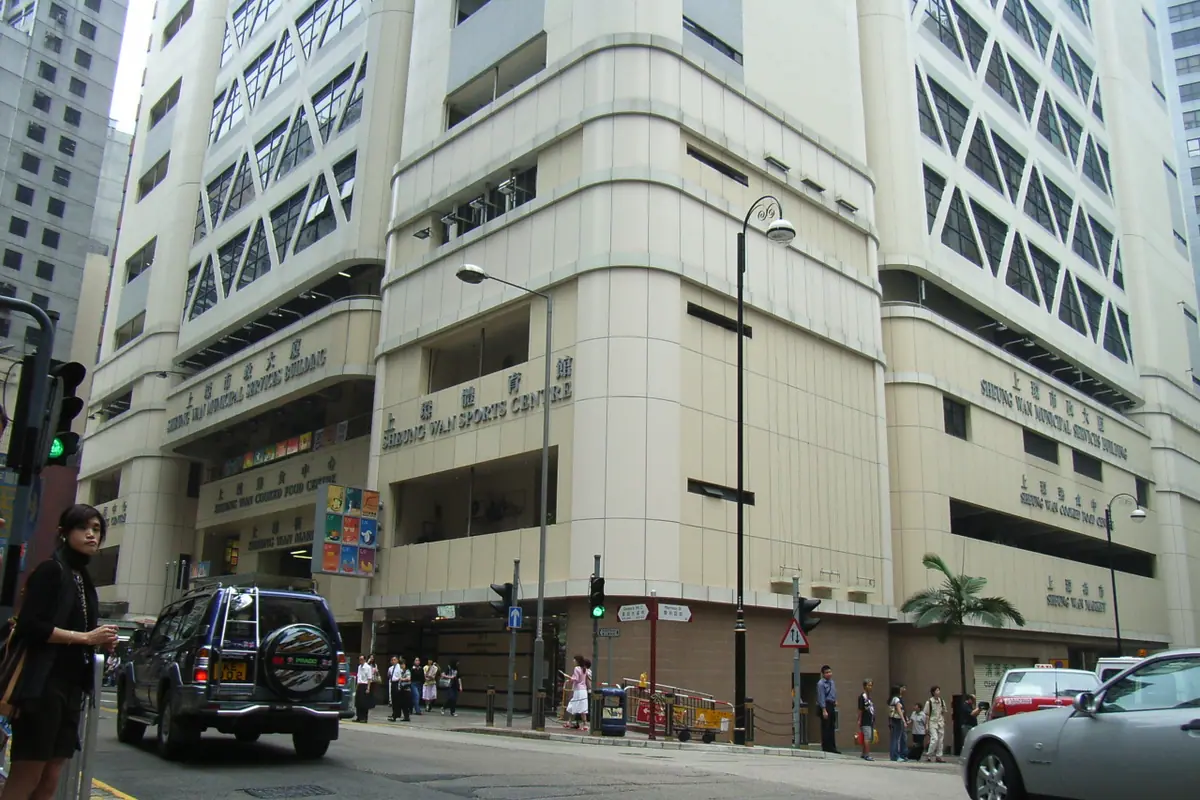
The cha chaan teng is where local daily life is most visible: a crowded, tiled room with shared tables, where you order Hong Kong-style milk tea, a warm pineapple bun with a slab of butter, macaroni soup with ham, or thick French toast drenched in syrup. For something older and rougher, seek out the dai pai dong open-air stalls and the cooked-food centres above wet markets, where plastic stools, fluorescent light and roaring woks are part of the flavour.
Timing matters. Locals eat lunch between noon and 2pm and dinner between 6.30pm and 9pm, so a 5pm meal means empty rooms and full attention. Nobody lingers over a solo seat at peak hours, and queuing is normal and quick. Keep small notes for stall vendors, and expect a bowl of noodles, a plate of roast goose or a paper bag of egg tarts to be eaten standing up, on the pavement, within minutes of purchase.
Dim Sum Mornings and the Ritual of Yum Cha
Dim sum is a morning institution, not a lunch date. The best rooms open as early as 6.30am and fill with families, retired regulars reading newspapers and office workers grabbing a quick steamer before work. Order har gow, siu mai, char siu bao, cheung fun rice rolls, turnip cake and chicken feet, and expect the classics to arrive within minutes. Older tea houses still wheel trolleys between tables; in newer places you tick a paper card, which is far easier if you do not speak Cantonese.
The ritual has rules worth knowing. A pot of tea is poured for the table, the first splash used to rinse your bowl and chopsticks. When someone refills your cup, tap two fingers on the table in thanks. If you are new to the format, aim for two or three dishes per person, order in waves rather than all at once, and finish with a baked egg tart or a mango pudding. Most kitchens wind down by early afternoon, so late risers miss the best of it.
Neighbourhoods matter as much as menus. Central and Sheung Wan hold the old-school rooms and restored heritage buildings; Mong Kok and Sham Shui Po are louder, cheaper and more everyday. Weekend mornings bring long queues at the famous addresses, so a weekday visit is worth rearranging a schedule for. Afterwards, walk it off through the wet markets and dried-seafood shops of Sheung Wan, where the smell of ginseng and salted fish is its own kind of introduction.
Street Food Trails Through Kowloon
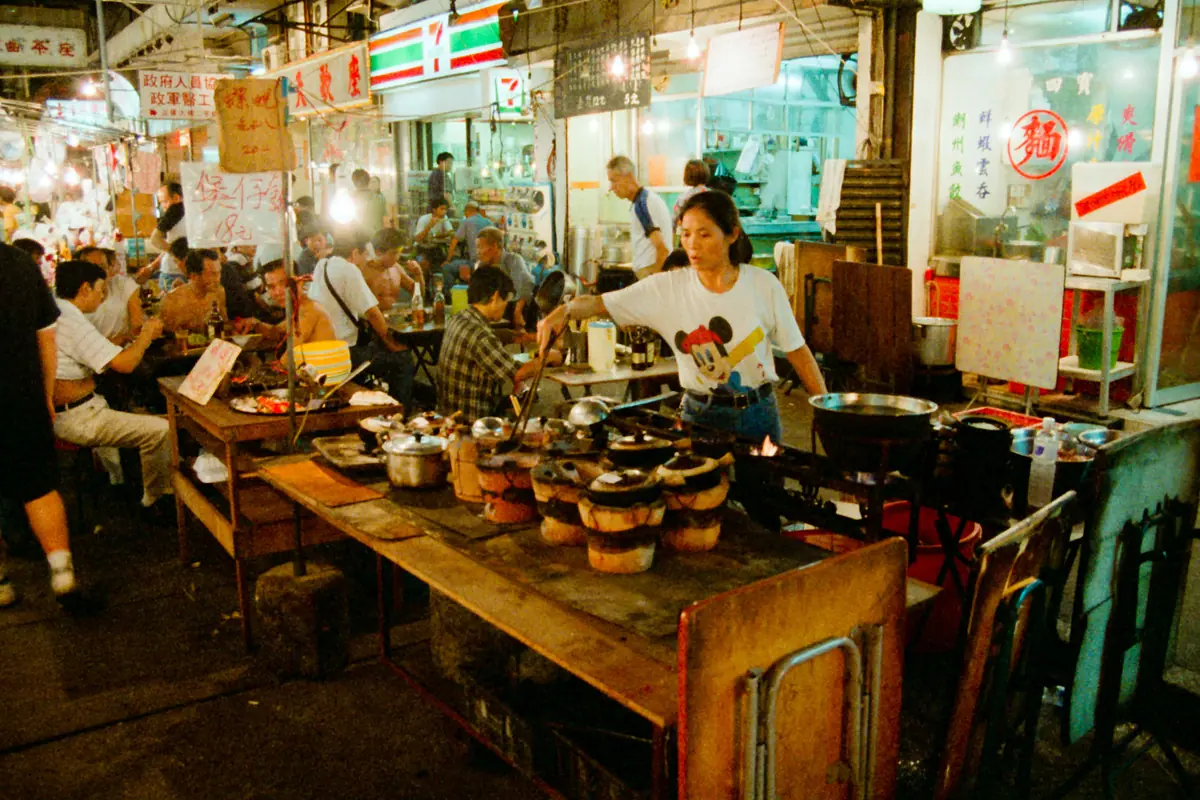
The most satisfying eating in Hong Kong happens on foot, between the Jordan, Yau Ma Tei and Mong Kok metro stops. Temple Street Night Market is the classic starting point, setting up from late afternoon and running to around midnight, with stalls selling everything from mobile-phone cases to claypot rice, and fortune tellers working under the trees. Come after 7pm for the full spectacle, and walk the parallel streets rather than only the main drag.
Work your way north through the food stalls and small shops: curry fish balls on skewers, deep-fried squid, stinky tofu, fishball soup, egg waffles eaten hot from the mould, sugar-cane juice, and roasted chestnuts when the weather turns cool. The Ladies' Market on Tung Choi Street covers similar ground for souvenirs, while Yau Ma Tei's fruit market is at its best at dawn, when delivery trucks unload and the wholesale trade takes over the pavements.
Eat where the queue is local and turnover is fast, and avoid anything sitting under a heat lamp. Winter brings the best street eating: claypot rice with cured sausage, hot sweet soup, and braised snacks served from bubbling pots. Summer is about cold drinks, mango desserts and air-conditioned escapes. Either way, this is a walking district, so wear shoes you can stand in for three hours and keep a paper map offline, because the lanes twist in ways that apps handle badly.
The Classic Landmarks: Peak, Harbour and Skyline
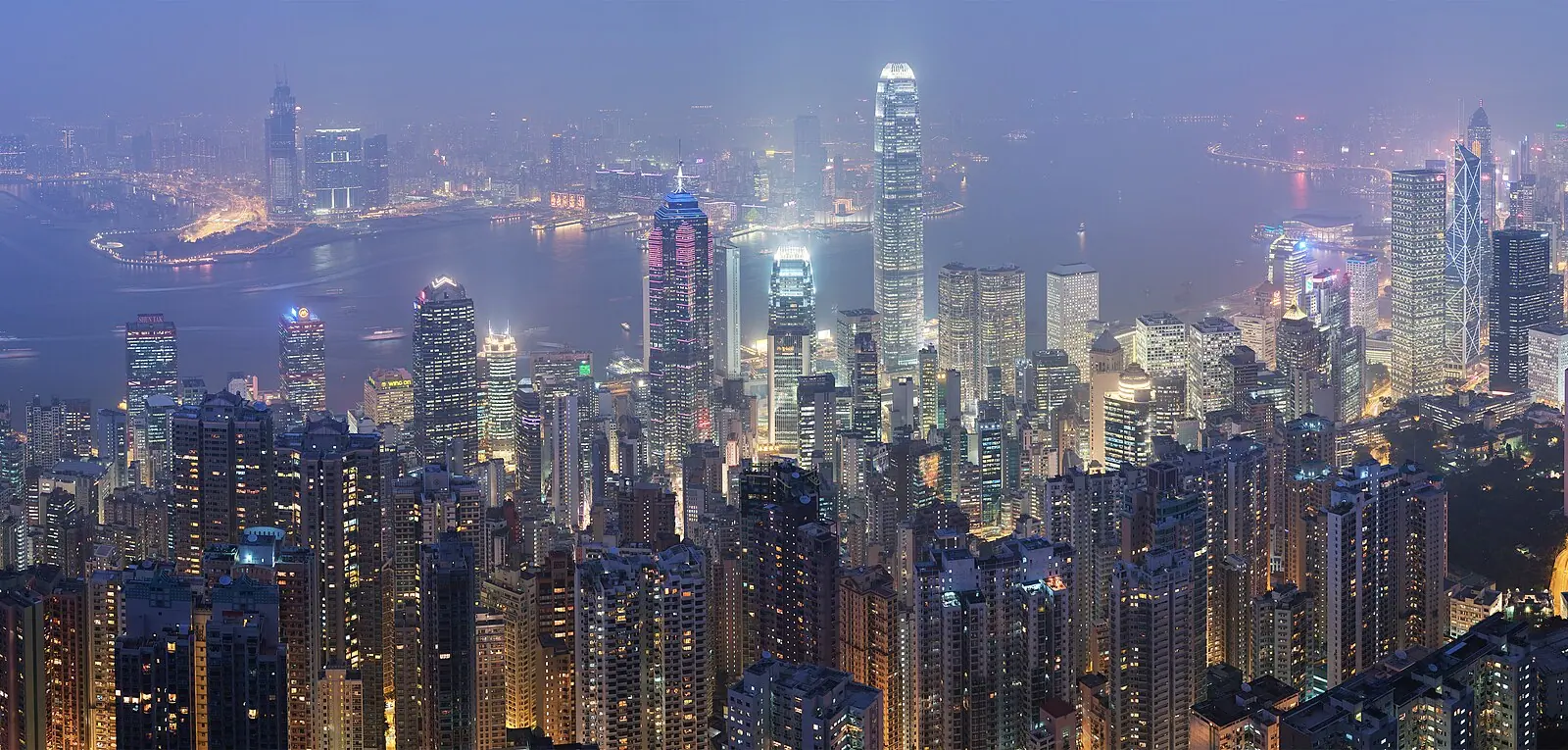
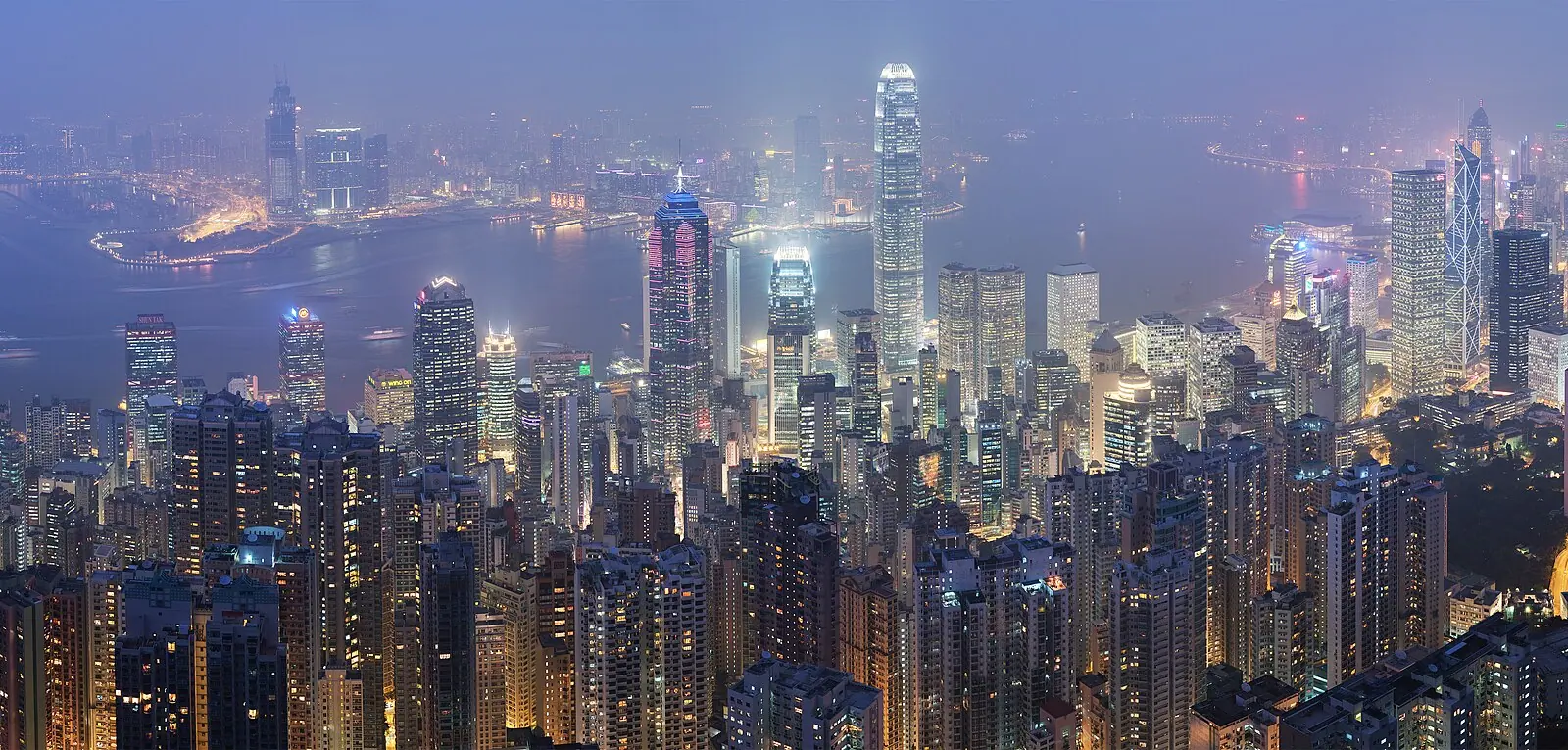
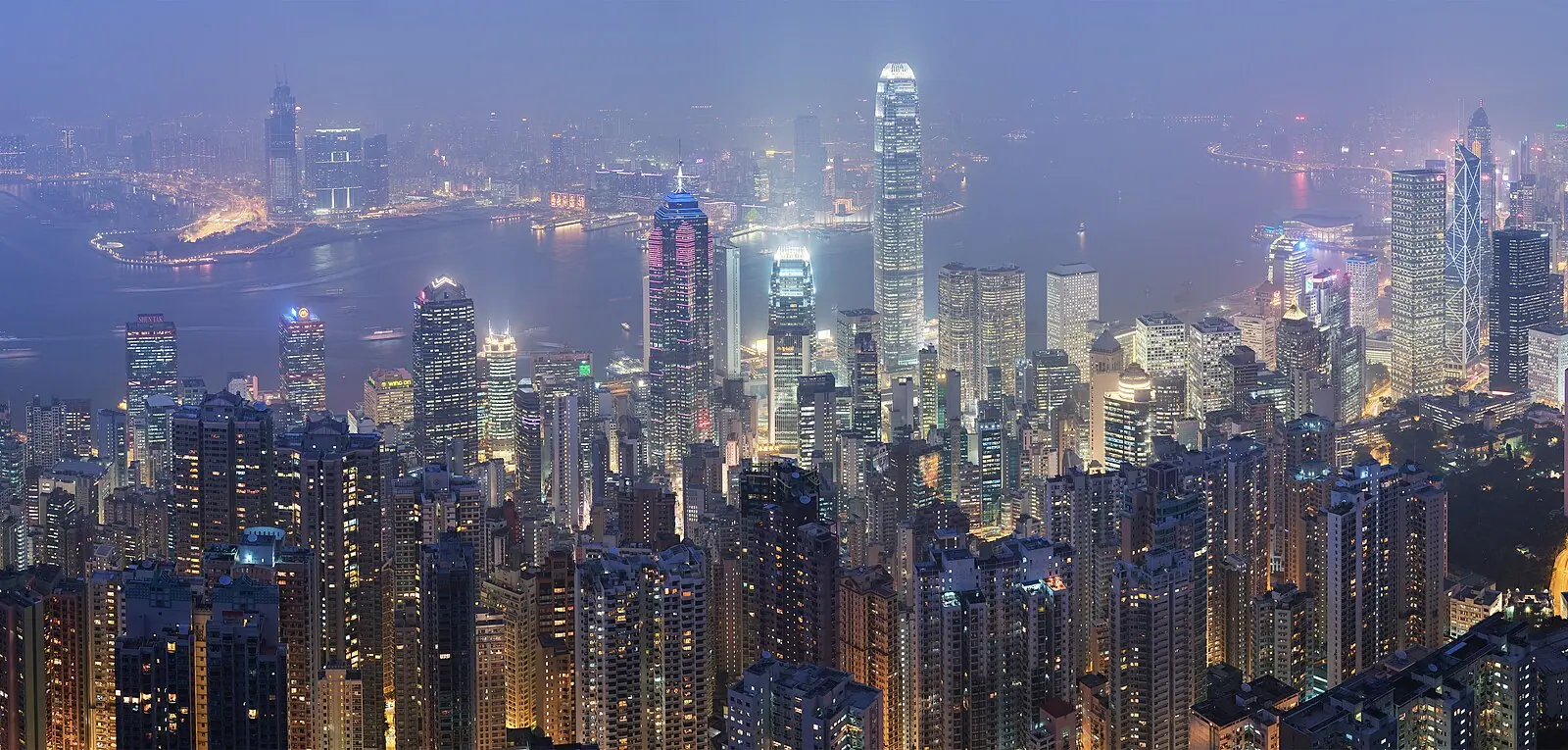
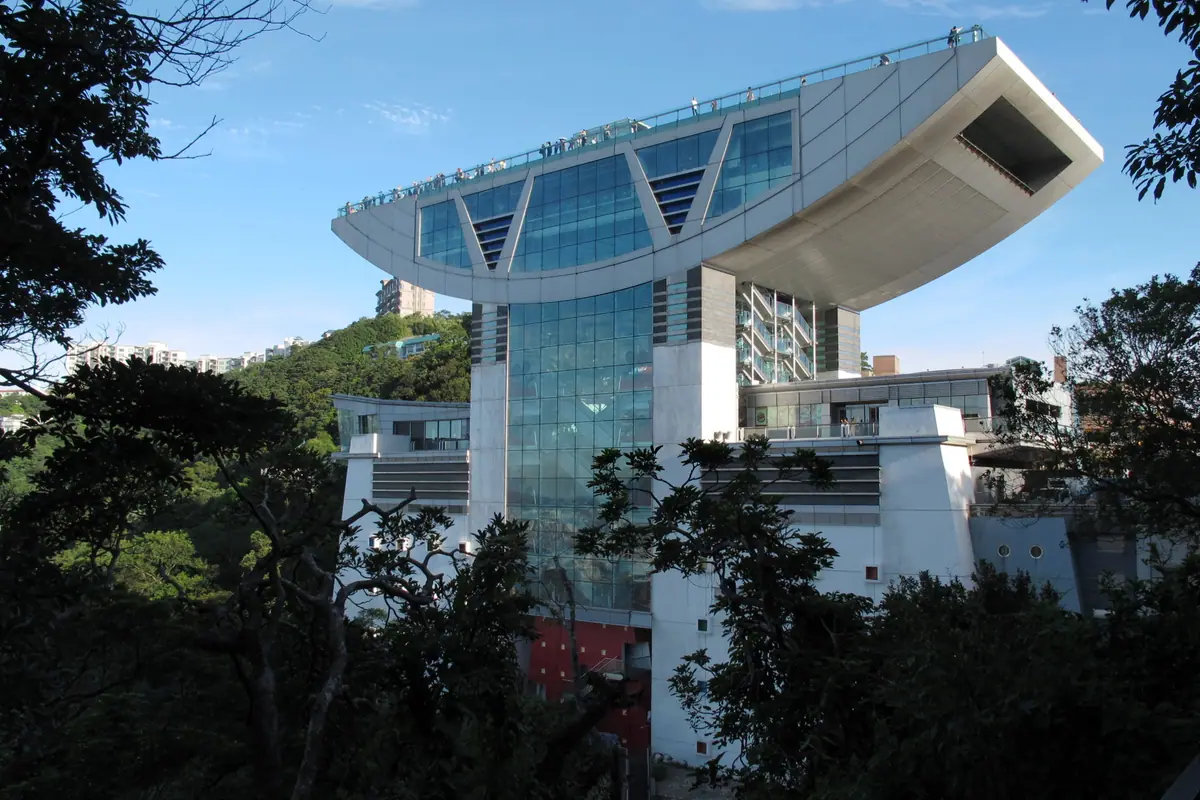
Start with Victoria Peak, reached by the historic Peak Tram from Central, which climbs at an angle steep enough to make buildings look like they are falling over. The terrace at the top delivers the postcard view across the harbour to Kowloon, best just after sunrise or after 8pm when the towers light up. The flat Lugard Road loop around the peak takes about an hour and gives you the same skyline with almost nobody in it.
The Star Ferry between Central and Tsim Sha Tsui costs a few coins and lasts under ten minutes, and it remains the most romantic commute in Asia. From the Tsim Sha Tsui promenade you get the Clock Tower, the Avenue of Stars and a front-row view of the nightly Symphony of Lights at 8pm, when dozens of skyscrapers coordinate their lighting. Nearby, the Hong Kong Museum of History explains the city in a single visit, while the West Kowloon Cultural District pairs the M+ museum and the Hong Kong Palace Museum with lawns and waterfront sunsets.
Practical notes: the tram queue peaks between 10am and 4pm and can swallow an hour, so go early or take a bus or taxi up and ride the tram down. Harbour crossings are cheapest and calmest outside rush hour. The light show runs nightly but is cancelled in bad weather, and the promenade gets windy even in summer, so carry a light layer after dark.
Temples, Heritage and the Old Quarters
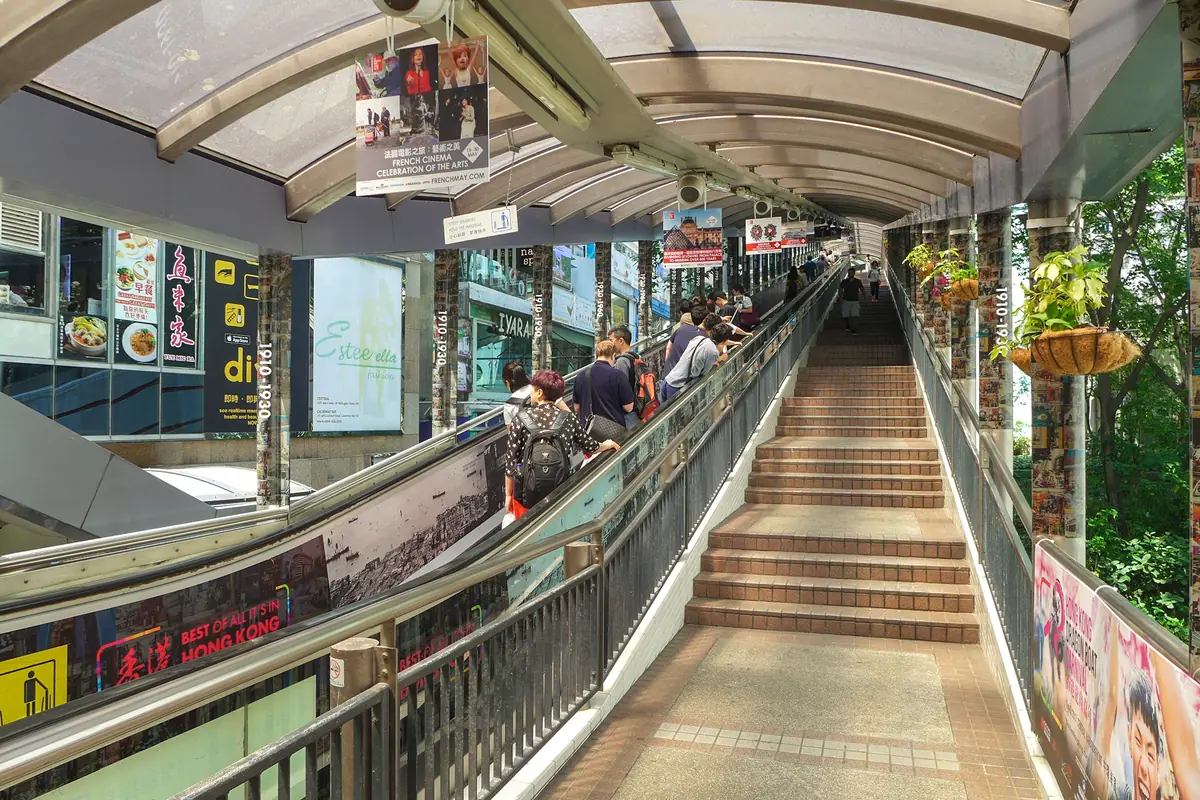
Man Mo Temple in Sheung Wan is the city's most atmospheric interior, its ceiling hung with giant incense coils that fill the air with sandalwood smoke. Around it, Hollywood Road and Cat Street form Hong Kong's antique and curio quarter, while the Central-Mid-Levels Escalator stitches the hillside together and drops you into the bar-and-gallery lanes of SoHo. A short walk away, the former police compound known as Tai Kwun has been reborn as a heritage and contemporary-art site with courtyards, cells and exhibition halls.
Cross the harbour for the spiritual side of Kowloon. Wong Tai Sin Temple draws crowds of worshippers and a row of fortune tellers, and Chi Lin Nunnery with the adjoining Nan Lian Garden in Diamond Hill is a serene Tang-style complex of timber halls built without a single nail. Kowloon Walled City Park, on the site of the demolished enclave, tells one of the strangest stories in modern urban history. All three are quiet on weekday mornings.
Rainy days are made for the museum belt: the Hong Kong Museum of History in Tsim Sha Tsui, the Hong Kong Museum of Art by the waterfront, and the heritage trails of Stanley and Central. Whatever you choose, respect the etiquette: dress modestly in temples, do not photograph people praying without asking, and step aside rather than blocking the altar. Offerings of fruit and incense are for worshippers, not souvenirs.
Island Escapes and Green Hong Kong
Lantau delivers Hong Kong's biggest single attraction. A cable car from Tung Chung climbs over the bay to Ngong Ping, where the Tian Tan Buddha sits above Po Lin Monastery. Climb the 268 steps for harbour-and-hills views, then eat a vegetarian lunch in the monastery and ride a local bus to Tai O, a fishing village of stilt houses where boat trips thread past homes built over the water. Go on a weekday, and check cable-car maintenance closures before setting out, as they are scheduled regularly.
The outlying islands are the antidote to the skyline. Cheung Chau is a car-free hour by ferry from Central, with seafood restaurants, bicycles for hire and, in May, the chaotic Bun Festival with its towering bun-covered towers and parade. Lamma lies about 30 minutes offshore and offers a gentle three-hour trail between the villages of Yung Shue Wan and Sok Kwu Wan, ending at a waterfront seafood table. Both are easy half-day trips.
On the mainland side, Sai Kung is the gateway to the geopark and to seafood tanks that line the promenade, while the Dragon's Back hike above Shek O takes two to three hours and pays off in coastal views without much climbing. Stanley, Repulse Bay and the southern beaches fill a lazy afternoon. The best months for all of it are October to December, when the air is dry and temperatures sit near 20 to 28 degrees, with March and April a good second window. July to September brings heat, humidity and typhoon season, so keep plans flexible and check for storm signals before any outdoor day.
Frequently asked questions
How many days do I need in Hong Kong to cover food, culture and the main sights?
Four to five days is the sweet spot. That allows two days for Hong Kong Island and Victoria Peak, one full day in Kowloon for the markets, temples and the harbour promenade, and a day for Lantau or one of the outlying islands. Add a sixth day if you want Sai Kung, hiking or a slower museum morning.
What is the best time of year to visit for food and festivals?
October to December is the most comfortable window, with dry, mild weather and ideal street-food conditions. March and April are also pleasant. Festival highlights include Lunar New Year in January or February, the Cheung Chau Bun Festival in May, Dragon Boat races in June and the Mid-Autumn lantern celebrations in September or October.
Can I eat well without speaking Cantonese?
Yes. In Central, Sheung Wan and Tsim Sha Tsui, many menus carry English and staff often speak enough to help. In older dim sum houses and street stalls, point at what others are eating, use tick-sheet ordering cards, or learn the words for tea, water and the bill. Photos on stall fronts do most of the work.
How do I get around, and should I use taxis?
The metro, trams and ferries cover almost everything a visitor needs, and a stored-value transit card makes them effortless. Trams are slow and scenic; ferries are the cheapest harbour crossing. Taxis are affordable and useful late at night or in the rain, but drivers may not speak English, so have your destination written in Chinese characters.
Is street food safe to eat, and how much should I tip?
Street food is generally safe when the stall is busy and the food is cooked to order in front of you. Avoid pre-fried items sitting under lamps and stick to high-turnover spots. Tipping is not expected, though restaurants often add a service charge, and rounding up a taxi fare is a friendly gesture rather than a requirement.
Sort the rest of your trip
Everything for Hong Kong, in one place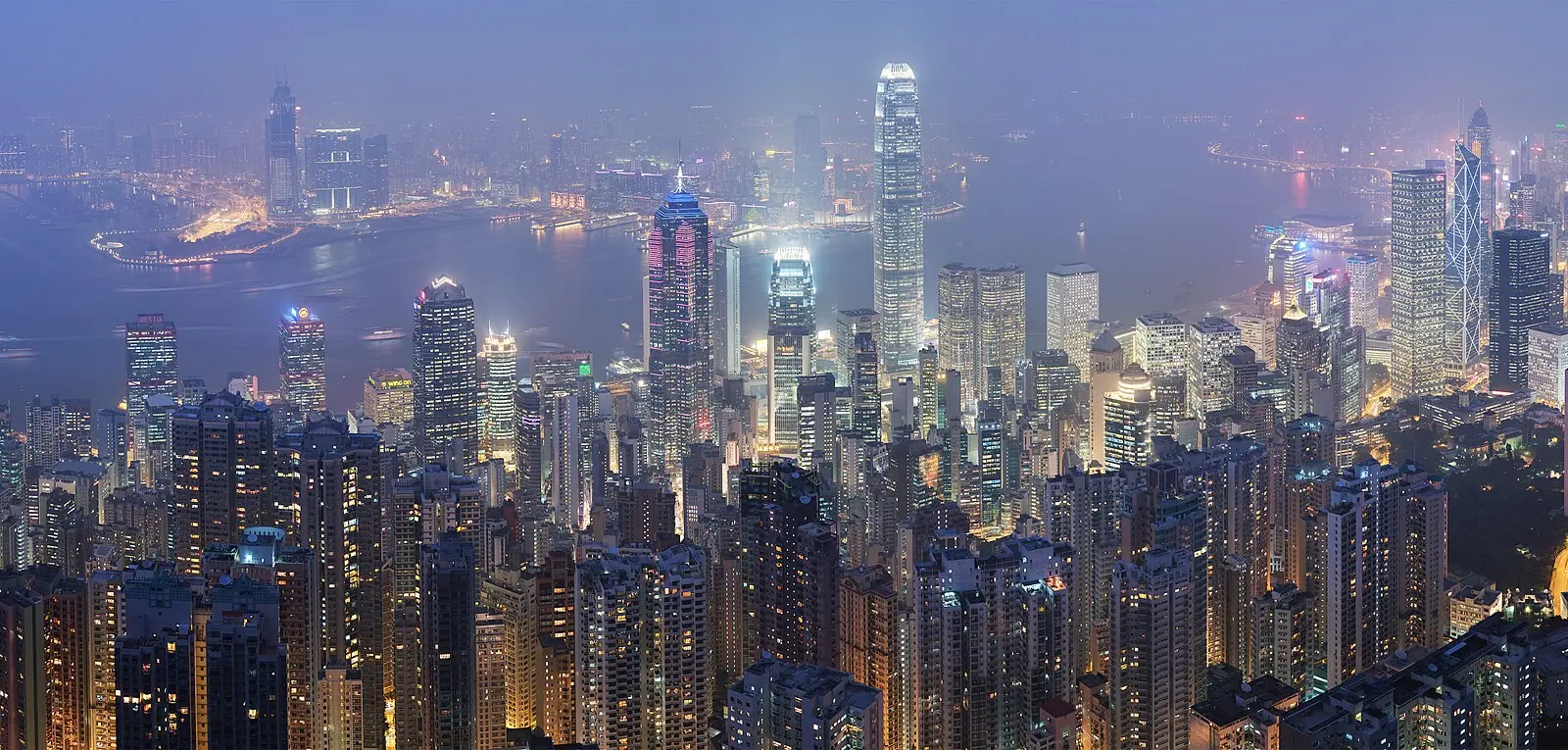
Stay in Hong Kong
Hotels, guesthouses and apartments — compared in one search.
Search hotels
Transfer in Hong Kong
Private driver waiting on arrival — no queues, no surprises.
Book a transfer
Stay online in Hong Kong
Travel eSIM — data the moment you land, no roaming bills.
Get an eSIM