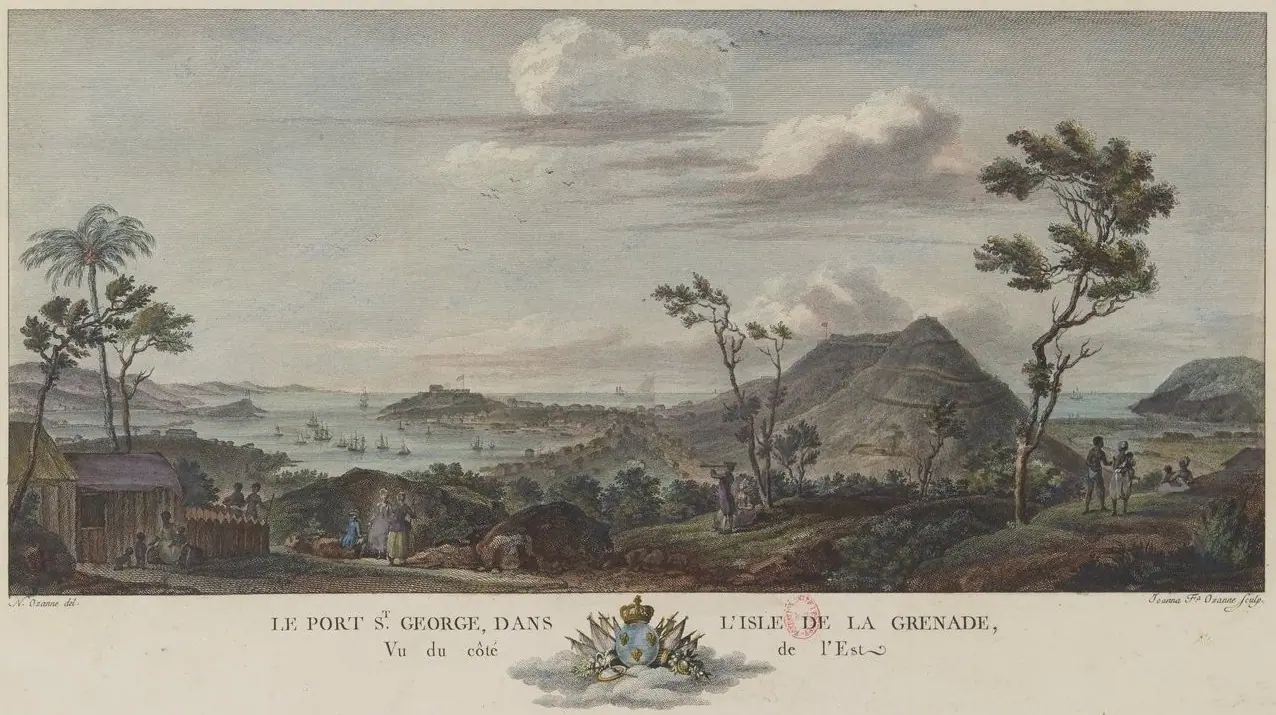
You smell Grenada before you see it: nutmeg drifting off the hillsides and into the streets of St George's, where pastel warehouses lean over a horseshoe harbour. Beyond the capital, the Isle of Spice packs rainforest, crater lakes, waterfall grottoes and a sunken sculpture garden into a volcanic island barely 34 kilometres long. This is a place to explore slowly - one beach, one waterfall, one rum still at a time.
Grand Anse Beach and the Southwest Coast
Grand Anse Beach is the island's signature sight and the reason many visitors never leave the southwest: a sweeping two-mile arc of pale sand, a gently shelving seabed that stays shallow far out, and water so calm on most days that you can wade in up to your shoulders without a wave breaking over you. The beach sits a short hop from the capital, reached in ten to fifteen minutes by minibus or taxi, and it is public throughout - hotels line parts of it, but the sand itself belongs to everyone. Come early for a near-empty shoreline or stay for a sunset that turns the whole bay copper.
If Grand Anse feels busy on a cruise-ship morning, the coves nearby are the antidote. Morne Rouge, usually called BBC Beach, is a small sheltered curve with a reef that keeps the water glassy, while Magazine Beach near the airport offers good snorkelling just off the sand. Over on the Atlantic side, La Sagesse Nature Centre protects a mangrove lagoon where herons and kingfishers stalk the shallows, with a quiet beach wedged between two headlands. The contrast is worth noting: the leeward west coast is calm and clear, the windward east is rougher and wilder.
Timing matters. December through May is the dry season, with January to April the driest stretch - calm seas, reliable sunshine and the best underwater visibility. September and October are the wettest months, when afternoon downpours roll through and some smaller guesthouses close. Whichever month you pick, pack reef shoes for the sea urchins lurking around rocky patches, and keep small notes handy for the vendors selling grilled fish, tamarind balls and nutmeg ice cream along the sands.
St George's: The Carenage, Fort George and Market Square
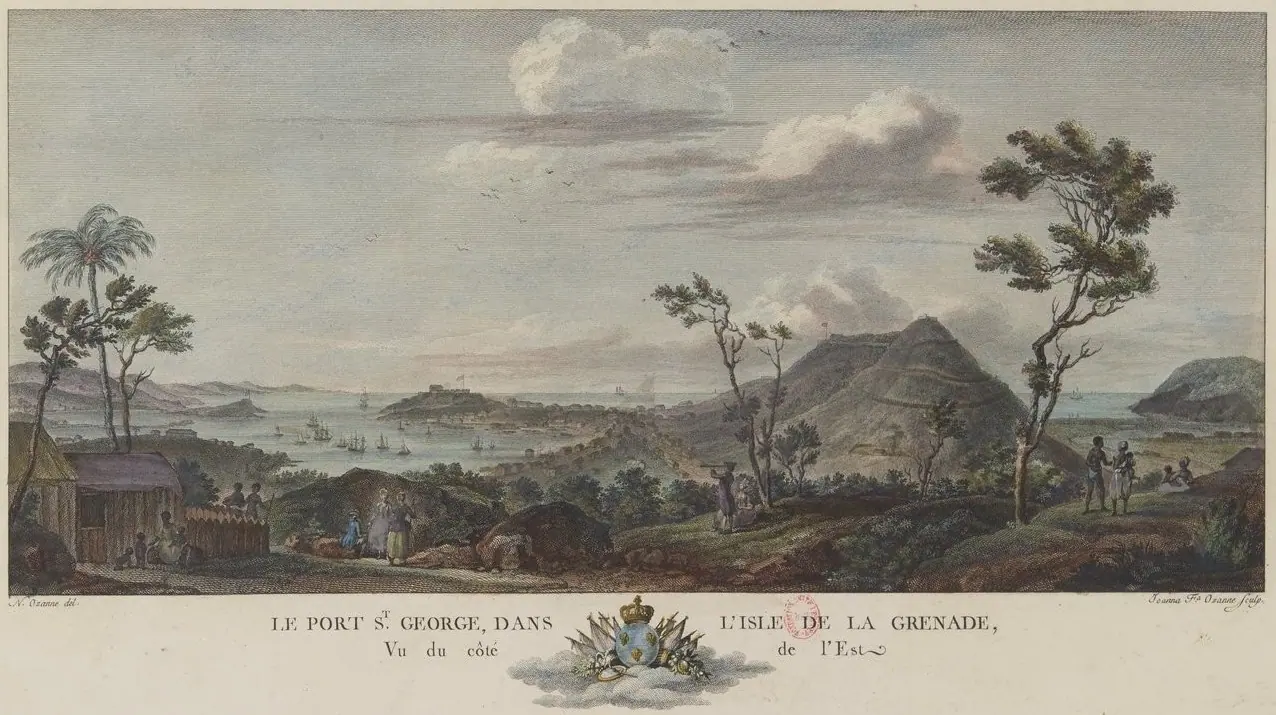
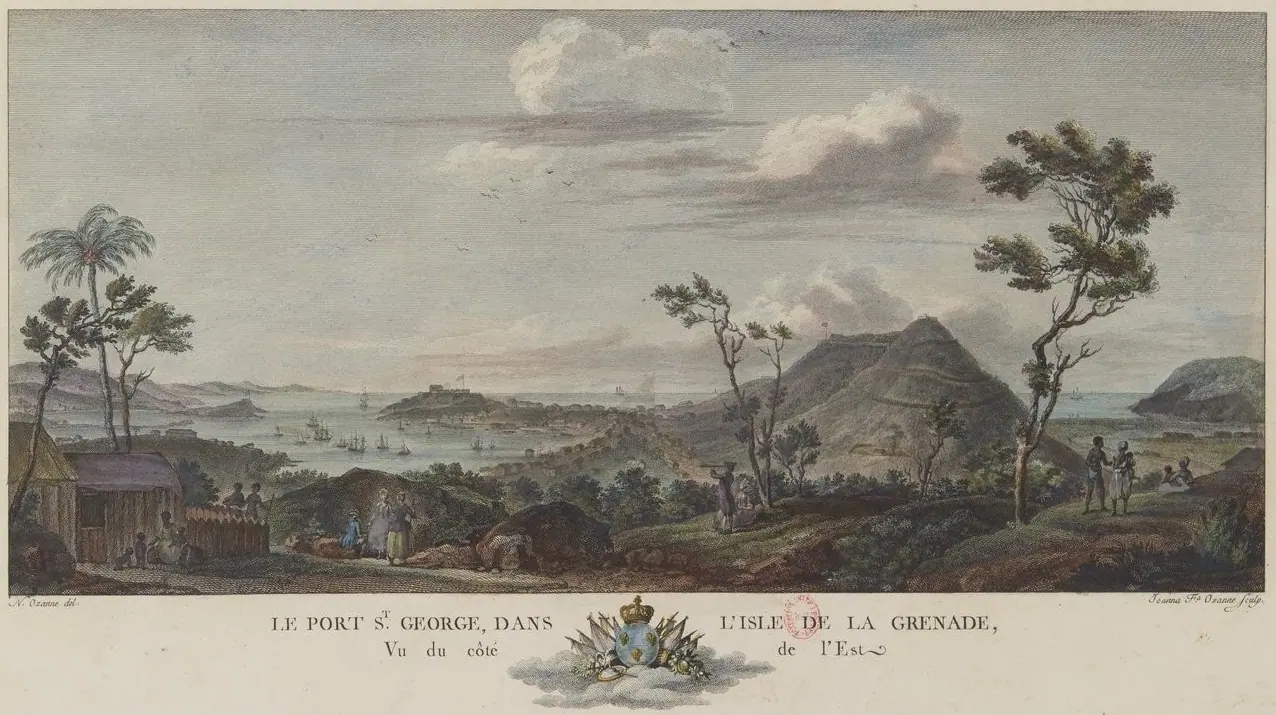
St George's is widely held to be one of the prettiest harbour towns in the Caribbean, and the reason is the Carenage - the inner harbour ringed by pastel-painted warehouses, rum shops and fishing boats, with schooners moored bow-to-stern against the quay. Walk the waterfront in the early morning when the fish market is in full cry, then pass through the Sendall Tunnel, a short carriageway bored through the ridge in the 1890s, to reach the outer harbour. The whole circuit takes less than an hour on foot, but you will stop constantly for photographs.
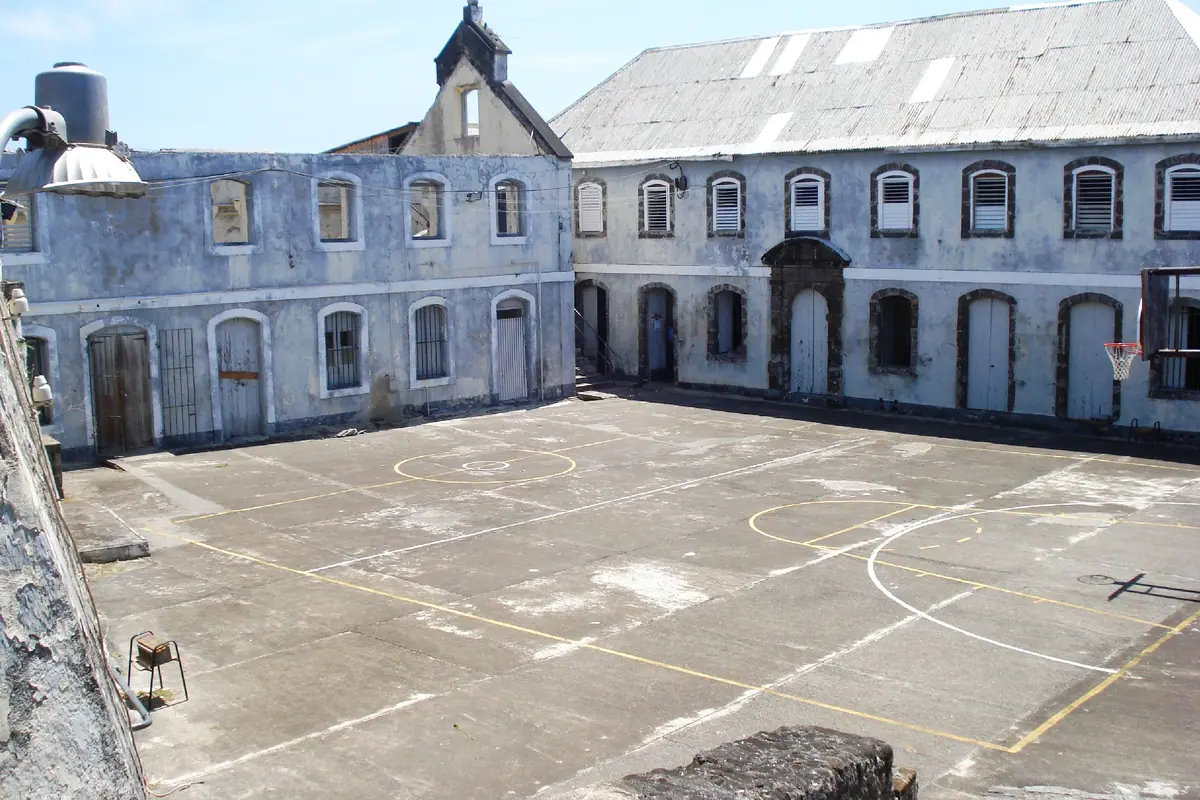
Above the Carenage sits Fort George, begun by the French in the early 1700s and still a working government and police site, with cannons pointing out over the bay and a panorama that takes in the town, the lagoon and the long smear of Grand Anse beyond. For an even wider view, climb to Fort Frederick and Fort Matthew on the ridge above the St Paul's district, built by the British in the 1770s and riddled with tunnels, magazines and gun emplacements. The lookouts here give you both coasts at once.
The third essential stop is Market Square, inland behind the Carenage, where Saturday mornings bring a riot of spice: nutmeg and mace, cinnamon bark, bay leaves, turmeric, vanilla, cocoa balls grated into hot milk, and woven baskets of every size. A short walk away, the national museum occupies a former barracks and sets out the island's Carib, French and British layers in a compact, digestible hour. Give St George's half a day at least - more if you like rum shops and slow conversations.
Molinière Bay and the Underwater Sculpture Park
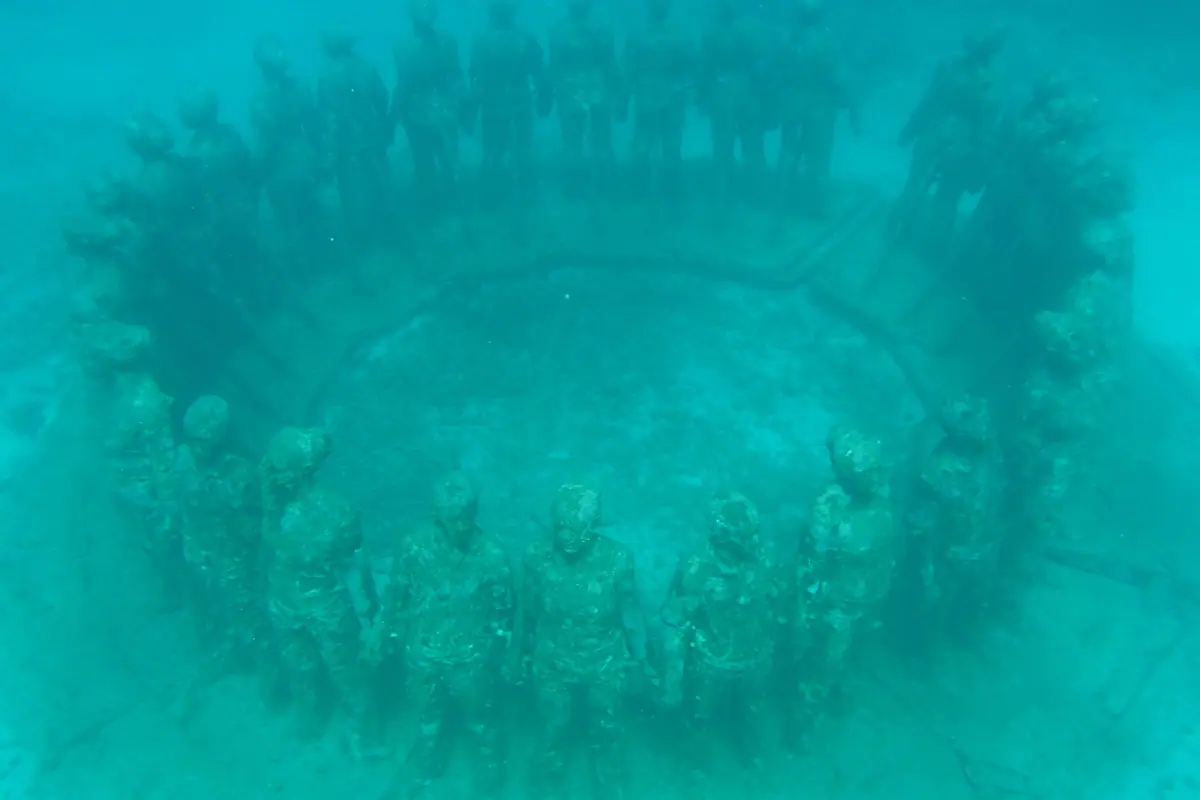
Just north of the capital, off Molinière Point, an extraordinary art project sits on the sandy seabed: dozens of human figures cast in cement and arranged in silent tableaux, some standing in a ring holding hands, others curled on the floor of the sea. Installed in 2006 to draw divers away from fragile natural reefs, the sculptures now host coral, sponges and shoals of fish, evolving slowly into an artificial reef. Most pieces rest at three to five metres, which means snorkellers can see them clearly from the surface on a calm day.
Getting there is straightforward. Dive and snorkel operators along Grand Anse and the Carenage run regular trips, glass-bottom boats offer a drier alternative, and confident swimmers can sometimes arrange shore entry nearby. Combine the visit with the reefs around Flamingo Bay and Dragon Bay, where moray eels, angelfish and turtles are common. Visibility is at its best from December to May; mornings usually bring the flattest water and the cleanest light for photographs.
For certified divers, Grenada's headline wreck is the Bianca C, a 180-metre passenger liner that went down in 1961 a short distance offshore and now sits in roughly 30 to 50 metres of water, earning it the nickname Titanic of the Caribbean. It is an advanced dive with strong currents, but the superstructure, swimming pool and resident barracuda make it unforgettable. Numerous shallower sites, from coral gardens to dramatic volcanic ridges, fill out a dive map that rewards a week's worth of mornings.
Grand Etang, Rainforest Waterfalls and Mountain Trails
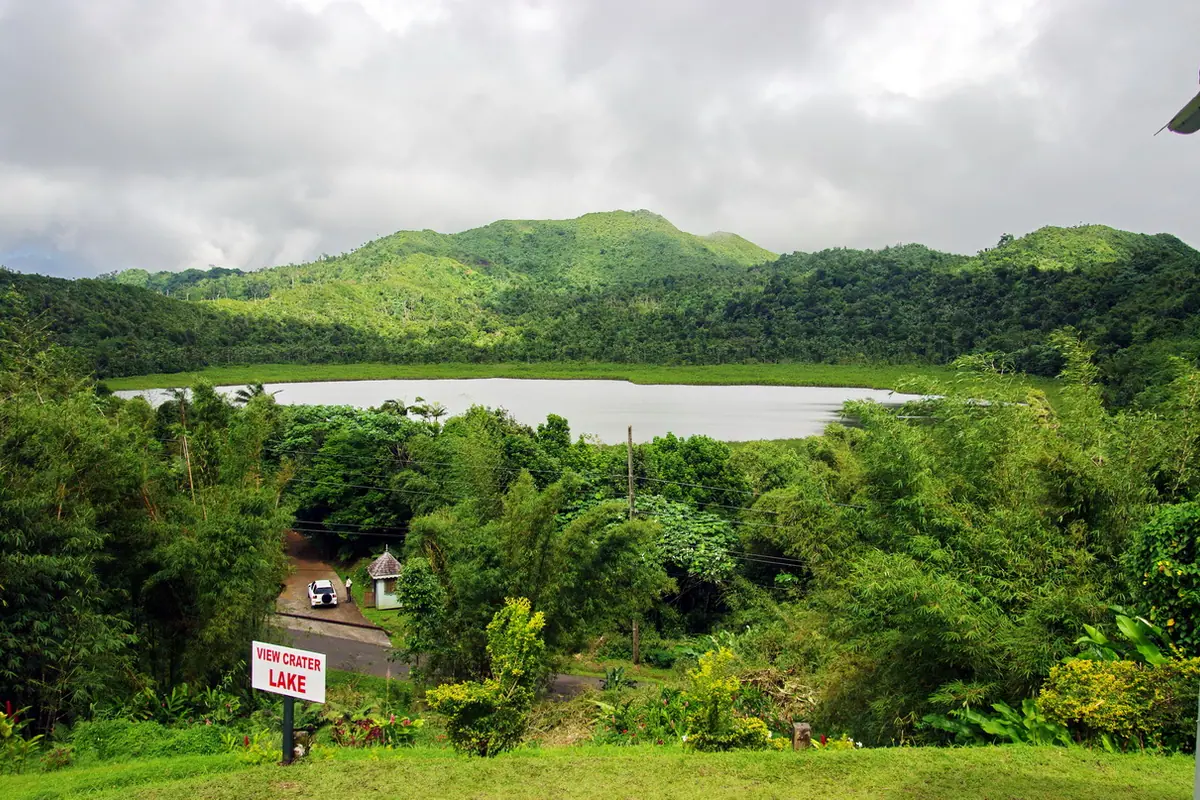
The green heart of Grenada is Grand Etang National Park, a protected rainforest reserve wrapped around a crater lake at around 530 metres above sea level. Up here the air is cool and often misty, quite unlike the coast, and the forest is loud with birdsong. Mona monkeys troop through the canopy near the visitor centre, and the trails range from an easy twenty-minute shoreline loop to the Mount Qua Qua climb, a steep two-hour return that crests a ridge with views to both the Atlantic and the Caribbean at once.
Waterfalls spill out of this same interior. Annandale Falls is the most accessible, a ten-minute drive from St George's with a plunge pool you can swim in and a small garden of ferns and orchids around it. Concord Falls drops in three tiers, the lower one reached by road and the upper requiring a guided hour-long hike through nutmeg and banana groves. The Seven Sisters Falls involve a 45-minute scramble down a muddy, beautiful valley to a chain of cascades, while Mount Carmel Falls, the island's highest, sends twin columns over a ledge a short walk from the road.
Practicalities make the difference between a great day and a frustrating one. Start early, before the tour groups and the afternoon rain; wear shoes with real grip, because the volcanic rock stays slick; and hire a local guide at the trailheads, which is customary and genuinely useful on the unmarked routes. Even in the dry season the interior catches showers, so a light rain shell earns its place in your bag. The drive from St George's to Grand Etang takes around half an hour on winding but well-maintained roads.
Rum Stills, Cocoa Estates and the Spice Trail
Grenada's agricultural heritage is best tasted at the source. In the northeast, the River Antoine Rum Distillery has been pressing cane with a water-powered mill since the late 1700s and still operates without modern column stills, producing a fiery, grassy rum that is sold in re-used bottles. Tours run on weekdays and the smell of fermenting molasses hangs over the whole valley. In the south, Clarke's Court offers an easier-to-reach look at a working distillery, with tastings and a museum of old equipment.
For chocolate, head to the Belmont Estate in St Patrick's, a restored plantation with organic cocoa fields, a heritage museum, a goat dairy and generous farm-to-table lunches. Nearby, a small factory in the village of Victoria turns local beans into single-estate bars you can watch being made; the resulting chocolate is bright, fruity and unlike anything mass-produced. Along the way, the Dougaldston Spice Estate near Gouyave shows cocoa, nutmeg and cloves drying on huge trays in the sun - a five-minute stop that explains the whole island economy.
Friday nights belong to Gouyave, where the weekly fish fry turns the main street into an open-air party of grilled tuna, snapper and lobster, seasoned with pepper and lime and eaten standing up. Back in St George's, Market Square and the Grand Anse craft market sell nutmeg syrup, jams, spiced rum and baskets that survive the flight home. If you can, time your visit to coincide with the island's festivals: the sailing regatta in late January, a chocolate festival in May, and Spicemas carnival in August, when the streets of the capital fill with oil, glitter and steel pan.
The Wild North and the Sister Isles
The northeast corner of Grenada feels like another island. Levera National Park protects a wild stretch of beach, a mangrove pond and offshore Green Island, and its sands are one of the Caribbean's most important nesting grounds for leatherback turtles, which come ashore between March and July. Hatchlings emerge from the nests a couple of months later, and licensed guides run night walks in season so visitors can watch without disturbing the animals. Even outside turtle season, the empty sweep of sand and the view to the offshore islets are worth the drive.
On the Atlantic coast, Bathway Beach has a natural rock pool protected by reef where swimming is safe and pleasant, while the open water beyond is for watching only - currents here are strong. Boat trips from the north coast or from Carriacou reach Sandy Island and Hog Island, low-lying specks of sand and seagrass with good snorkelling and almost nobody around. This side of the island gets the trade winds, so expect more breeze and bigger swells than the sheltered southwest.
The sister isles of Carriacou and Petite Martinique are a proper add-on rather than a rushed day trip, though the ferry from St George's takes only about 90 minutes and a small plane covers it faster. Carriacou's capital, Hillsborough, is a sleepy port; the highlight is Anse La Roche, a curving beach reached by a scenic hike from Belair or by boat, plus the protected marine park around Sandy Island and the lively anchorage at Tyrell Bay. Traditional boat building and the deep rhythms of Big Drum music keep the island's culture distinct from the mainland - stay overnight if you can.
Frequently asked questions
How many days do you need in Grenada?
Four or five days covers the mainland highlights comfortably: Grand Anse and the southwest beaches, a day in St George's, the underwater sculpture park, and a rainforest-and-waterfalls trip into Grand Etang. Allow seven to ten days if you want to add the rum and cocoa estates, the turtle beaches in the north, and an overnight on Carriacou.
What is the best time of year to visit Grenada?
December to May is the dry season, with January to April the driest and calmest months - ideal for beaches, diving and hiking. June to November is hurricane season, and September and October are the wettest, though you will find lower rates and greener scenery. Turtle nesting runs March to July, carnival lands in August, and the sailing regatta falls in late January.
Do you need a rental car in Grenada?
Not necessarily. Minibuses run frequently and cheaply along the main west-coast routes between St George's and Grand Anse, and taxis are easy to arrange. Driving is on the left, the roads are narrow and winding, and a rental car is most useful for reaching the waterfalls, the northeast coast and the rum distilleries at your own pace.
Can you snorkel the Underwater Sculpture Park?
Yes. Most of the figures sit three to five metres down, so snorkellers see them well on a calm day. Operators along Grand Anse and the Carenage run regular boat trips, and glass-bottom boats are available if you would rather stay dry. Visibility is best between December and May.
What should you pack for a Grenada trip?
Reef-safe sunscreen, reef shoes for rocky entries, sturdy grippy footwear for waterfall and rainforest trails, a light rain shell for the interior, insect repellent, and modest clothing for churches and rural villages. The local currency is the Eastern Caribbean dollar, and US dollars are widely accepted, but small notes are handy for markets, buses and beach vendors.
Plan it — experiences in Grenada
Live search, booked directly with trusted providers.
Sort the rest of your trip
Everything for Grenada, in one place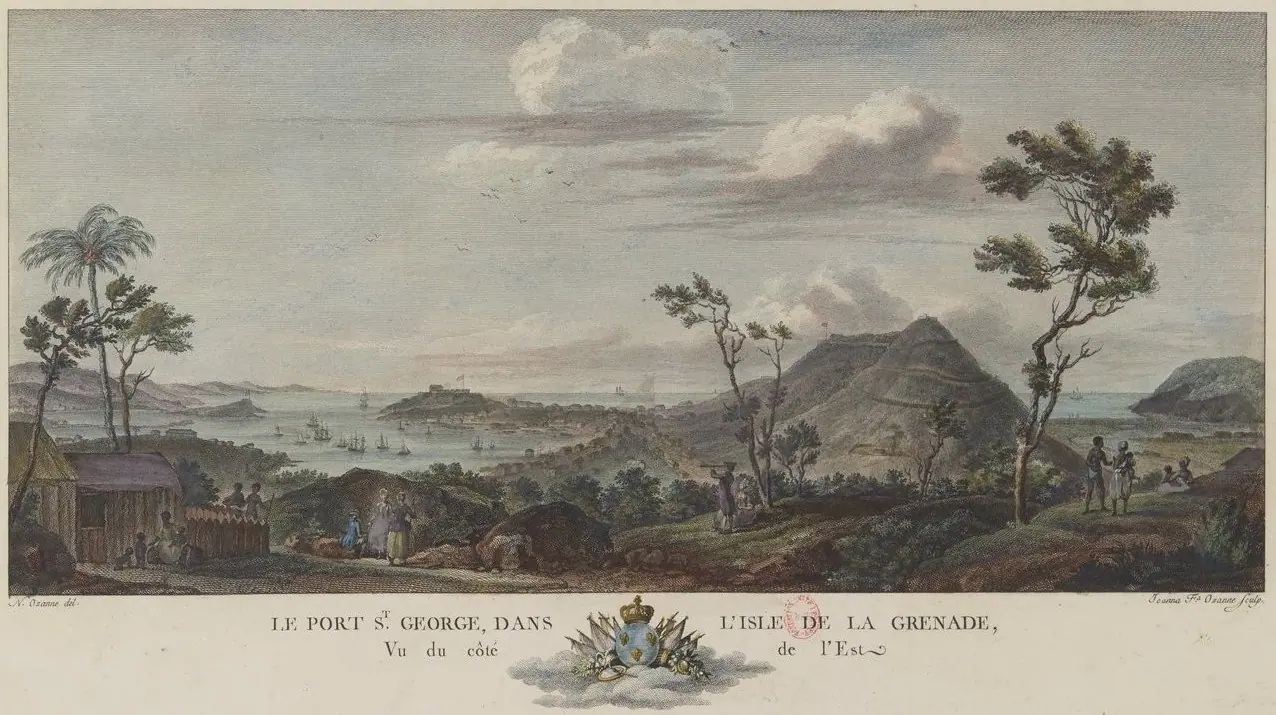
Stay in Grenada
Hotels, guesthouses and apartments — compared in one search.
Search hotels
Transfer in Grenada
Private driver waiting on arrival — no queues, no surprises.
Book a transfer
Stay online in Grenada
Travel eSIM — data the moment you land, no roaming bills.
Get an eSIMMore guides in Grenada
Best Time to Visit Grenada for Hotels: Seasons, Weather and Where to Stay
Best Things to Do in Grenada: Beaches, Waterfalls and the Spice Isle
Where to Stay in Grenada: Hotels, Beaches and Must-See Attractions
Grenada Food and Culture Guide: Spice Estates, Fish Friday and Local Life