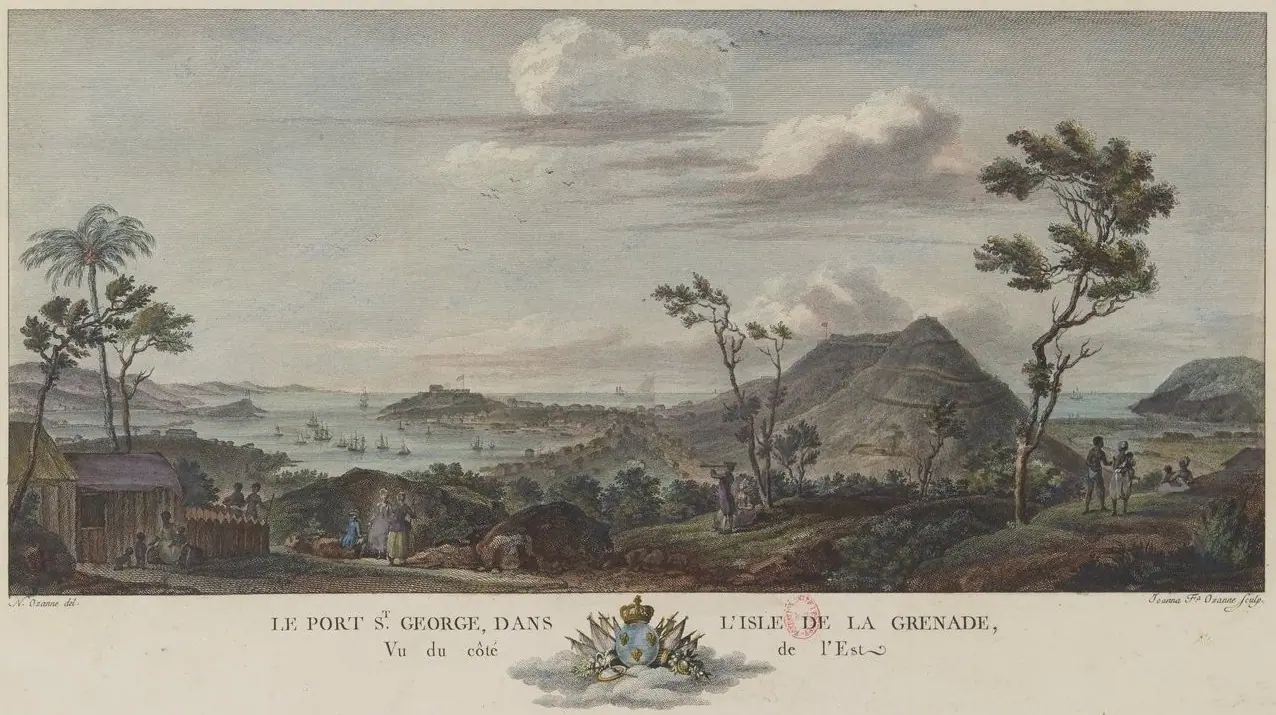
Grenada smells before it shows itself — nutmeg and mace drifting off the hills, cocoa drying on roadside trays, salt in the air at every bend. This small volcanic island packs rainforest peaks, black-sand coves, a storybook harbour town and one of the Caribbean's strangest art galleries onto a map you can cross in ninety minutes. Here is where to spend your days.
St. George's: The Prettiest Harbour Town in the Caribbean
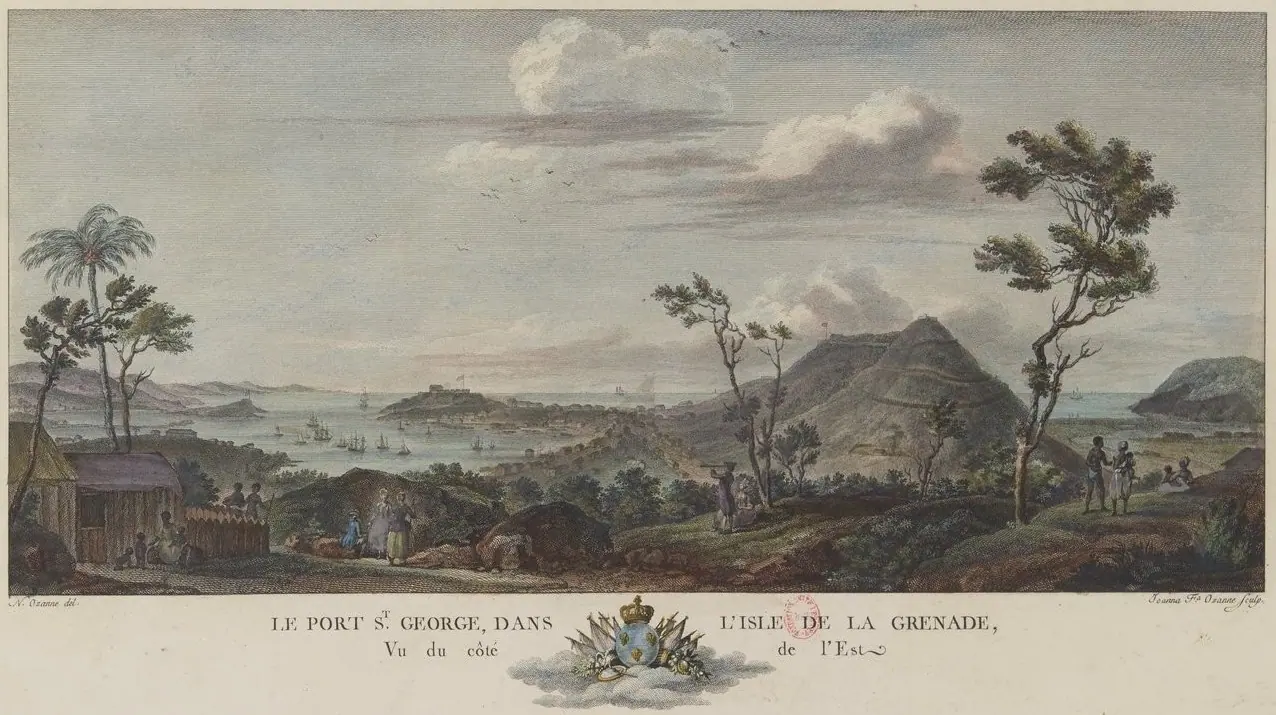
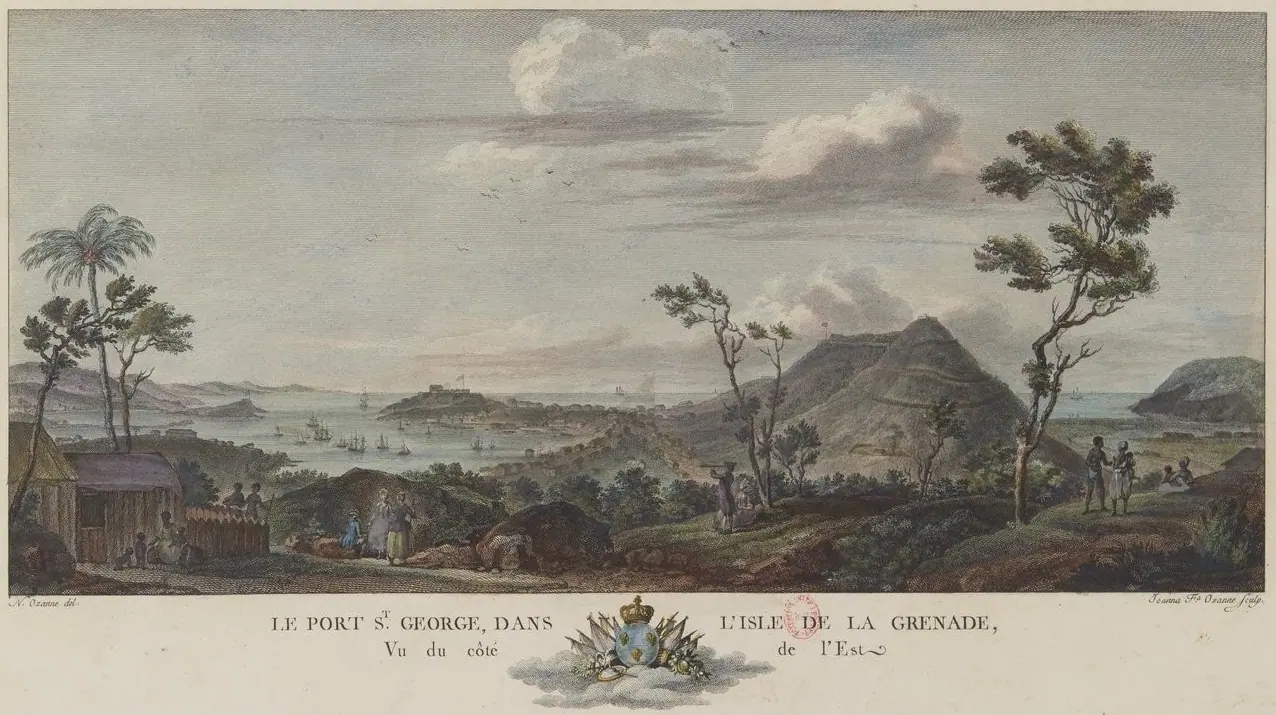
The capital folds itself around a drowned volcanic crater, and the result is the Carenage — a horseshoe of water ringed by candy-coloured warehouses, fishing boats and bars with balconies hanging over the tide. Walk the entire curve on foot in twenty minutes, then duck through the Sendall Tunnel, a hand-cut passage from 1894 that burrows under the ridge and spits you out on the Esplanade, where the inter-island ferries dock and the town gets louder, sunnier and more workaday.
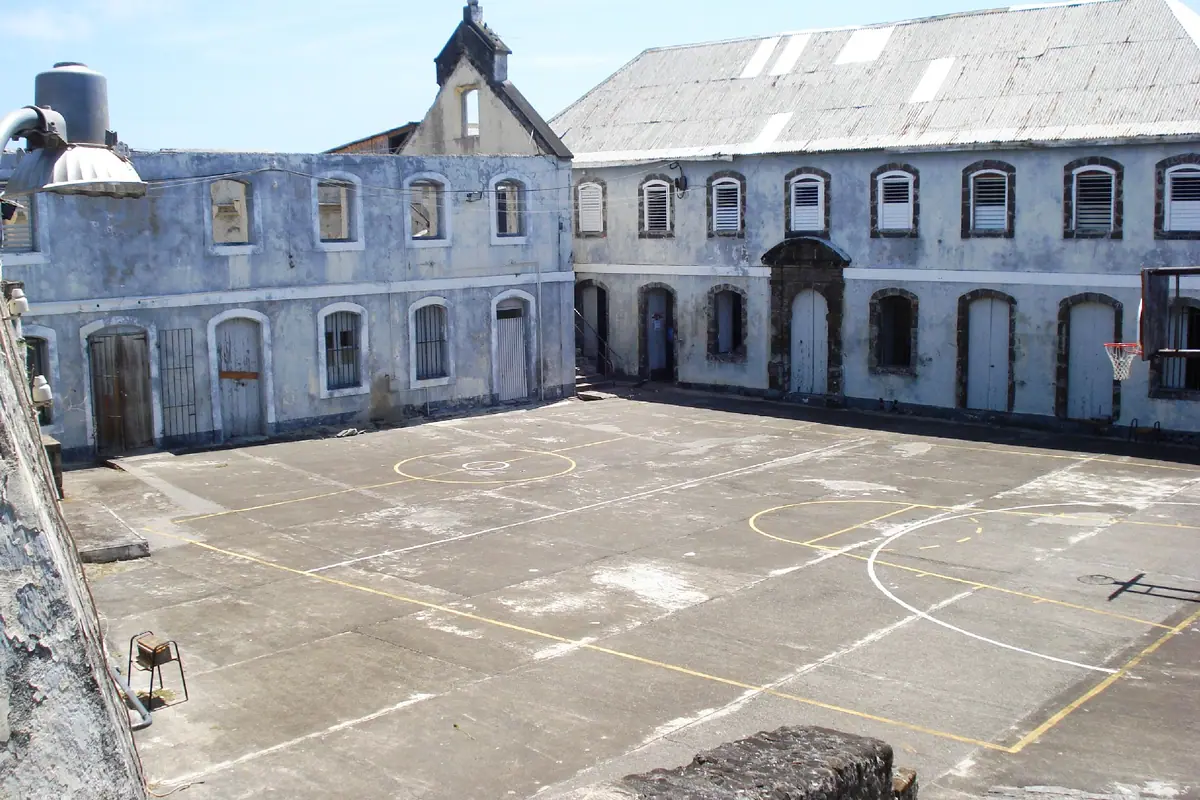
Above the Carenage sits Fort George, an early-18th-century French stronghold still ringed by cannons and still used by the local police, so ask before wandering into closed corners. For the postcard shot, climb higher to Fort Frederick on Richmond Hill, built by the British in the late 1770s and never once fired in anger — the view sweeps from the harbour mouth to Grand Anse and the green spine of the island beyond.
Come back down to Market Square on a Saturday morning, when farmers spread cinnamon bark, vanilla pods, cocoa balls and towering bunches of bananas across the stalls. Between the stalls and the spice-scented side streets of Granby Street, half a day disappears easily; arrive early to beat the tour groups that roll in mid-morning.
TIME IT RIGHT: market mornings are busiest between 8am and 11am, and the town is noticeably calmer on Sundays when most shops close.
Grand Anse Beach and the South Coast's Softest Sand
Grand Anse is the island's showpiece: a two-mile crescent of pale sand on the sheltered leeward coast, calm enough for weak swimmers and long enough that you can always walk away from the crowds. Water taxis hop between the beach and St. George's harbour in minutes, which makes it an easy half-day from town. Go early for the clearest water and the best light; by late afternoon the sand retains enough heat to feel like a warm bath underfoot.
Just around the headland, Morne Rouge — better known locally as BBC Beach — is the smaller, quieter sibling, a near-perfect circle of bay where the water deepens quickly and snorkelling over the rocky edges turns up parrotfish and sergeant majors. Further east, La Sagesse curls into a sheltered river mouth backed by mangroves, and the sand here is darker, volcanic and softer.
The south coast is also where most of the island's guesthouses, beach bars and dive operators cluster, so it works well as a base. Buses run along the coast road cheaply and frequently during daylight hours, though they thin out after dark; if you plan to eat your way around the island in the evenings, a rental car gives you far more freedom.
Grand Etang, Rainforest Trails and the Island's Waterfalls
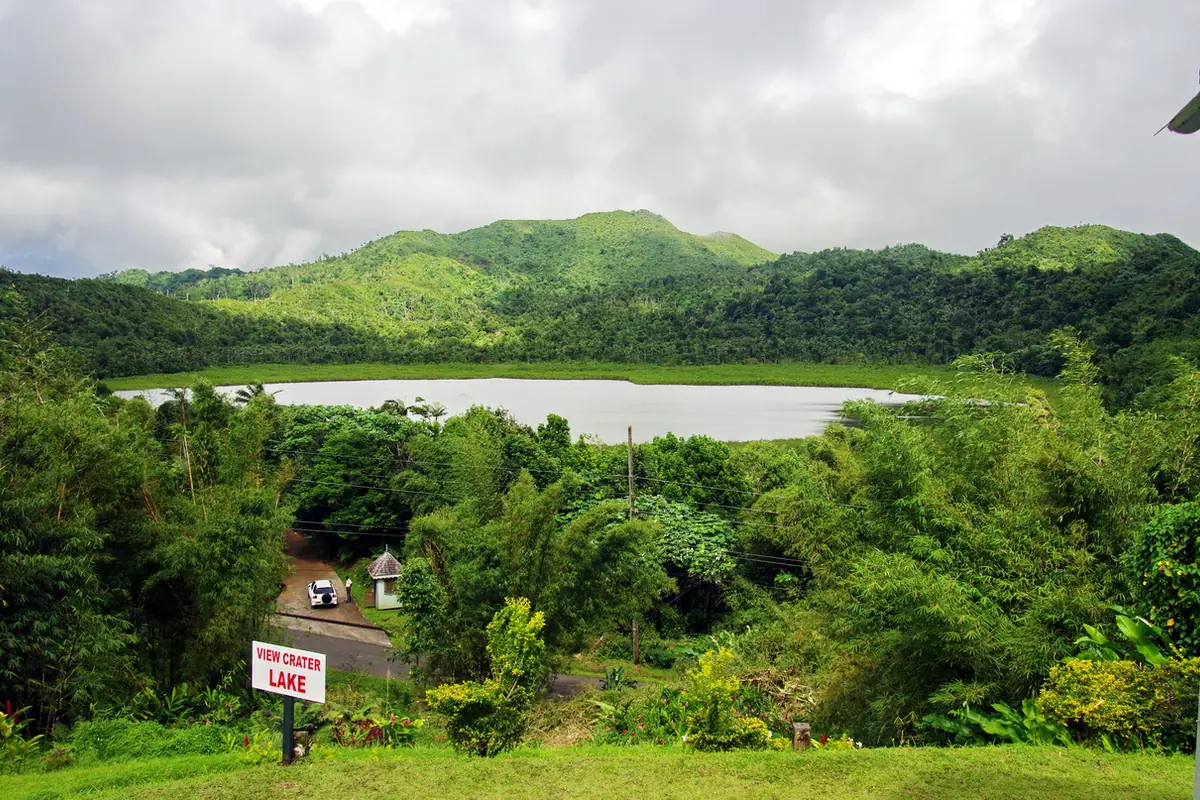
The road climbs from the coast into cloud, and suddenly you are in Grand Etang National Park, a protected pocket of montane rainforest at roughly 530 metres where the air drops several degrees and the trees drip. Grand Etang Lake fills an old crater at the centre of the reserve, and the surrounding trails range from gentle to genuinely strenuous. The Mount Qua Qua ridge walk takes about two hours return and rewards you with views across the lake and, on clear days, both coasts at once.
Waterfalls are the other reason to head inland. Annandale Falls is the easiest to reach — a short stepped path from the road, with a plunge pool you can swim in and a cluster of vendors selling fresh nutmeg ice cream at the top. Concord Falls, further north near the village of the same name, drops in three tiers; the lower fall is a five-minute walk, while the upper falls demand a muddy, rewarding hour of climbing. The Seven Sisters Falls near St. Margaret's require a guide and a descent through thick bush, but the chain of seven cascades and their cold pools is the island's finest freshwater swim.
PRACTICAL NOTE: trails are slick after rain, which is frequent from June to November. Wear shoes with grip, carry water, and start hikes in the morning before the afternoon showers build.
The Underwater Sculpture Park and Grenada's Dive Sites
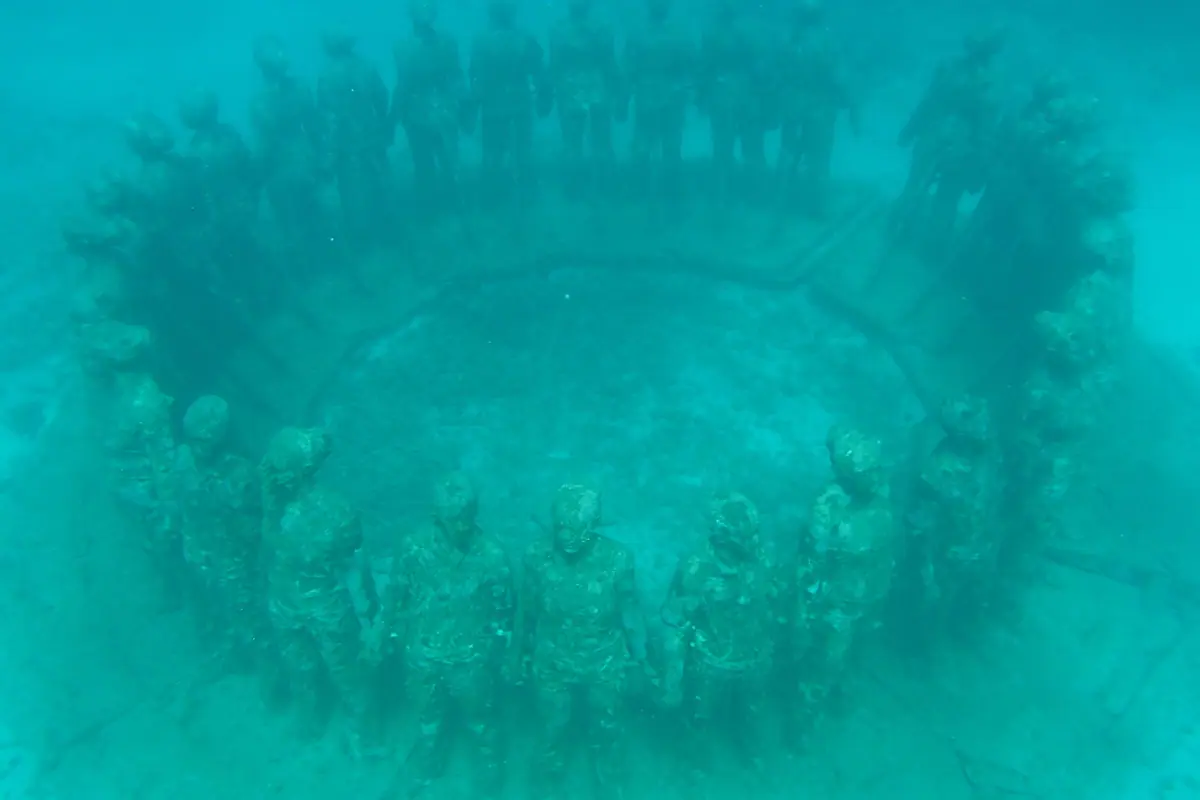
Off the west coast at Molinere Bay lies one of the oddest attractions in the Caribbean: a submerged sculpture park, installed on the sandy seabed in shallow water, where human figures stand in silent rings and a circle of children hold hands. Because it sits only five to eight metres down, it is equally rewarding for snorkellers and first-time divers, and the artificial reef has been steadily colonised by coral, sponges and shoals of reef fish. Visibility is best between December and May.
Serious divers come for the Bianca C, a passenger liner that sank in the early 1960s and now rests upright in around fifty metres of water — the largest diveable wreck in the region, and a technical dive for experienced hands only. Closer to the surface, Flamingo Bay and the reefs around Sandy Island offer gentle drifts over coral gardens and seahorse-friendly seagrass, while the volcanic topography around Isle de Ronde makes for dramatic wall dives.
Most dive shops operate out of Grand Anse and the Carenage, running two-tank morning trips and single afternoon dives. If you have never dived, a resort course can be completed in a day — the calm leeward water makes Grenada an unusually forgiving place to learn.
Spice Estates, Rum Stills and the Chocolate Trail
Grenada grows so much nutmeg that the tree appears on the national flag, and you can follow the whole process from grove to grater. The Dougaldston Spice Estate near Gouyave is a low-key, old-fashioned stop where cocoa, nutmeg, mace, cloves and cinnamon are still dried and sorted by hand on wooden trays — the smell alone is worth the detour. Nearby Gouyave is also home to a working nutmeg processing station, where you can watch women grade and crack the nuts on long conveyor tables.
In the north, the water-powered rum distillery at River Antoine has been turning out cane spirit since the late 18th century, still crushing cane with a waterwheel and fermenting in open wooden vats. Tours run on weekdays and the proof is formidable; the overproof bottling is famously too strong to fly home. Further along the coast, the cocoa estate at Diamond in St. Mark shows how Grenadian beans become single-origin chocolate, with tastings at the end of the tour.
On the eastern side of the island, Belmont Estate pairs a restored plantation house with a working farm, a goat dairy and a restaurant serving cocoa-forward desserts. And on Friday nights, Gouyave's seafront turns into a street party of grilled fish, rum punch and steel pan — the local name for it is Fish Friday, and it is the single best evening out on the island.
Levera, Carriacou and the Wild North
The north coast is windier, rougher and far less developed than the south. Levera Beach, at the island's northern tip, is a protected nesting ground for leatherback turtles between roughly March and July, when females haul themselves ashore at night to lay eggs and hatchlings later scramble for the surf. Watching a nesting requires a licensed local guide and a lot of patience in the dark — it is also one of the most memorable hours you can spend in the Caribbean.
Nearby Bathway Beach has calm, reef-protected water and a natural rock pool that fills and empties with the swell, while the ruins of an old sugar estate at the north end hint at the island's plantation past. On the Atlantic side, the surf is constant; this is not swimming country, but it is spectacular walking country.
For a change of pace, take the ferry or a fast water taxi from St. George's to Carriacou, Grenada's laid-back sister island, where Tyrrel Bay and Paradise Beach offer anchoring, snorkelling and boat-building villages that still launch wooden sloops by hand. Tiny Petite Martinique, a short hop further, has a single hill, a few hundred residents and a view back across the Grenadines. Budget at least two nights if you make the crossing — day-tripping Carriacou sells it short.
Frequently asked questions
When is the best time to visit Grenada?
The dry season runs roughly from mid-December to May, with February to April offering the most reliable sunshine and the calmest seas for diving. June to November is wetter and falls inside hurricane season, though rain usually arrives in short, heavy bursts rather than all-day drizzle. August brings Spicemas carnival, and May is chocolate festival month — both are worth planning around.
How many days do you need in Grenada?
Five to seven days covers the island comfortably: two or three for the beaches and St. George's, a full day for Grand Etang and the waterfalls, another for the spice and rum estates, and at least one for a dive or snorkel trip. Add two nights if you want to include Carriacou or Petite Martinique, which are reached by ferry or water taxi.
Do you need a car in Grenada?
It helps. Public buses are cheap and frequent along the main coastal routes during daylight hours, but they stop early and rarely serve the quieter north coast or waterfall trailheads. Driving is on the left, roads are narrow, steep and often potholed, and a small 4x4 is more comfortable than a saloon on the interior mountain roads.
Is Grenada good for diving and snorkelling?
Yes — the leeward west coast stays calm for much of the year, with shallow reefs, a deliberately sunk sculpture park in around five to eight metres of water, and the large Bianca C wreck for advanced divers. Snorkellers can see plenty from the shore or on a short boat ride. Visibility is usually best between December and May.
What is Grenada best known for?
Nutmeg and mace, which earned it the nickname the Isle of Spice, along with cocoa, rum and a trio of islands — Grenada itself plus Carriacou and Petite Martinique. Its other signatures are Grand Anse Beach, the horseshoe harbour at St. George's, the rainforest crater lake at Grand Etang and the underwater sculpture park at Molinere Bay.
Plan it — experiences in Grenada
Live search, booked directly with trusted providers.
Sort the rest of your trip
Everything for Grenada, in one place
Stay in Grenada
Hotels, guesthouses and apartments — compared in one search.
Search hotels
Transfer in Grenada
Private driver waiting on arrival — no queues, no surprises.
Book a transfer
Stay online in Grenada
Travel eSIM — data the moment you land, no roaming bills.
Get an eSIMMore guides in Grenada
Best Time to Visit Grenada for Hotels: Seasons, Weather and Where to Stay
Things to Do in Grenada: Beaches, Waterfalls and Spice Island Landmarks
Where to Stay in Grenada: Hotels, Beaches and Must-See Attractions
Grenada Food and Culture Guide: Spice Estates, Fish Friday and Local Life