Grenada is the Caribbean distilled to its most fragrant: a small, mountainous island where the air carries nutmeg, cocoa and wet green forest, and where lunch is as likely to be a fish pulled from the sea that morning as anything from a menu. Come for the beaches, stay for the estates, the Friday night street feasts and a carnival that shakes the whole island.
The Spice Isle: Why Grenada Smells Like Nowhere Else
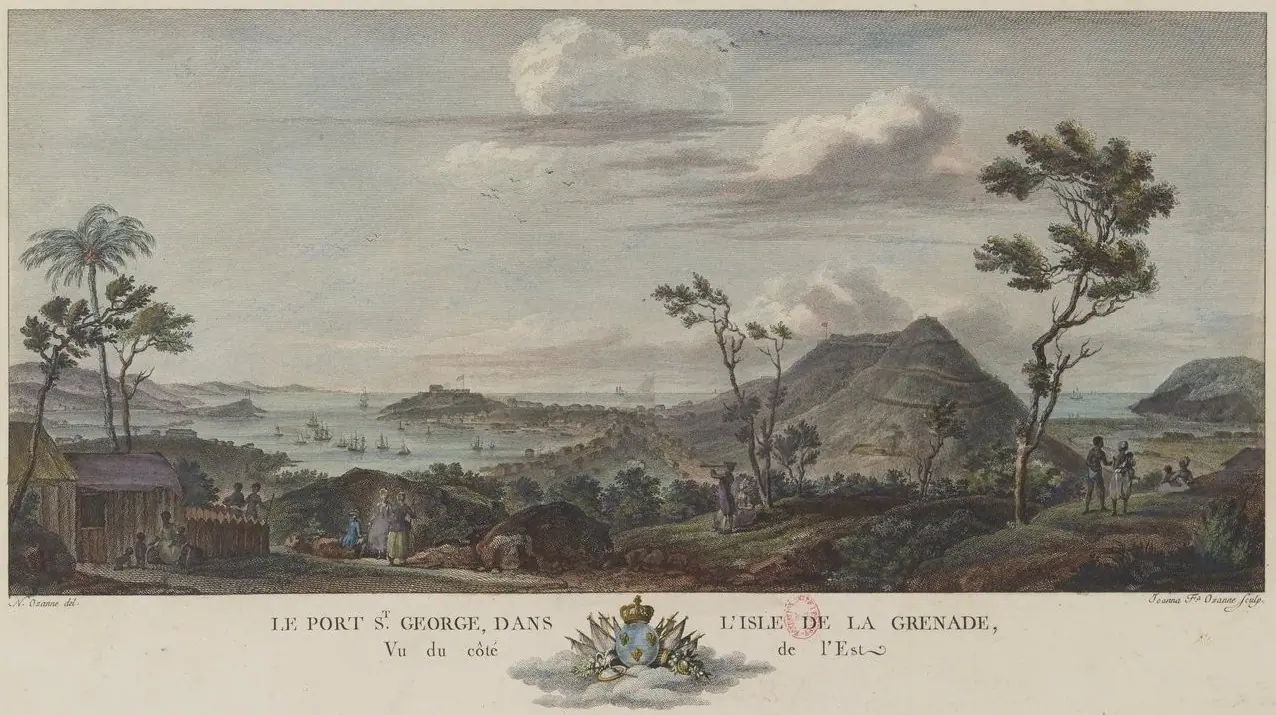
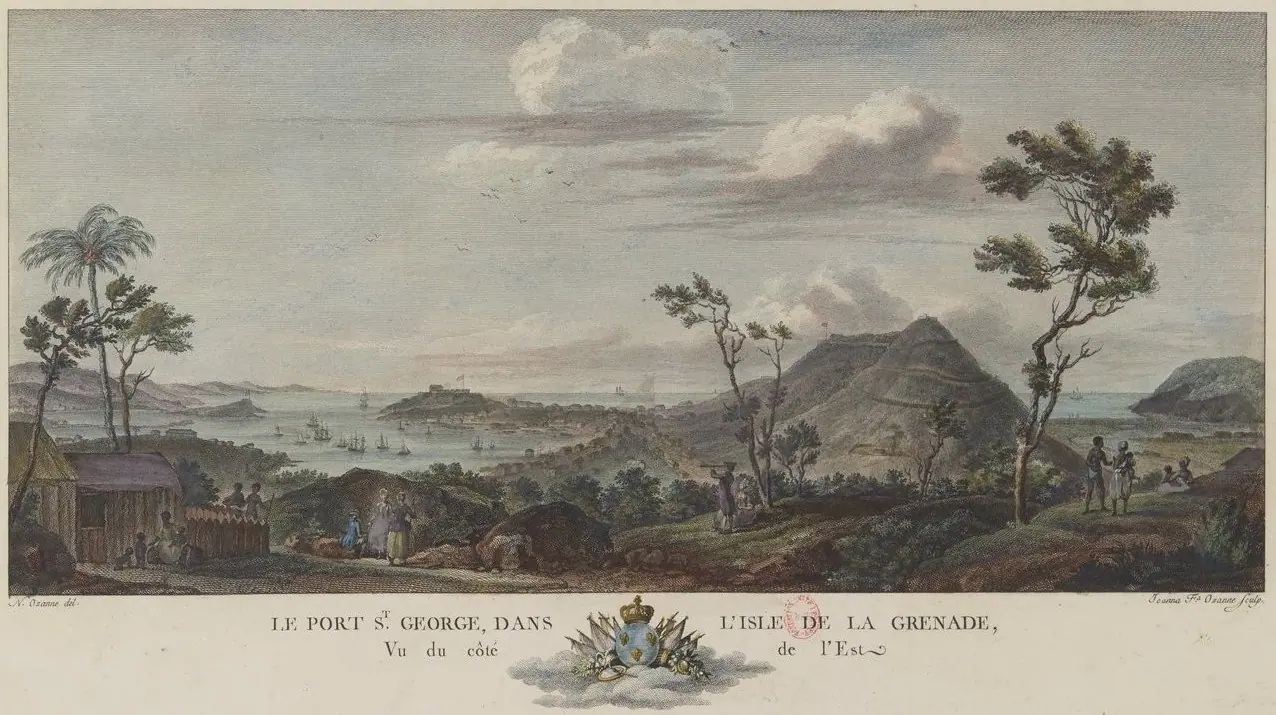
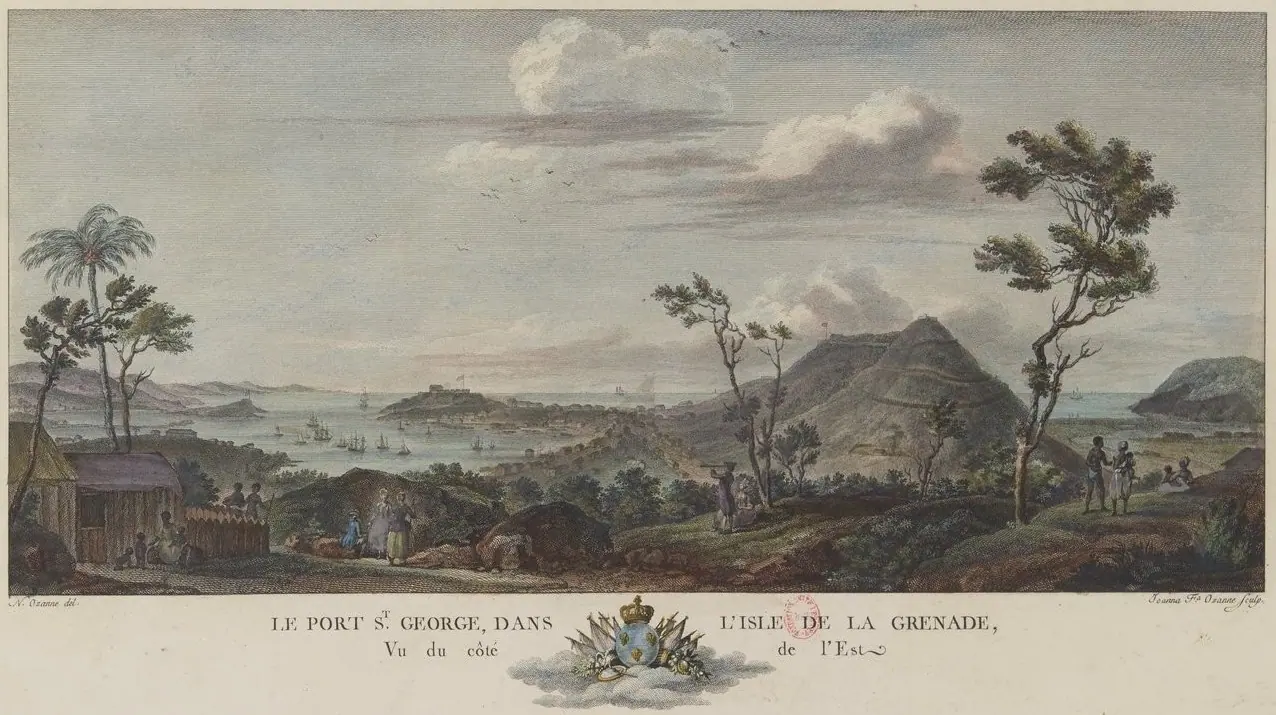
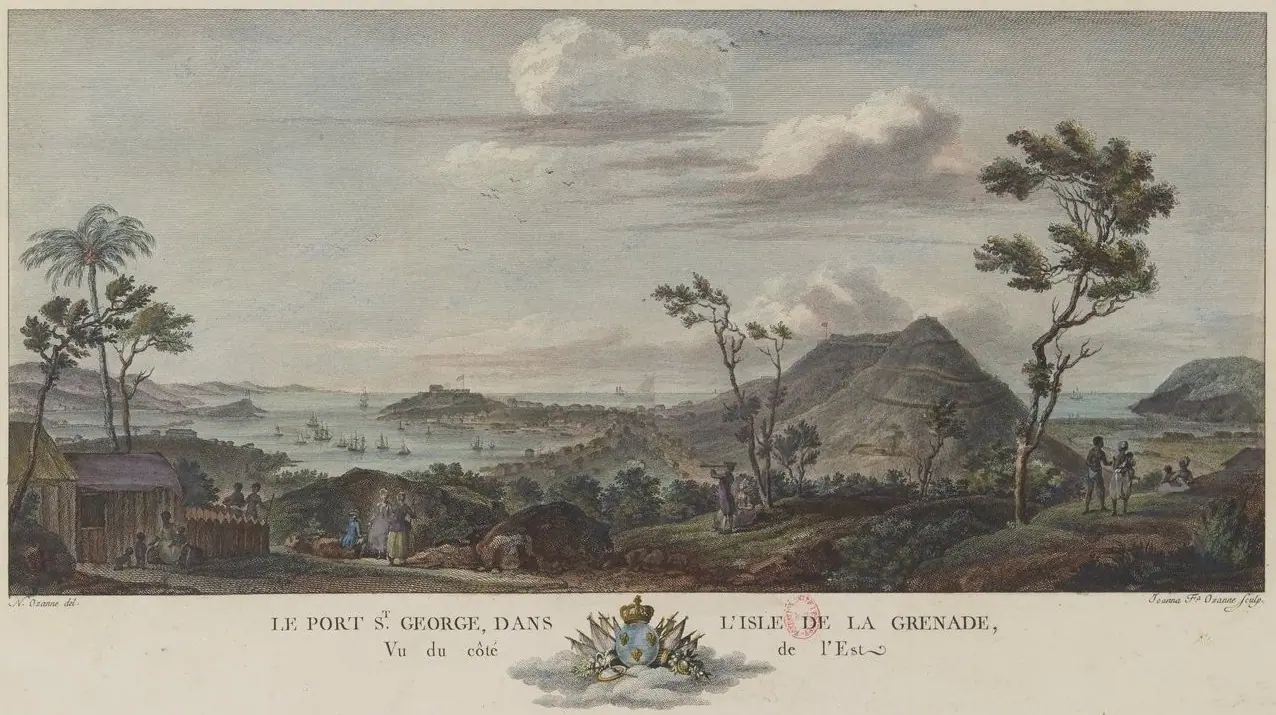
Grenada is roughly 21 miles long and 12 miles wide, yet it grows more spice per square mile than almost anywhere on earth. Nutmeg, mace, cinnamon, clove, bay and ginger were planted by French and then British colonists, and when the bottom fell out of the sugar trade, Grenadians simply kept the trees. Walk through the capital, St. George's, and you will smell it — a warm, dry, faintly sweet dusting that clings to the Carenage, the horseshoe harbour where fishing boats and schooners moor beneath the pastel arc of Georgian warehouses.
That harbour is the island's postcard, and it earns the fuss. Above it climb steep streets to Fort George, a 1706 French-built bastion whose ramparts still look straight down the coast, and further east to Fort Frederick, an unfinished 18th-century fortress that was never finished because the view was already its best weapon. Between them sit the Cathedral of the Immaculate Conception and the Sendall Tunnel, a 340-foot passage bored in 1894 and now used mostly by pedestrians shortcutting from the Carenage to the Esplanade. Take the walk; it takes an hour and tells you more about the island than any excursion bus.
Locals measure time in seasons rather than months. Dry season runs roughly December to May, with the trade winds keeping the coast at a comfortable 26–30°C. The rains come June to November, brief, dramatic and accompanied by a very specific advantage: everything grows, the waterfalls roar, and prices drop.
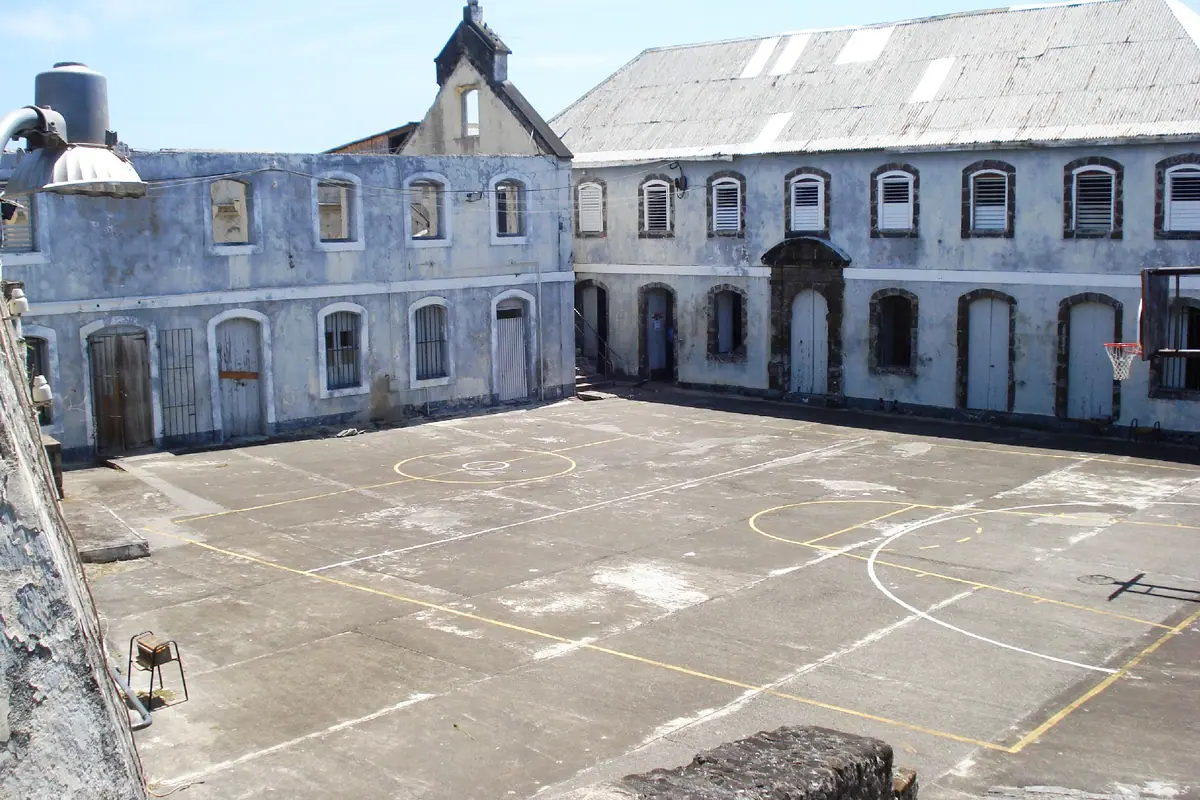
Market Square, Grand Anse and the Art of Grenadian Saturday
Saturday morning in St. George's belongs to Market Square. From around 6am, vendors from the interior parishes lay out callaloo, breadfruit, soursop, christophene, plantain and hand-tied bundles of bay leaf alongside nutmeg syrup, cinnamon bark and cocoa sticks. It is loud, good-natured and entirely un-designed for tourists, which is exactly why it works. Buy a bag of nutmegs, buy a cocoa stick for grating into tea, and buy whatever the woman beside you is buying — that is the reliable rule.
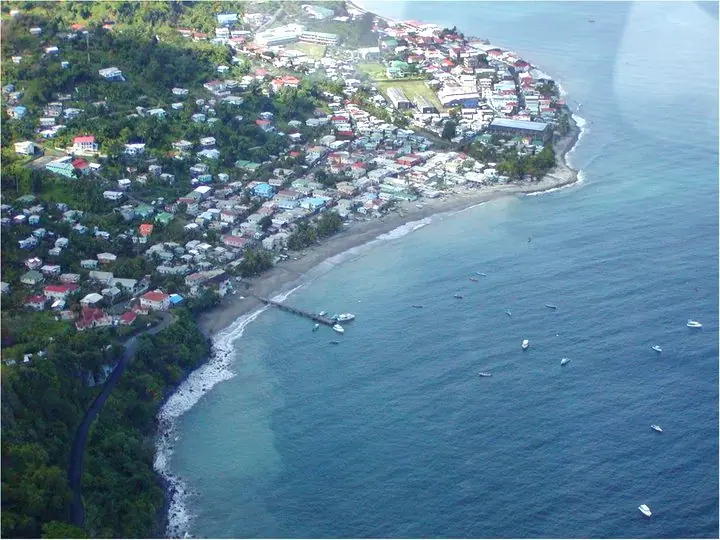
A few miles south, Grand Anse Beach is Grenada's most famous stretch: two miles of pale sand curving around a bay calm enough to swim from shore. Cruise ships occasionally disgorge onto its northern end, so go early, or walk south towards Morne Rouge and the smaller cove known locally as BBC Beach, where the crowd thins to a handful of families and a couple of beach bars.
Grenada's public transport is itself a cultural experience. The privately run minibuses — quickly identifiable by their sound systems and painted slogans — ply fixed routes between St. George's and Grand Anse, Gouyave, Grenville and Sauteurs for a few dollars, waiting until they're full. It's cheap, sociable and a genuinely good way to hear how people actually talk about their island.
Oil Down, Roti and Gouyave's Friday Night Fish Feast
Grenada's national dish is oil down, and it is not really a recipe so much as a ritual. Salted meat, breadfruit, dasheen, green banana, callaloo and dumplings go into a heavy pot with coconut milk, turmeric, saffron and a fistful of herbs, then steam until the coconut milk is absorbed — the 'oil down' is the moment it all settles, no liquid left, everything soft and rich. It is cooked in vast pots for village gatherings, beach limes and harvest celebrations, and eating it from a paper plate with your fingers is the correct approach.
On any weekday, the working lunch is a roti: dhal-pouri or a soft flour skin wrapped around curried chicken, goat, conch or shrimp, potatoes and chickpeas, sold from small shops for a few Eastern Caribbean dollars. Ask for it 'with pepper' if you're brave — the Scotch bonnet sauce in Grenada is not decorative. Pelau, souse, black pudding and fried jackfish with breadfruit chips fill out the repertoire, and fresh tuna and snapper arrive at the Carenage fish market most mornings.
The single best food experience on the island happens on Friday nights in Gouyave, on the west coast. From about 6pm, the main street closes to traffic and becomes one long open-air kitchen: grilled lobster, jerk chicken, fish cakes, crab backs, rum punch and loud soca music. It's called Fish Friday, it's run by local families and vendors rather than tour companies, and it is worth planning a trip around. Get there early, bring cash, and expect to stand while you eat.
Cocoa, Nutmeg and Rum: Estate Trails Through the Interior
The island's plantation past is still working. At Belmont Estate in St. Patrick, north of Grenville, a 17th-century plantation has been revived as a working cocoa and nutmeg farm where you can watch beans ferment and turn on the sun-drying trays, then eat a lunch of estate-grown produce. The Gouyave Nutmeg Processing Station, in the island's nutmeg capital, is a creaking wooden warehouse where women still hand-sort and grade nutmegs and mace — a tour there takes about 30 minutes and ends with the best nutmeg ice cream you'll find anywhere.
For chocolate, Grenada is unusually serious. The island grows fine-flavoured Trinitario cocoa, and small tree-to-bar makers on the western and northern coasts welcome visitors for short tours that cover picking, fermenting, roasting and grinding. A bar of Grenadian dark chocolate tastes of the island itself — dried fruit, tobacco, a little smoke — and it makes a far better souvenir than anything sold near the port.
Then there is rum. River Antoine Estate in the north, founded in 1785, is one of the oldest surviving water-powered distilleries in the Caribbean; the mill wheel still turns, the cane is still crushed on site, and the rum comes off the still at a strength that will quietly dismantle you if you treat it like a supermarket spirit. Tours run on weekdays, take about an hour, and pair naturally with a stop at Levera Beach — a wild northern shore where leatherback turtles nest between roughly March and August.
Rainforest, Waterfalls and an Underwater Sculpture Park
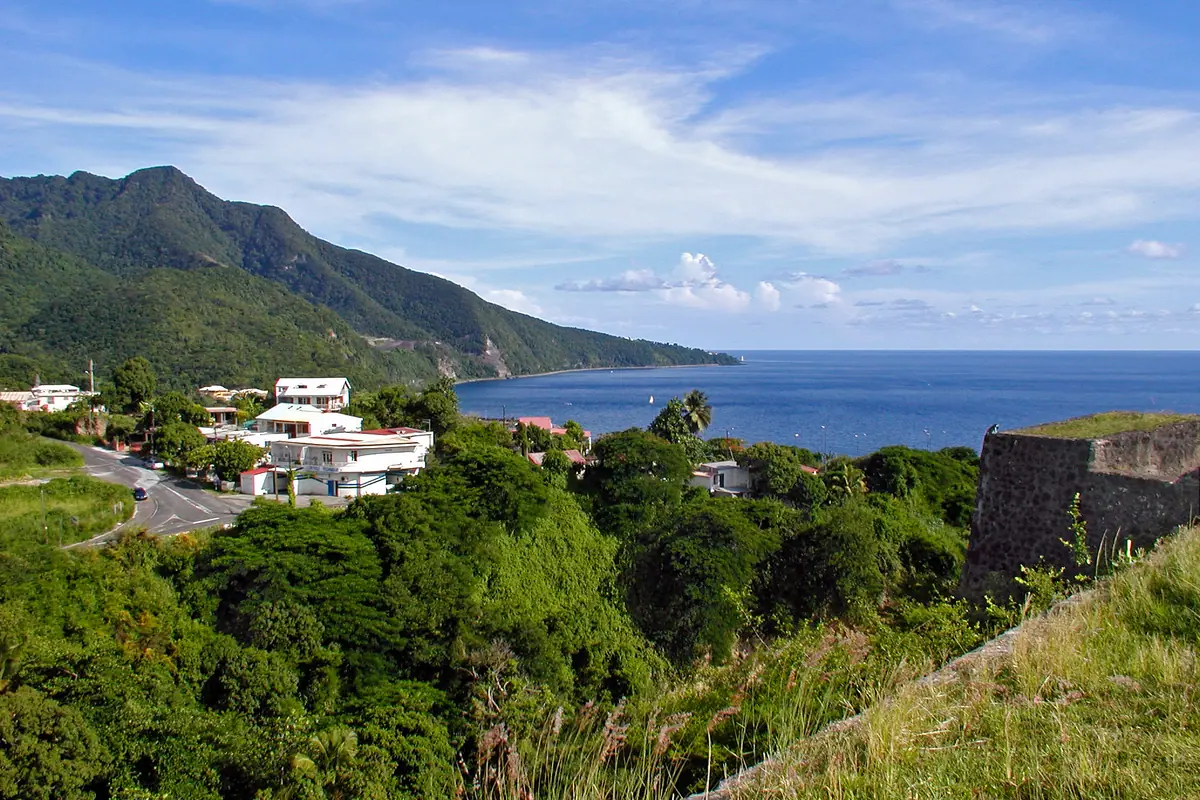
Grenada's interior is volcanic, wet and steep, and most visitors underestimate it. Grand Etang National Park sits in the central highlands at around 1,700 feet, wrapped in elfin montane forest and centred on a crater lake that is usually draped in cloud by early afternoon. Trails radiate from the visitor centre; the walk to Annandale Falls, just off the road below, is short and easy and ends at a 30-foot cascade that locals somersault off for tips.
Further inland, Concord Falls and the Seven Sisters Falls reward a proper hike — the latter takes roughly 45 minutes each way through cocoa and nutmeg groves, past river pools you will want to swim in. Wear shoes with grip, go in the morning, and hire a local guide at the trailhead; the paths are unmarked in places and the river crossings are slippery.
Back on the coast, Molinière Bay holds the Underwater Sculpture Park, a collection of more than 60 submerged figures installed in shallow water and now colonised by sponges, corals and reef fish. You can see it by snorkelling or from a glass-bottomed boat, and it sits within a marine protected area that also shelters excellent reef diving. It is one of the few man-made attractions in the Caribbean that has genuinely become part of the ecosystem.
Spicemas, Carriacou and Choosing Your Season
Grenada's carnival, Spicemas, takes over in August, peaking on the Monday and Tuesday after the second Sunday. J'Ouvert starts before dawn with revellers smeared in oil, molasses and paint; Monday Night Mas fills the streets with lit bands; Tuesday is the costume parade through St. George's. Book accommodation months ahead if you're coming for it, and expect the island's roads, ferries and restaurants to be full.
For a different rhythm, take the ferry from St. George's to Carriacou, about 90 minutes north. The smaller island runs on its own calendar — Big Drum and Nation Dance ceremonies preserve West African traditions brought by enslaved people, the Parang Festival fills December with Spanish-language Christmas carols, and Sandy Island and Anse La Roche are among the quietest beaches in the eastern Caribbean. Petite Martinique, a 20-minute boat ride further on, is smaller still.
Practical notes: the best months for reliable weather are January to April, though May and early June bring the Grenada Chocolate Festival and fewer people. Hurricane risk peaks September and October. You drive on the left, roads are narrow and winding, and a rental car makes sense if you want the estates and waterfalls on your own schedule. Most nationalities enter visa-free for stays of up to three months, and US dollars are widely accepted alongside Eastern Caribbean dollars — though you'll get better change in local currency.
Frequently asked questions
What is Grenada's national dish and where should I try it?
Oil down — a one-pot steam of breadfruit, green banana, callaloo, salted meat and dumplings in coconut milk and turmeric. It's most often served at village gatherings, Sunday lunches and beach limes rather than in restaurants, so ask at your guesthouse or look out for it on weekend menus.
When is the best time to visit Grenada?
January to April offers the driest weather and steady trade winds. May brings the chocolate festival and lighter crowds, August brings Spicemas carnival, and the quietest, cheapest months are September and October — which also carry the highest hurricane risk.
How do I get around Grenada without a car?
Privately run minibuses connect St. George's with Grand Anse, Gouyave, Grenville and Sauteurs cheaply and frequently, and water taxis link the capital with Grand Anse and Morne Rouge. For the interior — Grand Etang, Concord Falls, the northern estates — a rental car or a hired driver is far more practical.
Is Grenada good for a first trip to the Caribbean?
Yes, particularly if you want more than a beach. It's small enough to explore in a week, English-speaking, generally relaxed about visitors, and it packs rainforest, waterfalls, working spice and cocoa estates, a rum distillery and reef diving into a short drive.
How do I visit Carriacou and Petite Martinique?
A ferry runs from St. George's to Carriacou in roughly 90 minutes, and small boats continue to Petite Martinique. There are also short flights. Allow at least two nights if you want to see the Big Drum ceremonies, Sandy Island and Anse La Roche properly.
Sort the rest of your trip
Everything for Grenada, in one place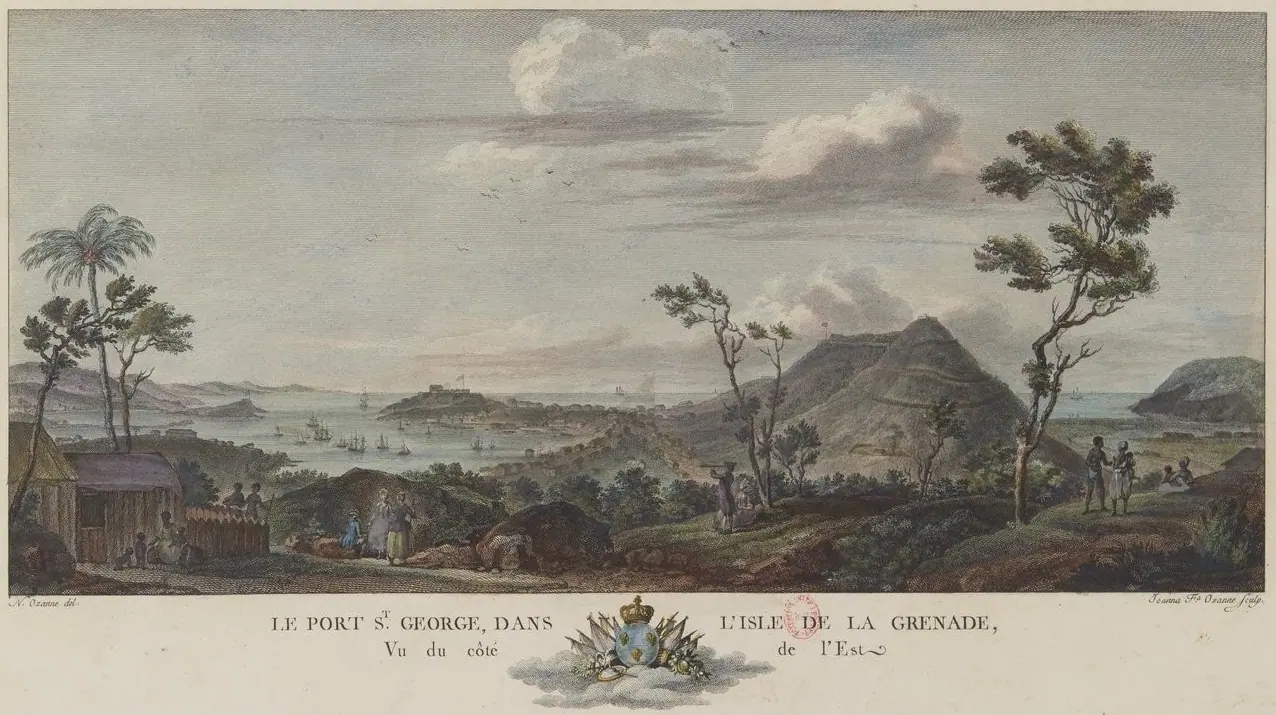
Stay in Grenada
Hotels, guesthouses and apartments — compared in one search.
Search hotels
Transfer in Grenada
Private driver waiting on arrival — no queues, no surprises.
Book a transfer
Stay online in Grenada
Travel eSIM — data the moment you land, no roaming bills.
Get an eSIM