Grenada is small enough to cross in an afternoon and rich enough to fill a month — a spice-scented island where rainforest crater lakes sit an hour from sugar-white sand. This seven-day route starts at the airport on the southwest tip, loops through the waterfalls and nutmeg estates of the interior, and finishes on the quiet beaches of the north or across the water in Carriacou.
Day 1: Land at Point Salines and Settle into St. George's
Almost every visitor arrives at Maurice Bishop International Airport on the Point Salines peninsula, a flat, breezy strip of land about ten minutes from Grand Anse and twenty-five minutes from the capital. Flights from North America and Europe usually connect through larger Caribbean hubs, so plan on a full travel day and arrive with the evening ahead of you. Rental cars are available at the terminal, but for a first night a licensed taxi is simpler — remember that Grenada drives on the left, and the roundabouts take some getting used to.
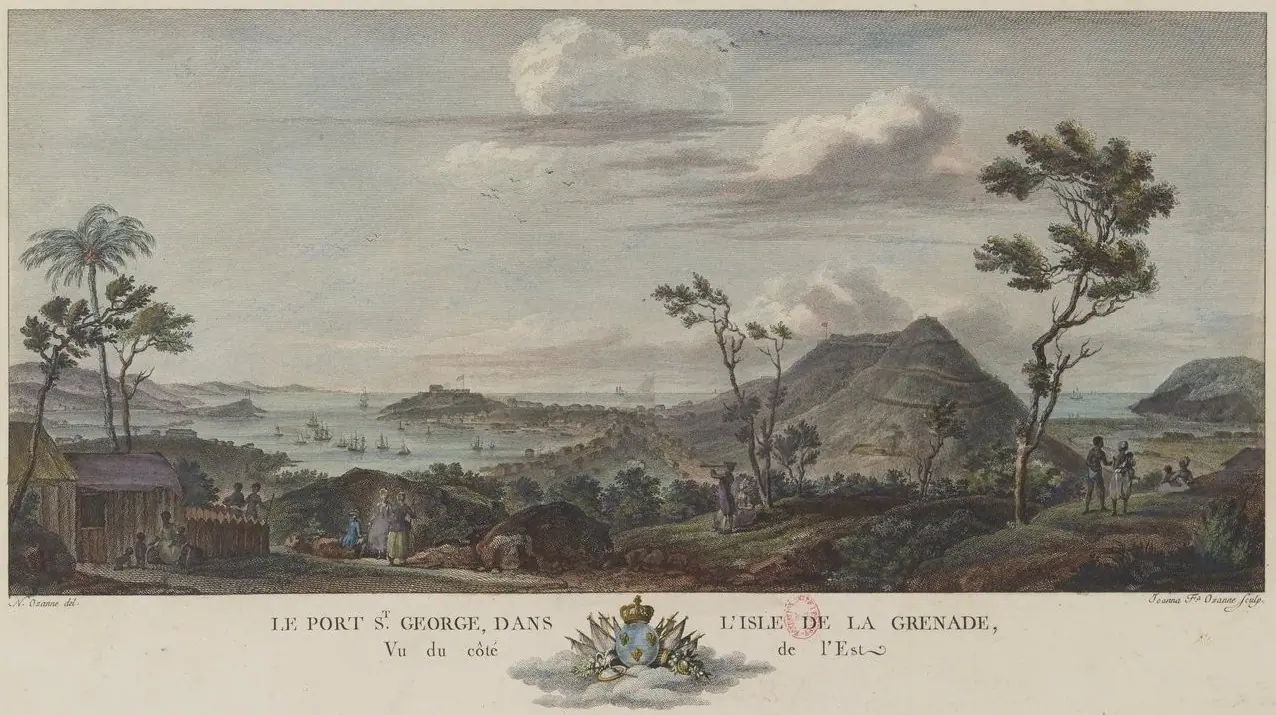
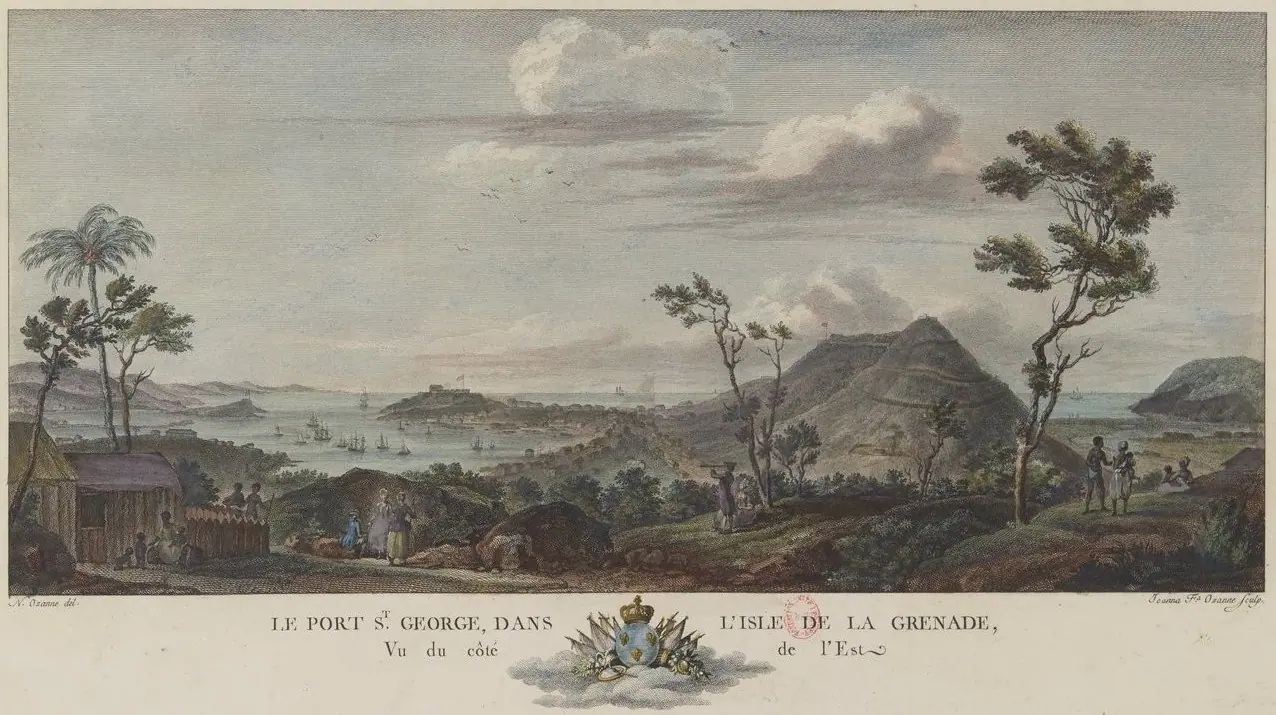
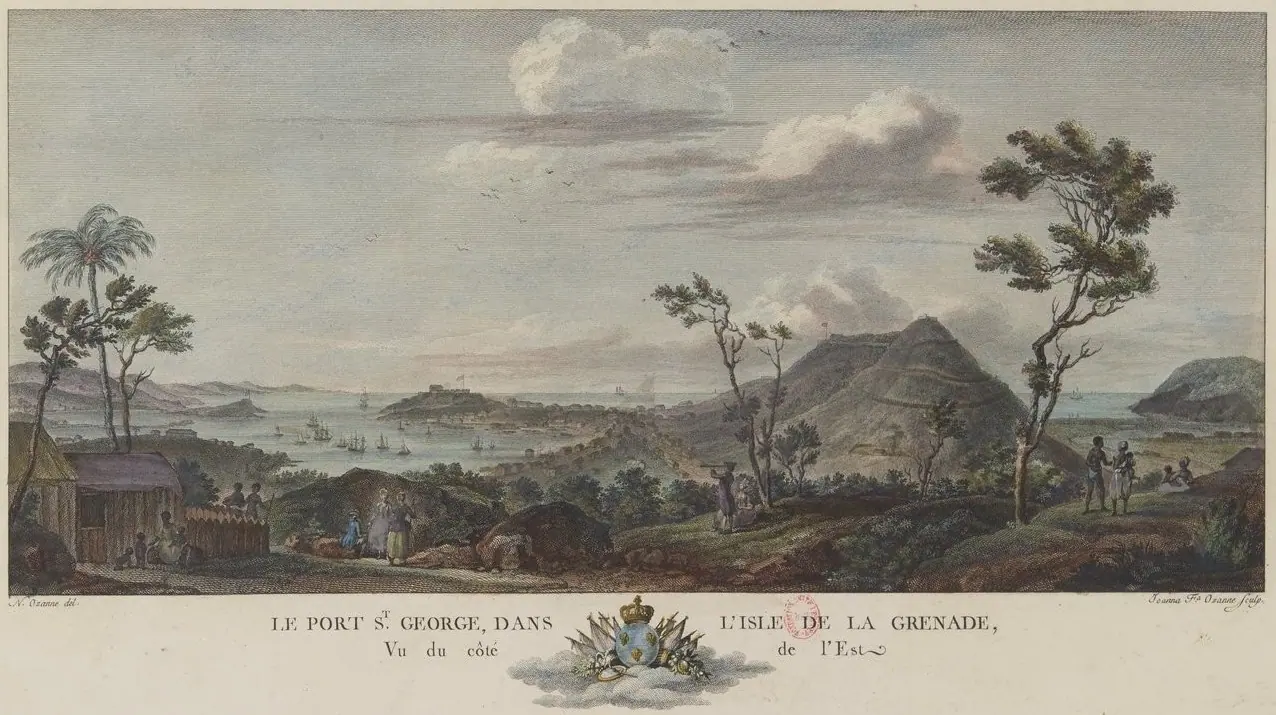
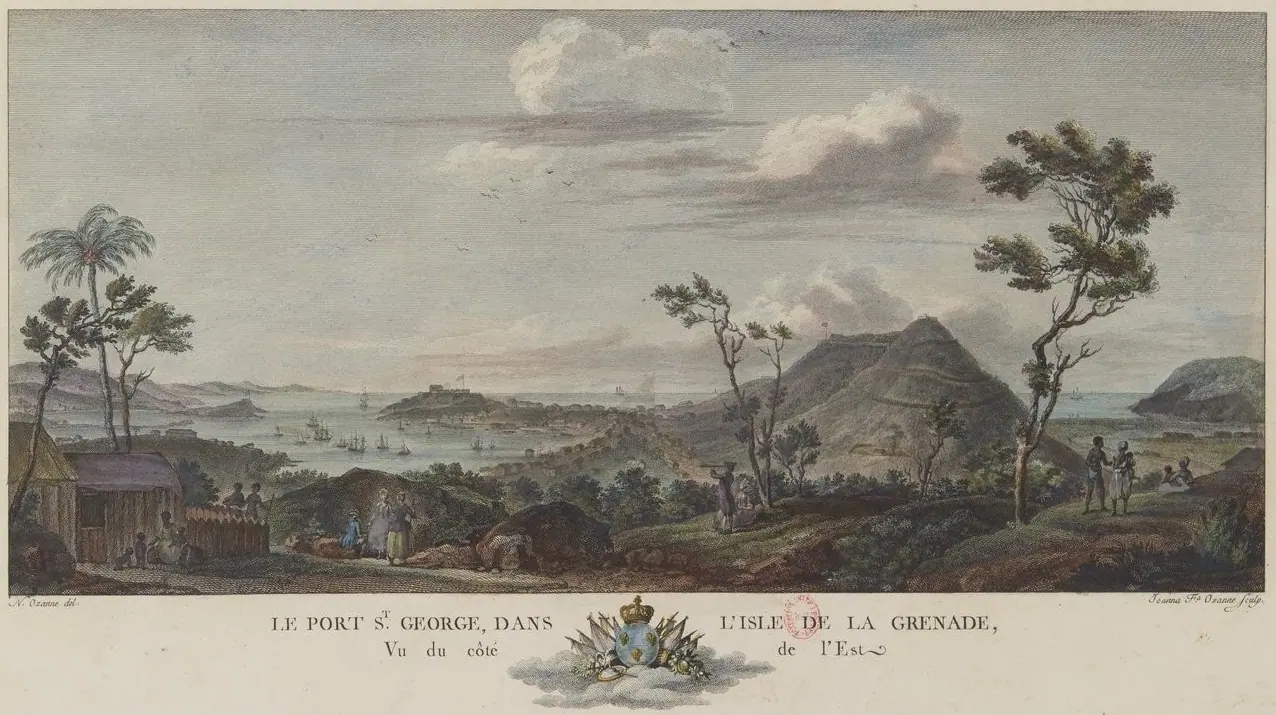
Spend your first evening in St. George's, widely considered one of the prettiest harbour towns in the Caribbean. The horseshoe-shaped Carenage curves around the waterfront, where fishing boats and yachts moor beneath pastel Georgian warehouses. Walk through the 19th-century Sendall Tunnel — a short, lamp-lit passage cut under the ridge — to reach the inner harbour, then climb to Fort George for a sunset view over the rooftops and the open sea beyond.
Before dinner, wander Market Square and the nearby spice market, where vendors sell nutmeg, mace, cinnamon bark, cocoa balls and clove by the scoop. Grenada grows so much of the world's nutmeg that the scent hangs in the air downtown. Eat near the Carenage — oil down, callaloo soup, grilled snapper — and turn in early; the island's roads reward daylight driving.
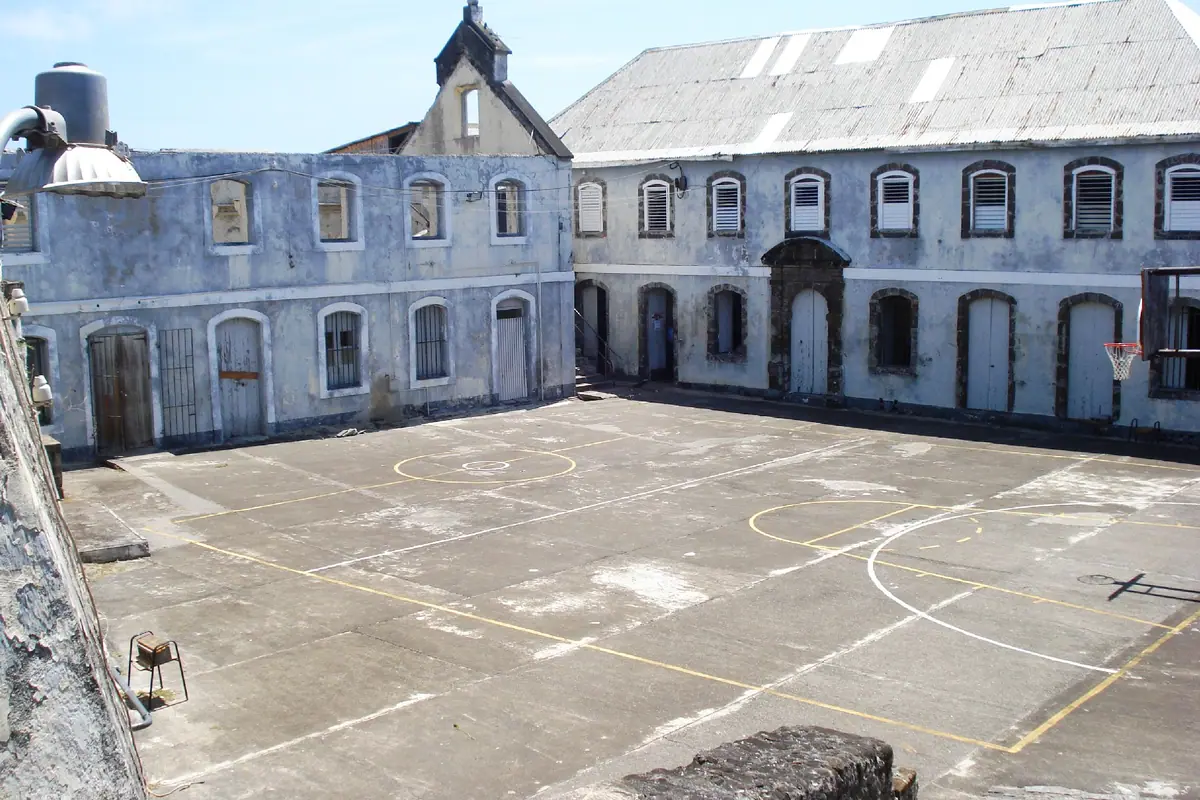
Days 2–3: Grand Anse and the Southwest Beaches
Start your first full day on Grand Anse Beach, a two-mile arc of pale sand and calm turquoise water that anchors the island's tourist strip. It is genuinely one of the Caribbean's great beaches: gentle shelving for swimmers, shade trees along the back, and a craft and spice market at the northern end where you can buy woven baskets and vanilla. Mornings are quietest; the light and the water are at their best before eleven.
Use the afternoon to beach-hop along the coast. Morne Rouge, usually called BBC Beach, is a sheltered crescent just south of Grand Anse with a livelier local scene. Magazine Beach, beside the peninsula's eastern edge, is wilder and often nearly empty, while La Sagesse Bay on the Atlantic side offers a long, palm-backed curve and a salt pond behind it. Each is within a twenty-minute drive of the last.
On day three, drive up to Fort Frederick, the hilltop battery whose ramparts and cannons look straight down over St. George's and the southwest coast — the best free viewpoint on the island. Then take a snorkelling or diving trip to the Underwater Sculpture Park at Molinière Bay, a shallow gallery of submerged figures that has quietly become one of the island's signature attractions. Visibility is best between December and May.

Day 4: Rainforest, Crater Lakes and Waterfalls
Head inland early for Grand Etang National Park, the protected rainforest at the island's centre. The road climbs into mist and tree ferns, and the crater lake at Grand Etang sits in a bowl of green at roughly 530 metres above sea level. Mona monkeys patrol the car park hoping for scraps — do not feed them — and the trails around the lake are short and easy. If you want a real walk, the Mount Qua Qua trail climbs to a ridge with views across to the Atlantic and the Caribbean at once, usually two hours return.
Waterfalls are the afternoon's reward. Annandale Falls is the most accessible, a fifteen-minute drive from St. George's with a short, stepped path down to the pool. Concord Falls, further north near the village of Concord, tumbles in a cool pool beside the road, with two higher tiers reachable only on foot. Seven Sisters Falls, near Grand Etang, demands a muddy 45-minute descent through the bush to reach a chain of seven cascades — wear shoes with grip and carry a rain shell, because this side of the island gets wet year-round.
Distances in Grenada are short but slow: winding, narrow roads mean a drive that looks like 20 kilometres can take an hour. Renting a car gives you the most freedom, but guided rainforest walks and waterfall tours are widely available if you would rather not drive the hairpins yourself.
Day 5: Spice Estates, Nutmeg and Rum
Grenada's west coast is a working landscape of nutmeg groves and cocoa. At the Gouyave Nutmeg Processing Station you walk a raised gallery above the sorting floors where women grade nutmegs by hand, the whole building perfumed with the stuff. Nearby Dougaldston Spice Estate is a small, old-fashioned operation where you can see cloves, cinnamon and cocoa laid out to dry in the sun and buy directly from the growers. Both are short visits that explain why Grenada calls itself the Isle of Spice.
Then drive north to River Antoine Rum Distillery, one of the oldest water-powered distilleries still operating anywhere in the Caribbean. Cane is crushed on site by a waterwheel, the juice fermented in open vats, and the result is a fierce, high-proof rum that is not for the faint-hearted. Tours run on weekdays and take about an hour; the machinery alone is worth the trip for anyone interested in how rum was made two centuries ago.
Finish at Belmont Estate near St. Patrick's, a historic cocoa and nutmeg plantation with a heritage museum, a small chocolate-making operation and a farm-to-table restaurant serving estate-grown produce. Grenada's bean-to-bar chocolate is now as much a source of pride as its spice, and you can see the whole process from pod to bar. If your visit falls on a Friday, loop back through Gouyave in the evening for Fish Friday, when the whole town grills fish in the street.
Day 6: The Wild North Coast and Levera
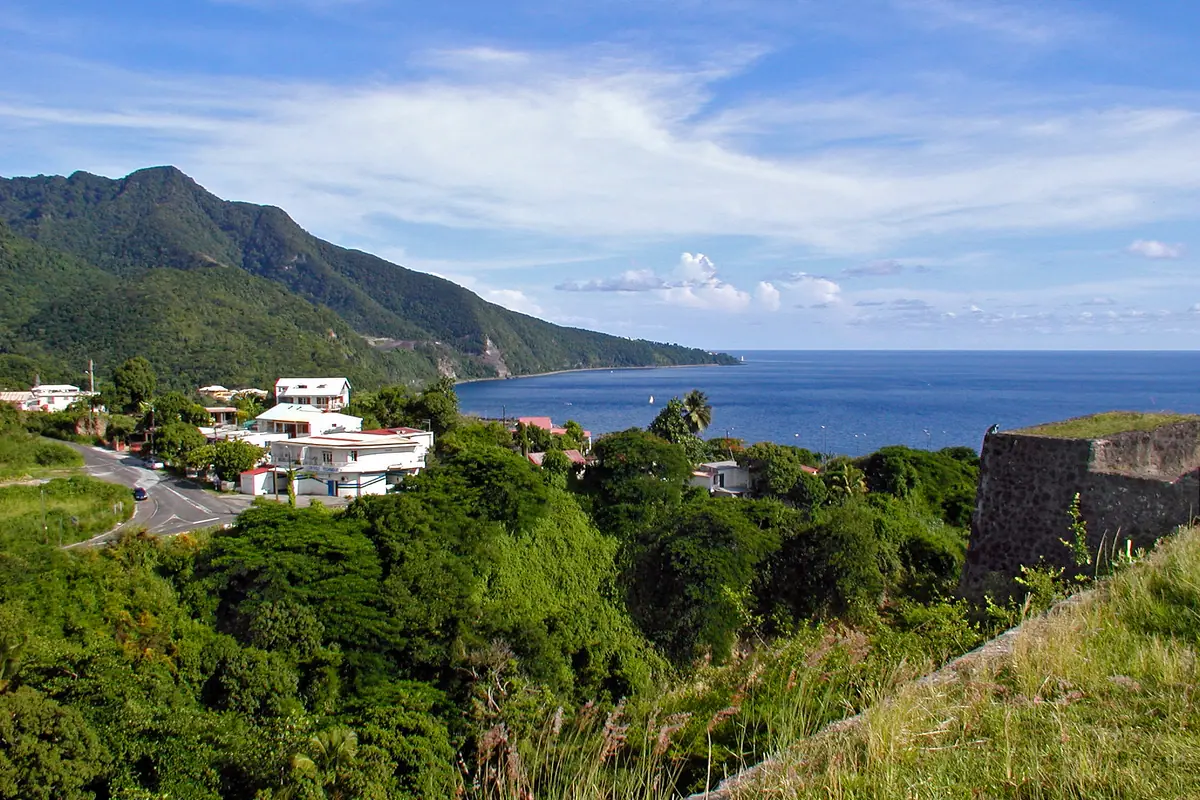
The north of Grenada feels like a different island: rougher seas, cattle pastures, and a coastline of black rock and dark sand. Levera Beach, in the national park of the same name, is the island's most important leatherback turtle nesting site, with females coming ashore between roughly March and July to lay eggs under cover of darkness. Watching a nesting turtle is a strictly regulated, guided experience and one of the genuine wildlife highlights of the Eastern Caribbean. The view from the ridge above, across to Sugar Loaf and the Grenadines on the horizon, is worth the drive on its own.
Pair it with Bathway Beach, where volcanic rock pools at the northern end fill and warm in the sun while the Atlantic breaks outside them — swim in the pools, not the open surf. Inland, the River Sallee sulphur springs bubble with mineral water and mud that locals swear by for the skin. Offshore, tiny Sandy Island is a postcard of white sand, a few palms and reef close enough to snorkel from the shore; boats run from the northern coast and from Carriacou.
Day 7: Carriacou, or a Slow Last Day in the South
With a week, the best use of your final day is a hop to Carriacou, Grenada's sister island, either by the inter-island ferry from St. George's — around ninety minutes to two hours, depending on the boat — or by a short light-aircraft flight from the international airport to Lauriston. Carriacou is quieter, drier and famous for boat building: in the village of Windward, craftsmen still shape wooden sloops on the beach by eye, and the island's Big Drum and string-band traditions are very much alive. April's maroon and string-band festival is the best time to hear them.
Once there, Hillsborough is the main town, but the beaches are the reason to come. Paradise Beach and the sheltered Anse La Roche are the standouts, and Sandy Island floats just off the west coast. Buses and taxis on Carriacou are cheap and informal, and a single day is enough for a taste — though many travellers end up wishing they had booked two nights.
If you would rather stay put, spend day seven gently: a last long swim at Grand Anse, a rum punch at sunset, and a final pass through the Grand Anse craft and spice market for nutmeg syrup, cocoa and woven goods. The dry season, roughly December to April, gives the steadiest weather and the busiest hotels; May and November are quieter shoulder months with lower rates. August brings Spicemas carnival, when St. George's fills with Jab Jab and Shortknee masqueraders, paint and drums — spectacular, but book well ahead.
Frequently asked questions
What is the best time of year to visit Grenada?
The dry season from December to April offers the most reliable sunshine, the calmest seas and the best diving visibility, but it is also the busiest and most expensive period. May, June and November are quieter shoulder months with good conditions and lower rates. The hurricane season runs from June to November, with the highest risk usually in September and October.
How do I get around Grenada without a car?
Public minibuses are cheap and run frequently along the main routes between St. George's, Grand Anse and the west coast, though they stop early in the evening. For waterfalls, rainforest trails and the north coast, hiring a car or joining a guided day tour is far more practical, since rural roads are narrow and winding and drives take longer than the distances suggest.
Which beaches in Grenada should I not miss?
Grand Anse is the island's flagship beach, with calm water and a long sweep of sand. Morne Rouge (BBC Beach) and Magazine Beach are quieter alternatives nearby, La Sagesse on the Atlantic side is wilder and greener, and Bathway in the north has volcanic rock pools. Sandy Island off the north coast and Anse La Roche in Carriacou are the best of the smaller offshore spots.
Can I see turtles nesting in Grenada?
Yes. Levera Beach in the north is the island's principal leatherback nesting site, with turtles coming ashore to lay eggs roughly between March and July. Access is managed through licensed local guides and usually takes place at night, so book in advance and follow the rules about lights, noise and distance — it protects both the turtles and your chances of seeing one.
Is one week enough to see Grenada and Carriacou?
A week covers Grenada's highlights comfortably and leaves room for a day trip to Carriacou by ferry or short flight. If you want to explore Carriacou properly — Windward's boatyards, Anse La Roche, Sandy Island — plan on at least two nights there and trim a day from the main island's beach time.
Sort the rest of your trip
Everything for Grenada, in one place
Stay in Grenada
Hotels, guesthouses and apartments — compared in one search.
Search hotels
Transfer in Grenada
Private driver waiting on arrival — no queues, no surprises.
Book a transfer
Travel insurance
Medical cover, delays and lost baggage — sorted before you go.
Get covered