Eswatini packs an entire safari kingdom into a space you can cross in an afternoon: rhino and lion in the lowveld, granite domes and waterfalls on the highveld, and a royal culture that still shapes the calendar. It is one of the last absolute monarchies on earth, and the rituals, markets and mountain trails feel genuinely lived-in rather than staged for visitors.
Big Game in the Royal Parks: Hlane, Mkhaya and Mlilwane
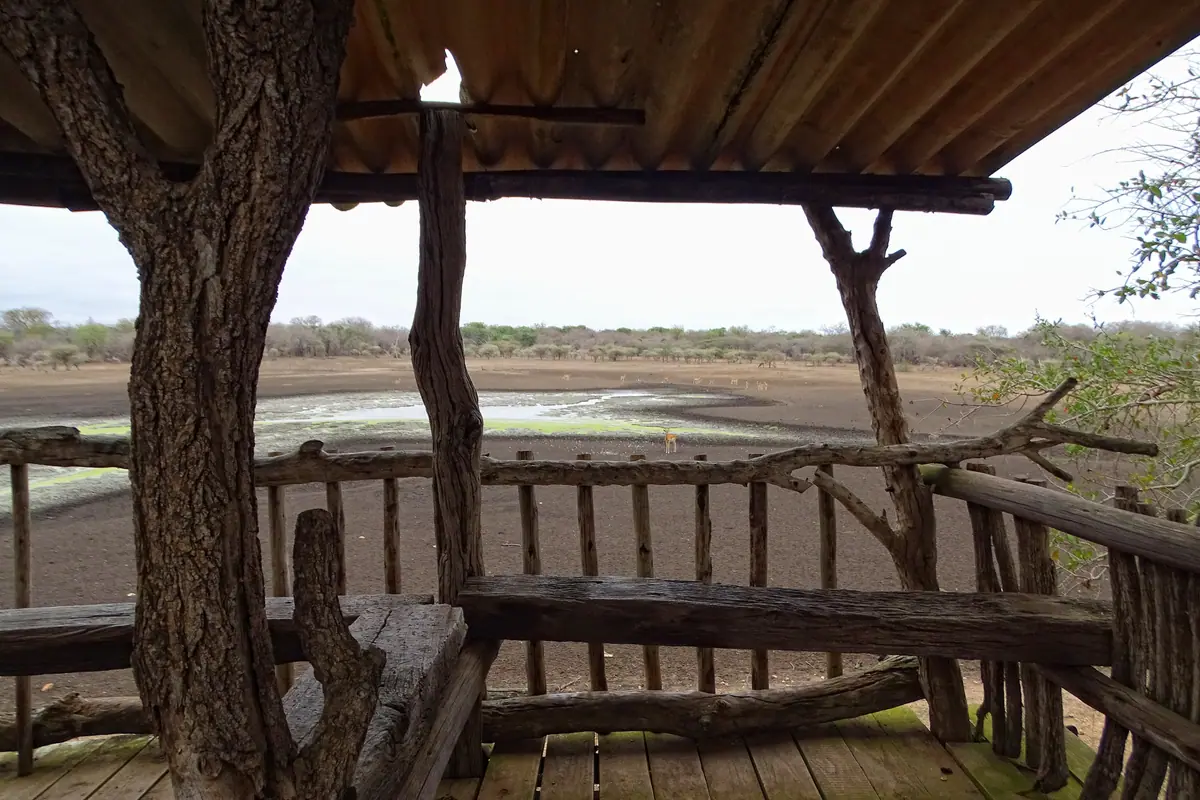
Hlane Royal National Park is the country's largest protected area, a sweep of dry savanna and marula woodland in the eastern lowveld where you can self-drive past elephant, white rhino and herds of impala before breakfast. Lions live in a separate fenced sector, so guided drives and the excellent rhino walks — where you approach on foot with an armed ranger — are the way to see the predators. Ndlovu Camp sits right beside a floodlit waterhole, and the birdlife is extraordinary: raptors, hornbills and bush shrikes are almost constant company.
Mkhaya Game Reserve was set aside as a refuge for endangered species and remains the best place in the country to see both black and white rhino alongside sable antelope and buffalo. Access is by guided game drive only, which keeps the experience quiet and unhurried. Mlilwane Wildlife Sanctuary, in the Ezulwini Valley, is the opposite kind of pleasure: no dangerous predators, so you can walk or cycle freely among zebra, wildebeest, warthog and hippo, with the Nyonyane mountain ridge as a backdrop.
Further east, Mlawula and Mbuluzi stretch along the Lubombo escarpment, where walking trails thread through fig trees and riverine forest. These smaller reserves are gentle, uncrowded and superb for birders chasing the 500-plus species recorded nationwide, including narina trogon and pink-throated twinspot.
Mantenga Falls, the Cultural Village and the Ezulwini Valley
The Ezulwini Valley — its name means Valley of Heaven — is the spine of Eswatini tourism, running between Mbabane and Manzini and dotted with craft studios, guesthouses and viewpoints. At its heart is Mantenga Nature Reserve, where a short bush walk leads to Mantenga Falls, a wide curtain of water on the Lusushwana River that swells dramatically after summer rain. It is an easy, family-friendly stop, and the rock pools below are tempting in the heat.
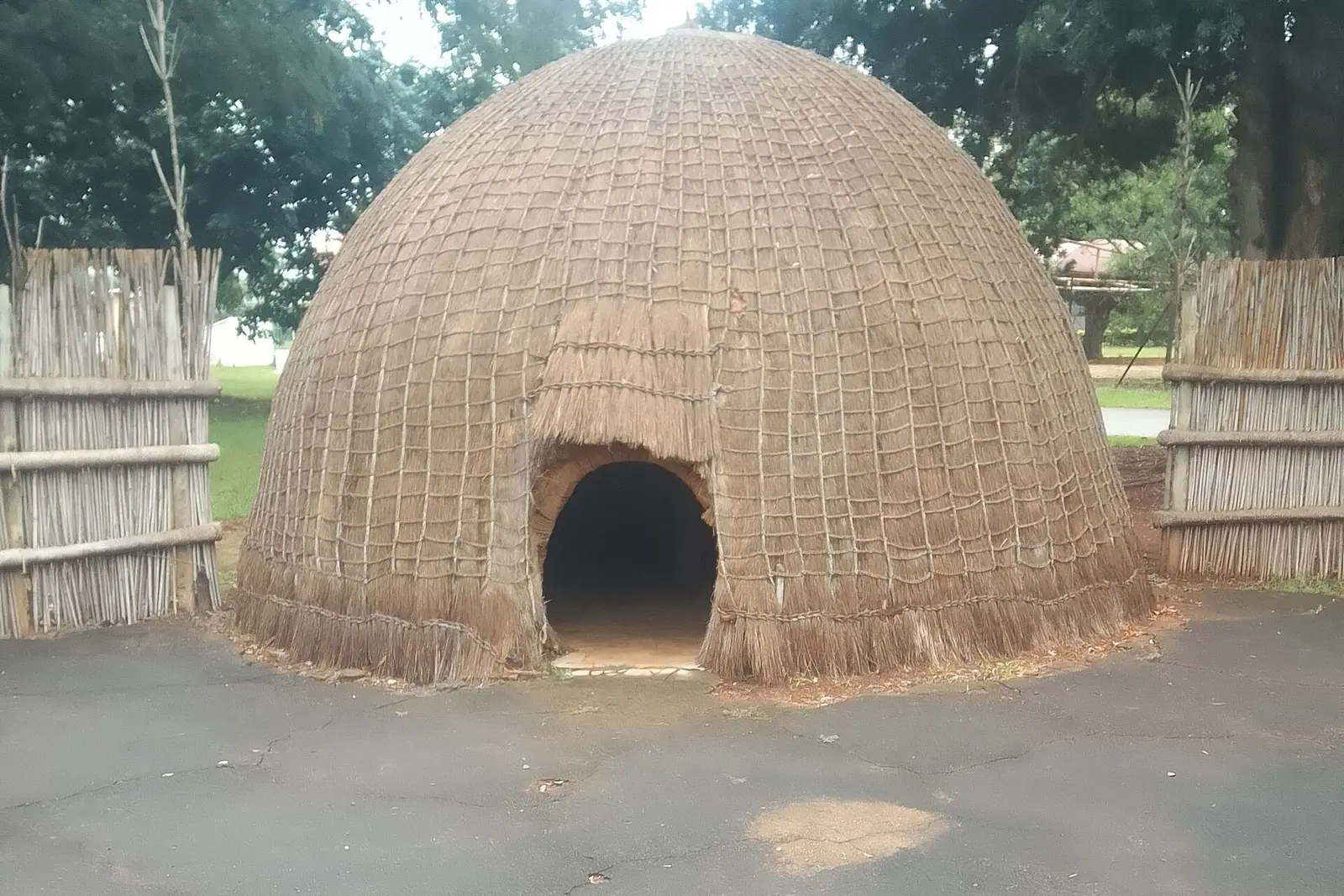
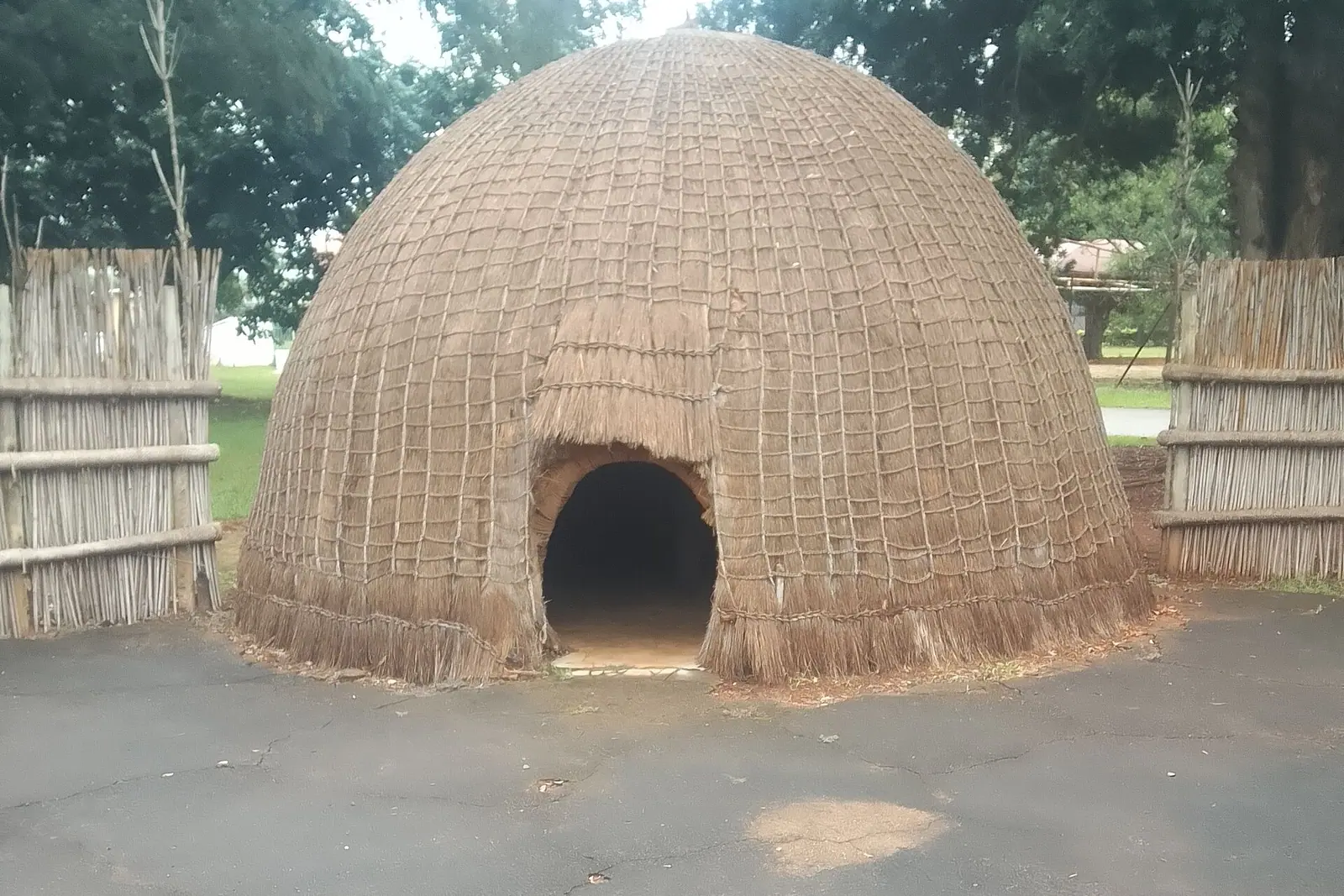
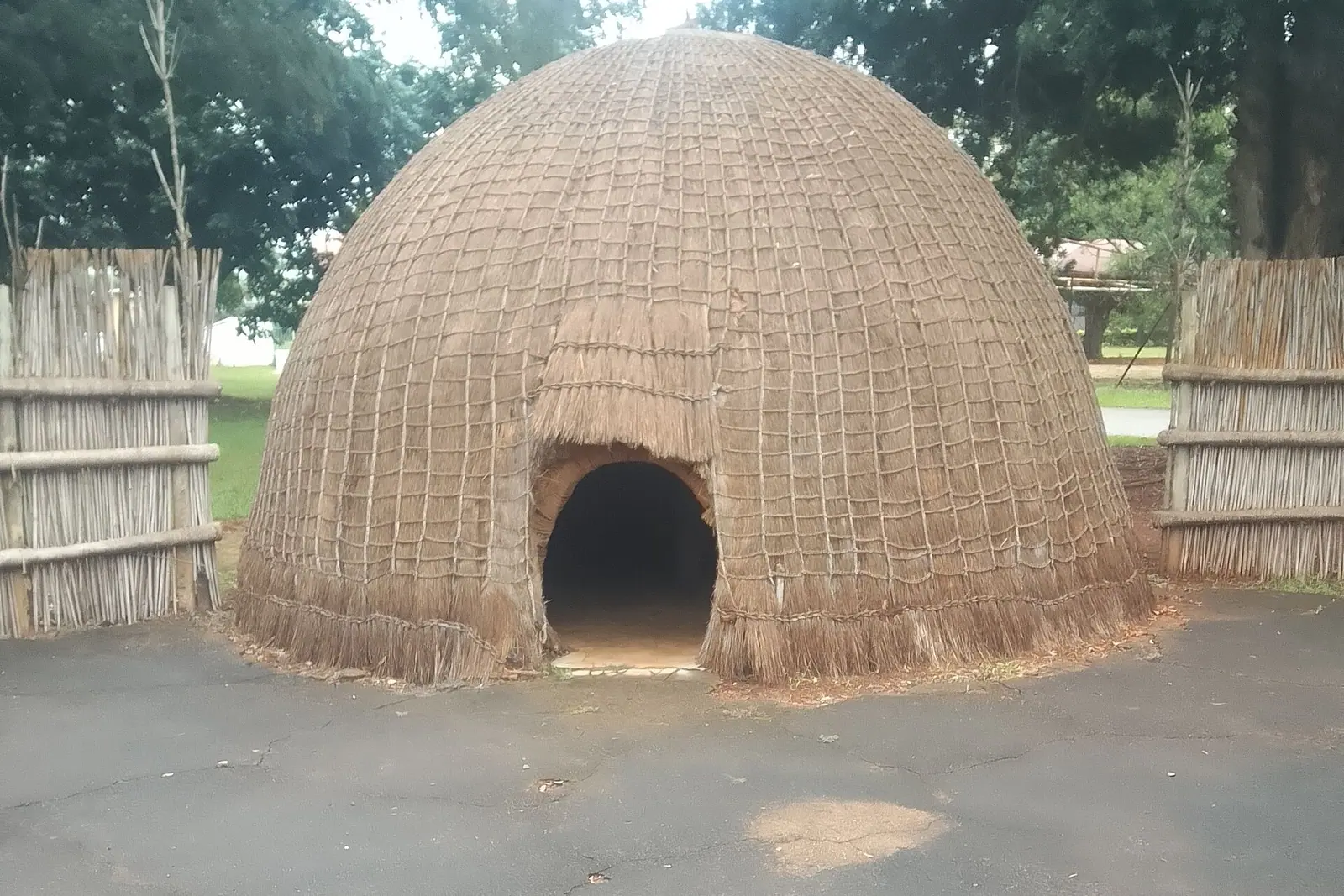
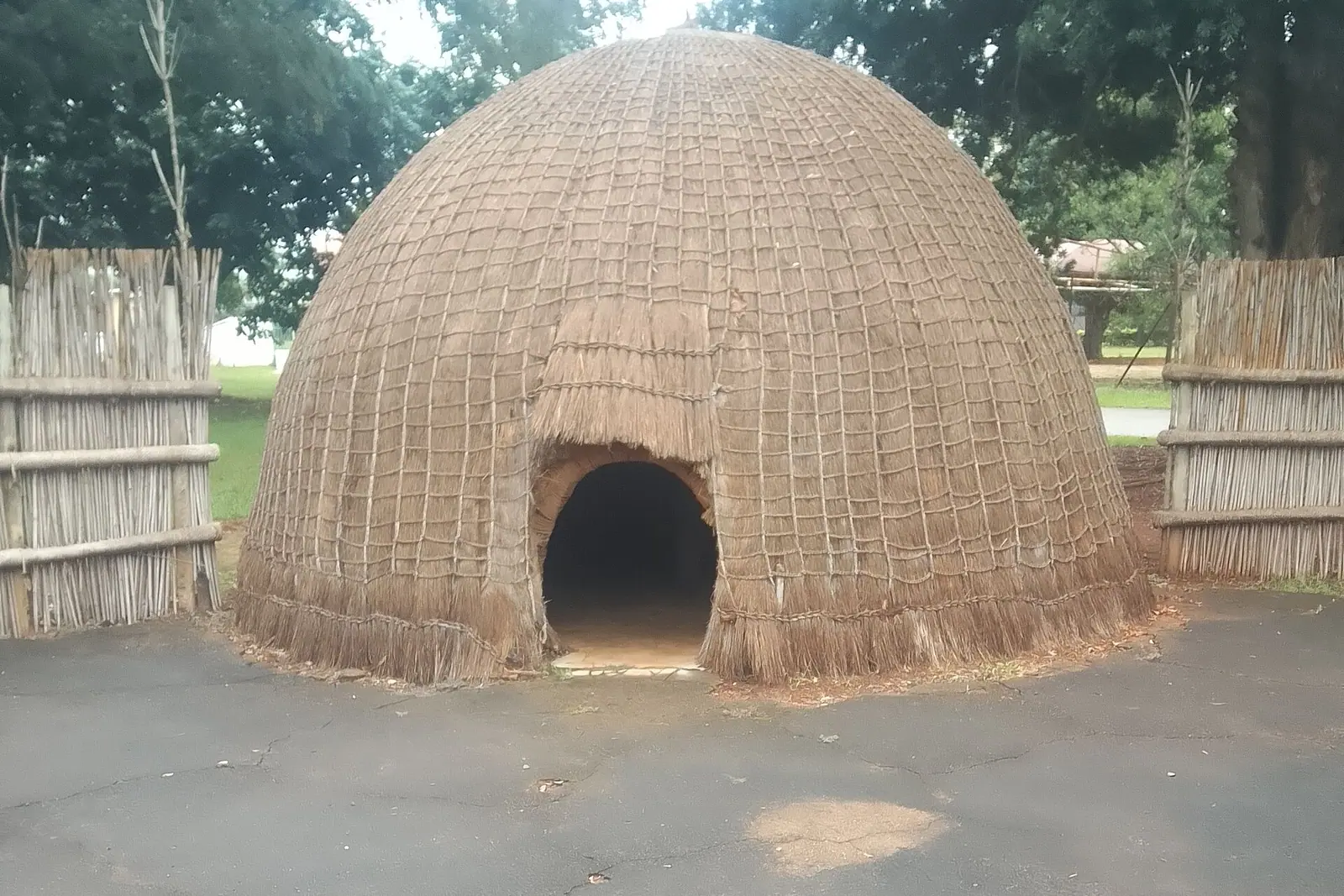
Above the falls rises Execution Rock, the granite peak of Nyonyane, so named because wrongdoers were once cast from its summit. It makes a stiff but rewarding half-day hike with sweeping views over the valley. Beside the reserve entrance, the Swazi Cultural Village recreates a traditional homestead of beehive huts around a cattle kraal; guided tours explain the role of the extended family, the meaning of the sibhaca dance, and the place of cattle in Swazi wealth and courtship.
Combine the falls, the walk and the village into a leisurely half day, then drive a few minutes to Lobamba for the National Museum of Eswatini and the King Sobhuza II Memorial Park, a marble mausoleum and eternal flame honouring the king who led the country to independence. Somhlolo National Stadium nearby hosts the country's biggest national events.

Sibebe Rock, Malolotja and the Ancient Ngwenya Mine
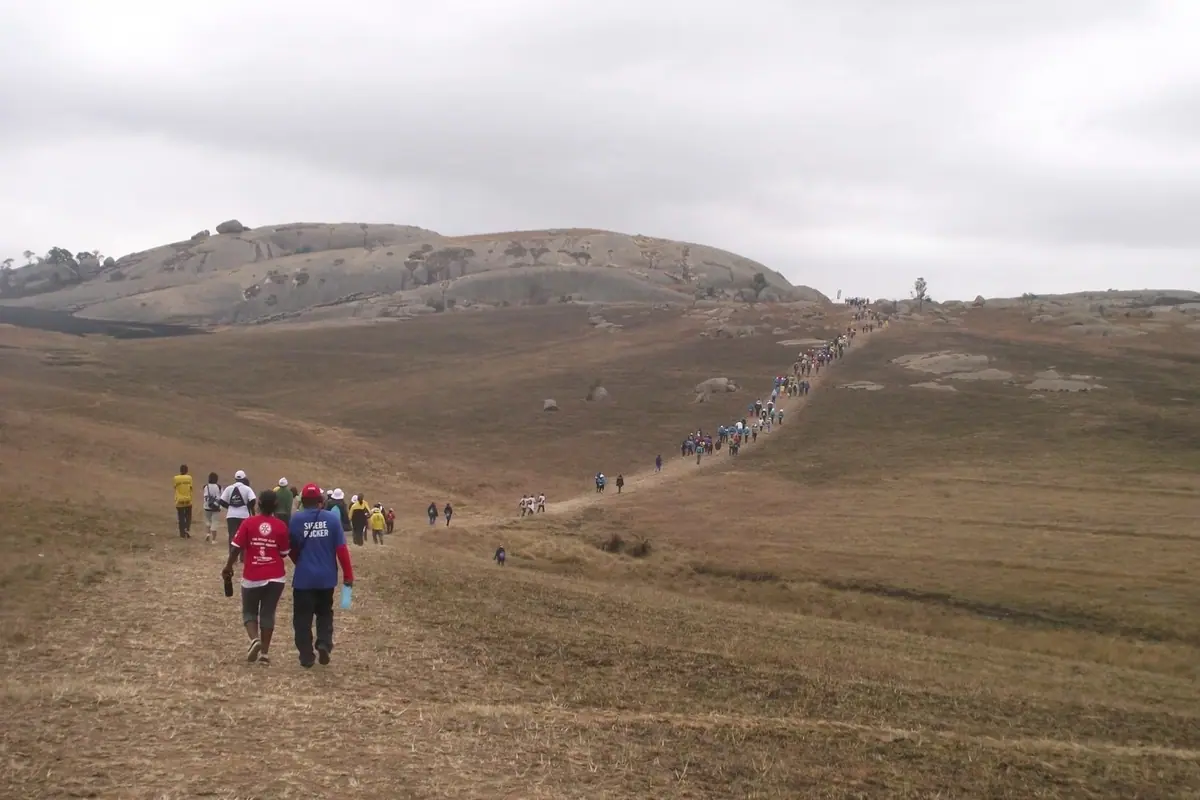
Sibebe Rock, a colossal granite pluton north of Mbabane, is one of the largest exposed granite domes on the planet, and climbing it is the definitive highveld hike. The route takes roughly two to three hours up and back over bare whaleback slabs, with guiding required because much of the land is private and cattle grazing continues on the lower slopes. The reward is a 360-degree view across the Mdzimba hills and down toward the lowveld.
Malolotja Nature Reserve protects a rugged highveld wilderness of grassland, gorges and rare plants — well over a thousand species — plus the Silotfwane Falls, backpacking trails and camping in complete silence. The Malolotja canopy tour turns some of that terrain into a rush, zipping through the treetops above the Komati River gorge on a series of cables and platforms.
Within this landscape lies Ngwenya Mine and its Lion Cavern, recognised as one of the oldest known mines anywhere on earth, where iron ore and red ochre were dug out for tens of thousands of years. Standing at the entrance, looking over the terraced hillside, is a humbling reminder that this small kingdom has been worked and settled for an extraordinarily long time.
Royal Rituals: Umhlanga, Incwala and the Landmarks of Lobamba
Eswatini's culture is not museum-piece heritage — it is a living calendar. The Umhlanga, or Reed Dance, takes place in late August or early September at the royal village of Ludzidzini near Lobamba, when tens of thousands of young women in bright traditional dress travel to cut reeds and present them to the Queen Mother. Visitors are welcome to watch the main day's dancing, with modest dress and respectful behaviour expected.
Incwala, held around December and January and timed to the lunar cycle, is the more sacred of the two ceremonies: a first-fruits and kingship ritual that draws the nation to the royal capital. It is a solemn, sometimes deliberately confrontational event, and its dates shift each year. If your visit coincides with either, treat it as a privilege rather than a spectacle.
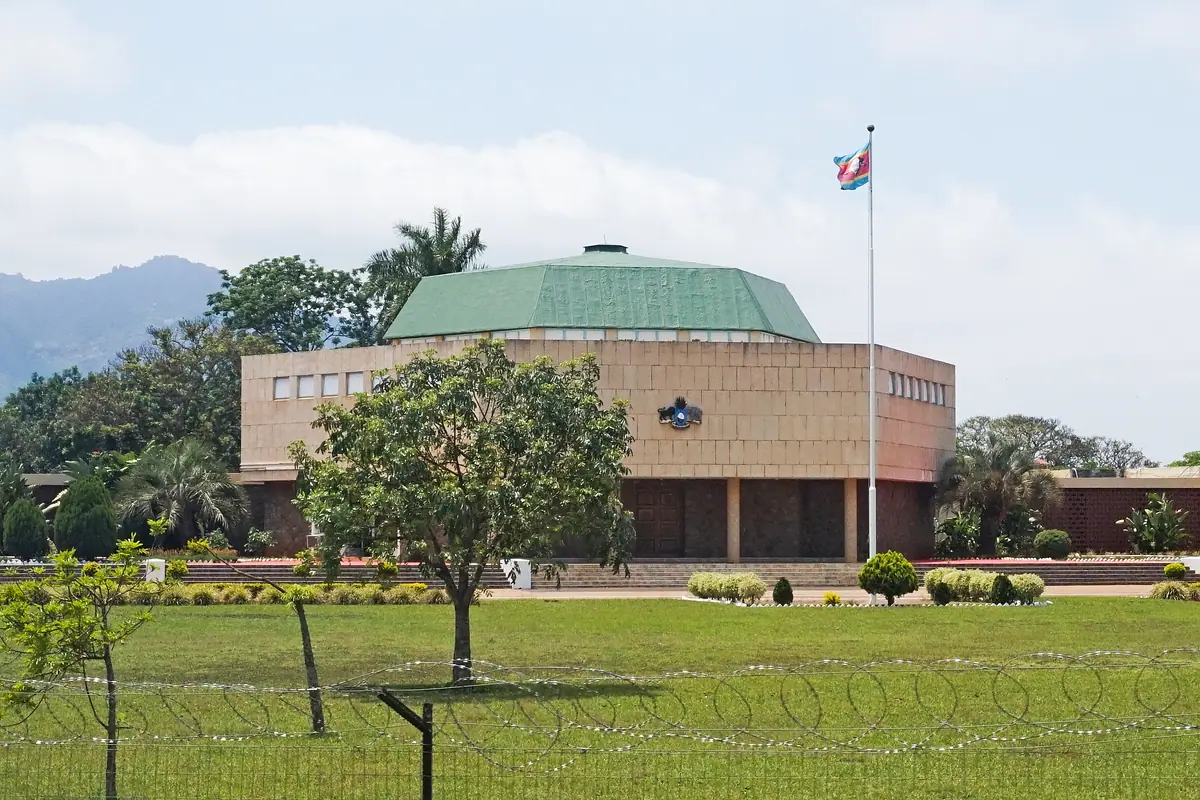
Lobamba itself is packed with national landmarks: the Parliament building, the royal residence, the King Sobhuza II Memorial Park with its bronze statue and flame, and the National Museum of Eswatini, which covers royal regalia, geology and archaeology. Etiquette matters — ask before photographing people, avoid photographing royal buildings or the king, and never step into a cattle kraal or over a homestead's inner fence uninvited.
Markets, Crafts and Town Life in Mbabane and Manzini
Mbabane is a calm, hilly capital with a small centre that is easy to walk in a morning. The Mbabane Market is the place for woven sisal baskets, wooden bowls, beadwork and the striped cloth used in traditional dress, and the neighbouring Swazi Market adds a few more stalls and plenty of conversation. It is compact enough that you can see everything, stop for coffee, and still make an afternoon game drive.
Manzini is bigger, noisier and more interesting for it. The Manzini Market is the largest in the country, a sprawling grid of produce stalls, spice sellers, fabric merchants and traditional healers displaying bundles of herbs and roots. The nearby bus rank is also the transport heart of Eswatini — chaotic in the best way, and a quick lesson in how most people actually travel. Arrive in the morning for the widest choice and the best light.
For crafts, follow the artisan trail through Malkerns and the Ezulwini Valley, where candle-makers, glassblowers, batik artists and weavers work in open studios, often with a café attached. Buying directly means your money stays closer to the maker, and the pieces are far better than the airport equivalents.
When to Go and How to Get Around Eswatini
The dry winter months from May to September are the best all-round window: vegetation thins, animals gather at waterholes, and the lowveld is warm rather than punishing. Be warned that the highveld around Mbabane can get genuinely cold at night in June and July, with misty mornings. The wet summer from October to April turns the country lush and dramatic, peaks for birdwatching, and brings afternoon thunderstorms; roads inside reserves can turn muddy, and malaria precautions are sensible in the lowveld areas such as Hlane, Mlawula and Big Bend.
Distances are tiny by African standards — roughly 200 km north to south and 130 km across — so nothing is more than a few hours' drive. The main highways are tarred and generally good, driving is on the left, and self-drive rentals brought in from South Africa are common. Minibus taxis link the towns cheaply but slowly. Most travellers arrive overland through border posts such as Oshoek, Matsamo, Mananga or Lavumisa, or fly into the international airport near Sikhuphe.
A satisfying loop takes four to seven days: two nights in the Ezulwini Valley for Mantenga Falls and Mlilwane, a night or two at Mkhaya or Hlane for rhino and lion, a day in Malolotja or climbing Sibebe, and time on the Lubombo escarpment, where community-run camps such as Shewula look out over the bush toward Mozambique. Slow down and the country rewards you with far more than its size suggests.
Frequently asked questions
How many days do you need in Eswatini?
Four to seven days covers it comfortably. A typical route takes in the Ezulwini Valley and Mantenga Falls, a night in Mlilwane or Mkhaya, two nights at Hlane for lion and rhino, plus a day for Malolotja or the Sibebe Rock hike. Two days is enough only for a quick taste of the Ezulwini Valley.
What is the best time of year to visit Eswatini?
May to September is the dry winter season and the best time for wildlife viewing, with thinner bush and animals concentrating at waterholes. October to April is greener and better for birds, but hotter and wetter. Late August or early September is when the Reed Dance takes place, and Incwala falls around December or January.
Is Eswatini safe for travellers?
It is generally considered a safe, low-crime destination, and tourist areas and reserves are relaxed and well managed. Take the usual precautions in the bigger towns after dark, drive carefully on rural roads where cattle often wander onto the tarmac, and explore reserves with a guide where required — several, including Mkhaya and Sibebe Rock, can only be visited that way.
What currency and language is used in Eswatini?
The lilangeni is the local currency and is pegged one-to-one with the South African rand, which is also widely accepted. English and siSwati are both official languages, so English speakers have no trouble getting around.
Can visitors attend the Umhlanga Reed Dance?
Yes. The main dancing day at Ludzidzini near Lobamba is open to visitors, usually in late August or early September. Dress modestly, keep a respectful distance, follow any instructions about photography, and remember this is a living ceremony rather than a performance. Incwala, held in December or January, is far more sacred and access is more limited.
Plan it — experiences in Eswatini
Live search, booked directly with trusted providers.
Sort the rest of your trip
Everything for Eswatini, in one place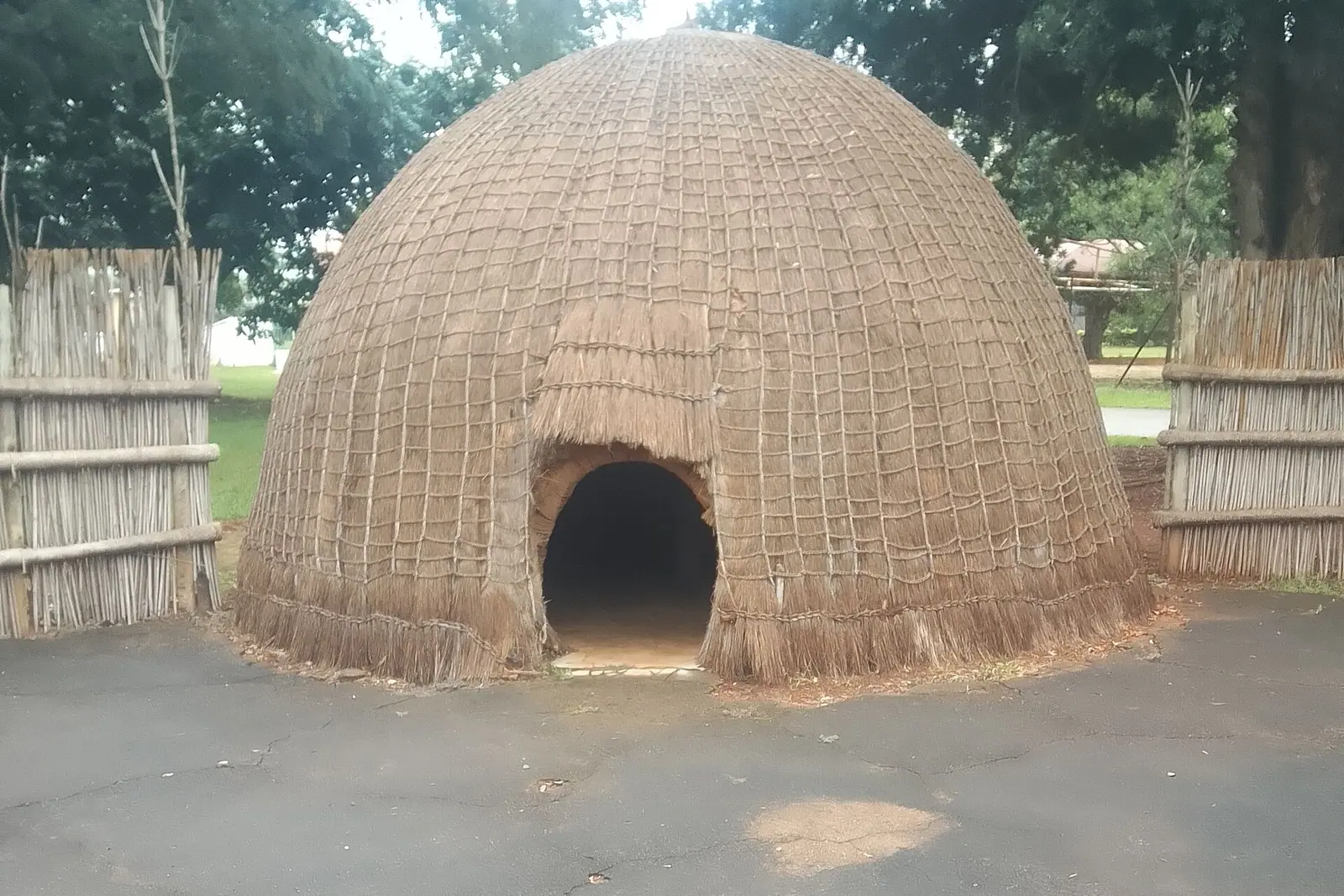
Stay in Eswatini
Hotels, guesthouses and apartments — compared in one search.
Search hotels
Transfer in Eswatini
Private driver waiting on arrival — no queues, no surprises.
Book a transfer
Stay online in Eswatini
Travel eSIM — data the moment you land, no roaming bills.
Get an eSIM