Eswatini is small enough to cross in a morning, yet it packs three distinct climates and a royal cultural calendar into that space — so when you book your room matters more than you might expect. Choose the right month and you get crisp safari mornings, dry mountain trails and a bed in the valley you actually wanted.
How Eswatini's Three Altitudes Shape Where — and When — You Sleep
Eswatini is layered like a staircase running from west to east. The Highveld, where the capital Mbabane sits at around 1,200 metres, is cool and misty, with pine belts and river gorges. The Middleveld takes in Manzini and the Ezulwini Valley — the so-called Valley of Heaven, and the country's main hotel corridor. Further east the Lowveld drops to barely 200 metres around Big Bend and Tshaneni, where the heat is genuinely tropical and the thornveld feels like Mozambique next door.
That vertical drop of a kilometre over roughly 100 kilometres of road means a hotel in Mbabane can be 10°C cooler than one near the Lubombo Plateau on the same afternoon. In winter you may want a heater and an extra blanket in the Highveld while Lowveld lodges are still serving dinner outside. In summer the reverse happens: humid heat pushes people up into the hills, and Ezulwini's mid-altitude valley becomes the comfortable compromise that most first-time visitors settle on.
For a general rule, the dry winter months of May to September are the most reliable for travellers who want to be outdoors from dawn to dusk, while the wet summer months from November to March reward anyone who prefers green landscapes, dramatic skies and quieter lodges. Between them, April and October are the sweet spots most repeat visitors quietly aim for.
The Dry Season: May to September, Prime Months for Safari Lodges
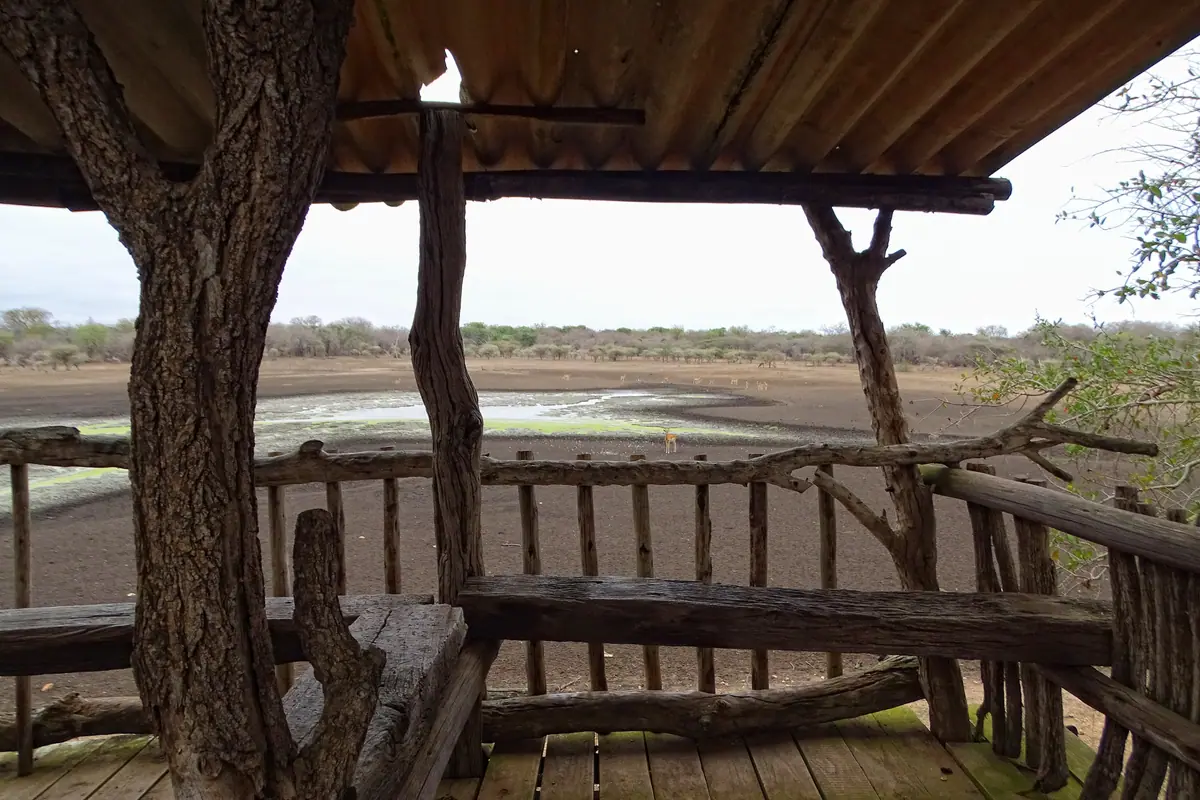
Winter is Eswatini's safari season. From May onwards the rain stops, the bush thins out and animals concentrate around permanent water, which makes sightings in Hlane Royal National Park — home to white rhino, elephant and some of the densest lion-free plains game in the region — far easier than in the lush months. Mkhaya Game Reserve, the country's refuge for black rhino and sable antelope, is at its most walkable, and Mlilwane Wildlife Sanctuary's open grasslands near Lobamba make self-guided cycling and horse trails genuinely pleasant.
Daytime temperatures sit comfortably in the low-to-mid twenties Celsius, with blue skies that photographers love. The catch is the nights: Highveld lodges around Mbabane, Malolotja and Piggs Peak can drop to near freezing in June and July, and frost is not unusual in the early morning. Look for rooms with heating, thick duvets and fireplaces if you're staying up in the hills, or drop down to the Middleveld and Lowveld where evenings stay mild.
This is also peak booking pressure, especially the July school holidays and long weekends, when Ezulwini Valley resorts and the lodges inside the reserves fill up weeks in advance. If you want a specific room type — a chalet with a view over the Mbuluzi River, or a family unit near the Malolotja entrance — reserve early. Days are short, with sunset before six, so plan game drives and hikes for the morning.
The Green Season: November to March, Waterfalls and Thunderheads
Summer turns Eswatini vividly green. The rains usually arrive as short, spectacular afternoon thunderstorms rather than all-day drizzle, which means mornings are often clear and the light afterwards is extraordinary. Mantenga Falls and the Phophonyane Falls in the north-west run full and loud, Mlilwane's dams fill, and the birding is the best of the year — migrants join residents, and raptors and rollers are everywhere in Mlawula Nature Reserve and along the Lubombo escarpment.
The trade-off is heat and humidity in the Lowveld, where temperatures can push past the mid-thirties and the air feels heavy. Mid-range hotels in the Ezulwini Valley and Mbabane are more comfortable, and mountain lodges in Malolotja benefit from afternoon mist. Trails get slick, dirt roads in the reserves can turn to mud, and some remote tracks require a 4x4. Budget for insect repellent, quick-drying clothing and a flexible daily plan that moves indoor visits — the National Museum and King Sobhuza II Memorial Park in Lobamba, or the glassblowing workshops near Ngwenya — to the stormy hours.
The upside is value. Outside the Christmas and New Year peak, this is the quietest stretch of the calendar and rates are at their softest, so the same lodge budget stretches further. Just note that the festive season itself flips completely: late December and early January are busy, with families filling the valley resorts and the Incwala ceremony drawing crowds to the royal areas.

The Cultural Calendar: Time Your Trip Around Umhlanga and Incwala
Two ceremonies dominate Eswatini's year and both affect hotel demand dramatically. The Umhlanga, or Reed Dance, usually falls in late August or early September at Ludzidzini Royal Village near Lobamba, when tens of thousands of young women in traditional dress cut reeds and dance before the royal family. The exact dates follow the moon and are confirmed only a short time beforehand, so anyone hoping to combine the ceremony with a valley stay should keep plans flexible and book refundable rooms.
Incwala, the longer kingship ceremony, spans roughly three weeks over December and January, with the main day typically early in the new year. It is a solemn national event rather than a tourist spectacle, and access is limited, but the atmosphere around Lobamba and the Ezulwini Valley is unforgettable. Accommodation in the area sells out fast for the main days.
If music is more your thing, the Bushfire Festival at House on Fire in the Malkerns Valley draws regional and international acts, usually over a long weekend in May, and turns nearby guesthouses into the most sought-after beds of the year. February and March bring the Marula Festival, a celebration of the first harvest, centred on the royal residences in the Lowveld — another reason to check what's on before locking in dates.
Shoulder Seasons: April and September to October
April is arguably Eswatini at its most forgiving. The summer rains taper off, the bush is still thick and green, waterfalls are running, and daytime temperatures in the Middleveld are mild. Game viewing is harder in the dense foliage but the scenery is at its peak, and hotel rates have already dropped from the Christmas high. It's an excellent month for combining a walking trail in Mlilwane with a cultural stop at Mantenga Cultural Village.
September and October, on the other side of winter, bring dry bush, warming days that can tip into genuine heat by late October, and a landscape dotted with flowering aloes and jacaranda. Wildlife viewing is still strong because water remains scarce, and the roads are firm. It's a good window for the far north — Maguga Dam, the Komati River gorge and the Highveld viewpoints around Piggs Peak — before the rains return.
Both shoulder months are quietly the best compromise for travellers who want comfort without crowds. Availability is generous, lodges are staffed at full attention, and you can usually decide on a valley base first and negotiate the details later rather than planning six months ahead.
Anchoring Your Stay: The Sights Worth Planning Around
Wherever you sleep, Eswatini's must-see attractions cluster in a few tight loops. In the west, Sibebe Rock near Mbabane is one of the world's largest exposed granite plutons, a half-day hike with a summit view across the Highveld. Close by, Ngwenya is known for its glass workshops and the ancient ochre mine in the hills above it, while Execution Rock at Nyonyane rises dramatically over the Ezulwini Valley and can be climbed in a couple of hours.
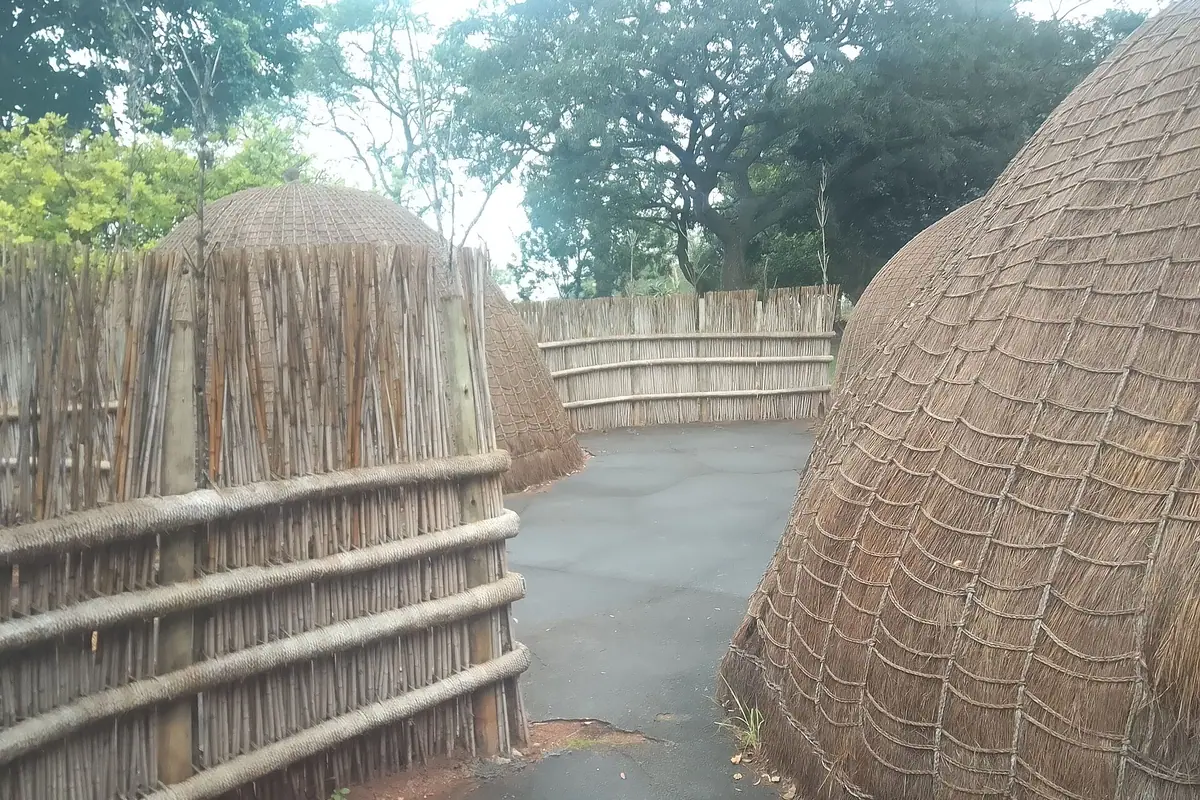
Lobamba is the cultural heart and easily reached from valley hotels. The National Museum, the King Sobhuza II Memorial Park and Mantenga Cultural Village sit within a short drive of each other, and Mantenga Nature Reserve protects the reserve's namesake falls. From here it's an easy run to Mlilwane Wildlife Sanctuary, where you can cycle past zebra and wildebeest without a guide.
For wildlife, head east: Hlane Royal National Park and the smaller Mkhaya Game Reserve offer rhino encounters that rival far larger destinations, while Mlawula Nature Reserve and Shewula Mountain Camp on the Lubombo escarpment reward anyone staying in the Lowveld with sweeping views towards Mozambique. In the north-west, Malolotja Nature Reserve's canopy tour and the remote Phophonyane Falls are worth building a night or two around. Plan at least four or five nights if you want to combine a valley base with a reserve stay — three feels rushed given the winding mountain roads.
Frequently asked questions
What is the best month to visit Eswatini?
May to September is the most reliable window, with dry roads, clear skies and the easiest wildlife viewing in Hlane and Mkhaya. If you want green landscapes and lower rates instead, aim for April or October, which balance mild weather with lighter crowds.
When is the Umhlanga Reed Dance held?
The ceremony usually takes place in late August or early September at Ludzidzini Royal Village near Lobamba, but the exact date depends on the moon and is confirmed only weeks beforehand. Keep your accommodation booking flexible if this is a priority.
Do I need a car to get around and choose a hotel base?
Yes, self-driving is by far the most practical option, as attractions such as Sibebe Rock, Malolotja and the Lowveld reserves sit on winding roads with limited public transport. The Ezulwini Valley and Mbabane make the best central bases, with reserve lodges as a two- or three-night add-on.
How cold does it get in Eswatini's winter?
Highveld towns like Mbabane and Malolotja can fall close to freezing at night between June and August, with occasional frost, even though days are sunny and mild. Lowveld lodges stay much warmer, so pack layers and check whether your room has heating.
Is the rainy season a bad time to visit?
Not at all. November to March brings lush scenery, full waterfalls and excellent birding, with rain mostly arriving as afternoon thunderstorms. Expect heat in the Lowveld, muddy reserve tracks and some need for a 4x4, but also lower rates outside the Christmas peak.
Sort the rest of your trip
Everything for Eswatini, in one place
Transfer in Eswatini
Private driver waiting on arrival — no queues, no surprises.
Book a transfer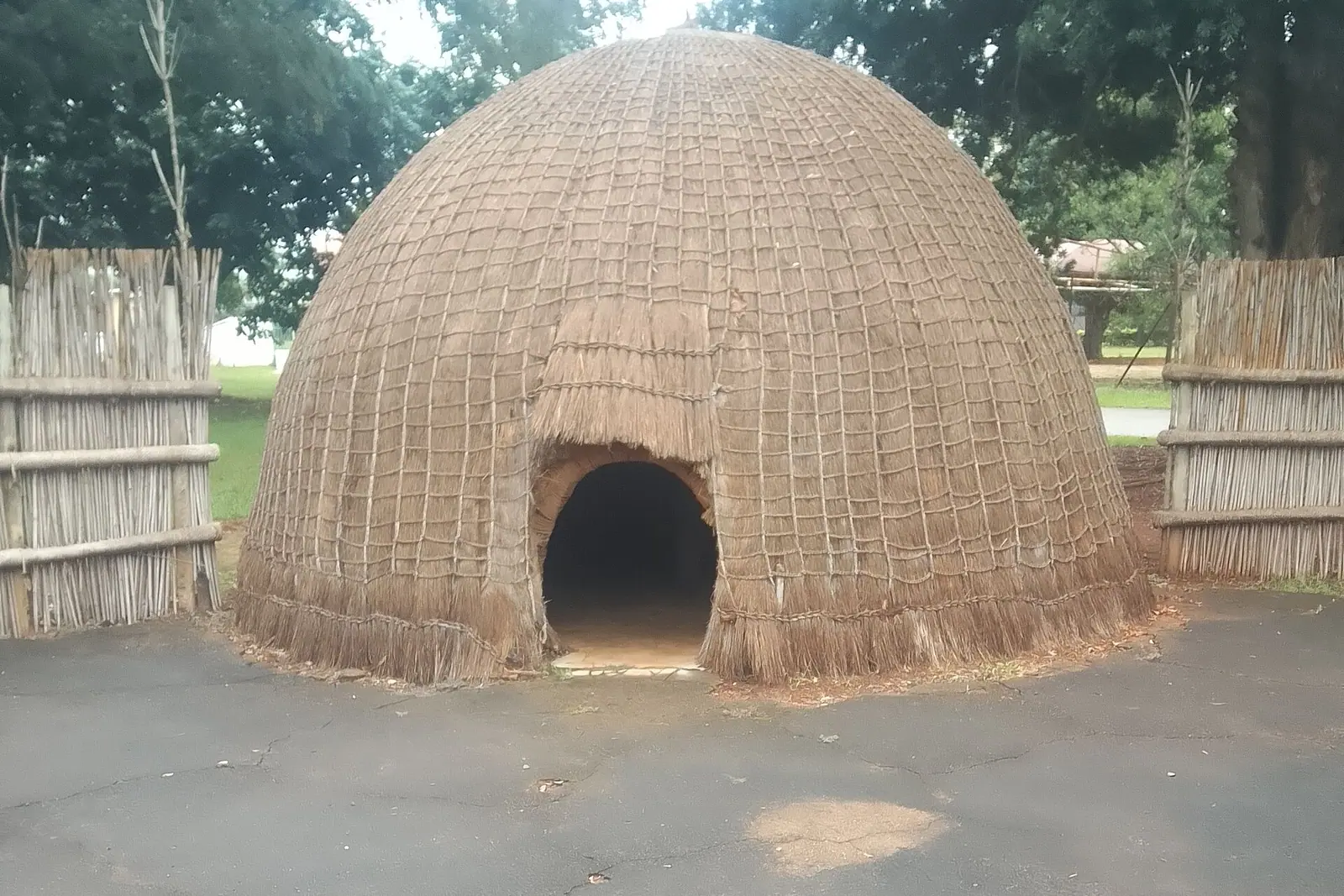
Things to do in Eswatini
Skip-the-line tickets, guided tours and standout experiences.
See experiences
Stay online in Eswatini
Travel eSIM — data the moment you land, no roaming bills.
Get an eSIM