Eswatini is small enough to cross between breakfast and lunch, yet it folds big-game savanna, granite mountains, the world's oldest mine and some of southern Africa's most spectacular royal ceremonies into a kingdom smaller than Belgium. The reward for slowing down is a place where a rhino sighting at dawn and the thunder of reed-dance drums at dusk can belong to the same day. This guide maps the experiences worth building an itinerary around, and the seasons that make each one shine.
Big-Game Savanna: Hlane, Mkhaya and Mlilwane
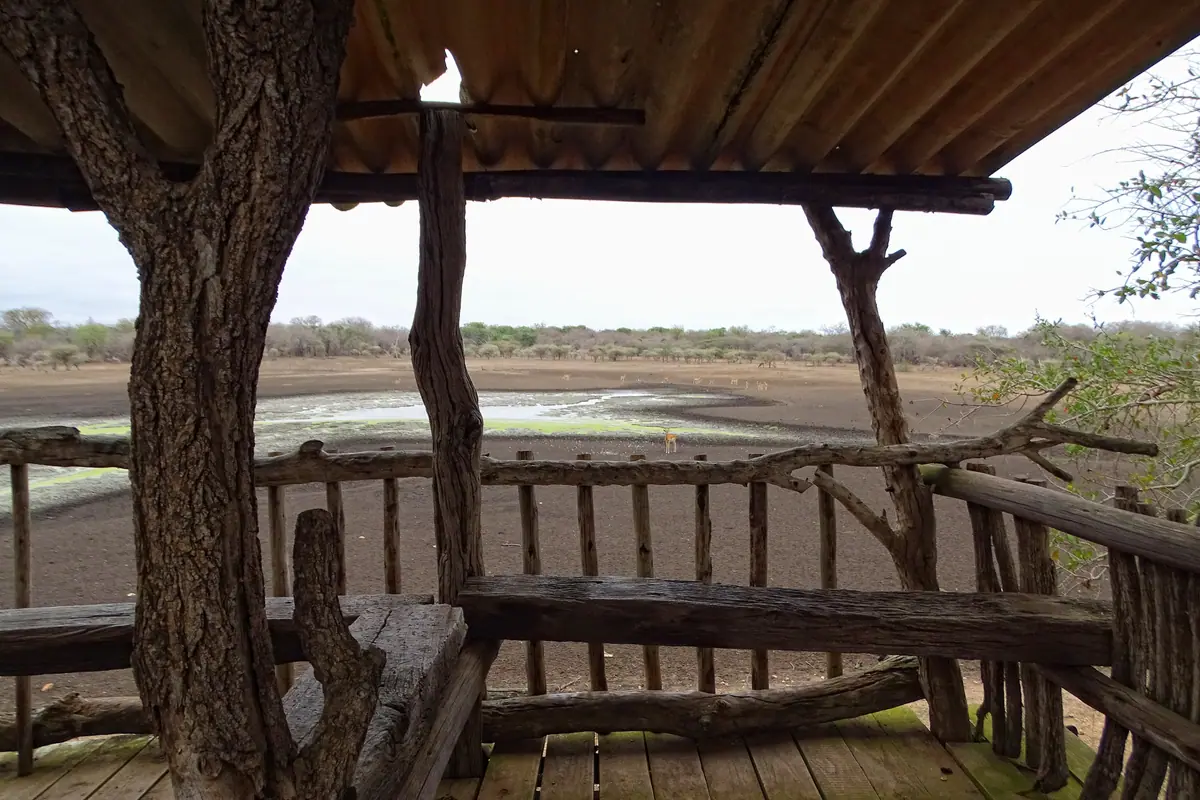
For a country you can drive across in a morning, Eswatini does an improbable job of wildlife. Hlane Royal National Park spreads over the hot, flat lowveld near Simunye, an expanse of knobthorn and acacia where marabou storks stand about like sentries and the kingdom's only lions and elephants roam. Several loops are drivable in an ordinary car in the dry months, but the early guided game drives are what justify setting an alarm: white rhino appear here in remarkable concentrations, alongside giraffe, zebra, blue wildebeest and a long list of antelope. Staying overnight beside a waterhole that draws animals after dark beats a hurried day trip every time.
Mkhaya Game Reserve, tucked into the bush near Siphofaneni, is the opposite of a self-drive park: you enter only with a guide, and much of the experience happens on foot. It was set aside as a stronghold for endangered species — black rhino above all, plus sable antelope, buffalo and roan — and walking safaris here rank among the most memorable in the region. Accommodation is deliberately small and understated to keep visitor numbers low, and casual day visitors are generally accepted only by prior arrangement, so plan well ahead if this is a priority.
Mlilwane Wildlife Sanctuary, in the Ezulwini Valley between Mbabane and Manzini, is the country's oldest reserve and its most relaxed. Predators were never reintroduced, which means you can walk, cycle or ride a horse through herds of zebra, wildebeest, blesbok and warthog without a guide. The climb up Nyonyane Mountain — better known as Execution Rock, for grim historical reasons — delivers a hearty workout and a panorama across the whole valley. It is the ideal half-day for families, or a gentle first taste of Eswatini's bush before you head for the lowveld.
Hiking the Highveld: Sibebe Rock, Malolotja and Ngwenya
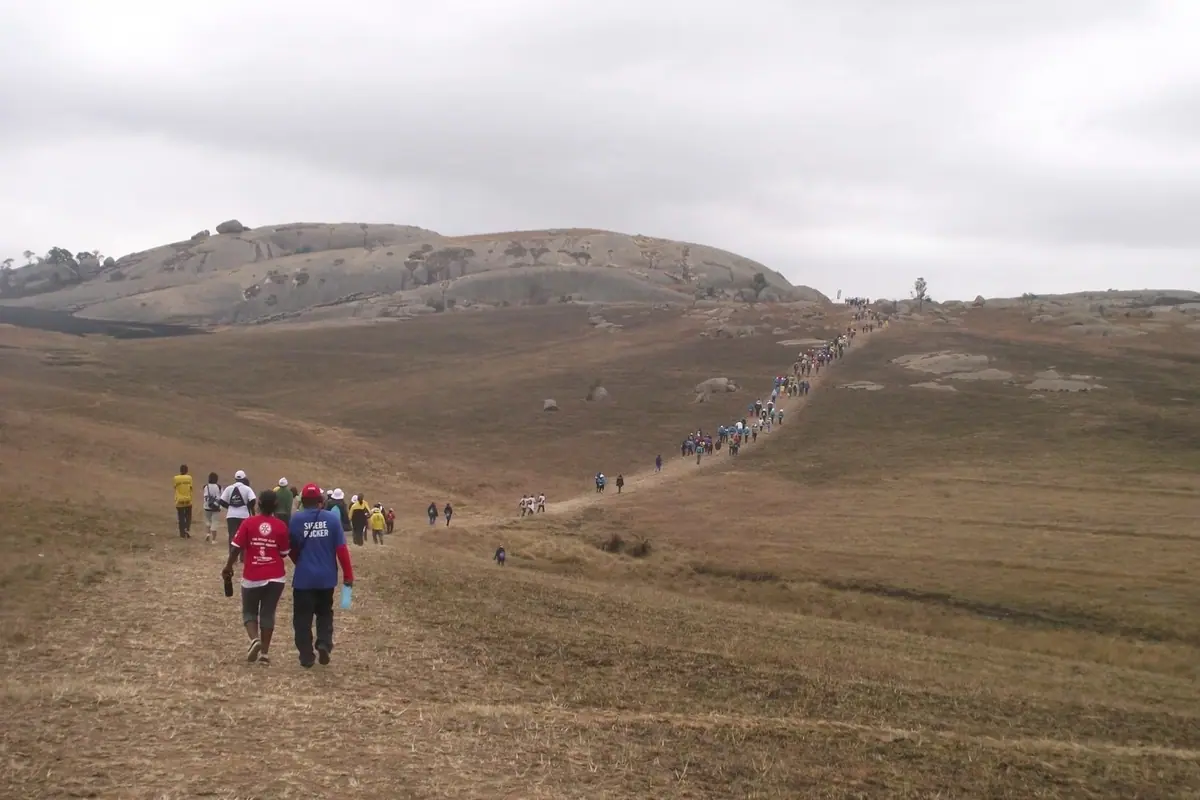
Nothing quite prepares you for Sibebe Rock, the granite dome that looms behind Mbabane and is often described as the second-largest exposed monolith on Earth after Uluru. It is a pluton — a vast bubble of magma that cooled deep underground in the planet's early chapters and has since been stripped bare by erosion. The ascent from the Pine Valley side takes three to five hours return, includes a couple of scrambles, and offers almost no shade, so start at first light with plenty of water, a hat and ideally a local guide; the route is not signposted and afternoon storms arrive quickly.
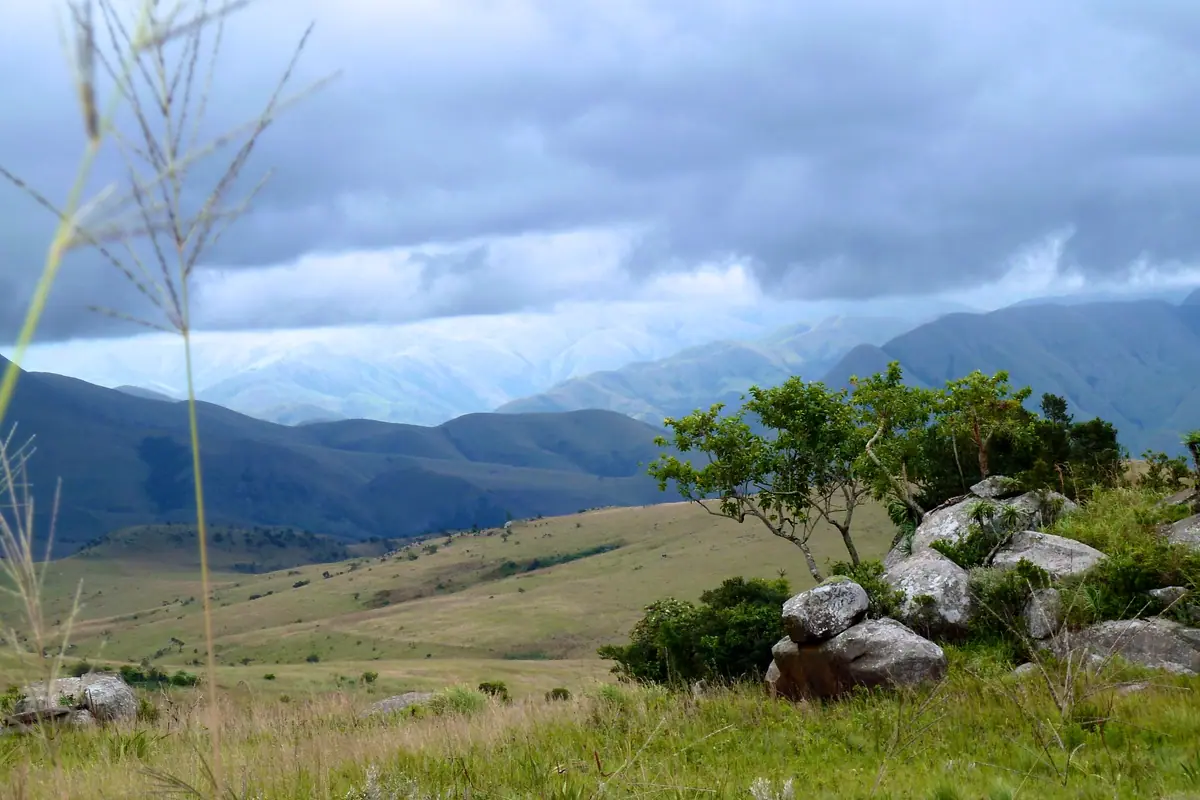
Northwest of Mbabane, Malolotja Nature Reserve is a different world of high-altitude grassland, plunging gorges and rock that counts among the oldest exposed on the planet — more than three billion years old in places. Trails range from two-hour strolls to multi-day backpacking routes, with waterfalls such as Malolotja Falls and Silotfwane Falls as rewards along the way. Winter nights here are genuinely cold, sometimes below freezing, which surprises visitors who packed only for the lowveld, so bring proper layers and a warm sleeping bag if you plan to camp.
Just off the road towards the Ngwenya border post lies the Ngwenya Mine and its Lion Cavern, recognised as the oldest known mine in the world, where ochre was dug from the earth roughly 43,000 years ago. Guided tours walk you through the open pit and down into the cavern, tracing an arc from stone-age pigment to iron ore to industrial extraction. Pair the visit with Bulembu, a former mining town high in the hills that has reinvented itself as a hiking base, or with the forest walks and swimming holes at Phophonyane Falls near Pigg's Peak.
Royal Ceremonies and Living Culture: Lobamba and Mantenga
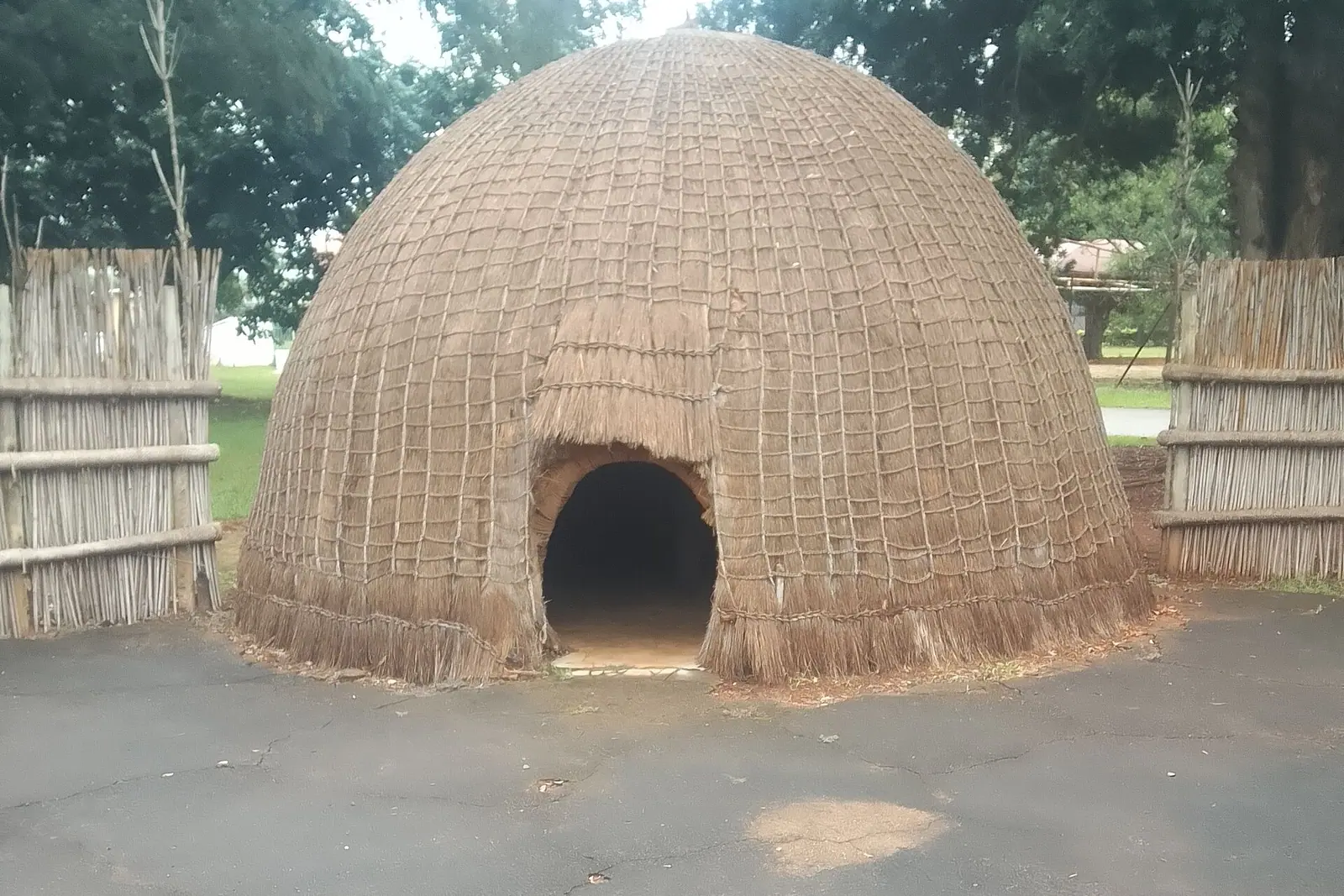
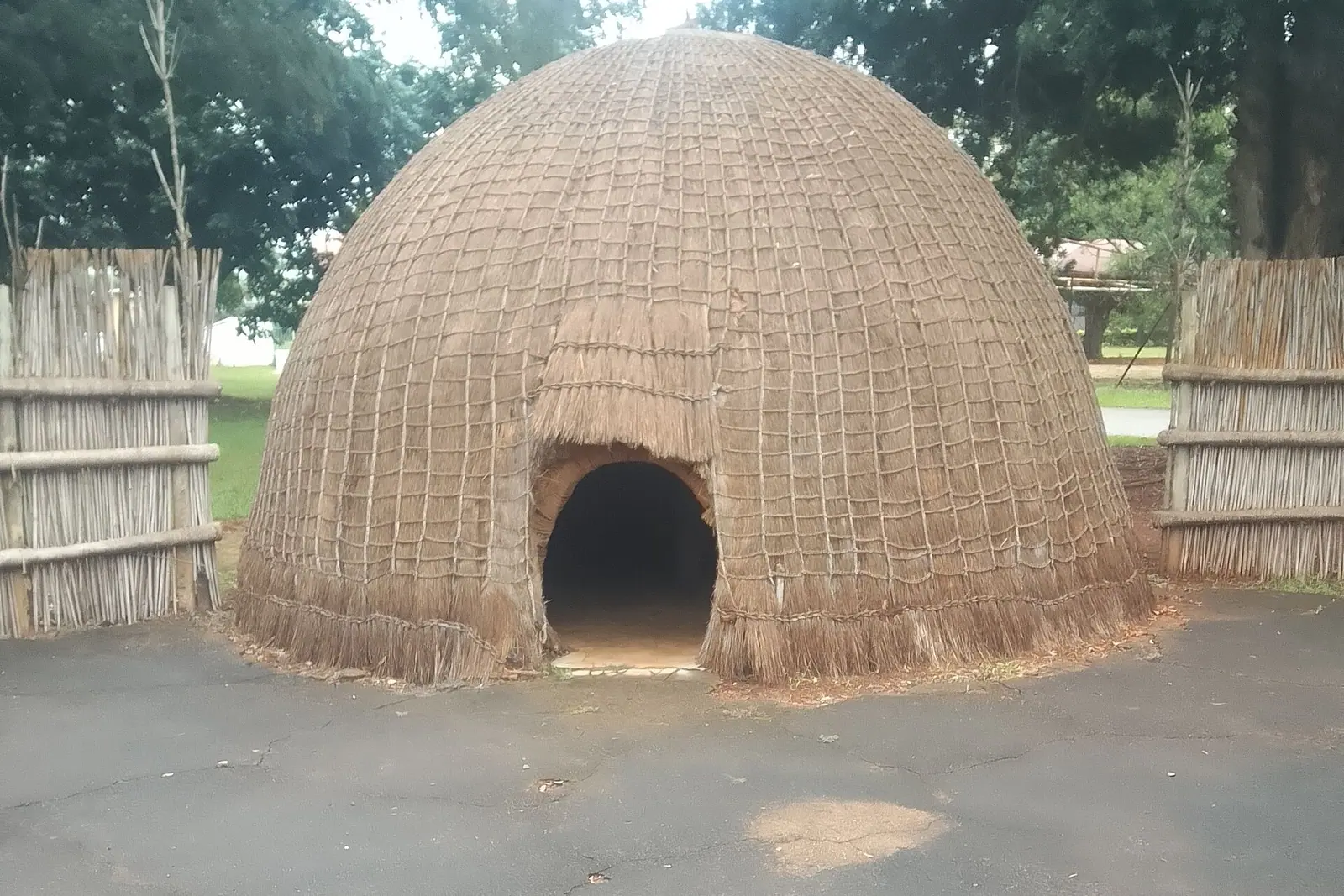
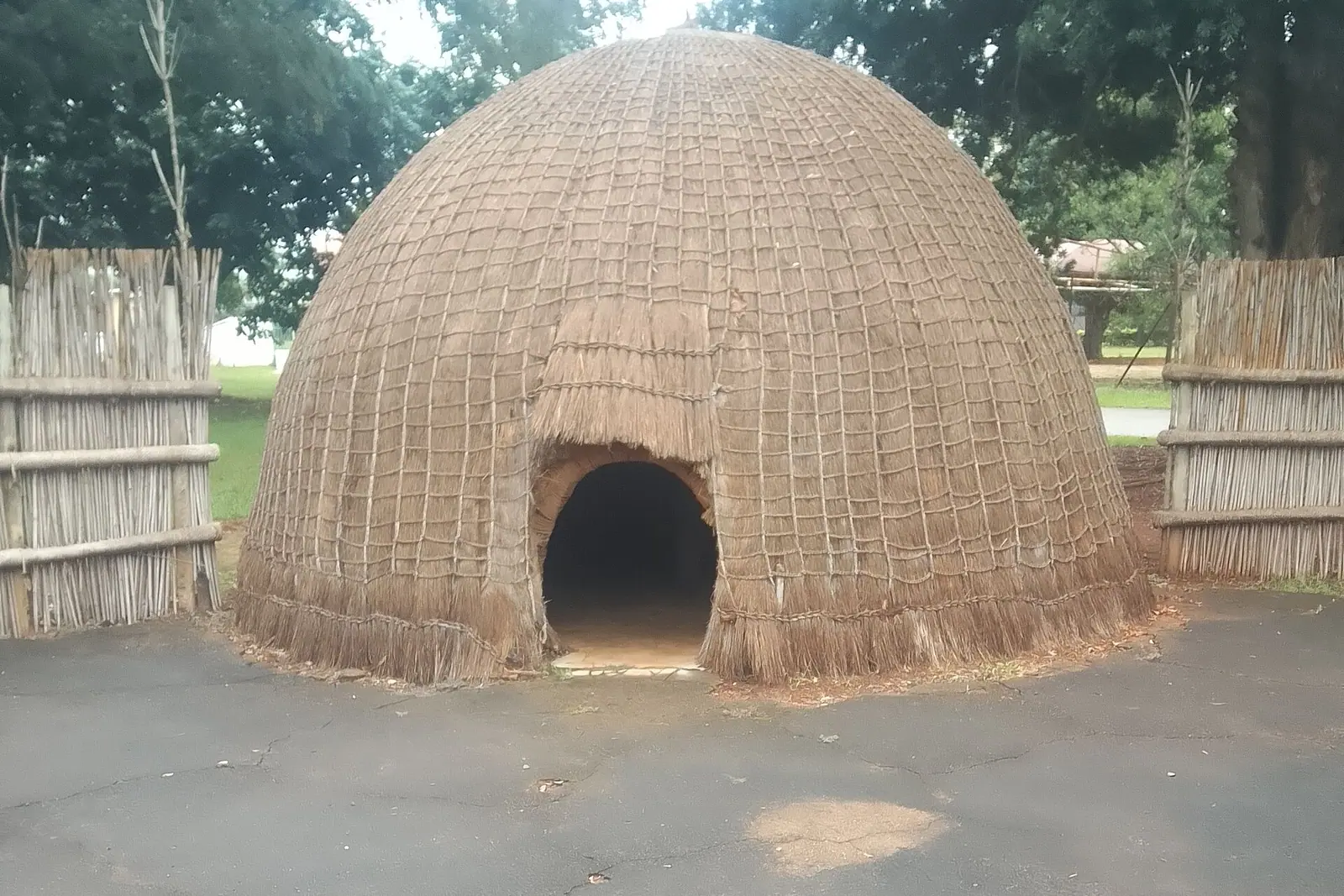
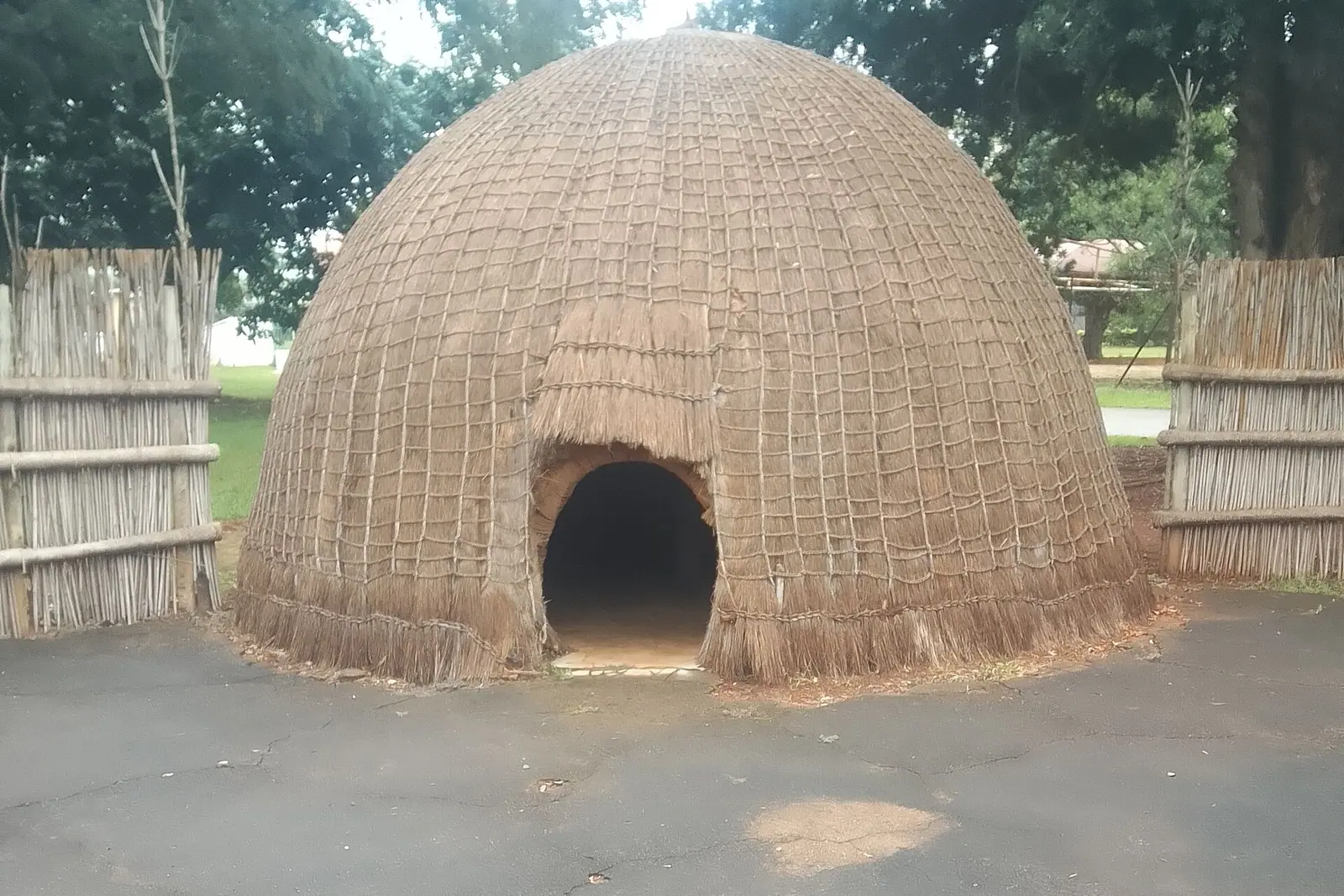
Culture in Eswatini is rarely staged for visitors — it is simply how the country operates. Lobamba, the royal capital, is where that becomes visible: the Houses of Parliament, Somhlolo National Stadium and, most movingly, the King Sobhuza II Memorial Park, where a mausoleum, museum and eternal flame honour the monarch who led the kingdom to independence in 1968. A few kilometres away, Mantenga Nature Reserve combines a gentle reserve with the Mantenga Falls on the Lusushwana River and a cultural village where beehive huts, traditional dance and explanations of medicine, food and family life fill a couple of absorbing hours.
The Umhlanga, or Reed Dance, takes place in late August or early September, when tens of thousands of young women gather reeds and dance at the royal village at Ludzidzini; parts of the ceremony are open to the public and the scale of it is unforgettable. Incwala, the first-fruits ceremony held around December and January, is more sacred and largely closed to outsiders, though the final days include public dancing in the lowveld. Dress modestly, ask before photographing anyone, and follow your guide's lead — these are living traditions, not photo opportunities.
If you want a cultural event with a more relaxed atmosphere, the Marula Festival in February and March celebrates the lowveld harvest with music, dance and the tapping of the marula trees. Village stays near Shewula in the Lubombo Mountains offer another route in: community-run camps where you sleep on a ridge above the plains, eat home-cooked food and walk with guides who know every plant and bird by name.

Adrenaline in the Hills and Rivers
Eswatini's signature adrenaline fix is the canopy tour at Malolotja, a run of zip lines that carries you across a forested gorge at treetop height. The outing takes around two hours including the walk in and out, suits nervous first-timers as much as thrill-seekers, and gives you a completely different perspective on the reserve's ravines and waterfalls. Book ahead in the dry winter months, when conditions are most comfortable and the views stretch furthest.
On the Great Usutu River, rafting trips run when the water is up, typically through the summer rains from November to April. The rapids are mostly beginner to intermediate, with calm stretches for swimming and cliff jumping, and the river corridor is rich in birdlife — fish eagles, kingfishers and herons are all but guaranteed. Water levels vary dramatically, so operators may shift launch points or cancel after heavy rain; ask about current conditions when you book.
Elsewhere, the Ezulwini Valley is the base for quad biking and abseiling, while the granite cave system at Gobholo near Ngwenya offers guided underground scrambles for those comfortable on hands and knees. Mountain bikers have trails in Mlilwane and Mbuluzi game reserves, where you can ride past zebra and impala, and horse trails in the Ezulwini Valley suit complete beginners. Pack a light rain shell whatever the season — Eswatini weather changes its mind fast.
Craft Studios, Markets and the Malkerns Valley
The Malkerns Valley, a green belt of farms and timber plantations between Mbabane and Manzini, has become the country's craft heartland. Candle-makers, glassblowers and batik and tie-dye studios open their doors along the main road, and you can watch molten glass and wax being worked before buying anything. Budget a leisurely morning: the studios are spread out along a few kilometres, and the valley's farm stalls and country restaurants make an easy lunch stop between visits.
Manzini Market is the biggest and liveliest in the kingdom, a sprawl of stalls selling everything from tomatoes and dried fish to woven baskets, wooden carvings and soapstone animals. Go early, carry small notes and haggle gently and with good humour. Mbabane's market is smaller and easier to navigate, particularly strong on grass mats, sisal baskets and beadwork, while the craft stalls dotted through the Ezulwini Valley sell similar pieces at higher prices with easier parking.
Buying directly from makers — especially the woven-grass cooperatives run by women in rural areas — keeps money in communities that see relatively little of the tourist trade. Quality varies, so look at the stitching on baskets and the finish on carvings rather than the volume of the display. If you are flying onward, remember that wooden items and untreated natural materials can fall foul of customs rules in some countries, so check before you buy something large.
When to Go and How to Get Around
The dry winter, roughly May to September, is the classic window: cool, clear days, thinning vegetation and the best game viewing, though highveld nights drop close to or below freezing in June and July. The green season from November to March is hot and humid, brings dramatic afternoon storms, fills the rivers and turns the bush luminous — superb for birds and rafting, but some reserve tracks turn to slippery mud. April and October are the sweet-spot shoulder months, with mild weather and fewer visitors.
Time your trip around the ceremonies if culture is your focus: the Reed Dance falls in late August or early September, Incwala around December and January, and the Marula Festival in February and March. Dates shift with the lunar calendar and royal schedules, so confirm locally before booking flights. Whatever the season, carry cash for rural areas, fuel up in towns and avoid driving after dark, when livestock, unlit pedestrians and potholes make the roads genuinely risky.
Distances are short and self-driving is the most flexible option, on the left-hand side of the road. Mbabane to Manzini takes about 40 minutes, Mbabane to Hlane around two hours, and most reserves are reachable in a saloon car in dry weather — though a higher-clearance vehicle helps in the lowveld. Crossings at Oshoek near Ngwenya, Lavumisa in the south and Lomahasha in the east link the kingdom to South Africa and Mozambique, and the local currency, the lilangeni, is pegged one-to-one to the South African rand, which is accepted almost everywhere. Malaria risk exists in the lowveld during the wetter months, while Mbabane, Malolotja and the Ezulwini Valley are essentially malaria-free; take medical advice before you travel. Three to five days gives you a solid taste, while a week lets you add serious hiking and a second reserve.
Frequently asked questions
How many days do you need in Eswatini?
Three to five days covers the highlights comfortably: a night or two in the Ezulwini Valley for Mlilwane and Mantenga, a day in Lobamba, and a lowveld reserve such as Hlane. A full week lets you add the Sibebe Rock hike, Malolotja and the canopy tour, plus a guided stay at Mkhaya.
What is the best time of year to visit Eswatini?
May to September is the dry winter and the best all-round window, with clear days and excellent game viewing, though highveld nights are cold. November to March is hot, green and stormy but wonderful for birds and rafting. Late August to early September brings the Reed Dance.
Is Eswatini easy to travel independently?
Yes. It is a compact country with good main roads, and self-driving is straightforward if you are comfortable on the left-hand side. Mkhaya requires guided access, some lowveld tracks need higher clearance in the wet season, and driving after dark is best avoided.
Do I need malaria precautions in Eswatini?
There is low malaria risk in the lowveld reserves, mainly during the wetter months from roughly November to May. The highveld towns — Mbabane, Malolotja and the Ezulwini Valley — are considered essentially malaria-free. Speak to a travel health professional before your trip.
Can visitors attend the Umhlanga Reed Dance and Incwala?
Parts of the Reed Dance in late August or early September are open to the public, and it is one of the region's great spectacles. Incwala in December and January is sacred and mostly closed, though the final days include public dancing. Dates change yearly, so confirm locally, dress modestly and always ask before photographing anyone.
Plan it — experiences in Eswatini
Live search, booked directly with trusted providers.
Sort the rest of your trip
Everything for Eswatini, in one place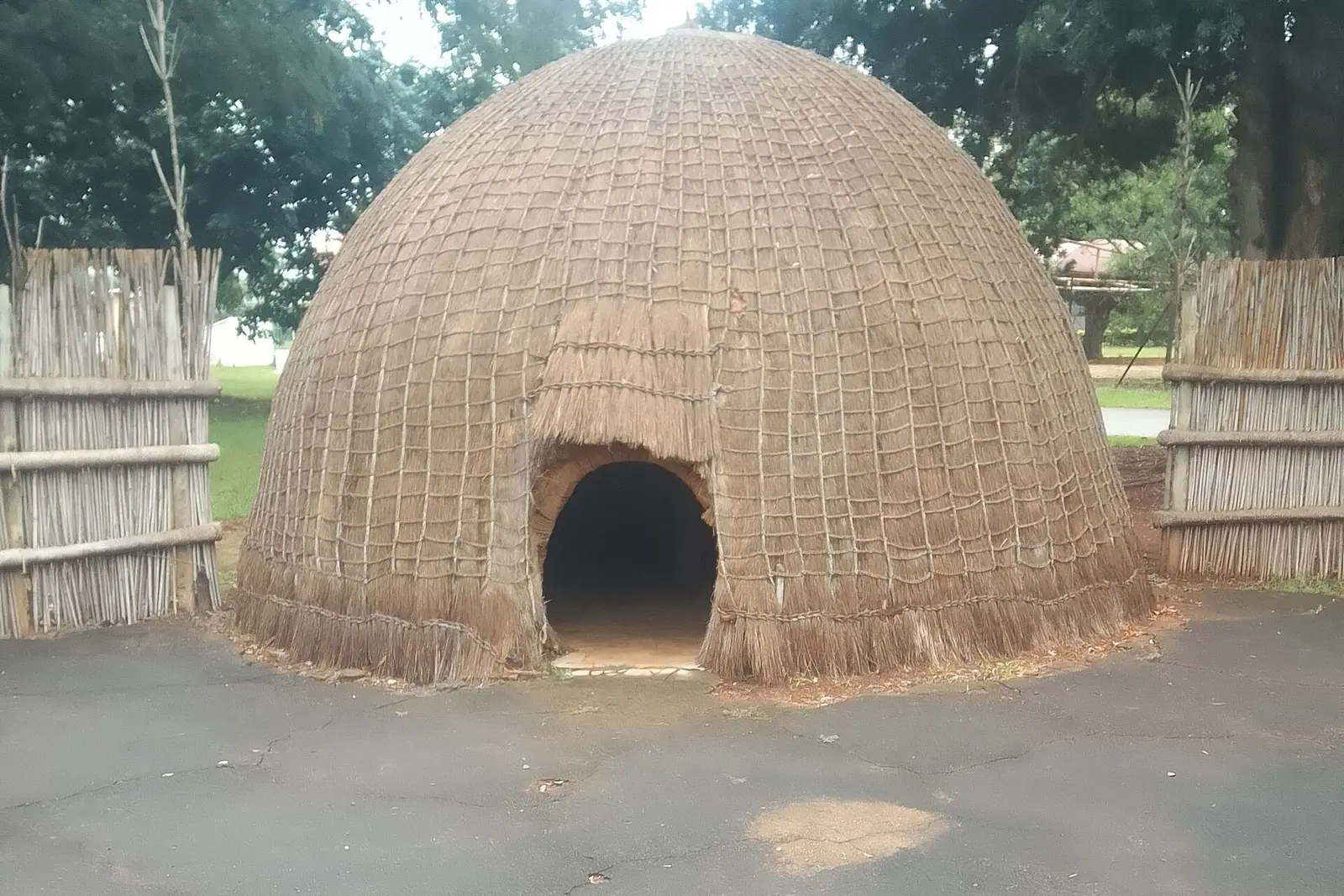
Stay in Eswatini
Hotels, guesthouses and apartments — compared in one search.
Search hotels
Transfer in Eswatini
Private driver waiting on arrival — no queues, no surprises.
Book a transfer
Stay online in Eswatini
Travel eSIM — data the moment you land, no roaming bills.
Get an eSIM