Eswatini is one of the few African kingdoms still standing, and it fits into a week with room to spare — mountains, big-game lowveld and royal ceremony all within a few hours' drive of each other. Fly into Sikhuphe, pick up a car, and you can be watching rhinos by the afternoon and hiking a granite monolith the next morning.
Days 1–2: Landing at Sikhuphe and Settling into the Ezulwini Valley
Most visitors arrive through King Mswati III International Airport at Sikhuphe, a compact, unhurried terminal about an hour from Manzini and roughly 70 kilometres from the capital, Mbabane. Regional hops in from Johannesburg take about an hour; a smaller number of connections come in from Durban and other southern African cities, and the national carrier handles the bulk of them. Because the schedule is thin, many travellers instead fly into Johannesburg and drive across the border at Oshoek or Ngwenya — a scenic four to five hours through pine plantations and down into the kingdom. Either way, book your onward airport transfer or hire car in advance: the terminal's rental desks are small and sell out in peak season.
Use the Ezulwini Valley as your soft landing. Known locally as the Valley of Heaven, it threads between Mbabane and Manzini and holds the densest cluster of lodges, guesthouses and restaurants in the country. Give the first afternoon to settling in — the altitude here sits around 1,200 metres, so evenings are cool even in summer, and a light fleece earns its place in your bag year-round.
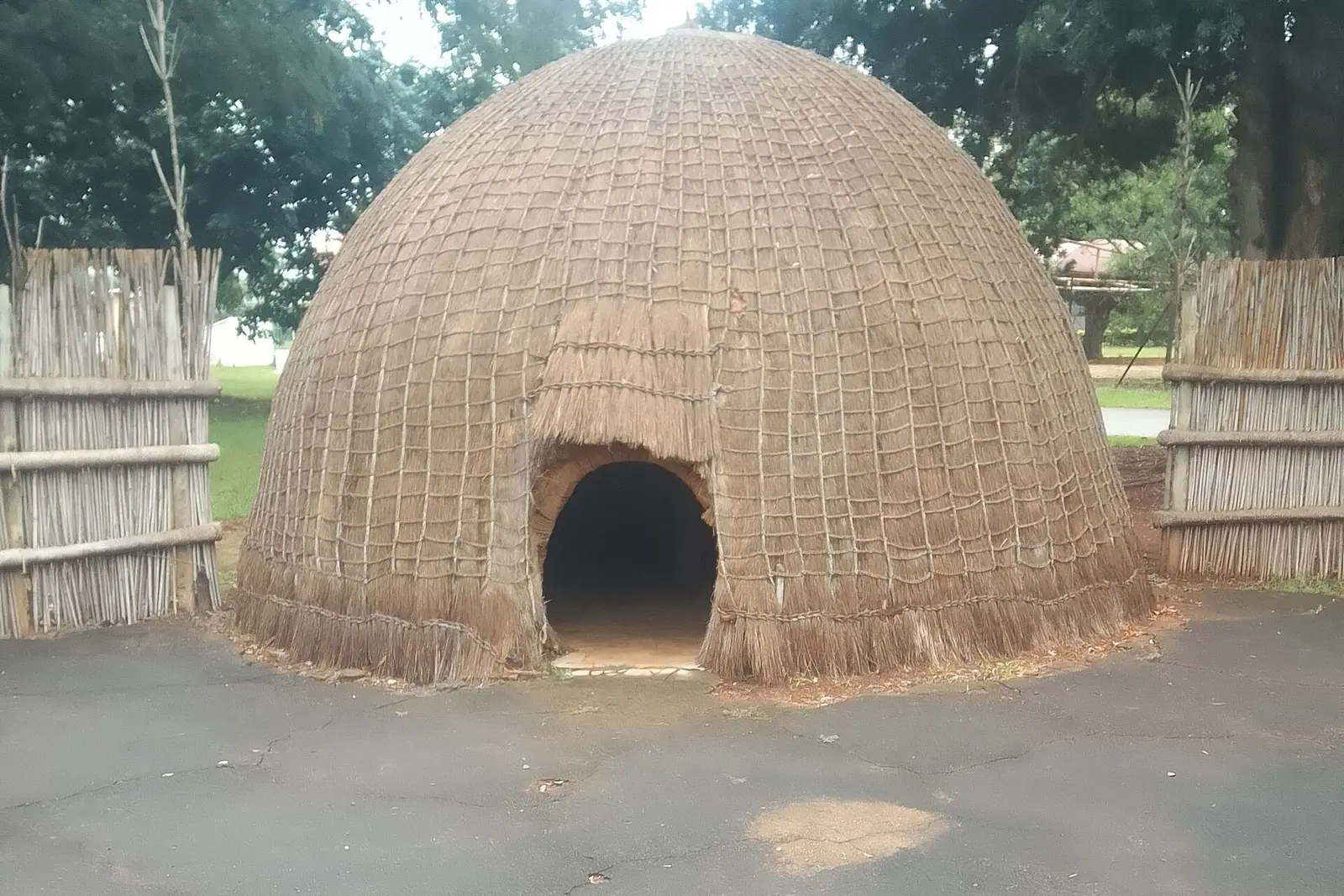
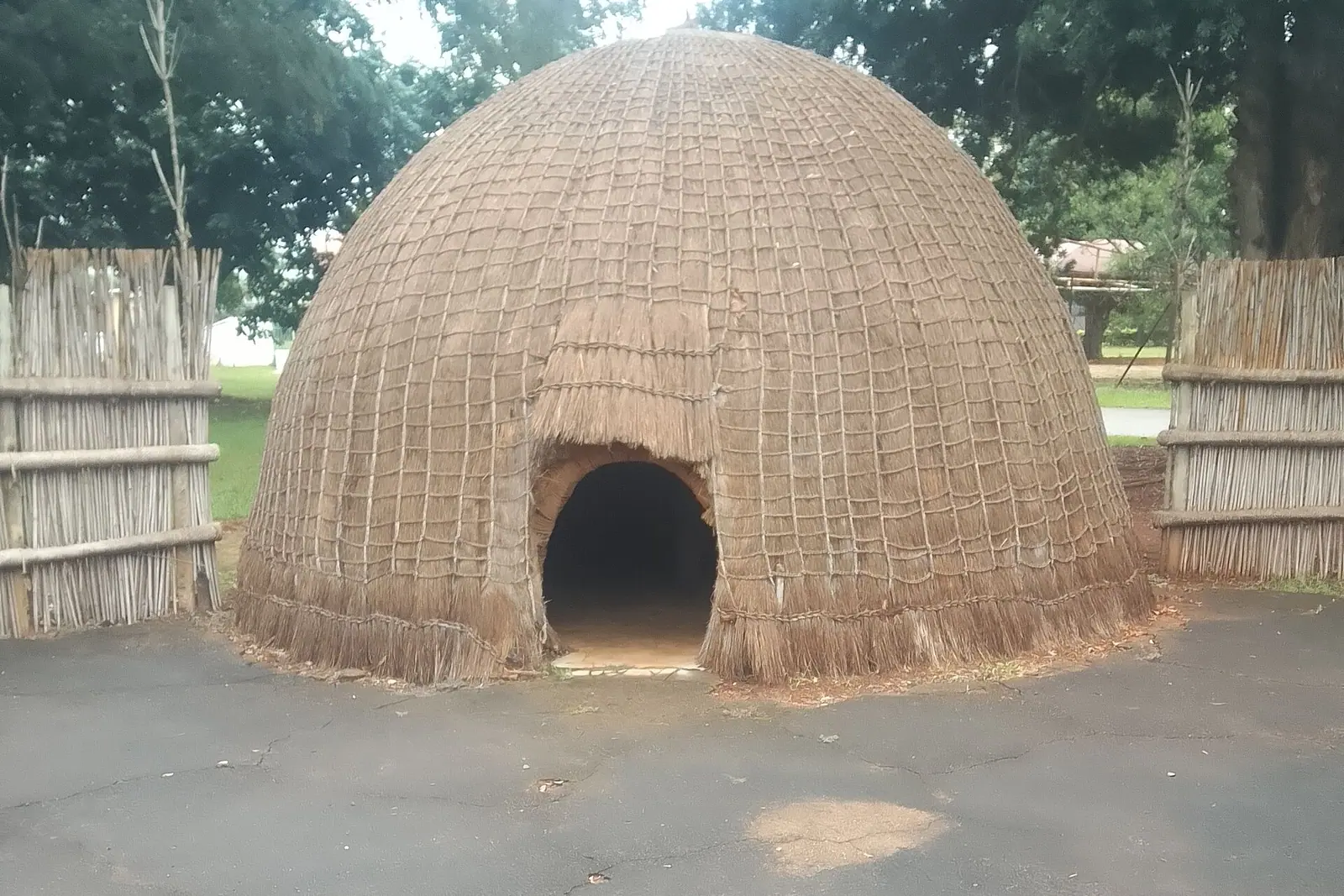
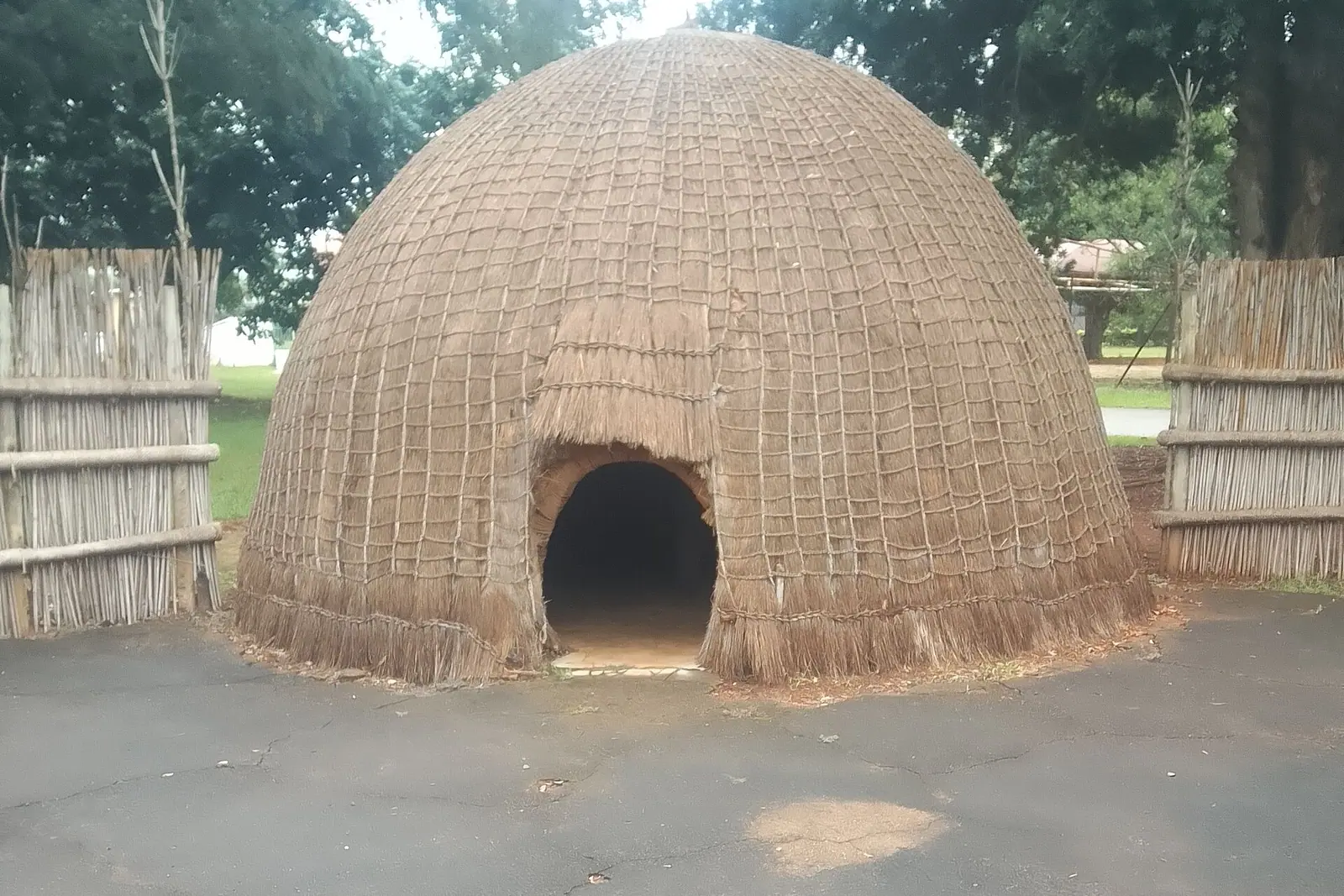
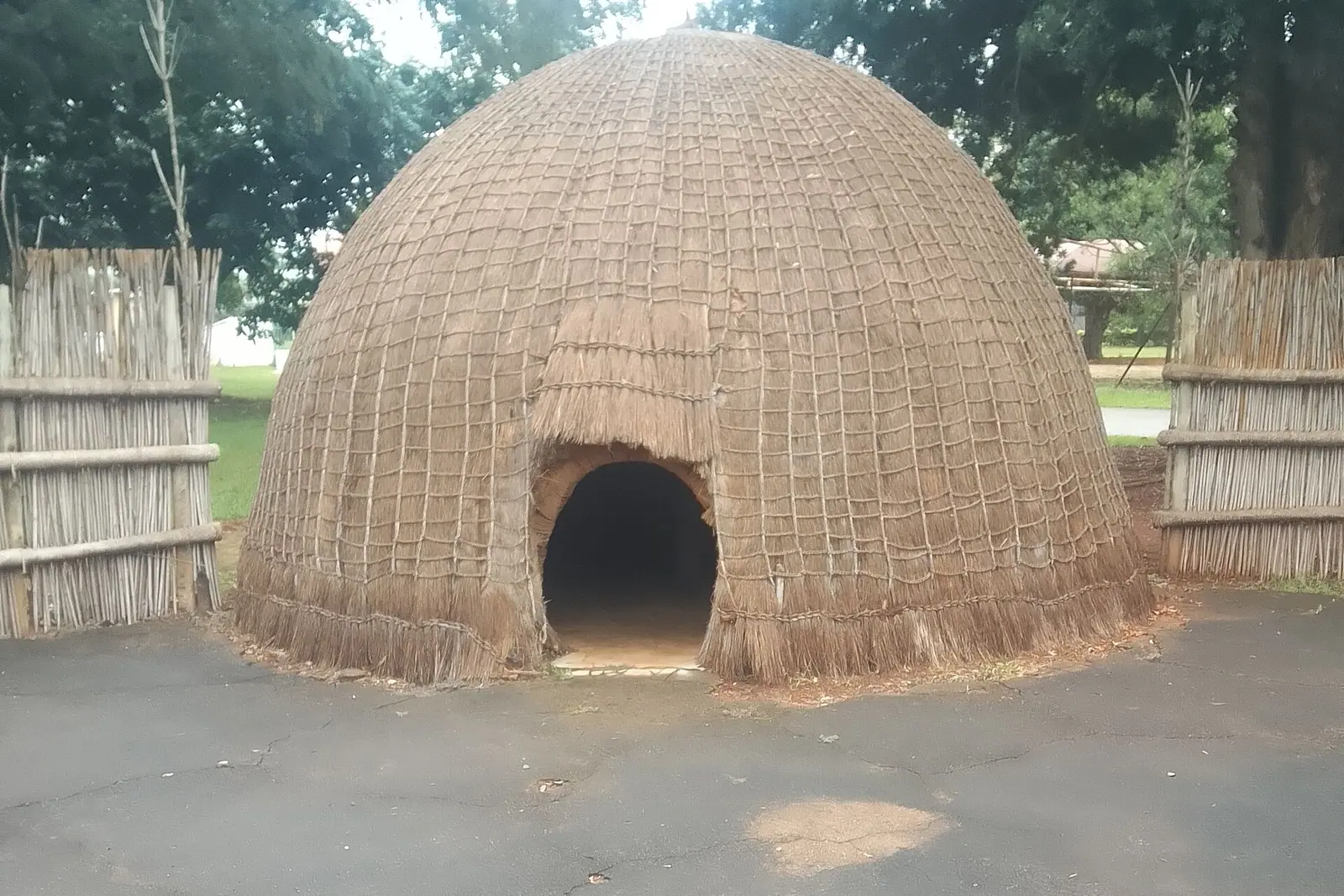
On day two, stay local and go cultural. The Mantenga Nature Reserve protects a stretch of riverine forest, a series of cascades at Mantenga Falls, and the reconstructed Mantenga Cultural Village, where you can watch sibhaca dancing, learn how a beehive hut is thatched, and taste traditional sorghum beer. From the reserve's trails you can climb to Execution Rock, the sharp peak also called Nyonyane, which drops sheer into the valley and carries a grim legend of people once thrown from its ledge. Time the walk for late afternoon, when the light turns the valley orange and the whole Ezulwini bowl opens up beneath you.
Day 3: Mlilwane Wildlife Sanctuary and the Malkerns Valley
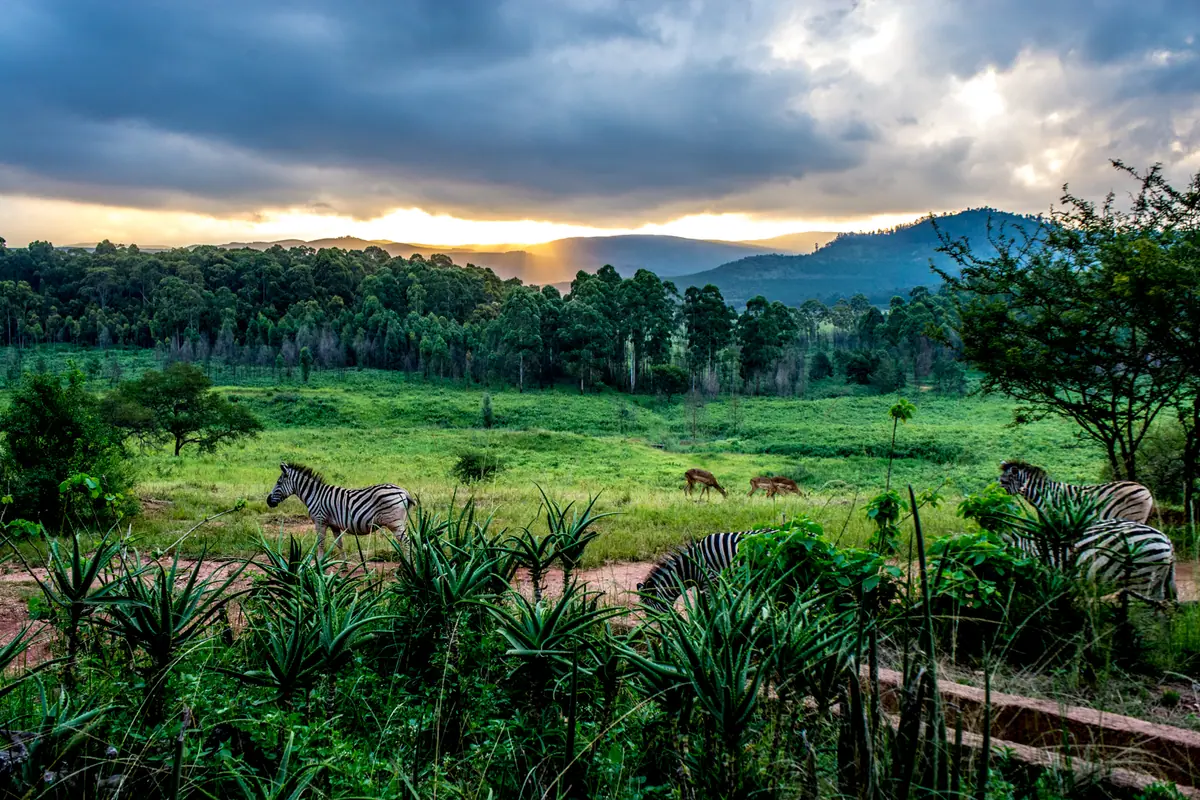
Mlilwane Wildlife Sanctuary is where Eswatini's conservation story began — former farmland coaxed back into bushveld, and now the country's oldest protected area. Crucially for walkers, it holds no lions or other dangerous predators, so you can explore on foot or by mountain bike with a guide rather than from behind a vehicle window. Zebra, blue wildebeest, blesbok, warthogs and plenty of antelope graze the open plains, while hippos and crocodiles patrol the dams. A two- to three-hour morning walk takes you past termite mounds taller than you and up to viewpoints over the rest camp.
Spend the afternoon in the Malkerns Valley, the green belt just south of the sanctuary. This is craft country: candlemaking studios where you can watch hot wax sculpted into animal figures, glassblowing workshops at Ngwenya that melt recycled bottles into swirling bowls, and a scatter of small galleries and farmer's stalls selling marula oil, jam and woven baskets. Shopping here is genuinely worth the luggage space, and most places accept cards.
Finish with a long, lazy dinner — grilled meat, maize porridge, and a bottle of something cold — before the drive back to your Ezulwini base. The distances are short; nothing on this itinerary is more than a couple of hours from anything else, which is exactly why a week works so well here.
Day 4: Lobamba, Mbabane and the Climb up Sibebe Rock
Head north to Lobamba, Eswatini's royal and legislative heartland. The King Sobhuza II Memorial Park honours the country's longest-reigning monarch, and the adjoining national museum fills in the rest of the story — from Swazi military history to the regalia worn at the Incwala ceremony. Nearby stand the Houses of Parliament and Ludzidzini Royal Village, the residence of the Ngwenyama and the setting for the Umhlanga Reed Dance, when thousands of young women cut reeds and dance for the royal family in late August or early September.
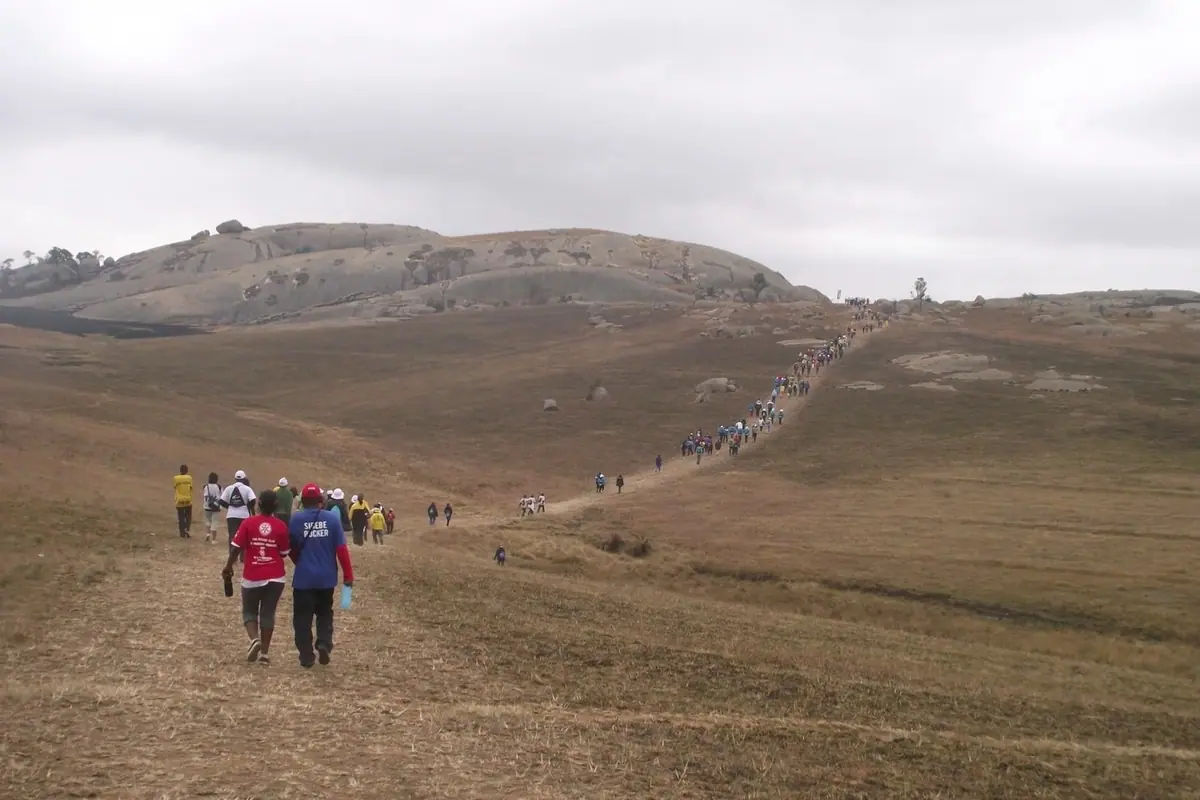
Push on to Mbabane for the country's best craft market and a proper look at everyday city life, then set aside the late afternoon for Sibebe Rock. Often described as the second-largest monolith on Earth after Uluru, it rises as a bare granite dome behind the city and takes a guided three to four hours to summit and descend. The route is steep in places and slick after rain, so wear real shoes, carry two litres of water, and go with a local guide who knows the cattle paths.
If your legs are still willing, the drive back via Pine Valley gives you one of the prettiest roads in the highveld — sweeping corners, aloe on the banks, and long views back towards the valley.
Day 5: Down to the Lowveld — Hlane Royal National Park and Mkhaya
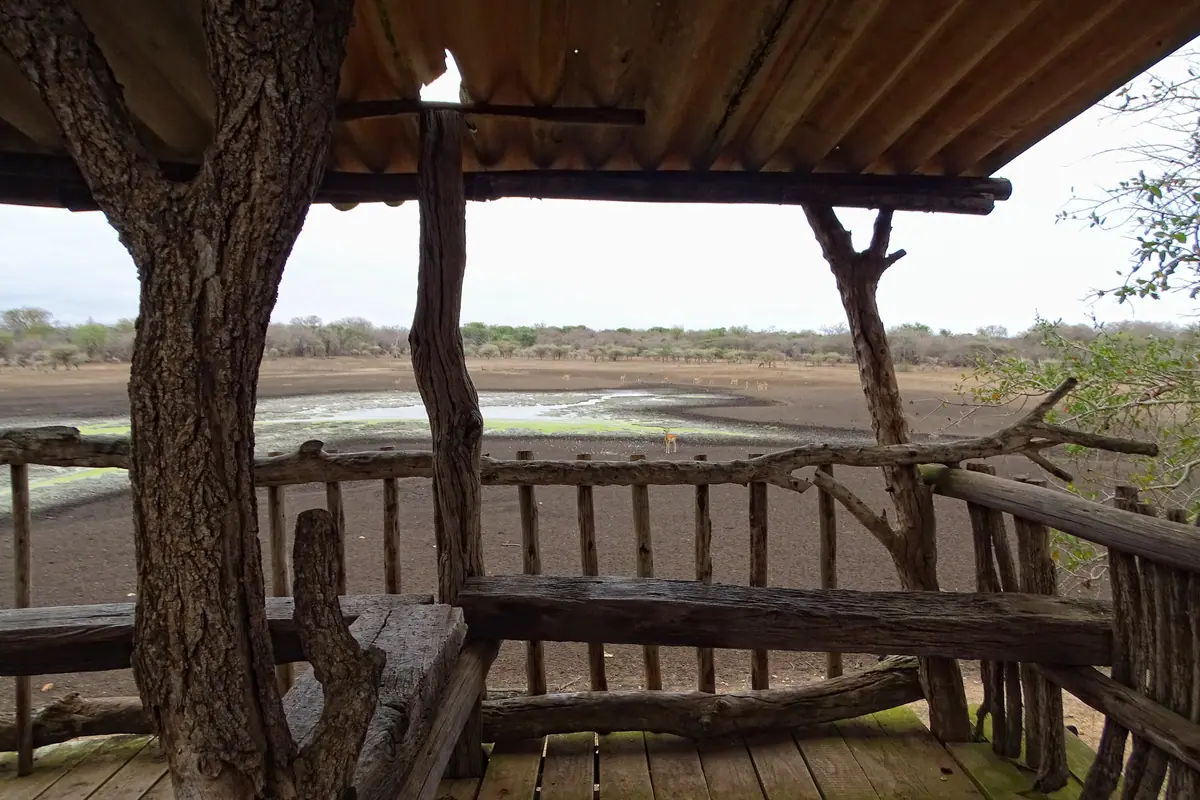
Day five is the big-animal day. Drive east and drop off the highveld, watching the temperature rise as thornveld replaces pine forest. Hlane Royal National Park — its name means wilderness, and it is held in trust by the monarchy — spreads across the flat Lubombo plain. It is the only park in the country where you can see lion alongside elephant and white rhino. Lions live in a fenced eastern section visited by guided drive only; the rest of the reserve is open to self-drive and to excellent guided bush walks in the early morning, when the light is soft and the birdlife is loud.
If your budget stretches, use the afternoon for Mkhaya Game Reserve, a smaller and more exclusive sanctuary southeast of Manzini dedicated to rhino. Access is by open-sided vehicle with a ranger, nights are spent in stone-and-thatch bush camps, and sightings of both black and white rhino are common. Places are limited and must be booked well ahead — this is the one reservation on the itinerary you cannot leave to chance.
Prefer to stay in the saddle of your own car? The Lubombo foothills offer Mlawula Nature Reserve, with its network of hiking trails and views into Mozambique, and neighbouring Mbuluzi Game Reserve, where you can walk unaccompanied among giraffe and kudu. Shewula Mountain Camp, a community-run spot on the escarpment, has one of the finest sunsets in the kingdom.
Day 6: Ngwenya Mine, Malolotja and the Northwest Highlands
Swing northwest for prehistory and mountains. The Ngwenya Mine, near the border with South Africa, contains the Lion Cavern — widely regarded as one of the oldest known mining sites anywhere on Earth, where ochre and iron ore were extracted tens of thousands of years before anyone thought to record it. A short guided walk explains the excavation pits and the long silence of the site afterwards, and the surrounding hills give fine views over the Oshoek valley.
From there, continue into Malolotja Nature Reserve, a high-altitude wilderness of rolling grassland, deep gorges and rock formations that number among the oldest exposed on the planet. Hikers can follow trails to the Malolotja Falls and up onto the escarpment, while the reserve's canopy tour sends you zipping across a forested ravine on a series of cables — a very good wet-weather alternative when trails turn muddy. This is also one of the last strongholds of the blue swallow, and birders come specifically for it.
If you have spare hours, add Maguga Dam, whose reservoir sits behind a large earth wall and offers boat trips and picnic spots, and the Nsangwini rock art shelter, where San paintings survive under an overhang above the Komati River. Further north, the old mining town of Bulembu has reinvented itself as a quiet mountain retreat, and Phophonyane Falls near Piggs Peak makes a lovely final stop before looping back south.
Day 7: Practicalities, Timing and Flying Out
Choose your month with purpose. May to September is the dry winter: cool, clear and the best window for game viewing, because animals gather at water and the grass is short. Nights on the highveld get genuinely cold, so pack layers. October to April is the green season — lush, dramatic skies, afternoon thunderstorms, and excellent birding — but some gravel tracks in Mkhaya and Malolotja turn tricky. The Umhlanga Reed Dance falls in late August or early September and the sacred Incwala ceremony in December or January; both are extraordinary to witness, and both require respectful behaviour and a local guide to explain protocol.
A self-drive car is the right call for this route. Eswatini drives on the left, main roads are tarred and generally good, and you will rarely be more than two hours from your next stop. Expect gravel access roads at Mkhaya and parts of Malolotja, where a high-clearance vehicle helps. Fuel up in Mbabane, Manzini or Siteki before heading into reserves. English is widely spoken alongside siSwati, cards work in towns and at most lodges, and mobile coverage is patchy in the deep valleys.
Health-wise, the highveld is essentially malaria-free, but the lowveld near the Komati River carries a low risk — talk to a travel clinic before you go. On departure day, allow extra time at Sikhuphe: it is a small airport with limited daily flights, so a missed check-in can mean a long drive instead. Most travellers fly out to Johannesburg and connect onwards; a few continue east into Mozambique. Whichever you choose, leave the last morning free for one final walk in the Ezulwini Valley — it is the kind of country that rewards a slow goodbye.
Frequently asked questions
Which airport do you fly into for Eswatini?
Almost all visitors land at King Mswati III International Airport, also called Sikhuphe, roughly an hour from Manzini and 70 kilometres from Mbabane. It handles a limited number of regional flights, mostly from Johannesburg, with some services from Durban and other southern African cities. Many travellers instead fly into Johannesburg and drive across the border at Oshoek or Ngwenya, a four- to five-hour trip.
Do you need a car to do this one-week itinerary?
Yes — a self-drive car makes the route far easier and gives you the freedom to combine the Ezulwini Valley, Mlilwane, Hlane and the northwest highlands in seven days. Eswatini drives on the left, main roads are tarred, and distances are short. Hire cars are limited at the airport, so book ahead, and choose a high-clearance vehicle if you plan on Mkhaya or the rougher tracks in Malolotja.
What is the best time of year to visit Eswatini?
May to September is the dry winter and the best period for wildlife, with clear skies, short grass and animals concentrating around water; bring warm layers, as highveld nights are cold. October to April is greener and wetter with afternoon storms but superb for birds. The Umhlanga Reed Dance takes place in late August or early September, and the Incwala ceremony in December or January.
Is one week enough to see Eswatini properly?
A week is a comfortable amount of time because the country is small and nothing is more than a few hours' drive away. Seven days lets you cover the Ezulwini Valley, Mlilwane, Lobamba, Mbabane and Sibebe Rock, the lowveld parks around Hlane and Mkhaya, plus Ngwenya Mine and Malolotja. Add two or three days if you also want Maguga Dam, Bulembu, Phophonyane Falls and a border hop into Mozambique.
Is Eswatini safe and do you need malaria tablets?
Eswatini is generally a low-crime, welcoming destination, and standard precautions — not walking alone after dark, keeping valuables out of sight — are sufficient. The highveld is effectively malaria-free, but the lowveld near the Komati River carries a low risk, so consult a travel clinic about prophylaxis before travelling. Tap water in towns is treated; stick to bottled water in remote rural areas.
Sort the rest of your trip
Everything for Eswatini, in one place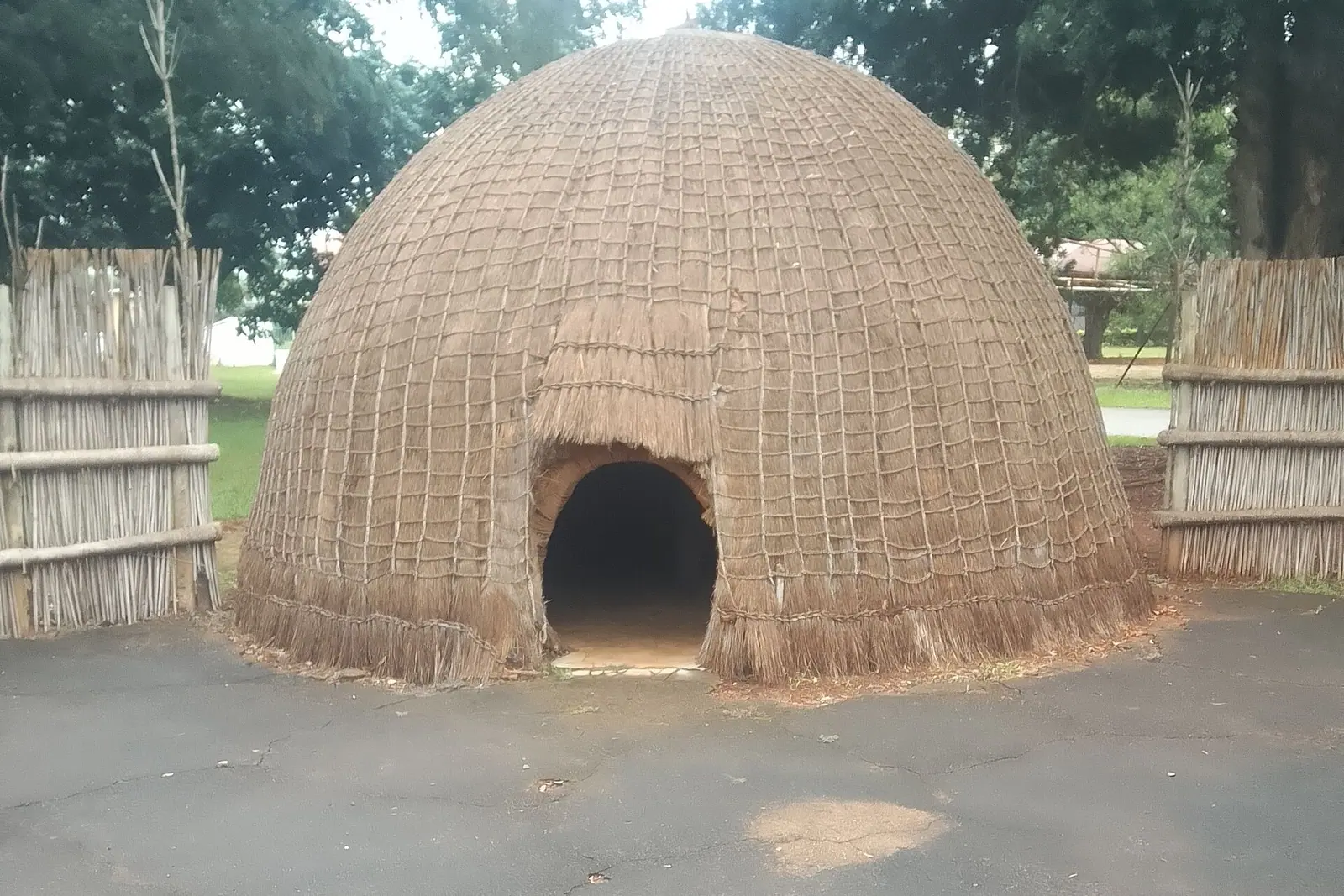
Stay in Eswatini
Hotels, guesthouses and apartments — compared in one search.
Search hotels
Transfer in Eswatini
Private driver waiting on arrival — no queues, no surprises.
Book a transfer
Travel insurance
Medical cover, delays and lost baggage — sorted before you go.
Get covered