Eswatini is the kind of country that fits onto a weekend map and still takes a week to understand: misty mountain passes, beehive-hut homesteads, and a royal calendar so woven into daily life that an ordinary Sunday can look like a national celebration. Come for the game reserves and the reed dance, stay for marula beer, slow-cooked maize and the artisans of the Ezulwini Valley.
Small Country, Deep Culture: Getting Your Bearings
Landlocked between South Africa and Mozambique, Eswatini is one of the continent's smallest nations, and that compactness is the joy of touring here. You can breakfast under the pines in Mbabane, buy mangoes in Manzini by mid-morning and be watching hippos wallow before sunset. siSwati and English are both official languages, so conversations are easy, and the local currency, the lilangeni, is pegged one-to-one to the South African rand, which is accepted almost everywhere.
The seasons decide your itinerary. The dry winter months from May to September bring cloudless skies, cold nights, thin bush and the clearest wildlife viewing of the year. Summer, from October to April, turns everything emerald, fills waterfalls such as Phophonyane and delivers mangoes, litchis and dramatic afternoon thunderstorms. Ceremonies run on a third calendar entirely, so it pays to check dates before you book flights.
Base yourself in the Ezulwini Valley, the so-called Valley of Heaven between Mbabane and Manzini, where most cultural and wildlife day tours begin. Sibebe Rock looms over the capital like a granite whale, and from either town you can reach any corner of the country in a couple of hours. Pack layers: highveld mornings can be genuinely cold even when the lowveld is baking.
Tours range from half-day homestead visits to multi-day circuits linking reserves, craft studios and royal villages, and hiring a local guide is the single best way to get past the postcard version of the country.
The Swazi Table: Sishwala, Sour Milk and Market Mornings
The national dish is sishwala, a stiff porridge of white maize served with emasi, soured milk with a clean, yoghurt-like tang, and tibhidvo, greens slow-simmered and often finished with ground nuts. Around it cluster sitfotfotfo, pumpkin leaves cooked down with peanuts; umncweba, air-dried meat torn into strips; tinkhobe, boiled maize kernels eaten by the handful; and emahewu, a thin fermented maize drink that is wonderfully refreshing on a hot lowveld afternoon. Meals are frequently shared from one plate and eaten with the right hand, and a host will keep refilling your bowl long after you have surrendered.
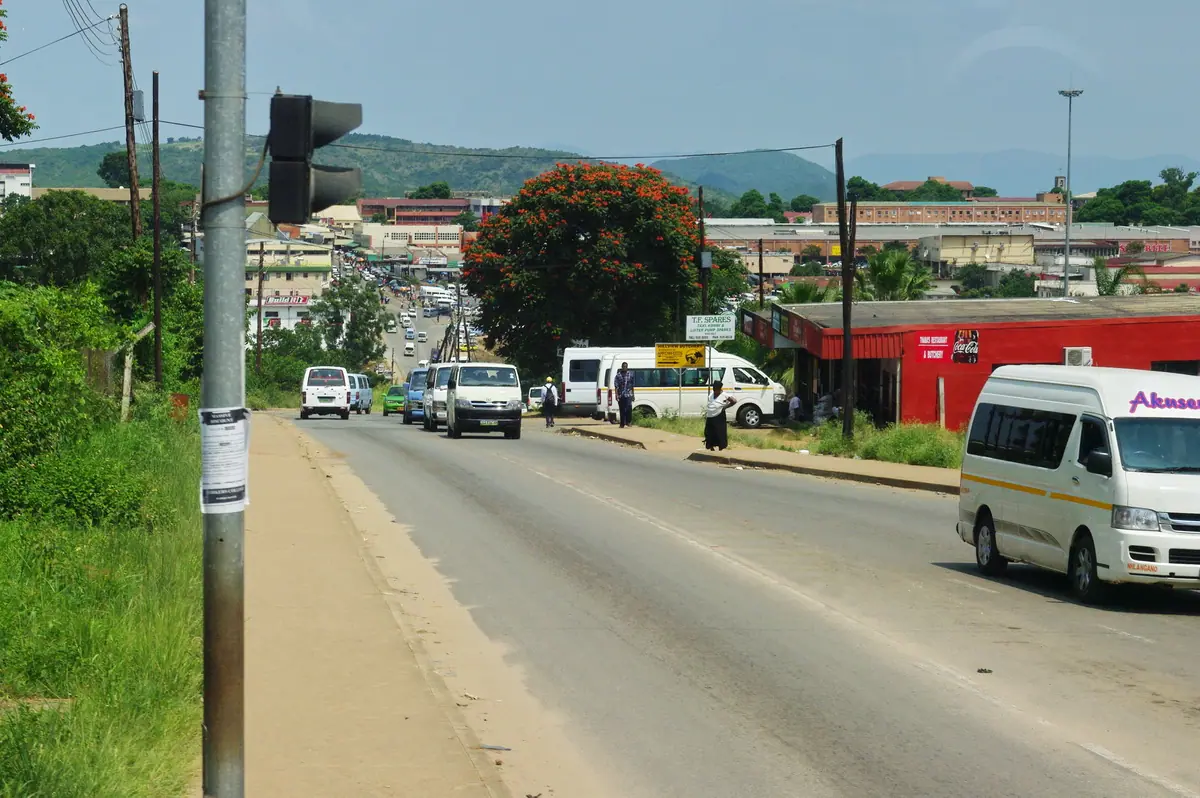
For street-level eating, head to Manzini Market on a weekday morning, when the stalls are at their loudest and best. Expect pyramids of avocado, mango, guava and litchi in season, roasted maize turned over coals, and fat cakes straight from the oil. Mbabane Market is smaller but just as good for dried beans, homemade peanut butter and the fiery chilli-and-tomato relish that shows up beside almost every braai.
In the Malkerns valley and around Ezulwini, farm-to-table kitchens reinterpret these staples with real ambition, plating maize, pumpkin and free-range meat beside local herbs, while riverside grills do a roaring trade in grilled chicken and spiced sausage at weekends. If you are in the country between February and March, do not miss buganu, the cloudy, lightly fermented marula beer brewed by women and served in calabashes. It tastes of tart fruit and smoke, and it is the social glue of the lowveld harvest.
Cultural Villages and Living Traditions
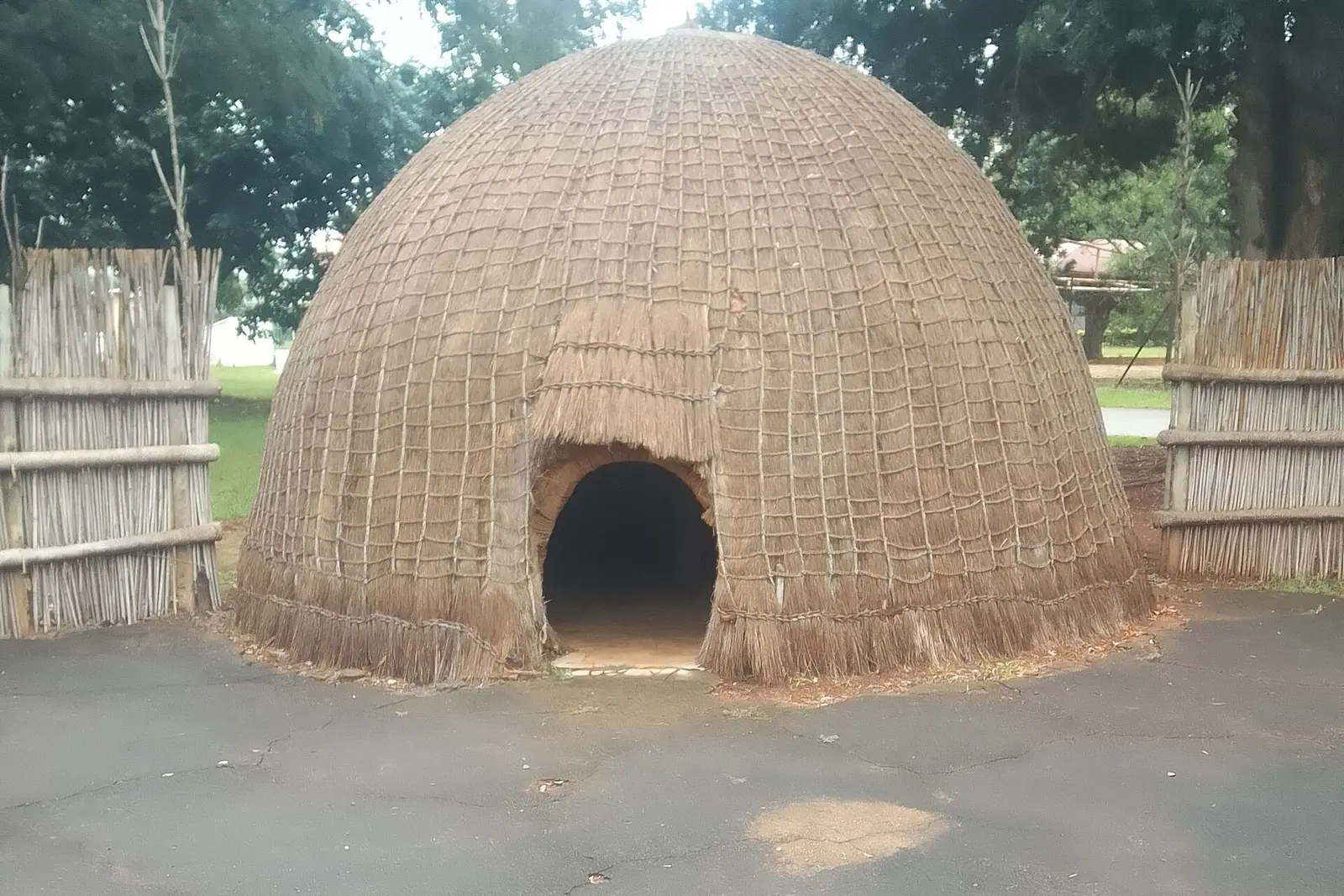
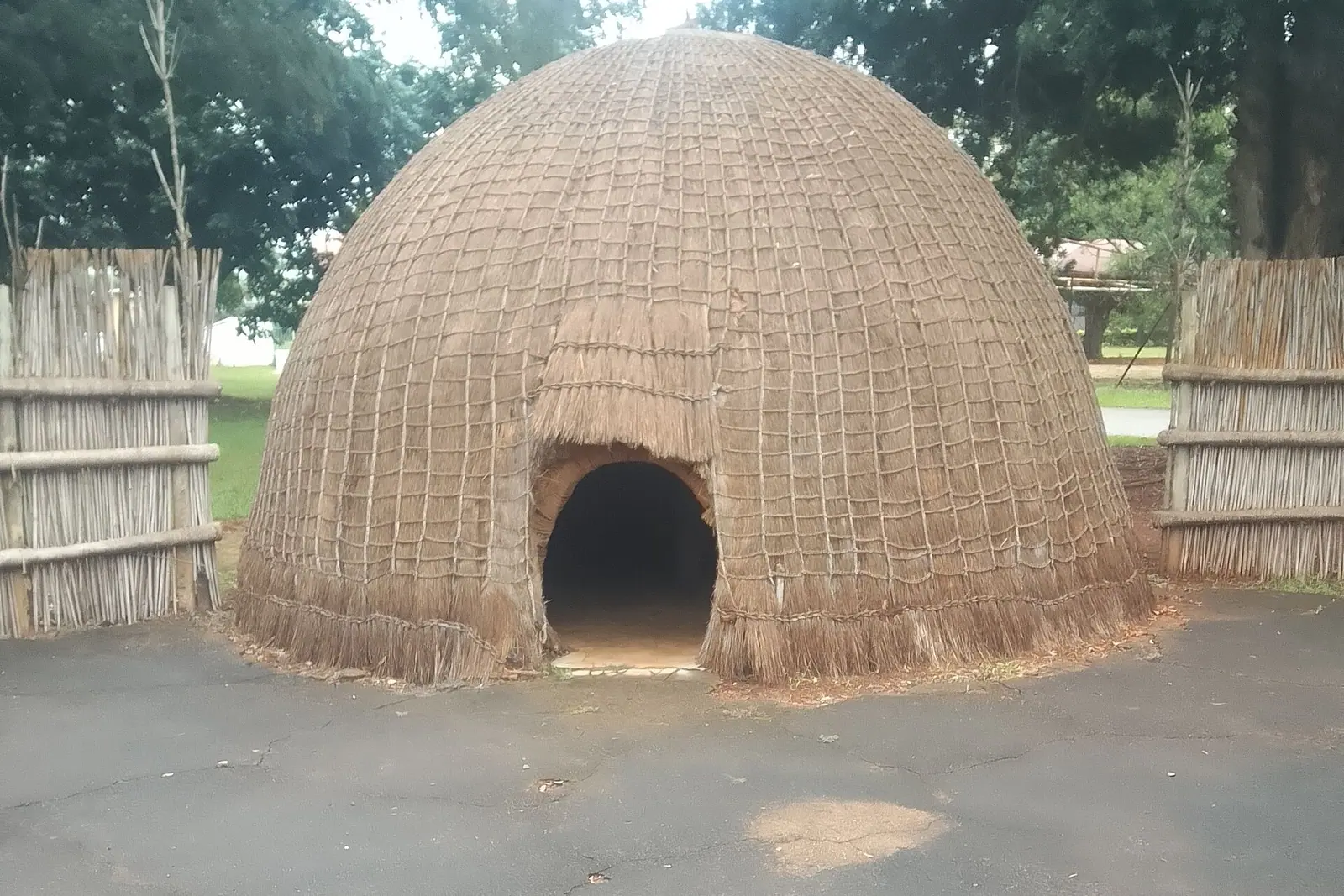
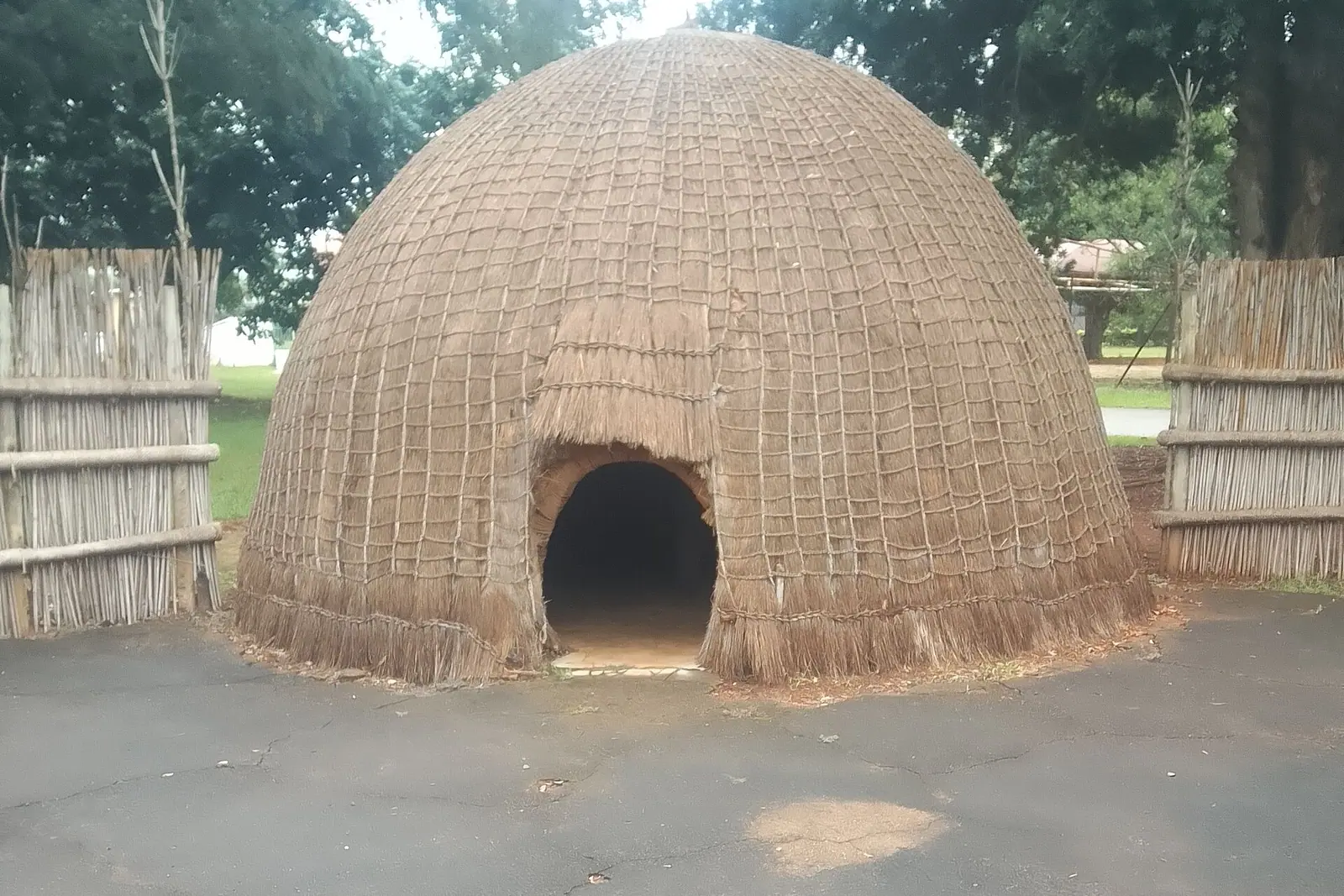
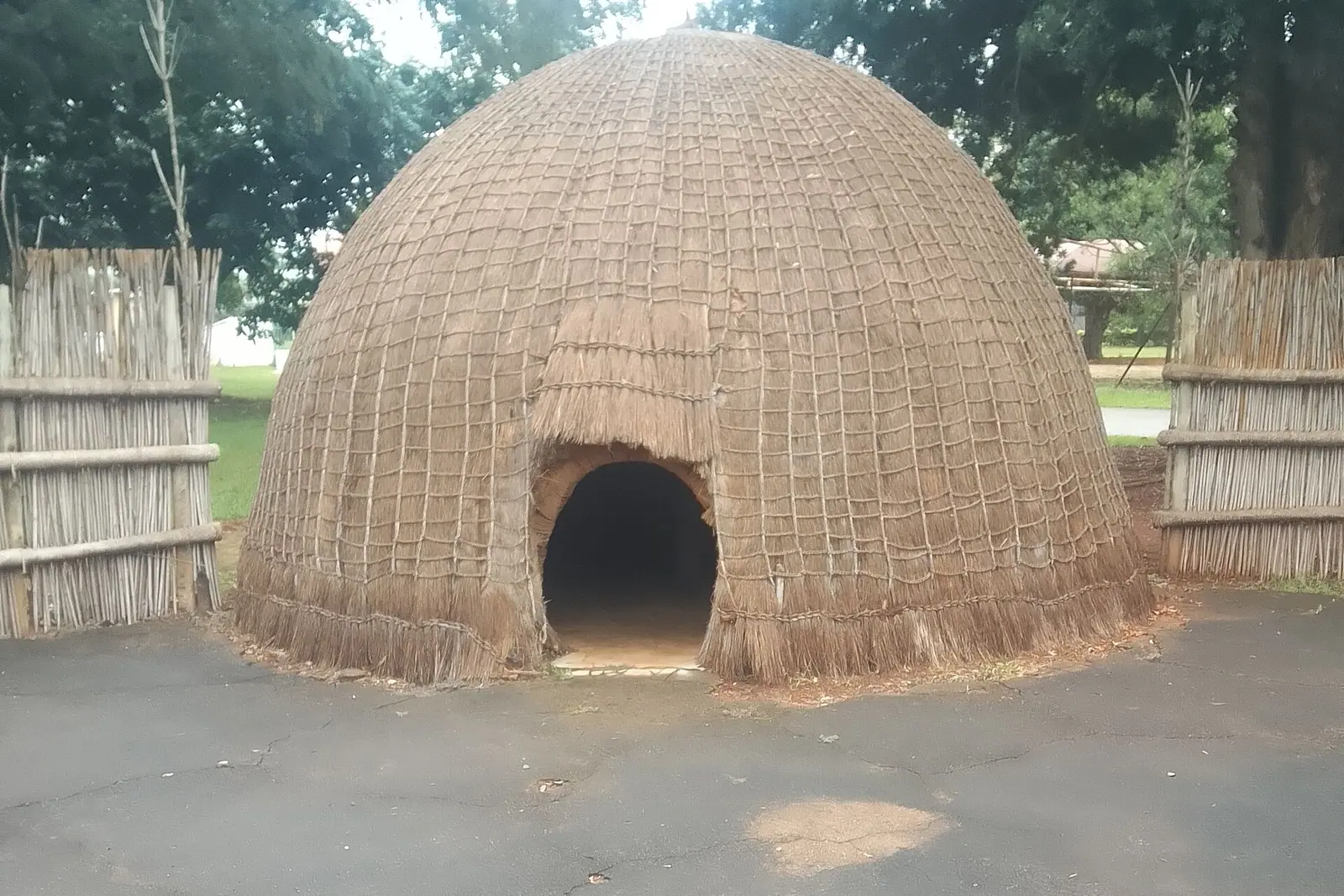
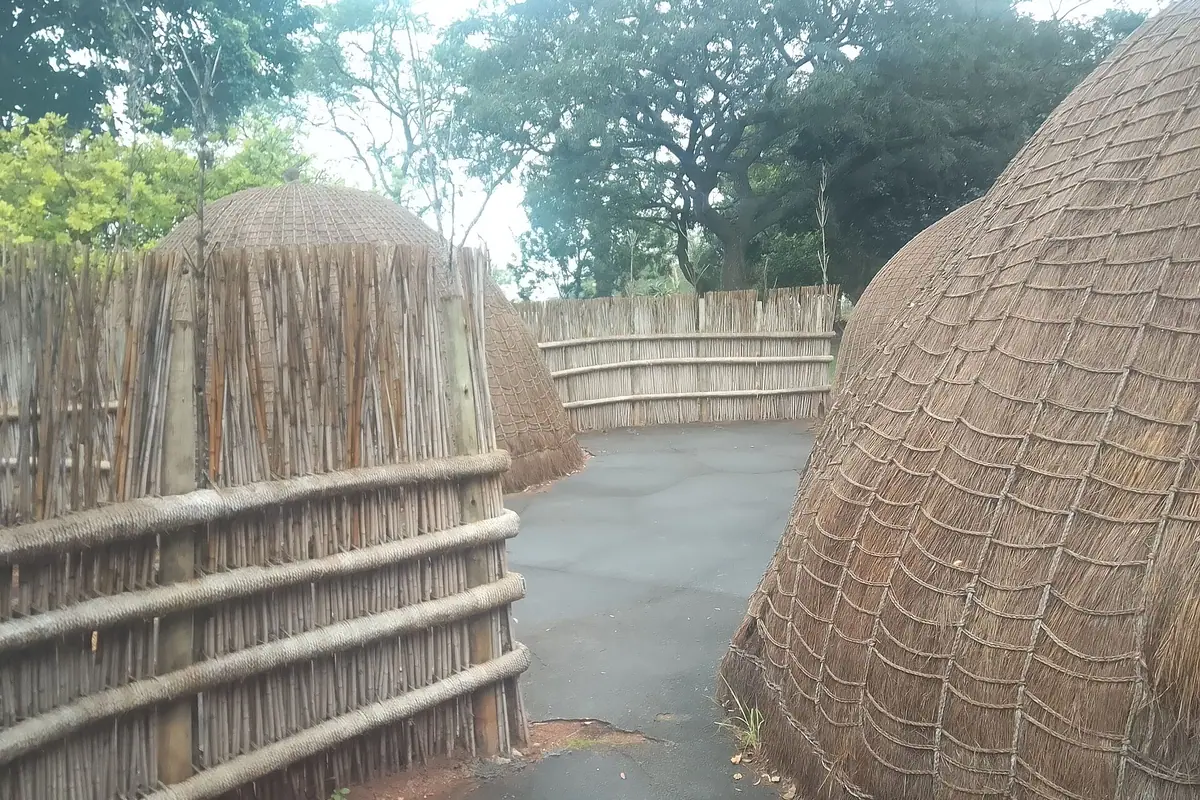
The most accessible introduction to Swazi domestic life is Mantenga Cultural Village in the Ezulwini Valley, a reconstructed homestead of domed beehive huts, cattle byres and granaries that local guides explain room by room. Demonstrations of grinding, weaving and cooking lead into powerful dance and drum performances, and Mantenga Falls is a ten-minute walk away for a swim-and-picnic finish. Ask questions freely, and tip the performers directly.
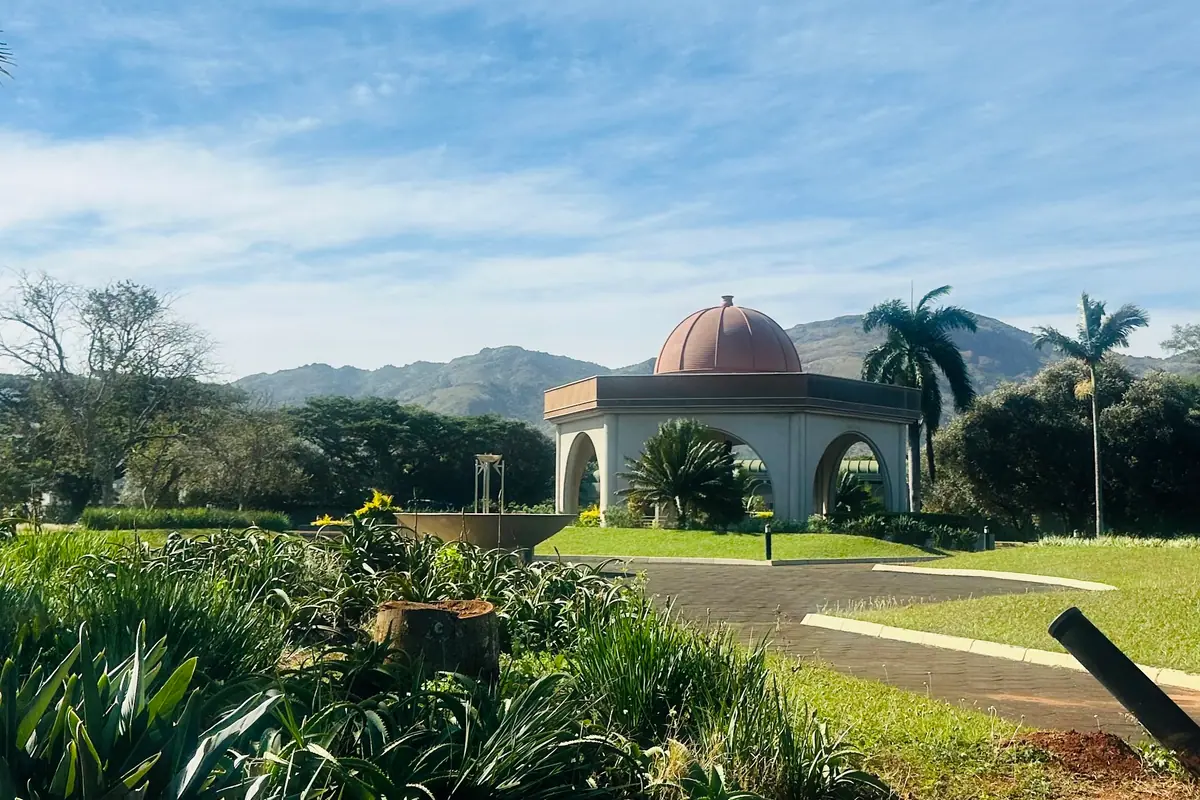
For the political and ceremonial heart of the country, spend a morning in Lobamba, the royal and legislative capital. The King Sobhuza II Memorial Park, the national museum and the parliament buildings sit close together and give context to everything you will see later, while Ludzidzini Royal Village, home of the royal family, lies just beyond. Etiquette matters here: dress modestly, never photograph people without asking, and avoid pointing at or approaching the royal enclosure.
Beyond the staged villages, community-run tourism is where Eswatini quietly excels. Shewula, perched on the Lebombo escarpment above the lowveld, offers guided walks and simple accommodation whose proceeds go to the surrounding community, and several reserves employ local trackers and craft co-operatives. Buying sisal baskets, beadwork or carved spoons straight from the makers keeps money in rural households rather than in a city warehouse.
Ceremony Season: Umhlanga, Incwala and Buganu
Umhlanga, the Reed Dance, is the ceremony visitors know best. Held in late August or early September, it draws tens of thousands of young women who cut reeds in the riverbeds and carry them in procession to the royal village near Lobamba, followed by days of singing and dancing. The final days are usually open to the public. Arrive early, park where marshals direct you, dress respectfully with shoulders and knees covered, stay behind the marked boundaries and skip the flash.
Incwala, the Kingship ceremony, is the most sacred event in the Swazi year, unfolding over several weeks around December and January with warrior regiments, sacred songs and the tasting of the first fruits. Much of it is restricted to initiates and the royal family, and visitors see only particular public moments. Treat it as a privilege rather than a spectacle, follow instructions exactly, and put the camera away when asked.
Buganu, the marula festival, takes place in February or March, when the harvest is presented at Hlane Royal National Park and at Mbikwakhe amid days of dance and shared calabashes of beer. It is also a fine time for birding, since the lowveld is green and loud with calls. All three ceremonies shift with the lunar and royal calendar, so confirm dates locally, build in slack and be ready to change plans at short notice.
Wild Places and Adventure Tours
Mlilwane Wildlife Sanctuary, tucked into the Ezulwini Valley, is the gentlest introduction to safari in the country: no lions, which means you can explore on foot, by bicycle or on horseback among zebra, wildebeest, warthog and blesbok. From there, Mkhaya Game Reserve, a stronghold for black rhino reached only on guided day tours, and Hlane Royal National Park, where lion and elephant roam beneath ancient hardwood trees, raise the stakes considerably.
In the highveld, Malolotja Nature Reserve rewards hikers with gorges, waterfalls, proteas and a canopy tour that swings you over the forest canopy. Close by, the Ngwenya Mine and its Lion Cavern preserve some of the oldest known mining anywhere on earth, where haematite and specularite were worked tens of thousands of years ago; rock art and stone tools lie scattered across the surrounding hills.
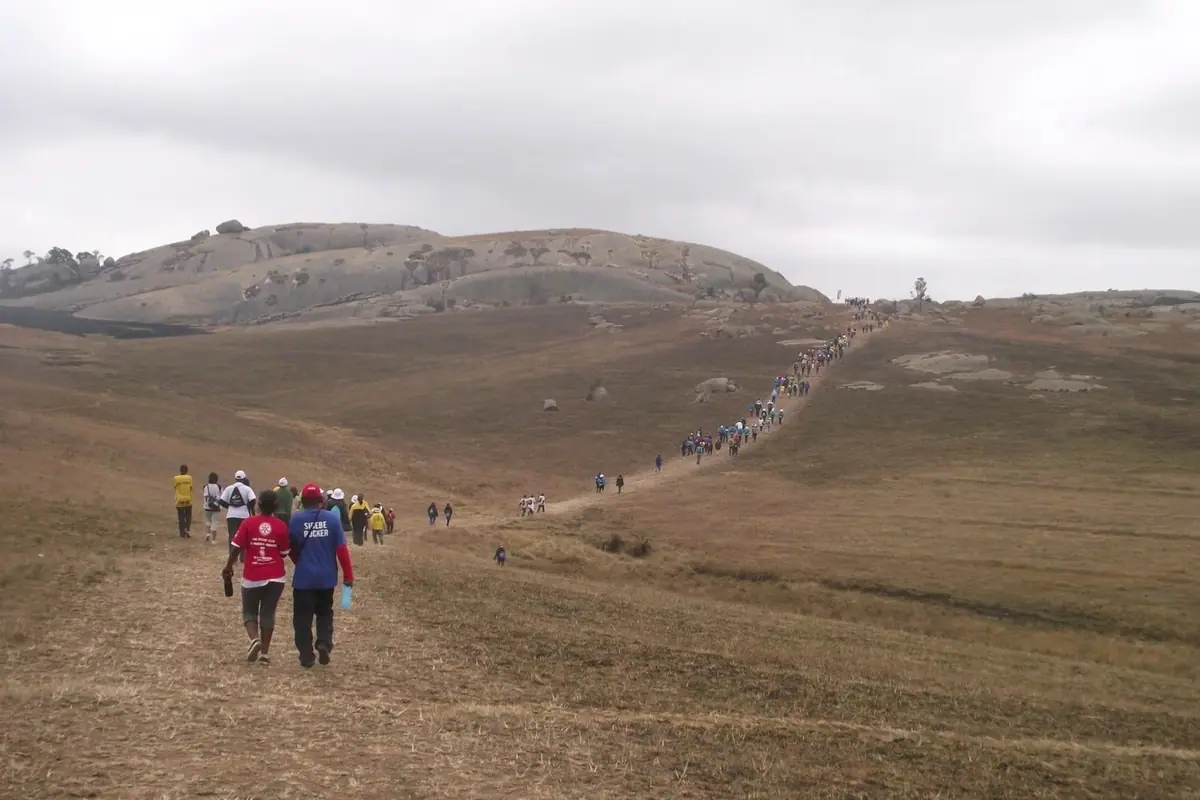
Walkers should not leave without climbing Sibebe Rock outside Mbabane, a colossal exposed granite pluton whose summit rewards a half-day scramble with views to the horizon. Further south, the Great Usutu River offers rafting and kayaking through the lowveld, while Phophonyane Falls in the northwest hides swimming pools and short trails in thick forest. Guided tours are worth every lilangeni: the tracks are unmarked and the fees fund the rangers who protect these places.
Craft Trails, Coffee Stops and the Slow Road
The craft route threading the Ezulwini Valley and the Malkerns valley is the country's most underrated attraction. At Ngwenya Glass, near the oldest mine, you can watch recycled bottles being blown into herons, elephants and wine glasses in a furnace-hot workshop; a few minutes away, batik and candle studios throw their doors open so you can see wax, dye and fabric becoming saleable art. Allow a half-day, and bring cash.
Malkerns itself is made for lingering. Big sculptures and an open-air amphitheatre stage host live music in the valley, potteries and weaving studios sell straight from the loom, and roadside stalls pile up avocados, macadamia nuts and honey from hives in the hills. Small roasteries and farm kitchens have turned this stretch of farmland into the country's most enjoyable lunch stop, especially on a warm Saturday.
Practicalities are simple but worth respecting. Carry lilangeni for markets, village visits and tips, fill your tank in Mbabane or Manzini, and remember that the main highways are tarred while reserve tracks are not; you drive on the left. Avoid driving at dusk, when cattle and goats drift onto the road, and combine any craft stop with a swim at Mantenga Falls. Four or five days is enough to see the highlights without rushing.
Frequently asked questions
How many days do you need to tour Eswatini?
Three days covers the Ezulwini Valley, Mlilwane Wildlife Sanctuary and Mantenga Cultural Village comfortably, since Mbabane and Manzini are only about forty minutes apart. Give yourself five days to add Hlane or Mkhaya, the Ngwenya Mine and Malolotja Nature Reserve, plus a slow afternoon on the Malkerns craft trail.
When is the best time of year to visit Eswatini?
May to September is dry and clear, making it the best window for wildlife watching and mountain hikes. Umhlanga falls in late August or early September, Incwala in December or January and the marula festival in February or March. Summer, from October to April, is green, stormy and superb for waterfalls and birdlife.
What food should I try in Eswatini?
Start with sishwala, the stiff maize porridge, served with emasi sour milk and tibhidvo greens. Seek out sitfotfotfo pumpkin leaves with peanuts, umncweba dried meat, roasted maize and fat cakes at Manzini Market, and buganu marula beer if you visit between February and March.
Can visitors attend the Umhlanga Reed Dance?
Yes. The final days of dancing are generally open to the public, though dates move with the lunar and royal calendar, so confirm locally before travelling. Arrive early, follow the marshals, cover shoulders and knees, and ask before photographing anyone.
Is Eswatini easy to explore without a guided tour?
Main roads are tarred and driving is on the left, so self-driving between Mbabane, Manzini, Ezulwini and the main reserves is straightforward, with border crossings to South Africa and Mozambique at several points. Minibus taxis are cheap but slow, and a local guide genuinely transforms visits to cultural villages, mines and reserves.
Sort the rest of your trip
Everything for Eswatini, in one place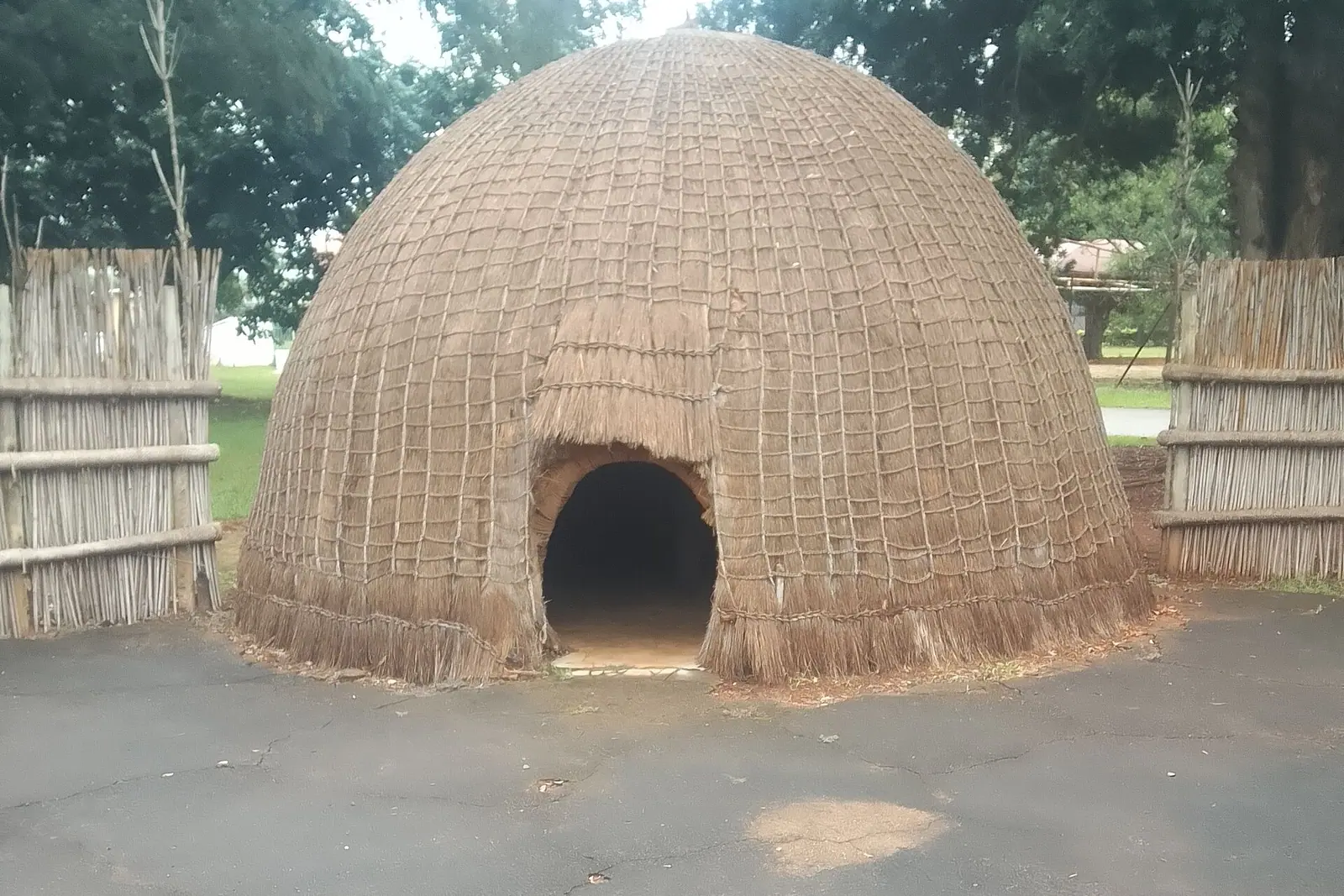
Stay in Eswatini
Hotels, guesthouses and apartments — compared in one search.
Search hotels
Transfer in Eswatini
Private driver waiting on arrival — no queues, no surprises.
Book a transfer
Stay online in Eswatini
Travel eSIM — data the moment you land, no roaming bills.
Get an eSIM