Egypt is a country where the monuments are older than most calendars and the desert runs straight into coral gardens. One day you are standing in the shadow of a pyramid built from two million blocks of limestone, the next you are drifting down the Nile past palm islands on a lateen sail. This guide gathers the landmarks that genuinely deserve your time, and the practical detail that makes them work.
The Pyramids of Giza and the Great Sphinx: Egypt's Defining Landmarks
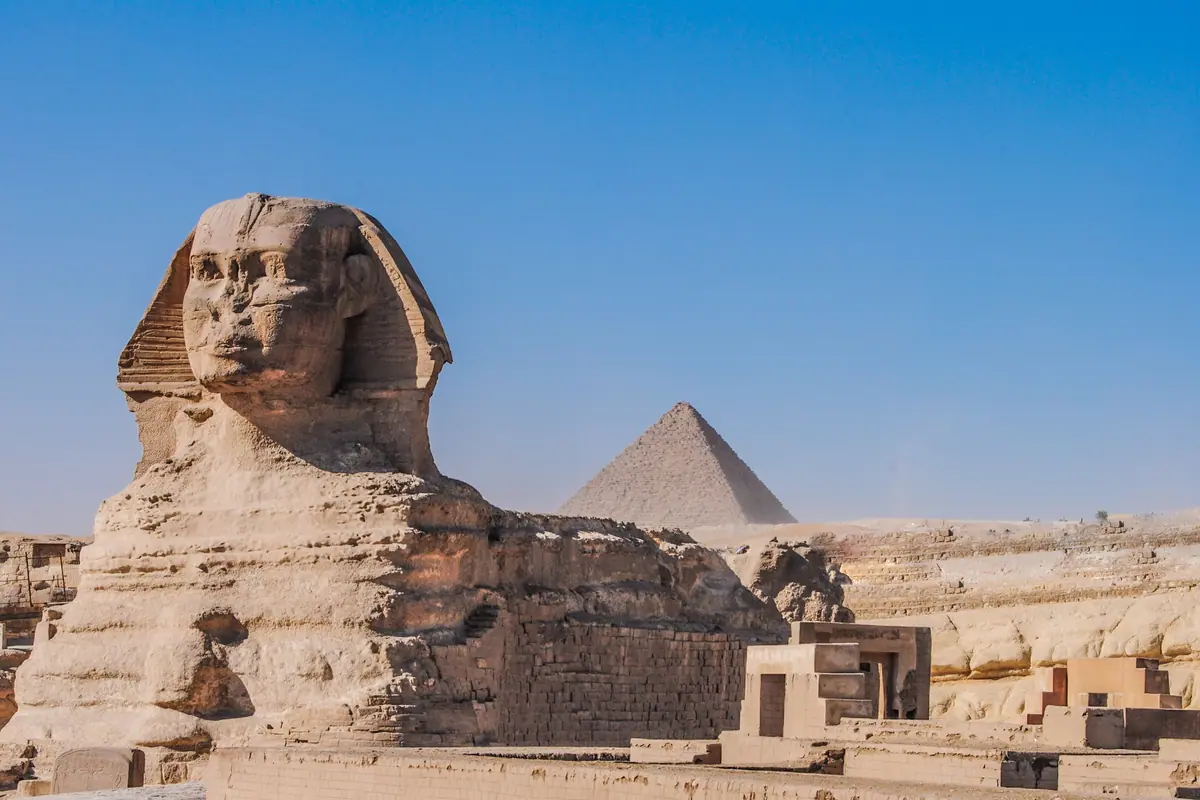
No photograph prepares you for the scale of the Giza plateau, which rises from the western edge of greater Cairo about 30 to 45 minutes from the city centre. The Great Pyramid of Khufu is the only one of the ancient wonders still standing, a mountain of limestone and granite that has shrugged off four and a half millennia. Beside it, the Pyramid of Khafre still wears a cap of its original smooth casing stones at the apex, while the smaller Pyramid of Menkaure sits further south. Downhill, the Great Sphinx keeps its long watch, a human-headed lion carved from a single outcrop of bedrock, its face weathered by wind and, according to popular legend, by Napoleon's artillery.
Come at opening time, which is generally around 8am and shifts slightly with the season, and you will have the plateau almost to yourself before the coach groups arrive. Allow three to four hours for the site itself, including the short drive to the panorama viewpoint where all nine pyramids line up for the classic photograph. Entering the interior of a pyramid is a separate ticket and means a steep, cramped, airless climb through a narrow passage — thrilling, but easy to skip if you are saving your energy for a bigger day south of the city. Camel and horse rides to the viewpoint are offered everywhere; agree the duration and route clearly before you mount.
Most travellers then head 30 kilometres south to Saqqara, where the Step Pyramid of Djoser, the earliest large stone structure in the world, stands in a vast necropolis with the tombs of Old Kingdom officials. Continue to Dahshur to see the Bent Pyramid and the Red Pyramid, and stop at the open-air museum at Memphis with its colossal fallen statue of Ramses II. Together this makes an easy full day. If you stay in Giza, the evening sound-and-light show projects colour and narration across the pyramids — touristy, unashamedly so, but memorable.
Cairo's Museums and Islamic Cairo: Treasures Beyond the Pyramids
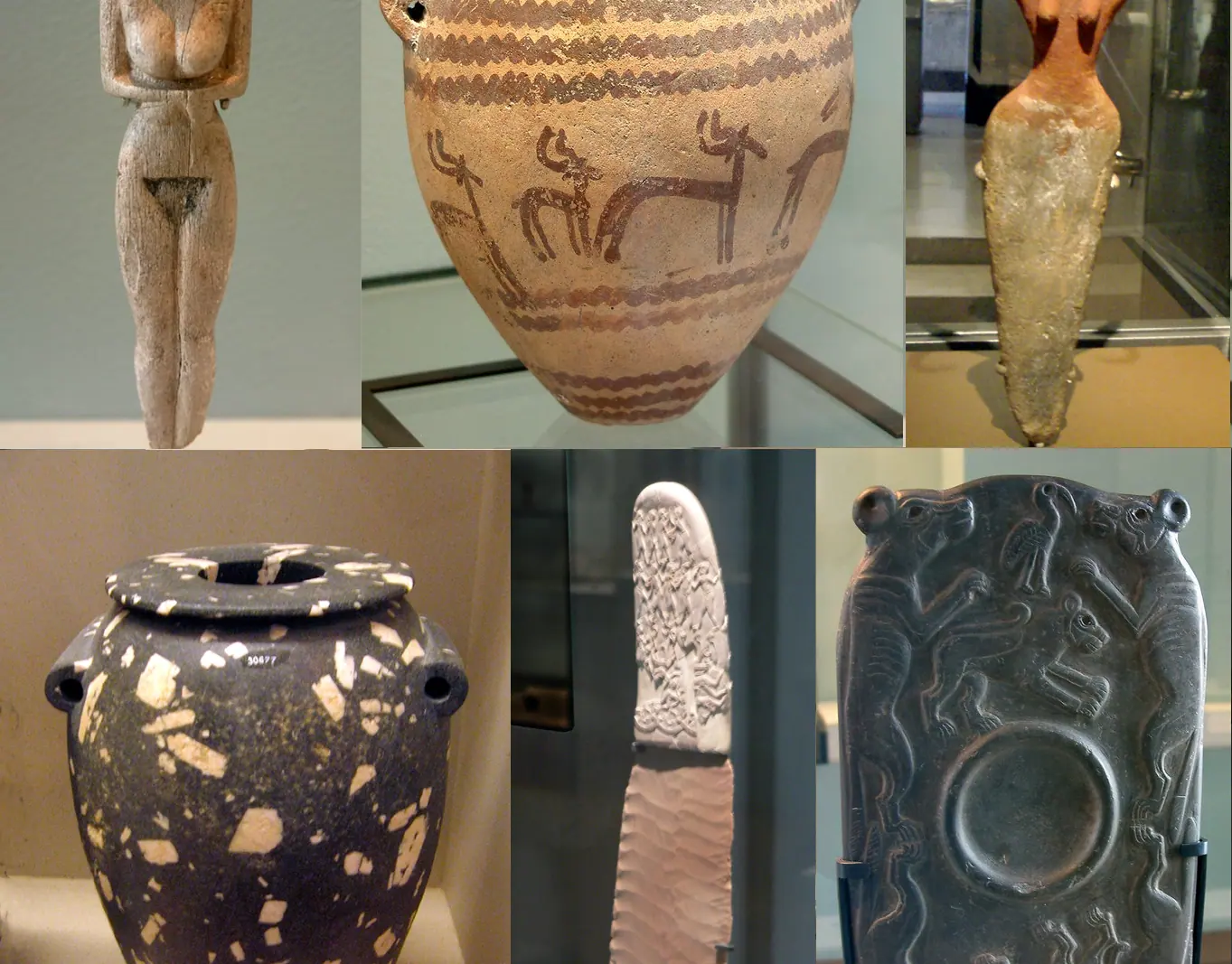
Cairo rewards a full day indoors. The Grand Egyptian Museum, sitting on the desert road between the city and the pyramids, is the new home of the complete funerary assemblage of Tutankhamun, alongside thousands of objects spanning Egypt's entire dynastic story; a monumental atrium anchored by a colossal statue of Ramses II sets the tone before you even reach the galleries. Give it at least four hours. Downtown, the older Egyptian Museum on Tahrir Square still holds a gloriously dense collection that rewards a slower wander, while the National Museum of Egyptian Civilization in Fustat displays the royal mummies in a hushed, darkened hall that traces Egypt from prehistory to the present.
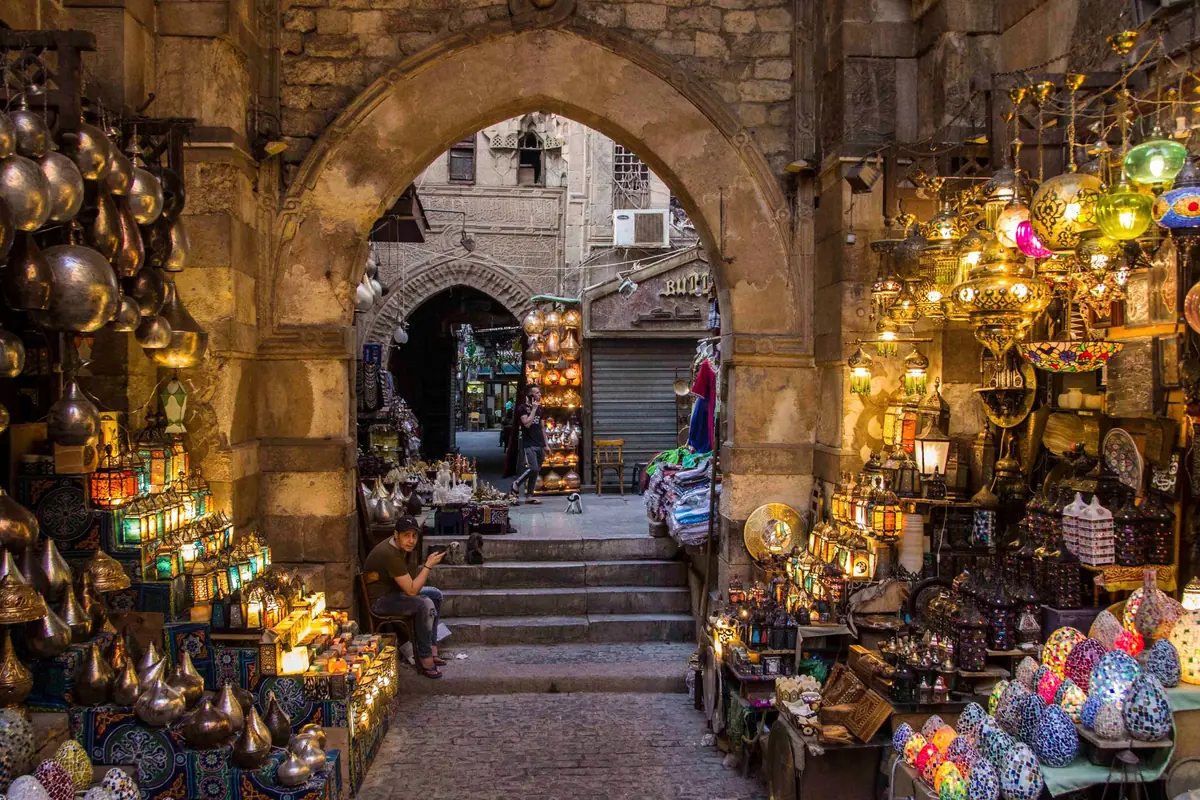
Historic Islamic Cairo is a separate day altogether. Khan el-Khalili bazaar is the famous entry point — a maze of alleys selling lanterns, silver, perfume oils, spices and embroidered cloth, with coffeehouses where you can sit with a mint tea and watch the trade happen around you. From there, Al-Muizz Street runs for more than a kilometre through the medieval city, lined with Mamluk and Ottoman facades, the Qalawun complex, the gateway of Bab Zuweila and the minarets of Al-Azhar Mosque. Late afternoon into evening is when the streets come alive and the heat finally breaks.
Climb to the Citadel of Saladin for the sweeping city view and the Muhammad Ali Mosque, whose alabaster domes and pencil-thin minarets dominate the skyline. Nearby, the Ibn Tulun Mosque is the oldest intact mosque in the city and its spiral minaret is one of the few you can climb, while the Sultan Hassan Mosque next to the Citadel is a masterpiece of soaring stonework. In Coptic Cairo, the Hanging Church, the Church of St Sergius and the Ben Ezra Synagogue sit within a few paces of each other. Everywhere, dress modestly: shoulders and knees covered, shoes off at mosque entrances, and a light scarf handy for women entering places of worship.
Luxor: Karnak, the Valley of the Kings and the World's Greatest Open-Air Museum
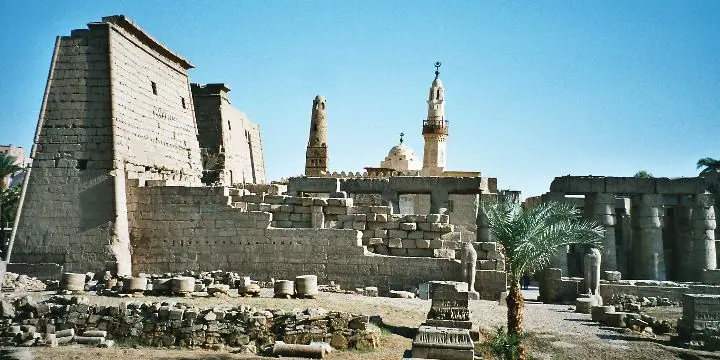
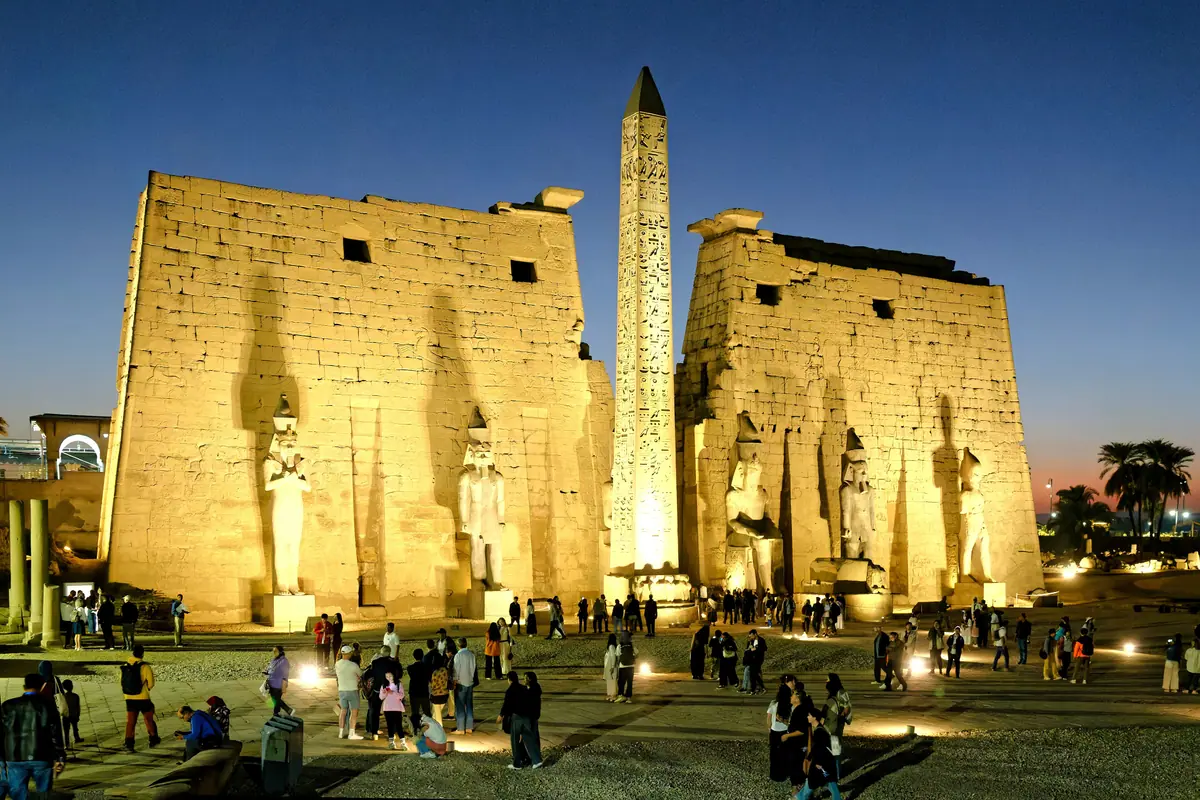
Luxor is where ancient Egypt stops being a history lesson and becomes an environment. On the east bank, the Karnak temple complex is the largest religious site ever built, a sprawling accumulation of pylons, chapels and obelisks that took two thousand years to complete. The Hypostyle Hall alone, packed with 134 sandstone columns the width of tree trunks, will eat an hour of your time before you notice. Walk or take a horse-drawn carriage along the avenue of sphinxes to Luxor Temple, which is best seen after dark, when floodlights turn its colonnades gold.
Across the river, the west bank holds the tombs. The Valley of the Kings hides more than sixty burial chambers cut into the hillside, including the tomb of Tutankhamun and the deep, richly painted corridors of Seti I and Ramses VI; each tomb requires its own ticket, so pick two or three rather than trying to see them all. Further along the cliffs, the terraced Temple of Hatshepsut at Deir el-Bahri rises in three elegant ramps against the rock face, and the mortuary temple of Medinet Habu carries some of the sharpest surviving relief carvings in Egypt. The two Colossi of Memnon, all that remains of a vast temple, are a five-minute roadside stop on the way back.
Plan at least two nights, preferably three, and split your days: east bank one morning, west bank the next, with a dawn hot-air balloon flight over the fields and tombs if you want the single best photograph of your trip. October to April brings clear, mild days; from May to September, expect temperatures above 40°C by midday, which means starting at first light and retreating to a pool by early afternoon. Most travellers continue south to Aswan by Nile cruise — three to four nights, with stops at the beautifully preserved Temple of Horus at Edfu and the double temple at Kom Ombo.
Aswan, Abu Simbel and Life on the Nile
Aswan is Egypt at its most relaxed. The Temple of Philae, dedicated to the goddess Isis, sits on its own island and is reached by a short boat ride — go late in the day when the light softens and the crowds thin. In the granite quarries nearby lies the Unfinished Obelisk, abandoned thousands of years ago when a crack appeared in the stone, and it remains the clearest explanation of how these monuments were cut. Take a felucca at sunset, sail past the colourful Nubian houses on Elephantine Island and the botanical gardens of Kitchener's Island, and spend an evening in a Nubian village eating slow-cooked tagines.
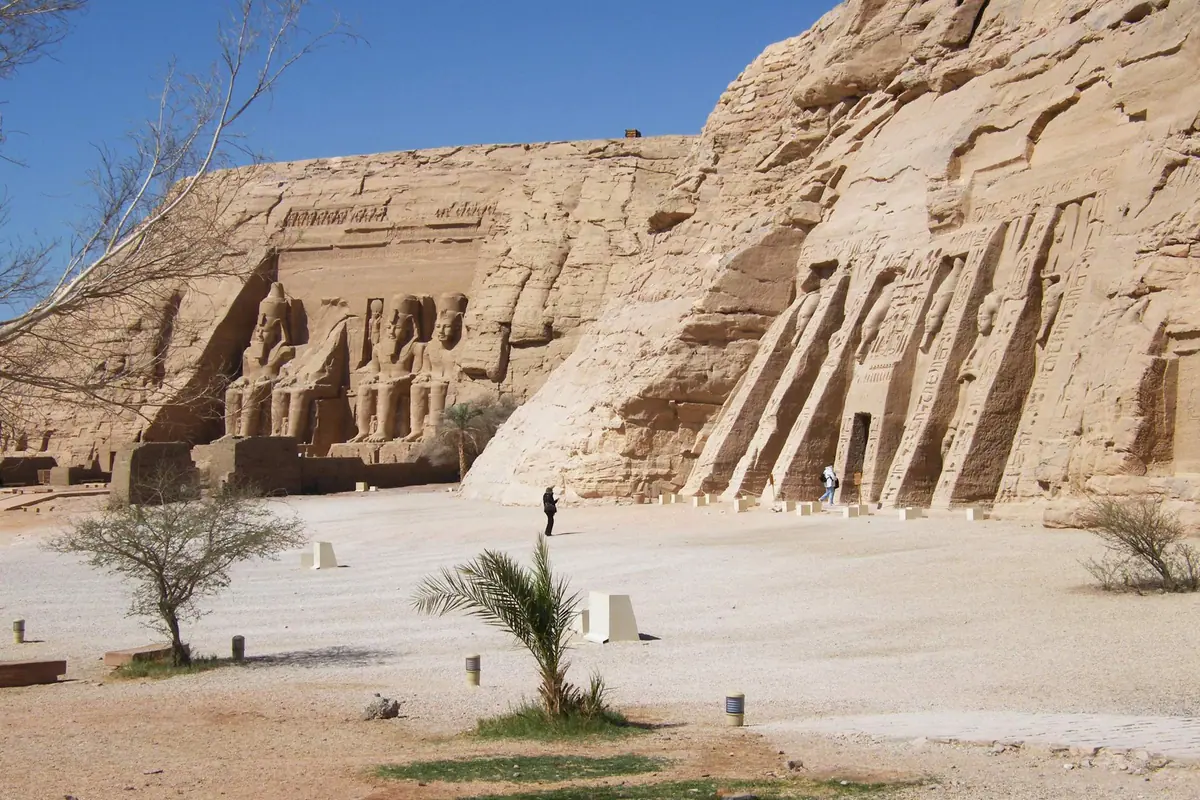
Abu Simbel is the pilgrimage everyone makes from here. The two temples carved by Ramses II into the sandstone cliffs are guarded by four seated colossi, and twice a year — around 22 February and 22 October — the rising sun reaches deep into the inner sanctuary to illuminate the king's statue. The site is either a three-hour drive each way in an early-morning convoy or a short domestic flight; whichever you choose, leave before dawn, plan to spend about two hours on site, and be back in Aswan by mid-afternoon. An alternative is to approach it from the water on a slow Lake Nasser cruise.
The Nile itself is the attraction. A three- or four-night cruise between Luxor and Aswan is the most comfortable way to link the temples, with a cabin, meals and a pool deck between stops. For something slower and cheaper, multi-day felucca trips between Aswan and Kom Ombo involve sleeping on deck under the stars and cooking over a campfire. Either way, bring a hat, high-factor sunscreen and a refillable water bottle — the river breeze disguises how strong the sun is.
The Red Sea, Sinai and the Western Desert: Egypt's Wild Side
The Red Sea is the reason many people return to Egypt a second time. Ras Mohammed National Park, at the southern tip of the Sinai peninsula, is one of the finest wall dives on the planet, with steep coral faces dropping into blue water and reef sharks patrolling the currents. Hurghada and Marsa Alam offer reefs, wrecks and dolphin encounters, while Dahab keeps the budget end of the market alive with shore-entry snorkelling at the Lighthouse and the notorious Blue Hole. Diving runs year-round, but visibility is sharpest in spring and autumn, when the water sits between roughly 22 and 28°C.
Inland from the coast, the Sinai mountains hold Saint Catherine's Monastery, built around what is traditionally regarded as the burning bush and home to an extraordinary collection of manuscripts, and above it the peak known as Mount Sinai or Mount Moses. Most people start the climb around 2am to reach the summit for sunrise — two to three hours up a mix of steps and switchbacks, with a Bedouin tea stall partway. Further north, Dahab and Nuweiba are the base for windsurfing, kitesurfing and long, empty beach days.
The Western Desert is Egypt's least visited and most surprising landscape. Siwa Oasis, eight hours from Cairo, has a ruined mud-brick fortress at its centre, salt lakes you can float in, hot springs and the Temple of the Oracle of Amun, which Alexander the Great is said to have consulted. Near Bahariya, 4x4 trips run through the Black Desert's volcanic cones and the chalk formations of the White Desert, camping under enormous skies. In Fayoum, the Valley of the Whales protects fossilised whale skeletons in open desert, and the pottery village of Tunis makes a peaceful overnight. All of these require a local guide, permits and a 4x4 — none are self-drive friendly.
Alexandria and the Mediterranean Coast — Plus When to Go
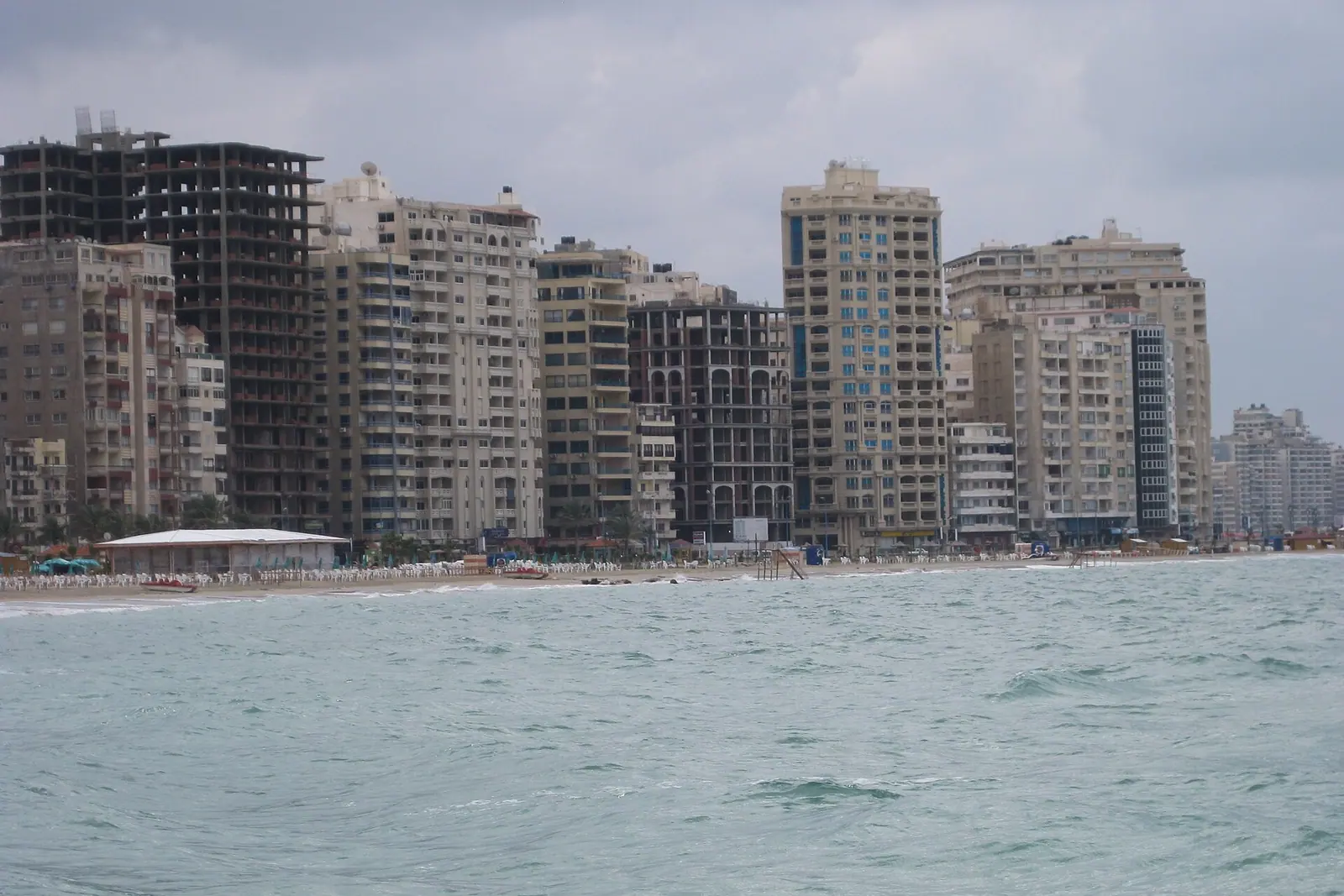
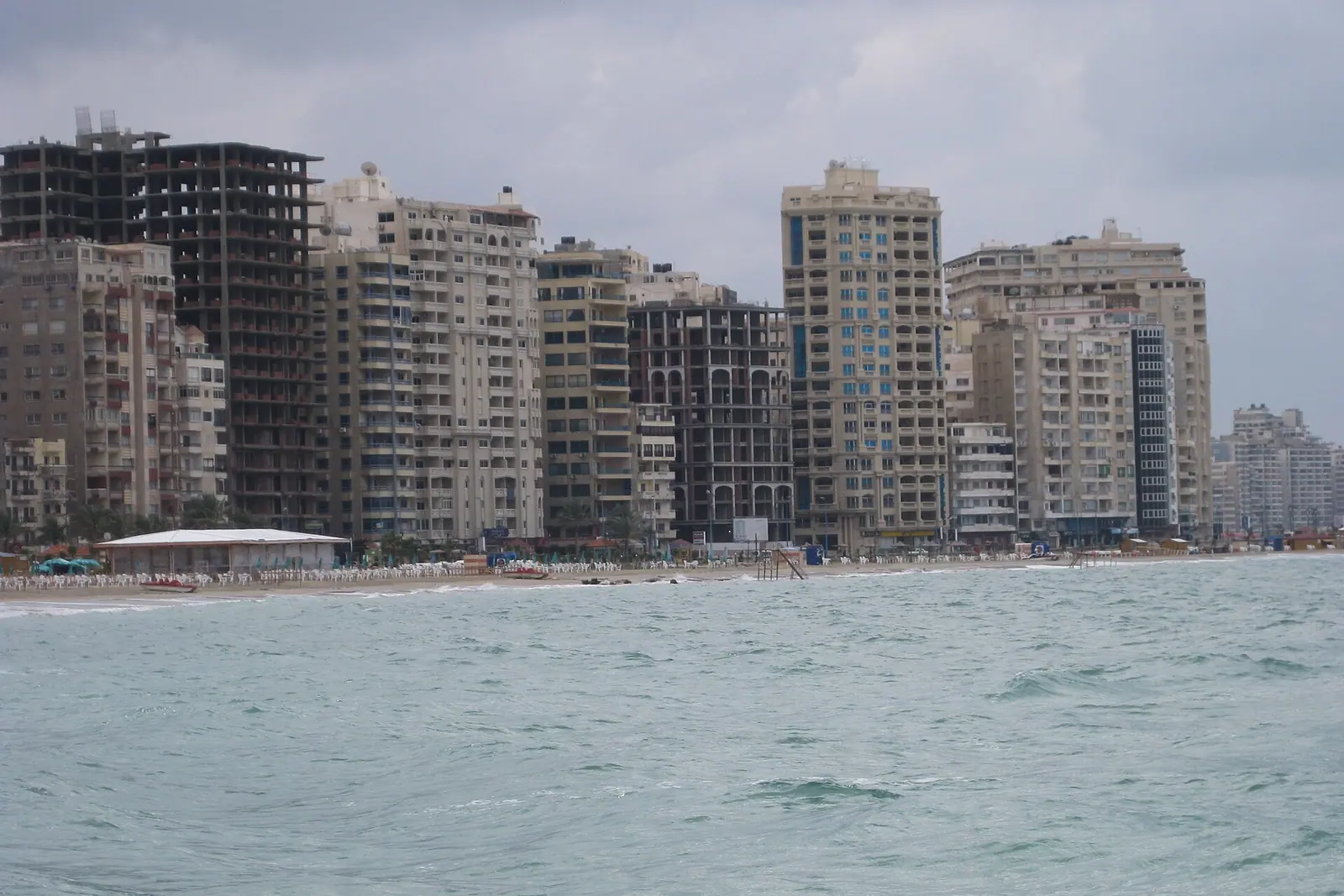
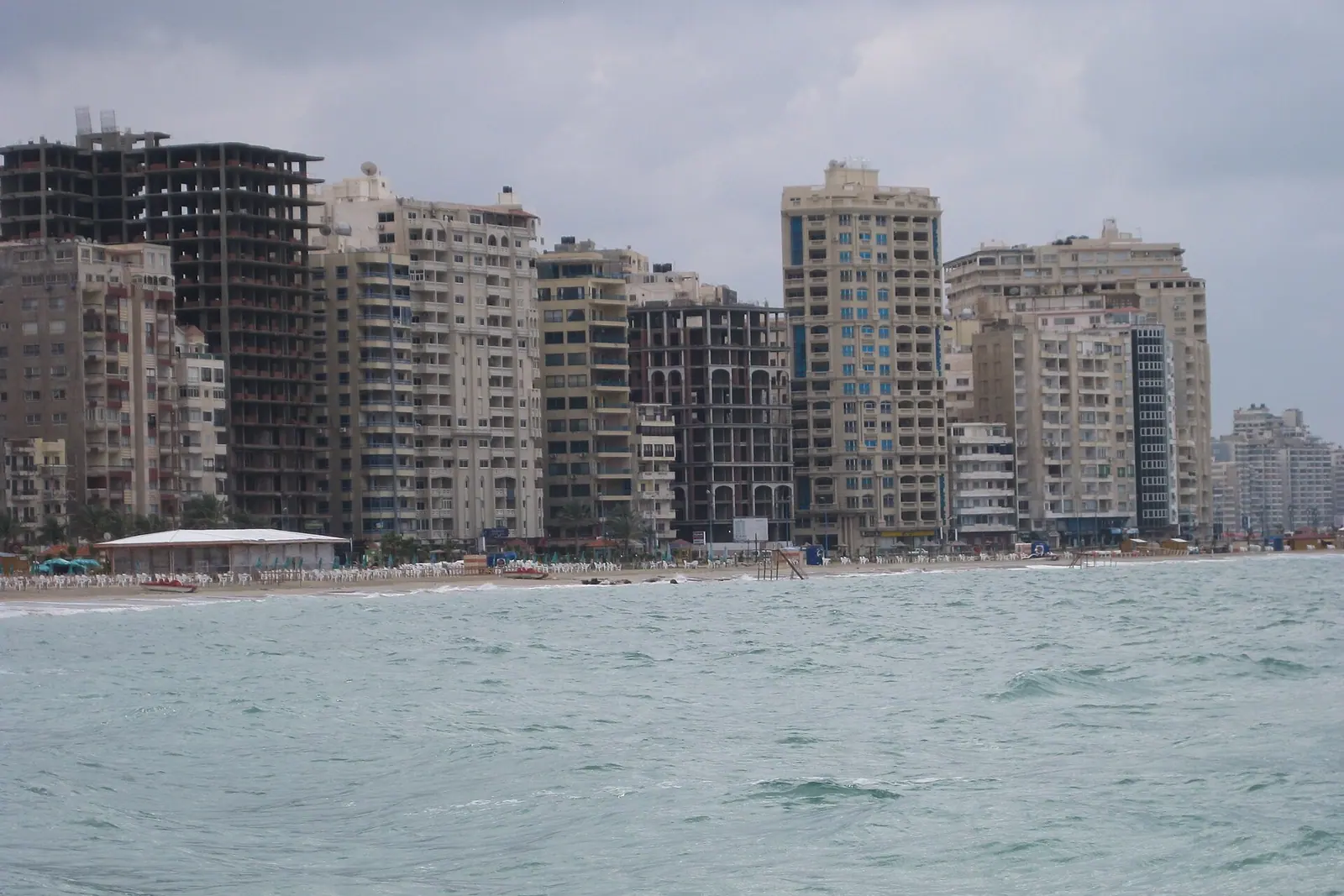
Alexandria has a different flavour from the rest of Egypt: sea air, wide boulevards and a faded cosmopolitan elegance. The Bibliotheca Alexandrina, a vast tilted disc of glass and granite, holds a dramatic reading room, several museums and a planetarium, and stands as a modern echo of the ancient library. A short walk along the Corniche brings you to the Citadel of Qaitbay, built on the site of the vanished Pharos lighthouse, where fishermen cast lines from the causeway at dusk. Inland, the Catacombs of Kom el Shoqafa descend three levels into Roman-era rock-cut tombs, and Pompey's Pillar and the Roman amphitheatre round out an easy half day.
Alexandria is roughly two and a half to three hours from Cairo by road or rail, which makes it tempting as a long day trip — but it deserves an overnight so you can eat seafood on the waterfront after dark. Further west, El Alamein's war cemeteries and museum sit beside the coast road, and Marsa Matruh has some of the clearest, quietest beaches in the country.
On timing: October to April is the sweet spot for Cairo, Luxor and Aswan, with mild days and cold desert nights. From May to September, Upper Egypt becomes punishing — often above 40°C — while the Mediterranean coast and the Red Sea come into their own. Spring can bring the khamsin, a hot dust-laden wind that blurs horizons for a day or two; winter mornings in Cairo can be genuinely chilly, so pack layers. Ramadan shifts opening hours, with many sites closing earlier and some restaurants shut during daylight. As a rough shape, allow eight to ten days for Cairo, Giza, Saqqara, Luxor and Aswan, then add three or four more if you want the Red Sea.
Frequently asked questions
How many days do you need to see Egypt's main landmarks?
Eight to ten days covers the essentials comfortably: two or three nights in Cairo for Giza, Saqqara and the museums, three nights in Luxor, and two in Aswan including the Abu Simbel trip. Add three or four more nights if you want to finish on the Red Sea coast, and a further three if you would rather travel the Luxor–Aswan stretch by Nile cruise than by road.
What is the best time of year to visit Egypt?
October to April is ideal for Cairo, Luxor and Aswan, with clear skies and daytime temperatures that make walking around temples pleasant. May to September is hot everywhere but tolerable on the Mediterranean coast and at the Red Sea, where the water stays warm enough for diving. Winter nights in the desert and even in Cairo can be surprisingly cold, so bring a warm layer.
Is a Nile cruise between Luxor and Aswan worth it?
Yes, if you want the temples linked for you without constant packing and early starts. A three- or four-night sailing takes in Edfu's Temple of Horus and the double temple at Kom Ombo between Luxor and Aswan, with meals and a pool deck included. Cheaper alternatives include multi-day felucca trips, which trade comfort for sleeping under the stars.
How do you get to Abu Simbel from Aswan?
Most people go by road in an early-morning convoy, which takes about three hours each way, or by a short domestic flight. Whichever you choose, leave before dawn to avoid the midday heat, allow roughly two hours at the temples, and expect to be back in Aswan by mid-afternoon. It can also be visited from the water on a Lake Nasser cruise.
What should I know about dress, etiquette and tipping in Egypt?
Dress modestly at religious sites: shoulders and knees covered, shoes removed at mosque entrances, and a light scarf for women entering mosques. Tipping, known locally as baksheesh, is a normal part of daily life for guides, drivers, hotel staff and bathroom attendants, so keep small notes handy. Ask before photographing people, and agree prices for camel rides, taxis and guides before you set off.
Plan it — experiences in Egypt
Live search, booked directly with trusted providers.