Luxor is a city you experience outdoors — in tomb corridors cut into hot limestone, along the Avenue of Sphinxes, on a West Bank rooftop at dawn while balloons drift over the Theban hills. Which means the month you choose, and the side of the Nile you sleep on, decide how much of it you actually enjoy.
Why Timing Makes or Breaks a Luxor Hotel Stay
Luxor sits in a shallow desert bowl in Upper Egypt, roughly 670 kilometres south of Cairo, and it swings hard between seasons: gentle 22–26°C winter days and long, punishing summers that regularly push past 40°C. There is very little shade at the sites and almost no indoor alternative to fill a hot afternoon, so unlike a city break where weather is a minor nuisance, here it shapes the entire rhythm of your day. Your hotel is not just a bed — it is your midday refuge, your pool, your sunrise staging post and, if you choose well, your best viewpoint in town.
The city is split by the Nile into two distinct halves, and each has its own ideal season. The East Bank holds the town itself: the Corniche, Luxor Temple right in the middle of the streets, and Karnak a short ride north. The West Bank is ancient Thebes — the Valley of the Kings, Deir el-Bahari, the Ramesseum and Medinet Habu — plus a string of small villages and guesthouses around the ferry landing at El-Gezira. A ferry crossing or a short drive over the bridge separates them, and that small journey matters more in some months than others.
The golden rule for planning: match your hotel to your sightseeing hours rather than the other way around. Winter travellers want a terrace facing the sunset over the Theban hills and a walkable location near Luxor Temple after dark. Summer travellers want reliable air conditioning, a pool and an early-morning base close to the West Bank gates. Get that pairing right and the season stops being a risk and starts being the reason you came.
The Golden Window: October to Mid-December and Late January to March
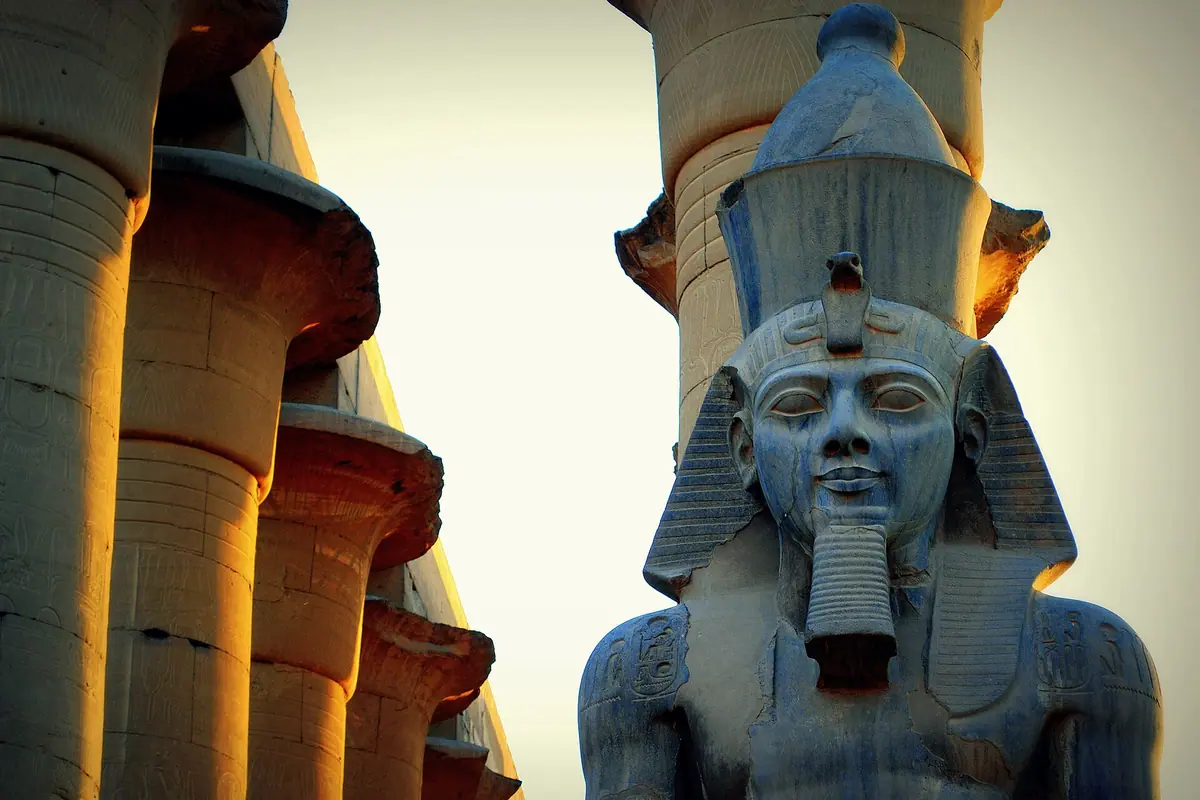
This is the stretch most travellers picture when they imagine Luxor: clear skies, daytime temperatures in the low-to-mid twenties, fresh mornings and cool nights that drop to around 8–12°C. Tombs that feel like ovens in July become genuinely comfortable, the Valley of the Kings can be explored properly rather than rushed, and hot-air balloons launch over the West Bank on most dawns because the wind is calmer. Nile cruises between Luxor and Aswan run at full capacity, and the river is dotted with feluccas and dahabiyas by late afternoon.
Book early if you are travelling in this window. October is still warm at midday — often hovering around 30–32°C — and can feel like a leftover summer, while November and February are the sweetest, most balanced months of the year. Rates on Nile-view rooms along the Corniche climb steadily through autumn, and December brings a noticeable jump as European winter travellers arrive. If your dates are flexible, aim for the first half of November or the second half of February.
A practical winter itinerary: be at the West Bank ticket office as gates open, usually around 6am, work through two or three tombs before the coach groups build, then retreat to your hotel pool or room for the brutal middle hours. Re-emerge in the late afternoon for Karnak in slanting light, or Luxor Temple when it is illuminated after dark — the colonnades and the Avenue of Sphinxes look entirely different lit up, and the crowds thin out considerably.
If your visit coincides with the annual Opet Festival, usually held in November, you may catch processions and performances along the Avenue of Sphinxes connecting Karnak and Luxor Temple — a rare chance to see the ancient route used as it was intended.
Christmas, New Year and the Winter Holiday Rush
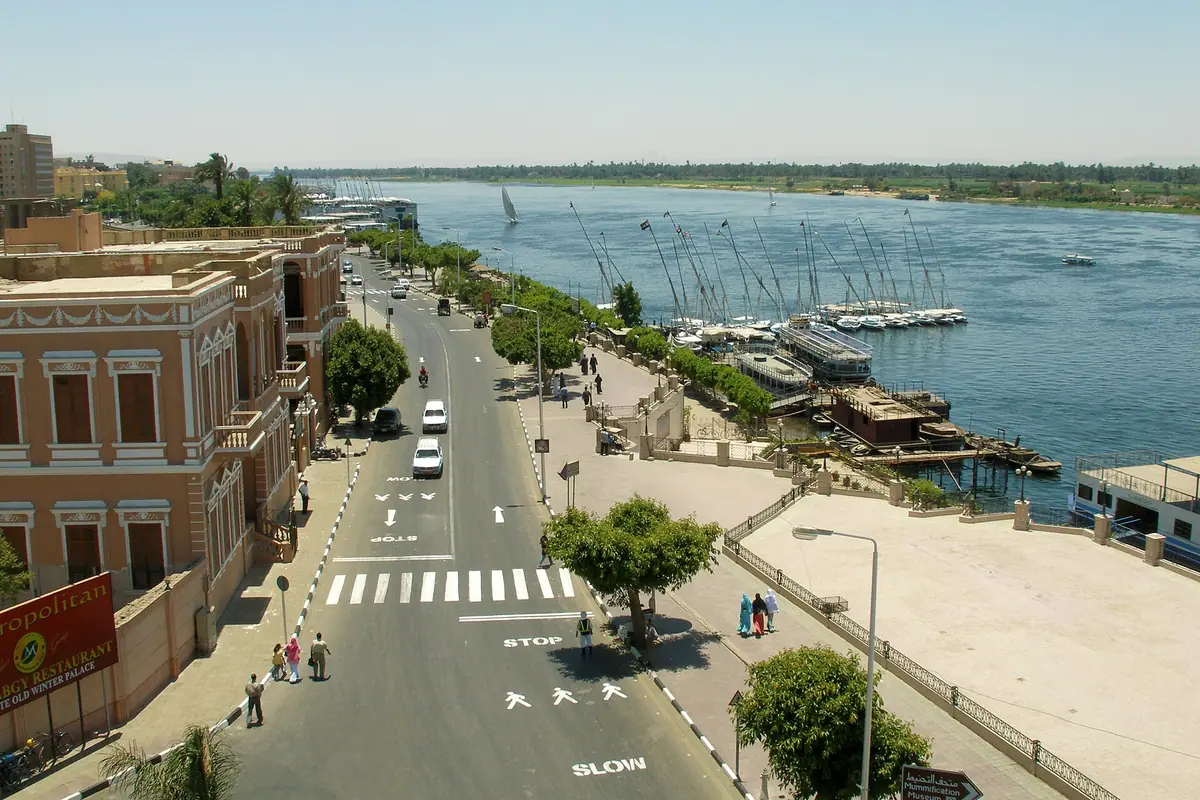
The last week of December through the first days of January is the single busiest period in Luxor. Rooms with Nile views sell out months in advance, minimum-stay requirements appear at many properties, and rates can double compared with early December. Easter brings a second, slightly gentler spike, especially around Coptic Easter, when Egyptian families travel south for the holidays and the Corniche fills with domestic tourists.
Ramadan adds another layer, and its dates shift roughly eleven days earlier each year, so it can fall in winter, spring or deep summer. During the month, many local restaurants and shops adjust their hours, daytime streets are quiet, and evenings come alive after sunset with long family meals. Most hotels continue serving visitors as normal, though alcohol service may be more limited and some rooftop cafés close early. It is a fascinating time to be in Luxor — just plan around the altered rhythm rather than fighting it.
Winter also brings a surprise that catches first-timers out: nights are genuinely cold. Rooms in budget guesthouses often have weak heating, so ask directly about blankets, a heater and hot-water reliability before you commit. If you are booked on a dawn balloon flight or an early West Bank start, pack layers you can peel off by 10am. A room with a good terrace and thick blankets beats a cheap room with neither.
Spring Winds and the Shoulder Months: March to May
From March, temperatures climb back into the low thirties and continue rising through May. This is also khamsin season — the hot, dusty southerly winds that blow across Upper Egypt, turning the sky hazy and occasionally whipping up sand that shortens visibility and irritates eyes and throats. Balloon flights are the first casualty: they can be grounded for safety when winds pick up, so if flying over the West Bank is a priority, build in a spare morning and book your hotel for at least three nights.
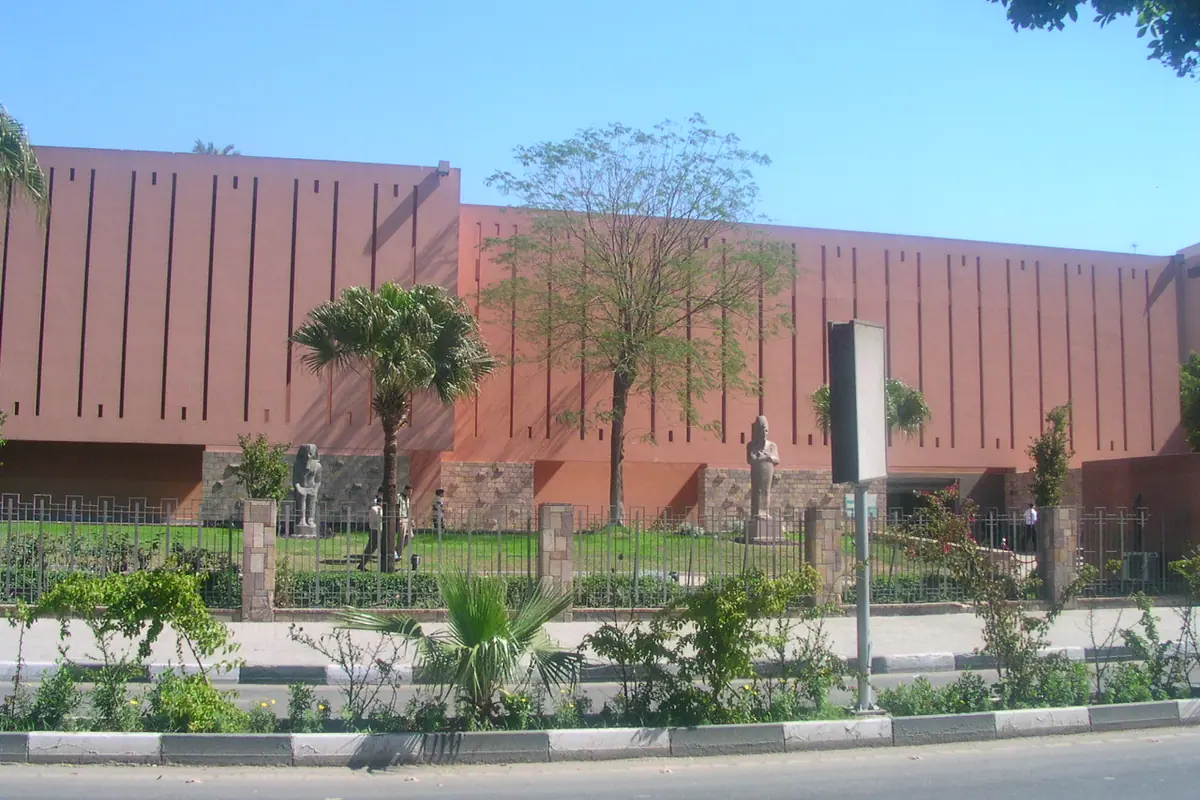
The upside of spring is space. Visitor numbers fall away after Easter, rates soften, and sites that felt crowded in February become relaxed. The strategy shifts: start at first light, finish your major tombs by mid-morning, and spend the fierce middle of the day beside a pool or in the cool of the Luxor Museum. Late afternoons stretch beautifully, and the light on the Theban cliffs turns honey-coloured an hour before sunset.
Hotel-wise, spring is the most forgiving season for booking. You can often reserve a West Bank guesthouse or a Corniche room a few weeks out, and upgrades on arrival are more likely. Just favour properties with shaded terraces or mature gardens rather than bare rooftops, and check that your room's air conditioning is genuinely functional — March afternoons can surprise you.

Summer in Luxor: Cheap Rooms, Empty Tombs and Serious Heat
June, July and August are ferocious. Daytime temperatures typically sit between 38°C and 42°C, with occasional spikes above 45°C, and the sun is relentless from mid-morning until late afternoon. This is also when Luxor becomes remarkably affordable: hotel rates drop to their lowest of the year, West Bank guesthouses sit half-empty, and you may find yourself alone in a tomb that would hold a crowd in winter.
Surviving summer is a matter of scheduling, not endurance. Gates open around 6am and the great sites are genuinely pleasant for the first two hours. Be back at your hotel by 10, sleep or swim through the middle of the day, then head out again around 5pm for Luxor Temple, which stays open into the evening, or a sunset felucca on the river. Air conditioning is non-negotiable — read recent reviews carefully, because not every budget room cools effectively, and avoid west-facing rooms unless you enjoy an afternoon greenhouse.
A summer alternative worth considering is a Nile cruise, where a pool deck and a steady breeze make the heat far more manageable, and the boat moves you between sites while you sleep. Indoors, the Luxor Museum and the Mummification Museum offer cool, air-conditioned hours that fit neatly into the dead centre of the day.
Booking Strategy: Which Bank, Which Month, Which Room
Choose your bank by season and temperament. The East Bank suits winter visitors who want to walk to restaurants, browse the souk beside Luxor Temple and watch the sun set over the Nile from a Corniche balcony. The West Bank suits early risers, budget travellers and anyone who wants to be first through the tomb gates — guesthouses around the ferry landing are small, friendly and often have roof terraces with the best views in the city. In summer, proximity to the West Bank sites saves you a hot, tiring commute each morning.
Booking windows vary more than most people expect. For December, January and Easter, reserve three to six months ahead, and expect minimum stays over the New Year period. October, November and March usually only need a few weeks' notice. In July and August you can often book days in advance and still find excellent rooms, sometimes at a fraction of winter rates. Nile cruise cabins, however, sell out first for the winter months, so if a river journey is part of your plan, treat it as the fixed point and build the hotel stay around it.
Finally, sweat the room details. Upper floors are quieter and catch the breeze; a west-facing balcony is glorious in January and unbearable in July. Ask about breakfast timing if you are leaving at 5:30am for a balloon flight — many guesthouses will pack something for you. And if you are visiting in winter, confirm heating; a Luxor night can feel far colder than the daytime photographs suggest.
Frequently asked questions
What is the best month to visit Luxor?
November and February offer the most comfortable balance, with daytime temperatures in the low-to-mid twenties and cool, clear nights. October and March are excellent alternatives — slightly warmer at midday but with fewer crowds and softer hotel rates. Avoid July and August unless you are specifically chasing low prices and empty sites.
Is Luxor too hot in summer?
It is challenging but manageable with the right routine. Expect 38–42°C, sometimes higher. Visit tombs at opening around 6am, retreat to an air-conditioned hotel or pool from 10am to 5pm, and sightsee again in the evening when Luxor Temple is illuminated. Drink far more water than you think you need.
Should I stay on the East or West Bank in Luxor?
The East Bank is convenient for restaurants, the Corniche and Luxor Temple after dark, and works best in winter. The West Bank is quieter, cheaper and closer to the Valley of the Kings and Deir el-Bahari, making early starts much easier — ideal if you plan balloon flights or want to beat the crowds.
How far ahead should I book a Luxor hotel?
For late December, January and Easter, book three to six months ahead, as Nile-view rooms sell out and minimum stays apply. For October, November and March, a few weeks is usually enough. Summer bookings can often be made last minute at significantly lower rates.
How many days do you need in Luxor?
Three to four nights lets you cover the West Bank properly — the Valley of the Kings, Deir el-Bahari and Medinet Habu — plus Karnak and Luxor Temple, a dawn balloon flight and a Nile sunset. Two nights is enough for a rushed highlights tour but leaves no room for weather delays or repeat visits to favourite tombs.
Sort the rest of your trip
Everything for Luxor, in one place
Transfer in Luxor
Private driver waiting on arrival — no queues, no surprises.
Book a transfer
Things to do in Luxor
Skip-the-line tickets, guided tours and standout experiences.
See experiences
Stay online in Egypt
Travel eSIM — data the moment you land, no roaming bills.
Get an eSIM