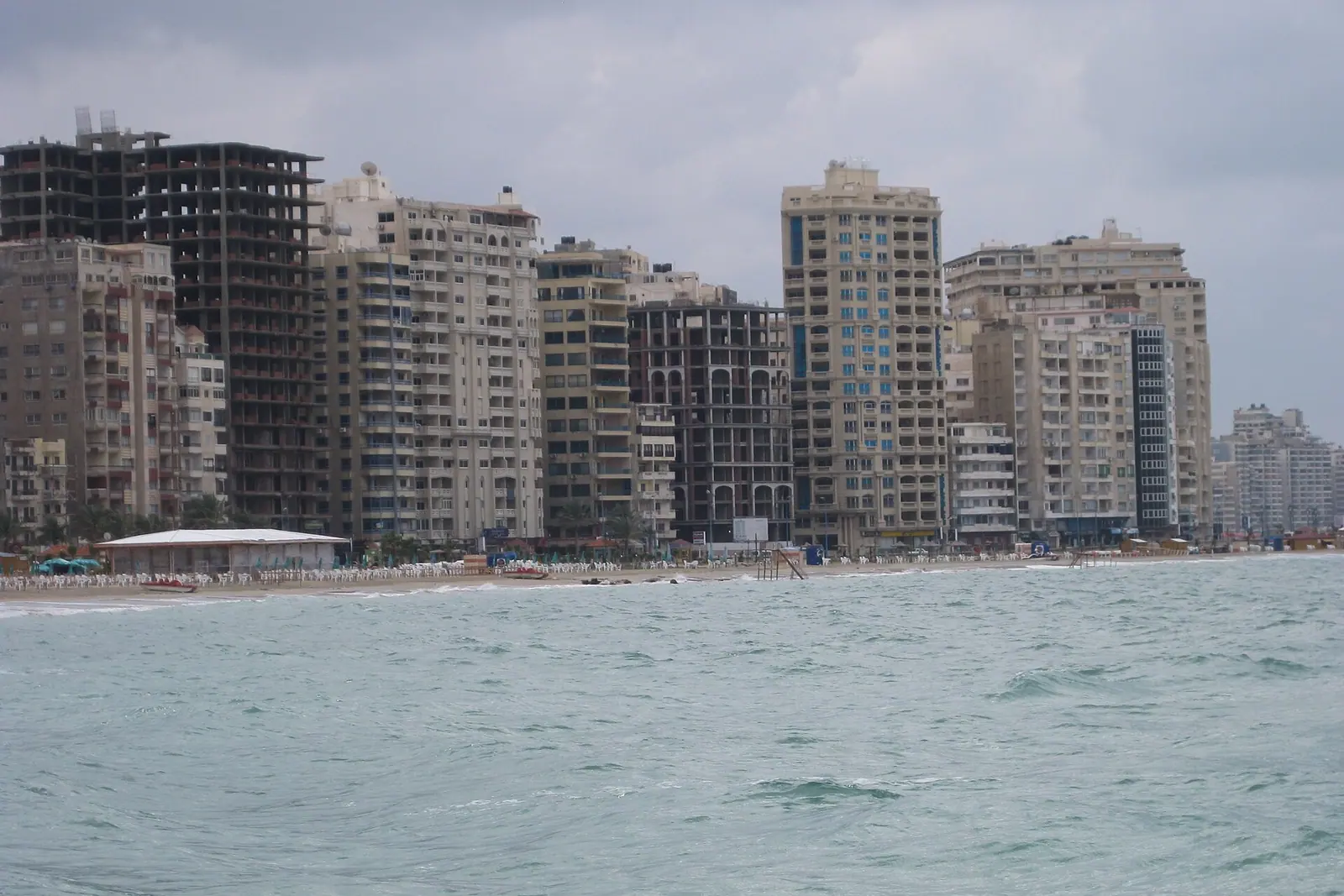
Egypt is a country measured in millennia, but the distances between its wonders are stubbornly modern — which is exactly why a week here works best with wings. Hop between Cairo's pyramids, Luxor's temples and Aswan's river islands on short domestic flights and you trade dusty coach hours for extra hours standing beneath Ramses' colossi. This is a seven-day route that treats the airplane as a time machine.
Why Build a Week in Egypt Around Flights
Egypt's headline sights are strung along a 900-kilometre ribbon of the Nile, from the Mediterranean edge of Cairo down to the Sudanese border at Abu Simbel. The road and rail network connecting them is functional but slow: Cairo to Luxor is a nine-hour overnight train at best, and Luxor to Aswan eats most of a day by car. Domestic flights collapse that spine into roughly an hour each hop, which is how a single week can hold the Pyramids of Giza, the temples of Karnak, the Valley of the Kings and the great rock-cut facade of Abu Simbel without ever feeling like a sprint through a checklist.
The rhythm that works is simple: two nights in Cairo, two in Luxor, two in Aswan, with a final night back in Cairo before departure. Book the Cairo–Luxor–Aswan legs together as early as your plans allow, since morning departures sell out first and the midday heat makes late arrivals punishing. Keep a soft buffer of a few hours between a domestic arrival and any guided tour — Egyptian airports are small and quick, but dust, wind and schedule shuffles are part of the landscape.
Timing matters more than most travellers expect. October through April brings 20–28°C days and cool evenings perfect for temple-hopping; May to September pushes past 40°C in Luxor and Aswan, which means dawn starts and long siestas. Either way, pack light layers — the temperature swing between a 6am balloon launch and 2pm in an open courtyard is startling.
Days 1–2: Cairo — Pyramids, Sphinx and the Grand Egyptian Museum
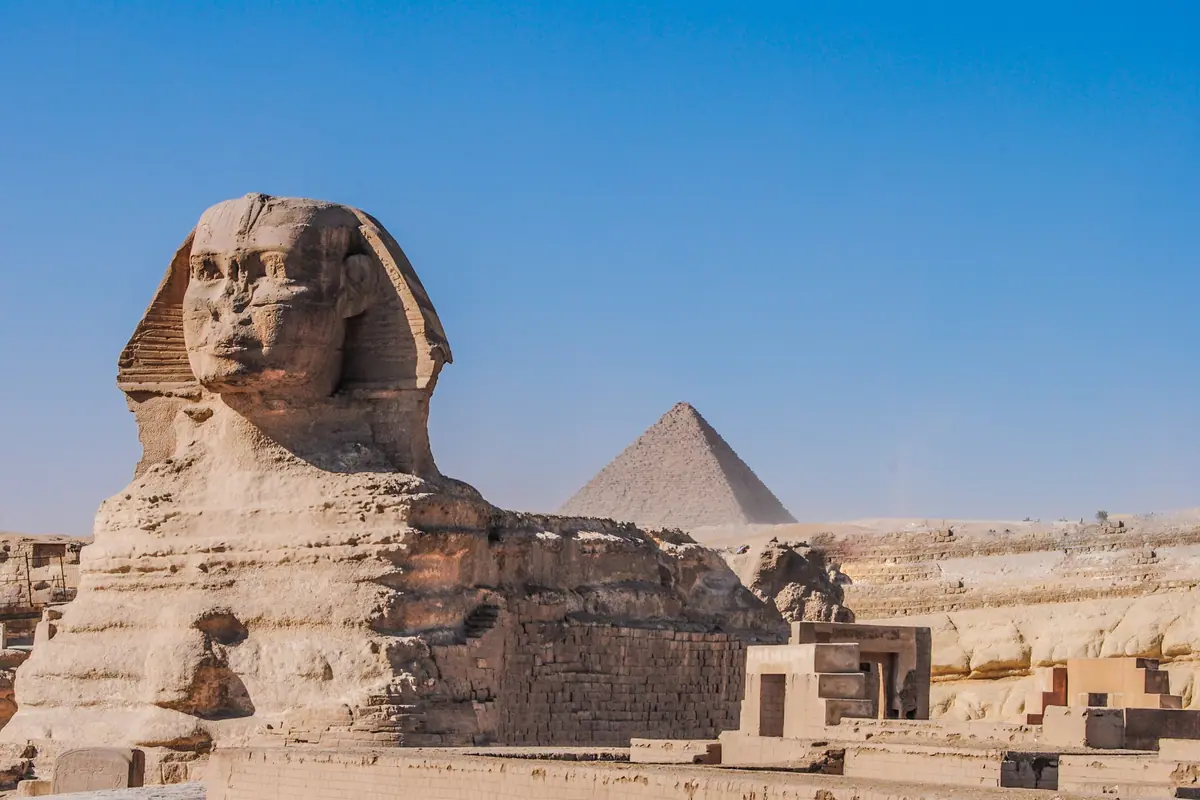
Start where Egypt demands you start: the Giza Plateau, twenty minutes from the city's western edge and still, after four and a half thousand years, an argument-stopping sight. Spend the early morning walking the perimeter of the Great Pyramid of Khufu, feel the limestone casing stones still clinging to the Pyramid of Khafre, and stand at the Great Sphinx as the sun climbs. Go early — gates open around 8am, and by 10am the plateau belongs to the tour buses. A camel or horse ride out to the Panorama Point gives you the postcard triple-pyramid view, though the walk is just as rewarding.
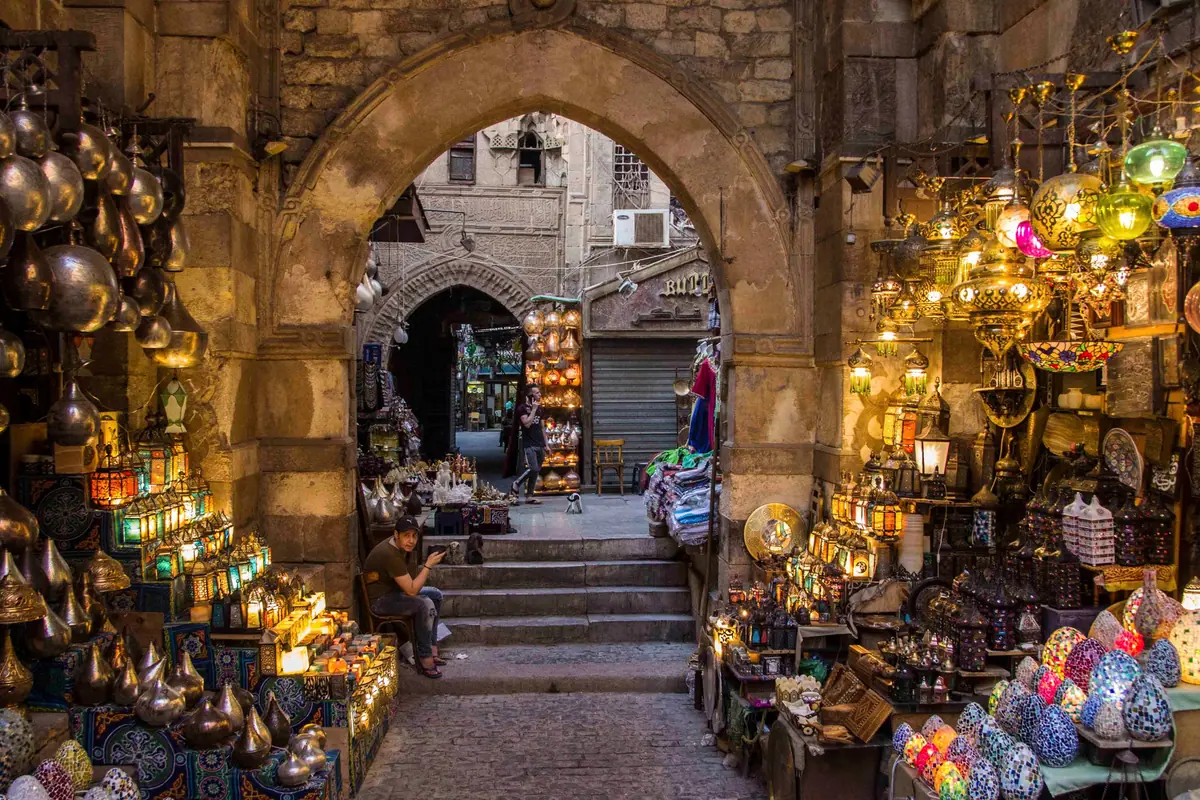
Afternoons belong to the Grand Egyptian Museum, the vast new complex facing the plateau, where Tutankhamun's funerary treasures and the full panorama of pharaonic history are laid out across towering halls. Give it three to four hours minimum, and don't skip the sun boat of Khufu in its separate pavilion. On day two, swing into historic Cairo: the Citadel of Saladin with its alabaster mosque, the tangle of medieval lanes around Khan el-Khalili bazaar, and the quieter Coptic quarter of Old Cairo, where the Hanging Church and the Ben Ezra Synagogue sit within a few minutes' walk of each other. Finish with mint tea and a shisha in a Khan el-Khalili café as the lanterns come on.
Practicalities for these two days: stay downtown near Tahrir Square or in Zamalek for easy access to both riverbanks, and use ride-hailing apps rather than negotiating with taxi drivers. Cairo traffic is a sport, so allow double the time you think you need for any cross-city transfer, especially the run out to the airport.
Day 3: Fly to Luxor — Karnak, Luxor Temple and the Corniche
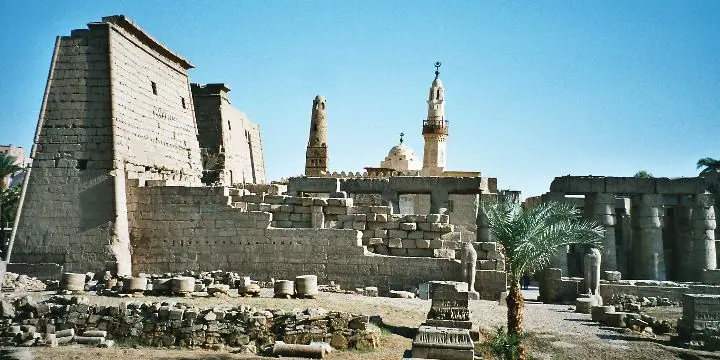
A morning flight drops you in Luxor in about an hour, and you'll feel the change immediately: a smaller, calmer city where the Nile runs clean and wide and the temples sit right in the middle of town. Check in, eat, then spend the afternoon in the Karnak Temple Complex, the largest religious building ever constructed. Walk the Great Hypostyle Hall's 134 columns, find the obelisk of Hatshepsut, and stand at the sacred lake where priests once purified themselves. Karnak is genuinely enormous — three to four hours is realistic, and the shifting afternoon light turns the sandstone the colour of honey.
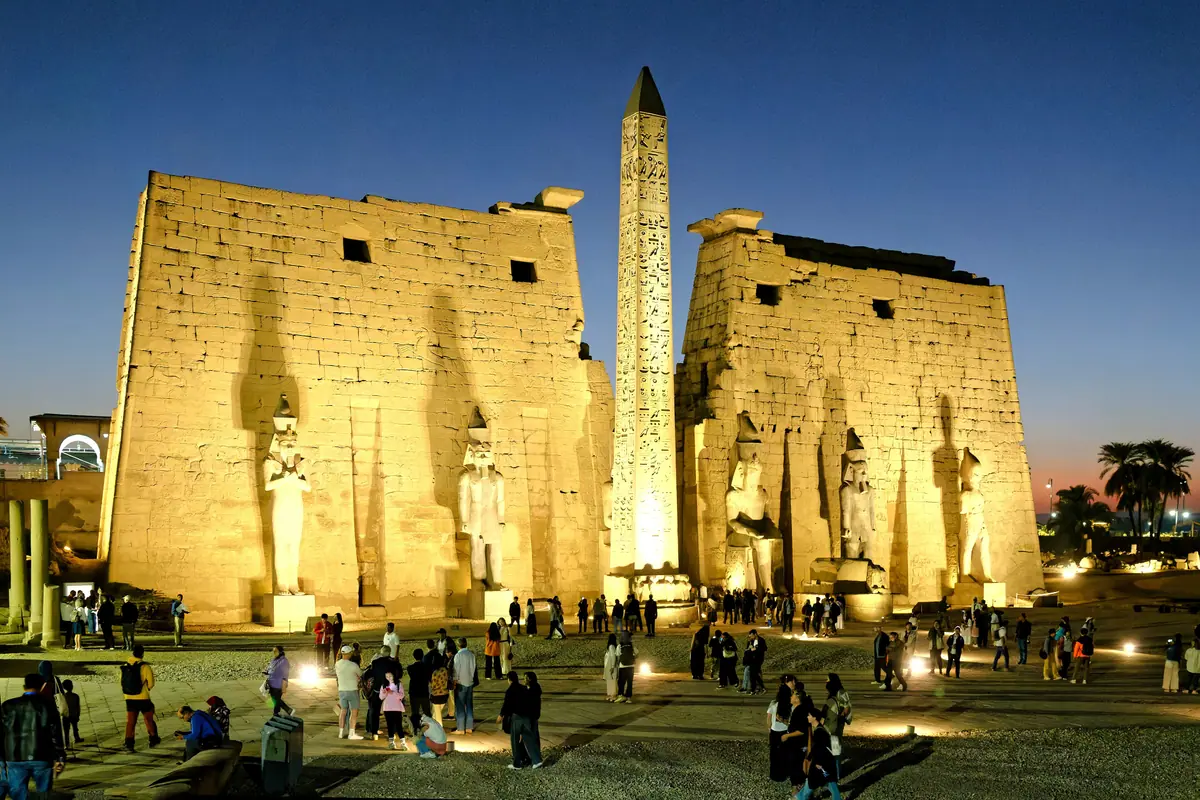
As dusk falls, head to Luxor Temple, a five-minute stroll from the corniche. It is smaller and more intimate than Karnak, and it is floodlit at night, which is when it looks its most theatrical — the avenue of sphinxes leading to the entrance, the seated colossi of Ramses II, the granite obelisk still standing in place. If you have energy left, the Luxor Museum holds a small but exquisite collection including treasures from Tutankhamun's tomb, and the Mummification Museum explains the process with unnerving clarity.
Eat dinner on the East Bank overlooking the river, and turn in early — tomorrow starts before sunrise.
Day 4: The West Bank — Valley of the Kings, Hatshepsut and a Sunrise Balloon
The West Bank is where Egypt buries its dead and, on a good morning, stuns its living. Hot-air balloons lift off over the Theban Necropolis at first light, drifting above the Colossi of Memnon and the ridgeline that hides the tombs — it is the single best photo opportunity in Upper Egypt and worth the 4am alarm. If balloons aren't for you, cross the river early anyway to beat both the heat and the crowds.
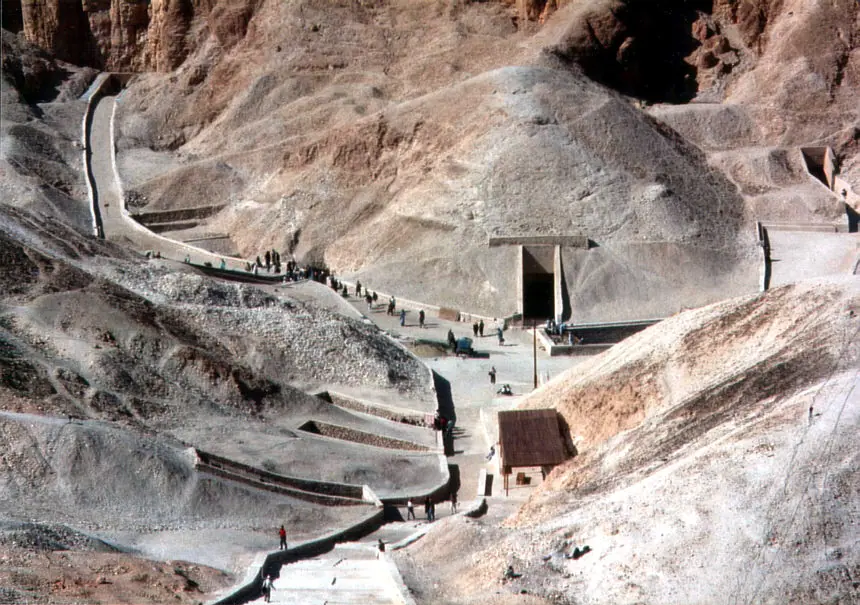
Your first stop should be the Valley of the Kings, where 63 known tombs cut into limestone hold the painted afterlives of New Kingdom pharaohs. A standard ticket admits you to three tombs of your choosing; the deeply decorated tomb of Ramses V/VI and the long corridor of Seti I are the ones people remember, though some require separate tickets. Expect steep descents, low ceilings and air that thickens fast — go straight to the furthest tomb while it's cool, and drink more water than feels necessary. Then continue to the Temple of Hatshepsut at Deir el-Bahari, a colonnaded terraced monument built into a cliff face that manages to look both ancient and startlingly modern.
Round out the day at the Colossi of Memnon and, if time allows, the Valley of the Queens and the tombs of the Nobles. By mid-afternoon the West Bank is a furnace; retreat to the East Bank for a late lunch, wander the Luxor souk, and take a horse-drawn calèche along the corniche at sunset.
Days 5–6: Fly to Aswan — Philae Temple, Nubian Villages and Abu Simbel
A short flight south brings you to Aswan, Egypt at its most relaxed and most beautiful — granite boulders, emerald water, and a Nubian culture with its own language, music and painted houses. Take a boat out to the Philae Temple, dedicated to Isis and relocated stone by stone to Agilkia Island when the High Dam threatened to drown it. The approach by water is half the experience, and the temple's colonnades are lovely in late afternoon light. Nearby, the Aswan High Dam and the Unfinished Obelisk give you the engineering story behind the lake that now stretches to Sudan.
Book the flight to Abu Simbel for day six — forty-five minutes each way, or a three-hour convoy by road. Ramses II carved two temples into the cliffs here, the larger guarded by four 20-metre seated colossi and oriented so that twice a year, around 22 February and 22 October, sunlight spears into the sanctuary to illuminate the king's statue. Most tours land mid-morning and give you two hours on site, which is plenty if you move briskly. If you'd rather skip it, spend the day instead on a felucca sail past Elephantine Island and the Aga Khan Mausoleum, or wander a Nubian village for tea and a look at the painted courtyards.
Back in Aswan, the evening ritual is the souk: heaps of hibiscus, saffron and karkade, spice pyramids, and vendors who enjoy the banter as much as the sale. Wash it down with fresh mango juice on the corniche.
Day 7: Fly Back to Cairo, Saqqara, and Getting Home Smoothly
Take the morning flight north to Cairo and use your final day for whatever the first two days couldn't hold. The Step Pyramid of Djoser at Saqqara, half an hour south of Giza, is the oldest stone monument on earth and far quieter than the plateau; pair it with the bent pyramid at Dahshur for a full archaeological morning. Or stay in the city and explore Islamic Cairo's medieval wall and gate, Bab Zuweila, or the alabaster-lined alleyways of the Khan el-Khalili backstreets.
On logistics: domestic flights in Egypt are frequent but the systems around them are not always flexible. Check in online, arrive at least ninety minutes early, and photograph your passport and boarding pass before you leave the hotel. Luggage allowances on short-haul domestic legs are often stingier than international ones, so weigh your bag before the airport rather than at the counter. One-ways can be cheaper than returns, and connecting through Cairo between Luxor and Aswan is sometimes as fast as a direct schedule suggests.
Leave yourself an overnight in Cairo before an international departure if at all possible — a delayed afternoon flight from Abu Simbel should never be the thing standing between you and a long-haul connection. And give yourself one unscheduled hour on the last day: sit by the Nile, watch a felucca drift past, and let seven days of temples and tombs settle into something you'll be unpacking for years.
Frequently asked questions
Is it worth flying between Cairo, Luxor and Aswan instead of taking the train or driving?
For a one-week trip, yes. Domestic flights turn each leg into roughly an hour, saving you a full day or more compared with the overnight sleeper train or the long drive. The trade-off is airport time and the need to book early; if you have two weeks, a Nile cruise between Luxor and Aswan is a wonderful slower alternative.
How far in advance should I book domestic flights in Egypt?
Three to six weeks ahead is comfortable for morning departures, which fill fastest. During the October–April high season and around Christmas, New Year and Easter, book as early as your itinerary allows. One-way tickets are often priced the same as returns, so mix and match freely.
What is the best time of year for this itinerary?
October through April delivers 20–28°C days and pleasant evenings, ideal for open-air sites like Karnak and the Valley of the Kings. Summer travel is possible but means 40°C-plus afternoons in Luxor and Aswan, so shift sightseeing to 6–10am and late afternoons, and plan on a rest during the middle of the day.
How much time do you need for Abu Simbel?
A half-day trip from Aswan is standard: a 45-minute flight each way plus about two hours on site, or a three-hour drive each way by road convoy. Because the temples face east, morning arrivals get the best light, and the sun alignment on roughly 22 February and 22 October draws large crowds — book those dates well ahead.
How much walking and climbing does this itinerary involve?
Plenty. Tombs in the Valley of the Kings mean steep ramps, low passages and warm, humid air, and temple complexes such as Karnak cover several hectares of uneven stone. Comfortable closed shoes, a refillable water bottle, a hat and a scarf for dusty courtyards will make the week vastly more enjoyable.