Egypt rewards timing more than almost any destination on earth — the same Nile-side balcony that feels like paradise in February can be a shimmering oven in July. Choose your month well and you get cool desert mornings, empty temple courtyards and hotel rates that leave room for a hot-air balloon at dawn. Choose it badly and you'll spend your holiday hiding from the sun behind a fridge-cold glass of karkadeh.
Egypt's Travel Calendar at a Glance: How the Seasons Really Behave
Egypt has essentially two travel personalities. From roughly October to April, the country runs on a cool, dry rhythm: Cairo days hover in the comfortable low twenties, Luxor and Aswan are warm rather than punishing, and even the desert nights demand a jacket. From May to September, the south turns fierce — Luxor, Aswan and Abu Simbel regularly push past 40°C by midday — while the Mediterranean coast around Alexandria and the Red Sea resorts stay far more forgiving thanks to sea breezes.
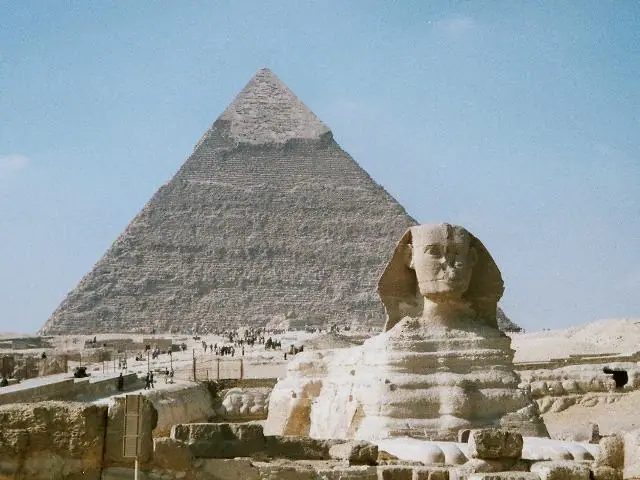
The single most useful thing to understand is that Egypt's peak hotel season is not a summer season at all. It's winter. European and North American travellers arrive en masse between mid-December and early March, which is exactly when Nile-view rooms, Giza pyramid-view suites and Luxor's boutique guesthouses command their highest rates and book out weeks ahead. If you want the classic Egypt experience — the Pyramids of Giza in soft morning light, the Great Sphinx without a crowd of elbows — that window is the one to aim for, and the one to reserve early.
Shoulder months sit on either side: late September to October and March to April. These are the sweet spots for travellers who want dependable weather without peak-season pricing, and they're also when the light is at its most photogenic along the Nile.
Winter (October to March): Peak Season for Temples, Cruises and Desert Comfort
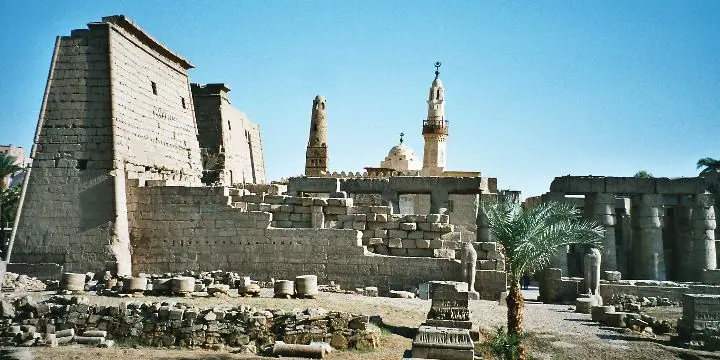
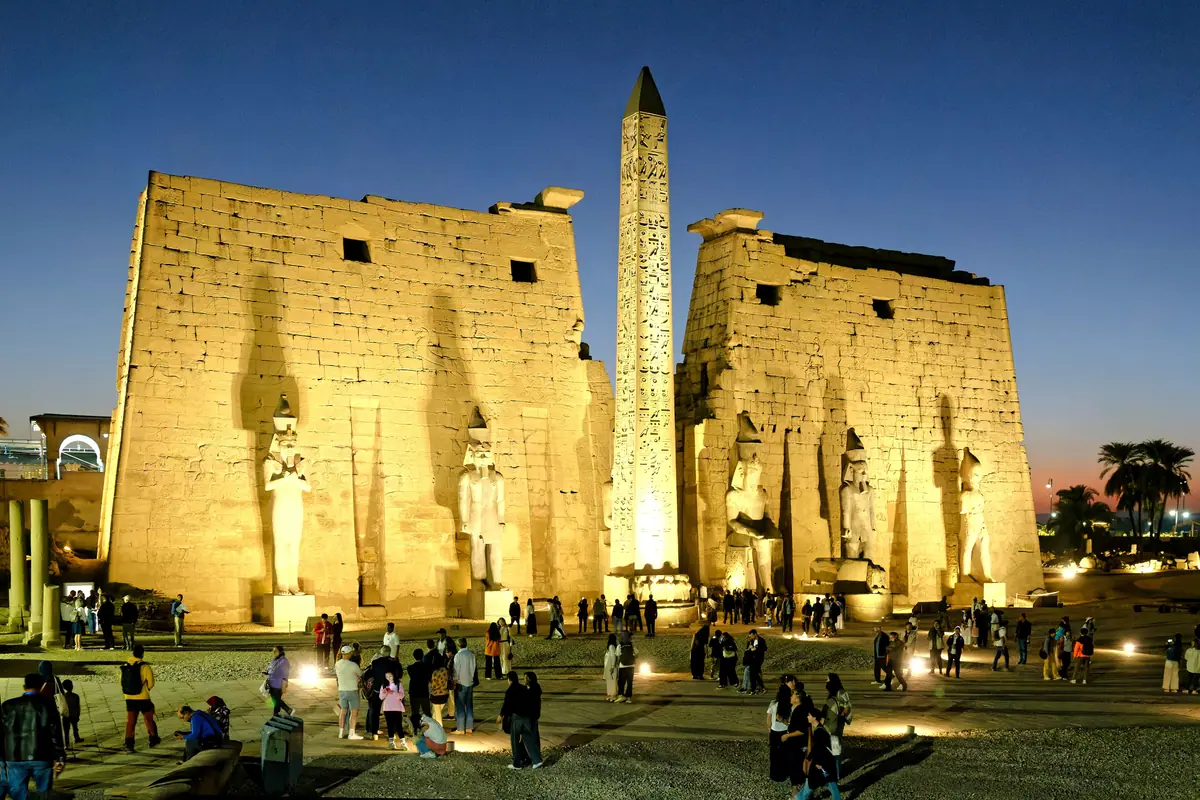
Winter is when Egypt's greatest hits are at their most enjoyable. In Luxor, you can walk the colonnades of Karnak Temple and wander the painted tombs of the Valley of the Kings without wilting, then cross to the West Bank for the terraced temple of Hatshepsut. In Aswan, the Philae Temple and the Nubian villages along the river are pleasant from morning to late afternoon, and a Nile cruise between Luxor and Aswan — typically three to five nights — becomes the most comfortable way to see Kom Ombo and Edfu without packing and unpacking.
This is also the season of Egypt's most atmospheric event: the Abu Simbel Sun Festival, when dawn light penetrates the inner sanctuary of Ramses II's great temple on 22 February and again on 22 October. Hotels in Aswan fill quickly around those dates, and many visitors take the early convoy south. Christmas and New Year are the absolute peak — expect minimum-night stays, higher rates and a need to book Nile cruises several months out.
The trade-off is crowds and cold mornings. Cairo in January can be genuinely chilly, and desert nights around the White Desert or Siwa Oasis drop close to freezing. Pack layers, and choose a hotel with proper heating rather than assuming you won't need it.
Shoulder Seasons (March–April and September–October): The Quiet Sweet Spot
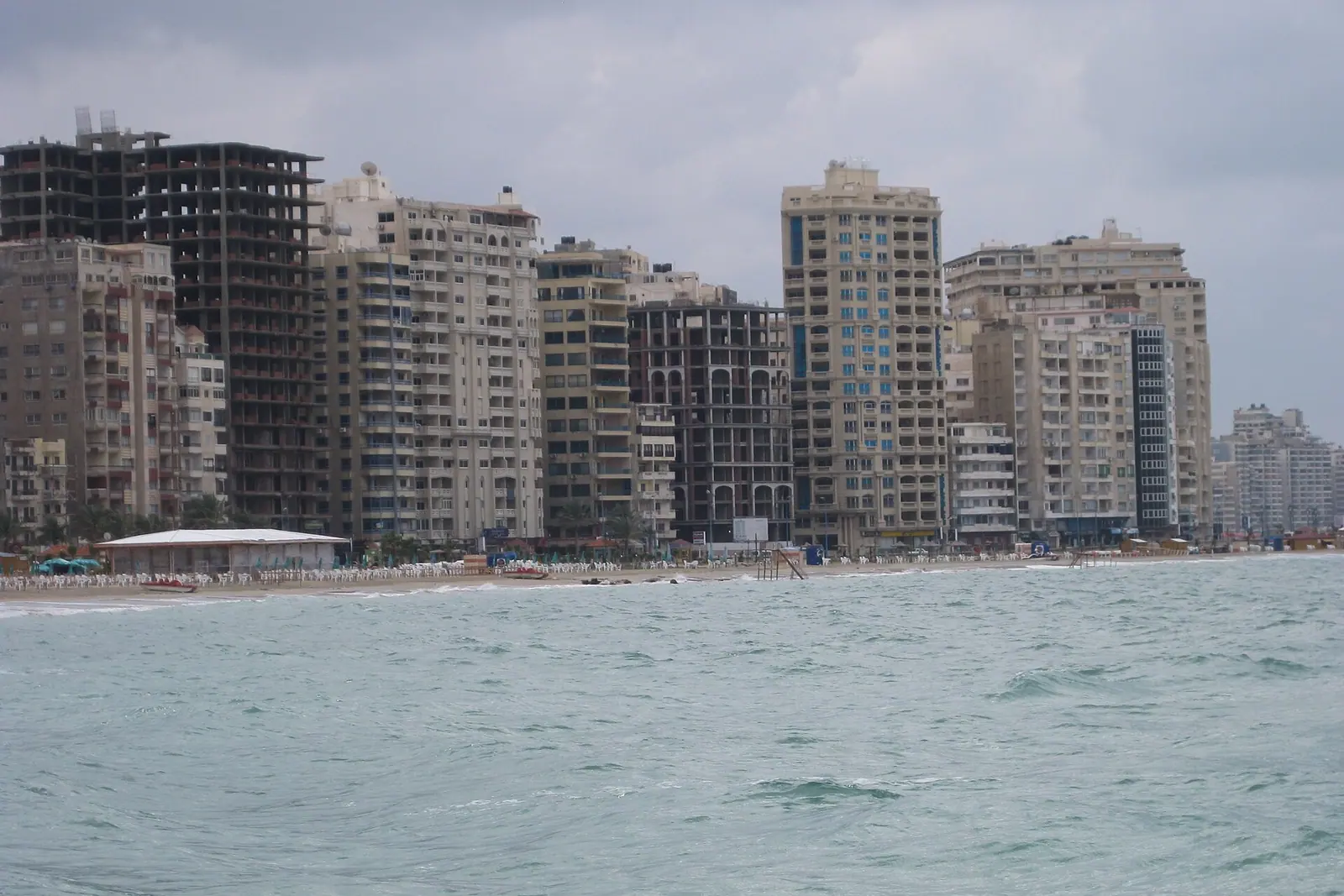
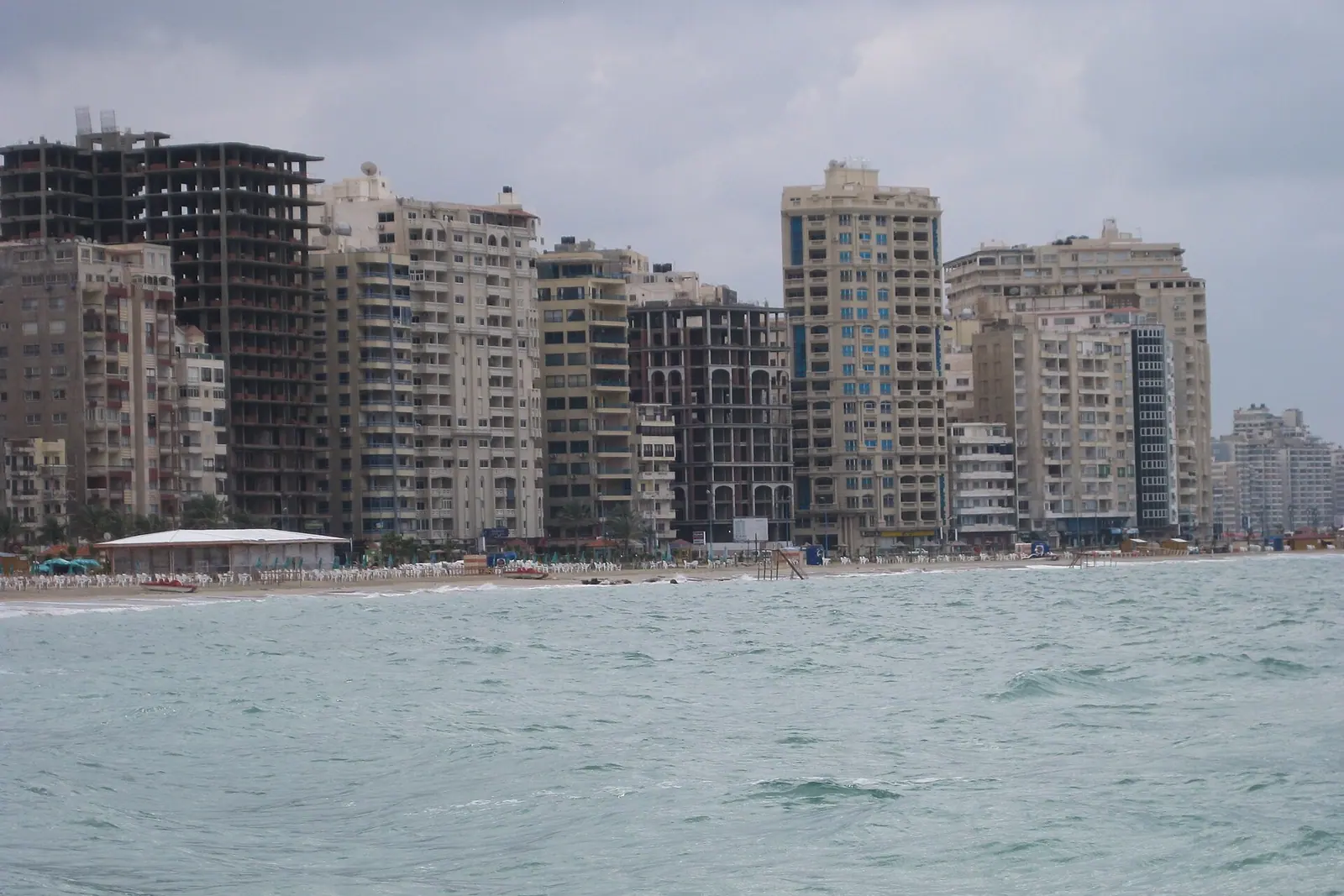
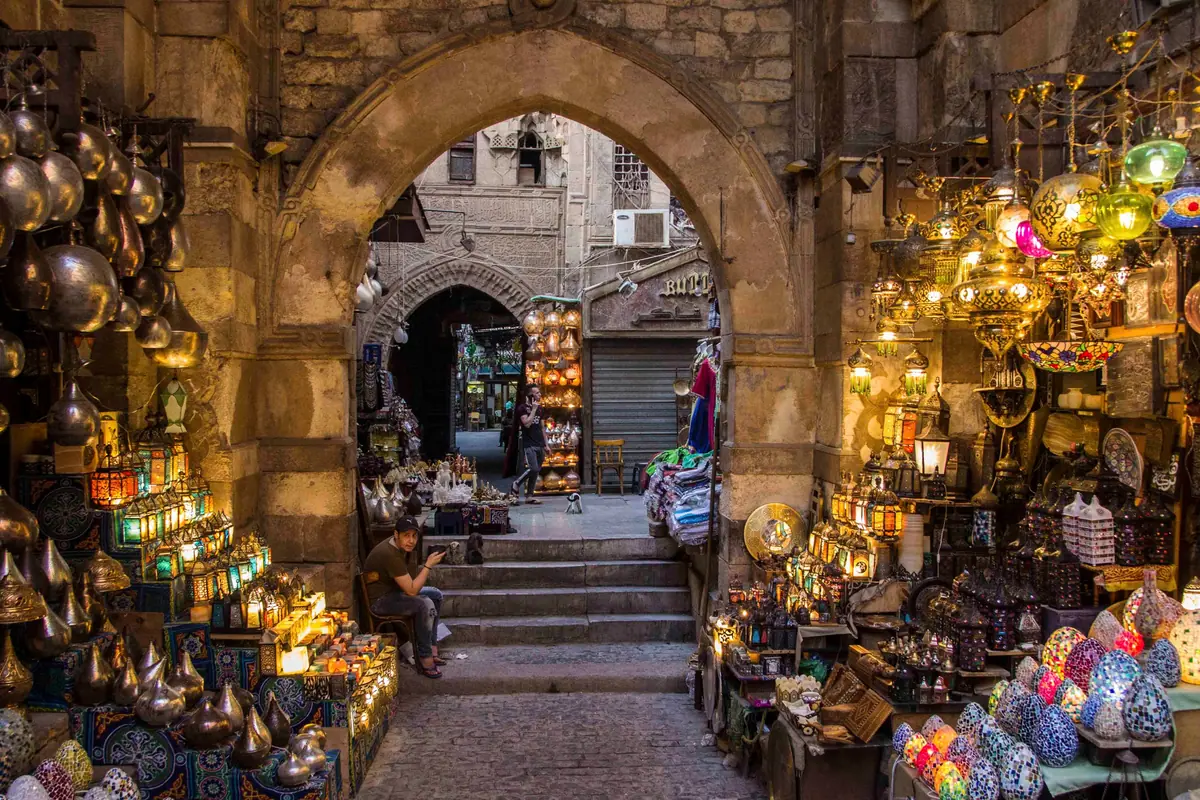
March and April bring warming days and the occasional khamsin — the hot, dusty spring wind that can blow sand across the city for a day or two. It's a minor inconvenience for a major payoff: the Egyptian Museum and the vast new Grand Egyptian Museum near Giza are calmer than in midwinter, the hotel rates soften noticeably, and Cairo's Islamic quarter, including the medieval lanes of Khan el-Khalili, is lovely for an evening of mint tea and lantern shopping. Alexandria, with its corniche, the Bibliotheca Alexandrina and the Qaitbay Citadel, is at its best in spring before the summer crowds arrive.
September and October are the mirror image. The heat is retreating, the Nile is at its most photogenic, and October is the month many guides consider ideal for the whole country — warm enough for the Red Sea, cool enough for the Valley of the Kings. It's also when the Abu Simbel Sun Festival returns, and when Luxor's hot-air balloon flights over the West Bank become reliably smooth.
The practical advantage of shoulder season is flexibility. You can book a boutique riad-style stay in Luxor's West Bank or a Nile-front room in Cairo a few weeks out rather than months, and you'll often find the same property at a fraction of its January rate.
Summer (May to August): Heat in the South, Paradise on the Red Sea
Summer in Egypt is a tale of two coasts — and one very hot river valley. Inland, Luxor and Aswan become endurance tests: sightseeing shifts to early morning and late afternoon, and many travellers deliberately pair a short temple stay with a long beach one. Hotels respond with steep discounts, and air conditioning quality becomes the single most important thing to check before you book. Rooms with thick walls, shaded courtyards and a pool are worth paying a little more for.
The Red Sea is the season's redemption. Hurghada, Sharm El Sheikh, Dahab and Marsa Alam offer warm, glass-clear water, brilliant diving and reliable breezes, and Ras Mohammed National Park's reefs are arguably at their most inviting. Further north, Alexandria's Mediterranean beaches fill with Egyptian families escaping the interior heat, giving the city a festive, local energy that winter visitors rarely see.
Summer is also the season for the high, cool escapes: the Sinai mountains around Saint Catherine's Monastery and the sunrise climb of Mount Sinai, and the misty palm groves of Siwa Oasis, where the heat is dry rather than humid. If your priority is value, empty viewpoints and underwater life, summer delivers — just build your days around dawn and dusk.
What the Season Means for Choosing and Booking Your Hotel
In Cairo, the classic choice is between a Nile-front tower in the city centre and a quieter property in Zamalek or Giza with a pyramid view from the balcony. In peak winter, pyramid-view rooms sell out first and prices climb steeply; in summer, you can often upgrade to the same room for the cost of a standard one. Book winter stays two to four months ahead if you want a specific view, and ask directly whether the room faces the Pyramids or the city.
In Luxor, location matters more than star rating. The East Bank puts you near Luxor Temple and the railway station; the West Bank offers tranquillity, garden guesthouses and easy dawn access to the Valley of the Kings and the balloon launch fields. In Aswan, Nubian-style guesthouses on the river's edge are the most memorable stays, and they book out earliest around the Sun Festival dates.
Nile cruises work on their own calendar: they run year-round but concentrate departures from October to April, and cabins on the Luxor–Aswan route are best secured months in advance for Christmas and New Year. For desert trips to the White Desert or Siwa, summer is genuinely unwise for camping — choose October to March, and confirm your lodge has proper insulation and blankets.
Timing Around Holidays, Ramadan and Egypt's Signature Events
Ramadan moves roughly eleven days earlier each year, and it shapes the hotel experience in ways worth planning for. During the fasting month, restaurants and cafés outside tourist zones operate reduced daytime hours, some shops close early, and the atmosphere shifts toward late-night celebrations. Hotels in resort areas function almost normally, and iftar buffets can be a highlight — but if you want maximum flexibility for long sightseeing days, check the calendar before you commit.
Egypt's event calendar is worth building a trip around. The Abu Simbel Sun Festival in February and October, Coptic Christmas in early January, and the spring sham el-Nessim holiday all bring domestic travel surges that tighten hotel availability. Luxor's hot-air balloon season peaks in the cooler months, and the sound-and-light shows at Philae Temple and the Pyramids of Giza run year-round but are far more pleasant in spring and autumn evenings.
The golden rule for Egypt is simple: pick your season for the sights you care about most, then pick your hotel for the hours you'll spend escaping the weather. Winter for temples and cruises, spring and autumn for everything at once, and summer only if the Red Sea, the Sinai mountains or a serious bargain is calling your name.
Frequently asked questions
What is the best month to visit Egypt for good weather and hotels?
October and early November are widely considered the sweet spot: the summer heat has eased, the Nile Valley is comfortable for temple visits, the Red Sea is still warm, and hotel rates have not yet climbed to the December–February peak. Late February and March are similarly good, though spring can bring dusty khamsin winds.
When is peak season for hotels in Egypt?
Roughly mid-December through early March, with Christmas and New Year the busiest and most expensive stretch. Nile cruises between Luxor and Aswan and pyramid-view rooms in Giza sell out first, so book two to four months ahead if you're travelling in that window.
Is summer a bad time to visit Egypt?
Not if you plan around it. Luxor and Aswan are punishingly hot in July and August, but the Red Sea resorts at Hurghada, Sharm El Sheikh, Dahab and Marsa Alam are excellent, Alexandria is lively, and hotel prices drop sharply. Sightsee at dawn and dusk, and prioritise strong air conditioning.
How far ahead should I book a Nile cruise hotel or cabin?
For October to April departures, three to six months is sensible; for Christmas, New Year and the Abu Simbel Sun Festival dates in February and October, book as early as you can. Outside peak season, a few weeks' notice is often enough for the Luxor–Aswan route.
Does Ramadan affect hotel stays in Egypt?
It can. Ramadan shifts about eleven days earlier each year, and during it some restaurants and shops keep shorter daytime hours, though resort hotels operate close to normally and evening iftar meals are a cultural highlight. Check the dates if you want unrestricted daytime dining and sightseeing.
Sort the rest of your trip
Everything for Egypt, in one place
Transfer in Egypt
Private driver waiting on arrival — no queues, no surprises.
Book a transfer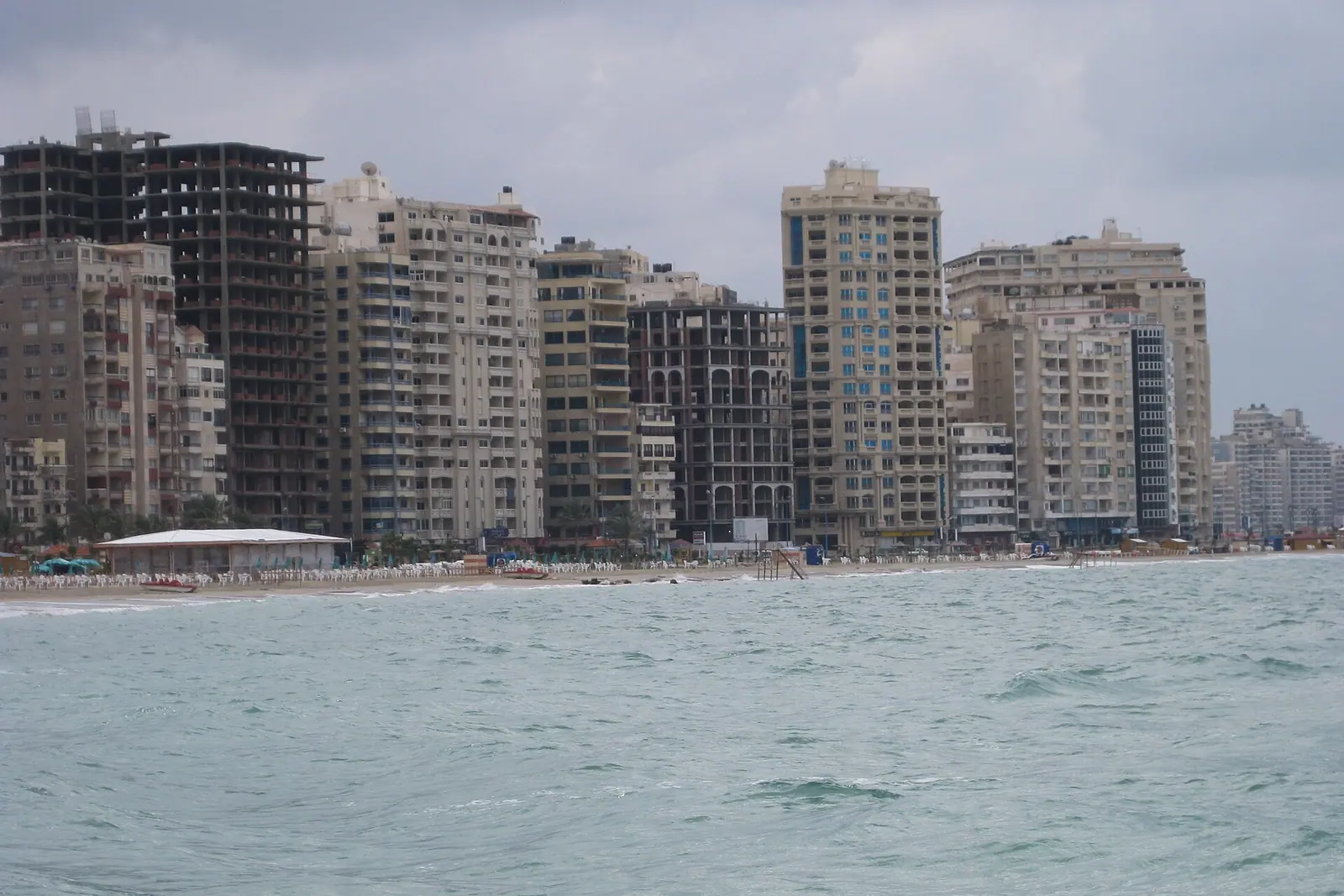
Things to do in Egypt
Skip-the-line tickets, guided tours and standout experiences.
See experiences
Stay online in Egypt
Travel eSIM — data the moment you land, no roaming bills.
Get an eSIM