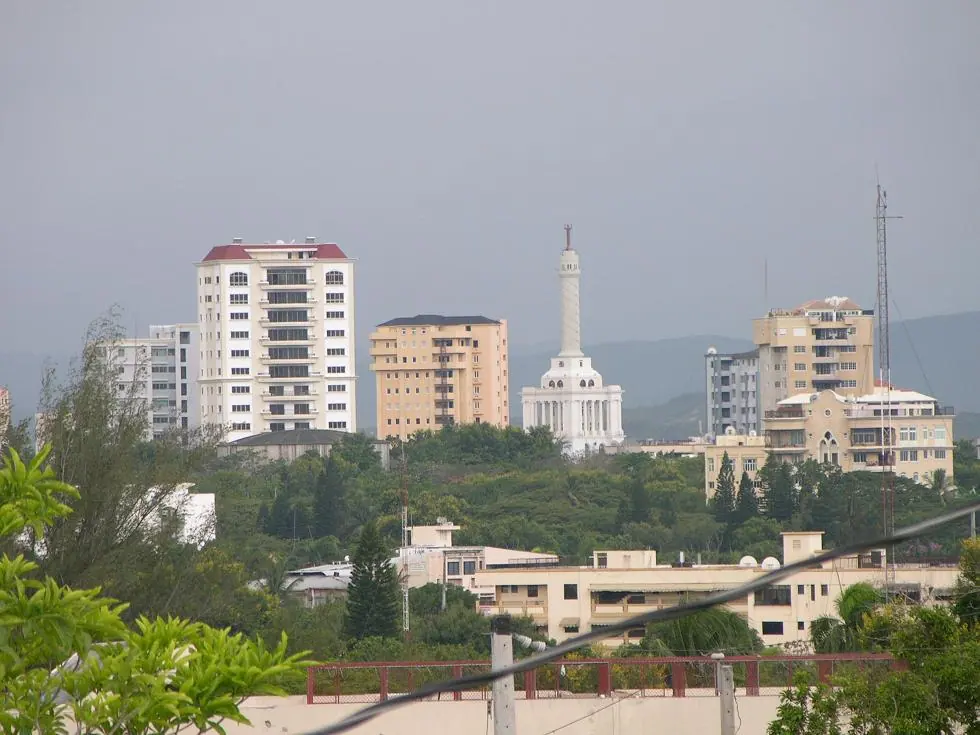
The Dominican Republic packs an entire continent of experiences into a single Caribbean island: a 500-year-old colonial capital, whale-filled bays, a Caribbean summit you can actually climb to, and beaches so white they look retouched. This is where you trade the resort buffet for a rope swing over a jungle waterfall, or a bass-heavy winter baseball game in Santo Domingo.
Santo Domingo's Zona Colonial: Half a Millennium in One Afternoon
Start where the Americas started. The Zona Colonial, on the west bank of the Ozama River, is the oldest continuously inhabited European-founded city in the New World, and it is compact enough to walk end to end in about twenty minutes. Begin at Parque Colón, the plaza that anchors the district, and step into the Catedral Primada de América, a limestone cathedral begun in the early 1500s and still holding services today; the interior is cool, dim and surprisingly plain, with a vaulted ceiling that swallows sound. From there, Calle Las Damas runs southeast, cobbled and lined with colonial facades — it is the oldest paved street in the Americas, and it leads to the Fortaleza Ozama, a squat 16th-century stone fortress whose spiral staircase and cannon-lined ramparts overlook the river mouth. Budget two to three hours for the cathedral, the fortress and Parque Colón, more if you linger in the craft stalls.
Walk a block north to the Alcázar de Colón, the palace built for Diego Columbus and his wife María de Toledo in the early 1500s, now a museum of period furniture, tapestries and Taíno and Spanish artefacts, arranged around a courtyard where peacocks wander. Nearby, on the same street, the Museo de las Casas Reales documents the colonial administration in a pair of Renaissance-era buildings. End the day at Plaza de España, where the Alcázar faces a terrace of cafés that fills with merengue after dark. If you have a spare half-day, cross to the east bank for Los Tres Ojos, a series of turquoise lagoons inside a limestone cavern with wooden walkways and a small boat crossing, and the colossal Faro a Colón, a cross-shaped monument and mausoleum that is visible from much of the city.
Practical notes: go early, ideally before 10 a.m., because the colonial streets have little shade and the afternoon heat is punishing. Comfortable shoes beat sandals on the uneven cobbles. The whole district is best explored on foot, with taxis or ride-hailing for crossing the river.
Punta Cana, Saona and the Eastern Beach Circuit
The east coast is the postcard: Playa Bávaro's line of coconut palms, calm turquoise water and reef-protected shallows that stay waist-deep far out. It is also the most developed stretch on the island, so plan your days deliberately. The standout excursion is Isla Saona, reached by catamaran or speedboat from Bayahíbe, roughly 90 minutes each way. The island sits inside Cotubanamá National Park, a protected expanse of mangrove, dry forest and cliffs, and the classic day includes a stop at the natural sandbar pools of Palmilla, where you stand in knee-deep water in the middle of the sea while boats tie up around you. Bring reef-safe sunscreen and cash for lunch; most trips include a Dominican buffet of rice, beans and grilled chicken.
Closer to the resorts, the Indigenous Eyes Ecological Reserve protects a chain of freshwater lagoons fed by underground springs, reachable on foot or by bike, and Hoyo Azul, a deep blue cenote at the foot of a limestone cliff, is one of the most photographed swimming holes in the country. West of Punta Cana, near La Romana, Altos de Chavón is a purpose-built hilltop village of stone lanes and a 5,000-seat amphitheatre overlooking the Chavón River gorge — worth an hour or two, especially at sunset. Isla Catalina, a short boat ride offshore, offers some of the region's clearest water for snorkelling and diving. December through April brings the driest, most reliable weather; September and October are the heart of hurricane season and many smaller operators close.
Samaná: Humpback Whales, Jungle Waterfalls and Los Haitises
Every winter, thousands of North Atlantic humpback whales migrate to the warm, sheltered waters of Samaná Bay to breed and calve. The season runs from roughly mid-January to mid-March, peaking in late January and February, and boats leave from Santa Bárbara de Samaná and Las Terrenas under strict rules that limit how close vessels may approach. Seeing a 40-tonne animal breach a few hundred metres from your boat is the single most memorable wildlife encounter on the island. Book early — February weekends sell out — and choose a morning departure when the bay is calmest.
Back on land, the Salto El Limón plunges about 50 metres into a shaded pool, reached by a 30- to 40-minute hike or a horseback ride from the village of El Limón; go early and wear shoes you do not mind soaking. East of Samaná town, Los Haitises National Park is a maze of mangrove channels and steep limestone hills called mogotes, with cave systems that hold Taíno pictographs — access is by boat, usually combined with a stop at Cayo Levantado, the small island just offshore. On the far eastern tip, Playa Rincón, a long curve of pale sand backed by palms and a river mouth, is repeatedly named among the finest beaches in the Caribbean; it is reachable by boat from Las Galeras or by a rough 4x4 track. Nearby Playa Frontón offers excellent snorkelling beneath its cliffs.
The North Coast: Puerto Plata, Cabarete and 27 Waterfalls
Puerto Plata is the historic gateway to the north, and two landmarks define it. The teleférico, a cable car climbing Pico Isabel de Torres to about 790 metres, lifts you into cloud forest with a botanical garden and a towering Christ statue at the summit; on a clear morning the whole amber coast unrolls below. Down at sea level, the Fortaleza San Felipe, a 16th-century Spanish bastion guarding the harbour, is the oldest military structure on the north coast and now houses a small museum. Both are easy half-day visits, and the Malecón makes a good late-afternoon stroll.
Inland from Puerto Plata, the 27 Charcos de Damajagua near Imbert is the region's signature adventure: a guided route up a river gorge through a chain of waterfalls, which you then descend by sliding down smooth chutes and jumping into pools. You can do the first seven falls in an hour or the full 27 in three to four; helmets and life jackets are provided, and the flow is strongest after the rains between May and November.
Cabarete, half an hour east, is the Caribbean's kiteboarding capital, with steady cross-shore trade winds from December to August and a string of schools along the bay; beginners can usually get up on the board within a few days of lessons. Neighbouring Playa Encuentro is the island's best surf break, busiest at dawn. For something quieter, continue west to Monte Cristi, where the flat-topped mesa of El Morro overlooks mangroves and the tiny cayos offshore.
Pico Duarte, Jarabacoa and the Wild South
The Cordillera Central is the island's spine, and Pico Duarte — at 3,087 metres the highest point in the Caribbean — is its crown. Reaching the summit is a genuine two- to three-day trek from trailheads near La Ciénaga or Mata Grande, sleeping in rustic mountain refuges, with mules carrying gear and a licensed guide required. December to March offers the clearest skies and the coldest nights; temperatures at the top can dip near freezing, and you will want layers, a decent sleeping bag and boots that have already been broken in.
Lower down, Jarabacoa is the adventure base: the Salto de Jimenoa and Salto Baiguate waterfalls, white-water rafting and kayaking on the Río Yaque del Norte, and coffee farms on the surrounding slopes. Nearby Constanza sits in a high valley that grows strawberries, garlic and apples in weather that feels more like the Andes than the Caribbean, and the road onward to Valle Nuevo passes through pine forest and strange volcanic rock formations.
Far to the southwest, Bahía de las Águilas in Pedernales is a protected 8-kilometre sweep of white sand and glassy water with no buildings at all, reached by boat from Cabo Rojo or by a bone-rattling 4x4 track — go with a local driver and carry everything you need. Inland, Lago Enriquillo is the largest lake in the Caribbean and sits roughly 40 metres below sea level, home to American crocodiles, flamingos and rhinoceros iguanas; boat trips reach Isla Cabritos in the middle. This is also larimar country: the blue gemstone is found nowhere else on earth, and small mines and workshops near Barahona sell it directly.
Baseball, Carnival and the Food You Should Not Skip
Baseball is not a pastime here, it is a religion. The winter league season runs from November to January, with games in Santo Domingo at Estadio Quisqueya and in Santiago, San Pedro de Macorís and La Romana. Go to a night game even if you do not follow the sport: the stands are loud, the merengue plays between innings, and vendors work the aisles with beer and fried snacks. In February, Carnival takes over, and the celebration in La Vega is the most traditional and theatrical on the island, with elaborately costumed diablos cojuelos cracking whips through the streets; Santo Domingo's own parade runs along the Malecón.
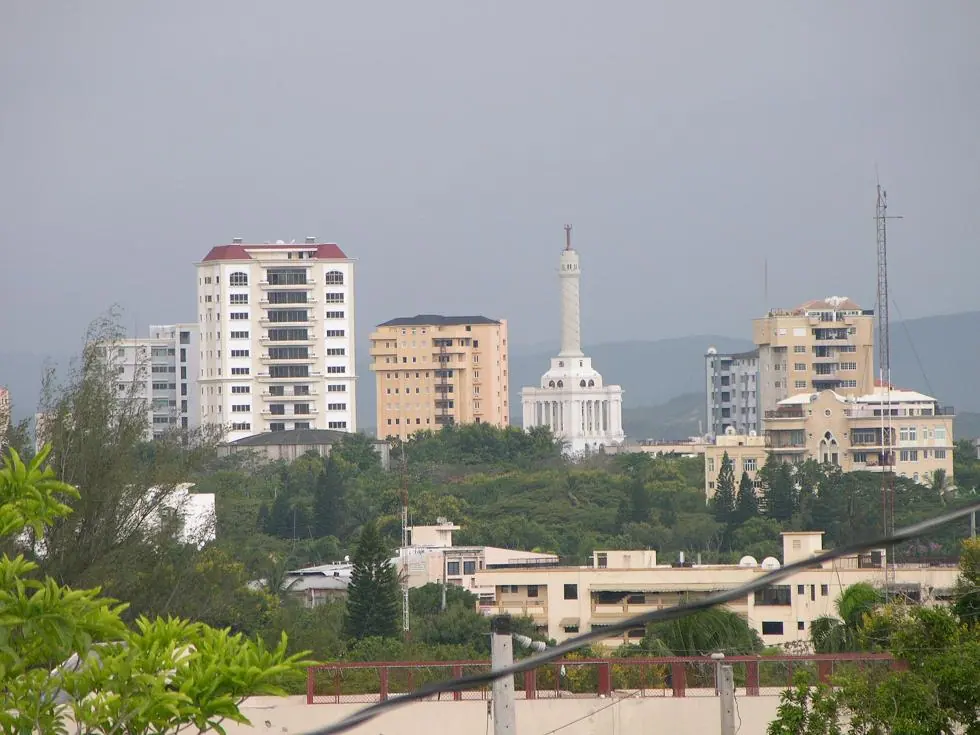
For live music, the Zona Colonial and the bars along Avenida Venezuela in Santo Domingo deliver merengue and bachata most nights, usually with no cover before midnight. In Santiago, the Monumento a los Héroes de la Restauración offers the best city views at sunset.
The food rewards curiosity. Start the day with mangú — mashed green plantain — served with the classic trio of fried eggs, salami and fried cheese, or simply butter. Seek out sancocho, a slow-cooked stew of several meats with root vegetables, usually a weekend affair. A standard lunch is la bandera: rice, red beans and stewed meat, with tostones on the side. On the Samaná and Pedernales coasts, grilled snapper or lobster straight off the boat is the thing to order, and highland coffee and cacao from the Constanza and San Francisco de Macorís areas are worth carrying home. Rum, of course, is everywhere — ask for it neat or with a squeeze of lime.
Frequently asked questions
What is the best time of year to visit the Dominican Republic?
December through April is the sweet spot: dry, sunny and reliably warm, with the heaviest crowds over Christmas and Easter. May to November is hotter and wetter, with afternoon showers and the peak of hurricane season from August to October. If whale watching is your priority, aim for mid-January to mid-March in Samaná Bay.
How many days do I need to see the main sights?
Seven to ten days lets you combine two or three regions comfortably — for example, two days in Santo Domingo's Zona Colonial, three or four on the beaches around Punta Cana or Samaná, and two in the mountains around Jarabacoa. A quick three- or four-day trip is best spent in one area rather than racing between coasts.
Do I need a rental car to get around?
Not necessarily. Intercity buses connect Santo Domingo, Santiago, Puerto Plata and Samaná cheaply and frequently, and guided day trips cover most major attractions. Renting a car gives you flexibility but driving is assertive, signage is patchy and mountain roads such as the route to Constanza or Bahía de las Águilas are rough; hiring a local driver for those stretches is usually the better call.
When can I see humpback whales in Samaná?
The whales arrive in Samaná Bay from around mid-January and stay until mid-March, with late January and February offering the most sightings. Boats depart from Santa Bárbara de Samaná and Las Terrenas, and operators must keep a regulated distance — book ahead for weekend departures, which fill up fast.
Is it worth leaving the resort areas?
Absolutely. The Zona Colonial in Santo Domingo, the waterfalls at Damajagua, the climb toward Pico Duarte, Bahía de las Águilas and the whale season in Samaná are the experiences people remember, and none of them happen inside a resort gate. Even a single inland day trip changes the trip.
Plan it — experiences in Dominican Republic
Live search, booked directly with trusted providers.
Sort the rest of your trip
Everything for Dominican Republic, in one place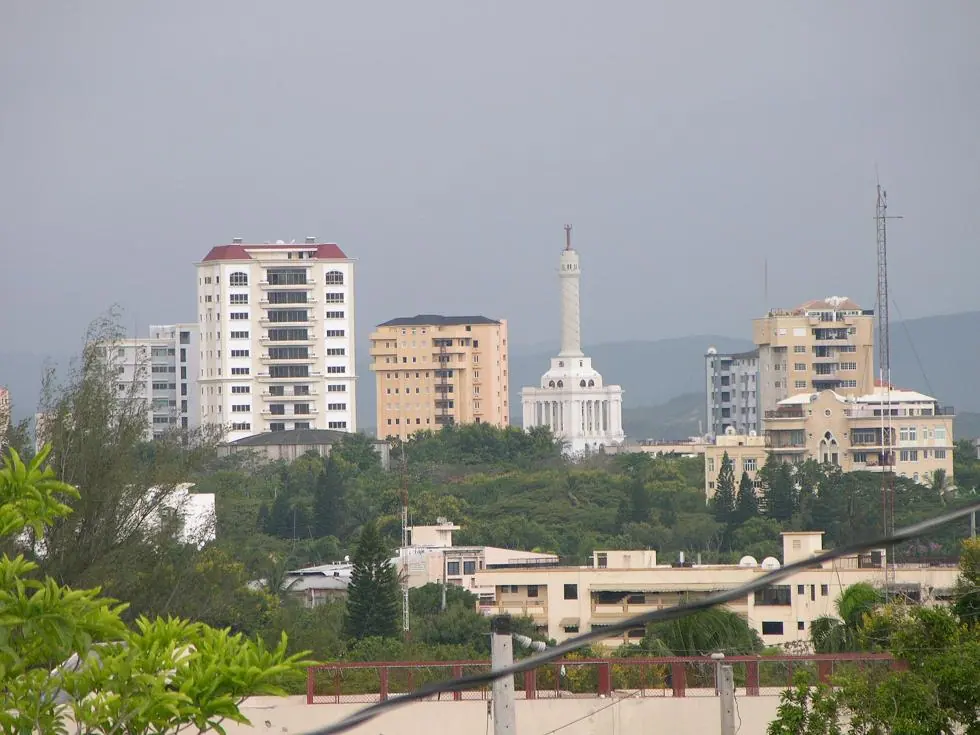
Stay in Dominican Republic
Hotels, guesthouses and apartments — compared in one search.
Search hotels
Transfer in Dominican Republic
Private driver waiting on arrival — no queues, no surprises.
Book a transfer
Stay online in Dominican Republic
Travel eSIM — data the moment you land, no roaming bills.
Get an eSIMMore guides in Dominican Republic
Best Time to Visit the Dominican Republic: A Season-by-Season Hotel Guide
Dominican Republic 7-Day Itinerary: Flights, Colonial Streets and Caribbean Beaches
Where to Stay in the Dominican Republic: Best Areas and Must-See Sights