Warm water, trade-wind afternoons and a coastline that swings from cactus desert to cloud forest — the Dominican Republic rewards travellers who time their trip rather than simply booking a flight. The gap between a bargain week and a sold-out one can come down to a single month, and the island's microclimates mean the best season depends on which coast you choose. Here is how to match your hotel dates to the weather, the whales, the festivals and the price curve.
The Short Answer: Two Seasons, One Warm Sea
The Dominican Republic sits in the Caribbean tropics, so temperatures barely budge: coastal highs hover between 27°C and 31°C all year, and the sea stays around 26–29°C, which means swimming, snorkelling and sailing are possible in every month. What changes is rain. The dry season runs roughly December to April, the wet season May to November, and the difference shows up as short, heavy afternoon downpours rather than washed-out days — hiking trails and rivers, however, notice the change immediately.
Officially, hurricane season spans 1 June to 30 November, with the statistical peak in September and the first half of October. Storms are not an annual certainty, and the island's size means a week of rain on one coast can be bright sunshine on another, but it is worth buying flexible, refundable accommodation and travel cover if you book in that window.
The genuine sweet spots are late April to early June and the month of November: seas still warm, crowds thinning, rates falling and skies mostly clear. The most expensive, most crowded weeks are 20 December to 5 January, Easter week (Semana Santa), and the February–March spring-break stretch.
December to April: Dry Season, Peak Beaches, Peak Prices
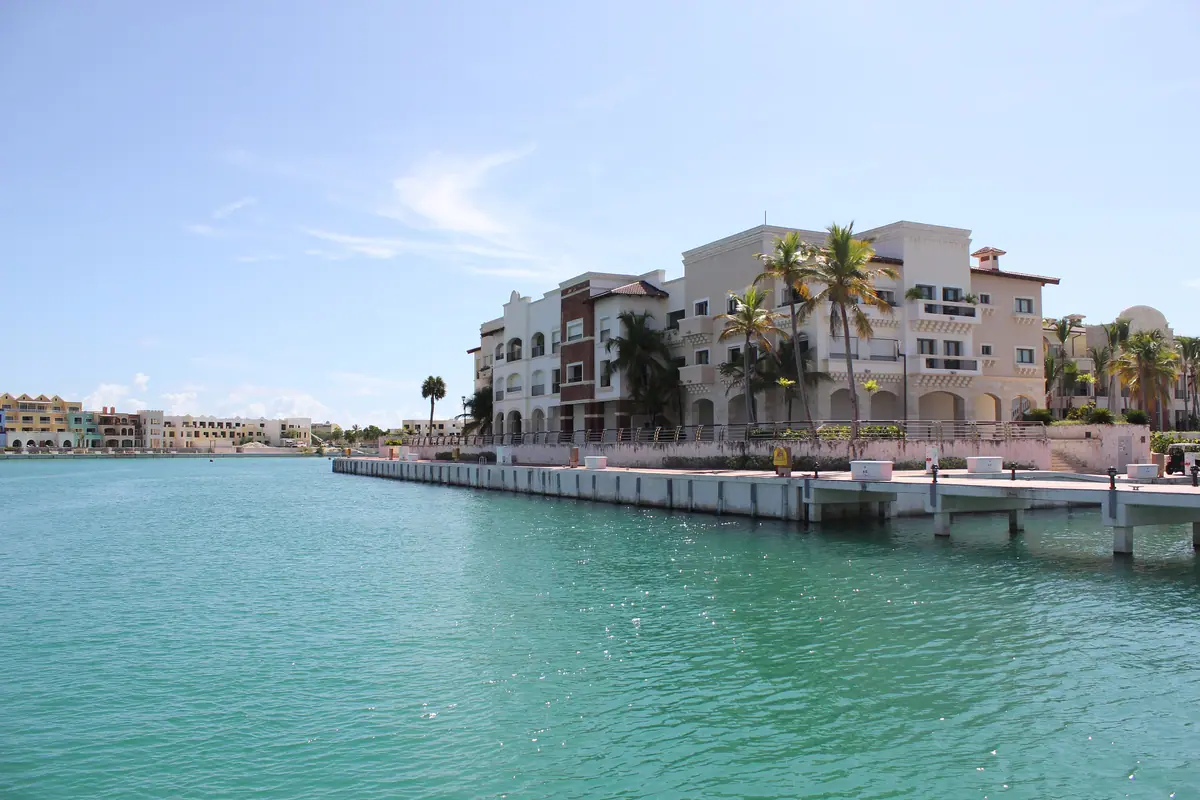
This is the postcard version of the country. Humidity drops, breezes pick up, and the classic beaches — Bávaro and Playa Arena Gorda along the Punta Cana strip, Playa Rincón on the Samaná peninsula, and remote Bahía de las Águilas in the far southwest — deliver the flat turquoise water people fly here for. It is also the only window for the island's great wildlife spectacle: from mid-January to mid-March, humpback whales gather in Samaná Bay and on the Silver Bank to breed, and boat trips leave from Samaná and Las Terrenas most mornings.
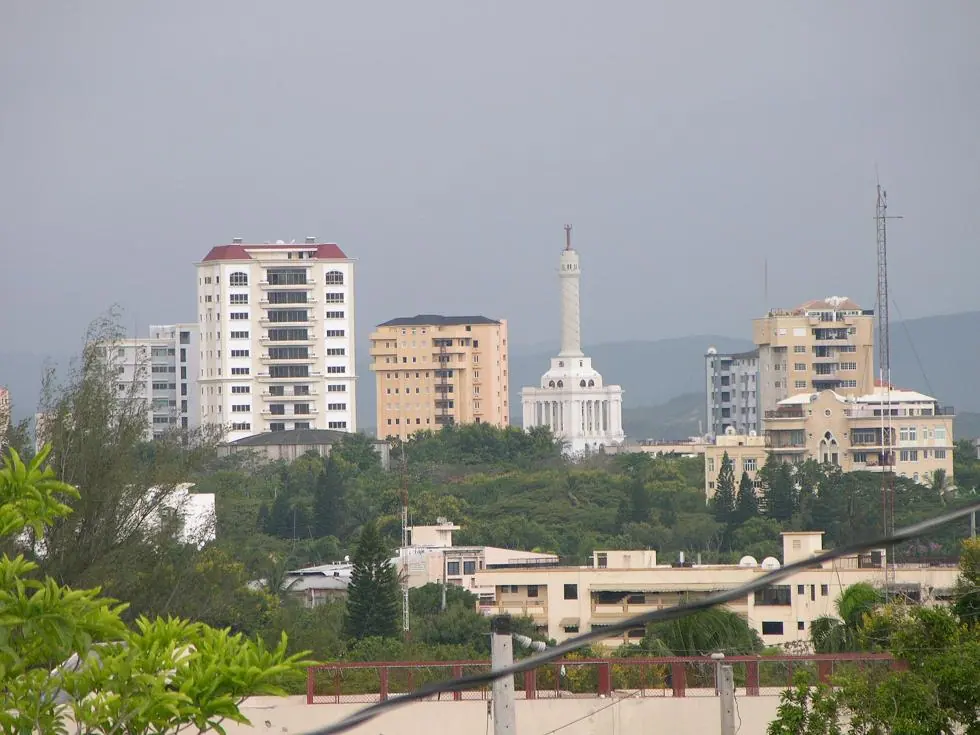
City sightseeing is far more comfortable now than in the humid months. Santo Domingo's Zona Colonial — the cobbled grid of the first European city in the Americas — is best explored on foot in this season, taking in the Catedral Primada de América, the Alcázar de Colón and the Museo de las Casas Reales before the midday heat sets in. In Puerto Plata, the cable car up Mount Isabel de Torres and the colonial Fort San Felipe are pleasant half-day outings in December and January.
The trade-off is price and pressure. Resort rates roughly double over Christmas and New Year, many hotels impose minimum-stay rules and set menus, and February and March fill fast with North American and European families escaping winter. For the festive weeks, book four to six months ahead; for a normal dry-season week, three months is usually enough. If you want the good weather without the premium, aim for the second half of April.
May to August: Green Season Value and Lush Landscapes
Once the Christmas and Easter crowds go home, rates fall sharply — often 30 to 50 per cent below peak — while the water stays bath-warm and the days stay long. Rain typically arrives in short, dramatic bursts in the late afternoon or overnight, then clears, which leaves mornings free for the beach and afternoons free for a nap or a rum sour under a palapa.
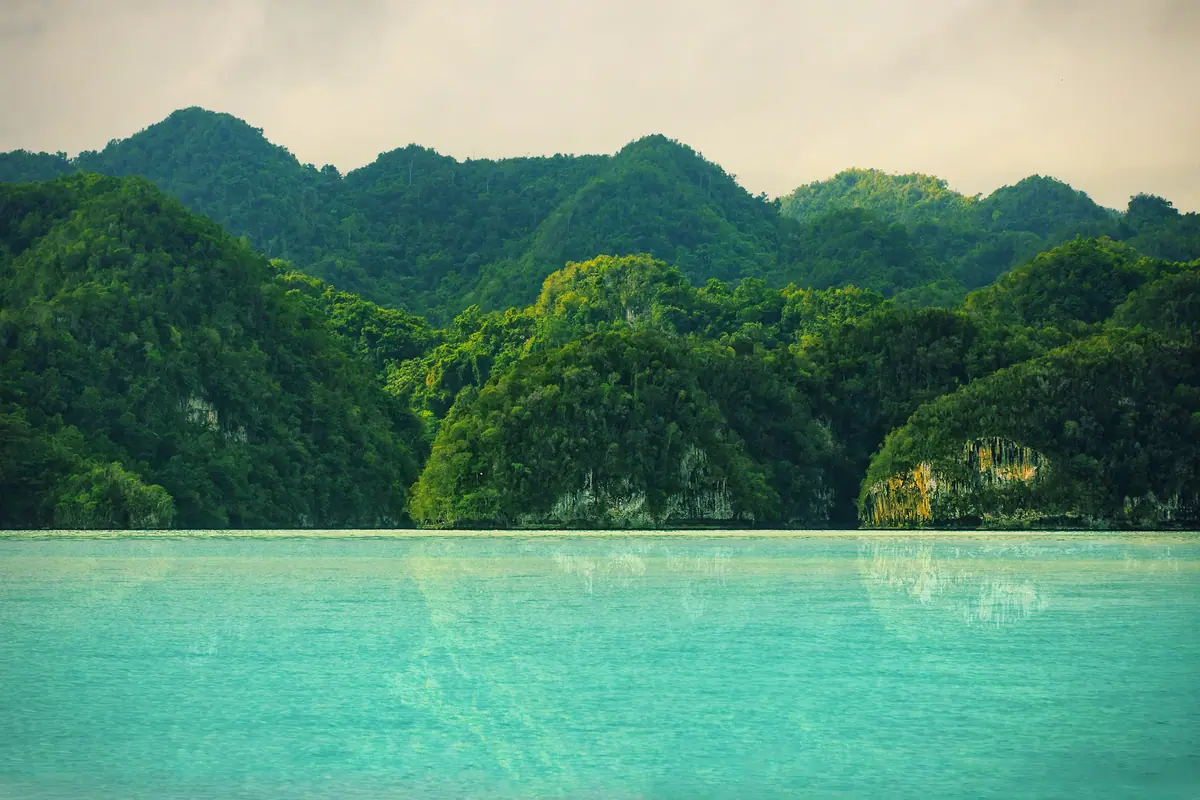
This is the season for the interior. The 27 Charcos de Damajagua waterfalls near Puerto Plata run strongest when the rivers are full, and the rapids around Jarabacoa, in the Cordillera Central, offer the island's best white-water rafting and canyoning between May and August. Farther east, the mangroves, caves and karst islets of Los Haitises National Park are at their greenest, reached by boat from Samaná or Sabana de la Mar.
One caveat in these months is sargassum, the floating brown seaweed that drifts onto many Caribbean shores from May through October. It affects the exposed east and south coasts — parts of Punta Cana, Boca Chica and Juan Dolio — more than the sheltered north coast around Cabarete, Sosúa and Puerto Plata, where the water often stays clear. Resorts rake their beaches daily, but if seaweed bothers you, ask which stretch your hotel fronts and consider a north-coast base or a reef-protected bay.
September to November: Hurricane Season, Bargain Rates and Empty Beaches
September and October are the cheapest, quietest months of the year, and they are also the riskiest. This is the peak of the Atlantic hurricane window, the wettest stretch of the calendar, and the period when a number of large all-inclusive properties close for annual maintenance and refurbishment. Some restaurants and excursion operators shut too, so a resort that looks like a steal online may be a half-empty complex with limited dining.
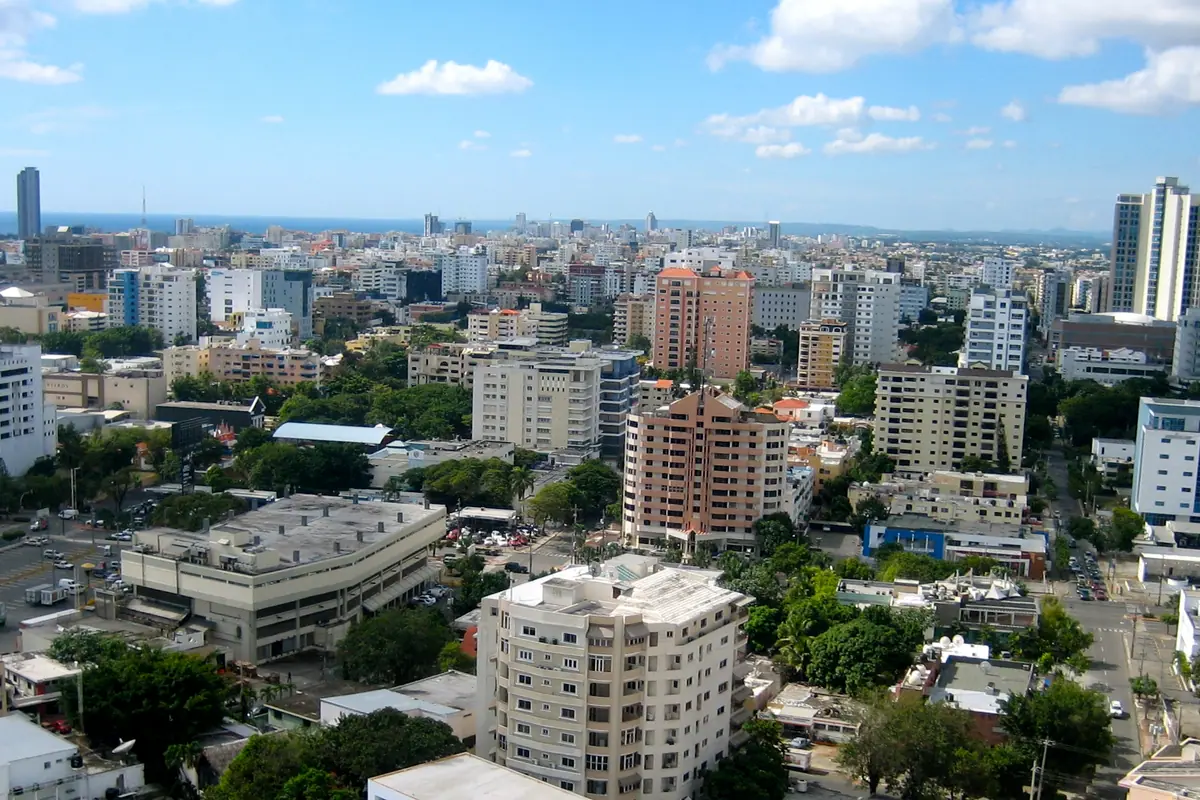
For travellers willing to accept that gamble, the rewards are real: near-empty beaches, generous upgrades, and low-season rates that stretch to a two-week trip for the price of one. Check that your hotel is fully open and that its restaurants and pools are operating, and favour refundable bookings. It can also be worth splitting a stay — for example three nights in Santo Domingo's Zona Colonial, where museums and the Malecón keep you busy even in rain, plus a beach base.
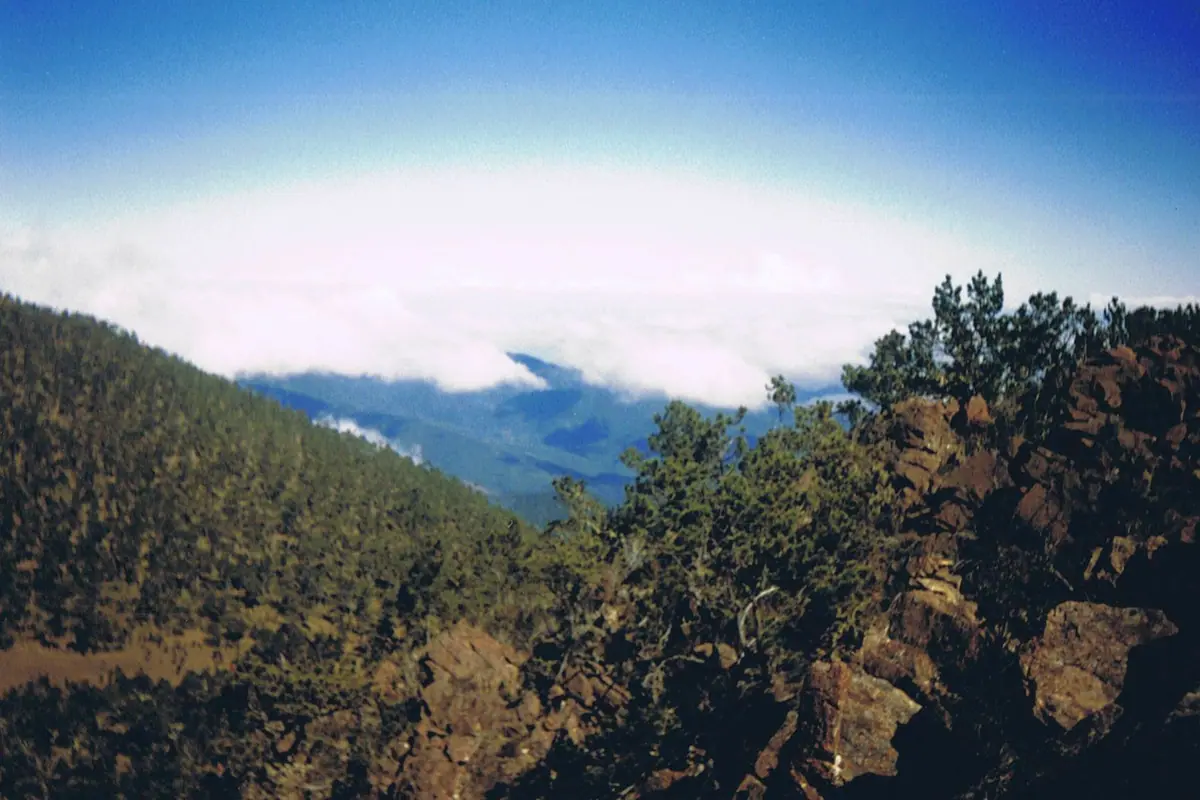
November is the pivot month and arguably the best-kept secret on the island. The storm risk eases, the northern surf season kicks off with reliable swell at Playa Encuentro near Cabarete, and the dry, desert-like southwest around Pedernales and Lake Enriquillo stays bright when the rest of the country is grey. Meanwhile, hikes to the summit of Pico Duarte — the Caribbean's highest peak at 3,098 metres — run from roughly November to March, when the Cordillera Central is cool, clear and firm underfoot.
Microclimates: Choosing the Right Coast for Your Dates
The island is only about 390 kilometres long, yet its weather varies more than most visitors expect, and choosing the right coast can rescue a trip booked in the wrong month. The south coast around Santo Domingo and La Romana is the driest and most reliable year-round, which makes it a sensible base in the wet season. The east coast, from Punta Cana down through Bayahíbe and Isla Catalina, benefits from steady trade winds that temper the heat but also carries more sargassum in summer and autumn.
The northeast is genuinely lush: the Samaná peninsula, with Las Terrenas, the El Limón waterfall and the mangroves of Los Haitises, can see rain in any month, which is precisely why it looks like a rainforest. The north coast from Puerto Plata to Cabarete and Río San Juan catches winter cold fronts known locally as nortes between November and January — cooler, cloudier spells that rarely last more than a couple of days.
Inland, the Cordillera Central around Jarabacoa and Constanza sits high enough to feel like another country, with spring-like daytime temperatures that rarely exceed the low twenties; March to May is the most comfortable time to visit. The southwest, from Barahona to Pedernales, is the island's arid corner, hot and sunny even when the Atlantic side is under cloud — pair it with a night near Lake Enriquillo, home to the Caribbean's largest saltwater lake and its American crocodiles.
Festivals, Sport and Booking Timing
February is not only dry-season prime time but also carnival month, when La Vega and Santo Domingo erupt in parades, costumes and comparsas — La Vega's version, in particular, is the loudest and most famous. Late July brings merengue and bachata celebrations to the capital, and the winter baseball season, running roughly October to January, packs stadiums in Santo Domingo, Santiago and San Pedro de Macorís with some of the loudest fans in the sport.
Easter week is a national holiday and the busiest domestic travel period of the year: beaches and highways fill with Dominican families, and coastal hotels sell out weeks in advance. If your trip overlaps Semana Santa, book early or head somewhere less conventional — the interior mountains or the quiet southwest.
Book hotels early for 20 December to 5 January, Easter week, mid-January to mid-March in Samaná (whale season) and February carnival weekends; three to six months ahead is sensible for those dates. For May, June, September and October, you can often wait and still find excellent rooms, and rates are most negotiable at the last minute. Whichever month you choose, pack reef-safe sunscreen, quick-dry clothing and a light rain shell — and remember that a morning of rain in the tropics usually ends with the sun coming back out.
Frequently asked questions
What is the cheapest month to visit the Dominican Republic?
September and October are the least expensive, followed by May and the first half of June. September and October carry the highest hurricane risk and some large resorts close for refurbishment, so confirm your hotel is fully open before booking. Late April and November offer a strong balance of value and reliable weather.
When can I see humpback whales in Samaná Bay?
Whale season runs from mid-January to mid-March, when thousands of humpbacks migrate to Samaná Bay and the Silver Bank to mate and calve. Boats depart from Samaná town and Las Terrenas, usually in the morning. Book a few weeks ahead for that window, and choose an operator that follows the official approach rules.
Is hurricane season a dealbreaker for a beach holiday?
Not necessarily. Storms rarely make landfall, and most wet-season days bring a few hours of heavy rain rather than continuous bad weather. That said, September and October are the riskiest months, so favour refundable rates, flexible flights, travel insurance and a hotel on the sheltered north or southwest coast, which often escape the worst.
Does sargassum seaweed affect Punta Cana beaches?
Seaweed generally drifts in from May to October and can affect the exposed east and south coasts, including parts of Punta Cana, Boca Chica and Juan Dolio. The sheltered north coast around Cabarete and Puerto Plata is usually clearer. Resorts rake their beaches daily, but it is worth asking how much seaweed your specific stretch of sand has seen recently.
How far ahead should I book hotels for Christmas, New Year and Easter?
For 20 December to 5 January and Easter week, book four to six months ahead — many resorts impose minimum stays and raise rates substantially, and the best rooms go first. For February and March, three months is usually sufficient. In the low season you can often book a few weeks out and still find good availability.
Plan it — hotels in Dominican Republic
Live search, booked directly with trusted providers.
Sort the rest of your trip
Everything for Dominican Republic, in one place
Transfer in Dominican Republic
Private driver waiting on arrival — no queues, no surprises.
Book a transfer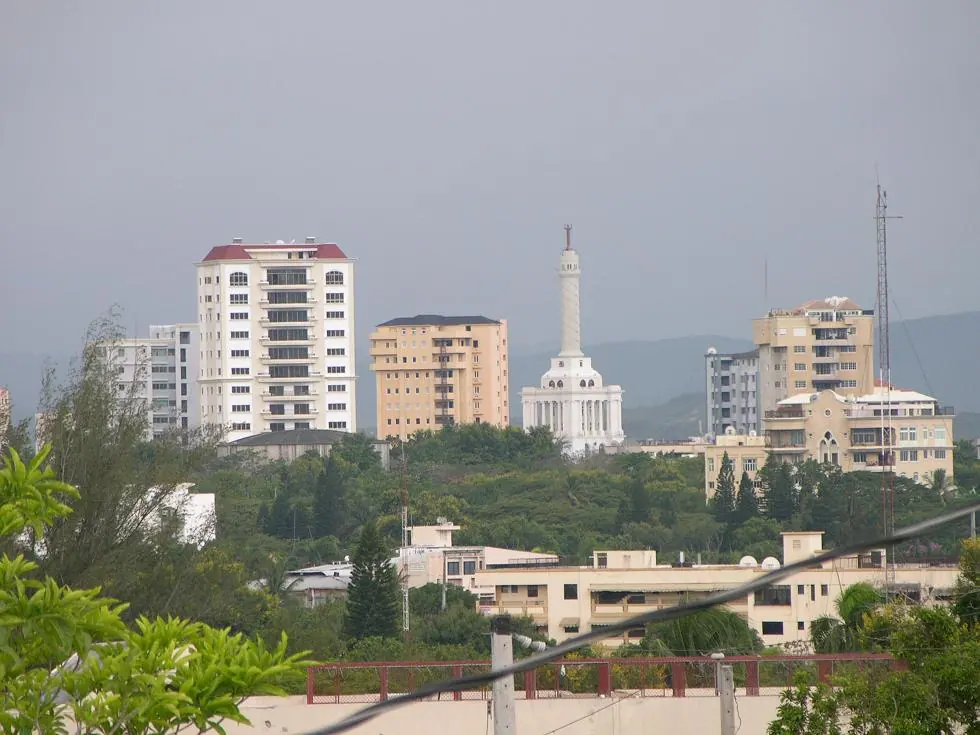
Things to do in Dominican Republic
Skip-the-line tickets, guided tours and standout experiences.
See experiences
Stay online in Dominican Republic
Travel eSIM — data the moment you land, no roaming bills.
Get an eSIMMore guides in Dominican Republic
Dominican Republic 7-Day Itinerary: Flights, Colonial Streets and Caribbean Beaches
Where to Stay in the Dominican Republic: Best Areas and Must-See Sights
Dominican Republic Food, Culture and Local Experiences: A Tour Guide to Merengue, Mangú and Must-See Sights