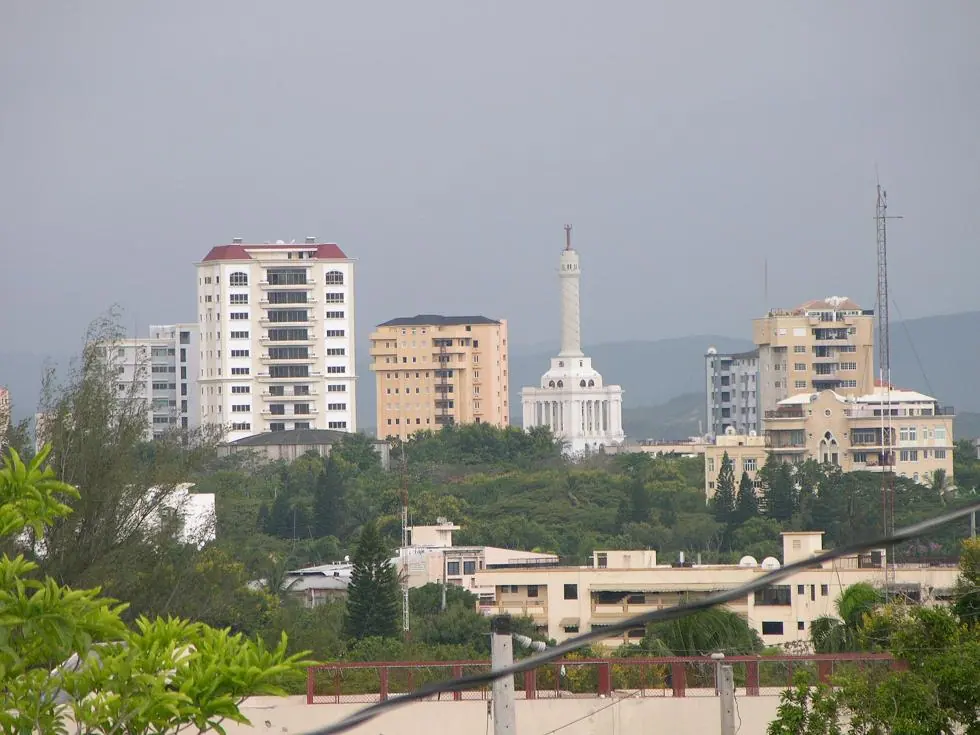
One island, four airports and a week of coastlines that change character every few hundred kilometres — from a 16th-century cathedral square to a kitesurfing bay to a mangrove maze where Taino pictographs still watch over the water. This is the Dominican Republic stitched together by short domestic hops, so you spend your hours on the sand and in the streets rather than in traffic.
Choosing Your Airports and Timing the Flights
The Dominican Republic is unusually well served from the air, and where you land shapes the whole week. Punta Cana International Airport on the eastern tip is the busiest gateway and drops you straight into resort country. Las Américas International Airport, roughly 25 km east of Santo Domingo, is the one for the capital's colonial core. On the north coast, Gregorio Luperón International Airport serves Puerto Plata, while the small Samaná El Catey airport handles the peninsula, and La Romana's airport sits closest to Altos de Chavón. The smartest booking for a one-week loop is an open-jaw ticket: fly into Santo Domingo, fly home from Punta Cana, and skip the long return drive.
Domestic hops are what make this itinerary work. Short regional flights connect Santo Domingo with Puerto Plata, Samaná and Punta Cana in roughly 30 to 50 minutes — distances that take three to four hours by road. Aircraft are small, so checked allowances are tight and seats vanish quickly around Christmas, New Year and Semana Santa in the run-up to Easter. Arrive at least 90 minutes before an international departure and a full hour before a domestic one; island check-in queues are short but weather delays in the wet months ripple through the day.
Timing matters as much as routing. December to April brings the driest, breeziest weather and the highest demand; January to mid-March also coincides with humpback whales breaching in Samaná Bay. June to November is hurricane season, with the statistical peak from late August to October — this is when flights are cheapest and cancellations most likely. On the eastern and southern coasts, sargassum seaweed drifts ashore mainly from May to October, which is worth checking before you commit to a beach-only week.

Days 1–2: Santo Domingo's Zona Colonial and Los Tres Ojos
Start where the country started. The Zona Colonial is a compact grid of stone lanes beside the Ozama River, and it holds the oldest continuously inhabited European street in the Americas: Calle Las Damas, paved in the early 1500s and lined with the Fortaleza Ozama, the Alcázar de Colón and the Pantheon of the Nation. At the centre sits the Catedral Primada de América, the first cathedral built in the New World and still holding daily mass beneath its limestone vaults. Book a walking tour on your first morning, then return at dusk when the tour groups leave and Plaza de España glows amber.
Day two belongs to the stranger sights just outside the old walls. Los Tres Ojos is a trio of flooded limestone caves east of the city, linked by a ferry across one subterranean lake and reached by a staircase that feels like a descent into another climate — an easy one to two hours. Add the colossal Faro a Colón, a cross-shaped monument that doubles as a museum, then walk a stretch of the Malecón, the seafront boulevard that fills with joggers, domino players and food carts after five o'clock.
Base yourself in a colonial-era guesthouse for the atmosphere, and hunt for larimar and amber at the Mercado Modelo before you move on. Two nights is the right amount of time: enough for the cathedral, the caves and one long dinner on Calle Las Damas, without eating into the beaches. If you prefer to skip the capital on arrival, you can fly directly to Puerto Plata and start the loop in the north instead.
Day 3: Puerto Plata and the Cable Car to Pico Isabel de Torres
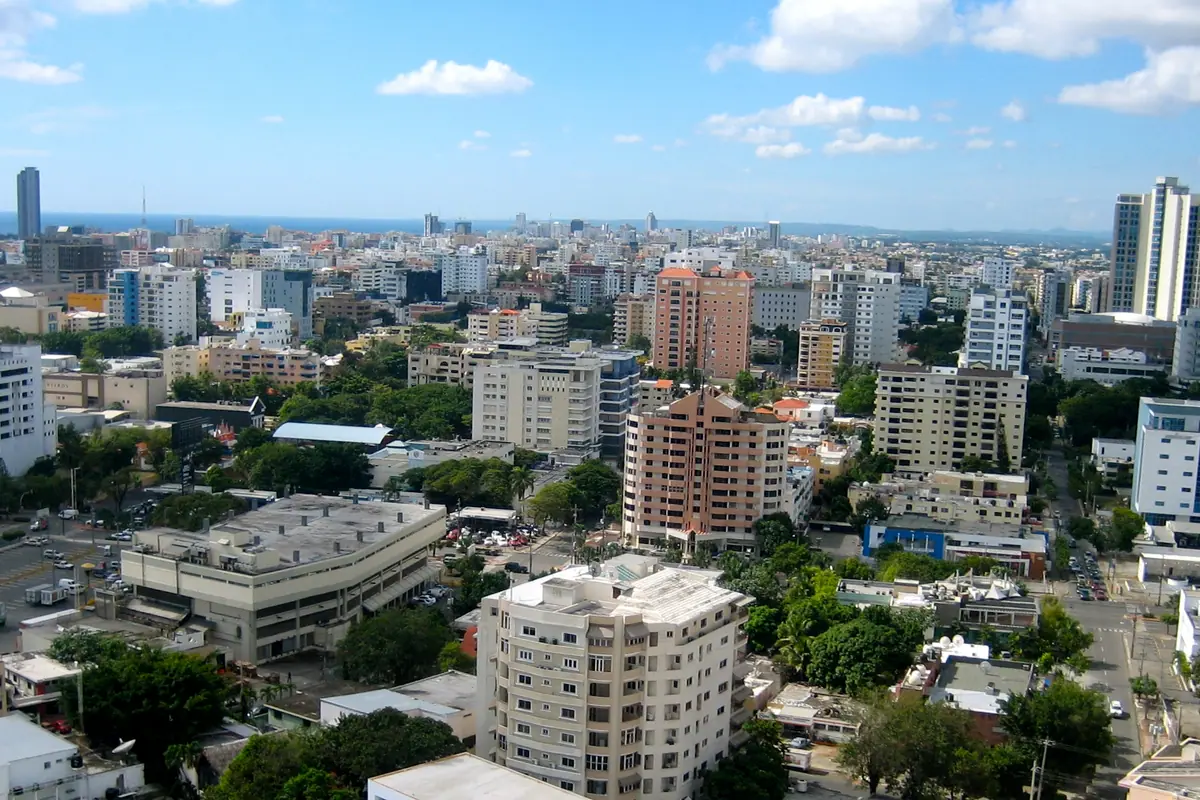
A 40-minute flight from Santo Domingo delivers you to the north coast, and the fastest way to understand its geography is to ride the teleférico up Pico Isabel de Torres. The cable car lifts you to 793 metres, where the air cools, bromeliads cling to the rock and a botanical garden surrounds a small Christ statue. On a clear morning, the view runs from the red roofs of Puerto Plata to the Atlantic and the reef-fringed shoreline far below.
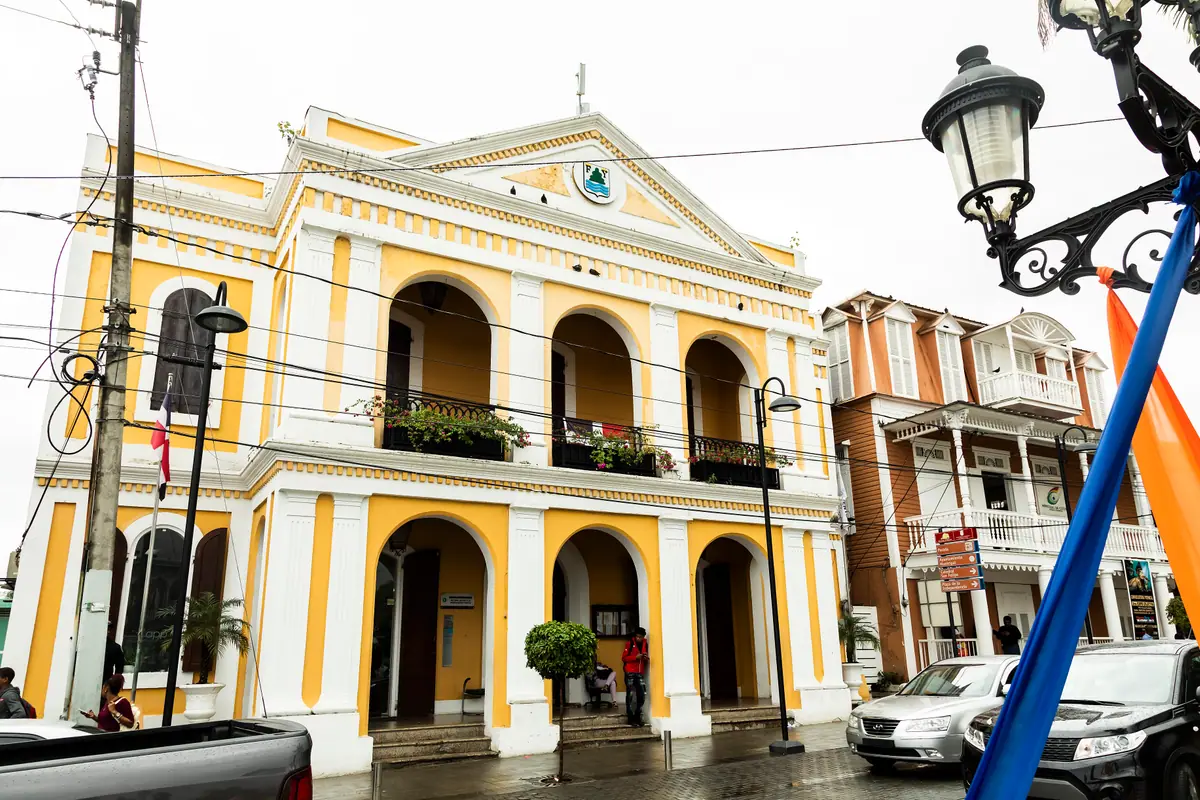
Back at sea level, the 16th-century Fortaleza San Felipe guards the harbour mouth and remains the city's most photogenic landmark, with cannons aimed at the old pirate approaches. The Victorian-style wooden centre, painted in pastels, is small enough to walk in an hour, and the Amber Museum explains the fossilised resin that washes out of the island's mountains. Wander the Malecón at sunset, when the fishing boats and kite schools on the western end of the bay begin their evening routines.
Build in time for one of the north coast's signature excursions. The 27 Charcos de Damajagua, a sequence of waterfalls and natural chutes carved into a limestone gorge about half an hour inland, is tackled on a guided route of jumping, sliding and swimming that takes three to four hours; it closes after heavy rain, so check conditions the night before. Alternatively, keep the day easy and settle into Playa Dorada or the calmer coves towards Sosúa.
Day 4: Cabarete's Trade Winds and the North Coast Slowdown
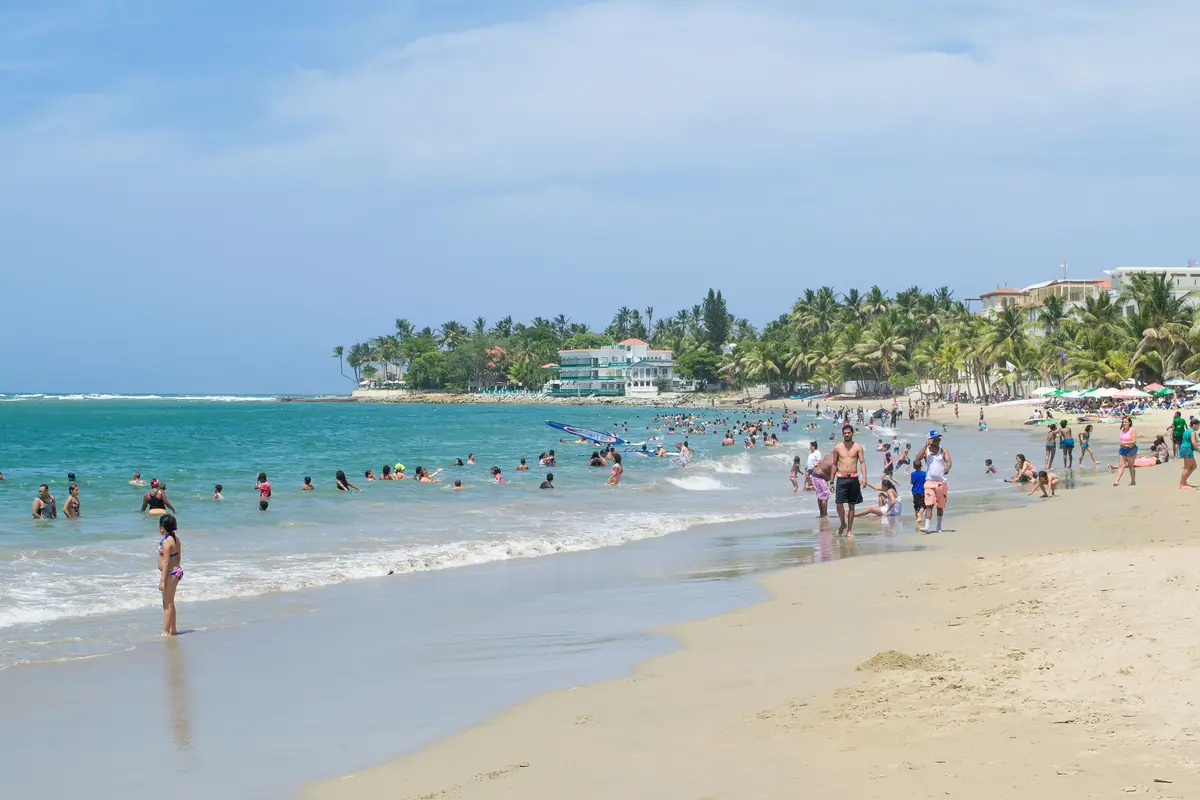
Cabarete is a single crescent of beach that has become one of the Caribbean's great wind-sports towns. The trade winds arrive reliably from June through August, when kites fill the bay like a flock of bright birds, and lessons are available for complete beginners within a morning. If you would rather watch, the beach bars along the sand serve cold drinks with a front-row seat, and the reef keeps the water calm for swimmers on the western side.
Just east, Sosúa's sheltered bay is the gentler alternative — shallow, protected and good for snorkelling, with a laid-back strip of cafés behind it. Inland, El Choco National Park protects a pocket of rainforest riddled with caves, underground pools and trails that stay cool even in the middle of the day, a reminder that the Dominican Republic is far more than coastline.
Two nights on this stretch is a good rhythm: one for the water, one for the interior. If your schedule allows only one, choose Cabarete for the energy and use it as your base for Damajagua, Puerto Plata and the drive towards Samaná. Rental cars are easy to arrange here, and the roads along the north coast are scenic and well maintained.
Day 5: Samaná — Los Haitises, El Limón and Cayo Levantado
The Samaná Peninsula feels like a different island. From the north coast it is a two-hour drive, or a short flight into El Catey, and the reward is a coast of coconut groves, fishing villages and mountains that tumble straight into the sea. The headline trip is a boat tour through Los Haitises National Park, a drowned karst landscape of mangrove tunnels and mushroom-shaped islets where brown pelicans and frigatebirds nest. Guides stop at cave mouths covered in ancient Taino pictographs, painted centuries before any European ship arrived.
Inland, the El Limón waterfall drops about 50 metres into a green pool, reached by horseback or a steep 40-minute hike through fruit trees and coffee plots — go early, before the heat and the groups. Offshore, Cayo Levantado is the classic postcard islet, and Playa Rincón, further east, is regularly described as one of the country's finest beaches, a long pale arc backed by palms and accessible mainly by boat or a rough road.
From mid-January to mid-March, Samaná Bay becomes a nursery for humpback whales, and licensed boats take visitors out to watch mothers and calves from a respectful distance. Stay in Las Terrenas for restaurants and Playa Bonita's surf, or in Samaná town for easier access to the national park and the whale-watching docks.
Days 6–7: Punta Cana, Altos de Chavón and Saona Island
A final short flight east lands you in Punta Cana, where the beaches of Bávaro run for kilometres behind a barrier reef that turns the water turquoise and almost motionless. It is the most developed corner of the country — all thatched palapas, golf courses and all-inclusive resorts — and it is genuinely beautiful if you accept it on those terms. Swim early, before the sun hardens and the beach fills.
For a change of scene, head west to Altos de Chavón, a recreated 16th-century Mediterranean village perched above the Chavón River near La Romana, complete with a cobbled amphitheatre and sweeping views of the gorge. The nearby Cotubanamá National Park protects the coast around Bayahibe, the launch point for the most popular day trip in the east: Saona Island. Catamarans and speedboats cross to palm-fringed beaches and a shallow sandbar natural pool where starfish rest on the seabed — a long, sociable day out that usually runs from morning until late afternoon.
Keep your last night close to Punta Cana International Airport so the departure is stress-free, and leave a buffer of a few hours if you are flying home during the wet season. A week is enough for this loop if you fly the long legs, but it is a fast pace; if you have the luxury of time, cut one region and give the rest two extra days.
Frequently asked questions
Which airport should I fly into for a one-week Dominican Republic trip?
Fly into Las Américas International Airport near Santo Domingo if you want the colonial capital first, or into Punta Cana International Airport if beaches are the priority. For a loop that avoids backtracking, book an open-jaw ticket arriving in Santo Domingo and departing from Punta Cana, with a short domestic hop in between.
How long are domestic flights within the Dominican Republic?
Most internal routes — Santo Domingo to Puerto Plata, Samaná or Punta Cana — take between 30 and 50 minutes. Planes are small, checked baggage allowances are limited, and seats sell out fast around Christmas, New Year and Easter, so book domestic legs as soon as your international dates are fixed.
When is the best time to visit the Dominican Republic?
December to April offers the driest weather and the most reliable sunshine, with January to mid-March also bringing humpback whales to Samaná Bay. June to November is hurricane season, peaking from late August to October, when flights are cheapest but delays and sargassum seaweed on eastern beaches are more likely.
Do I need to rent a car between regions?
Not for the long distances — flying saves three to four hours per leg. Within each region, taxis, shared minivans and private transfers cover the short trips, and a rental car is only worth it if you want to explore the north coast or the Samaná Peninsula at your own pace.
Is one week enough to see Santo Domingo, Puerto Plata, Samaná and Punta Cana?
It is possible if you fly the long legs and keep each stop to one or two nights, but it is an ambitious pace. A calmer alternative is to choose two regions — for example the colonial capital plus Samaná, or the north coast plus Punta Cana — and spend three or four nights in each.
Plan it — flights in Dominican Republic
Live search, booked directly with trusted providers.
Sort the rest of your trip
Everything for Dominican Republic, in one place
Stay in Dominican Republic
Hotels, guesthouses and apartments — compared in one search.
Search hotels
Transfer in Dominican Republic
Private driver waiting on arrival — no queues, no surprises.
Book a transfer
Travel insurance
Medical cover, delays and lost baggage — sorted before you go.
Get coveredMore guides in Dominican Republic
Best Time to Visit the Dominican Republic: A Season-by-Season Hotel Guide
Where to Stay in the Dominican Republic: Best Areas and Must-See Sights
Dominican Republic Food, Culture and Local Experiences: A Tour Guide to Merengue, Mangú and Must-See Sights