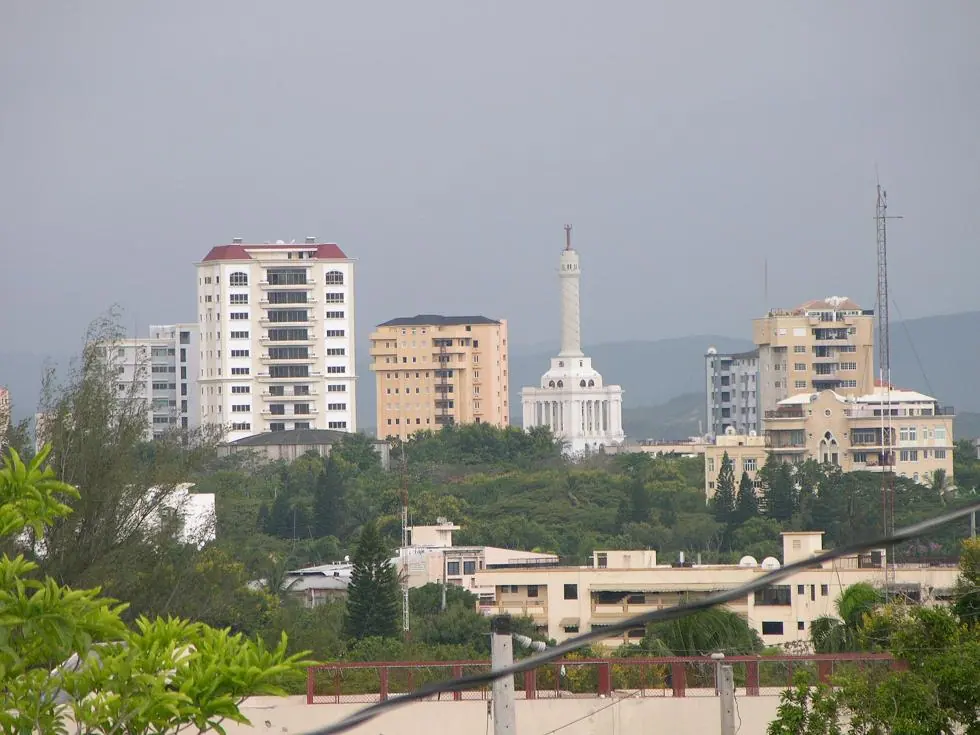
The Dominican Republic rewards travellers who step past the resort gates: a colonial capital where the Americas' first cathedral still stands, mountain towns where coffee is dried on concrete patios, and roadside kitchens serving plantain-heavy plates that taste like the island itself. This guide maps the food, music and landscapes that make a tour here feel like more than a beach holiday.
Santo Domingo's Zona Colonial: Cobblestones, Cathedrals and Street Carts
Start any serious tour of the country in Santo Domingo, the oldest continuously inhabited European-founded city in the Americas. The Zona Colonial packs its greatest hits into a walkable grid: the Catedral Primada de América, begun in the early 1500s and still holding daily services; the Alcázar de Colón, a coral-stone palace overlooking the cliff edge; the Fortaleza Ozama, whose tower has watched over the Ozama River mouth for five centuries; and Calle Las Damas, the hemisphere's oldest paved street, lined with colonial facades and wrought-iron balconies. Parque Colón is the natural pause button, a shaded square where shoe-shiners, ice-cream carts and school groups share the same benches.
Two days is the right amount of time to do it properly — one for the monuments and museums, one for the edges. Walk the Malecón at sunset, then take a short taxi ride east to Los Tres Ojos, a series of limestone caverns and turquoise pools that feel like a different country entirely. South of the centre, the Mercado Modelo is the best single stop for larimar and amber jewellery, woven hats and bottles of mamajuana, the spiced rum-and-herb infusion locals sip as a digestif. Haggling is expected but friendly; a smile and a genuine compliment go further than a hard negotiation.
The Dominican Table: Mangú, La Bandera and the Roadside Comedor
Dominican cooking is built on plantain, rice, beans and pork, and it is at its best in places with plastic chairs and a hand-painted menu board. Breakfast is mangú: boiled green plantain mashed with butter and warm water, topped with the trinity known as los tres golpes — fried salami, fried cheese and a fried egg — plus a tangle of pickled red onions. Lunch is la bandera, the flag: white rice, stewed red beans, braised chicken or beef, and a stack of tostones or a simple cabbage salad. On weekends and holidays, families gather around sancocho, a slow-cooked seven-meat stew with root vegetables that takes hours and is never rushed.
Street food is where the island really performs. Look for quipes, bulgur-and-beef croquettes with Middle Eastern roots; pastelitos, fried flour pockets stuffed with seasoned meat; empanadas; and yaroa, a glorious pile of fries, cheese and meat that has become a late-night institution. On the coast, ask for pica pollo — chopped fried chicken with lime and hot sauce — or freshly grilled fish with a side of fried plantain and a squeeze of sour orange. The country's cacao comes from around San Francisco de Macorís and its coffee from the cool hills of Jarabacoa and Valle Nuevo; both are worth buying whole and carrying home.
Drinks deserve their own chapter. Morir soñando is milk, orange juice and ice blended into something that tastes like a creamsicle; batidas turn papaya, soursop or passion fruit (chinola) into thick shakes. Fresh coconut water is sold straight from the shell at roadside stands. If you want a proper sit-down meal in the capital, the Mercado Modelo area and the streets around Parque Colón have comedores serving generous plates for the price of a coffee back home — go early, because the best dishes sell out by mid-afternoon.
Merengue, Bachata and Carnival: Culture You Can Dance To
Music is not an accompaniment to Dominican life; it is the argument, the greeting and the calendar. Merengue arrived from the Cibao valley, powered by the tambora drum, the metal güira scraper and, in its rural perico ripiao form, a button accordion. Bachata grew up in the poor barrios of Santo Domingo, dismissed for decades before becoming one of the most streamed genres on earth. You will hear both everywhere — from taxi radios to supermarket speakers — but to understand them, find a live band. Colmados (corner shops) often set up speakers on Friday evenings, and the Zona Colonial, Santiago and Cabarete all have venues where a five-piece group will play until the small hours.
Carnival is the cultural peak of the year. In February, the city of La Vega hosts the country's most famous celebration, where thousands of diablos cojuelos — costumed devils with horned masks, mirrors and whips — fill the streets in a riot of invention. Santo Domingo stages its own parade along the Malecón, and Puerto Plata and Santiago hold theirs on overlapping weekends. Book accommodation well ahead for any of them. Other dates worth planning around include Independence Day on 27 February, Restoration Day on 16 August, and the pilgrimage to the Basilica of Our Lady of Altagracia in Higüey on 21 January, when the country's patroness draws crowds from across the island.
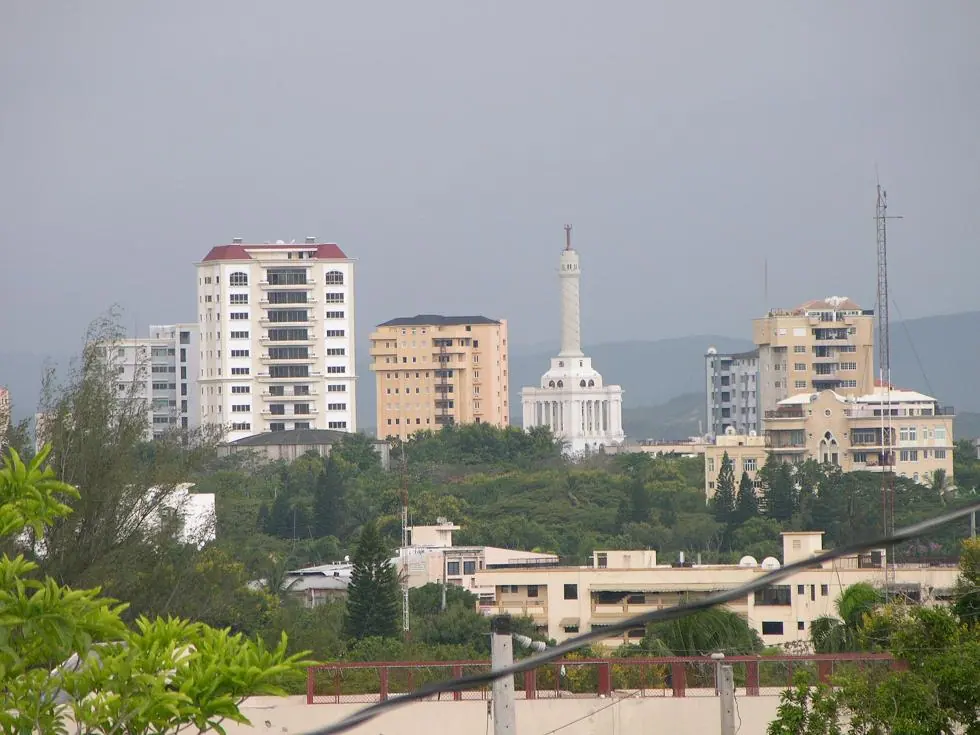
Two other local experiences define the culture. First, baseball: from October to January, winter-league games fill stadiums in Santo Domingo and Santiago with a noise level closer to a carnival than a ballgame. Second, the cigars and coffee of the Cibao. In Tamboril, on the edge of Santiago, small workshops roll cigars by hand and will happily show you the process; several tobacco farms around Santiago and Puerto Plata offer tours as well. Add a visit to the Centro León in Santiago for a genuinely thoughtful museum on Caribbean art and identity, and the Monumento a los Héroes de la Restauración for the city's best view.
Inland and Off-Script: Samaná, Jarabacoa and the Cibao Highlands
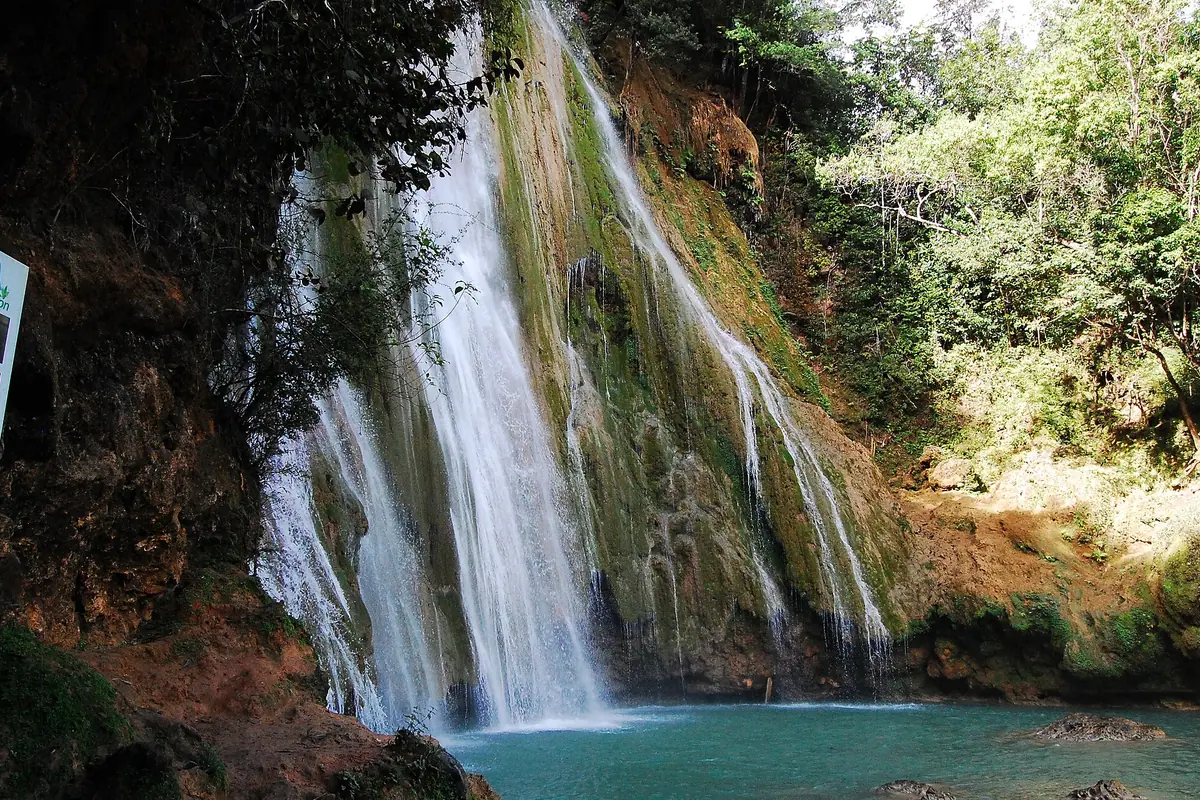
The Samaná peninsula, on the northeast coast, is the island's most rewarding region for travellers who want nature with their rum. Between mid-January and mid-March, thousands of humpback whales migrate into Samaná Bay to breed and calve, and boat trips leave from the waterfront at Santa Bárbara de Samaná nearly every morning. The nearby Los Haitises National Park is a maze of mangrove channels, limestone mogotes and sea caves bearing Taíno pictographs; most tours combine the mangroves with a stop at the beaches of Cayo Levantado. On land, the Salto del Limón waterfall tumbles roughly 50 metres into a swimmable pool, reached by a steep hike or a horseback ride arranged in the village of El Limón.
Inland, the Cordillera Central delivers the coolest air and the best coffee on the island. Jarabacoa, an hour or so south of Santiago, is the base for rafting on the Yaque del Norte river, canyoning, paragliding and hikes to the Jimenoa waterfall. Farther up the mountains, Constanza grows strawberries, garlic and flowers in a valley that feels more like the Alps than the Caribbean, and Valle Nuevo's pine forests and strange pyramidal monument sit above 2,000 metres. Ambitious hikers come for Pico Duarte, the Caribbean's highest peak at just over 3,000 metres: a two- to three-day guided trek, best tackled between December and March when the trails are driest.
Santiago de los Caballeros itself is worth a day, especially if you like markets, cigars and monument-lined plazas. From there, the road north to Puerto Plata passes through the country's agricultural heart — pineapple, tobacco and cacao country — and you can break the journey at small roadside stands selling fruit you have never seen before.
Coast and Cays: Punta Cana, Saona and Bahía de las Águilas
The eastern tip gets the postcards, and it earns them. Punta Cana and Bávaro form a long ribbon of white sand and shallow turquoise water backed by coconut palms, with the largest concentration of resorts on the island. Even if you stay elsewhere, a day trip to Isla Saona — reached by catamaran or speedboat from Bayahibe — is a highlight: natural sandbars, starfish shallows and a protected park island with no hotels. Neighbouring Catalina Island offers quieter snorkelling, and Altos de Chavón, a recreated 16th-century Mediterranean village perched above the Chavón river near La Romana, has a cobbled amphitheatre and craft studios that make a surprisingly good half-day.
The south-west is the opposite experience. Bahía de las Águilas, near Pedernales, is a 10-kilometre crescent of undeveloped beach backed by dry forest and reached only by boat from Cabo Rojo or by a rough 4x4 track — go with a guide and bring everything you need. Inland, Lago Enriquillo is the Caribbean's largest lake and lies below sea level, home to American crocodiles, flamingos and iguanas; boats from La Azufrada or Las Caritas will take you out to Isla Cabritos to see them. Above it, the Barahona coast has cold rivers meeting warm sea, larimar mines in the hills and a string of fishing villages where the fish is grilled the hour it is caught.
On the north coast, Puerto Plata combines the Teleférico — a cable car climbing to the summit of Pico Isabel de Torres, with gardens and a Christ statue at the top — with the 27 Charcos de Damajagua, a series of waterfalls and pools you slide, jump and swim through on a guided route. Cabarete is the kitesurfing capital of the Caribbean, and Sosúa has calm, reef-sheltered water ideal for a first snorkel. Farther west, Monte Cristi's El Morro headland and salt flats are a quiet, underrated detour near the Haitian border.
Practicalities: Seasons, Pesos and Getting Around Like a Local
December through April is the sweet spot: dry, breezy days in the high twenties, evening temperatures that still call for short sleeves. May and November are the value months — hot and humid, with occasional rain but far lower prices. June to November is hurricane season, with the statistical peak from late August to October, when the interior can be muddy and some coastal excursions get cancelled. If whale watching or Carnival is your priority, plan for January to March or the February weekends respectively. Semana Santa, the week before Easter, is the busiest domestic travel period of the year; book transport and rooms weeks ahead.
The currency is the Dominican peso, though US dollars are widely accepted in resort zones at unfavourable rates. Carry pesos for markets, comedores, motoconchos and small shops, and keep a stack of small bills — breaking a large note in a rural colmado can be an event. Public transport is cheap and characterful: guaguas (shared minibuses) and públicos (shared taxis) run fixed routes between towns, and long-distance coaches connect Santo Domingo, Santiago, Puerto Plata, Samaná and Barahona comfortably. Renting a car gives you freedom but demands confidence: driving is assertive, motorbikes weave, and potholes appear suddenly outside the cities. Avoid driving after dark on rural roads.
A few practical notes make everything smoother. Tap water is generally not recommended for visitors; bottled water is cheap and everywhere. Spanish is the language, and outside the main resorts English is limited — learning a handful of phrases, always starting with buenos días, changes how people respond to you. Tipping is appreciated but modest. Bring reef-safe sunscreen, mosquito repellent for inland and evening use, and cash for park entry fees. For planning: give the capital and one coast five to seven days, and allow ten to fourteen days if you want to loop Santo Domingo, Samaná, the Cibao highlands and the south-west in a single trip.
Frequently asked questions
What is the best time of year to visit the Dominican Republic?
December to April offers the driest, most comfortable weather and is ideal for beaches, hiking and city sightseeing. May and November are quieter and cheaper but hotter and wetter. Whale watching in Samaná Bay runs from mid-January to mid-March, and Carnival takes over La Vega and Santo Domingo in February. The hurricane risk is highest from late August to October.
Which Dominican dishes should a first-time visitor try?
Start with mangú con los tres golpes for breakfast, la bandera at lunch, and sancocho if you are lucky enough to be invited to a weekend gathering. Snack on quipes, pastelitos, empanadas and yaroa from street carts, and drink morir soñando, a batida de chinola or fresh coconut water. Finish with habichuelas con dulce if you visit during Lent, or a piece of dulce de coco any time.
Is the Dominican Republic safe for independent travellers?
The main tourist areas — the Zona Colonial in Santo Domingo, Punta Cana and Bávaro, Las Terrenas, Cabarete and Jarabacoa — are generally safe with normal precautions: use licensed taxis at night, avoid isolated beaches after dark, keep valuables out of sight, and don't resist if you are unlucky enough to be targeted. Guided excursions to remote spots like Bahía de las Águilas are recommended for practical reasons as much as safety.
Can you visit without staying at an all-inclusive resort?
Absolutely, and it is often the better trip. Santo Domingo's Zona Colonial, Las Terrenas, Cabarete, Jarabacoa and Barahona all have small guesthouses, boutique hotels and apartment rentals. Independent travel makes it far easier to eat at local comedores, catch live merengue and bachata, and reach places like Constanza, Los Haitises and the south-west coast that resort packages rarely include.
How many days do you need to tour the Dominican Republic properly?
Five to seven days is enough for the capital plus one region, such as the Samaná peninsula or the Punta Cana and La Romana coast. Ten to fourteen days lets you loop Santo Domingo, Samaná, Santiago and the Cibao highlands, and the Barahona or Pedernales coast, with time for whale watching, a Pico Duarte trek or a couple of lazy beach days in between.
Plan it — tours in Dominican Republic
Live search, booked directly with trusted providers.
Sort the rest of your trip
Everything for Dominican Republic, in one place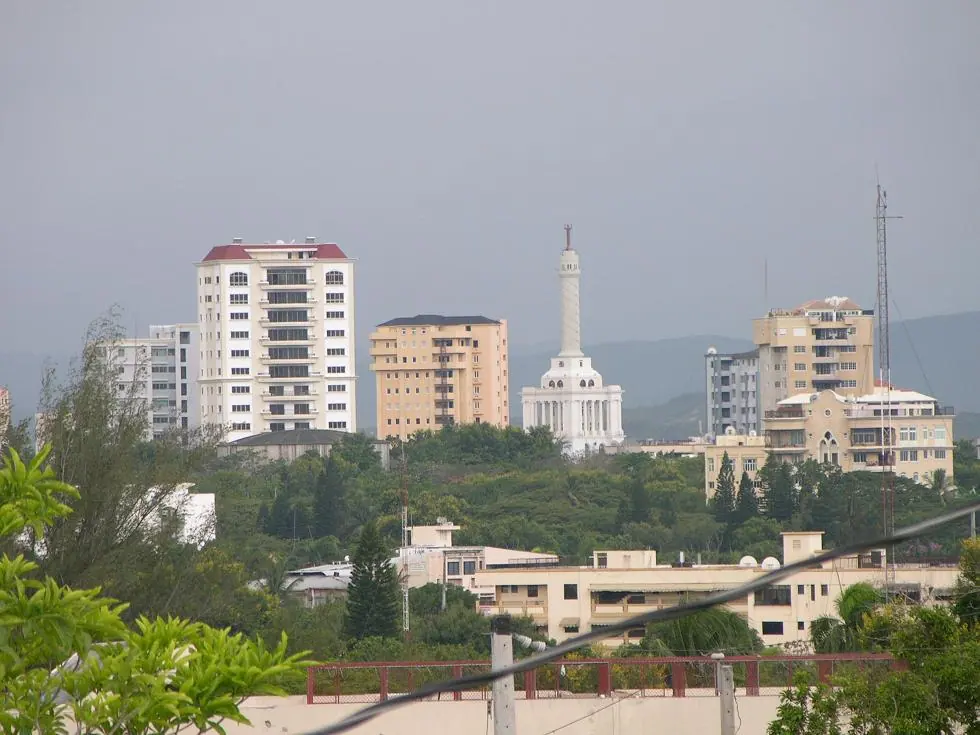
Stay in Dominican Republic
Hotels, guesthouses and apartments — compared in one search.
Search hotels
Transfer in Dominican Republic
Private driver waiting on arrival — no queues, no surprises.
Book a transfer
Stay online in Dominican Republic
Travel eSIM — data the moment you land, no roaming bills.
Get an eSIMMore guides in Dominican Republic
Best Time to Visit the Dominican Republic: A Season-by-Season Hotel Guide
Dominican Republic 7-Day Itinerary: Flights, Colonial Streets and Caribbean Beaches
Where to Stay in the Dominican Republic: Best Areas and Must-See Sights