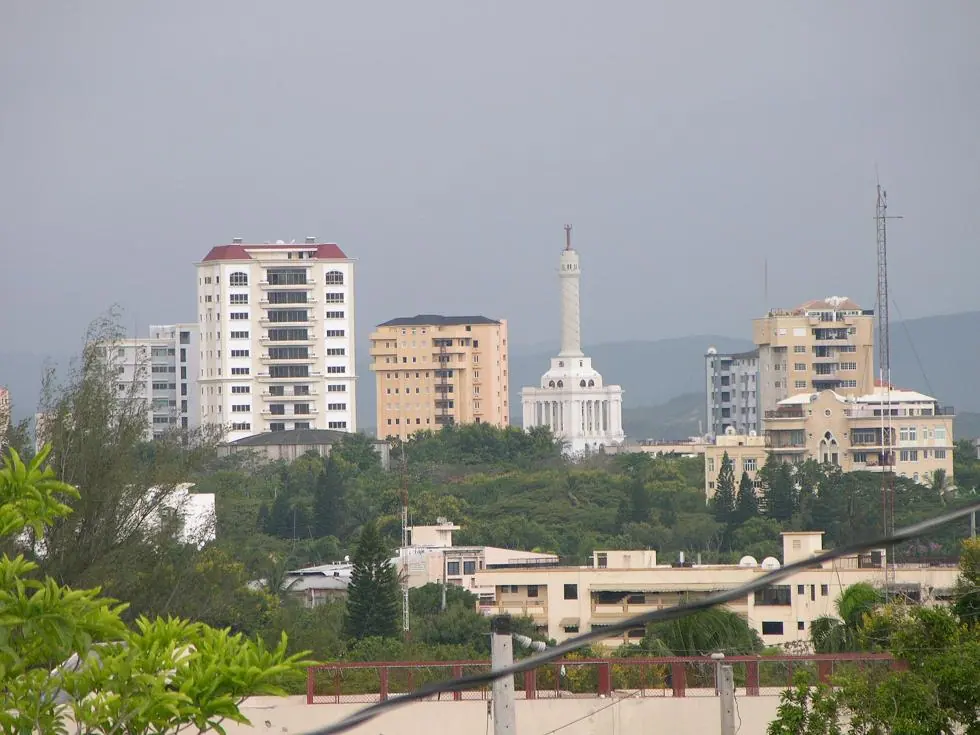
The Dominican Republic fits an entire Caribbean holiday into one country: the oldest colonial city in the Americas, reef-laced white-sand coasts, whale-filled bays and a mountain range that climbs past 3,000 metres. Where you sleep shapes everything else, because the good stuff is spread across five very different regions. Here is how to choose a base — and what to see once you have.
Choosing Your Base: Colonial Streets, Reef-Fringed Beaches or Cool Mountain Towns
Sharing the island of Hispaniola with Haiti, the Dominican Republic is small enough to cross in a long day's drive but varied enough to feel like several countries stitched together. You can spend the morning walking a 16th-century street grid, the afternoon floating over coral, and the evening eating grilled snapper in a fishing village. Deciding where to sleep is really deciding what your days look like.
Timing matters as much as geography. December through April brings dry, breezy weather, the busiest beaches and the highest room rates. May and November are the quiet sweet spots — warm water, thinner crowds, softer prices. The Atlantic hurricane season runs June to November, with September and October the wettest and cheapest months; many coastal hotels offer steep off-season discounts then. Humpback whales fill Samaná Bay from mid-January to mid-March, Carnival lights up February, and Semana Santa empties the cities as Dominicans head for the coast.
Accommodation falls into four broad camps: all-inclusive resorts, mostly along the eastern beaches and the northern Amber Coast; boutique hotels tucked into colonial buildings; villa rentals popular in Las Terrenas and Cabarete; and simple mountain cabins or eco-lodges inland. All-inclusive rates generally bundle meals, drinks and taxes, while small guesthouses often add tax and service at checkout. Spanish rules, though English is widely spoken in resort zones.
Santo Domingo: Sleeping Inside the Zona Colonial
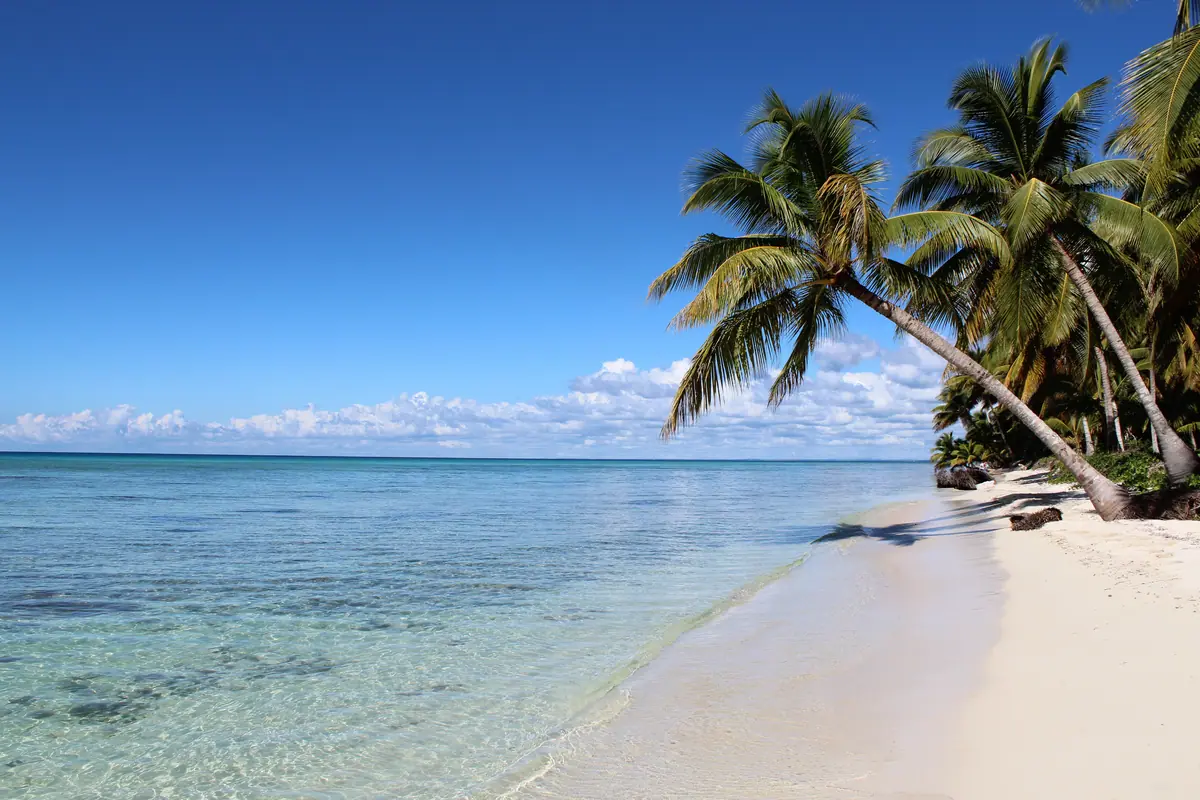
The capital's Zona Colonial is the oldest continuously inhabited European settlement in the Americas, and staying inside its walls is the single best hotel decision in the country for anyone who likes walking. Boutique properties occupy restored merchant houses along Calle Las Damas — the oldest paved street in the New World — and around Parque Colón. From there you can reach the Catedral Primada de América, the first cathedral built in the Americas, the fortress-like Alcázar de Colón, and the stone ramparts of Fortaleza Ozama on foot in a morning.
Give the city two full days. Beyond the walls, the Malecón seafront draws sunset walkers, and Los Tres Ojos opens into a chain of limestone cave pools just east of town. The Plaza de la Cultura holds the national museums, including the Museum of the Dominican Man and the Museum of Modern Art, while the Faro a Colón monument sprawls across the eastern riverbank. For souvenirs, the Mercado Modelo sells amber and larimar jewellery, rum and hand-rolled cigars; evenings in Plaza de España often come with live merengue and bachata.
Choose a colonial guesthouse for atmosphere, a Malecón business hotel for gyms and pools, or the Gazcue and Zona Universitaria neighbourhoods for cheaper rooms a short taxi ride away. The city also works as a base for short escapes: Boca Chica and Juan Dolio are under an hour east, and the dive village of Bayahíbe, gateway to Catalina Island, is roughly ninety minutes down the coast.
Punta Cana and Bávaro: The All-Inclusive Heartland
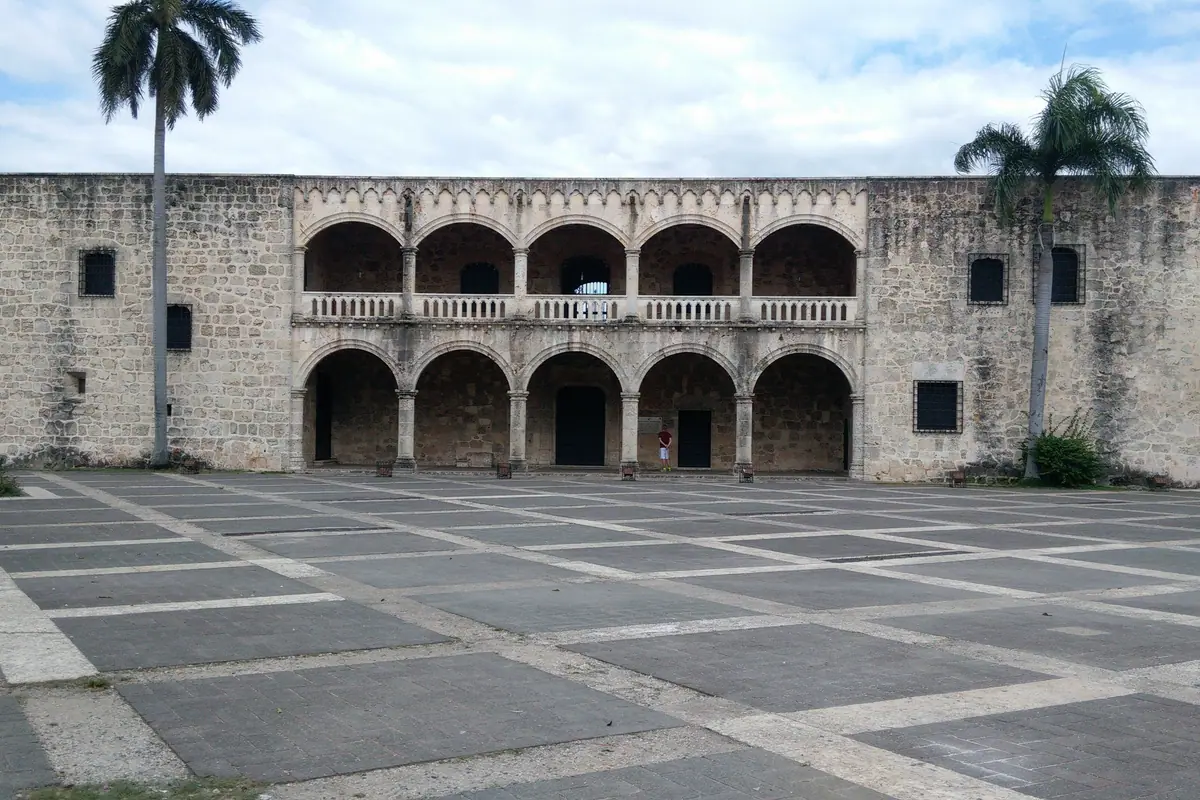
The eastern tip is the country's resort engine: a long ribbon of white sand and leaning coconut palms running from Bávaro through Arena Gorda to Uvero Alto. Resorts here range from family mega-complexes with water parks to adults-only hideaways and small design hotels, and almost all of them operate on an all-inclusive model, so your food, drinks and non-motorised watersports are already paid for. Bávaro is the busiest and most convenient stretch; Uvero Alto is quieter, prettier and further from the airport.
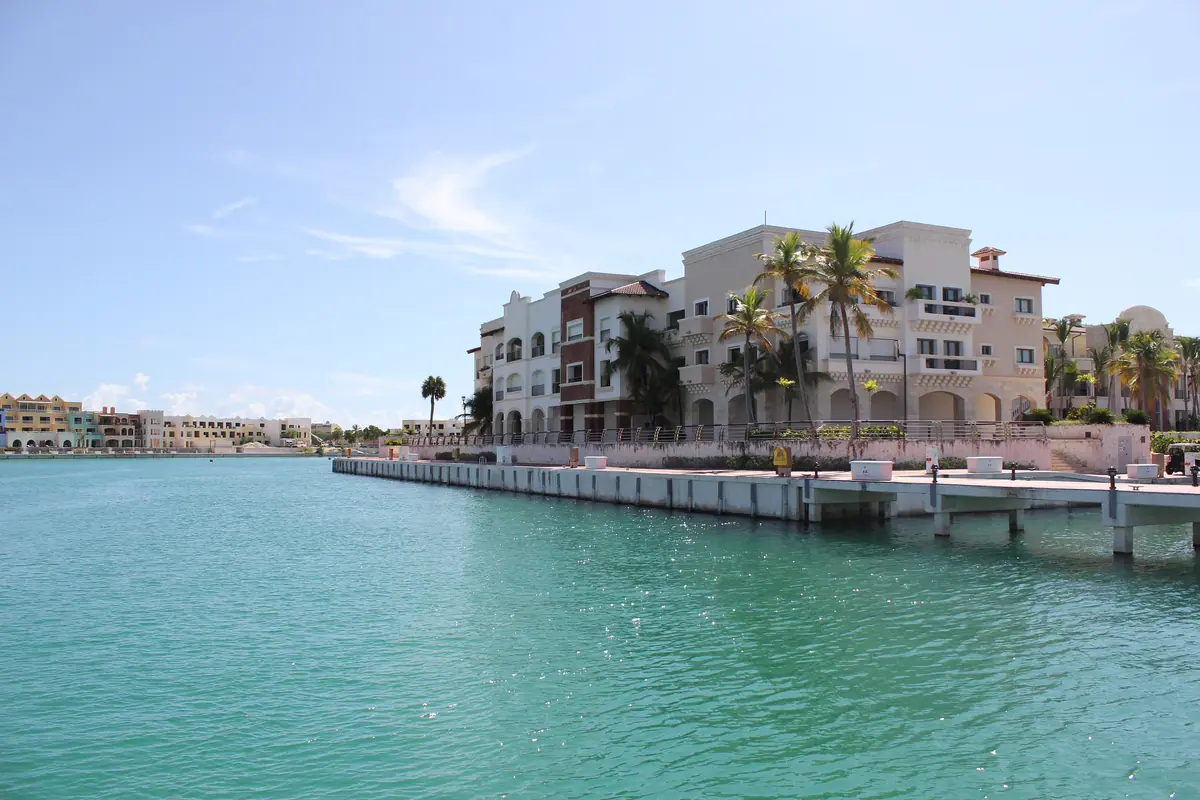
Inland from the beach, Cap Cana pairs a marina with Playa Juanillo and a celebrated oceanside golf course, while the Ojos Indígenas ecological reserve protects a chain of freshwater lagoons with a startlingly blue swimming cenote. A handful of adventure parks nearby add zip lines, dune buggies and cenote swimming. The classic day out, though, is Isla Saona: a boat run from Bayahíbe to a protected island of mangroves and empty beaches, usually with a stop in a shallow natural pool where starfish rest on the sand.
Because resorts are self-contained, sightseeing takes planning — book transfers and excursions in advance rather than assuming you can wander out. Airport transfers to Bávaro run roughly twenty to forty minutes. Do escape the lobby at least once: the village of El Cortecito and Punta Cana Village both serve excellent Dominican food and cold beer at local prices. Note that sargassum seaweed can drift onto eastern beaches from May to October; mornings are usually clearest.
Puerto Plata and the Amber Coast: Cable Cars, Forts and Kitesurf Winds
On the north coast, Puerto Plata mixes a Victorian-era centre of pastel wooden houses with a serious historic core. Start at Parque Independencia, stroll the Malecón, and visit Fortaleza San Felipe, a 16th-century Spanish fort guarding the bay. The town's signature ride is the cable car up Mount Isabel de Torres, a ten-minute glide to a cool 793-metre summit with botanical gardens, a towering Christ statue and views that stretch to the reef line on a clear day.
Beaches here are strung along the coast: the Playa Dorada resort zone for all-inclusive convenience, Costambar for calmer water, and Sosúa Bay for snorkelling and a relaxed guesthouse scene with plenty of small, affordable hotels. Twenty minutes further east, Cabarete has become one of the Caribbean's kitesurfing capitals, its trade winds strongest from June to August, with surf breaks at Playa Encuentro for board riders.
Save a day for the interior. The 27 Charcos de Damajagua is a series of waterfalls and natural rock slides about an hour inland, tackled on guided tours with helmets and life jackets; it closes after heavy rain. Closer to town, the amber and larimar museums explain the two stones the region is known for, and the boat trip through Laguna Gri-Gri near Río San Juan ends at the pretty cove of Playa Caletón.
Samaná and the Northeast: Waterfalls, Mangroves and Whale Season
The Samaná peninsula feels like a different island. Las Terrenas is its lively hub, a former fishing village with a French-Italian accent, superb bakery culture and a string of beaches — Playa Bonita, Playa Cosón and Playa Las Ballenas — backed by villas and small boutique hotels. Inland, the Salto El Limón waterfall drops through rainforest, reached by a steep hike or a horseback ride of about forty minutes each way.
On the southern side, Samaná town is the launch point for Los Haitises National Park, a maze of mangrove channels, steep limestone mogotes and cave walls bearing Taíno pictographs; boat tours typically run two to three hours and can also be joined from Sabana de la Mar. Just offshore, Cayo Levantado offers a postcard beach and calm swimming. Further east, Las Galeras is the quiet end of the road, with boats to Playa Rincón, a long, undeveloped crescent of sand often described as one of the finest beaches in the Caribbean.
The peninsula's headline act is whale watching: humpbacks migrate into Samaná Bay to breed and calve between mid-January and mid-March, and licensed boats leave from Samaná town and several coastal villages. Book accommodation early for those weeks. Outside whale season, this is the best region in the country for travellers who want nature, hiking and small independent hotels rather than resort buffets.
La Romana, Barahona and the Cordillera: Caves, Salt Lakes and Caribbean Summits
Southeast of the capital, La Romana anchors a polished resort belt with a marina and golf, but its most memorable sight is Altos de Chavón, a stone village of cobbled lanes and workshops built above the Chavón River, complete with a Roman-style amphitheatre that hosts concerts. Offshore, Catalina Island and tiny Catalinita offer some of the clearest snorkelling and diving water in the country, easily reached from Bayahíbe and La Romana.
The wild southwest is the opposite experience. Bahía de las Águilas, in Jaragua National Park, is a protected bay of pale sand and turquoise shallows reached by boat from Cabo Rojo — no hotels, no vendors, just the water. Nearby, Lago Enriquillo sits below sea level and holds American crocodiles, iguanas and flamingos, with boat trips to Isla Cabritos; the Sierra de Bahoruco rises behind it, where the Hoyo de Pelempito viewpoint looks over a forested rift. The town of Barahona is also the world's only source of blue larimar, and simple guesthouses and eco-lodges are the norm rather than big resorts.
Inland, the Cordillera Central delivers cool air and pine forest. Jarabacoa is the adventure base — river rafting on the Yaque del Norte, the Jimenoa and Baiguate waterfalls, paragliding over green valleys — while Constanza, one of the highest towns in the Caribbean, grows strawberries and vegetables in a temperate bowl of farmland. Serious hikers come for Pico Duarte, at 3,087 metres the highest peak in the Caribbean, usually climbed on a two- or three-day guided trek; December to March gives the clearest, driest conditions.
Frequently asked questions
What is the best time of year to visit the Dominican Republic?
December to April offers the driest, breeziest weather and the liveliest beach scene, but also peak rates. May and November are excellent value with warm water and fewer people. June to November is hurricane season, with September and October the quietest and cheapest months. Whale watching in Samaná Bay runs mid-January to mid-March, and Carnival falls in February.
Which area is best for a first trip?
If you want beaches and ease, base yourself in Bávaro or Punta Cana. If you want culture and walking, stay in Santo Domingo's Zona Colonial. A common two-centre trip pairs three nights in the colonial city with a week on the eastern coast, since the drive between them takes about two and a half hours.
Are all-inclusive resorts the only option?
No. The country has characterful boutique hotels in Santo Domingo's colonial streets, villa rentals in Las Terrenas and Cabarete, family-run guesthouses in Sosúa and Barahona, and mountain cabins around Jarabacoa and Constanza. All-inclusives dominate the eastern beaches and Playa Dorada, but independent lodging is often better value outside those zones.
Do I need to rent a car?
Not in resort zones, where transfers and organised excursions cover almost everything. A car is genuinely useful for Samaná, the southwest and the Cordillera Central, where sights are spread out and public transport means shared minibuses and motorbike taxis. Driving is on the right; mountain roads are winding and poorly lit after dark.
What should I not miss beyond the beaches?
Prioritise the Zona Colonial in Santo Domingo, the cable car and fort in Puerto Plata, the El Limón waterfall and Los Haitises mangroves in Samaná, Altos de Chavón near La Romana, and Bahía de las Águilas and Lago Enriquillo in the southwest. Pico Duarte rewards anyone with two spare days and a taste for high ground.
Plan it — hotels in Dominican Republic
Live search, booked directly with trusted providers.
Sort the rest of your trip
Everything for Dominican Republic, in one place
Transfer in Dominican Republic
Private driver waiting on arrival — no queues, no surprises.
Book a transfer
Things to do in Dominican Republic
Skip-the-line tickets, guided tours and standout experiences.
See experiences
Stay online in Dominican Republic
Travel eSIM — data the moment you land, no roaming bills.
Get an eSIMMore guides in Dominican Republic
Best Time to Visit the Dominican Republic: A Season-by-Season Hotel Guide
Dominican Republic 7-Day Itinerary: Flights, Colonial Streets and Caribbean Beaches
Dominican Republic Food, Culture and Local Experiences: A Tour Guide to Merengue, Mangú and Must-See Sights