Dominica rises from the Caribbean like a green dream—volcanic peaks wrapped in rainforest, rivers that run hot and cold, and a coastline where the sea bubbles like champagne. This is the Nature Island, a place for hikers, divers, and anyone who wants their Caribbean holiday with a side of wild adventure.
Morne Trois Pitons National Park: The Boiling Lake, Titou Gorge, and Emerald Pool
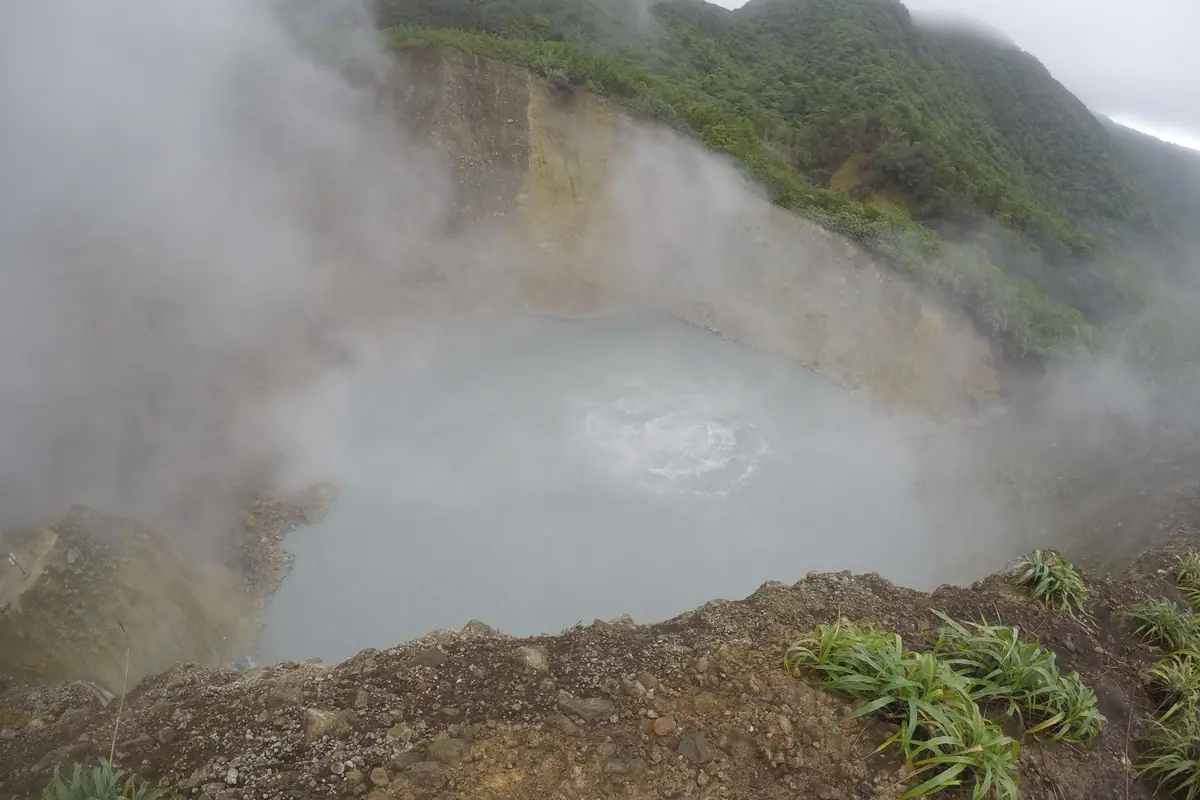
At the heart of Dominica lies Morne Trois Pitons National Park, a UNESCO World Heritage Site that packs in steaming valleys, cloud forests, and some of the island's most iconic sights. The star attraction is the Boiling Lake, a vast, grey-blue cauldron of superheated water shrouded in vapour. Reaching it is a serious undertaking: the round trip from Laudat takes six to eight hours, climbing through the Valley of Desolation, where the earth hisses and cracks beneath your boots. Start before dawn, hire a local guide, and carry more water than you think you need.
On the way back, cool off in Titou Gorge, a narrow slot canyon where you swim through cool water toward a hidden waterfall. Nearby, Trafalgar Falls delivers twin cascades, the 'Father' and 'Mother' falls, tumbling into a rocky pool you can soak in. Further up the road, Emerald Pool lives up to its name: a jade-green basin fed by a single ribbon of water, surrounded by ferns and wild orchids. And at Freshwater Lake, the island's largest, you can walk a cool, misty trail or simply watch the clouds roll across the peaks.
Waterfall Chasing: Middleham Falls, Victoria Falls, and Sari Sari Falls
Dominica is a waterfall island, and each cascade has its own personality. Middleham Falls, reached by a muddy trail from Laudat, plunges nearly 200 feet into a deep, fern-lined amphitheatre. The hike takes about an hour and a half each way, and the reward is a natural shower that will leave you grinning. For something wilder, head to Victoria Falls near the village of Bells—a challenging trek with river crossings and boulder scrambles that ends at a broad curtain of water thundering into a pool.
On the east coast, Sari Sari Falls is a lesser-known beauty, reached by a steep, root-gripped path that opens onto a towering cascade framed by jungle. If you want easier access, Spanny Falls and Jacko Falls are both a short walk from the road, perfect for a quick dip. Whatever you choose, wear shoes with grip, expect mud, and go with a guide for the more remote falls—trails are not always marked.

Underwater Wonders: Champagne Reef, Scotts Head, and Soufrière
Dominica's volcanic soul doesn't stop at the shoreline. At Champagne Reef, just south of Roseau, geothermal gases stream up through the seabed, sending a flurry of bubbles toward the surface. Snorkelers and divers drift through warm water surrounded by sponges, sea fans, and curious fish. It's an easy shore entry, making it ideal for beginners, though the occasional swell can stir things up.
Further south, Scotts Head is a narrow peninsula that curls into the sea, offering a protected bay on one side and open ocean on the other. The diving here includes coral gardens, drop-offs, and the chance to see turtles, seahorses, and frogfish. Soufrière Bay, part of a marine reserve, is another top spot for underwater exploration. And because Dominica's deep waters are a haven for sperm whales, boat trips from Roseau or Portsmouth often spot these giants—peak sightings are between November and March.
History and Culture: Roseau, Fort Shirley, and the Kalinago Territory
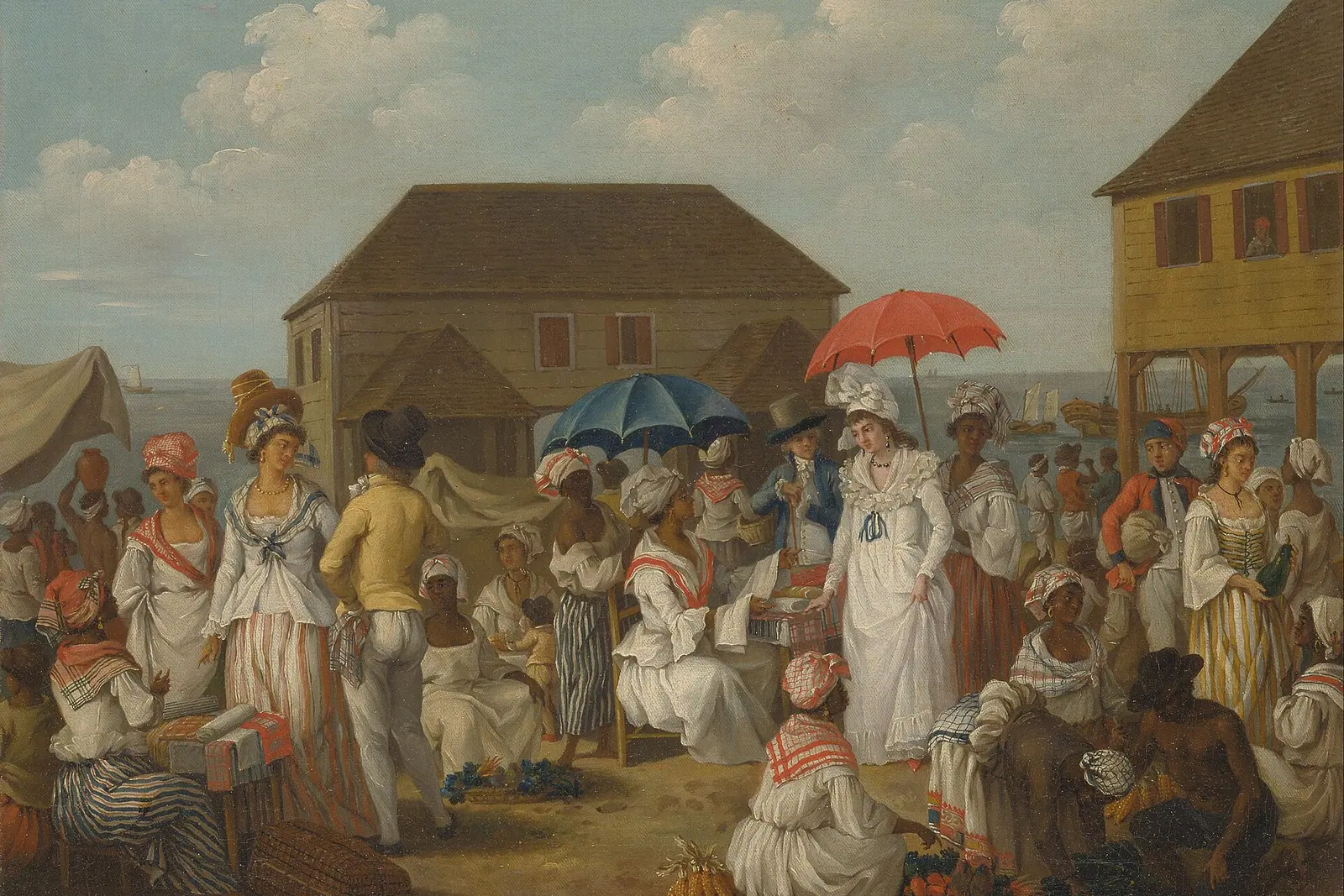
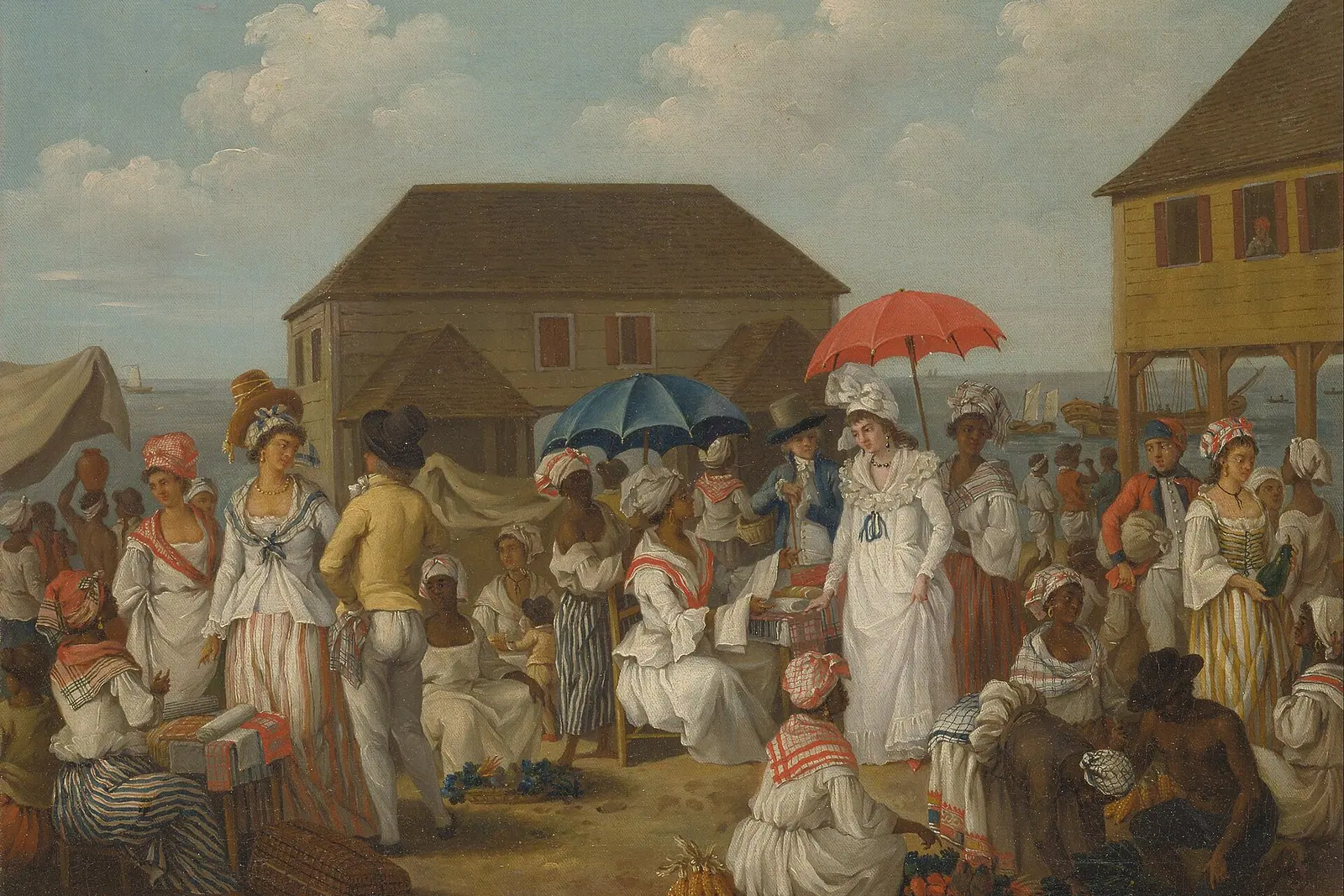
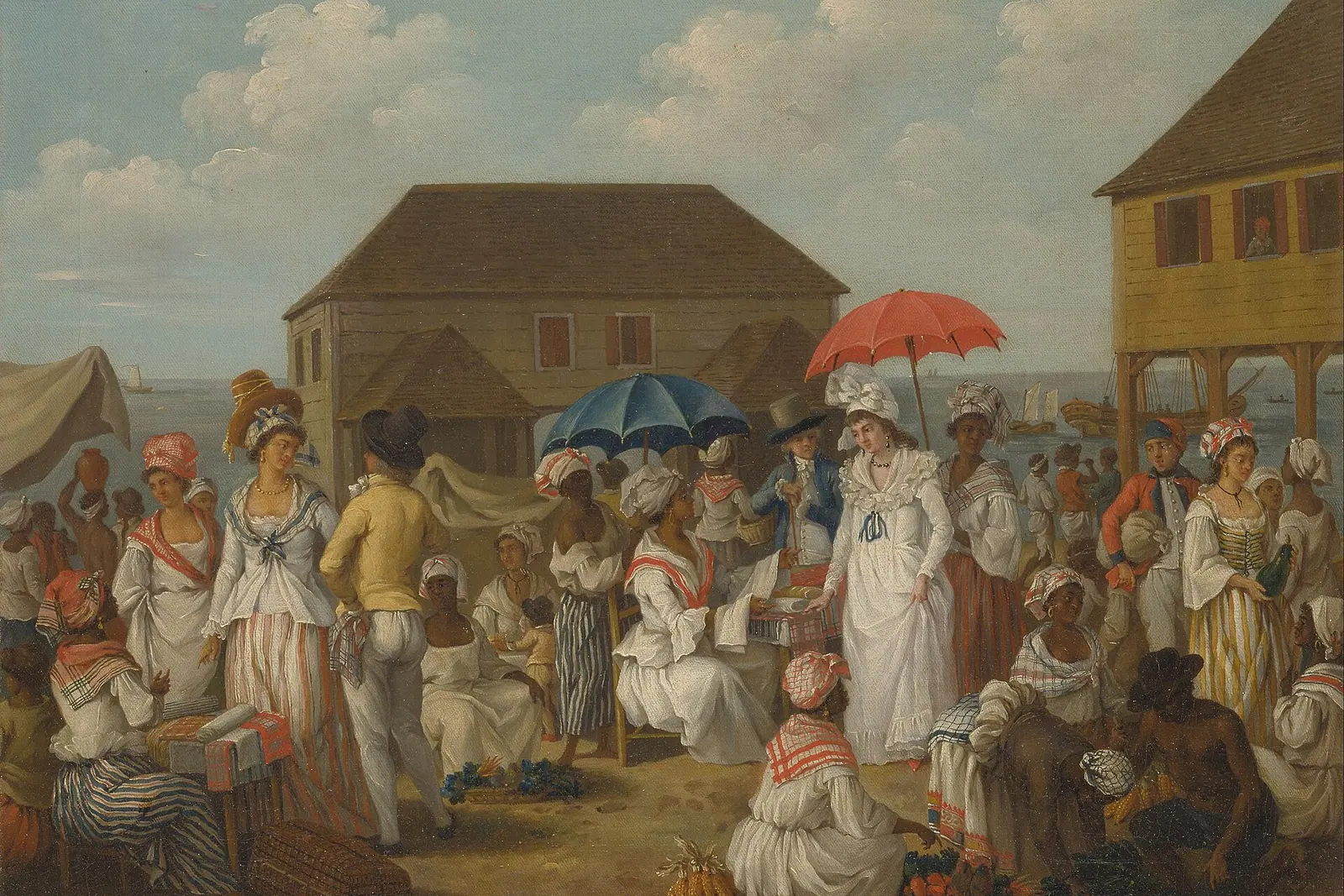
The capital, Roseau, is a compact, colourful city where Creole culture runs deep. Start at the Old Market Square, once a slave market and now a lively craft and produce market. The Dominica Museum, housed in a former post office, tells the island's story from indigenous Kalinago roots to colonial struggles. Above the city, the Botanical Gardens offer shade and a chance to see parrots, while Morne Bruce gives a sweeping view over Roseau and the sea.
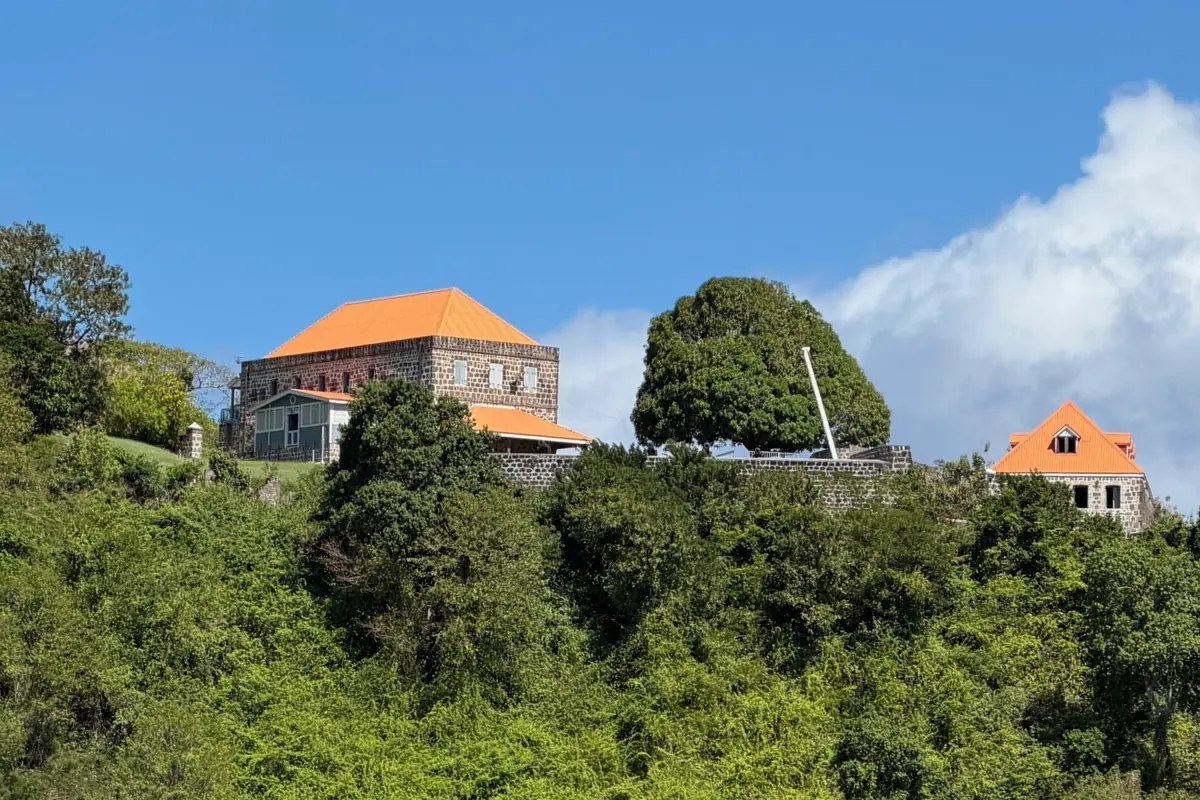
On the northwest coast, Cabrits National Park is home to Fort Shirley, an 18th-century British garrison whose stone walls and cannons still stand guard over Prince Rupert's Bay. The views from the ramparts are superb, and the surrounding dry forest is great for birdwatching. Further north, the Kalinago Territory is a living cultural landscape. At Kalinago Barana Auté, a recreated village on the cliffs, you can watch basket weaving, cassava preparation, and traditional dances, and learn how the island's first people still thrive.
For a taste of river life, take a boat up the Indian River near Portsmouth. Electric boats glide through mangroves where birds and iguanas rustle in the branches, ending at a rustic bush bar. It's a gentle counterpoint to the island's more strenuous adventures.
Hiking Adventures: Waitukubuli National Trail and Morne Diablotins
If you want to walk across an entire island, the Waitukubuli National Trail is your path. Stretching 115 miles from Scotts Head in the south to Cabrits in the north, it's divided into 14 segments that range from easy coastal strolls to thigh-burning mountain ascents. You can tackle a single day hike or, for the very fit, arrange a multi-day trek with local guides and guesthouse stays. Highlights include Segment 1 along the rocky southern coast, Segment 4 through the Emerald Pool and Middleham Falls area, and Segment 12 over the Northern Range.
For a peak-bagging challenge, Morne Diablotins is the island's highest mountain at 4,747 feet. The trail winds through elfin cloud forest, tangled roots, and mossy branches, often wrapped in mist. On clear days, the summit reveals views across to Guadeloupe and Marie-Galant. Allow four to six hours for the round trip, and go with a guide—the trail is easy to lose in the fog. Easier alternatives include the loop around Boeri Lake, a crater lake high in the mountains, and the Freshwater Lake trail, both accessible from Laudat.
Hot Springs and River Relaxation: Wotten Waven, Indian River, and Beyond
After all that hiking, Dominica's natural hot springs are a gift. Wotten Waven, a small village in the Roseau Valley, is dotted with family-run sulphur spas where you can soak in stone pools under the stars. Ti Kwen Glo Cho offers a series of warm baths beside a cool river, while Screw's Sulfur Spa is known for its mud baths and mineral-rich waters. The smell of sulphur takes some getting used to, but the ache-melting benefits are real.
For a different kind of relaxation, head to the Layou River, where you can tube down gentle rapids or simply float in the warm shallows. On the east coast, the Castle Bruce area has quiet black-sand beaches and river mouths perfect for a picnic. And if you're near Portsmouth, the Indian River boat tour at dusk is magical—tree frogs call, bats flit overhead, and the water reflects the last light.
The best time to visit Dominica is during the dry season, from December to April, when trails are less muddy and roads are reliable. Hurricane season runs from June to November, bringing heavy rain and occasional storms. Whatever the month, pack quick-dry clothing, reef-safe sunscreen, and insect repellent—the Nature Island rewards those who come prepared.
Frequently asked questions
What is the best time of year to visit Dominica?
The dry season, from December to April, offers the most reliable weather for hiking and diving. Hurricane season runs from June to November, bringing heavier rain and occasional storms, though prices are lower and the island is quieter.
Do I need a guide to hike the Boiling Lake?
Yes, it's strongly recommended. The trail is strenuous, often muddy, and can be dangerous in bad weather. Local guides know the route, monitor conditions, and can turn back if necessary. Going without one is not advisable.
What are the must-see attractions in Dominica?
Don't miss the Boiling Lake, Trafalgar Falls, Titou Gorge, Emerald Pool, Champagne Reef, Fort Shirley at Cabrits National Park, the Kalinago Territory, and the Waitukubuli National Trail. These cover the island's volcanic, marine, and cultural highlights.
Is Dominica good for diving and snorkeling?
Absolutely. Champagne Reef is famous for its underwater bubbles, while Scotts Head and Soufrière Bay offer coral gardens and marine life. The island's deep waters are also prime for spotting sperm whales, especially between November and March.
How do I get around Dominica?
Renting a car gives you the most flexibility, though roads are winding and you drive on the left. Local buses and taxis connect main towns, but for remote trailheads and waterfalls, a guided tour or hired driver is easiest.
Plan it — experiences in Dominica
Live search, booked directly with trusted providers.
Sort the rest of your trip
Everything for Dominica, in one place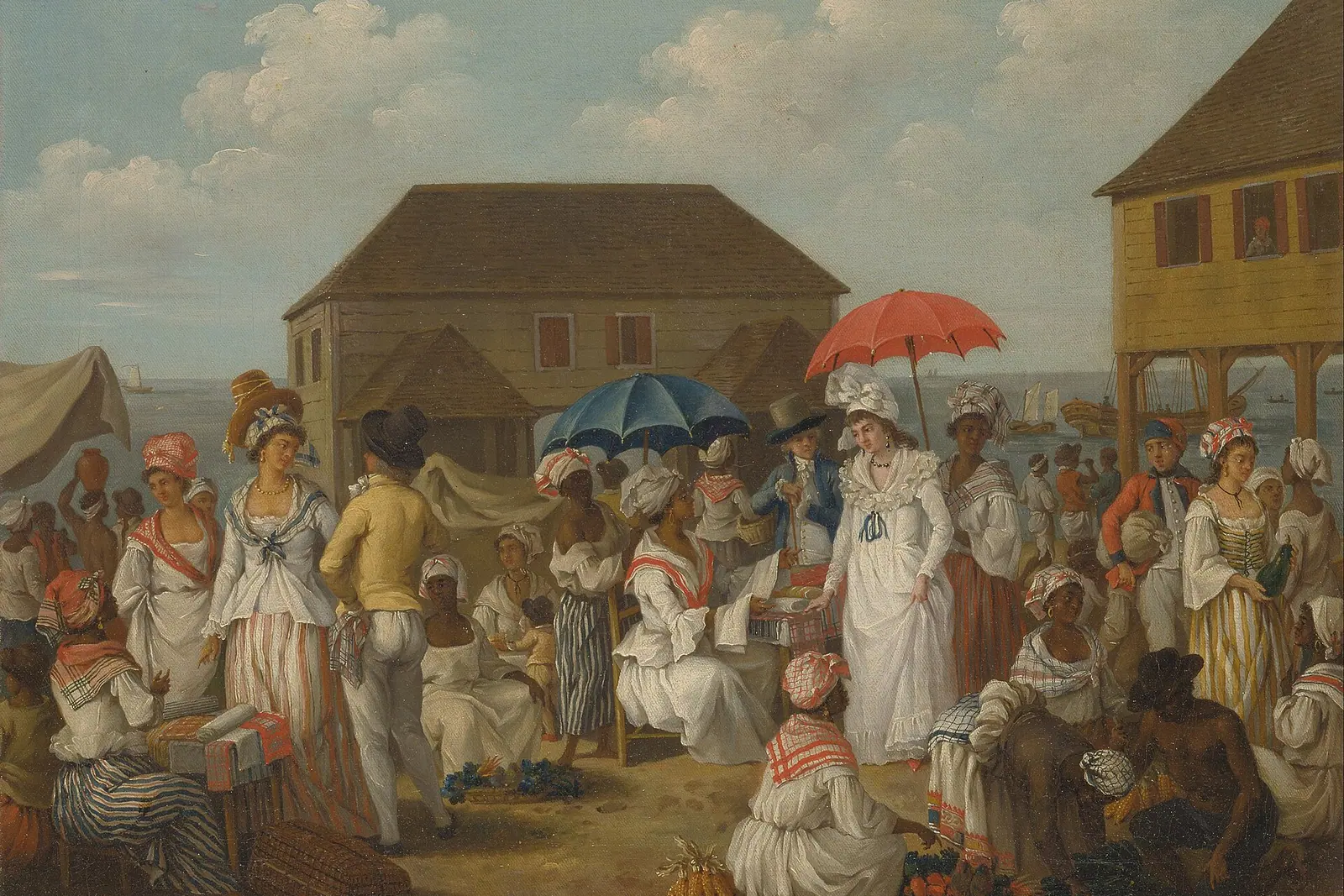
Stay in Dominica
Hotels, guesthouses and apartments — compared in one search.
Search hotels
Transfer in Dominica
Private driver waiting on arrival — no queues, no surprises.
Book a transfer
Stay online in Dominica
Travel eSIM — data the moment you land, no roaming bills.
Get an eSIM