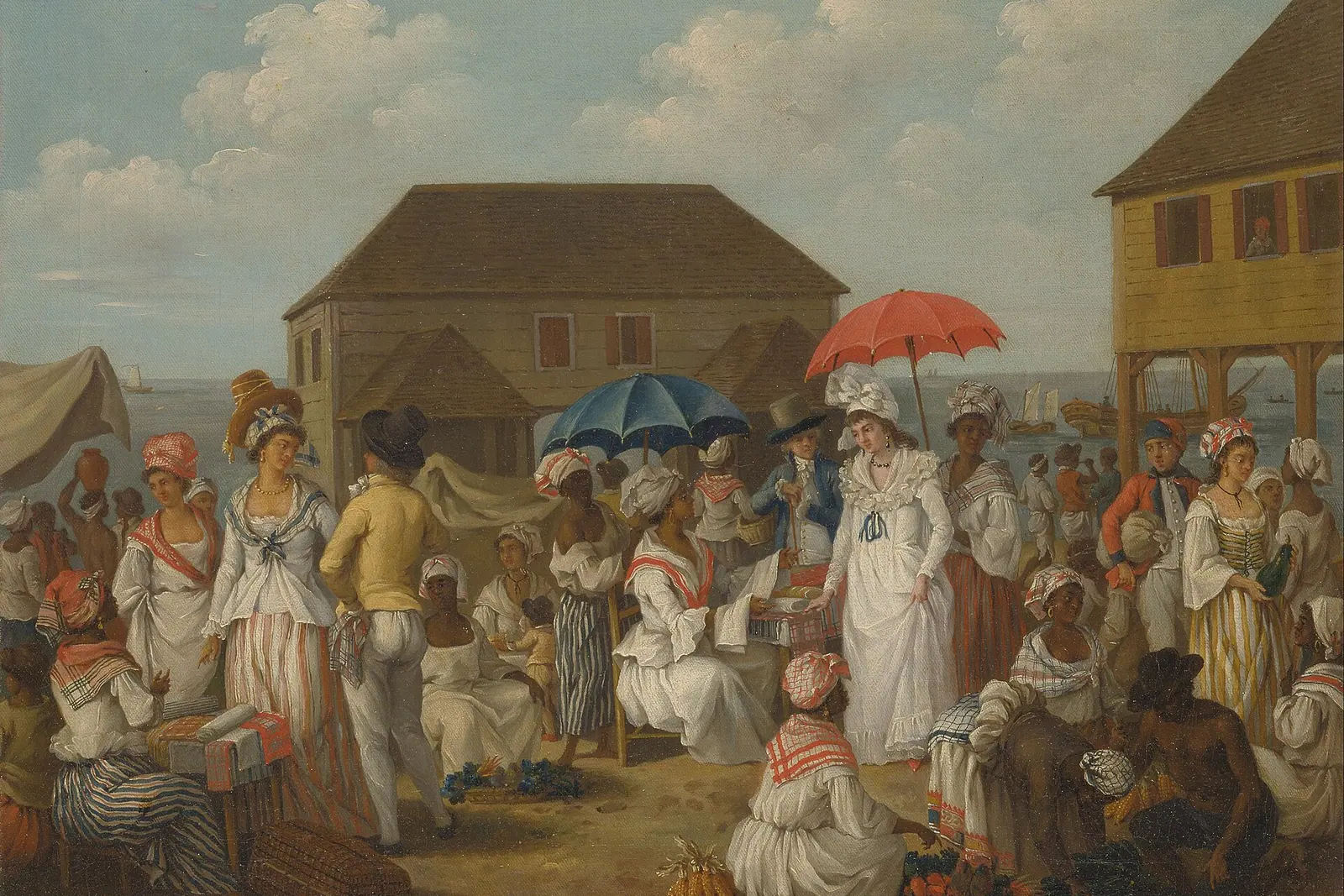
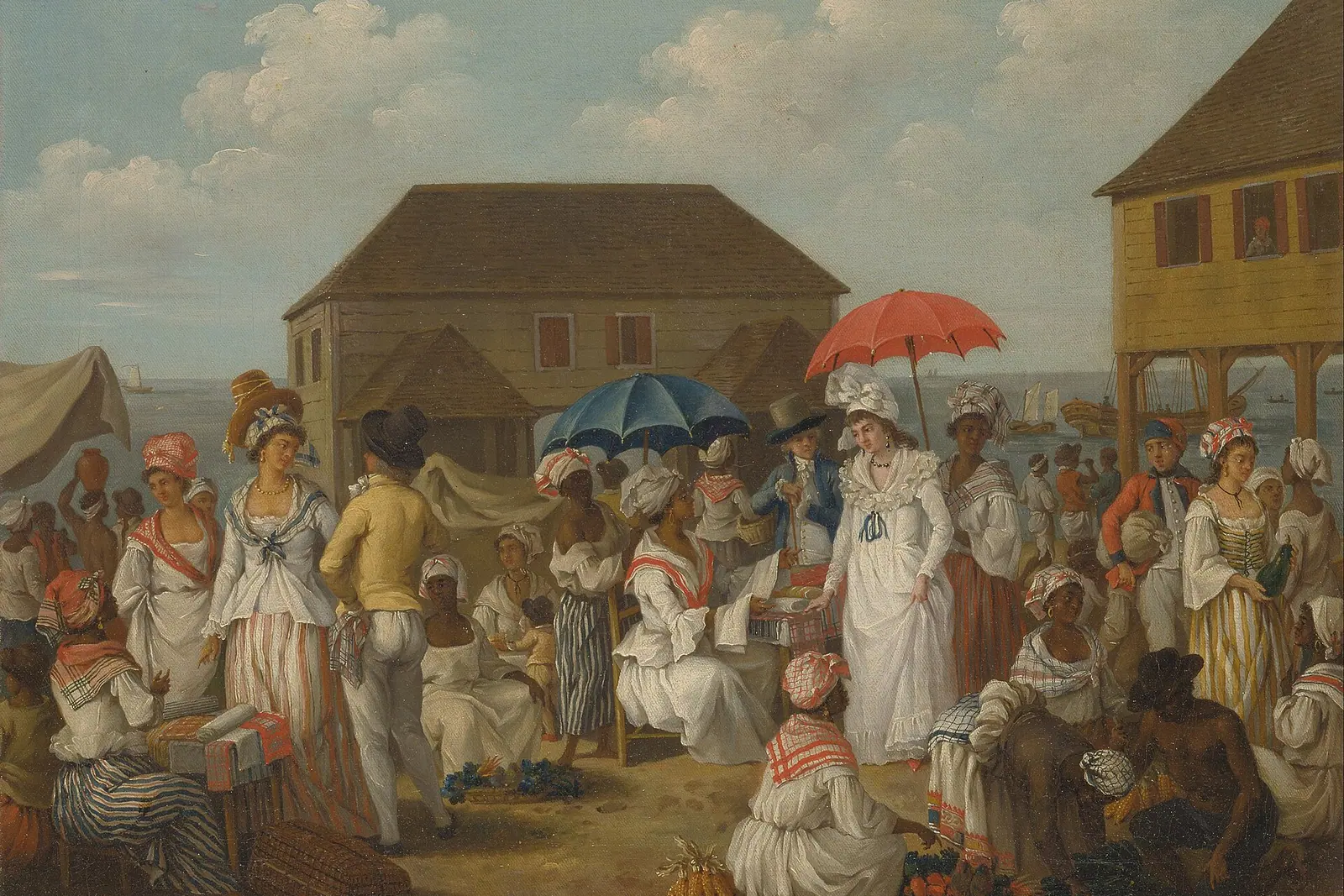
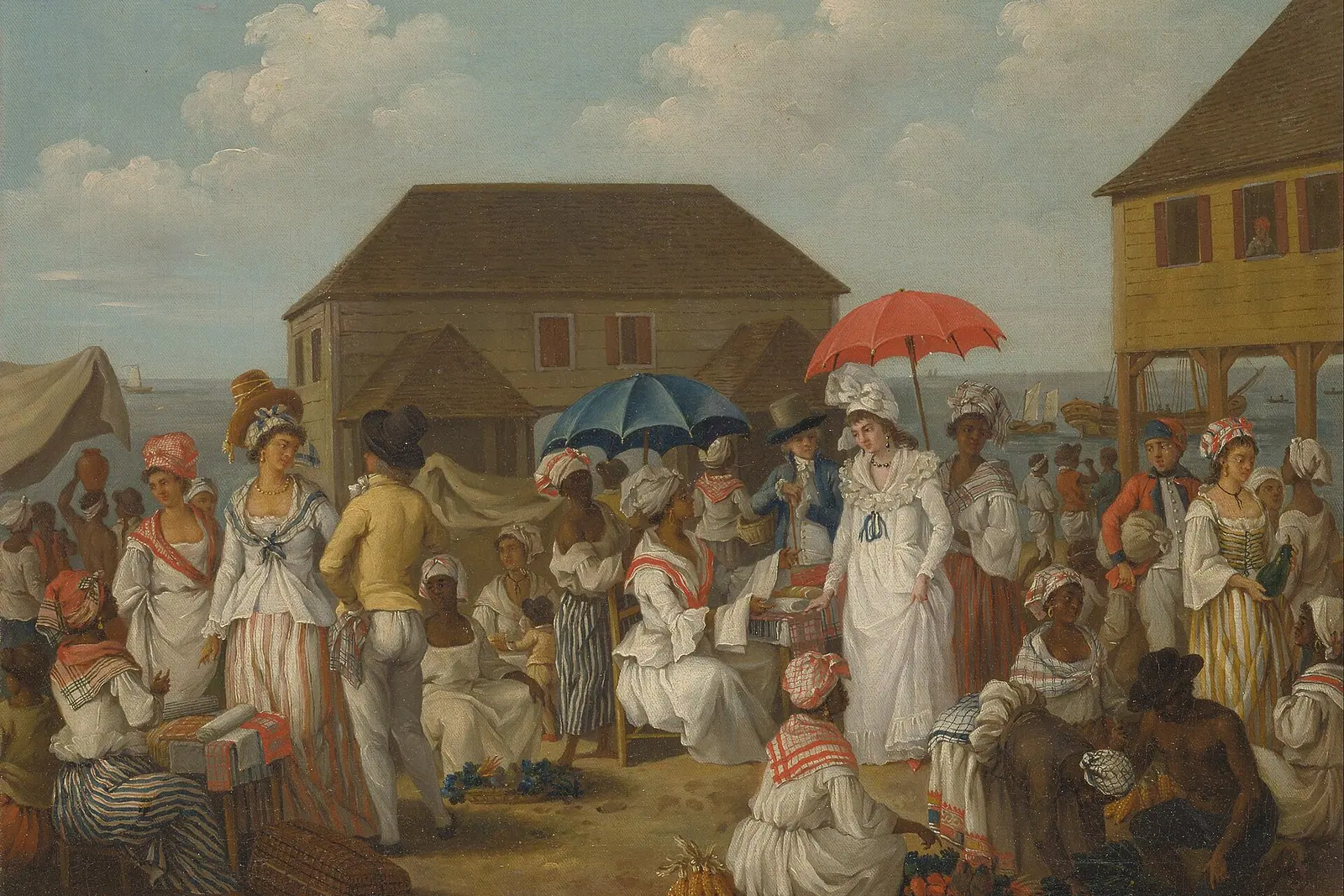
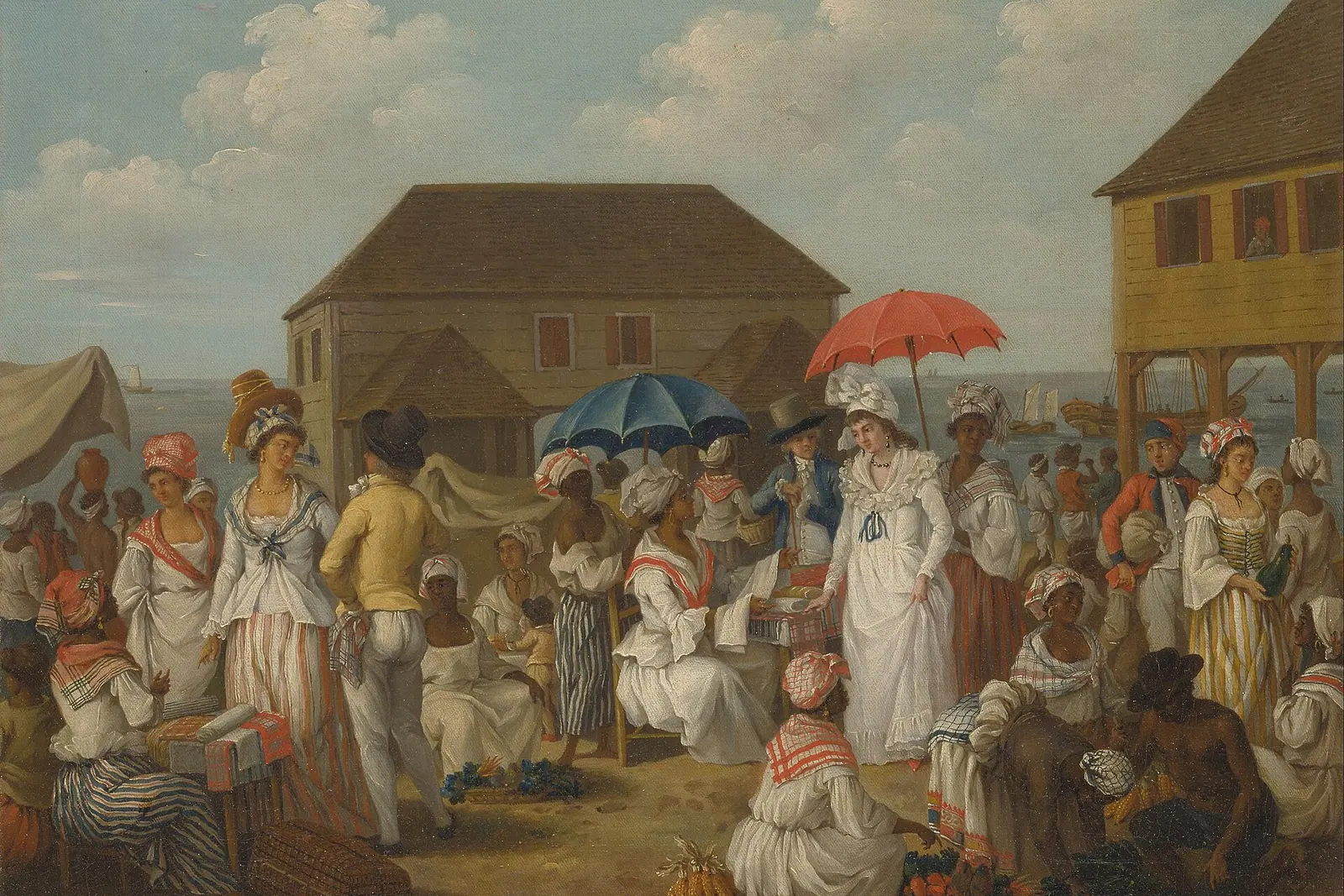
Dominica does not do beaches-and-buffet Caribbean. It rises out of the sea in a knot of rainforest, steam and rivers, where the roads switchback over ridges and the smell of wet fern follows you everywhere. This is an island you tour with your stomach, your hiking boots and a willingness to sit down and talk to whoever is cooking.
The Island That Kept Its Wild Heart
Squeezed between Guadeloupe and Martinique in the eastern Caribbean, Dominica is volcanic, mountainous and almost entirely unbothered by mass tourism. There are no sprawling resort strips; instead you find fishing villages, roadside fruit stalls and a network of trails threading through Morne Trois Pitons National Park, a UNESCO World Heritage landscape of fumaroles, hot springs and cloud forest. Locals like to say the island has 365 rivers — one for every day — and after a week of crossing them on foot, you will believe it.
English is the official language, but you will hear Dominican Creole (Kweyol) constantly: in market banter, on the radio, in the names of dishes and villages. The result is a place where culture is not staged for visitors but simply continues — cooking, fishing, weaving, storytelling, church on Sunday, dominoes on the seawall.
Timing matters. The dry season from December to April brings the most reliable walking weather and calmer seas, while the wetter months from June to November are greener, quieter and cheaper but can wash out a hiking day at short notice. Aim for five to seven days if you want food, culture and serious trails in one trip.
Creole Breakfasts, Market Mornings and the Taste of Roseau
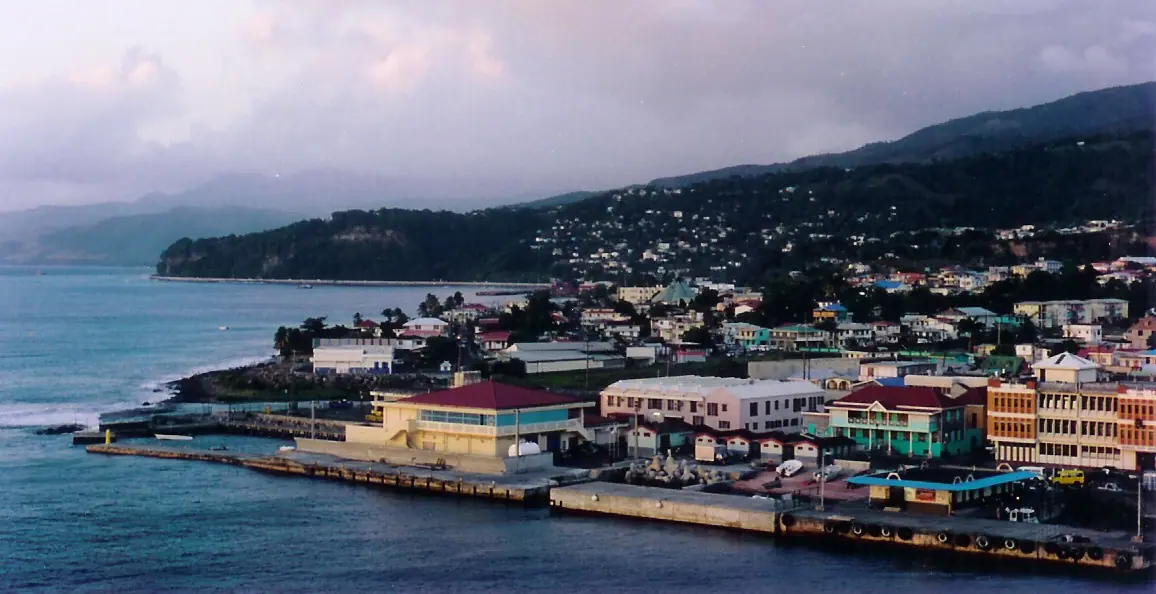
Start in the capital, Roseau, on a Saturday morning, when the public market near the Old Market Plaza fills with farmers from the interior. Mountains of provision — dasheen, yam, tannia, green plantain, breadfruit — sit beside bundles of callaloo leaves, bright passionfruit, guava, cinnamon bark and nutmeg. Vendors will happily explain what to do with a root you have never seen before, and someone is always selling coconut water straight from the shell.
Breakfast is the meal to chase. Look for small cookshops serving bakes (fried dough) with saltfish, fried plantain and a mug of cocoa tea thickened with local cocoa, cinnamon and nutmeg. Later in the day, order callaloo soup, a velvety coconut-and-leaf broth, or sancoche, a heavy one-pot soup built on salted meat, dumplings and root vegetables. The island's famous mountain chicken — actually a large frog, once a national dish — is protected and no longer hunted, so what you'll eat instead is fresh tuna, snapper or dolphinfish, often grilled and served with rice and peas.
Wander beyond the market to the Dominica Museum for a potted history of the island, the cobbled square of the Old Market itself, and the Botanical Gardens, where a bus crushed by a falling tree decades ago still sits as a strange, beloved landmark. Round off the afternoon with a cold local lager or a glass of mauby, the bittersweet bark infusion that Dominicans drink the way other islands drink soda.
Chasing Steam: Boiling Lake, Trafalgar Falls and the Valley of Desolation
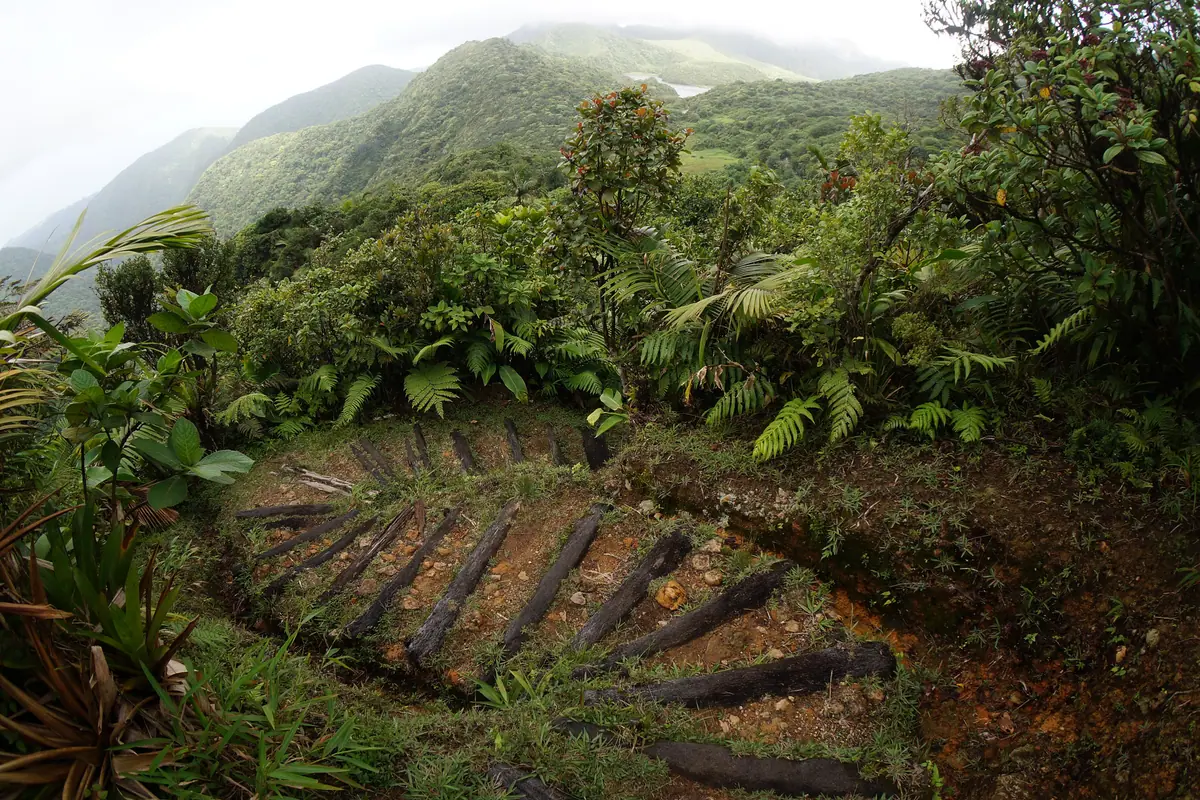
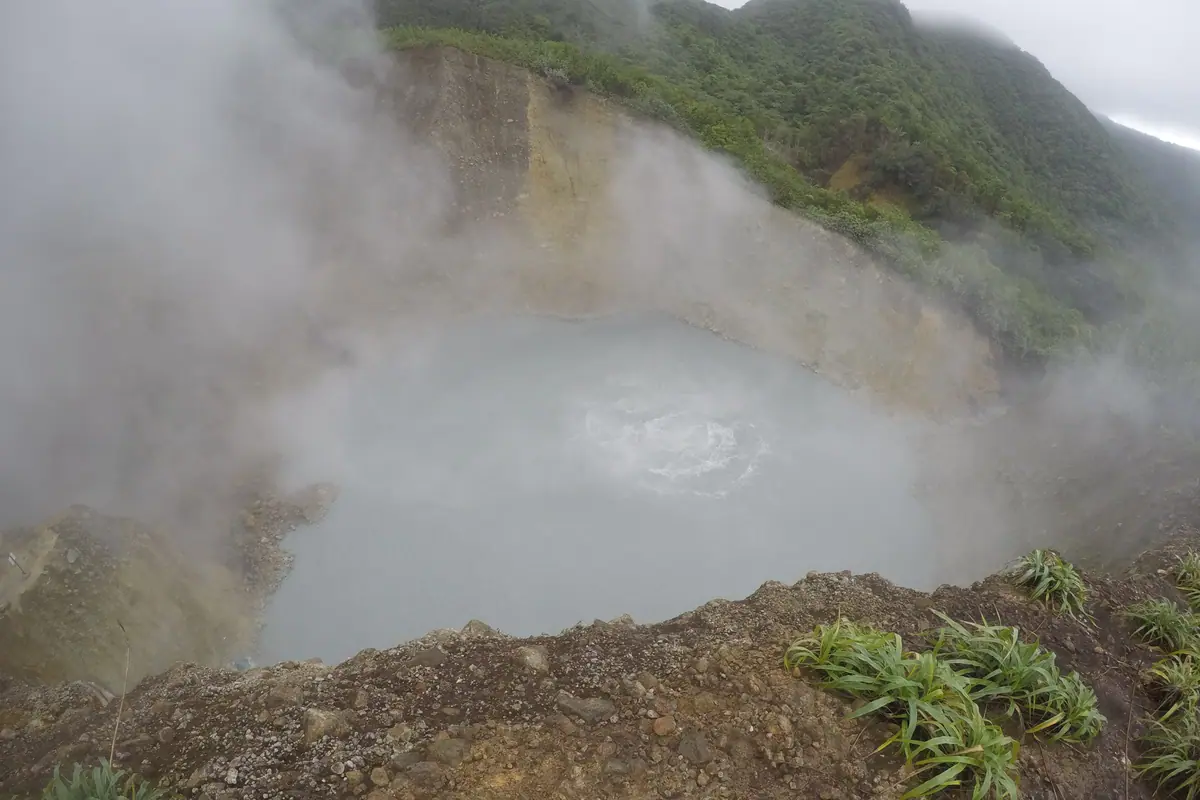
The headline hike is the Boiling Lake, a vast flooded fumarole in the heart of Morne Trois Pitons National Park and one of the largest of its kind anywhere. Most walkers start from the village of Laudat, pass through Titou Gorge, then climb into the Valley of Desolation, a grey-and-yellow scar of sulphur vents and trickling hot streams, before the final descent to the lake itself. Budget six to eight hours round trip, start early, and go with a certified local guide — the route is genuinely remote, the weather turns fast, and trail conditions change after heavy rain.
If that sounds like too much, Dominica offers gentler classics. Trafalgar Falls, a pair of cascades nicknamed the mother and father, is a ten-minute walk from the road through gardens and boulders, with warm mineral water pooling nearby at Wotten Waven. Emerald Pool is an easy short trail to a green plunge basin under a waterfall, while Middleham Falls takes roughly an hour each way through dripping rainforest. Higher up, Freshwater Lake and Boeri Lake sit in cool, misty highland scenery that feels more Scottish than Caribbean.
Practicalities: wear shoes with real grip, carry more water than you think you need, and pack a dry bag for electronics. Guides can be arranged in Roseau, Laudat and Portsmouth; the same people often cook a post-hike lunch of stewed chicken, rice and provision, which may end up being the best meal of your trip.
Kalinago Country: The Living Culture of Barana Aute
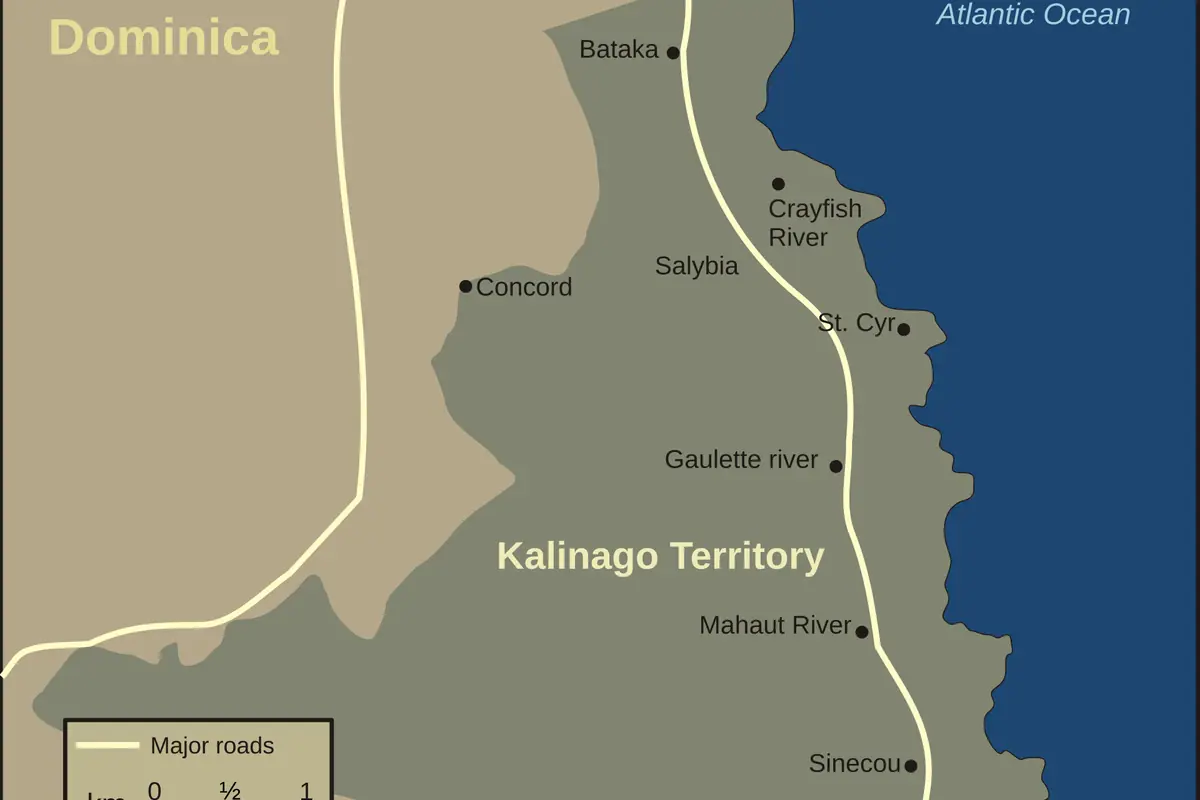
On the wild northeast coast, around the villages of Salybia and Crayfish River, lies the Kalinago Territory — the ancestral home of the island's Indigenous people and one of the most important cultural stops in the Caribbean. At Kalinago Barana Aute, a recreated traditional village perched above the Atlantic, you can walk through a karbet, the large thatched meeting house, watch larouma reed being split and woven into baskets, and see cassava grated, squeezed and baked into flatbread over a fire.
This is not a museum piece. The territory is a functioning community with its own council, its own crafts economy and its own calendar, including Kalinago Week each September with dance, food and canoe racing. Guides here are typically Kalinago themselves, and the stories they tell about plants, fishing and survival are the real substance of the visit — ask questions rather than just taking photographs.
Buying directly from weavers, carvers and cassava bakers keeps money in the community and gets you something far better than an airport souvenir. Combine a visit with the nearby coast road, where the Atlantic crashes against black rocks and the light in the late afternoon is extraordinary.
Champagne Bubbles, Black Sand and the Whale Coast
Dominica's volcanic geology follows you into the sea. At Champagne Reef, just south of Roseau, warm gas bubbles stream up through the Coral like champagne in a glass, and you can snorkel straight from the shore over sponges, sea fans and shoals of reef fish. Further south, the Soufriere-Scotts Head Marine Reserve protects steep coral walls and pinnacles that make the island one of the region's most respected dive destinations, with a dedicated dive festival each July.
The west coast is also whale country. Sperm whales live here year-round, and sightings peak between November and March, when calves are born; several boat operators run responsible trips from Roseau and Anse de Mai. North of Roseau, the Indian River at Portsmouth is a slow, shadowy boat ride through mangroves, best in the early morning when birds and crabs are active, and the nearby Cabrits National Park protects the restored ramparts of Fort Shirley with sweeping views over Prince Rupert Bay.
Beaches here are dark and dramatic rather than powder-white. Mero Beach draws families on Sundays for grilled fish; Batibou Beach, reached through private land on the north coast, is regularly called the island's most beautiful; and the Red Rocks at Calibishie offer wind-carved clay cliffs and Atlantic blowholes. Carry small change for access fees and beach vendors.
Festival Calendar: When to Go and What You'll Hear
Dominican music is a genealogy of its own: the call-and-response of bele drumming, the accordion-and-bamboo sound of jing ping, the French-Antillean lilt of cadence-lypso and the fast, frantic bounce of bouyon, which was born here. You will hear all of it at the World Creole Music Festival in Roseau in late October, three nights of Creole-language acts from across the Caribbean and beyond, timed to close out the island's Independence season.
Carnival — Mas Dominik — lands in February or March and is a genuinely local affair: calypso tents, jouvert before dawn, sensay costumes with fringed raffia tails, and streets so packed that walking is the only transport. Jounen Kweyol, held on the last Friday of October, is the food-lover's event, when villages set up stalls of Creole cooking and the whole island speaks Kweyol for the day. Independence Day itself falls on 3 November.
A few habits make everything easier: drive on the left, hire a car only if you are comfortable with steep, narrow, unlit roads, and otherwise use local minibuses and registered guides. Bring reef-safe sunscreen, a rain shell, insect repellent and cash — many small kitchens and craft stalls do not take cards. And leave room in your itinerary for the unplanned: a roadside stall selling hot cassava bread, a river you decide to swim in, a conversation that runs long.
Frequently asked questions
How many days do you need in Dominica?
Five to seven days is a comfortable minimum. That allows a full day for the Boiling Lake hike, a day around Roseau's market and museums, a Kalinago Territory visit in the northeast, and time on the water at Champagne Reef or on a whale-watching trip. Ten days lets you add the north coast beaches and the Indian River without rushing.
When is the best time to visit Dominica?
December to April is the driest and most comfortable window for hiking, with the clearest seas. November to March is peak season for sperm whale sightings. If you want festivals, aim for late October (Creole Day and the World Creole Music Festival) or February to March for Carnival. June to November is hurricane season, so travel insurance and flexible plans are wise.
Do you need a guide to hike the Boiling Lake?
Yes — it is standard practice and effectively required on this route to go with a certified local guide. The round trip takes six to eight hours, crosses the Valley of Desolation, and involves steep, slippery and sometimes faintly marked terrain. Guides know the weather patterns, carry safety equipment and set a sensible pace for mixed-ability groups.
What local dishes should I try in Dominica?
Start with bakes and saltfish for breakfast, ideally with cocoa tea. Then work through callaloo soup, sancoche, stewed or grilled fresh fish with rice and peas, provision (dasheen, yam, breadfruit and plantain), and bouyon, a hearty one-pot stew. For sweets, look for coconut drops, tamarind balls and guava cheese, washed down with mauby, sea moss or fresh passionfruit juice.
Is Dominica good for snorkelling and diving?
Very. Champagne Reef is the signature shore snorkel, with volcanic gas bubbling up through coral in shallow water. The Soufriere-Scotts Head Marine Reserve offers wall dives, pinnacles and healthy coral for certified divers, and there are dive operators based around Roseau and the southwest coast. Visibility is generally best in the drier months from December to April.
What should I pack and know before I go?
Bring sturdy trail shoes, a light rain jacket, quick-dry clothing, reef-safe sunscreen, insect repellent and cash in small notes for markets, cookshops and beach access. English is official but Creole is widely spoken. Vehicles drive on the left, roads are steep and winding, and a great deal of the island's best food and culture happens outdoors, early in the morning or late in the afternoon.
Sort the rest of your trip
Everything for Dominica, in one place
Stay in Dominica
Hotels, guesthouses and apartments — compared in one search.
Search hotels
Transfer in Dominica
Private driver waiting on arrival — no queues, no surprises.
Book a transfer
Stay online in Dominica
Travel eSIM — data the moment you land, no roaming bills.
Get an eSIM