Dominica is not a fly-and-flop island — it is a volcanic, rain-soaked wilderness of 365 rivers, boiling lakes and parrot-filled cloud forest, and the weather decides what you can actually do. Choose your months carefully and you get dry trails up to Boiling Lake, calm seas over Champagne Reef and a hotel that still has a room. Choose badly and you get brilliant green scenery, cheaper rates and an afternoon downpour every single day.
The Short Answer: Aim for the Dry Season, December to April
For most travellers, the sweet spot falls between December and April, with February to April edging ahead of the rest. The northeast trade winds keep daytime temperatures comfortable, nights cooler in the hills, and rainfall noticeably lower along the sheltered west coast — the corridor that runs through Roseau, Soufrière and up to Portsmouth. This is the window when the Waitukubuli National Trail is at its firmest underfoot, when the eight-hour guided trek to the Boiling Lake in Morne Trois Pitons National Park is most likely to reward you with a clear view into the crater, and when the sea off the west coast is calm enough for snorkelling at Champagne Reef and for the sperm whales that cruise these waters year-round.
The trade-off is that this is also when everyone else wants to be here. Dominica's accommodation is deliberately small-scale: a handful of boutique eco-lodges, family-run guesthouses and hillside cottages rather than sprawling resorts, so a good property can sell out months ahead. If your trip hinges on a specific place — a rainforest lodge near Laudat, a dive-focused guesthouse at Scotts Head, a waterfront room in Roseau — book three to six months out for a dry-season stay, and earlier still if you are travelling over Christmas, New Year or in the run-up to Carnival.
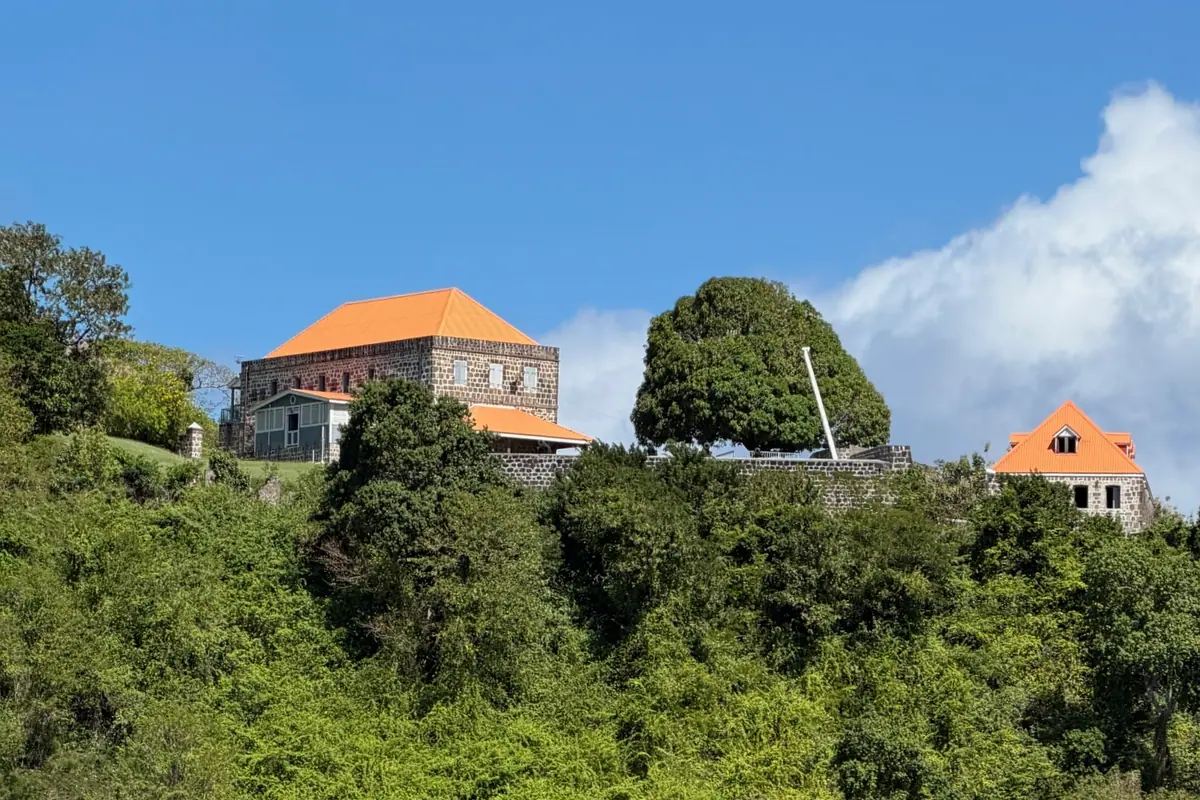
Late April and May make an excellent compromise: the trails are still in good shape, the waterfalls are beginning to swell, the crowds thin out and room rates soften before the wet season settles in. May also brings one of the island's most enjoyable music weekends, when Creole and jazz acts play against the backdrop of Fort Shirley in Cabrits National Park.
Month by Month: Heat, Rain and the Hurricane Window
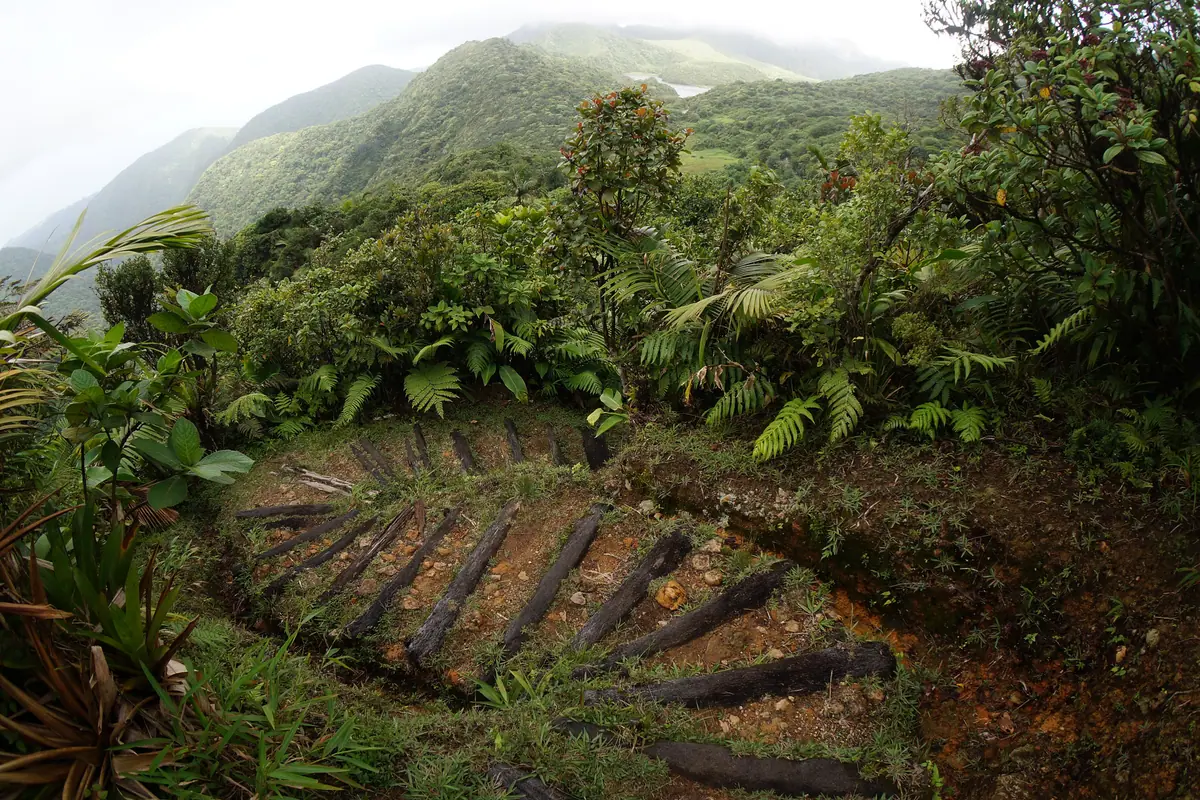
December to February is the coolest, breeziest stretch, with comfortable days and genuinely pleasant evenings in the interior highlands around Freshwater Lake and the Morne Diablotin forest. Expect passing showers rather than all-day rain, and pack a light shell for hikes — the rainforest does not stop dripping simply because it is the dry season. March and April are the classic postcard months: strong sunshine, the clearest underwater visibility of the year, and the best odds of a cloud-free morning at Trafalgar Falls or on the Syndicate Trail, where the endemic Sisserou and Jaco parrots are most active at first light.
From June the island shifts into its green season. Humidity climbs, rain arrives in heavier bursts, and by July and August the rivers are running hard — which is exactly when Emerald Pool, Titou Gorge and Middleham Falls look their most cinematic. Hurricane season officially runs from the beginning of June to the end of November, with the statistical peak from mid-August to mid-October. September and October are the wettest, quietest and cheapest months of the year, and they carry the highest risk of a storm disrupting flights, ferries and road access to the interior.
If you are set on travelling in the green season, keep plans flexible, favour the west coast over the exposed Atlantic side, and build your days around mornings. Rain in Dominica usually arrives in short, dramatic afternoon bursts, so an early start to the Boiling Lake trailhead or a morning boat trip up the Indian River in Portsmouth is rarely wasted. Sea temperatures stay warm enough for swimming almost year-round, though swells on the east coast beaches can be heavy outside the dry season.
Peak Versus Green Season: What It Means for Rooms and Rates
Because Dominica's room stock is small, the seasonal swing is about availability as much as price. Dry-season weeks — especially the Christmas and New Year holidays, February and March, and any week touched by a major festival — behave like high season anywhere else: minimum-night stays appear, rates rise, and the most atmospheric properties fill first. Green-season travel, by contrast, is where you find genuine value: lower nightly rates, more flexibility on check-in dates, and the occasional upgrade simply because there is space.
The trade-off is not just rain, it is access. Heavy downpours can turn interior roads slick, close sections of the Waitukubuli National Trail and make river crossings risky, and some remote lodges lose their views entirely to cloud for days at a time. Coastal bases on the Caribbean side tend to fare better in wet weather, sitting in the rain shadow that keeps Roseau and the west considerably drier than the windward coast around the Kalinago Territory.
Think about your priorities before you pick dates. If your trip is built around hiking the Boiling Lake, Middleham Falls and the Valley of Desolation, aim for February to April. If it is built around diving, snorkelling at Champagne Reef and whale watching off Soufrière, the calmer seas of December to March matter more than the calendar on the wall. And if you simply want lush jungle, full rivers and low rates, June to November will deliver — with an umbrella.

Festival Weeks That Fill Every Bed on the Island
Dominica's cultural calendar shapes hotel demand as much as the weather does. Carnival, known locally as Mas Domnik, lands in February or early March and builds to its climax on the Monday and Tuesday before Ash Wednesday, with Roseau's streets taken over by costumes, calypso and bouyon. Rooms in the capital and along the west coast disappear fast for that long weekend, and rates reflect it. Later in the year, the World Creole Music Festival at the end of October draws visitors from across the region and has a similar effect on Roseau accommodation.
In between comes the jazz and Creole weekend in May, often staged in the atmospheric grounds of Fort Shirley at Cabrits National Park near Portsmouth, plus Jounen Kwéyòl celebrations in late October that spotlight Creole food, language and craft in villages across the island, and Independence Day on 3 November. Each of these is a wonderful reason to visit and a poor time to leave your booking late.
The practical rule is simple: check the festival dates before you fix your travel window, then book accommodation as soon as your flights are confirmed. If you are determined to come for a festival but find the capital full, look at guesthouses in Portsmouth, Soufrière or the villages around Laudat — you will need a car or a driver, but you will often find better value and a quieter place to recover each morning.
Choosing a Base That Suits the Season You Chose
Where you sleep changes what your days look like. Roseau, the compact capital, puts you within reach of the Dominica Museum, the Botanical Gardens and the lively Old Market Square, and it is the natural base for wet-season travel because the west coast stays drier and the roads out of town are the best maintained on the island. Further north, Portsmouth is the launch point for boat trips up the Indian River and for exploring Cabrits National Park and Fort Shirley, with the pale sands of Batibou Beach and Hampstead within easy reach — a strong choice in the calmer months.
In the southwest, the villages around Soufrière and Scotts Head suit divers and snorkellers, with Champagne Reef and the Scott's Head marine reserve on the doorstep and some of the calmest dry-season water in the country. Inland, lodges around Laudat and Wotten Waven trade sea views for proximity to the big-ticket sights: Titou Gorge, Trafalgar Falls, the sulphur springs and the trailhead for the Boiling Lake. These interior stays are magical in the dry season and noticeably mistier, damper and more remote once the rains arrive.
Whatever base you choose, remember that Dominica is a driving island with winding, sometimes potholed mountain roads. Distances that look short on a map can take twice as long as you expect, so a base within twenty to thirty minutes of your priority sights will improve any trip far more than a marginally nicer room.
Must-See Sights to Build Your Dates Around
Dominica's headline attractions are almost all outdoors, which is precisely why timing matters. The Boiling Lake in Morne Trois Pitons National Park — a UNESCO-listed volcanic crater filled with churning grey water — is the island's signature hike, roughly six to eight hours return, and a local guide is strongly recommended. Trafalgar Falls, with its twin cascades, and the cool, swimmable Emerald Pool are easy half-day outings, while Titou Gorge offers a short, unforgettable swim through a slot canyon fed by volcanic hot springs.
Farther afield, Middleham Falls rewards a muddy forest walk with a plunging column of water, the Indian River's mangrove tunnel near Portsmouth is best explored by rowboat in the morning light, and the Syndicate Trail in Morne Diablotin National Park is the place to look for the island's endemic parrots. On the east coast, the Kalinago Territory around Barana Aute offers cultural tours and craft, while the Waitukubuli National Trail — about 185 kilometres split into 14 segments — lets you walk the island in stages, with the driest, most manageable sections falling in the December-to-April window.
For water days, Champagne Reef's volcanic bubbles make for one of the Caribbean's oddest snorkel experiences, and the calm west-coast seas between December and March are ideal for both that and whale-watching trips. Whichever months you settle on, plan one flexible day at the end of the trip: weather in the mountains is unpredictable, and the best-laid itinerary should always leave room for a sudden clear morning.
Frequently asked questions
What is the best month to visit Dominica?
February to April offers the most reliable combination of dry trails, sunny days and calm seas, which makes it ideal for hiking to the Boiling Lake, snorkelling at Champagne Reef and whale watching off the west coast. December and January are also excellent, just busier and slightly cooler in the highlands.
When is hurricane season in Dominica?
The official season runs from the start of June to the end of November, with the greatest risk from mid-August through mid-October. September and October are typically the wettest and quietest months, with the lowest rates but the highest chance of disrupted travel plans.
Do I need to book Dominica hotels far in advance?
Because the island has relatively few rooms and most properties are small, three to six months ahead is sensible for dry-season travel. Book earlier for Christmas, New Year, Carnival in February or early March, and the World Creole Music Festival in late October, when minimum stays and higher rates often apply.
Is it worth visiting Dominica in the rainy season?
Yes, if you accept the trade-offs. Rates drop, crowds vanish, and waterfalls and rivers are at their most dramatic. Plan hikes and boat trips for the morning, favour the drier west coast around Roseau, and keep a flexible day in reserve in case heavy rain closes trails.
What should I pack for a Dominica hotel stay?
Bring a light rain shell, quick-drying clothing, sturdy grippy hiking shoes and reef-safe sunscreen, plus insect repellent for the rainforest. A small dry bag is useful for river swims at Titou Gorge or Emerald Pool, and cash is handy for village guesthouses and roadside stalls that may not take cards.
Sort the rest of your trip
Everything for Dominica, in one place
Transfer in Dominica
Private driver waiting on arrival — no queues, no surprises.
Book a transfer
Things to do in Dominica
Skip-the-line tickets, guided tours and standout experiences.
See experiences
Stay online in Dominica
Travel eSIM — data the moment you land, no roaming bills.
Get an eSIM