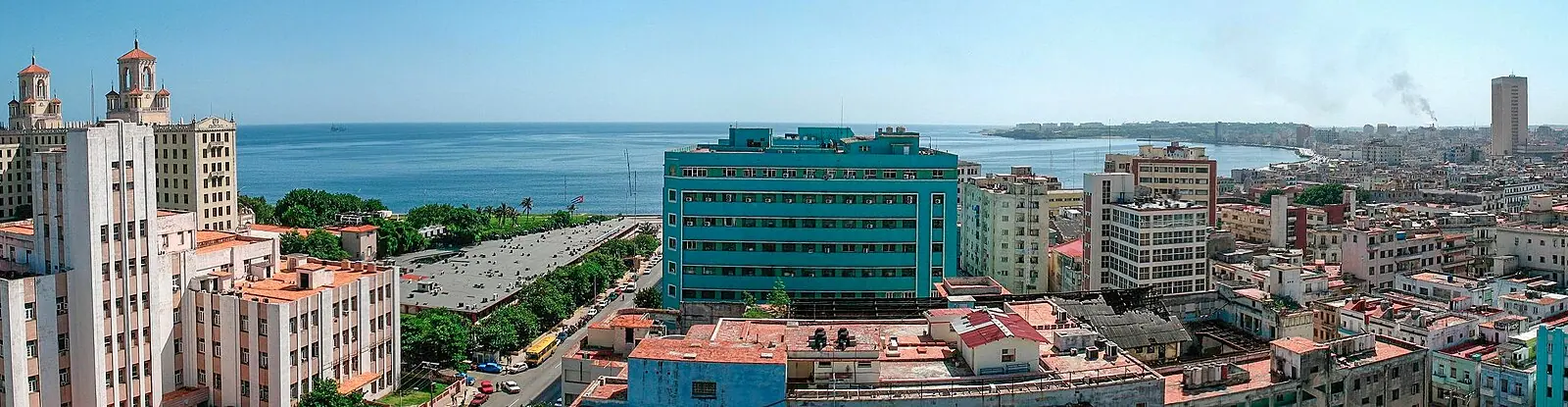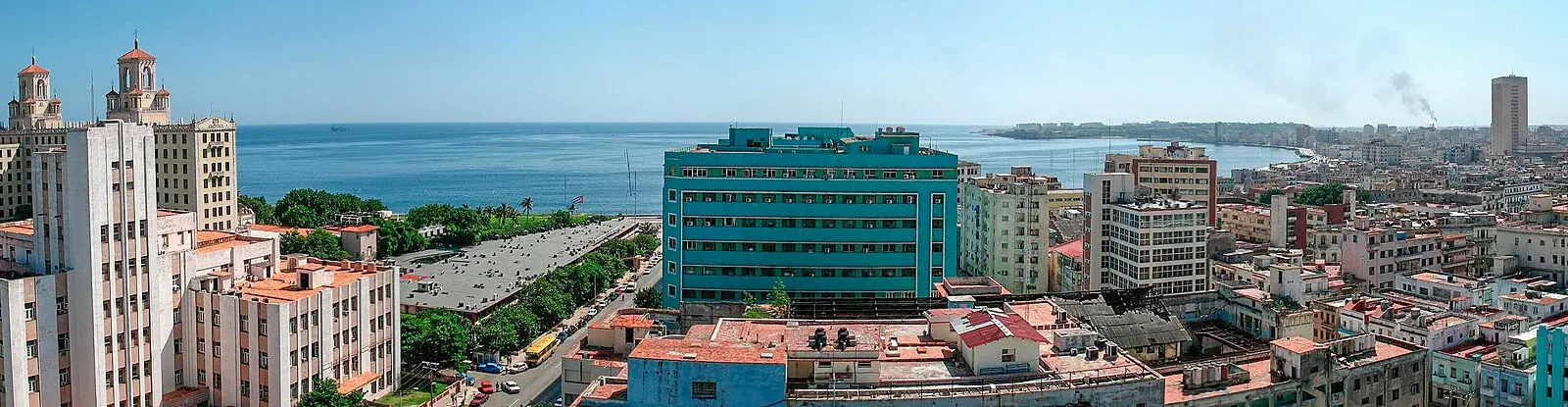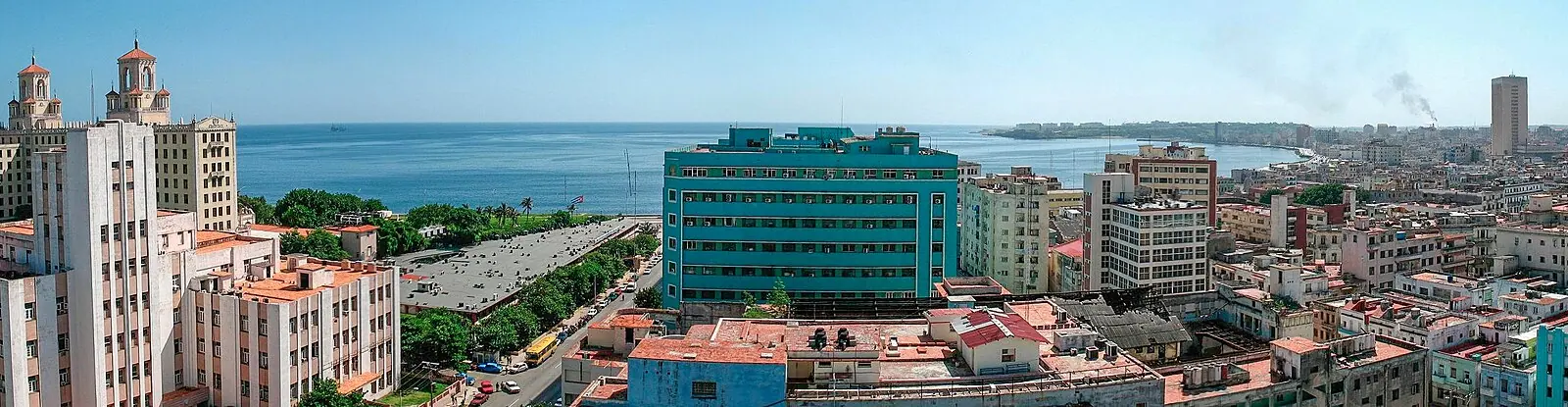
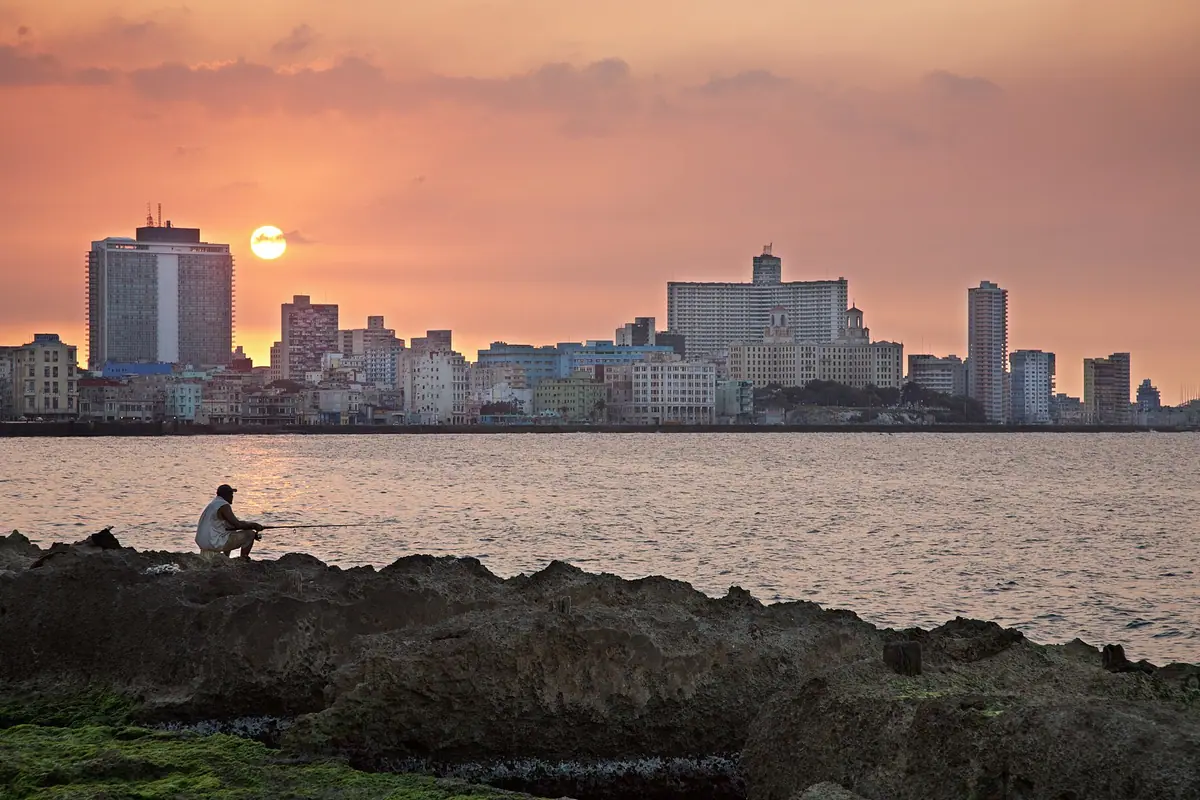
Cuba arrives in layers: the salt-bitten curve of the Malecón at dusk, the smell of tobacco curing in a wooden barn, a 1950s Chevrolet rattling past a baroque cathedral. It is an island where UNESCO-listed towns, mountain rainforests and coral reefs sit within a few hours of one another. This guide maps the experiences and landmarks a first-time visitor should not miss.
Old Havana: Colonial Squares, Fortresses and the Malecón
Start in Habana Vieja, the walled colonial core and Cuba's most concentrated collection of landmarks. The axis runs from Plaza de la Catedral, with its asymmetrical baroque facade and coral-stone streets, through Plaza de Armas and Plaza Vieja, each ringed by restored townhouses and open-air cafés. A short walk inland brings you to El Capitolio, the domed 1929 parliament building that anchors the city's skyline, and the Gran Teatro de La Habana Alicia Alonso beside Parque Central. Set aside a full day for this quarter alone, and return in the late afternoon when the tour groups thin and the light turns gold.
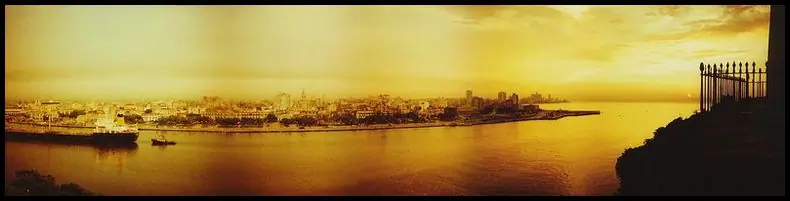
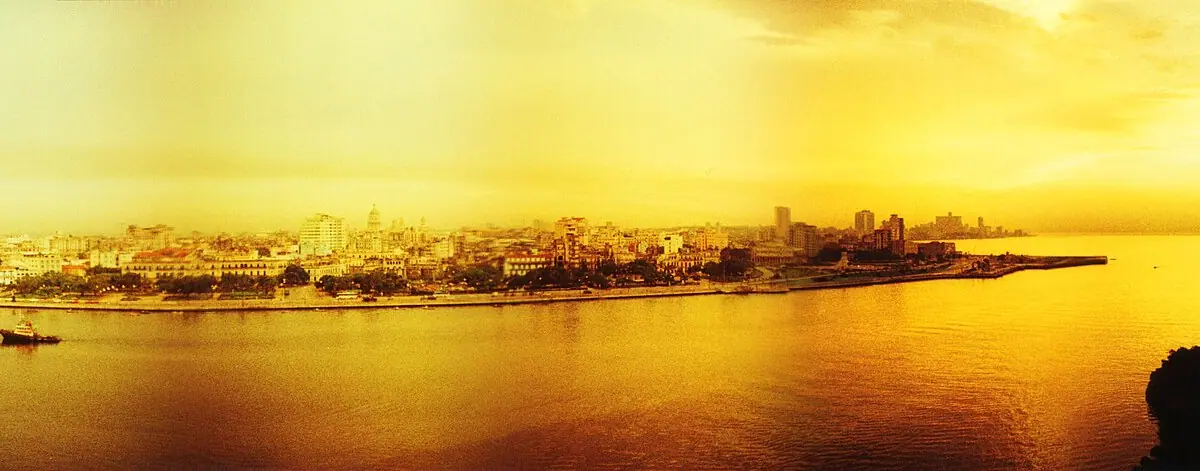
The city's maritime defences are attractions in their own right. Across the harbour mouth, the Castillo de los Tres Reyes del Morro and the vast Fortaleza de San Carlos de la Cabaña form one of the largest military complexes Spain ever built in the Americas; the evening cannon ceremony there is a long-standing ritual. Further along the coast, the Malecón seawall stretches roughly eight kilometres and functions as Havana's open-air living room — fishermen at dawn, couples at sunset, drummers after dark.
For a different register, spend an hour in the Museo de la Revolución, housed in the former presidential palace, then wander south to the Callejón de Hamel, a painted alley in Centro Habana where rumba sessions spill into the street on weekend afternoons. Evenings are best spent in the old town's music venues or over a daiquiri at one of the historic corner bars near the cathedral. Allow three nights minimum; Havana rewards slow repeat visits rather than a checklist sprint.
Viñales Valley: Limestone Peaks and Tobacco Country
Three hours west of Havana, the Valle de Viñales is a UNESCO-listed cultural landscape of sheer limestone mogotes rising out of flat farmland. This is Cuba's tobacco heartland, where fields are still ploughed by oxen and drying barns stand beside red-earth tracks. The classic viewpoint is the Mirador Los Jazmines, which frames the valley's most photographed profile; go early, before the haze burns off, when mist clings to the rock faces.
Activities here are outdoor and unhurried. Horseback rides and guided walks lead to working tobacco farms, where farmers demonstrate rolling a cigar by hand. The Mural de la Prehistoria, painted across a cliff face in the 1960s, is a short trip from the village, as is the Cueva del Indio, a cave system with an underground boat ride. Keen hikers head to the Cueva de Santo Tomás, one of the largest cave systems in the Americas, and to the waterfalls and swimming holes in the surrounding Sierra de los Órganos hills.
Most visitors base themselves in the small town of Viñales, staying in family-run guesthouses a few minutes' walk from the main street. Two nights is the sensible minimum — one full day for the valley, one for caves or a longer hike — and three lets you add the diving and black-sand beaches around María la Gorda or the offshore keys on the north coast. November to April brings the clearest skies and the driest trails.
Trinidad, Cienfuegos and Santa Clara: The Colonial Heartland
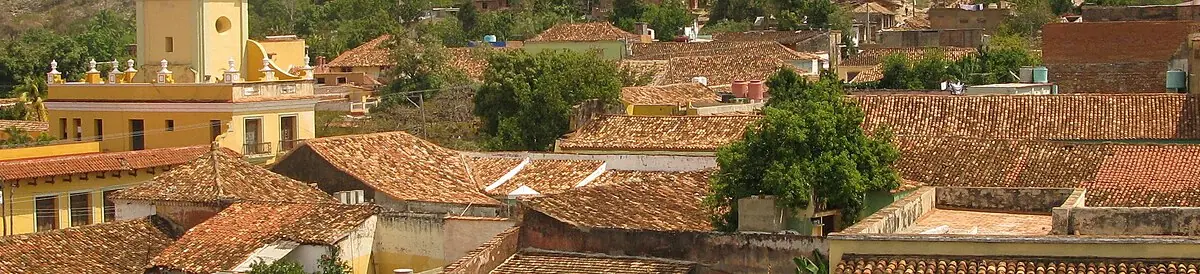
Trinidad is the postcard town of central Cuba, a UNESCO World Heritage site of pastel walls, terracotta roofs and cobbled lanes that has changed remarkably little since the sugar boom. Plaza Mayor is the centrepiece, flanked by the Palacio Cantero — now a municipal history museum with a climbable tower — and the neoclassical Museo Romántico. The Iglesia Parroquial de la Santísima Trinidad watches over the square, and a few blocks away the town's old taverns serve the local honey-and-rum canchánchara. Come in the morning to photograph the streets before the heat and the crowds settle in.
Beyond the town, the Valle de los Ingenios preserves the ruins of sugar estates, including the watchtower at Manaca Iznaga, where enslaved workers once monitored the cane fields. Twenty minutes south, Playa Ancón offers calm, pale sand and shallow water, making it an easy half-day break from the cobbles. Inland, the Topes de Collantes nature reserve hides waterfalls and forest trails, with the Salto del Caburní walk being the most rewarding.
Two nearby cities reward a detour. Cienfuegos, a French-founded port, has a graceful neoclassical centre around Parque José Martí and a remarkable Moorish-style palace at Punta Gorda. Santa Clara is famous for its revolutionary monuments, particularly the memorial and museum complex dedicated to Che Guevara on the western edge of the city. Taken together, this cluster of towns justifies two or three days of slow travel by road or rail.
Varadero and the Northern Cays: Cuba's Beach Days
Cuba's most famous beach is Varadero, a narrow peninsula with around twenty kilometres of white sand and warm, shallow water that stays swimmable all year. It is the resort side of the island — big hotels, watersports, catamaran trips — but the beach itself is genuinely exceptional, and the peninsula's tip holds the quieter Varahicacos Ecological Reserve, with its cactus trails and pre-Columbian cave. Inland, the Cueva de Saturno offers a freshwater swim inside a flooded limestone cavern.
For a wilder coastline, head to the Jardines del Rey archipelago on the north-central shore. Cayo Coco and Cayo Guillermo are linked to the mainland by a causeway and known for long empty strands, flamingo-filled lagoons and excellent diving and snorkelling on the second-largest barrier reef system in the region. Playa Pilar on Cayo Guillermo is the standout, while Cayo Santa María, further west, offers a similar formula with fewer crowds.
Beach time in Cuba is best planned around the weather rather than the calendar: the dry season from November to April delivers reliable sun, while June to November is hotter, stickier and riskier for storms. Wherever you go, bring high-factor sunscreen, reef-safe if possible, and remember that many beaches have limited shade — renting a palapa or arriving early is the practical move.
Santiago de Cuba and the Rugged East
The island's second city, Santiago de Cuba, is hotter, louder and more Caribbean in rhythm than the capital. Its centre revolves around Parque Céspedes, the cathedral and the colonial streets climbing toward the bay, while the UNESCO-listed Castillo del Morro — formally the Castillo de San Pedro de la Roca — guards the harbour entrance from a rocky headland and is one of the finest surviving examples of Spanish military architecture in the Americas. Music is everywhere here, from the historic trova houses to the July carnival, the island's biggest street party.
Santiago is also Cuba's spiritual capital. The Basílica del Cobre, a pilgrimage church in the hills outside the city, draws visitors year-round, and the Santa Ifigenia cemetery holds the mausoleum of national hero José Martí, with its changing of the guard. East of the city, the road climbs into the Sierra Maestra, where the island's highest peak, Pico Turquino, rises above cloud forest.
Further east still, Baracoa is reached by a dramatic mountain road and feels like another country — cocoa, coconut and rivers, with the flat-topped El Yunque mountain looming over the coast. The Alejandro de Humboldt National Park, a UNESCO natural site, protects some of the most biodiverse rainforest in the Caribbean, and beaches such as Playa Maguana offer river-and-sea swimming. This eastern circuit is best given four or five days and is easiest from November to April.
Wildlife, Reefs and Practical Trip Planning
Nature lovers should build the Ciénaga de Zapata into the itinerary. This vast wetland on the southern coast is the best birdwatching area in Cuba, with herons, spoonbills, pygmy owls and the endemic Zapata wren, plus the Bay of Pigs landing beaches and the nearby coral walls that make it a solid snorkelling stop. Serious divers aim for the Jardines de la Reina archipelago off the south-central coast, a protected marine park of mangroves and reef sharks reached only by liveaboard, and for Cayo Largo, where turtle-nesting beaches and drop-offs sit a short boat ride from shore.
Practicalities shape the trip more than most Caribbean destinations. Carry cash — euros or Canadian dollars are the easiest to exchange — because cards issued by many foreign banks will not work in Cuban ATMs or terminals, and budget separately for guesthouses, taxis, guides and tips. Staying in casas particulares, the licensed family guesthouses found in every town, is cheaper and far more characterful than hotels, and hosts routinely cook the best meals you will eat.
A ten-day first trip comfortably covers Havana, Viñales and Trinidad with a beach finale at Varadero or the northern cays; two weeks lets you reach Santiago and Baracoa. Travel between cities is by coach, shared taxi or hired car, and long distances take longer than the map suggests, so avoid over-scheduling. Pack mosquito repellent for the wet months, comfortable shoes for cobbles, a refillable bottle, and small notes for everyday spending.
Frequently asked questions
What is the best time of year to visit Cuba?
The dry season from November to April offers the most reliable sunshine, lower humidity and comfortable temperatures of roughly 22–28°C, though prices peak around Christmas and New Year. May and October are quieter shoulder months with green landscapes and occasional showers. June to November is hurricane season, with September and October carrying the highest risk.
How many days do I need in Cuba?
Seven to ten days is the practical minimum for a first visit: three nights in Havana, two in Viñales, two or three in Trinidad and a beach finish at Varadero or the northern cays. Allow a full two weeks if you want to add Santiago de Cuba, Baracoa and the eastern mountains, since internal travel eats into sightseeing time.
Do I need to carry cash in Cuba?
Yes. Cards issued by many foreign banks are not accepted in Cuban ATMs or card terminals, so bring enough cash in euros, Canadian dollars or another widely exchanged currency to cover guesthouses, taxis, meals, guides and tips. Change money at official exchange points or banks, keep small notes for daily spending, and never rely on a single payment method.
Is Cuba safe for independent travellers?
Cuba has low rates of violent crime and is generally very safe for visitors, including solo travellers. The main risks are petty theft and pickpocketing in busy parts of Havana and other tourist areas, plus scams around taxis and unofficial guides. Use licensed accommodation and transport, keep valuables out of sight, and agree fares before getting into any vehicle.
What should I pack for Cuba?
Bring high-factor sunscreen, insect repellent for the wetter months, a refillable water bottle, comfortable walking shoes for cobbled streets and light rain protection. Most of the island uses US-style two-flat-pin plugs at 110 volts, though some newer hotels have 220-volt sockets, so a universal adapter is useful. Bottled or filtered water is the safe choice for drinking.