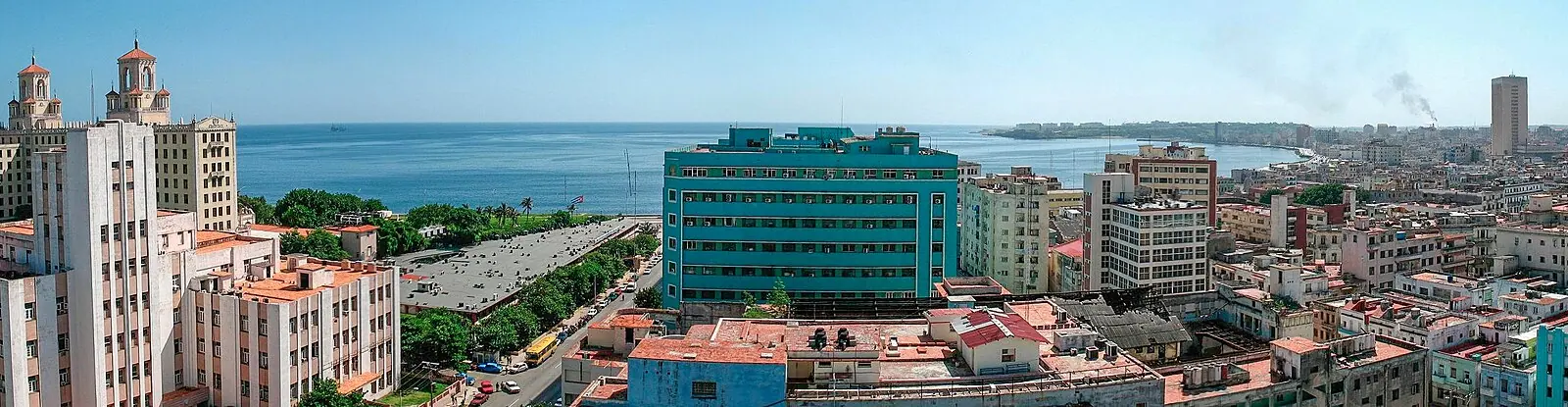
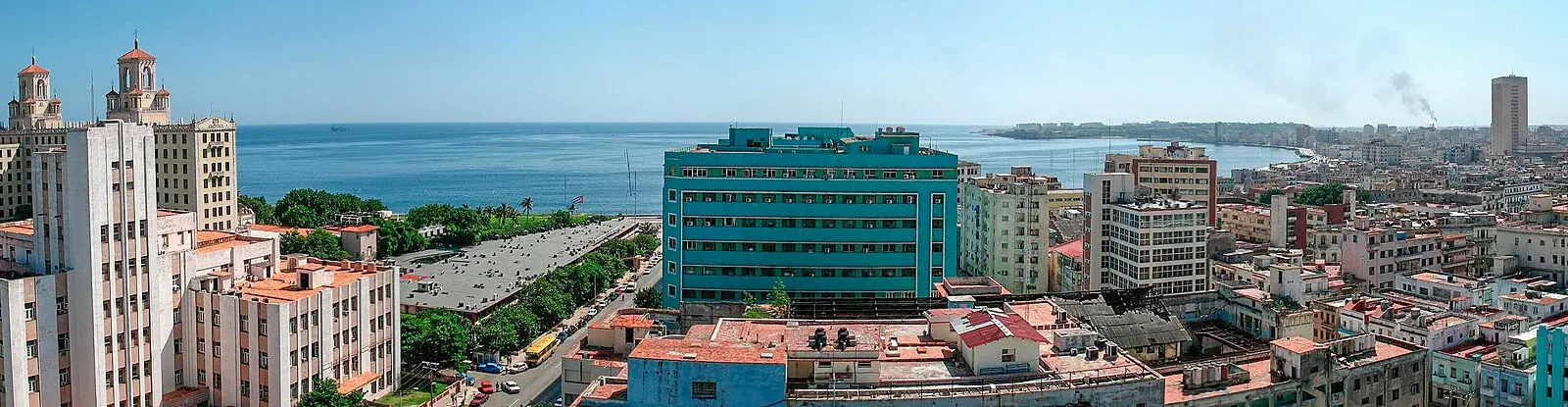
Cuba rewards timing more than almost any Caribbean island: the same country that feels gloriously dry and breezy in January can be swampy, storm-threatened and cut-price by September. This guide walks you through the seasons, the smart shoulder months, and how Cuba's hotel calendar — from state-run seaside resorts to family-run casas particulares — shapes what you'll pay and where you should be.
December to April: Dry Season and the Prime Window in Havana
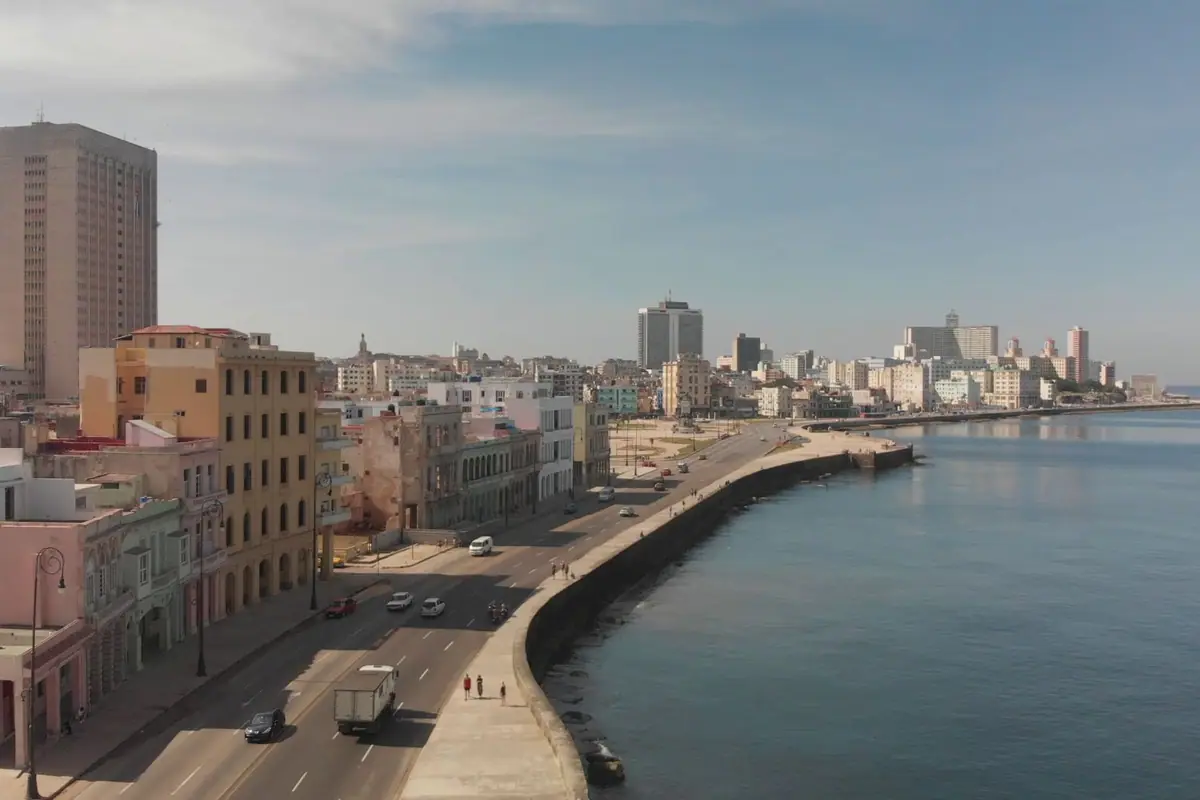
Cuba's dry season runs roughly from late November through April, and it is unquestionably the most comfortable stretch for exploring cities. Daytime temperatures in Havana hover in the mid-20s to high 20s Celsius, humidity drops, and rain arrives as brief showers rather than the afternoon deluges of summer. This is when you can walk Habana Vieja's cobbled lanes for hours without wilting, drift along the Malecón at sunset, and photograph El Capitolio and the restored Plaza Vieja in clean, sharp light.
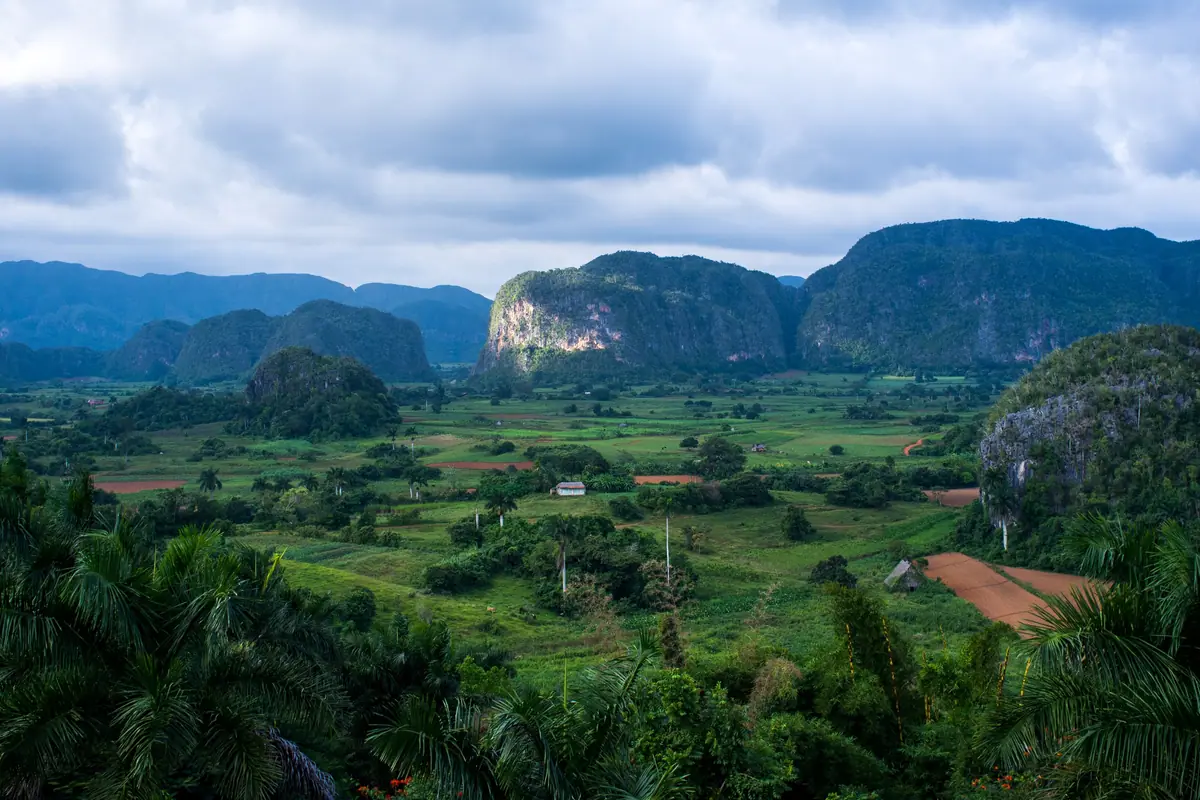
It's also the season when the classic first-timer circuit works best: Old Havana and its fortresses, the colonial core of Trinidad with its sugar-baron mansions, the limestone mogotes and tobacco fields of Viñales, and the elegant seaside promenade of Cienfuegos. The trade-off is demand. Rooms in Havana's historic centre and along the Varadero peninsula fill quickly for Christmas, New Year and the February school-break weeks, and some places impose minimum-stay rules over the holidays.
If your dates are locked to this window, book three to six months ahead for anything inside Old Havana or on the water at Varadero, and expect the biggest nightly rates of the year. Plan outdoor sightseeing for the morning and early evening, keep the middle of the day for museums such as the Museum of the Revolution or a cool colonial courtyard with a coffee.
May, June and November: The Shoulder-Season Sweet Spot
Ask repeat visitors when they'd go back and many name November or May. November still carries dry-season clarity but with fewer crowds and softening hotel rates, while the sea is warm enough for swimming at Varadero, Guardalavaca and Cayo Coco. May is hotter and stickier, with rain usually arriving mid-afternoon and clearing within an hour or two — perfectly workable if you build your days around it and treat the downpour as a cue for a long lunch.
June marks the start of the official rainy season and the very beginning of the hurricane calendar, but early June is often still bright, green and cheap. The countryside looks magnificent: the Viñales Valley is lush, the Sierra Maestra foothills are vivid, and sugar-country drives around Trinidad and the Valle de los Ingenios are at their most photogenic. This is also a strong period for cultural stops in Santa Clara and Camagüey, where heat and crowds are milder than in high season.
Shoulder months reward flexibility. Flights and rooms are easier to secure at short notice, casa particular owners in Baracoa, Santiago de Cuba and Remedios are more willing to negotiate for longer stays, and you can often combine a city stay with a beach finale without booking either months in advance.
July to October: Heat, Hurricanes and the Cheapest Beds
Cuba's hurricane season officially spans June to November, with the statistical peak from late August into October. That doesn't mean a storm is likely on your dates — most trips pass without one — but it does mean you should treat weather as a planning variable rather than a footnote. September and October are typically the wettest, most humid and most volatile months, and they coincide with the deepest discounts on resort rooms along the northern cays.
For bargain hunters willing to be flexible, late summer and autumn can be exceptional value: all-inclusive beach properties at Cayo Coco, Cayo Guillermo and Cayo Santa María sell at a fraction of their January rates, and Havana's city hotels often follow. The catch is that some beach restaurants, excursion desks and smaller guesthouses shut for the low season, and the risk of a washed-out week is real.
If you go anyway, choose refundable rates, keep a buffer day before your flight home, and hedge geographically — a base in Havana or Santiago de Cuba gives you indoor options on wet days. Power and water interruptions have become more common across the island in recent years, so pack a torch, a power bank and patience, and don't build a tight itinerary where a single delayed transfer ruins the trip.
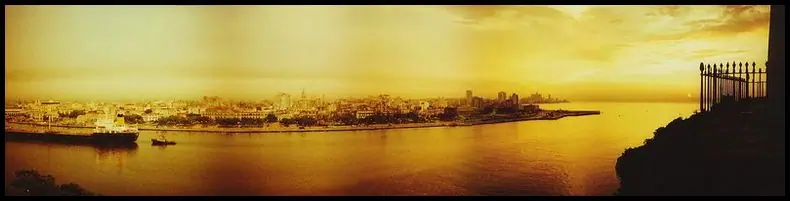
Beach Timing: Varadero, Cayo Coco, Guardalavaca and Cayo Santa María
For classic white-sand, calm-water holidays, aim for December through April. This is when the trade winds are steadiest, the sea is clearest and the notorious summer seaweed that can coat some eastern and southern shores is least likely to appear. Varadero's 20-kilometre stretch of sand is at its postcard best in February and March, and the offshore reefs of Jardines del Rey — reached from Cayo Coco and Cayo Guillermo — offer the most reliable snorkelling and diving visibility of the year.
Water temperatures rarely dip below the mid-20s Celsius even in midwinter, so swimming is pleasant year-round; what changes is air comfort, wind and clarity. Divers chasing the reefs and walls around María la Gorda, on the western tip, and the Bay of Pigs area on the south coast generally get the best conditions in the drier months, when surface chop is lower and the visibility stretches further.
Where you base yourself matters as much as when you go. Varadero is the most developed, easiest beach add-on to Havana, while Guardalavaca and the northern cays feel quieter and more resort-focused. Southern beaches near Trinidad and Santiago de Cuba are warmer and less windy, but they're sandier than they are dazzlingly white — pick them for atmosphere and pairing with colonial towns, not for the ultimate beach postcard.
Festivals and Regional Timing From Trinidad to Santiago de Cuba
Cuba's calendar can justify a trip on its own. Santiago de Cuba, the island's most musical city, erupts for its carnival in the second half of July, with conga lines, drums and street parties around the Parque Cespedes and the Morro fortress overlooking the bay. Havana's own carnival fills the Malecón in August, and the city's jazz festival typically lands in January — both periods push hotel demand up sharply, so book early if these dates matter to you.
December brings the Parrandas of Remedios, one of the country's most spectacular folk celebrations, with rival neighbourhoods competing in elaborate floats and fireworks. Trinidad, meanwhile, is at its most atmospheric in the cooler months, when you can climb the Manaca Iznaga tower in the Valle de los Ingenios without overheating, and Baracoa's rainforest-and-river landscape is best tackled from December to April, before the heaviest rains make the mountain roads slow.
Elsewhere, Santa Clara draws visitors year-round to the Che Guevara mausoleum and the armoured train site, and Camagüey's labyrinthine old town is pleasantly walkable in any season except the wettest weeks. If you're combining several regions, a winter trip lets you move between Havana, Viñales, Trinidad and the eastern cities without losing days to heat or storms.
Booking Hotels: Casas Particulares, Resorts and Peak-Season Realities
Cuba's accommodation splits into three broad categories: state-run hotels, private casas particulares (family guesthouses), and all-inclusive beach resorts on the cays. Casas particulares offer the most character and the best value, especially in Trinidad, Viñales and Baracoa, and they're often the only way to stay inside a genuinely lived-in neighbourhood. They're also small, so in high season they sell out just as fast as the big hotels.
Pricing follows a simple curve: highest from mid-December through March and over Easter, gradually falling through spring, and lowest in September and October. City hotels in Havana charge a premium for location near Habana Vieja, the Malecón and the Plaza de la Revolución, while beach resorts bundle meals and drinks — useful in remote cays where independent dining is limited.
A few practical notes shape the timing decision. Cards issued by many foreign banks don't work in Cuba, so bring enough cash for the whole trip and budget for it before you arrive. High-season rooms are frequently prepaid and non-refundable, which makes a hurricane-season trip cheaper but riskier. And because November through April is when everything is open — tours, paladares, ferries to the islands, dive shops — that's the window to choose if you want the island running at full speed.
Frequently asked questions
What is the single best month to visit Cuba?
February and March are the safest all-round bets: dry, breezy, comfortable for city walking in Havana and Trinidad, and reliable for beach days at Varadero. January is similarly good but colder at night and busier with holiday visitors, so book far ahead.
Is it worth visiting Cuba during hurricane season?
Yes, if you want low prices and can accept uncertainty. Late August to October is the peak-risk period, but most weeks pass without a major storm. Choose refundable bookings, add a buffer day before flying home, and keep a flexible itinerary so a wet day can be swapped for museums or a longer lunch.
When should I book hotels for a Christmas or New Year trip to Cuba?
Three to six months ahead, and earlier for Havana's historic centre or a beachfront resort at Varadero. The last two weeks of December are the year's busiest, some properties impose minimum stays, and rates are at their highest, so the cheapest rooms disappear first.
Are casas particulares or hotels better in Cuba?
Casas particulares win on character, value and local contact, and they're excellent in Trinidad, Viñales and Baracoa. Hotels and all-inclusive resorts make more sense for beach-focused stays on the northern cays, where independent dining and transport are limited. Many travellers mix both.
What should I pack for Cuba's seasons?
In the dry months bring layers for cool evenings plus sun protection; in summer pack light, quick-drying clothing, a rain shell and mosquito repellent. Year-round, add a torch, a power bank, a refillable water bottle and enough cash, since card payments are unreliable across the island.
Sort the rest of your trip
Everything for Cuba, in one place
Transfer in Cuba
Private driver waiting on arrival — no queues, no surprises.
Book a transfer
Things to do in Cuba
Skip-the-line tickets, guided tours and standout experiences.
See experiences
Stay online in Cuba
Travel eSIM — data the moment you land, no roaming bills.
Get an eSIM