Cuba is an island that rewards slow travel: colonial plazas where 1950s Chevrolets idle beside horse carts, limestone valleys quilted with tobacco, and a coastline that shifts from reef-clear to hurricane-battered in a matter of hours. This guide maps the places a first-time visitor should not miss, from the crumbling grandeur of Havana to the mountains of the east.
Old Havana: The Beating Heart of the Island
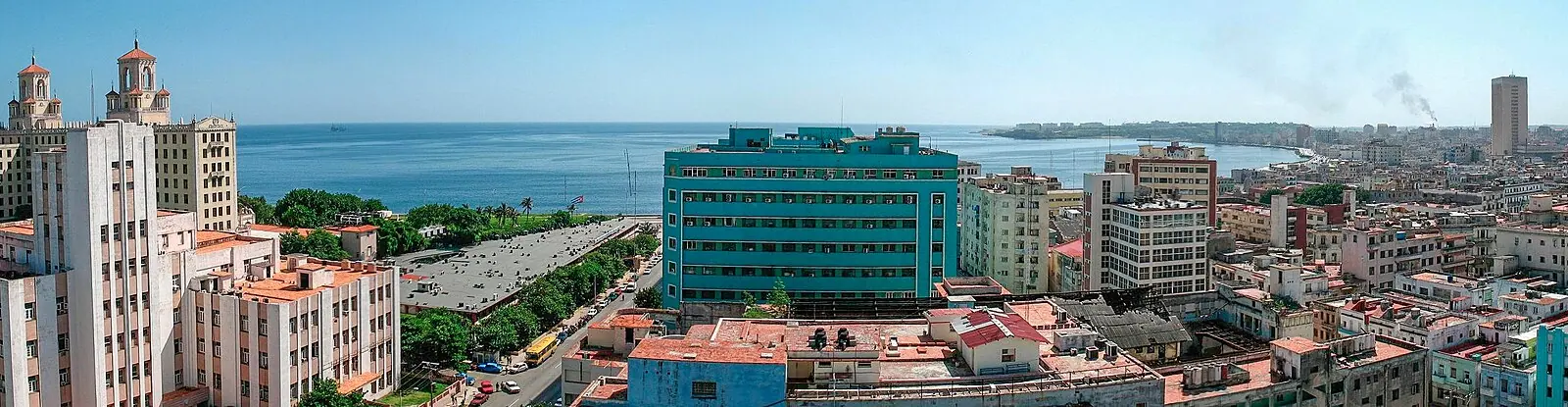
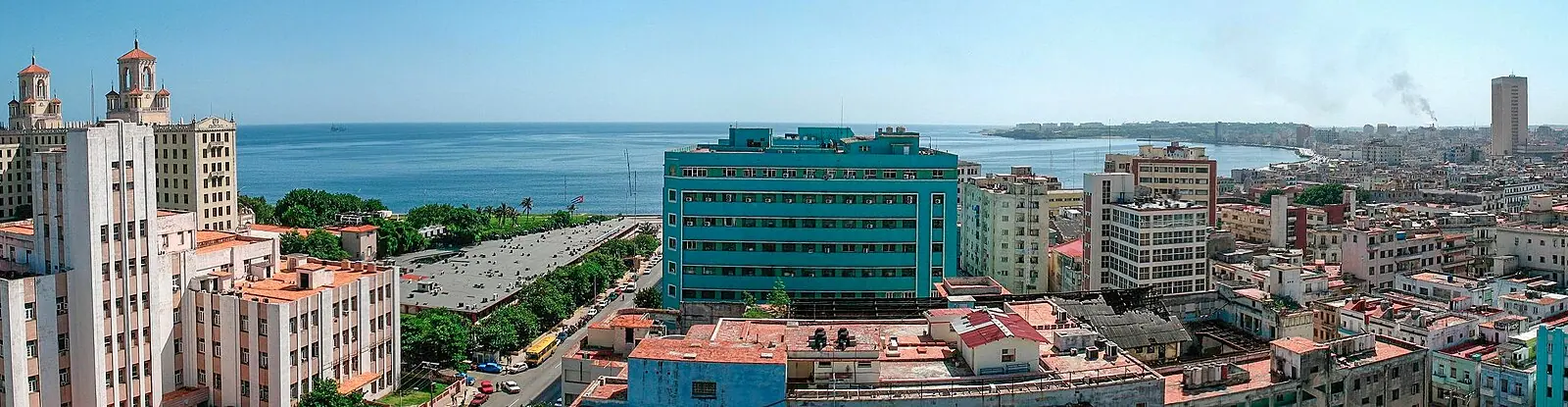
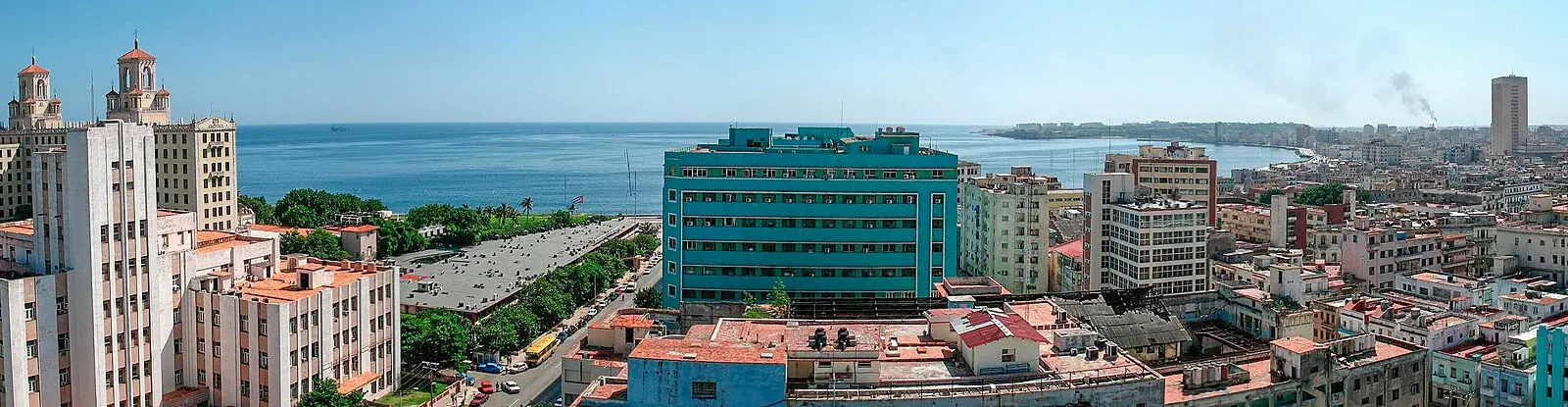
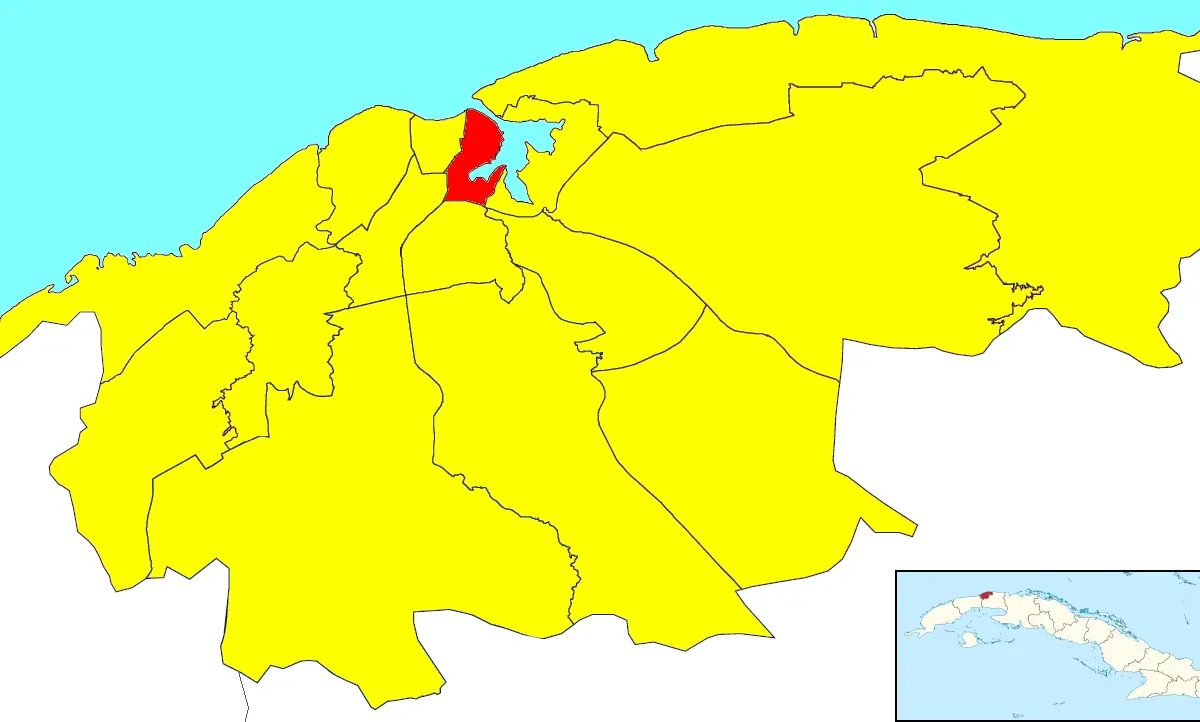
Nowhere else in the Caribbean feels quite like Habana Vieja, a UNESCO-listed grid of cobbled lanes, pastel facades and hidden courtyards where laundry strung between balconies frames a slice of sky. Start at the Plaza de la Catedral, where the baroque cathedral and its asymmetric bell towers face a square ringed by paladars and museums, then wander five minutes to the Plaza Vieja with its restored colonial mansions and a camera obscura offering a rooftop panorama of the whole quarter. The Plaza de Armas, the city's oldest square, is anchored by the Castillo de la Real Fuerza, a squat stone fortress that guards the harbour alongside the star-shaped Castillo de los Tres Reyes del Morro, whose lighthouse is the emblem of the city.
Beyond the plazas, the Malecón carries on for eight kilometres of sea wall, busiest at dusk when fishermen, lovers and children throwing themselves into the waves share the concrete with vintage American cars. The El Capitolio dominates the skyline in a way that always surprises visitors, its gilded dome modelled loosely on Washington's, and just behind it the Museo de la Revolución occupies the former presidential palace, complete with bullet scars and the yacht that carried Fidel Castro home from exile. Budget two or three days here — one for the squares, one for the museums and fortresses, and one to simply get lost.
Come evening, head to the fortress of La Cabaña above the bay for the cañonazo, a nightly cannon-firing ceremony still performed by soldiers in 18th-century dress; it is one of the few genuinely theatrical experiences in the city and a fine excuse to watch the sun drop over the water. Afterwards, the lanes around the Plaza de la Catedral fill with music, and the colonial arcades of the Plaza de San Francisco become a stage for everything from string quartets to son Cubano.
Viñales Valley and Western Cuba: Tobacco, Limestone and Caves
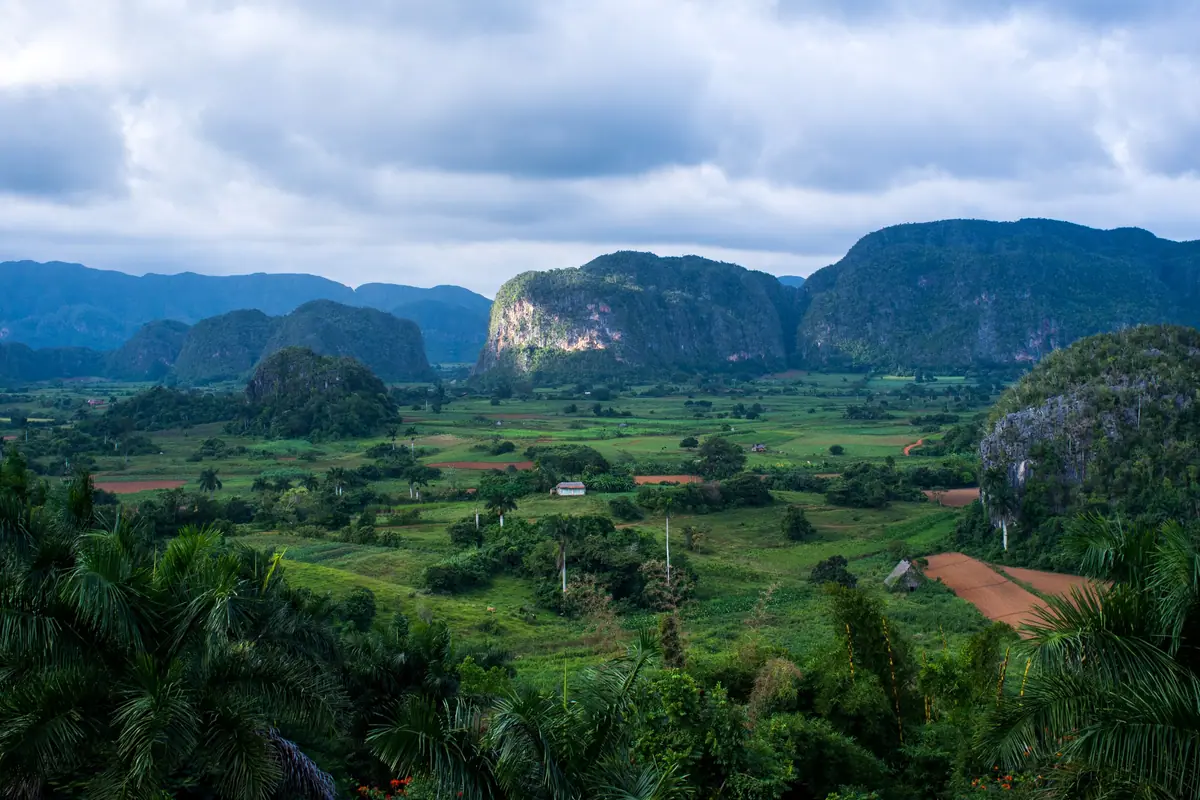
Two hours west of Havana lies the Valle de Viñales, a karst landscape of near-vertical limestone hills called mogotes, rising green and improbable out of fields of red earth and tobacco. This is where much of Cuba's finest leaf is grown, and a walk or horseback ride through the valley will pass drying barns, ox teams and peasant farmers who will happily demonstrate how a cigar is rolled by hand. The village itself is small and sleepy, with one main street, a church and a plaza, but it makes an excellent base for two or three nights.
Don't miss the Cueva del Indio, where a boat carries visitors along an underground river through a cavern once used by Indigenous inhabitants, or the Mural de la Prehistoria, a vast painted cliff that is more entertaining for its sheer oddity than for any artistic merit. Climb to the Mirador del Valle for the classic postcard view, and set aside an afternoon for the nearby Cueva de Santo Tomás, one of the largest cave systems in the Americas, with guided walks through six levels of chambers.
If you have extra time in the west, push on to Soroa's orchid garden and waterfall, or to Las Terrazas, a reforested community in the Sierra del Rosario that has become a haven for artists and birdwatchers. Diving and snorkelling at María la Gorda, on the far western tip, is among the least crowded in the country.
Trinidad and the Colonial South Coast
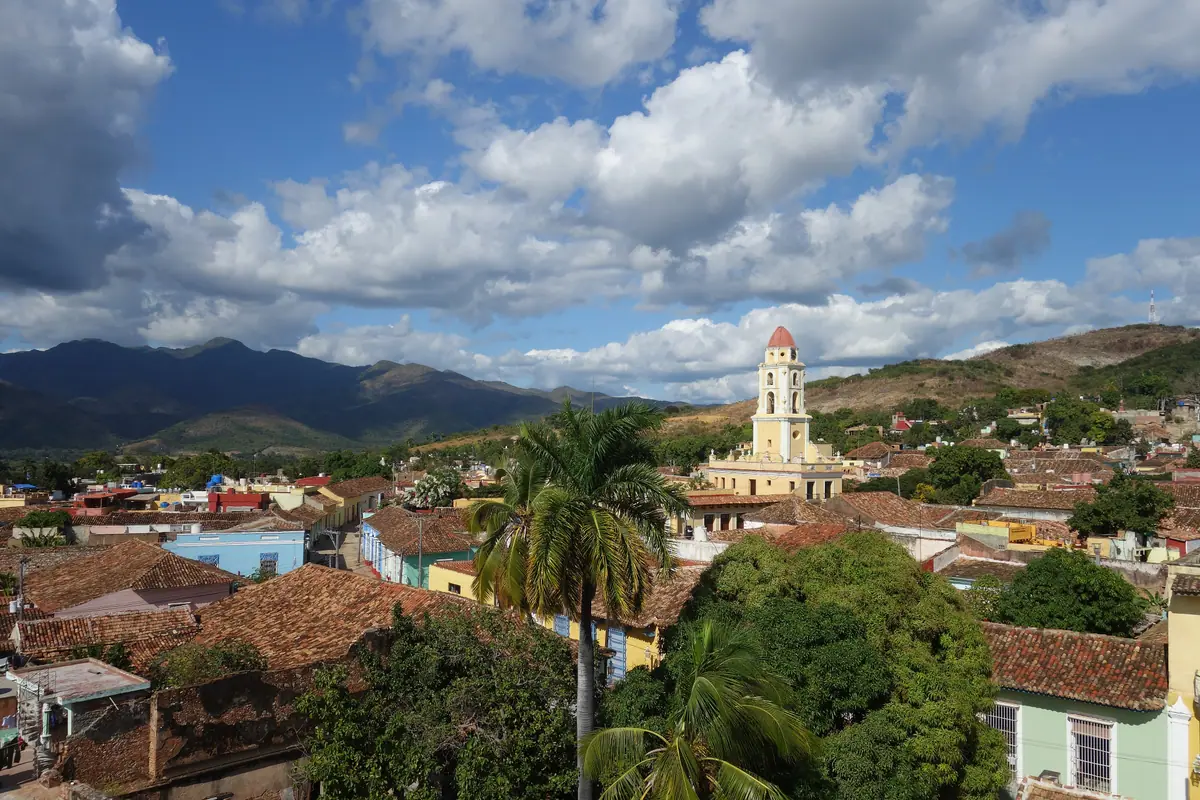
Trinidad may be the best-preserved colonial town in the Caribbean, and it knows it. Its Plaza Mayor is surrounded by mansions built on sugar money — the Palacio Cantero, now a municipal museum, offers a tower climb with views over terracotta rooftops to the Escambray mountains. The Iglesia de la Santísima Trinidad and the Museo Romántico fill out the square, but the real pleasure is in the streets between them, where you'll hear live music spilling out of doorways and see elderly women selling lacework from their front rooms.
South of town, Playa Ancón offers a calm strip of sand with decent snorkelling, reachable by bicycle in half an hour. Inland, the Valle de los Ingenios is a UNESCO-listed landscape of old sugar estates and slave quarters, with the Manaca Iznaga tower standing alone above the cane fields — climb its wooden stairs for a view that explains the whole brutal economy of the region. Further into the mountains, Topes de Collantes offers cool pine forest, waterfalls and swimming holes, a welcome break from the coastal heat.
Most travellers pair Trinidad with Cienfuegos, an hour away, whose French-influenced waterfront and Punta Gorda peninsula — ending in the Moorish fantasy of the Palacio de Valle — make a gentler, more elegant counterpoint. Two nights in Trinidad and one in Cienfuegos is a comfortable minimum.
Varadero, the Cayes and Cuba's Beach Coast
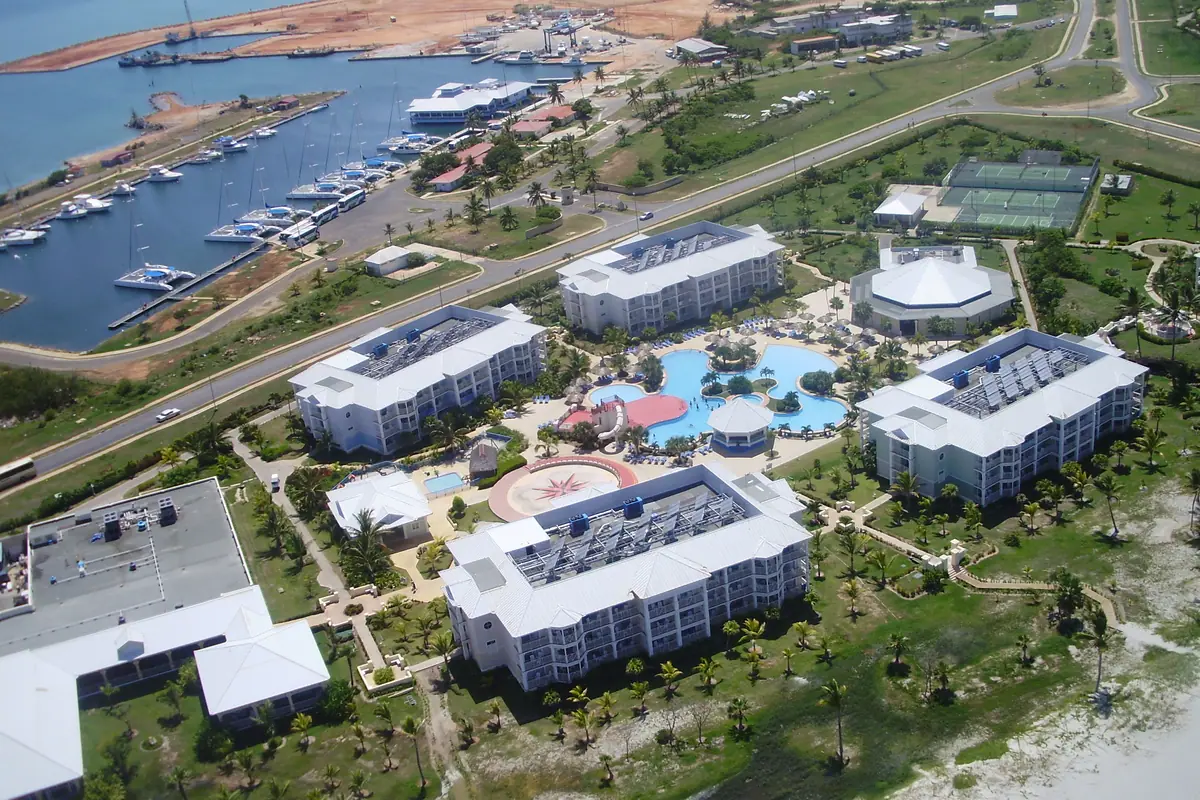
Varadero is the island's biggest resort strip: twenty kilometres of pale sand and shallow, milky-blue water on a peninsula that is almost entirely given over to hotels. It is not the Cuba of colonial squares and tobacco farms, but it is undeniably beautiful, and the beach itself is public and free — you can stay in a private house in the town of Varadero or nearby Cárdenas and still enjoy the same sand as the all-inclusive guests. Windsurfing, kitesurfing and catamaran trips are all easily arranged along the shore.
For something quieter, the Jardines del Rey archipelago off the north coast is the country's other great beach destination. Cayo Coco and Cayo Guillermo are linked to the mainland by a causeway and offer long, empty stretches of white sand such as Playa Pilar, plus excellent flats fishing and reef diving. Cayo Santa María, further west, is smaller but similarly pristine, and pairs well with a night in the handsome colonial town of Remedios.
On the southern side, the Bay of Pigs — Playa Girón and Playa Larga — is quieter still, with a famous shore dive that drops into a coral wall just metres from the beach. Note that the northern cays are hot and humid from May to October, and the region lies squarely in the hurricane belt; the most reliable beach weather runs from December through April.
Santa Clara, Santiago de Cuba and the East
The east is where Cuban history feels closest to the surface. Santa Clara, in the centre of the island, is defined by the Che Guevara Mausoleum and its adjoining museum, a solemn, beautifully kept complex where an eternal flame burns over the remains of the revolutionary and his comrades. Nearby, the Tren Blindado monument marks where an armoured train was derailed during the 1958 battle that effectively decided the revolution.
Further east, Santiago de Cuba is the country's second city and its musical soul, a Caribbean-facing town of steep streets, Afro-Cuban rhythms and carnivals that make Havana's look tame. Its fortress, the Castillo del Morro (San Pedro de la Roca), is a UNESCO-listed masterpiece of military engineering perched above the bay, and the Basílica del Cobre, a pilgrimage site in the hills outside town, draws visitors of every faith. Don't skip the Santa Ifigenia cemetery, where José Martí's mausoleum is guarded by soldiers who change position on the hour.
If you push further, Baracoa is Cuba's most remote and most beautiful corner — a rainforest town beneath the flat-topped mountain of El Yunque, close to the Alejandro de Humboldt national park and reached by a spectacular road over the mountains. Inland, the Sierra Maestra offers hiking to the Comandancia de la Plata, the jungle headquarters of the rebel army, and Camagüey rewards a day with its labyrinthine alleys and enormous tinajones, the clay jars that once stored rainwater.
When to Go and How to Move Around Cuba
The dry season, roughly November to April, is the sweet spot: lower humidity, clearer skies and temperatures in the high twenties. December to February can bring a cool northerly wind in Havana — pack a light jacket for evenings — while the beach resorts stay warm. May to October is hotter, wetter and cheaper, with the hurricane season peaking between August and October. Christmas and New Year are the busiest weeks of the year, so book accommodation well in advance.
Getting around is part of the experience. Long-distance coaches connect Havana, Viñales, Trinidad, Santa Clara, Santiago and Baracoa on set schedules, but fill up days ahead in high season. Shared taxis — collective cars that leave when full — are faster, more flexible and often only slightly pricier. Renting a car gives you the freedom to stop at roadside fruit stands and the Manaca Iznaga tower on your own schedule, but fuel stations can be slow and roads outside the main highways are rough. Trains exist but are best treated as an adventure rather than a plan.
Accommodation in private homes — casas particulares — is the best-value and most rewarding way to stay, whether you want a room in a crumbling Vedado mansion or a farmhouse in the Viñales valley. Bring cash in euros, Canadian dollars or pounds and change it locally, as cards issued by foreign banks are often unusable and ATMs are unreliable outside Havana. Learn a few words of Spanish, carry toilet paper and small notes, and expect Wi-Fi to mean queuing in a park for a scratch card. Go with patience and Cuba will give you far more than it inconveniences you.
Frequently asked questions
How many days do you need in Cuba?
Ten days to two weeks is ideal. That allows two or three nights in Havana, two in Viñales, two to three in Trinidad, and time either on a northern caye or in Santiago de Cuba and Baracoa. A one-week trip should focus on Havana plus one region, otherwise you'll spend most of it on the road.
What is the best time of year to visit Cuba?
November to April brings the driest, most reliable weather and is the peak season, with December and January the busiest. May to October is hotter and wetter with a real hurricane risk from August onwards, but prices drop and crowds thin considerably.
Is Cuba expensive and can I use credit cards?
Cuba is moderate value rather than cheap, especially for transport and decent accommodation. Bring cash — euros, Canadian dollars or pounds — to change on arrival, as cards from many foreign banks simply won't work, and ATMs outside Havana often have no money or no connection.
What should I not miss on a first trip to Cuba?
Old Havana's four main plazas and the Malecón, the Viñales valley with its mogotes and tobacco farms, Trinidad's Plaza Mayor and the Valle de los Ingenios, and at least one long white beach such as Varadero or Playa Pilar. If you have time, add Santa Clara's Che Guevara Mausoleum and Santiago de Cuba's Castillo del Morro.
How do travellers get between Cuban cities?
Intercity coaches run on fixed schedules between the main tourist hubs and are comfortable and cheap, but seats sell out in high season. Shared taxis are quicker and more flexible, leaving when full. Car hire gives the most freedom, though fuel queues and poor rural roads require patience.