Cuba is not a country you observe from a sun lounger — it is one you eat, dance and argue about baseball with. Behind the peeling colonial facades of Old Havana and the tobacco hills of Viñales, everyday life runs on shared tables, improvised music and a deep, unhurried hospitality. This guide is about the parts of Cuba that stay with you: the food, the rhythms and the local experiences that no resort buffet can replicate.
Where Cuba Actually Eats: Paladares, Markets and Home Kitchens
The most memorable meals in Cuba rarely happen in hotel dining rooms. They happen in paladares — small private restaurants run out of family homes, often in the Vedado district of Havana or along the cobbled lanes of Trinidad. Menus lean on what is available that morning: ropa vieja (shredded beef slow-cooked with peppers and tomato), lechón asado marinated in sour orange and garlic, congrí or moros y cristianos (rice with beans), yuca con mojo, tostones, and croquetas fried to order. If you see a chalkboard with two or three dishes on it, that is usually a better sign than a laminated menu with forty.
Breakfast is where staying in a casa particular — a licensed private guesthouse — pays off. You will typically be offered tropical fruit, eggs, strong coffee with hot milk, and fresh bread, served on a terrace while your host explains which bus is running and where the good musicians play tonight. Learn the word paladar and use it; ask your host where their family eats on a Sunday.
Two historic watering holes in Old Havana double as cultural landmarks: La Bodeguita del Medio, its walls scrawled with decades of signatures, and El Floridita, the dim, pink-lit bar on the edge of Chinatown. Order a mojito in one and a daiquiri in the other, then walk two minutes to Plaza de la Catedral, where the baroque cathedral facade glows at dusk. For something rougher and cheaper, follow locals to the agricultural markets — tomatoes, mangoes, malanga and bundles of herbs sold by the handful — and buy a cup of guarapo, pressed sugar-cane juice, from a street cart.
Havana: Rumba, Rum and the Rituals of the Malecón
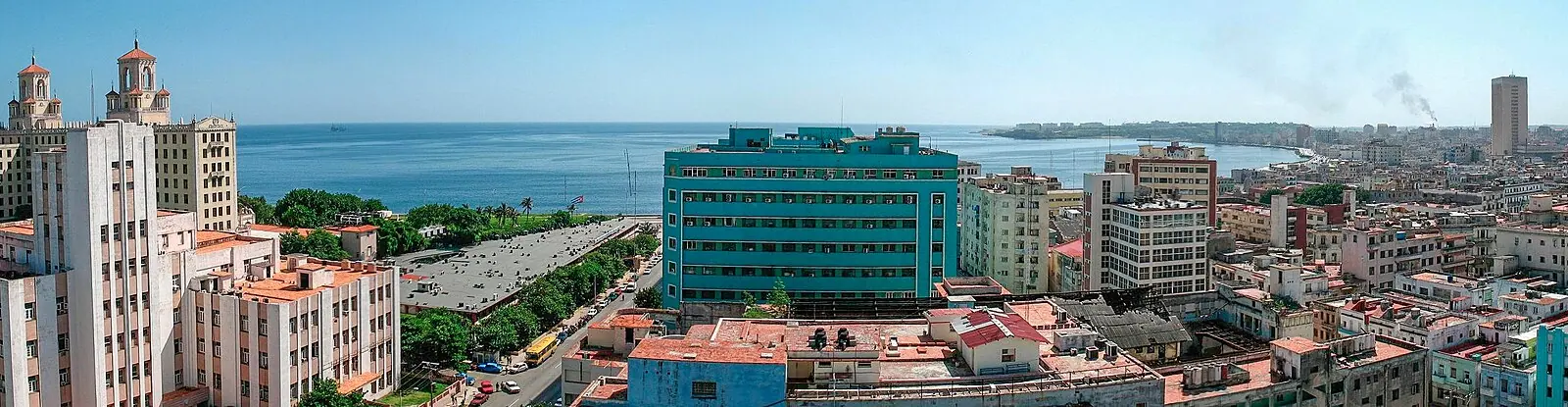
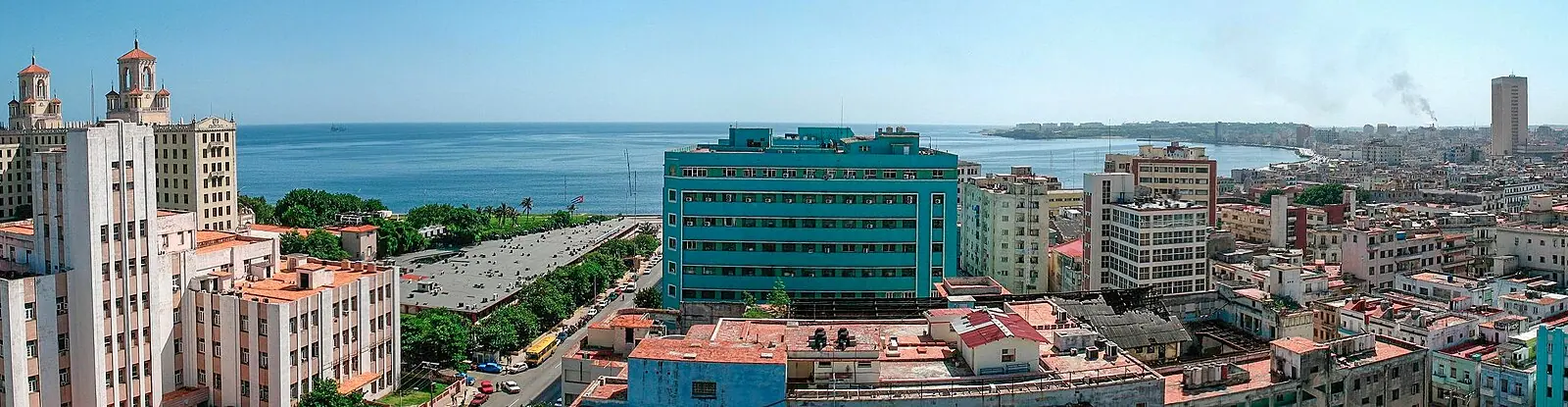
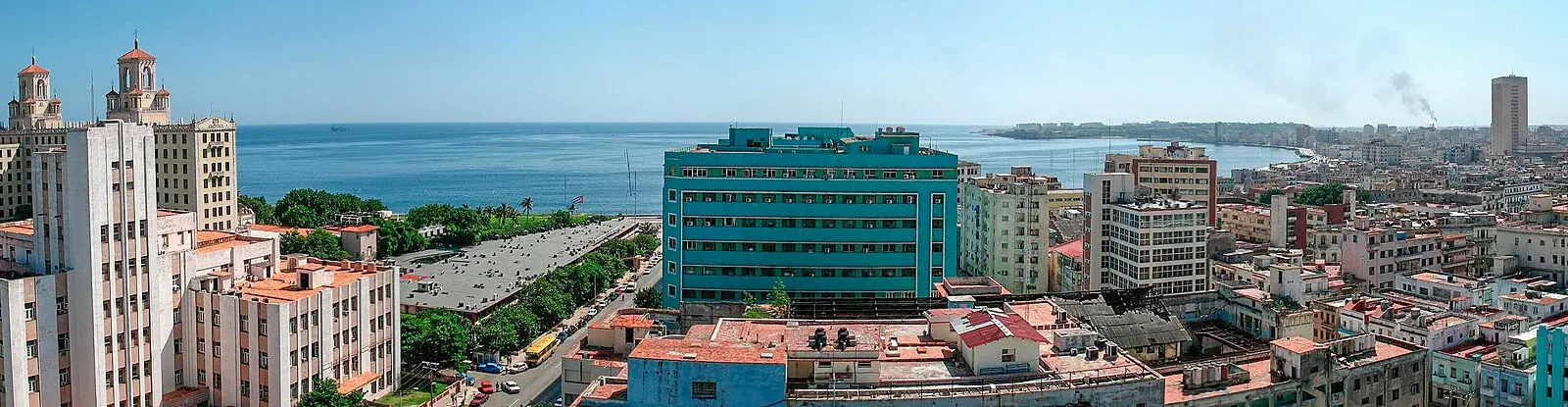
Havana rewards slow wandering. Start in Habana Vieja, the UNESCO-listed old town, where the restored plazas — Plaza de la Catedral, Plaza Vieja, Plaza de Armas — sit beside streets still crumbling gracefully. Walk the Prado to El Capitolio, the vast domed parliament building that dominates the skyline, then follow the curve of the Malecón, the eight-kilometre seafront wall where fishermen, lovers, poets and kids practising baseball all share the same concrete. Come at sunset, when the light turns the sea bronze and someone always has a guitar.
For living culture, head to Callejón de Hamel in Centro Habana, an alley covered in murals and sculpture where rumba drumming erupts on Sunday afternoons — a sweaty, joyful, entirely local gathering. Further west in Vedado, Fábrica de Arte Cubano converts an old oil plant into a sprawling arts venue with galleries, film rooms and live bands; it opens Thursday to Sunday and is where young habaneros go out. In the suburb of Jaimanitas, the artist José Fuster has tiled an entire neighbourhood in mosaic — Fusterlandia — and in San Francisco de Paula, Ernest Hemingway's hilltop villa, Finca Vigía, is preserved almost exactly as he left it, with his boat on the lawn.
Vedado itself is worth a half-day: the Plaza de la Revolución with its towering José Martí memorial, the Coppelia ice-cream park where queues are a social event, and the elegant old cafés along Calle 23. At the harbour entrance, the Castillo de los Tres Reyes del Morro — the fortress that guarded the bay for centuries — offers the best panorama of the city, especially in late afternoon.
Trinidad, Viñales and Santa Clara: The Interior's Slow Pleasures
Four hours east of Havana, Trinidad is the best-preserved colonial town in Cuba: pastel walls, fanlights, and Plaza Mayor with its sugar-baron mansions and the bell tower of the Iglesia Parroquial de la Santísima Trinidad. Climb the tower for rooftop views, then walk downhill to the Canchánchara bar for the honey-and-rum drink the town claims as its own. From Trinidad, day trips reach the Valle de los Ingenios, the sugar-mill valley where the Manaca Iznaga tower still stands over fields once worked by enslaved people, and the waterfalls and pine forest of Topes de Collantes.
West of Havana, the Viñales Valley is a different Cuba altogether — limestone mogotes rising abruptly from tobacco fields, oxen ploughing red earth, and farmhouses where you can watch a farmer roll a cigar and explain the curing barns. The Cueva del Indio, a river cave you explore by boat, and the mural of prehistory painted on a cliff face are the standard stops, but the real pleasure is horseback riding or hiking between tobacco farms at golden hour.
Between them lies Santa Clara, a university city with a sharp revolutionary identity. The Che Guevara Mausoleum and museum on its western edge draws pilgrims, while the Tren Blindado monument commemorates the derailing of an armoured train during the 1958 revolution. Santa Clara is also a good place to hear young trovadores — singer-songwriters — in small, cheap venues rather than tourist clubs.
Santiago de Cuba and the Eastern Soul
Cuba's second city feels Caribbean in a way Havana does not: hotter, louder, more African in its music and its saints. Santiago de Cuba is the birthplace of son, the root of almost everything Cuban you have ever danced to, and its Casa de las Tradiciones hosts live son and bolero most nights in a courtyard that fills to bursting. Above the bay, the Castillo de San Pedro de la Roca — known simply as El Morro — is a UNESCO-listed fortress on a headland with vertiginous views; pair it with a visit to the Basílica del Cobre, the country's most important pilgrimage church.
Time your trip for July if you can, when Carnaval turns Santiago into a week of conga lines, drums and costumes that makes the Havana version look tame. Even outside Carnaval, the city's street parties and the weekly rumba gatherings are worth rearranging plans for.
Push further east and the landscape turns lush and mountainous. Baracoa, reached by a road that twists over the mountains, is Cuba's oldest settlement and its cacao capital — you can visit small farms, watch chocolate being made by hand, and hike to the flat-topped El Yunque mountain that looms over the coast. The far east, including the Sierra Maestra and the Alejandro de Humboldt National Park, is raw, green and barely visited; this is where you go if you want cloud forest, orchids and river swimming rather than colonial squares.
Coast, Cays and the Beach Side of Cuban Life
Cuba's beaches are genuinely spectacular, and a few deserve their reputation. Varadero, on the long Hicacos peninsula, is the big resort strip — white sand, shallow turquoise water, and the easiest place in the country to swim. For something less built-up, the Jardines del Rey archipelago — Cayo Coco and Cayo Guillermo — offers wilder dunes, flamingos on the lagoons and excellent shallow-water snorkelling.
Divers and nature lovers should look at the Bay of Pigs on the southern coast, where Playa Girón and Playa Larga sit beside the Cueva de los Peces, a flooded cenote popular for swimming, and the Zapata Peninsula, one of the best birdwatching areas in the Caribbean. Further west, María la Gorda is a quiet diving base with walls and coral gardens close to shore.
Even at the beach, eat local. Fishermen sell the day's catch to paladares along the coast, which is why you will find grilled snapper, lobster and shrimp in Trinidad, Baracoa and Playa Larga at prices far below what a hotel restaurant charges. Ask for it a la plancha — grilled simply with garlic, lime and oil.
Practical Rhythms: When to Go, How to Move, What to Expect
The dry season, roughly November to April, is the most comfortable time to travel: warm days, cooler evenings and far less rain. December to March is peak, so book casas particulares and intercity coaches well ahead. May to October is hot and humid with afternoon downpours, and August to October carries hurricane risk — though this is also when prices soften and the countryside is at its greenest. February and March bring cigar and jazz festivals to Havana, while July belongs to Santiago's Carnaval.
Getting around is part of the experience. State intercity coaches cover the main routes but sell out; shared classic-car taxis — almendrones — rattle along fixed routes in the cities for pennies, and Coco Taxis are the three-wheeled option for short hops. Hiring a car gives freedom for Viñales and Trinidad but comes with poor signage and occasional fuel queues. Inside Havana, walking plus the odd taxi covers almost everything.
Bring cash and bring patience. Foreign bank cards generally do not work, so plan on euros or other hard currency exchanged locally, and budget for tipping, which matters enormously to the people serving you. Carry small notes, expect intermittent power and internet, and learn a few phrases — a greeting before a question opens every door in Cuba. Pack a phrasebook, a refillable water bottle, and more time than you think you need.
Frequently asked questions
When is the best time to visit Cuba?
November to April offers the driest, most comfortable weather, with December to March the busiest. May to October is hotter and wetter, with hurricane season running roughly August to October — quieter, cheaper and much greener, but plan around afternoon storms.
Is Cuban food spicy?
Not usually. Cuban cooking builds flavour from sofrito — onion, garlic, pepper, oregano and cumin — plus sour orange and lime, rather than chilli heat. If you want spice, ask for it; many paladares keep a hot sauce on the side.
How do I eat and drink like a local rather than a tourist?
Stay in casas particulares, eat at paladares and small state-run cafeterias rather than hotel buffets, shop at agricultural markets, and follow the music. Sundays at Callejón de Hamel in Havana and any night at Santiago's Casa de las Tradiciones will show you more of Cuba than any organised excursion.
How many days do I need in Cuba?
Seven to ten days comfortably covers Havana, Viñales and Trinidad. Allow two weeks or more if you want Santiago de Cuba, Baracoa and the eastern mountains, since road travel is slow and distances are deceptive.
What should I know about money and payments?
Bring enough cash in euros or another hard currency, as foreign cards are widely unusable and ATMs are unreliable. Exchange what you need locally, keep small notes for tips and taxis, and do not rely on paying anything by card outside the largest hotels.