Burkina Faso is West Africa without the crowd — a land of mud-brick mosques, granite sculpture gardens, sandstone pinnacles and Sahelian music that spills into the street after dark. It rewards travellers who move slowly, trading the checklist for long drives, market mornings and sunset climbs. Here are the landmarks and experiences worth building a trip around.
Ouagadougou: Monuments, Markets and the Moro-Naba Ritual
Start in the capital, a low-rise, motorbike-swarmed city that hides its best sights in plain view. The Mémorial aux Héros Nationaux, standing in the newer Ouaga 2000 district, is the city's most recognisable silhouette — a tapering tower you can climb for a panorama over dusty boulevards to the horizon. Closer to the centre, the Musée National du Burkina Faso gathers masks, lost-wax bronze figures, textiles and instruments from every corner of the country, and makes a sensible first stop if you want the ethnography before the scenery. Nearby, the rebuilt central market (Rood Woko) and the Village Artisanal de Ouagadougou are where you watch bogolan mud cloth, batik and leatherwork being made and sold.
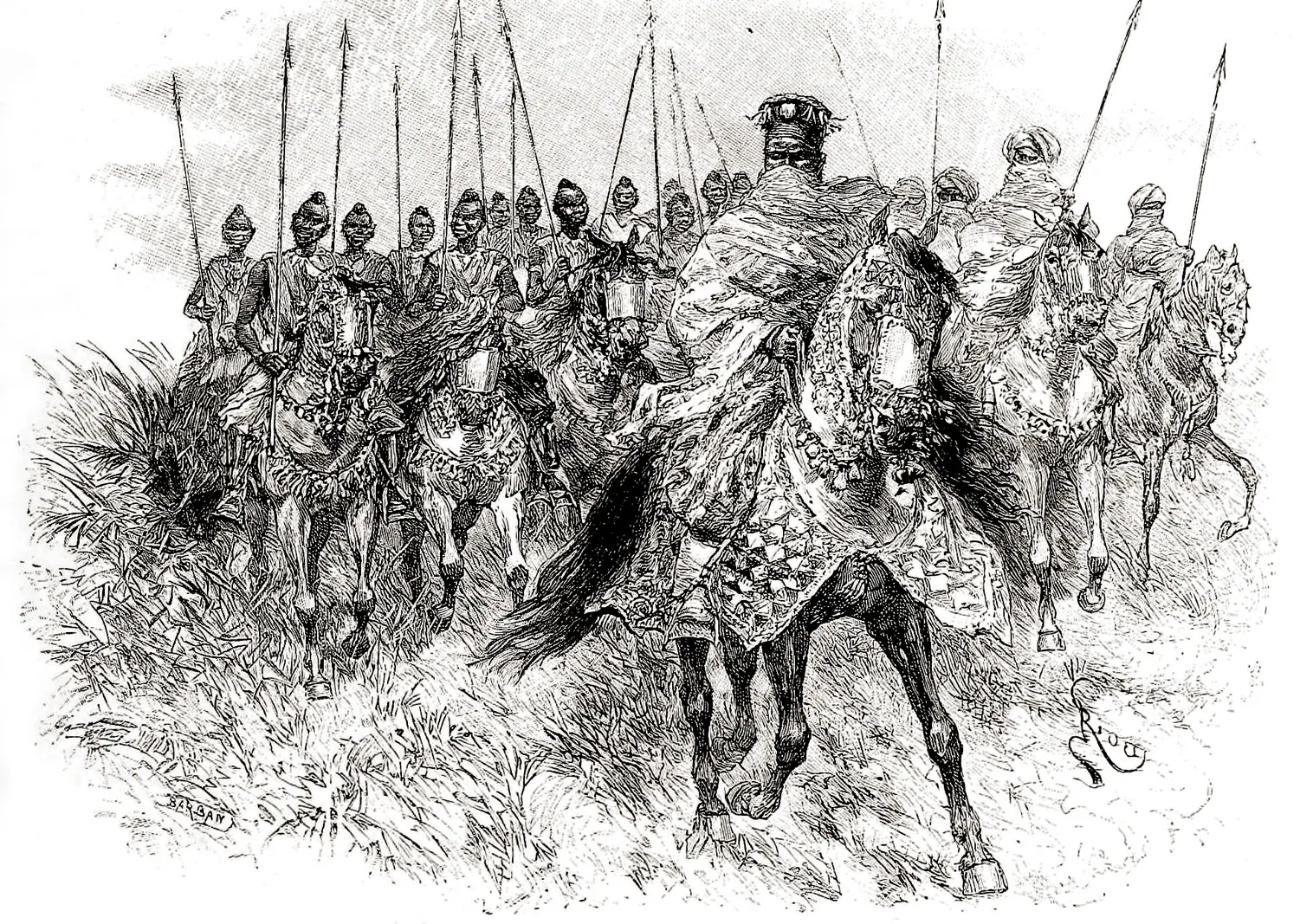
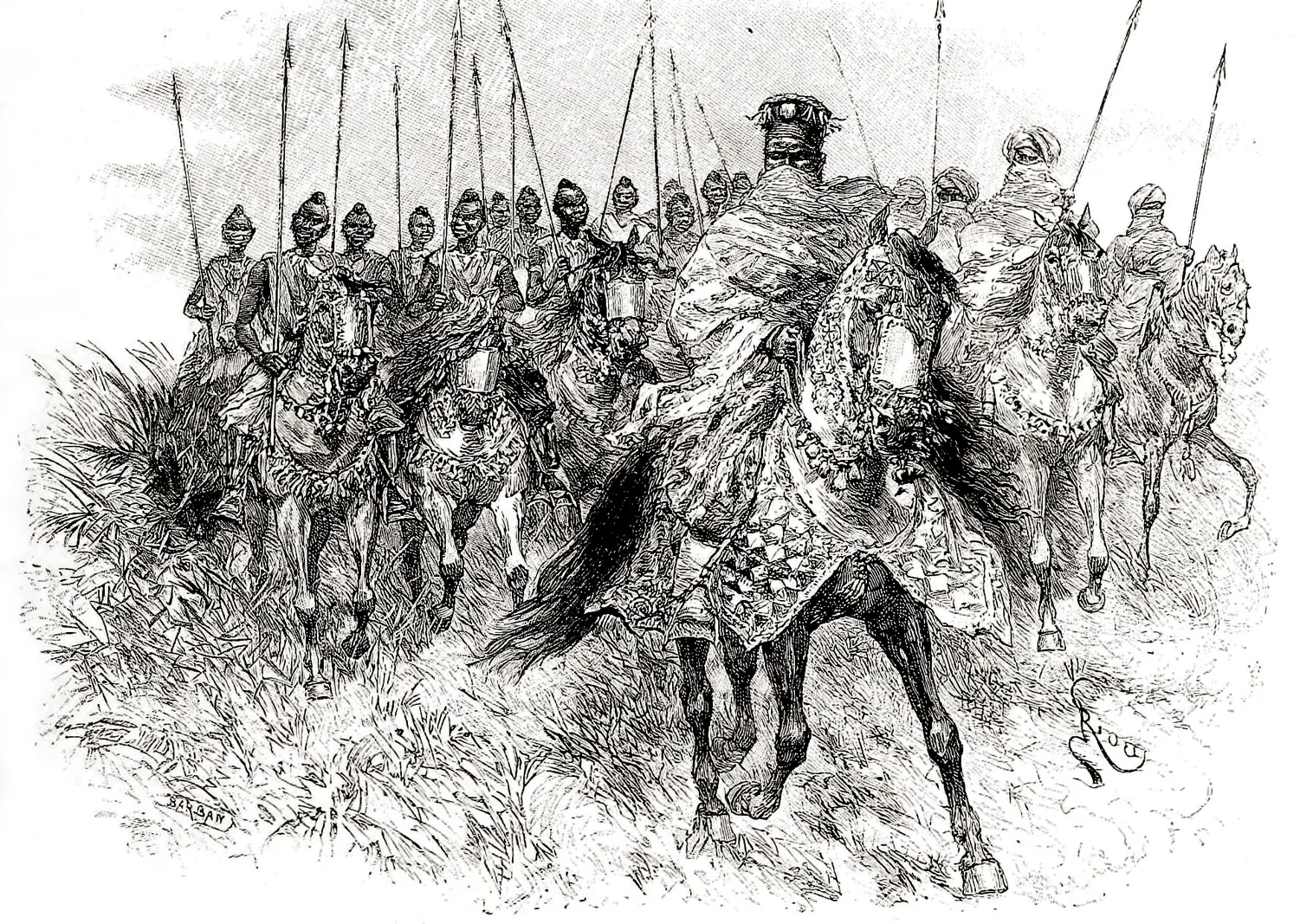
The city's single best piece of living culture happens early on Friday mornings, when the Moro-Naba — the emperor of the Mossi people — holds his weekly ceremony at his palace compound near the old centre. Arrive by about seven, stand at the edge of the courtyard with the crowd, and you'll see drummers, griots and horsemen in indigo robes paying court in a ritual that has repeated for centuries. It lasts only half an hour or so, and it is free, but dress respectfully, ask before photographing, and keep voices low.
Round out a Ouagadougou day in the Bangr-Weogo urban park, a 260-hectare green lung with monkeys, botanical trails and shady paths that make the midday heat bearable, then eat where locals do. Evening maquis grills turn out brochettes and poulet bicyclette — the famously lean free-range chicken — alongside cold drinks and loud, excellent music. Do as the city does: sleep in the afternoon, come alive at dusk.
Easy Day Trips East: Laongo's Granite Sculptures, Ziniaré and Bazoulé
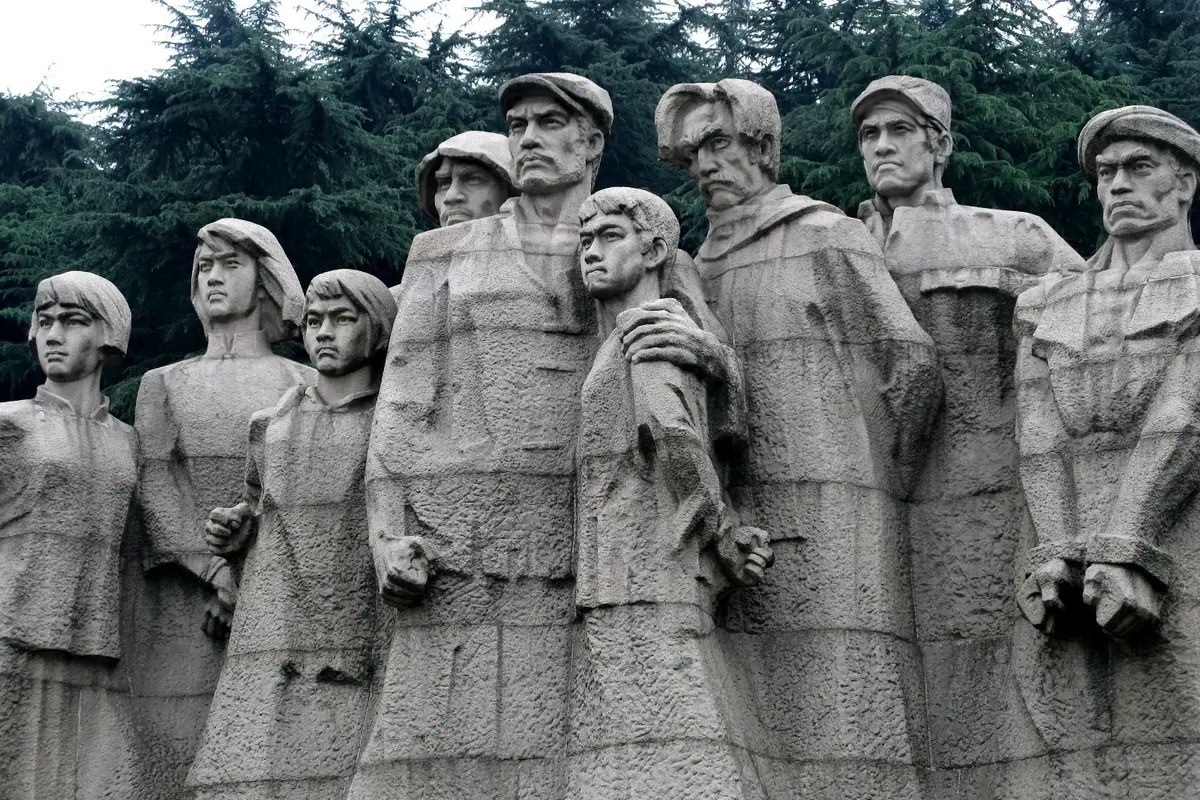
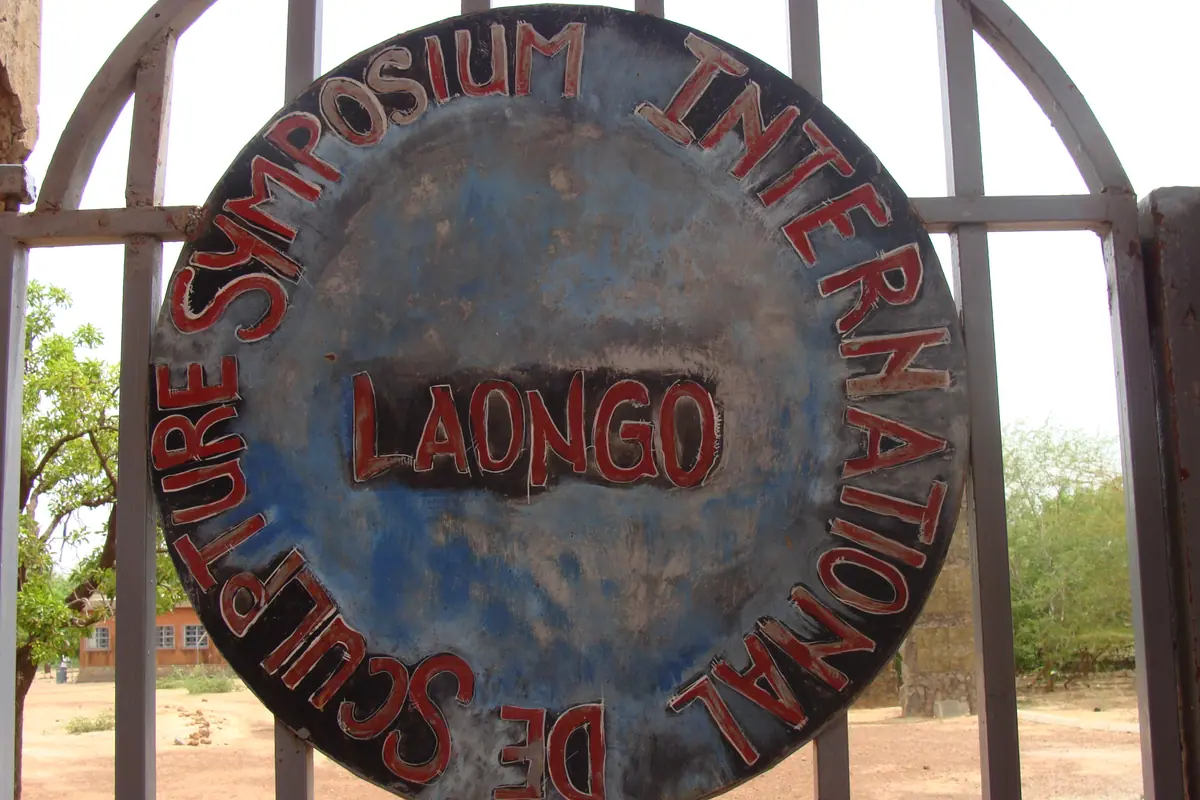
About 35 kilometres east of the capital, on the road towards Fada N'Gourma, the granite outcrops of Laongo have been turned into an open-air sculpture gallery. Since the first symposium of stone carvers gathered here in the late 1980s, artists from across Africa and beyond have cut figures, faces and abstract forms directly into the rock. There is no indoor space and no crowd — just boulders, dust, acacia shade and dozens of carvings spread across a low hill. Bring water, go early, and budget two hours; the flat light of mid-morning is the easiest for photographs.
Continue a few kilometres further to Ziniaré, where a modest wildlife park keeps antelope, monkeys and big cats in large enclosures and is a favourite weekend outing for Ouagalais families. It is not a safari, but it is a gentle introduction to the country's fauna and a good stop if you are travelling with children.
West of Ouagadougou, near the village of Bazoulé, lies one of Burkina Faso's strangest attractions: a shallow lake inhabited by Nile crocodiles that local families consider sacred ancestors. A village guide will lead you to the water's edge, where the animals are so accustomed to people that you can crouch beside them and touch a tail — an unsettling, unforgettable half-hour. The dry season, from November to May, is the reliable time to visit; the crocodiles bask on the bank and the track to the lake stays firm.
Bobo-Dioulasso: The Great Mosque and the Dioulassoba Old Quarter
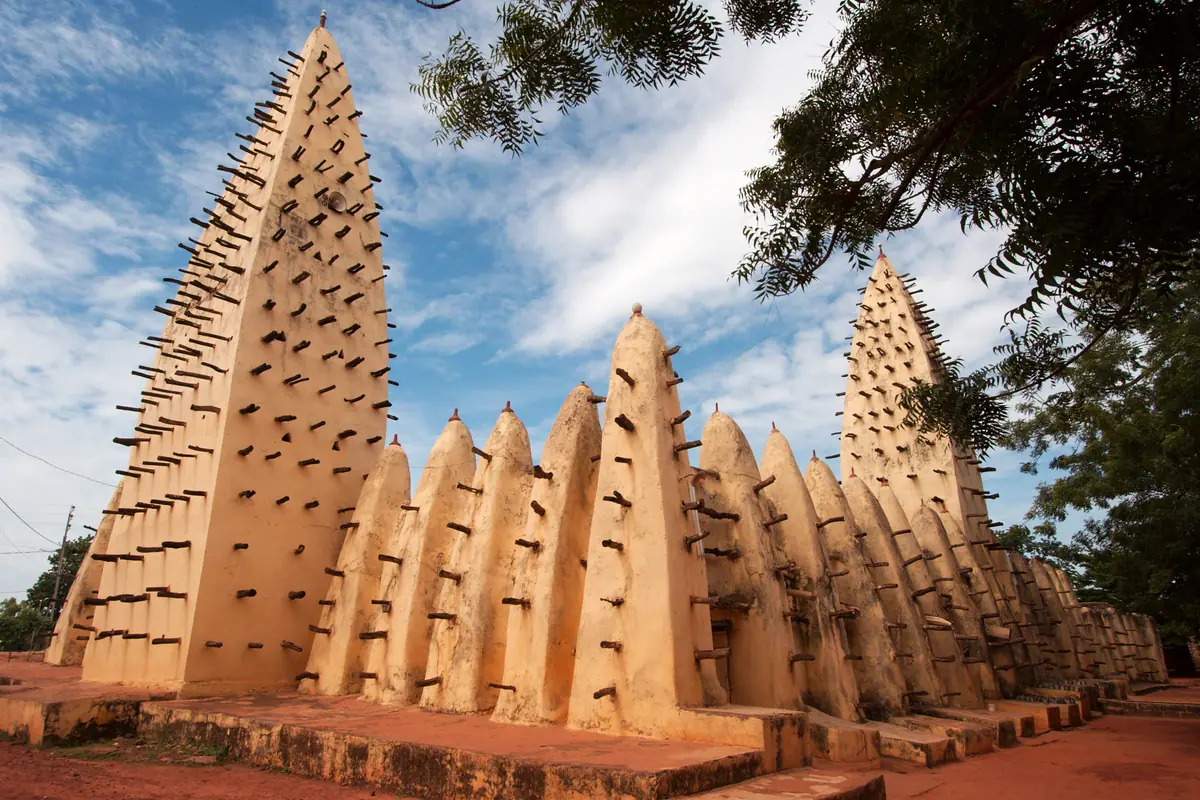
Burkina Faso's second city is the country's cultural capital, and its defining landmark is the Grande Mosquée de Bobo-Dioulasso, a Sudano-Sahelian building of pale mud brick studded with projecting wooden beams. It dates to the 19th century and sits at the heart of Dioulassoba, the old quarter, where lanes narrow between mud-walled compounds, tailors work treadle machines in the shade and children chase tyres past doorways. Visitors generally view the mosque from outside and around the entrance courtyard rather than entering; dress modestly, ask permission before photographing people, and come in the late afternoon when the low sun turns the walls gold.
Wander Dioulassoba properly with a local guide and you will find the mausoleum of Guimbi Ouattara, a formidable 19th-century ruler and trader, plus the Musée Sya, whose collection of masks, fetishes, costumes and instruments explains the region's Senufo, Bobo and Dioula traditions in a single dense hour. The city's Grand Marché is the best place in the country for hand-woven cloth, indigo, batik and brass, and the old railway station at the edge of town recalls the line that once ran south to the coast.
In the evening, do not miss a dolo cabaret — the neighbourhood bars where millet beer is served in calabashes and conversation runs loud and long. If you can time your visit to the National Culture Week, a biennial festival held in Bobo-Dioulasso in spring, you will see mask dances, balafon orchestras and craft fairs compressed into a few extraordinary days.
Banfora and the Cascades: Sindou Peaks, Fabédougou Domes and Karfiguéla Falls
The far south-west around Banfora holds Burkina Faso's most dramatic natural scenery, and the Pics de Sindou are its centrepiece. These sandstone pinnacles rise in a tight cluster of towers and fins about 40 kilometres west of town, in Senufo country; a short scramble path threads between them, and the last hour before sunset, when the rock turns orange and the plain below goes soft, is the time to be there.
Nearer Banfora, the Dômes de Fabédougou are smooth, rounded limestone humps you can walk across like the back of a sleeping animal, and the Cascades de Karfiguéla — reached by a 12-kilometre drive and a short walk through mango groves — drop over a wide ledge into pools that are at their fullest and most photogenic from July to October, after the rains. In the dry months the falls shrink to a trickle, so adjust your expectations with the season.
Finish with wildlife rather than rock. Lake Tengrela, a few kilometres from Banfora, is home to hippos that can be approached by dugout canoe with a local boatman at dawn or late afternoon, when the animals surface to graze and breathe. Further north, the Mare aux Hippopotames near Bobo-Dioulasso is a protected lake and biosphere reserve, with birdlife, forest walks and the same promise of hippos at a respectful distance.
The Ruins of Loropéni and the Deep South-West
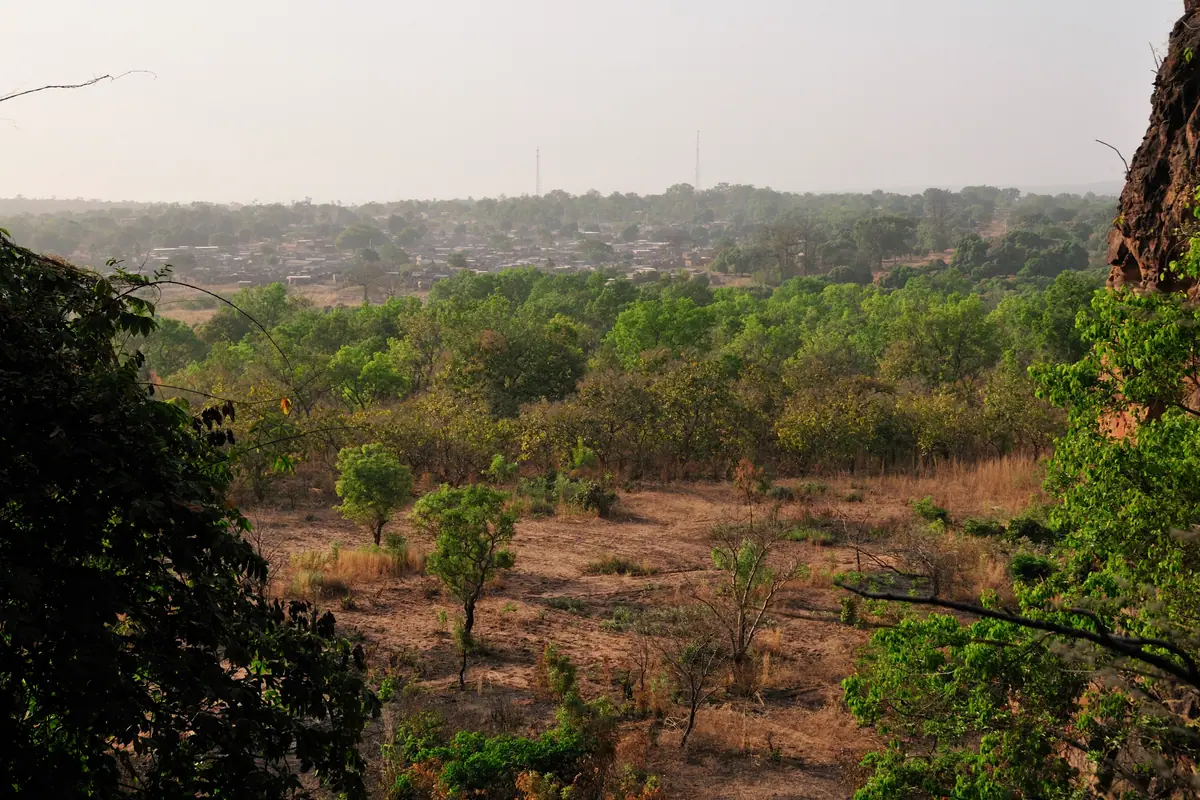
Burkina Faso's only World Heritage site is a mystery even to the people who live beside it. The Ruines de Loropéni, near Gaoua in the far south-west, are the remains of a fortified stone settlement whose walls still stand several metres high across a wide enclosure. Its origins reach back roughly a thousand years, and it is generally linked to the gold trade that once moved north towards the Sahara. A guided circuit takes around an hour; there is almost nothing else on site, so bring water, a hat and an appreciation for quiet. Reaching it means a long drive from Bobo-Dioulasso — doable in a day, but far better as an overnight with time to spare.
The surrounding region is Lobi country, where villages of tightly clustered earthen houses and granaries sit among shea and baobab, and where traditions of ancestor veneration and divination remain strong. Travelling here requires patience: roads deteriorate after rain, some tracks need a four-wheel drive, and the heat from March to May is punishing. Hiring a local driver-guide is not a luxury but the practical way to see the area properly and to arrive somewhere welcome rather than merely tolerated.
Further west, close to the borders with Mali and Côte d'Ivoire, the cliff village of Niansogoni is another of the country's genuine curiosities — dwellings built into a rock face and reached by a steep climb, abandoned and reoccupied in waves over the centuries depending on the security of the plains below. Combine it with Loropéni for a south-western loop that most visitors to Burkina Faso never attempt.
Wildlife Parks, Festivals and When to Go
Burkina Faso's national parks are for the patient rather than the ticking-off. W National Park, in the far south-east, forms part of a transboundary reserve with elephants, buffalo, antelope and a scattering of predators, but access is seasonal and the border zones require careful checking of current travel advice before you commit. Arli National Park, on the road towards the eastern frontier, and Kaboré Tambi National Park south of the capital towards Ghana are easier forays, best visited in the dry season when vegetation thins and animals gather at water.
The country's calendar is built around its festivals, and they are worth planning a whole trip around. FESPACO, the pan-African film festival, fills Ouagadougou with screenings and parties in late February or early March in odd-numbered years. The National Culture Week brings mask dances and music to Bobo-Dioulasso in spring, the mask festival in Dédougou draws dancers from dozens of villages, and the big craft fair in Ouagadougou in October or November is the moment to buy bronzes and textiles directly from makers. Dates shift, so confirm locally before booking.
For weather, aim for November to February: dry, dusty with harmattan haze, fiercely sunny by day and surprisingly cool at night in the north. March to May is brutally hot, with temperatures pushing past 40°C in the capital. The rains arrive from June to September, greening the savannah and filling the waterfalls, but turning rural tracks to mud. Ten days to two weeks allows a comfortable loop of Ouagadougou, Bobo-Dioulasso and the Banfora region; the paved corridor between the two cities takes four to five hours by road, while everything beyond it is slow, scenic and best done in daylight.
Frequently asked questions
What is the best time of year to visit Burkina Faso?
November to February is ideal: dry, sunny days, cool nights in the north and reliable roads. March to May is extremely hot, with temperatures often above 40°C in Ouagadougou, while June to September brings rain — beautiful green landscapes and flowing waterfalls, but muddy rural tracks and some flooded park access.
Which landmarks should a first-time visitor not miss?
Prioritise the Mémorial aux Héros Nationaux and the Moro-Naba Friday ceremony in Ouagadougou, the Grande Mosquée and Dioulassoba old quarter in Bobo-Dioulasso, the Pics de Sindou and Cascades de Karfiguéla near Banfora, the granite carvings at Laongo, and the Ruines de Loropéni if you have time for the remote south-west.
How long do I need, and how do I get around?
Ten days to two weeks covers Ouagadougou, Bobo-Dioulasso and the Banfora area comfortably. The capital-to-Bobo road is paved and takes four to five hours by coach or shared car. Beyond that corridor, hire a vehicle with a driver, travel by day, and expect slow going on unpaved roads, especially during and just after the rains.
What should I eat and drink in Burkina Faso?
Look for tô (millet or sorghum paste) with baobab-leaf or okra sauce, riz gras, grilled poulet bicyclette and roadside brochettes. In the south-west, try dolo, a millet beer served in calabashes at neighbourhood cabarets, plus bissap and ginger drinks. Street food is excellent; stick to places that are busy and freshly cooked.
Do I need a visa or vaccinations for Burkina Faso?
Most visitors need a visa, and an e-visa can usually be arranged before travel. A yellow fever vaccination certificate is commonly required on arrival, and malaria prophylaxis plus routine boosters are strongly advised. Carry a small amount of cash in the local CFA franc, since card payments are limited outside major hotels in the cities.
Plan it — experiences in Burkina Faso
Live search, booked directly with trusted providers.
Sort the rest of your trip
Everything for Burkina Faso, in one place
Stay in Burkina Faso
Hotels, guesthouses and apartments — compared in one search.
Search hotels
Transfer in Burkina Faso
Private driver waiting on arrival — no queues, no surprises.
Book a transfer
Stay online in Burkina Faso
Travel eSIM — data the moment you land, no roaming bills.
Get an eSIMMore guides in Burkina Faso
A One-Week Burkina Faso Itinerary: Ouagadougou, Bobo-Dioulasso and the Banfora Cascades
Best Time to Visit Burkina Faso: Seasons, Sights and Where to Stay
Hotels in Burkina Faso: Where to Stay from Ouagadougou to Bobo-Dioulasso