Burkina Faso rarely appears on a shortlist, which is exactly why the week you spend here feels unrepeatable: a landlocked country of red dust, bronze casters, mud-brick minarets and mango-shaded courtyards. Land in Ouagadougou, ride south to the music-filled old town of Bobo-Dioulasso, then finish among waterfalls, sandstone pinnacles and painted houses in the green south-west.
Days 1–2: Landing in Ouagadougou and Finding Your Feet
Most journeys begin at Ouagadougou's Thomas Sankara International Airport, a compact, low-rise terminal where the heat and the smell of dust hit you the moment the doors open. The centre is a short drive away, and the first thing that registers is the traffic — a river of mopeds, green taxis and battered Renaults flowing around roundabouts. Give yourself the first day to acclimatise rather than race off. The best window for this whole trip is November to February, when the harmattan haze softens the light, evenings turn surprisingly cool, and the roads are dry enough for long drives.
Start your sightseeing at the Monument of National Heroes, the towering concrete figure that dominates the city's eastern skyline; you can climb inside for a wide view over the sprawling, flat-roofed capital. From there, head to Place des Cinéastes, a public square that honours the country's outsized place in African cinema, and then into the Grande Marché, known locally as Rood Woko, where stalls sell everything from wax-print fabric to bicycle parts. It is loud, crowded and completely absorbing — keep your bag zipped and your camera discreet.
Come evening, do as everyone else does and settle into a maquis, the open-air grill restaurants that are the social heart of every neighbourhood. Order grilled chicken or tilapia with attiéké, a bowl of riz gras, and a cold drink while the sound system plays coupé-décalé. French will get you almost everywhere, but a greeting in Moore — a simple "Ne y windga" for good morning — opens doors faster than any phrasebook.
Days 2–3: Museums, Bronze Casters and the Granite Canvas of Laongo
The National Museum of Burkina Faso is the best single introduction to the country's many peoples — Mossi, Fulani, Bobo, Lobi and more — through masks, carved stools, textiles, musical instruments and ceremonial regalia gathered from villages across the regions. Allow two unhurried hours. Afterwards, walk the Village Artisanal de Ouagadougou, a government-organised craft market where you can watch lost-wax bronze casters pour molten metal into clay moulds, and see bogolan mud-cloth being dyed and beaten by hand. Prices are negotiable but rarely aggressive; a good-natured haggle is expected.
If you want an hour of green, the Bangr-Weoogo urban park is a fenced slice of wooded savanna on the edge of the city, with sandy trails and a decent chance of spotting hornbills, monitor lizards and the occasional monkey. It is a favourite of local joggers at dawn and a reminder that the capital sits inside a dry, thorn-studded landscape rather than a rainforest.
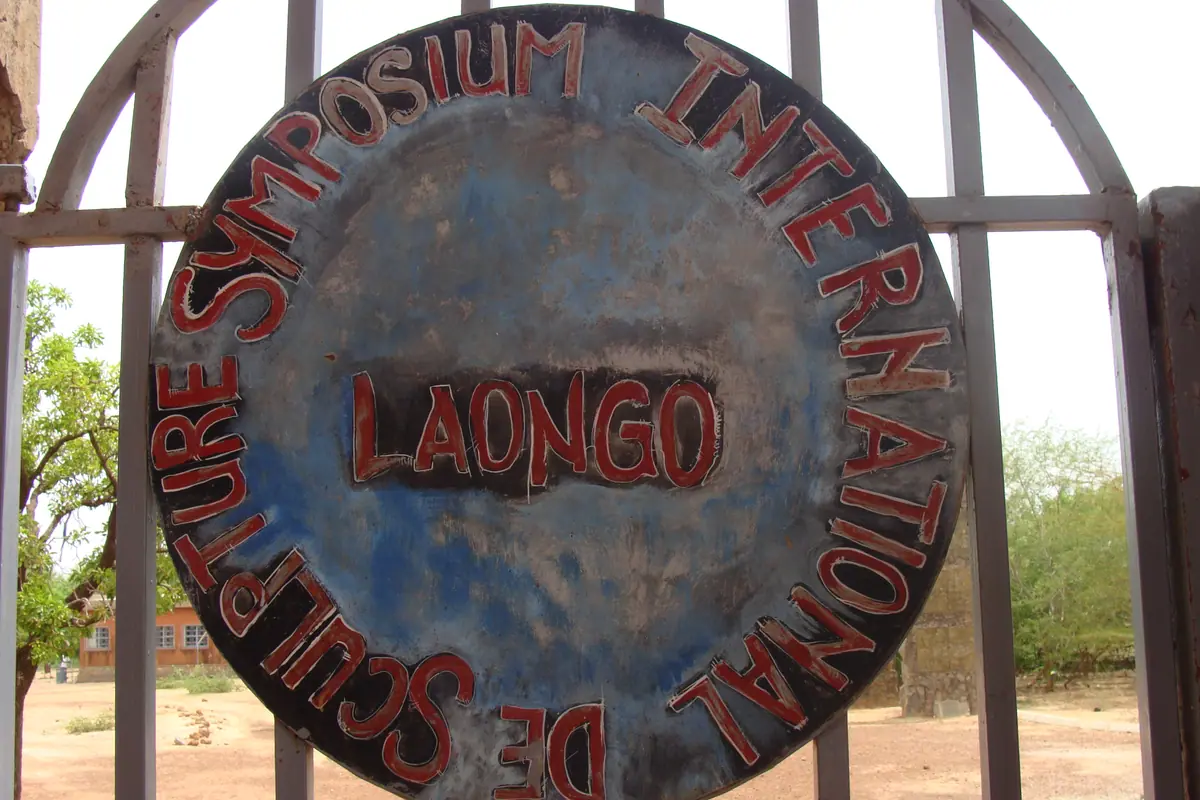
The highlight of this stretch is Laongo, roughly 35 kilometres east along the road towards Fada N'Gourma. Since the late 1980s, sculptors from across Africa and beyond have carved an open-air gallery into the flat granite outcrops here, turning the bedrock into faces, abstract forms and monumental tableaux scattered across the bush. Go in the late afternoon, when the stone turns amber and the site empties out. Bring water, wear closed shoes, and expect to walk a fair distance between works.
Days 3–4: South to Bobo-Dioulasso, the Country's Cultural Heart
Bobo-Dioulasso, about 360 kilometres south-west of the capital, is Burkina Faso's second city and its artistic soul. The drive takes six to seven hours on a paved but slow highway, with roadside stops for grilled corn, mangoes and roasted yam; domestic flights between the two cities exist on paper but are infrequent and unreliable, so most travellers take a private car with a driver, or a long-distance coach from the main bus stations. Break the journey at Boromo, where elephants occasionally cross the highway in the dry months.
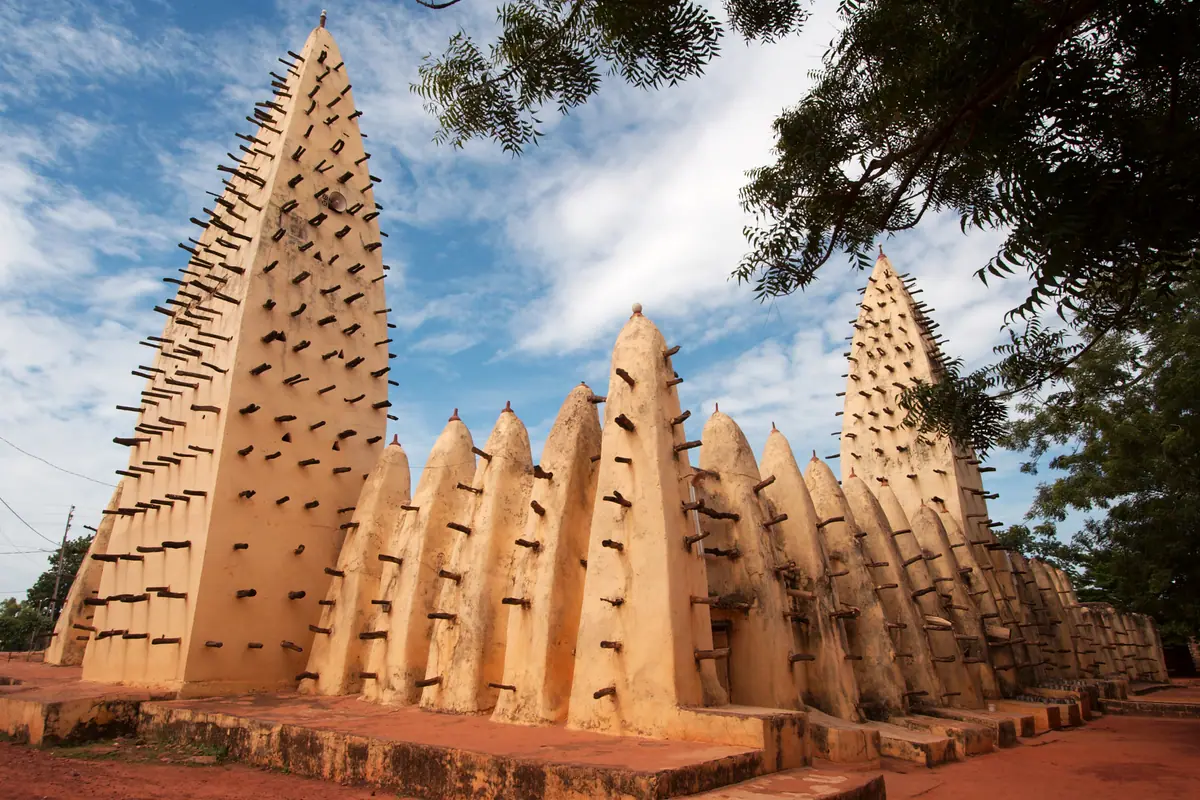
Base yourself near the old town and make straight for the Grande Mosquée de Bobo-Dioulasso, the Sudano-Sahelian masterpiece built from mud brick with a forest of wooden support beams jutting from its walls. Non-Muslim visitors should dress modestly, ask permission, and expect to be guided by a local volunteer who explains the prayer hall and the annual re-plastering festival. Nearby is the Dioulassoba quarter and the Kibidwe district, a warren of courtyards where blacksmiths, potters, weavers and dyers still work at inherited trades — the smell of indigo and hot metal hangs over the lanes.
Culture here is inseparable from music: Bobo is a city of griots, balafon players and dance troupes, and small concerts happen most weekends in the maquis around the old town. Add the mausoleum of Guimbi Ouattara, the nineteenth-century ruler and woman of influence who shaped the city, then eat dinner by the water at one of the lakeside grills. Give Bobo two nights if you can; the pace here is slower and warmer than the capital's.
Days 4–5: Banfora, the Sindou Peaks and the Green South-West
From Bobo it is only about 85 kilometres of good tarmac to Banfora, the gateway to the country's most photogenic landscapes. The Cascades de Karfiguéla are a set of wide, terraced waterfalls tumbling over laterite ledges in a grove of mango and bamboo; they are at their most dramatic from October into December, and by the end of the dry season they can reduce to a trickle, so plan accordingly. Bring swimming gear for the pools below when the water is high, and watch for the small monkeys in the surrounding trees.
A short drive away, the Dômes de Fabedougou are smooth, rounded limestone domes that look like a landscape from another planet — perfect for a scramble and a picnic before the midday heat. Nearby, Lac Tengrela is famous for its resident hippos; you go out at first light in a wooden pirogue with a local boatman and drift quietly until the snouts surface. Do not attempt to swim, and keep a respectful distance.
Then head west to the Pics de Sindou, a ridge of eroded sandstone pinnacles rising like teeth from the plain. A guide meets you at the entrance and leads you along a fifteen-minute path through the towers, pointing out the natural shelters once used for initiation ceremonies and the swallows that nest in the crevices. Sunset is the moment to be there. The round trip from Banfora, including the falls and the lake, fills a very satisfying day.
Days 6–7: Loropéni, Tiébélé and the Long Road Home
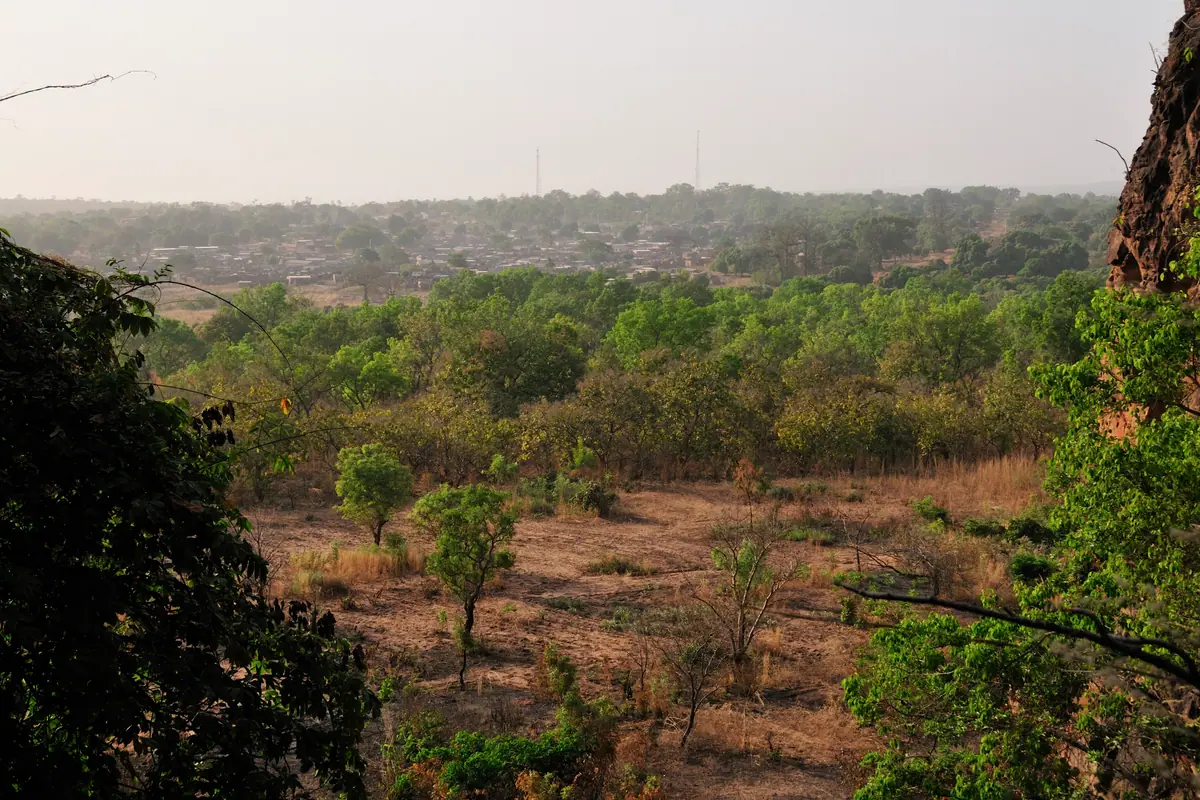
If you can stretch the itinerary south, the Ruins of Loropéni are the country's only UNESCO World Heritage Site — the remains of a fortified stone settlement tied to a centuries-old gold trade, standing in quiet scrubland about 40 kilometres from Gaoua. The walls, some of them two metres thick, enclose a labyrinth of inner courtyards, and the site is best visited in the cooler morning hours with a guide who can explain the archaeology and the mysteries that remain.
Further south-east, near the border with Ghana, the Cour royale de Tiébélé is one of the most arresting sights in West Africa: the royal compound of the Kassena people, its earthen walls painted with black, white and ochre geometric patterns by the women of the community. Visitors are received by a member of the chiefly family, and a small contribution is expected; photography requires permission and should never be assumed. The nearby Niansogoni cliff dwellings, rock shelters built into an escarpment, are a fascinating add-on if you have a spare half-day.
Realistically, most week-long travellers do one southern loop rather than both, and then face the long haul back to Ouagadougou — eight to nine hours by road from Gaoua, fewer from Banfora. Fly out the following morning if your onward flight leaves early, and keep your final evening free for a last dinner and a look around the capital's craft market for bronze figurines, leather bags and woven blankets that actually fit in a suitcase.
Flying In and Out: Practical Notes for a Week in Burkina Faso
There are no long-haul nonstop services to Ouagadougou from most of the world. Typical routings connect through North African, European or West African hub cities, with total journey times of six to ten hours from Europe and considerably more from North America or Asia. Fares rise sharply around major holidays and during the dry-season high season, so book well ahead. Yellow fever vaccination is compulsory and you will be asked for the certificate on arrival; an e-visa can be arranged before departure, and a yellow fever card plus a course of malaria prophylaxis are non-negotiable for most visitors.
The currency is the CFA franc, and its fixed exchange rate makes budgeting straightforward. Banks and ATMs in Ouagadougou and Bobo-Dioulasso generally work; outside those cities, bring enough cash for fuel, guides and village fees. Carry small notes. Distances between the sights on this route are real — the country is the size of a large European nation — so a hired car with a driver is the single best investment you can make, and you should never drive on rural roads after dark.
A word on safety, because it matters more here than the scenery. The far north and the eastern border zones, including the big wildlife reserves that were once the country's headline attractions, are subject to serious security problems and are effectively off-limits to tourists. The practical tourist corridor — Ouagadougou, Bobo-Dioulasso, Banfora, Sindou, Gaoua and Tiébélé — is generally travelled without incident, but you should check your government's current advice before booking, register your itinerary, travel with local guides, and stay flexible. A week here rewards humility and preparation with some of the warmest welcomes in West Africa.
Frequently asked questions
Is Burkina Faso safe for tourists?
The main tourist corridor — Ouagadougou, Bobo-Dioulasso, Banfora, Sindou, Gaoua and Tiébélé — is travelled regularly and generally without incident, but large parts of the north and east, including the big national parks and border zones with Mali and Niger, are effectively off-limits because of armed conflict and kidnapping risk. Check your government's latest advisory before booking, avoid night driving, use local guides and a hired driver, and register your itinerary.
When is the best time to visit Burkina Faso?
November to February is the sweet spot: dry roads, lower humidity, cool evenings and the soft, hazy light of the harmattan. March to May is punishingly hot, with temperatures often above 40°C. The rains come from June to September and can make rural tracks difficult, though the landscape turns lush and the Cascades de Karfiguéla are at their fullest just after the rains, in October and November.
Do I need a visa and vaccinations?
Most nationalities need a visa, which can usually be arranged online before travel; check the current requirements for your passport well in advance. Yellow fever vaccination is mandatory and proof is requested at the airport. Malaria is present year-round, so prophylaxis and mosquito precautions are strongly recommended, along with routine travel vaccinations and a good supply of any personal medication.
Can I fly between Ouagadougou and Bobo-Dioulasso?
Domestic flights do exist but are infrequent and frequently rescheduled or cancelled, so most travellers treat the road as the reliable option. The drive takes roughly six to seven hours on paved highway, or you can take a comfortable long-distance coach from the capital's main bus stations. If you do want to fly, book far ahead and keep a road plan as your backup.
How much does a week in Burkina Faso cost?
Costs are moderate by international standards. Mid-range guesthouses and hotels, a hired car with a driver, meals at local maquis and entrance fees to sites like Laongo, Sindou and the painted houses of Tiébélé add up to a fraction of what a comparable week in Europe would cost. Budget extra for cash-only village fees and craft shopping, since card payments are rare outside the two main cities.
Plan it — flights in Burkina Faso
Live search, booked directly with trusted providers.
Sort the rest of your trip
Everything for Burkina Faso, in one place
Stay in Burkina Faso
Hotels, guesthouses and apartments — compared in one search.
Search hotels
Transfer in Burkina Faso
Private driver waiting on arrival — no queues, no surprises.
Book a transfer
Travel insurance
Medical cover, delays and lost baggage — sorted before you go.
Get covered