Burkina Faso is West Africa without the filter: mud-brick mosques the colour of baked earth, granite hills carved into open-air sculpture, and elephant herds drifting through golden savannah. It rewards travellers who move slowly, travel with local guides and accept that the best moments happen on dusty roads between towns.
Ouagadougou: Monumental Squares, Markets and Moped Chaos
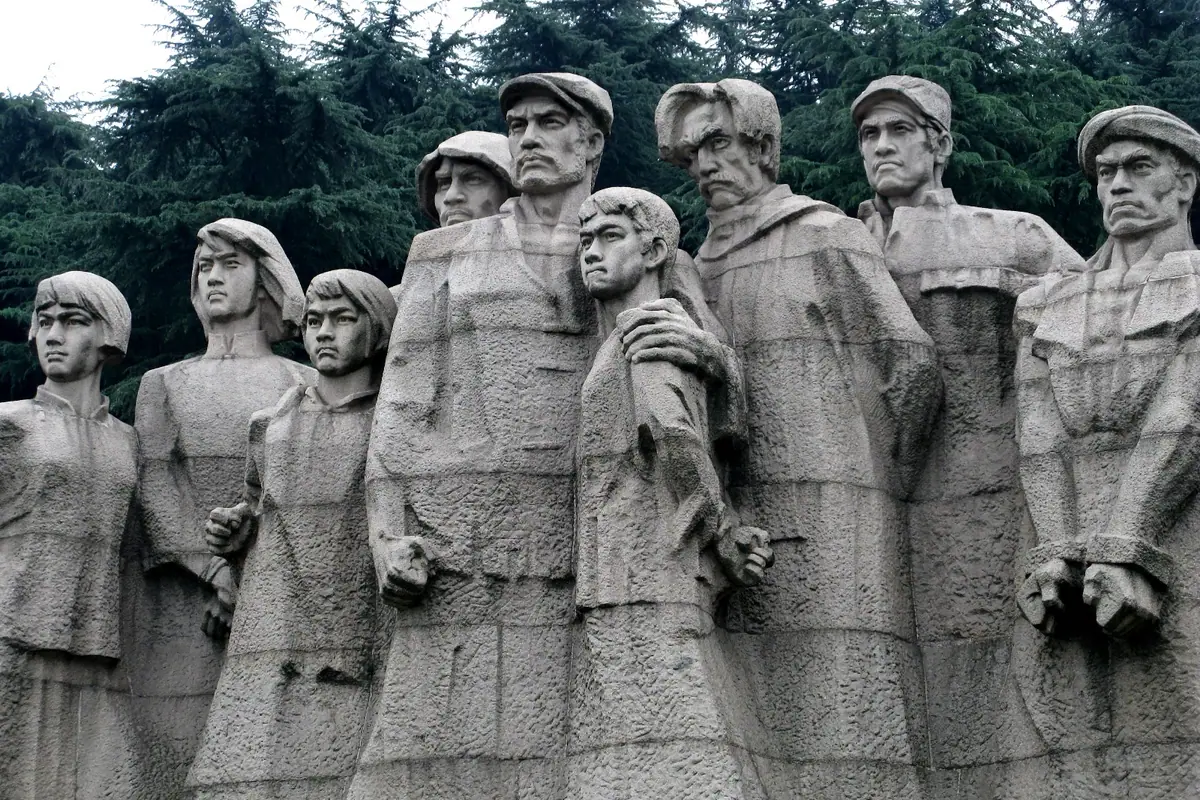
Burkina Faso's capital is flat, sprawling and loud in the most alive way — a city of ochre dust, mango trees and swarms of mopeds that part around you like water. Start at the Monument aux Héros Nationaux, the soaring concrete memorial that dominates the eastern skyline and doubles as a viewpoint over the city. From there, drift into the centre for the Grand Marché, where stalls spill over with hand-painted batik, brass castings, leather sandals and bogolan mud cloth; the nearby Village Artisanal is calmer, with workshops where you can watch bronze-smiths pour molten metal into moulds. The Musée National du Burkina Faso rounds out a first day with masks, drums, woven textiles and a reconstructed courtyard compound that explains how families lived before corrugated roofs.
Walk ten minutes from the Grand Marché and you reach the Cathédrale de l'Immaculée Conception, a red-brick, twin-spired church from the 1930s that sits slightly awkwardly among the market noise — a reminder of the country's layered history. For something quieter, the Bangr-Weoogo classified forest is a 260-hectare green lung inside the city limits, threaded with red-earth tracks where joggers, birdwatchers and couples escape the traffic; go early, when the light comes through the trees and the air is still cool.
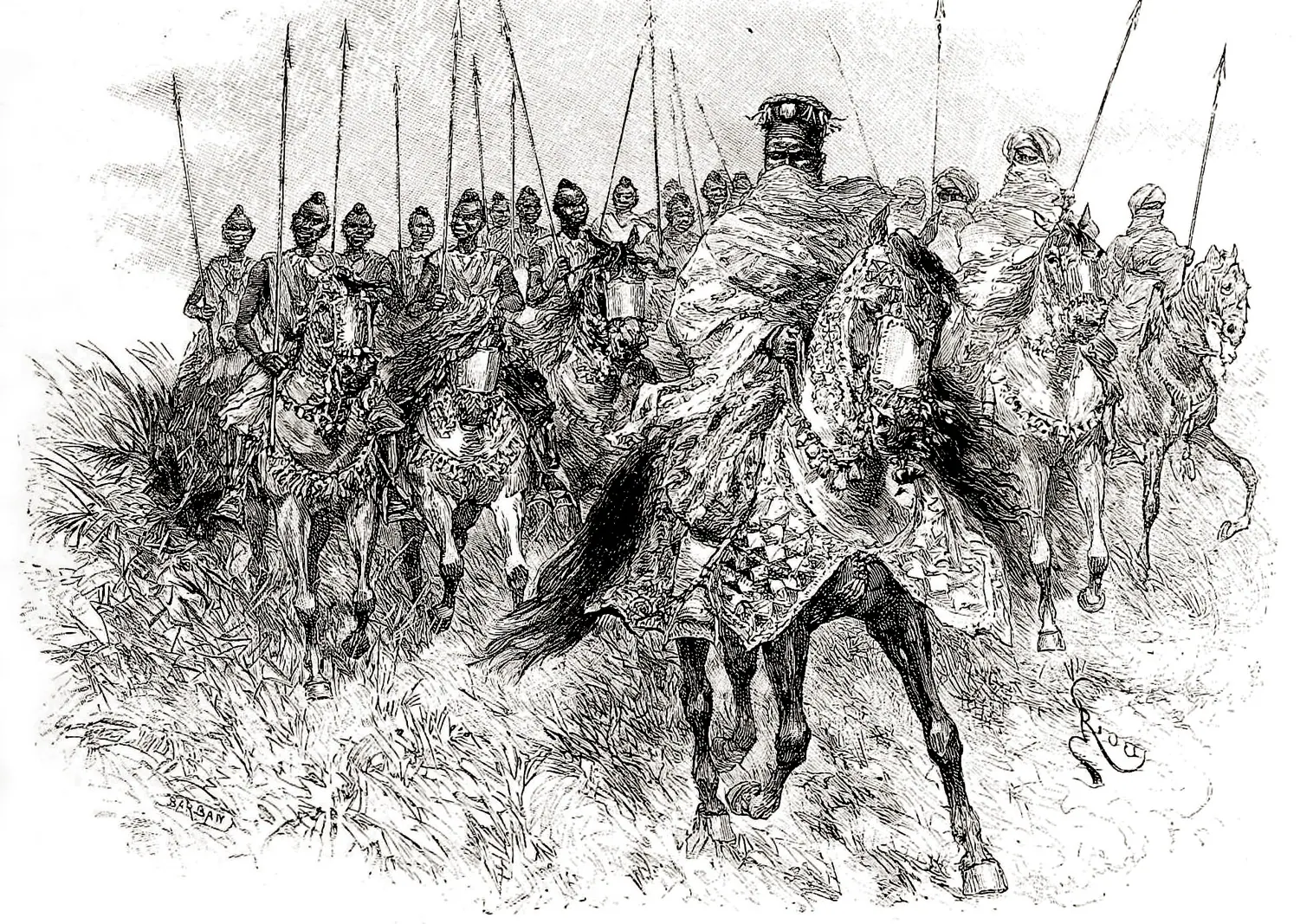
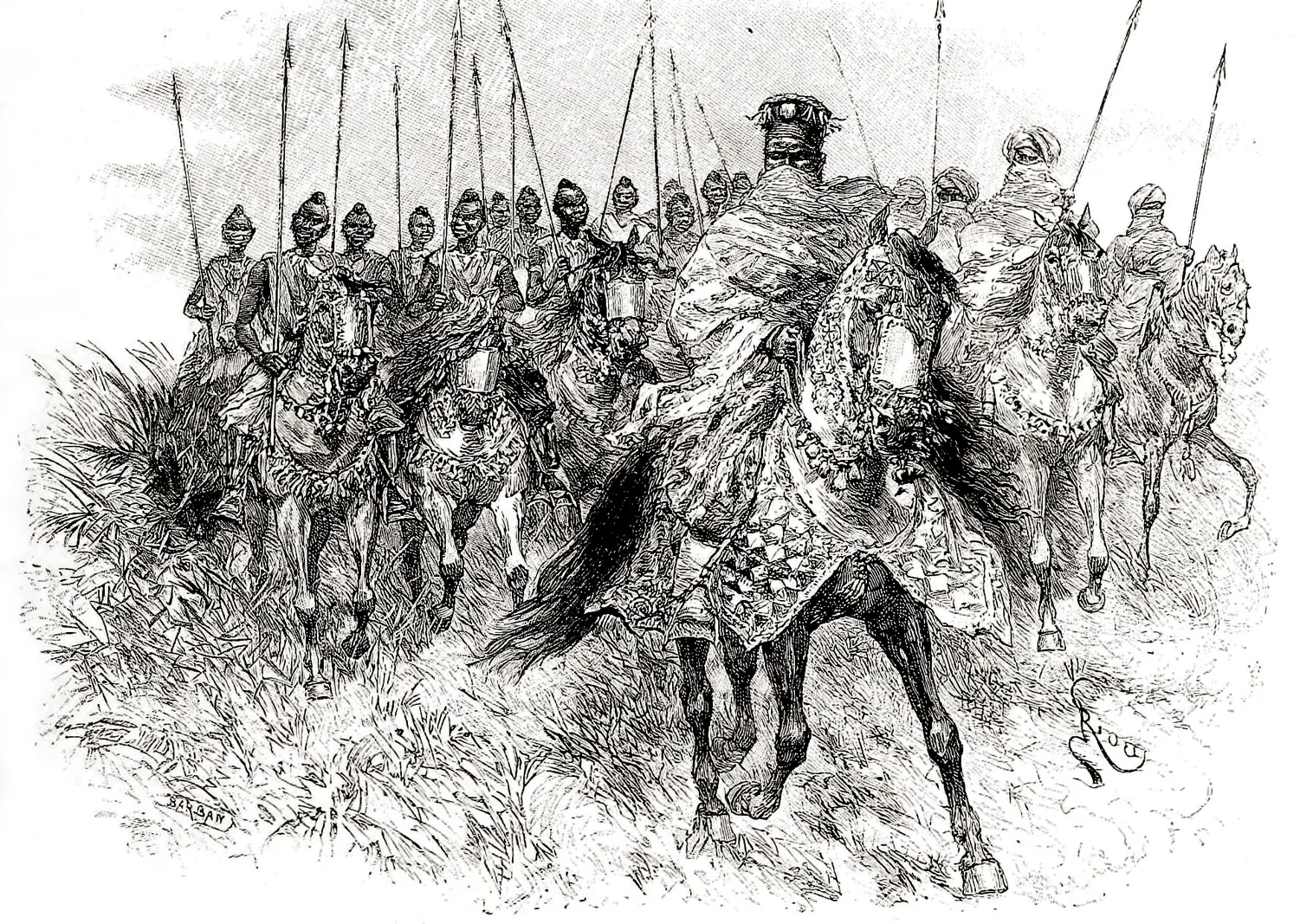
If your timing is lucky, Friday morning brings the Moro-Naba ceremony, when the traditional ruler of the Mossi people rides out in full ceremonial dress accompanied by drums, griots and a crowd of onlookers — it starts early, around seven, and is one of the most authentic spectacles in the capital. Evenings belong to the maquis, the open-air eating houses where plates of tô, riz gras and grilled chicken arrive with cold drinks and amplified music. Cultural festivals rotate through the calendar — a pan-African film festival in odd-numbered years, a huge crafts fair in the autumn — so it's worth checking what's on before you book flights.
Bobo-Dioulasso: The Mud Mosque and the Old Dioula Quarter
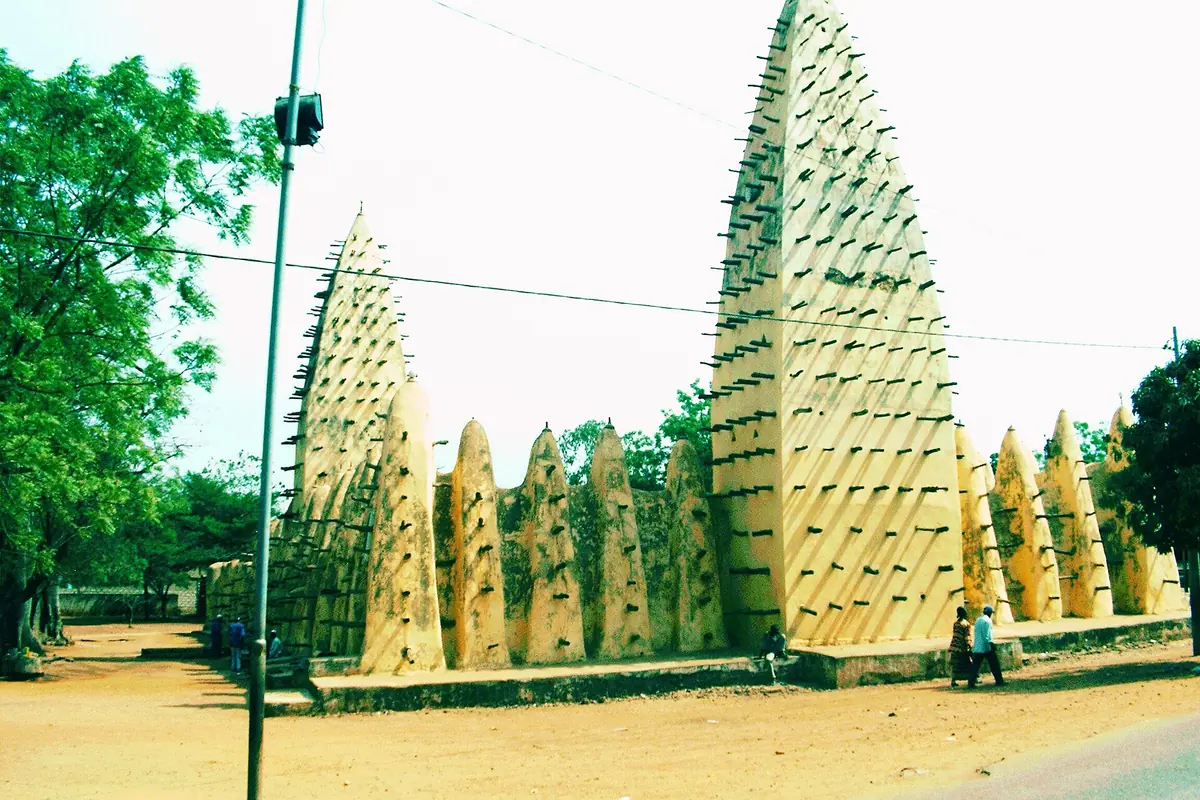
Five to six hours southwest of the capital, Bobo-Dioulasso is a slower, greener, more graceful city, and its centrepiece is the Grande Mosquée de Dioulassoba — a Sudano-Sahelian masterpiece of sun-baked earth studded with wooden beams that jut out like porcupine quills. Non-Muslim visitors generally can't enter the prayer hall, but you can admire the facade and arrange a local guide to explain the annual re-plastering ritual, when the whole community turns out to re-render the walls by hand. Dress modestly, ask before photographing, and expect a small customary fee for guides and caretakers.
Behind the mosque lies Kibidwe, the old quarter, where narrow lanes run between courtyards belonging to blacksmiths, griots and leatherworkers. The mausoleum of Guimbi Ouattara, a nineteenth-century ruler and diplomat, sits nearby, and the Musée Sogossira Sanon in the town centre holds masks, fetishes, instruments and indigo cloth in a small colonial-era building. The Marché Moussa is the place to buy shea butter, woven blankets and hand-dyed fabric, while the bridges over the Houët river draw a dusk crowd to the straw-roofed bars. If you can time a visit to the city's biennial national culture week, you'll see mask troupes from across the country performing in the streets.
Easy Day Trips from the Capital: Laongo, Bazoulé and Manéga
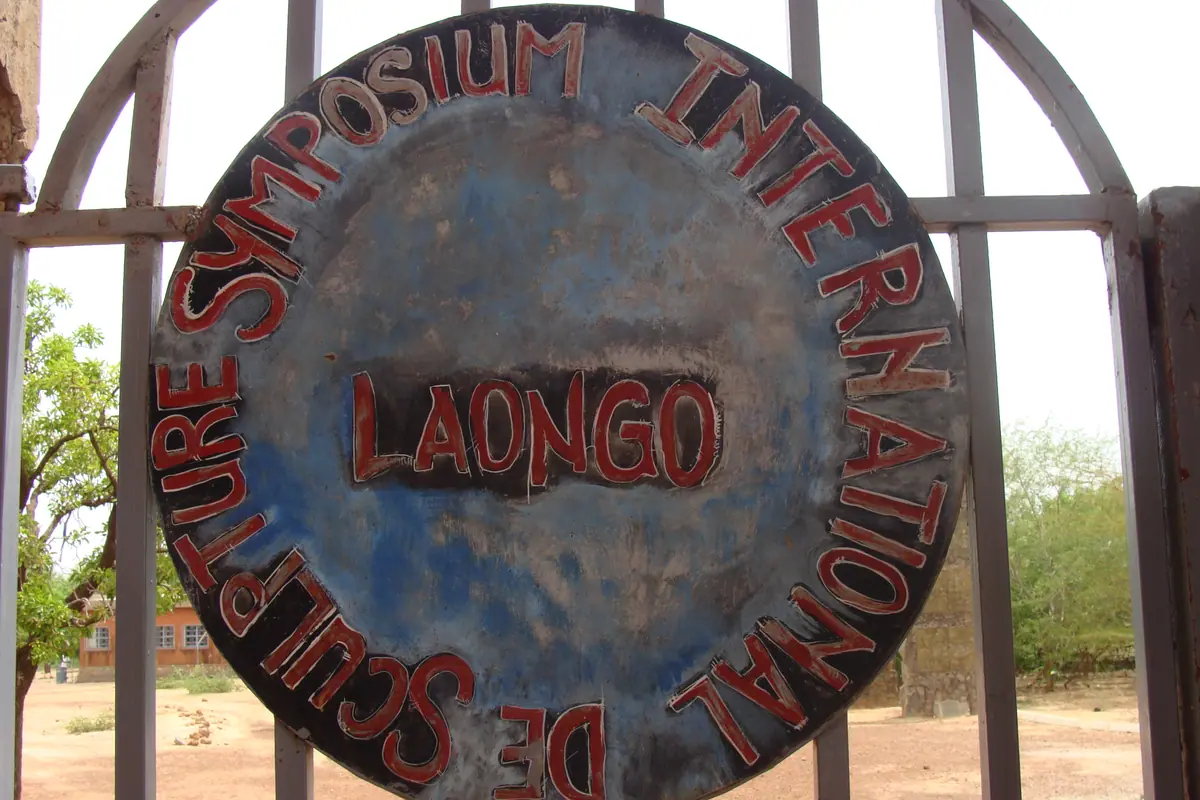
You don't need to go far from Ouagadougou for a memorable day out. About 35 kilometres east, the granite plateau of Laongo has been turned into an open-air sculpture park since the late 1980s, when artists began carving figures, faces and abstract forms directly into the rock. It's hot, shadeless and completely worth it — take more water than you think you need, go in the morning, and allow a couple of hours to wander between the outcrops.
West of the city, the sacred crocodile ponds at Bazoulé — and the similar pool at Sabou, further along the Bobo road — are a genuinely odd spectacle: guides coax hefty Nile crocodiles out of the water with a chicken, and the animals tolerate humans with unnerving calm. It is a long-standing local tradition rather than a zoo, so treat it with respect, keep your distance and never grab a tail for a photo.
Northeast at Ziniaré, the Musée de Manéga is a wonderfully eccentric collection founded by a Burkinabè writer, its grounds packed with hundreds of masks, instruments, granaries and traditional dwellings arranged like a village. Closer to the southern border, the painted houses of Tiébélé are another standout: the Kassena royal court is covered in geometric black, white and red murals repainted by the women of the community, best visited as an overnight trip via Pô.
The Cascades Road: Banfora, Sindou and Tengréla
Banfora, roughly 85 kilometres southwest of Bobo-Dioulasso, is the gateway to Burkina's most photogenic landscapes. The Cascades de Karfiguéla tumble over a rocky ledge about 12 kilometres out of town, and they're at their most dramatic from August to October, when the rains have filled the pools and you can swim beneath the falls. Even in the dry season the walk through mango and palm groves is worth the trip. A few kilometres beyond, the Dômes de Fabédougou rise like a cluster of bald stone eggs, easy to scramble over and magical in late light.
The Pics de Sindou, about 45 kilometres northwest of Banfora, are the region's signature sight: a chain of jagged sandstone peaks that the Senoufo people consider sacred. A one- to two-hour loop trail winds between the pinnacles with a local guide, and the views over the surrounding plains are best in the hour before sunset. Bring sturdy shoes — the path is sandy and uneven.
For wildlife without a long expedition, head to Lac de Tengréla, where hippos surface at dawn and dusk; local boatmen pole you out in near silence, which is the only way to get close without spooking them. Further north near the Bobo road, the Mare aux Hippopotames de Bala is a reed-fringed lake protected as a biosphere reserve, with hippos, crocodiles and well over two hundred species of birds. Both are half-day visits, and both are far better with a guide who knows where the animals haul out.
Savannah and Elephants: Nazinga, Arly and the W Park
Burkina Faso's best wildlife encounters happen in the dry season, roughly December to April, when the grass thins, waterholes shrink and animals gather where you can see them. The Réserve de Nazinga, close to the town of Pô in the south, is the country's most reliable bet: it began as a private ranch and now shelters a healthy elephant population that is unusually relaxed around vehicles. Game drives leave at first light in open 4x4s, and alongside elephants you may spot kob, bushbuck, warthog, baboon and a long list of raptors. Simple rondavel-style lodging inside the reserve lets you sleep to the sound of the bush.
Further east, Parc National d'Arly covers around 760 square kilometres of wooded savannah and is one of the country's wildest corners, with elephants, buffalo, lions and antelope — though sightings are never guaranteed and the roads are rough. The far southeast holds Burkina's share of the W transboundary park, named for the double bend the Niger River makes along the border; reaching it involves serious logistics and a long drive via Diapaga, so it suits travellers with time, patience and a properly equipped vehicle.
Practicalities matter here. Never attempt these parks in a saloon car or without a ranger, hire a driver-guide through your guesthouse, and expect long, bumpy transfers for relatively short windows of animal activity. Dawn and the last hour before dusk are when everything moves; the middle of the day belongs to the heat and the shade.
Ruins, Mask Festivals and the Sahel Frontier
In the deep southwest near Gaoua, the Ruines de Loropéni are Burkina Faso's most important archaeological site — a complex of thick laterite stone walls spanning thousands of square metres, linked to the trans-Saharan gold trade and inscribed as a World Heritage Site in 2009. The setting is quiet and strangely evocative, and a local guide will walk you through what is known and what remains a mystery about the people who built it. Gaoua itself has a small provincial museum covering Lobi and Gan culture, and the surrounding villages are known for fortified mud houses and distinctive architecture.
Northwest of Bobo-Dioulasso, Dédougou hosts a biennial mask festival in even-numbered years, when hundreds of masked dancers from across the region converge for days of drumming, acrobatics and ceremony. It is one of the most spectacular cultural events in West Africa, and accommodation in town fills fast — book months ahead or stay in Bobo and drive.
The Sahel in the far north is another world: the weekly Thursday market at Gorom-Gorom draws Fulani, Tuareg and Bella traders dealing in salt, indigo, livestock and silver, and the shallow Mare d'Oursi nearby attracts waterbirds and gazelle. Be realistic, though — the northern and eastern border zones carry standing security warnings, and most foreign governments advise against travel there. Stick to the accessible south and west unless you have current local advice and an experienced operator.
Frequently asked questions
When is the best time to visit Burkina Faso?
November to February offers the most comfortable weather — dry, dusty with harmattan haze, and cool enough for long days of sightseeing. December to April is the sweet spot for wildlife in Nazinga and Arly, when animals concentrate around water. The rains arrive roughly June to September, turning the country green and filling the Karfiguéla waterfalls, but some tracks become impassable. March to May is punishingly hot, with temperatures pushing past 40°C.
How long do I need to see the highlights?
Ten days to two weeks works well. Three nights in Ouagadougou covers the monuments, markets and day trips to Laongo and Bazoulé; two or three nights in Bobo-Dioulasso covers the old quarter and mosque; three nights around Banfora handles the cascades, Sindou peaks and Tengréla; and two nights at Nazinga gives you proper dawn game drives. Anything shorter means spending most of your trip in a vehicle.
Is Burkina Faso safe for travellers?
Parts of the country are not. The northern and eastern border regions, including the Sahel and the approaches to the W park, carry serious security warnings, while the south, west and the Ouagadougou–Bobo corridor are generally considered manageable with normal precautions. Check your government's current travel advice before booking, avoid road travel after dark, and use a reputable local operator for parks and remote sites.
What do I need for entry and health?
Visa rules vary by nationality, so confirm requirements with a Burkinabè embassy or consulate well in advance. A yellow fever vaccination certificate is required for entry, and malaria prophylaxis is strongly recommended for the whole country. Bring your own mosquito repellent, a filter or purification tablets if you're heading off the main routes, and copies of your passport and insurance details.
How do I get around, and what should I know about money?
The paved highway between Ouagadougou and Bobo-Dioulasso takes five to six hours by bus or shared taxi, and Banfora is a further 85 kilometres. For national parks and the southwest, hiring a 4x4 with a driver-guide is close to essential. The currency is the CFA franc, and Burkina remains a cash economy — carry enough notes for several days, as ATMs outside the main cities are scarce and often unreliable for foreign cards.
Plan it — experiences in Burkina Faso
Live search, booked directly with trusted providers.
Sort the rest of your trip
Everything for Burkina Faso, in one place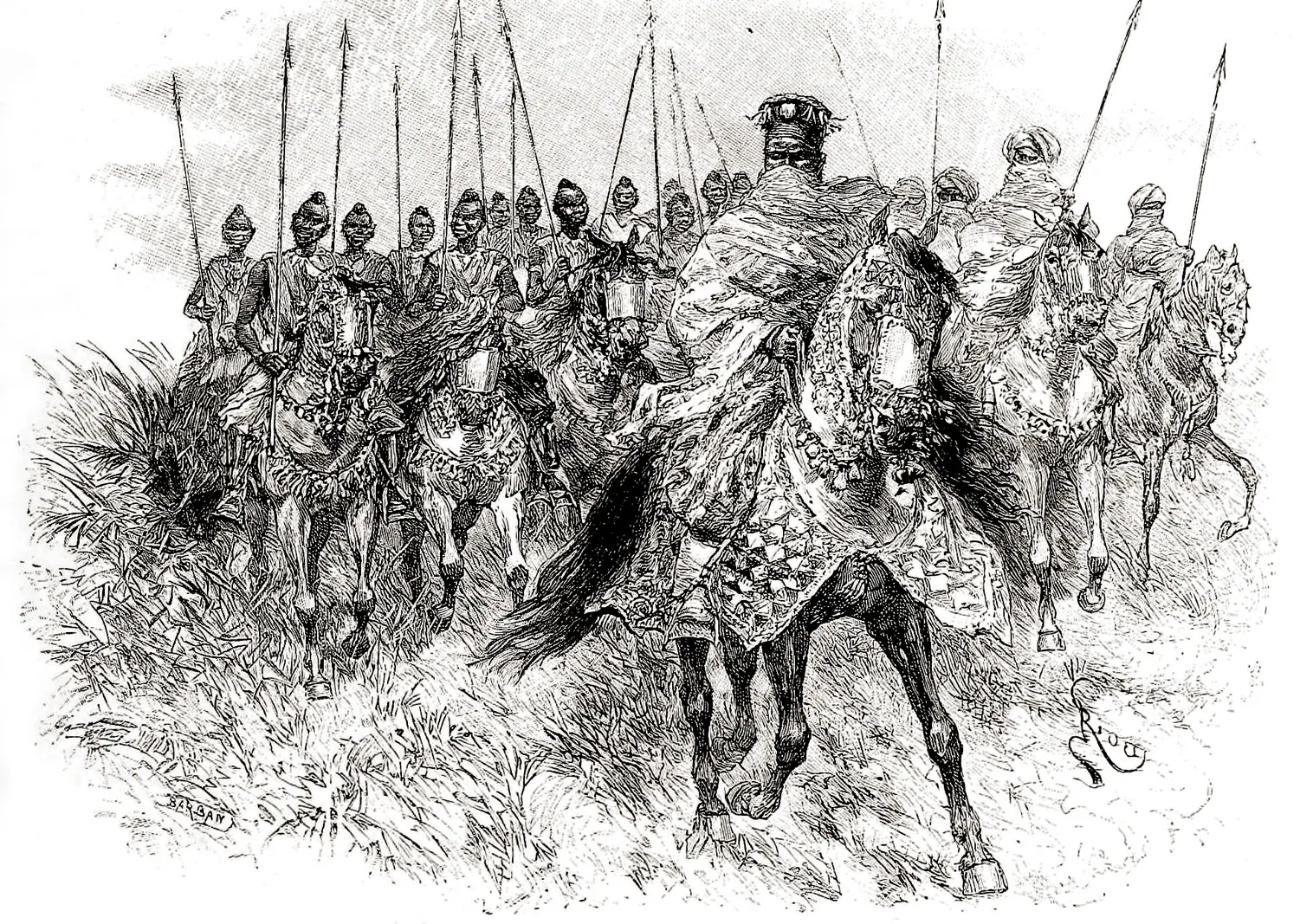
Stay in Burkina Faso
Hotels, guesthouses and apartments — compared in one search.
Search hotels
Transfer in Burkina Faso
Private driver waiting on arrival — no queues, no surprises.
Book a transfer
Stay online in Burkina Faso
Travel eSIM — data the moment you land, no roaming bills.
Get an eSIM