Burkina Faso is a country of two moods: a dry, dusty, luminous half-year when the harmattan haze softens every skyline and the nights turn genuinely cool, and a green half-year when waterfalls thunder off the Banfora escarpment and hippos surface in lakes ringed by new grass. Choosing when to go changes not only what you see — the ruins, mosques, painted villages and rock peaks — but also whether your hotel room is a cool sanctuary or a fan-and-pray affair.
The Golden Window: November to February
This is the stretch most travellers build a trip around. The rains have finished, the air is dry and the harmattan — a fine dust wind blowing down from the Sahara — turns the light milky and the sunsets spectacular. Daytime temperatures in Ouagadougou sit comfortably in the low thirties, while nights in the north around Dori and Gorom-Gorom can drop to the low teens, which is why even hardened overlanders pack a fleece. For anyone planning days of walking through old quarters and long drives to remote sites, this is the kindest weather Burkina Faso offers.
Hotels fill up accordingly. December and January bring diaspora visits and family gatherings, so city-centre rooms in Ouagadougou and the old colonial-era hotels of Bobo-Dioulasso are booked well in advance, especially over Christmas and New Year. If your plan involves the Grand Mosque of Bobo-Dioulasso, the labyrinth of the Dioulassoba and Kibidwe quarters, or the UNESCO-listed Ruins of Loropéni in the far southwest, this is the season when the dirt approaches to them are at their most passable.
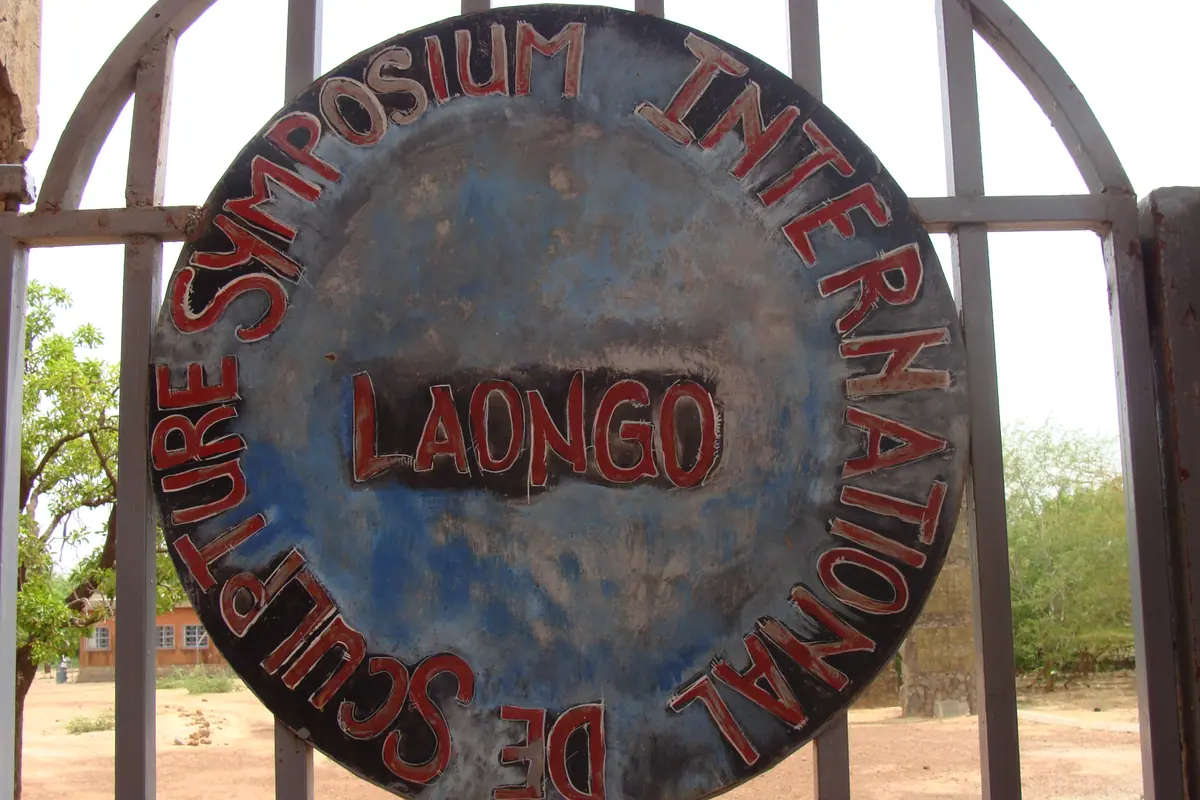
The trade-off is haze. Views from the Sindou Peaks or across the Laongo granite sculptures lose some crispness, and anyone with respiratory sensitivity should carry a mask on dusty days. Photography actually improves in the soft, diffused light — just expect to edit less contrast, not more.
March to May: The Hot Season and the Case for Air Conditioning
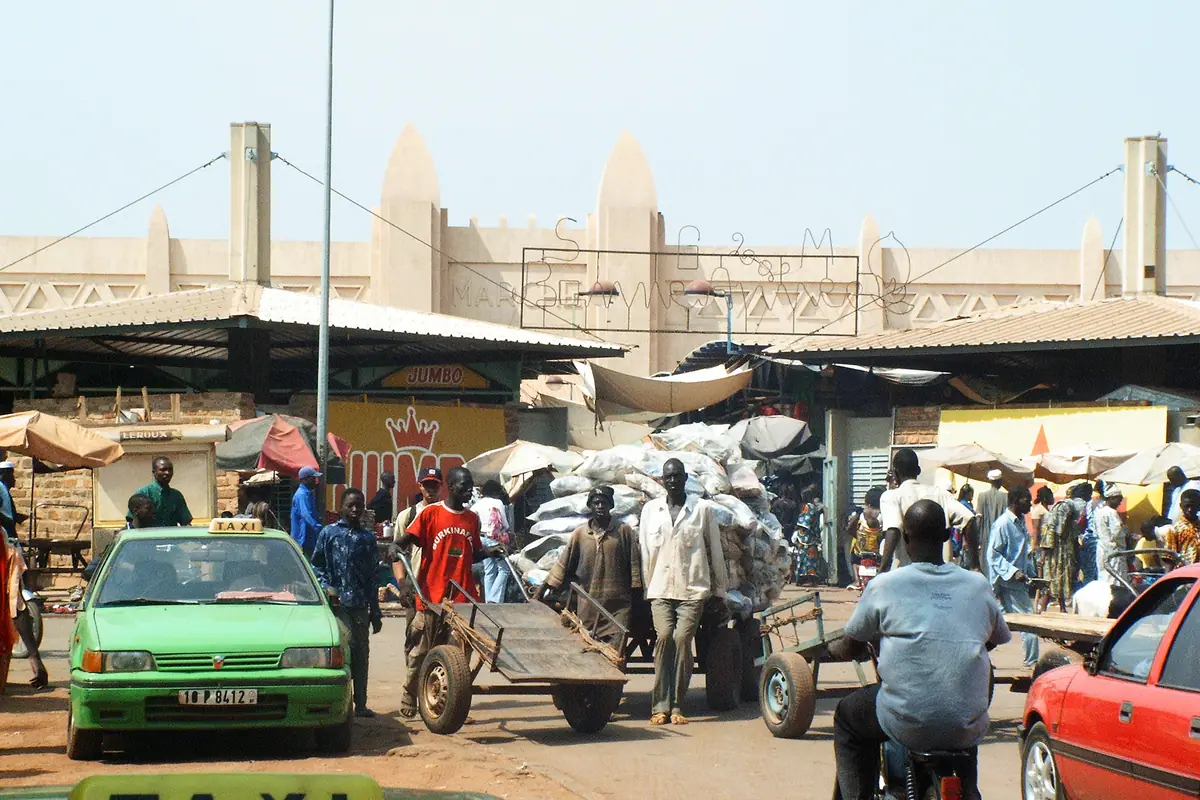
By March the dust clears and the heat arrives in earnest. Ouagadougou regularly climbs past 40°C, and in the far north around Ouahigouya and Dori the mercury can push toward 45°C in April. This is when your choice of hotel stops being an aesthetic decision and becomes a survival strategy. Rooms with working air conditioning, a generator for the inevitable power cuts and a swimming pool move from nice-to-have to essential, and the difference between a well-run mid-range property and a cheap guesthouse with a ceiling fan is felt every single afternoon.
Sightseeing has to be reorganised around the sun. Start at dawn for open-air places like the National Museum of Burkina Faso, the wooded paths of Bangr-Weogo Urban Park, or the carved granite hill of Laongo about an hour east of the capital, where sculptors have worked the rock in situ. Retreat to your room or a shaded terrace between noon and four, then head out again for the evening, when the city's squares and cinema-themed monuments fill with people.
The upside is availability. Once the December rush passes, rates soften and the big international-standard hotels in Ouagadougou empty out, making this a good window for travellers who prioritise comfort over perfect weather. Ramadan and Easter are the exceptions, when domestic travel and family visits briefly tighten the market again.
June to October: Green Season, Waterfalls and Wildlife
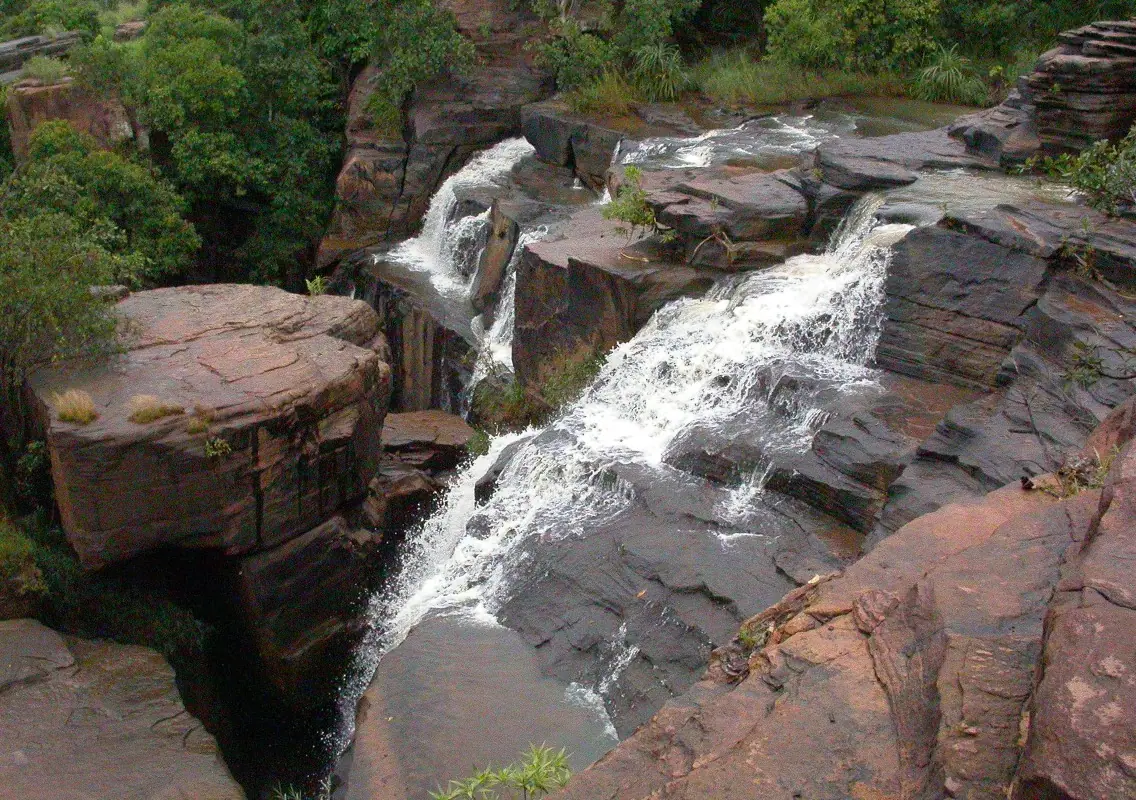
The rains reach the southwest first, arriving in Bobo-Dioulasso and Banfora in June, then pushing north to Ouagadougou by July and peaking in August. Storms are short and violent rather than all-day drizzle, and the country transforms: laterite roads turn rust-red, millet fields shoot up, and the Cascades de Karfiguéla near Banfora actually flow, dropping over stepped rock into pools you can swim in. Hippos become easier to spot at Lac Tengrela and in the Mare aux Hippopotames near Bala, both of which are at their liveliest when the water is high.
Travel logistics need more thought. Tracks leading to the Sindou Peaks, the painted houses of Tiébélé and the safari camp at Nazinga Game Ranch can turn to grease, so a four-wheel-drive vehicle and a driver who knows the route make a real difference. Some remote campements close for the quiet months, and rooms that were booked out in January sit empty — which means better rates, more choice and a genuinely different, greener country.
Health is the main consideration. Mosquito numbers build through the season, and malaria risk is highest in the weeks after the rains taper off, so a treated net, repellent and the right prophylaxis matter. Humidity keeps nights sticky even though daytime temperatures ease to around 30°C, and air conditioning is still worth paying for.
Where to Stay, and How the Season Shapes Your Booking
Ouagadougou offers the widest range: large hotels with pools and conference facilities in the business districts, mid-range options along the central avenues near the Place des Cinéastes, and small guesthouses in the newer eastern quarters. The city is flat, hot and spread out, so proximity to the sights you actually plan to visit — the Monument des Héros Nationaux, the national museum, the craft markets — matters more than a star rating.
Bobo-Dioulasso, the second city and cultural capital, sits at a slightly higher elevation with more rainfall, which makes it noticeably greener and cooler at night. Its charm lies in the old town, where the Grand Mosque with its conical minaret and projecting wooden beams anchors the Dioulassoba and Kibidwe neighbourhoods. Staying within walking distance of that core, in one of the older courtyard properties, gives you early-morning access before the heat and the crowds arrive.
Head south and the accommodation changes character. Banfora has simple lodges and guesthouses that work well as a base for the Dômes de Fabédougou and the Karfiguéla cascades; near the Sindou Peaks you find modest campements; and Nazinga Game Ranch runs basic safari-style accommodation inside the reserve. These places are at their best in the dry months, when electricity is steadier, roads are firm and evenings are cool enough to sit outside.
Matching the Sights to the Season
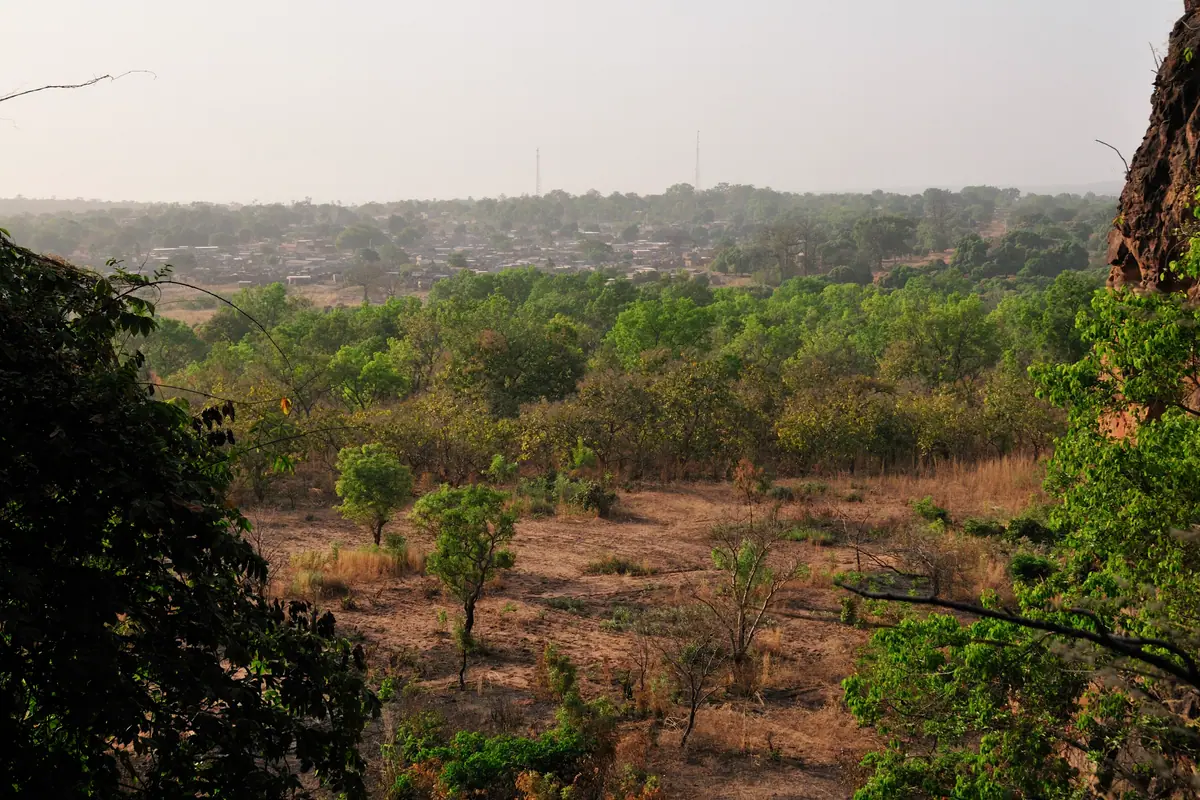
Some landmarks are seasonal by nature. The Ruins of Loropéni, a walled stone complex in the southwest near Gaoua, is most easily reached between November and February, when laterite tracks harden; the same goes for the painted mud-brick houses of Tiébélé, decorated by Kassena women with black, white and red geometric patterns that photograph beautifully in clear dry-season light. The rock spires of the Sindou Peaks are best at sunset year-round, but you will want the stable footing of the dry season to scramble among them.
Wildlife follows the water. Nazinga Game Ranch, south of Pô, concentrates elephants, antelope, warthogs and monkeys around shrinking waterholes as the dry season deepens, so January to March delivers the best game drives — though March heat is punishing by midday. Farther east, Arli National Park and the vast transboundary W National Park reward those who make the long journey with landscapes of gallery forest and savannah, again best in the drier months when vegetation thins and animals gather at rivers.
Wet-season travellers get their own rewards. Between July and September the waterfalls run, the Mare aux Hippopotames fills and the country is at its most photogenic, with washed air and dramatic skies. Year-round standbys include the sacred crocodiles at Bazoulé, just outside Ouagadougou, and the sculpture park at Laongo, both easy half-day trips that slot into almost any itinerary.
Festivals, Practicalities and Packing for the Season
Burkina Faso's calendar is punctuated by events that reshape hotel demand. The pan-African film festival held in Ouagadougou in odd-numbered years turns late February and March into the busiest fortnight of the year, with rooms booked months ahead and rates at their peak. The international craft fair in October and the national culture week staged in Bobo-Dioulasso in spring draw their own crowds. In a country that is predominantly Muslim, Ramadan and Tabaski also shift opening hours, restaurant rhythms and travel patterns, particularly in the north and in Bobo-Dioulasso.
Practical planning is straightforward but worth respecting. The currency is the CFA franc and reliable ATMs cluster in Ouagadougou and Bobo-Dioulasso, so carry cash for the south and the east. Roads to Bobo-Dioulasso and on to Banfora are paved and fast; anything beyond them is a different story in the rains. Power cuts are common, which is why asking a hotel directly about its generator and water storage is a sensible habit rather than a paranoid one.
Packing should follow your season. December and January call for a light jacket for cool harmattan nights and a scarf for dusty air. March to May demands sun hats, loose long sleeves, high-factor sunscreen and electrolytes. June to October means a rain shell, quick-drying clothes, repellent and antimalarials. Whatever the month, bring a headlamp, a power bank and a sense of patience — Burkina Faso rewards travellers who move at its pace rather than against it.
Frequently asked questions
What is the best month to visit Burkina Faso?
November and December are the sweet spot: the rains have ended, daytime temperatures sit in the low thirties, nights are cool and the roads to remote sites such as the Ruins of Loropéni and Tiébélé are firm. December and January are also the busiest, so book city hotels early.
Do hotels in Burkina Faso have air conditioning?
In Ouagadougou and Bobo-Dioulasso, most mid-range and upper-range hotels have air conditioning, often backed by a generator for power cuts. In remote areas such as the Sindou Peaks, Nazinga Game Ranch or the far east, expect simpler campements where a fan, a bucket shower and solar power may be the norm — and confirm before booking.
Is the rainy season a bad time to travel in Burkina Faso?
Not necessarily. From June to October the country is green and dramatic, the Cascades de Karfiguéla flow and hippos are easier to see at Lac Tengrela and the Mare aux Hippopotames. The drawbacks are muddy dirt roads to Sindou, Tiébélé and Nazinga, some seasonal closures and a higher malaria risk, especially just after the rains ease.
When should I book a hotel for the film festival in Ouagadougou?
The pan-African film festival in Ouagadougou runs in odd-numbered years, usually in late February or March, and it is the tightest accommodation market of the year. Aim to reserve three to six months ahead, and expect peak rates in the city centre.
How hot does it get, and how do I plan around the heat?
March to May is the hottest stretch, with Ouagadougou often above 40°C and the far north approaching 45°C. Sightsee at dawn and after four in the afternoon, choose a hotel with a pool and reliable air conditioning, and save open-air sites like Laongo and Bangr-Weogo Urban Park for the early morning.
Plan it — hotels in Burkina Faso
Live search, booked directly with trusted providers.
Sort the rest of your trip
Everything for Burkina Faso, in one place
Transfer in Burkina Faso
Private driver waiting on arrival — no queues, no surprises.
Book a transfer
Things to do in Burkina Faso
Skip-the-line tickets, guided tours and standout experiences.
See experiences
Stay online in Burkina Faso
Travel eSIM — data the moment you land, no roaming bills.
Get an eSIM