Botswana is a country of beautiful contradictions: a river that dies in the sand, a desert that turns green after rain, and a tourism model built on the idea that fewer visitors make for wilder places. From the lily-covered channels of the Okavango Delta to the elephant herds of the Chobe River and the salt pans of the Makgadikgadi, this is what to see, when to go, and how to string it all together.
Okavango Delta: The River That Never Reaches the Sea
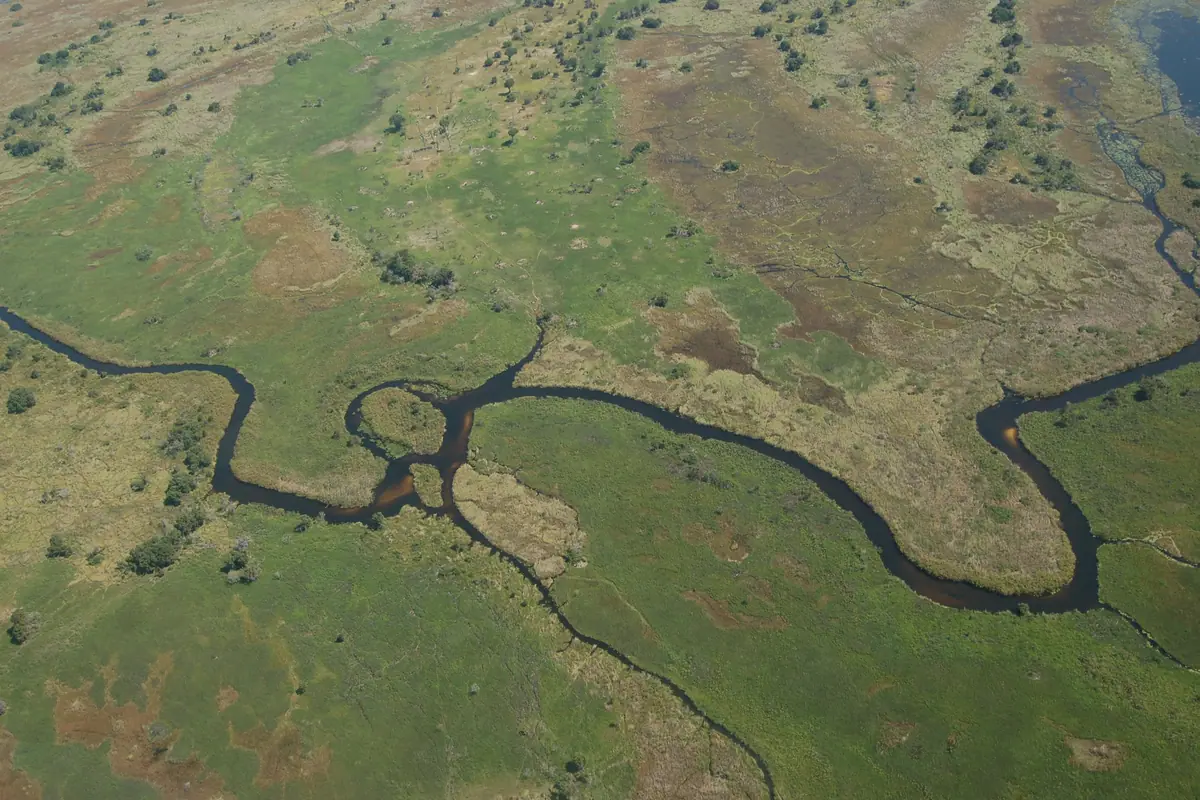
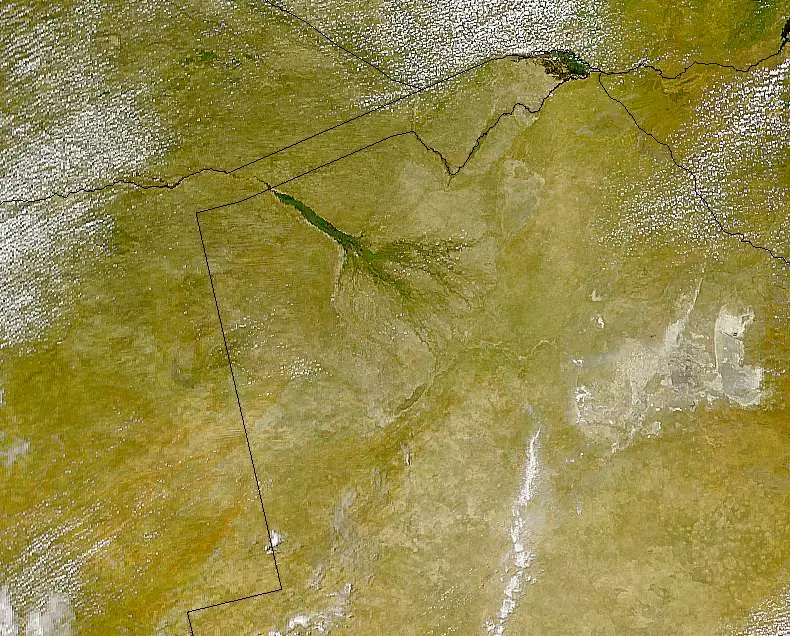
The Okavango is Botswana's defining spectacle. The river spills out of the highlands to the north-west, fans across the Kalahari sand and then simply vanishes — a delta with no sea at the end of it. That quirk creates a shifting labyrinth of channels, lagoons, papyrus beds and palm-covered islands that reshapes itself every year, and the whole system is protected as a World Heritage Site. Elephant, buffalo, lion, leopard, cheetah, African wild dog, red lechwe, sitatunga, hippo and crocodile all live here, along with hundreds of bird species, from the African fish eagle to the retiring Pel's fishing owl.
Because the flood arrives during the dry months, peaking roughly between June and August, the delta is at its lushest exactly when the rest of southern Africa is parched. That inversion is why water-based safari here is so dependable. The classic experience is a mokoro: a dugout canoe poled by a guide standing at the stern, gliding past water lilies and reed frogs at eye level. Moremi Game Reserve protects the heart of the delta, reached by 4x4 from Maun through South Gate, with Chief's Island, the Xakanaxa lagoon, Third Bridge and the Khwai River area among the key game-viewing zones. Islands in the surrounding concessions host guided walking safaris, and the floodplains along the Khwai are superb for leopard and wild dog in the cool early mornings.
Maun is the gateway town, connected by short flights from Gaborone and by light aircraft transfers out to the camps — which means a soft-bag luggage limit of roughly 15 to 20 kilograms. July to September delivers the full water experience; game viewing is strong year-round, and the green season from November to April brings dramatic skies, newborn antelope, migrant birds and gentler rates, though a few camps close during the wettest weeks.
Chobe National Park: The Greatest Elephant Show on Earth
Chobe National Park, in the far north-east, holds one of the largest elephant populations on the continent, and in the dry season — roughly June through October — herds in the hundreds crowd the Chobe River to drink and bathe. The riverfront near Kasane is the easiest place to see them, and this is one of the few parks in Africa where a boat safari is as productive as a game drive: you drift quietly past elephants crossing channels, hippo pods, basking crocodiles, waterbuck and puku antelope.
Beyond the riverfront, Chobe turns into serious wilderness. Savuti, in the park's interior, is famous for a channel that flows in some decades and dries in others, and for the lions and spotted hyenas that have learned to hunt big game around its marsh. Further west, the Linyanti swamps and lagoons concentrate elephant, buffalo, hippo and wild dog, along with elegant roan and sable antelope. Rock paintings at the Gubatsa Hills, on Savuti's edge, hint at how long people have travelled this corridor.
Chobe suits almost any trip. From Kasane you can join a half-day game drive or a sunset cruise without committing to a multi-day safari, and Victoria Falls is roughly an hour's drive away on the Zimbabwean side, making the town a natural stop on a cross-border route. If you plan to self-drive, be realistic about the deep sand tracks towards Savuti and Linyanti; if you would rather not, guided mobile safaris handle the driving and the camping. Book Kasane beds well ahead for July to October.
Kalahari and the Salt Pans: Deserts That Come Alive
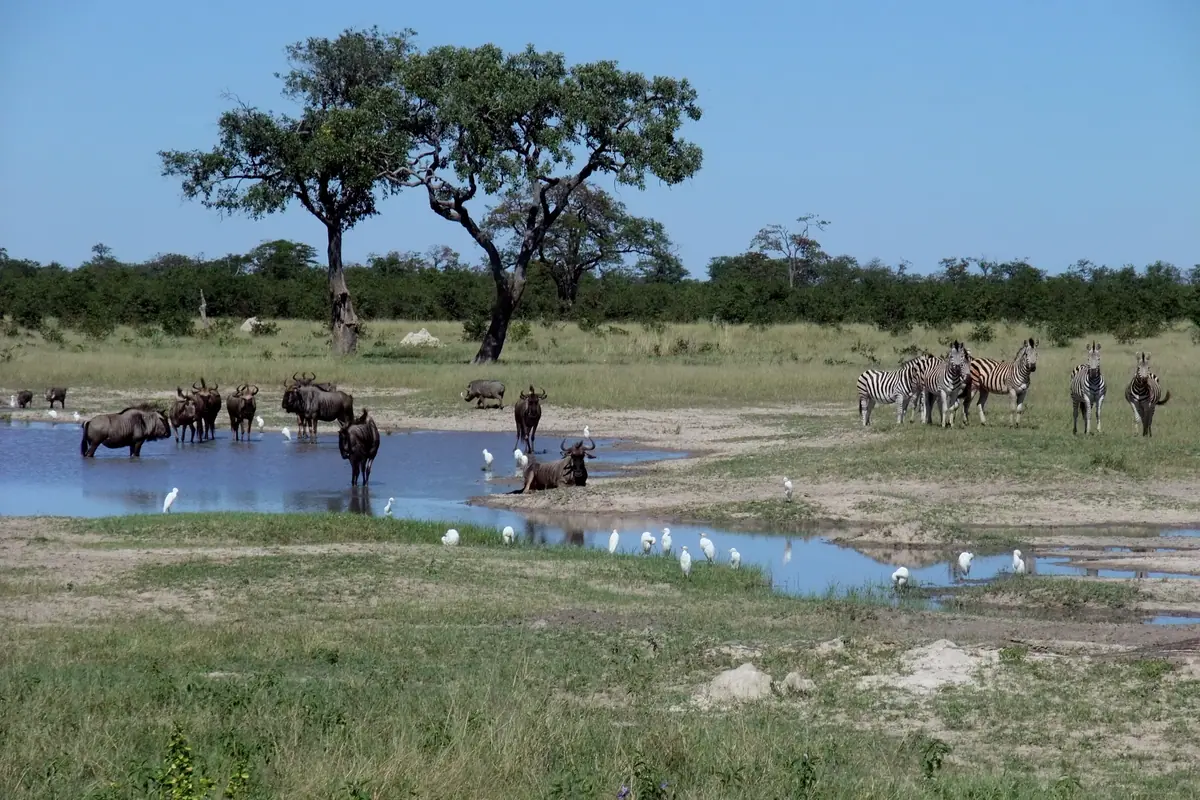
The Central Kalahari Game Reserve, entered from the village of Rakops or from the west, is one of the largest protected areas in Africa — a sweep of fossil riverbeds, grass plains and thorn scrub where black-maned lions, gemsbok, springbok, kudu and brown hyena live at low density. Deception Valley, named because its ancient riverbed once fooled travellers into believing water lay ahead, is the classic destination. The reserve is at its best in the green season from December to April, when rain brings grass, calving herds and predators; September and October are punishingly hot and dusty. In the far south-west, the Mabuasehube section of the Kgalagadi Transfrontier Park offers red dunes, camelthorn trees, enormous sociable weaver nests, meerkats and campsites where you may not see another vehicle all day.
North-east of the Kalahari lies the Makgadikgadi, a salt pan so flat and vast that the horizon seems to curve. In wet years the Nata Bird Sanctuary, at the edge of Sua Pan, fills with flamingos, pelicans and waders. Kubu Island, a granite outcrop strewn with ancient baobabs and dry-stone walls, is reachable by 4x4 in the dry months and makes an unforgettable camp beneath a sky thick with stars. Not far away, Nxai Pan National Park protects Baines' Baobabs, a cluster of gnarled trees that has become one of the country's most photographed sights at sunrise.
This is also where one of Africa's longest land migrations unfolds: from roughly December to March, tens of thousands of zebra move between the Boteti River and the pans. Guided walks with San trackers, and the habituated meerkat colonies that treat visitors as part of the furniture, add a human and comic dimension to all that dust. Carry more water than you think you need, pack a spare tyre, and keep a sense of humour about corrugations.
Tsodilo Hills and the Okavango Panhandle: Rock Art and River Life
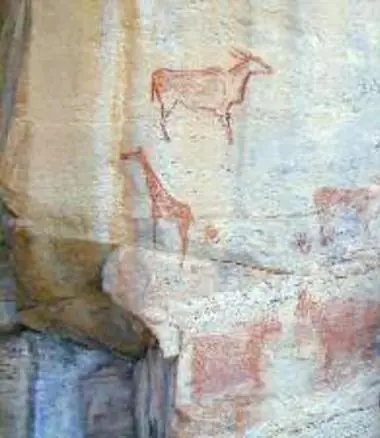
In the far north-west, near the village of Shakawe, four quartzite hills rise abruptly from flat sand. Tsodilo is a World Heritage Site and a place of deep spiritual significance to San communities, covered in thousands of rock paintings — geometric patterns, giraffes, elephants and human figures — that earned it the nickname the Louvre of the Desert. The hills are known as Male, Female, Child and North Hill, and guided walks with local guides take a couple of hours; the main panels on Female Hill are an easy stroll, while the higher viewpoints demand a proper scramble in full sun. Go between May and September, when the access tracks are firm.
Below the hills, the Okavango Panhandle is the river at its most workmanlike, before it fans out into the delta. It is quieter, cheaper and far less visited than the private concessions further south, and the mokoro trips launched from villages such as Seronga and Gunotsoga are excellent value. Anglers come for tigerfish and bream, birders for African skimmers and fish eagles, and anyone with a spare day for the basket weavers of the Etsha villages, whose coiled palm-leaf baskets are among the finest crafts in the country. Shakawe makes a comfortable base for day trips, with simple guesthouses and riverside camps.
Gaborone, Rhino Sanctuaries and Cultural Stops
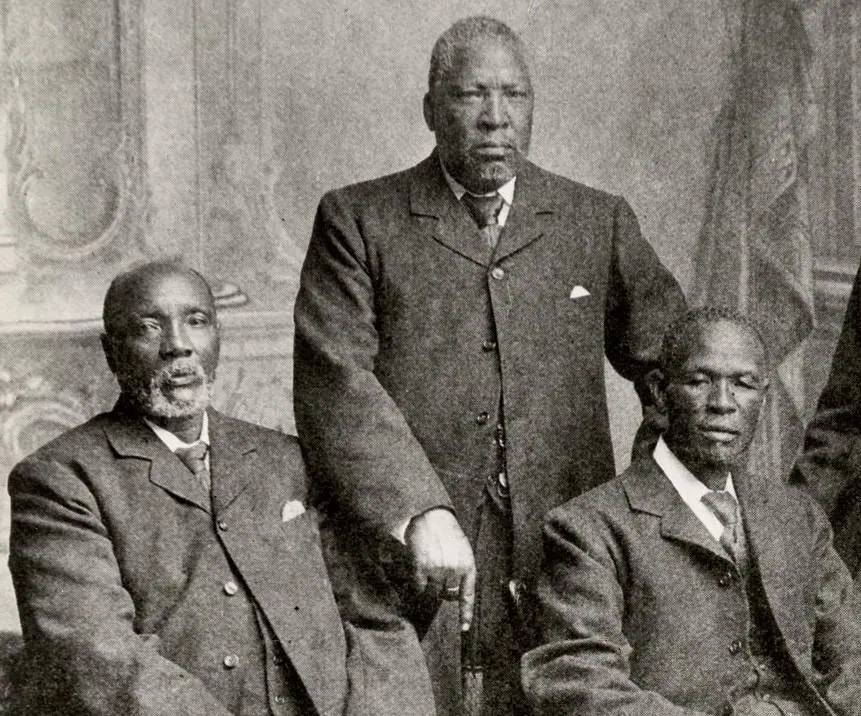
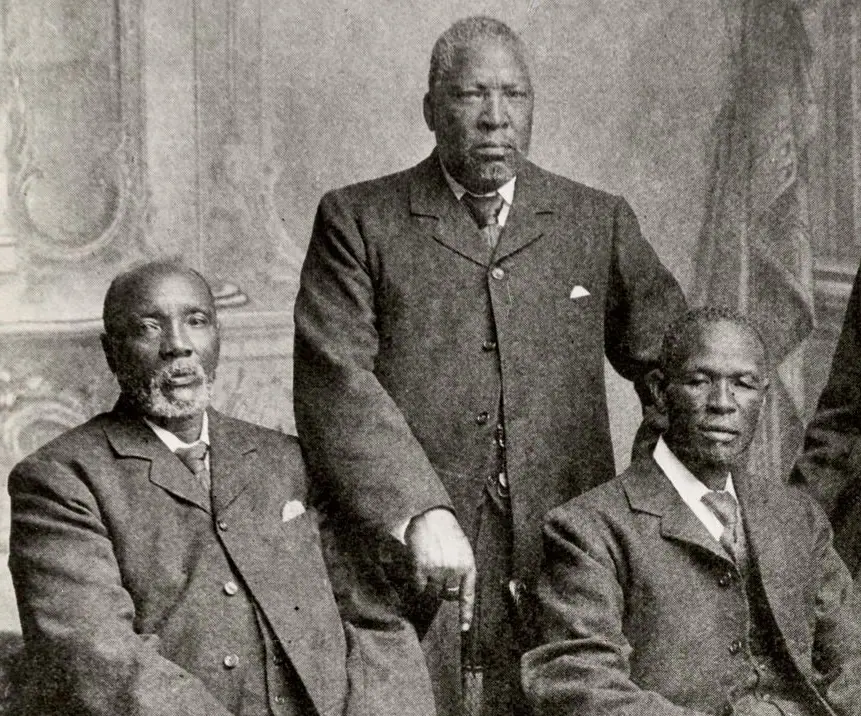
Most itineraries start or finish in Gaborone, and the capital rewards a day. The Three Dikgosi Monument, three bronze figures of historic chiefs, anchors the government district; the Main Mall is the city's lively commercial spine; and the National Museum and Art Gallery gives context to the country you are about to cross. Half an hour from the centre, Mokolodi Nature Reserve offers game drives with white rhino and giraffe, which is a fine warm-up if your safari starts the next morning. May to September is the kindest stretch for walking around the city.
Elsewhere, the Khama Rhino Sanctuary near Serowe is one of the country's conservation success stories, protecting white and black rhino on land that was once cattle ranch. Game drives here are unhurried and sightings are close, and Serowe's small museum documents the region's chieftaincy history. To the east, Moremi Gorge in the Tswapong Hills is a surprising pocket of cliffs, waterfalls and circling vultures. In Maun, the little Nhabe Museum and the busy airfield are part of the safari ritual — the airfield is where your light aircraft to the delta lifts off.
When to Go and How to Plan a Botswana Safari
The dry season runs from May to October, when bush thins out, wildlife gathers at water and days are warm with cold mornings — July to October is peak season, so book six to twelve months ahead and expect premium rates. The green season, November to April, brings afternoon thunderstorms, spectacular light, excellent birding, predator action and the zebra migration on the pans, usually at lower prices, though some delta camps shut in the wettest weeks and tracks become difficult. April, May and September are the sweet spots for value and conditions.
For logistics, think in three hubs: Maun for the Okavango and Moremi, Kasane for Chobe and Victoria Falls, and Gaborone for the south-east. Fly-in safaris use light aircraft with soft-bag luggage limits, guided mobile safaris move camp for you, and self-drive trips need a genuine 4x4 with two spare tyres, extra fuel and water, plus campsites reserved far in advance. Park and vehicle fees are paid at the gates.
A comfortable ten-day route: a night in Maun, three or four nights in the delta or Moremi, two or three nights around Savuti or Linyanti, then two or three nights on the Chobe riverfront at Kasane. With a fortnight, add the Central Kalahari, the Makgadikgadi pans or Tsodilo Hills. Distances look small on the map but sand, gates and wildlife slow everything down — plan fewer stops than you think you need.
Frequently asked questions
What is the best time of year to visit Botswana?
May to October is the dry season and the most reliable window for wildlife, with July to October the busiest and most expensive. The green season from November to April offers dramatic skies, newborn animals, superb birding and the zebra migration across the Makgadikgadi, at lower rates — but some delta camps close and dirt tracks can be tricky after rain.
How many days do I need in Botswana?
Seven to ten days covers the Okavango Delta and Chobe comfortably, with Maun and Kasane as hubs. Allow twelve to fourteen days if you want to add the Central Kalahari, the Makgadikgadi pans, Tsodilo Hills or a side trip to Victoria Falls, because sand roads and park gates make travel slower than the map suggests.
Do I need a 4x4 to visit Moremi, Savuti and the pans?
Yes for self-drive trips — Moremi, Savuti, the Central Kalahari and the Makgadikgadi all involve deep sand or mud, and a high-clearance 4x4 with two spare tyres is essential. If that sounds daunting, guided mobile safaris, lodge-based trips and light-aircraft transfers remove the driving entirely.
Where do I fly into, and can I combine Botswana with Victoria Falls?
Maun is the gateway for the Okavango and Moremi, Kasane for Chobe, and Gaborone for the south-east; all have connections to regional hubs and light-aircraft links to safari camps. Kasane sits about an hour's drive from Victoria Falls on the Zimbabwean side, which makes a combined Botswana-and-falls itinerary straightforward.
Can I experience the Okavango Delta on a budget?
Absolutely. Maun-based mokoro day trips and scenic flights cost a fraction of a fly-in camp, self-drive camping in Moremi and the Central Kalahari keeps costs down, and the Okavango Panhandle around Shakawe and Seronga offers river safaris, fishing and birding at much lower prices than the private concessions.
Plan it — experiences in Botswana
Live search, booked directly with trusted providers.
Sort the rest of your trip
Everything for Botswana, in one place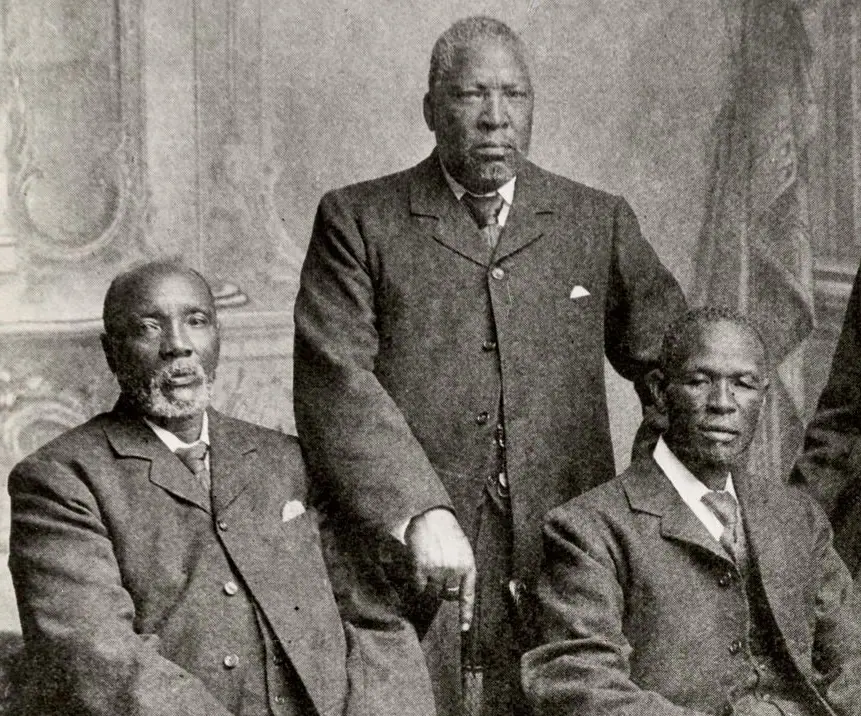
Stay in Botswana
Hotels, guesthouses and apartments — compared in one search.
Search hotels
Transfer in Botswana
Private driver waiting on arrival — no queues, no surprises.
Book a transfer
Stay online in Botswana
Travel eSIM — data the moment you land, no roaming bills.
Get an eSIM