Botswana is where water and desert argue over the same land, and the argument is spectacular. A river dies into the Kalahari sand and becomes the Okavango Delta, elephants cross the Chobe in their hundreds, and salt pans the size of countries glow white under a wet-season sky. Here is where to go, and when.
Okavango Delta and Moremi Game Reserve: A River That Never Reaches the Sea
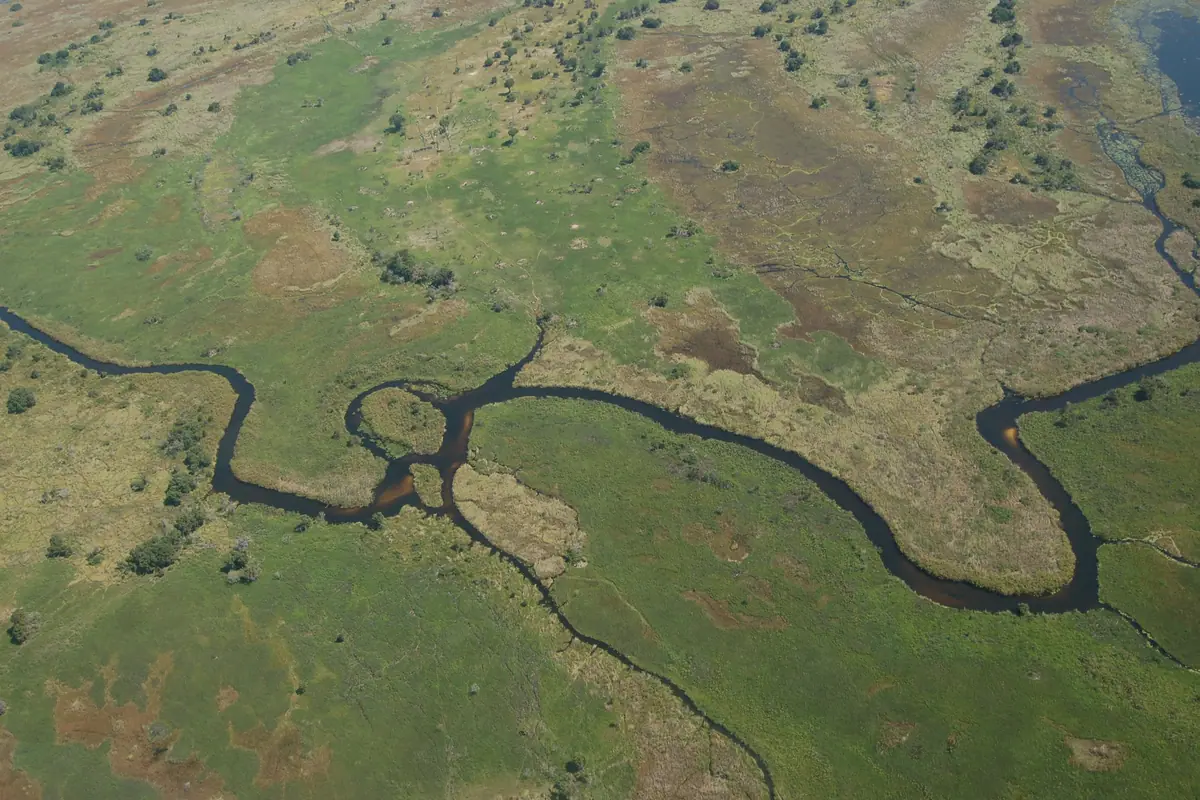
Every year the Okavango River spills its flood into the sand of northern Botswana and stops there, fanning out across roughly 15,000 square kilometres of channels, reed beds and palm islands. The strange gift of this geography is timing: the water arrives in the middle of the dry season, so the delta is at its most flooded between June and August while the surrounding bush bakes. That is when a mokoro — a dugout canoe poled standing by a local guide — becomes the best safari vehicle in Africa, gliding past red lechwe, sitatunga, malachite kingfishers and water lilies without an engine in earshot.
Moremi Game Reserve protects the eastern and central delta, and it is the most accessible wild corner of it. Chief's Island, the largest landmass in the delta, is prime territory for lion, leopard and African wild dog, while the Khwai area in the north-east is famous for predators that have learned to work the floodplains. Wildlife concentrates hard as the water retreats from September onward, and by October elephants, buffalo and giraffe crowd the remaining channels. Access is either by light aircraft from Maun in a few minutes, or by 4x4 through the South Gate near Maun or the North Gate near Khwai.
Birding here is exceptional — over 400 species, including the wattled crane and the slaty egret — and the shoulder months of late April and November give lush green scenery, newborn antelope and dramatic afternoon thunderstorms with far fewer vehicles around.
Chobe National Park and the Chobe Riverfront: The Elephant Capital
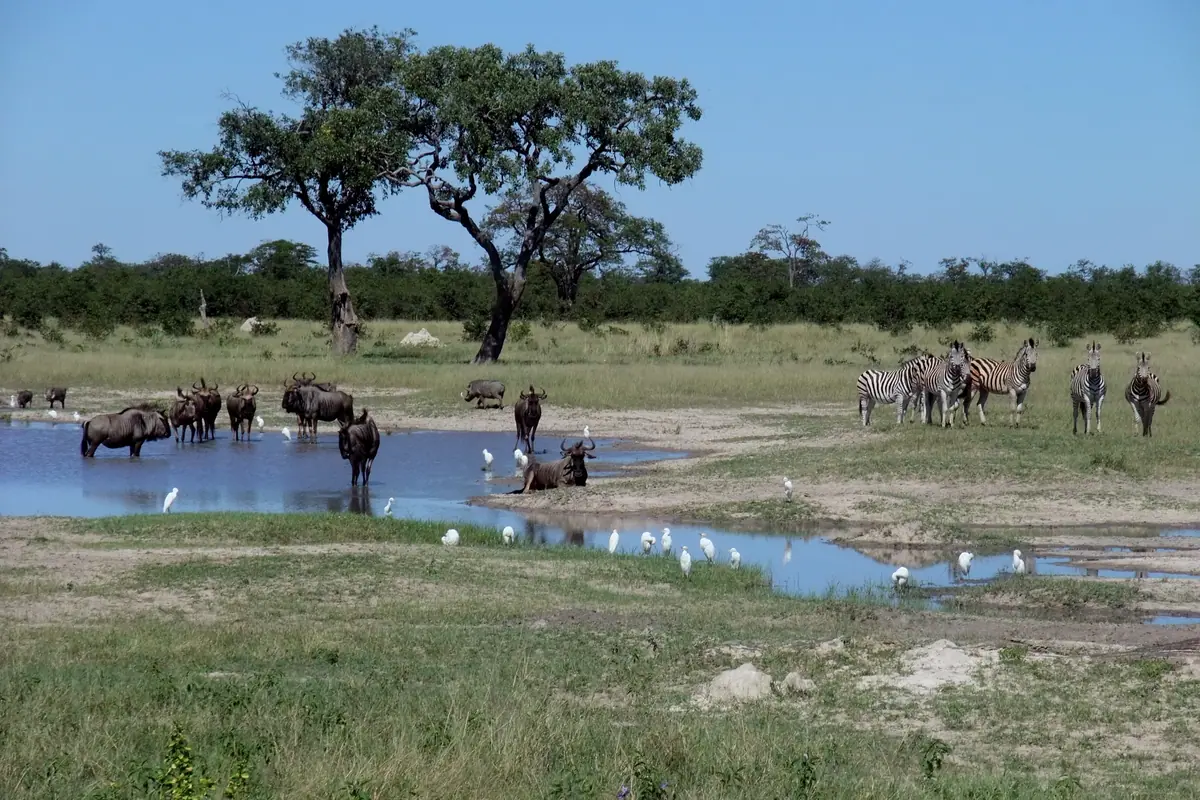
Chobe National Park holds the densest population of elephants on Earth, and along the Chobe Riverfront near Kasane the numbers are almost absurd: herds of a hundred or more coming down to drink at dusk, trunks interlocked, calves tucked between legs. The riverfront is one of the few places in Africa where a boat safari outperforms a game drive — drifting a few metres from drinking buffalo, hippo pods and fish eagles while the sun drops behind the Namibian floodplain is the signature Chobe experience. Bring binoculars and something warm for the evening; the river wind is cooler than the bush.
Inland, the park changes character completely. The Savuti Marsh is a channel that can run dry for decades and then flood again without warning, and it has a reputation for intense predator viewing: lions that have learned to hunt elephants, plus spotted hyena clans that squabble over kills in broad daylight. North-west of Savuti, the Linyanti marshes and the Selinda spillway offer quieter water camps where you may have a channel to yourself.
The dry season from May to October is when Chobe delivers its famous concentrations, with September and October the peak for wildlife packed around shrinking water sources. Kasane, on the park's doorstep, is the practical base — a small town with an airport, guesthouses and easy day access to the park gates, and the usual jumping-off point for a day trip to Victoria Falls across the border in Zimbabwe, roughly an hour and a half away.
Makgadikgadi Pans, Nxai Pan and Baines' Baobabs: The Vanishing Lake
The Makgadikgadi is what remains of an inland sea that dried up millennia ago: a salt pan complex so flat and so vast that the horizon doubles in the heat haze. In the dry season it is a stark, beautiful emptiness of cracked white clay and dust devils; in the wet season from December to March it transforms, drawing flamingos and pelicans to the Nata Bird Sanctuary in flocks that stain the shallows pink. The silence out there is a presence — most travellers describe the pans as the strangest, most otherworldly landscape in the country.
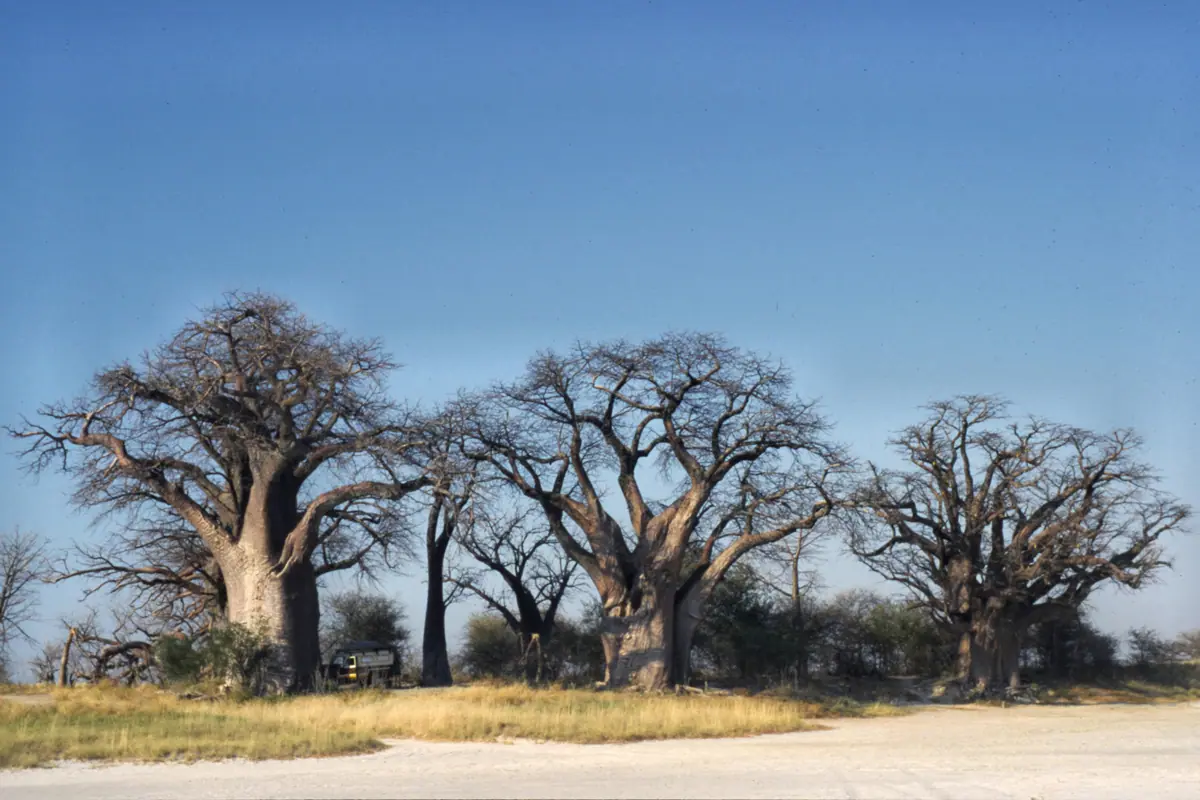
On the eastern edge of the pans, Kubu Island rises out of the salt like a shipwreck: a low granite outcrop covered in ancient baobabs, fossilised stone tools and cairns left by people who have used the site for centuries. It is a genuinely eerie, beautiful place to camp, reachable only by 4x4 and only with local knowledge. North-west of it, Nxai Pan National Park holds Baines' Baobabs, a tight cluster of enormous trees standing alone on a white pan and painted by a nineteenth-century explorer — one of the most photographed sights in Botswana.
The curious event here is the zebra migration. Between roughly January and March, thousands of zebra move from the Chobe River onto the short green grass of Nxai Pan to foal, trailed by lion and cheetah. Because there are no marked roads across the pans and navigation is by GPS and instinct, most visitors explore with a guide from Gweta or Maun rather than going it alone.
Central Kalahari Game Reserve and the Kgalagadi: Deep Sand and Black-Maned Lions
The Central Kalahari Game Reserve is the second-largest game reserve in the world and one of the least visited — a domain of fossil river valleys, rolling grass plains and sand dunes where you can drive for hours without meeting another vehicle. Deception Valley, a broad pan system that once carried a river, is the classic destination: in the green season the grass pulls in oryx, springbok, giraffe and cheetah, and the reserve's lions — the males with the heavy black manes the Kalahari is known for — patrol the valley edges.
Access is through gates such as Matswere in the north-east, and the rules of engagement are strict: you must be self-sufficient, carry all your water and fuel, and book campsites well ahead, because numbers are capped and there is nothing inside the reserve. The reward is a sense of solitude that heavily trafficked parks cannot offer, plus some of the darkest night skies in southern Africa. April to October is best for game viewing; the green months from December to March bring dramatic skies, calving herds and superb birding, but also heat and thick grass that hides animals.
In the far south-west, the Mabuasehube section links into the Kgalagadi Transfrontier Park, a cross-border wilderness of red dunes shared with South Africa. Camps here are simple and unfenced, and predators walk through them — an experience that is thrilling rather than comfortable, and worth the logistics if you have a reliable 4x4 and some bush experience.
Tsodilo Hills and San Heritage: The Louvre of the Desert
In the far north-west, four rocky hills rise abruptly out of flat sand: Tsodilo, a UNESCO World Heritage Site and one of the most important rock-art concentrations in the world. More than 4,500 paintings have been recorded across the hills — eland, giraffe, rhino and human figures in red ochre, some of them thousands of years old, others added far more recently. The local San communities regard the hills as sacred, and the middle hill is traditionally considered male, the largest female, the smallest a child; a guide from the nearby villages explains the stories that give the site its weight.
Culture in Botswana is not confined to museum cases. Around Ghanzi, on the western edge of the Kalahari, San communities run walking trails and cultural experiences where you can learn about tracking, medicinal plants, ostrich-eggshell jewellery and the click languages of the region. Similar encounters in the Okavango and Kalahari are best arranged directly with community-run operations, where the money stays local.
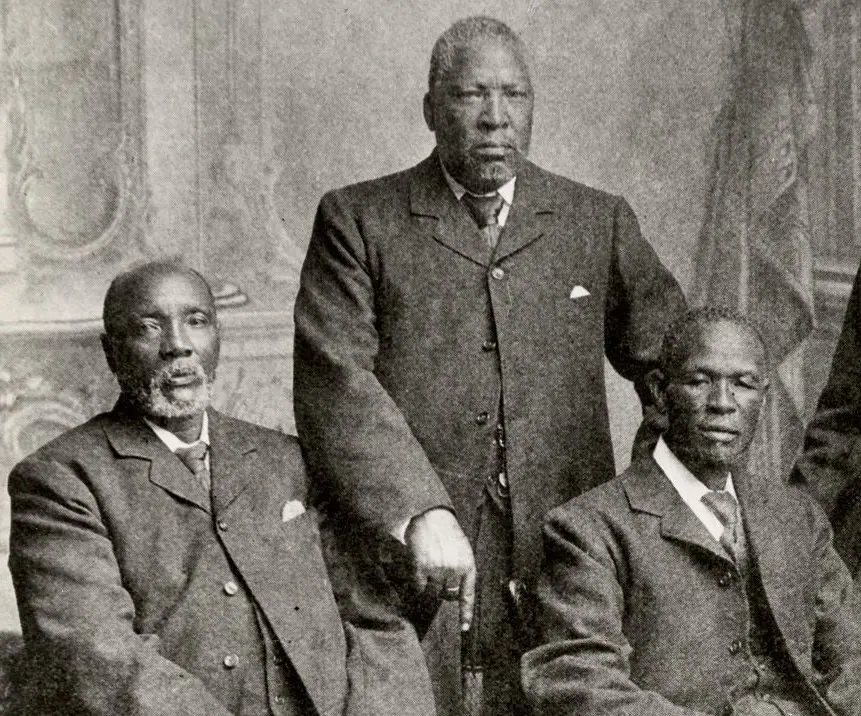
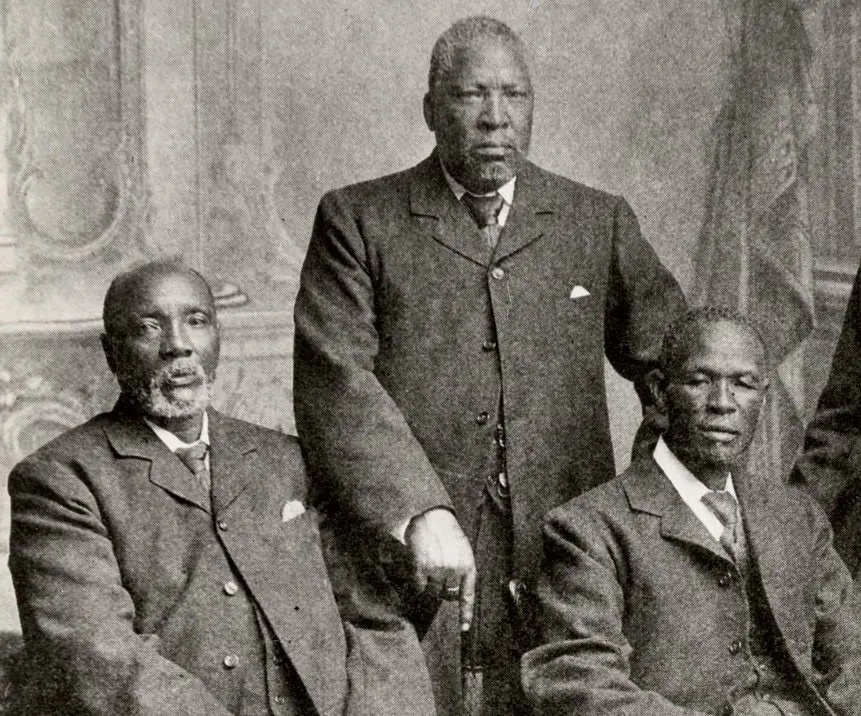
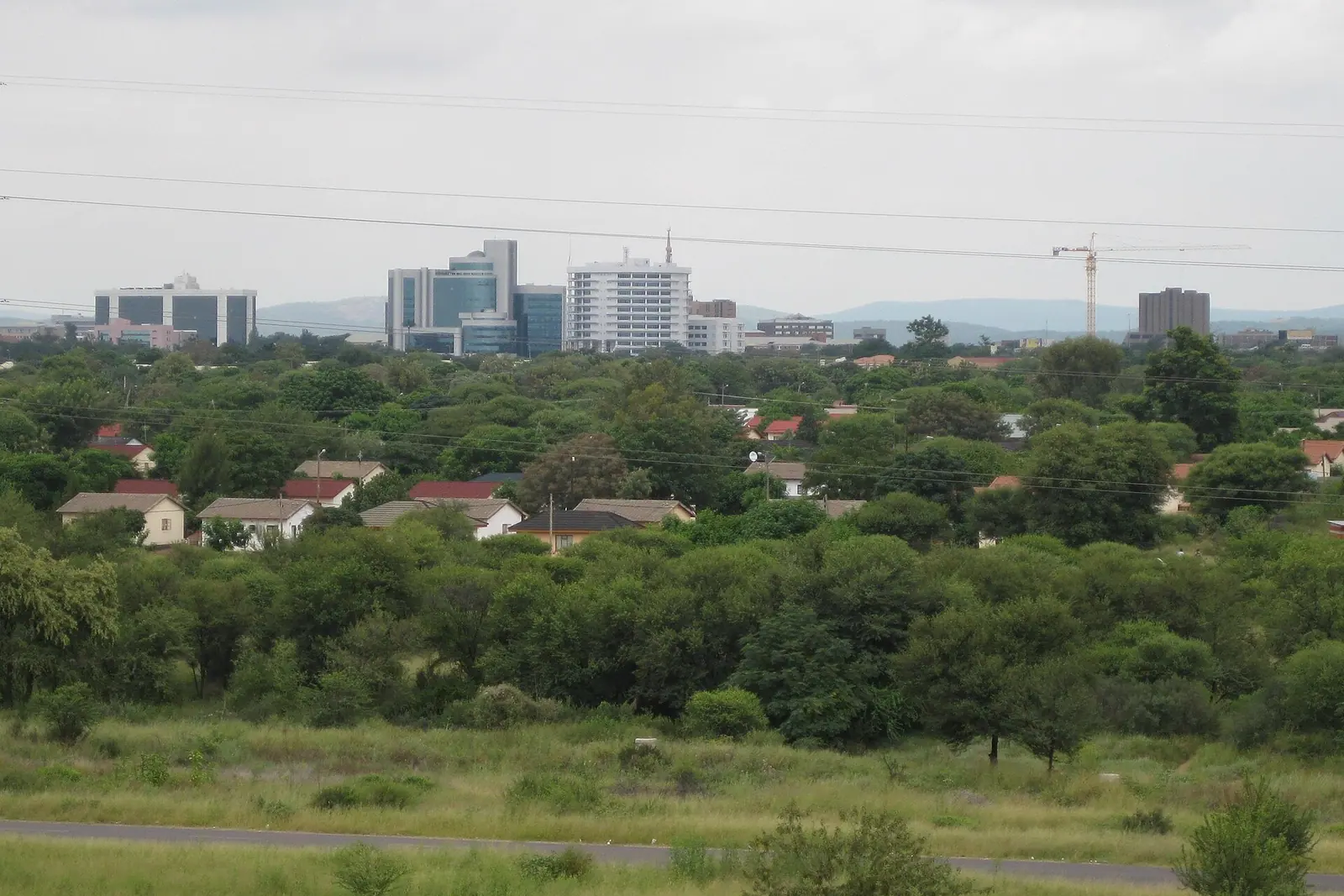
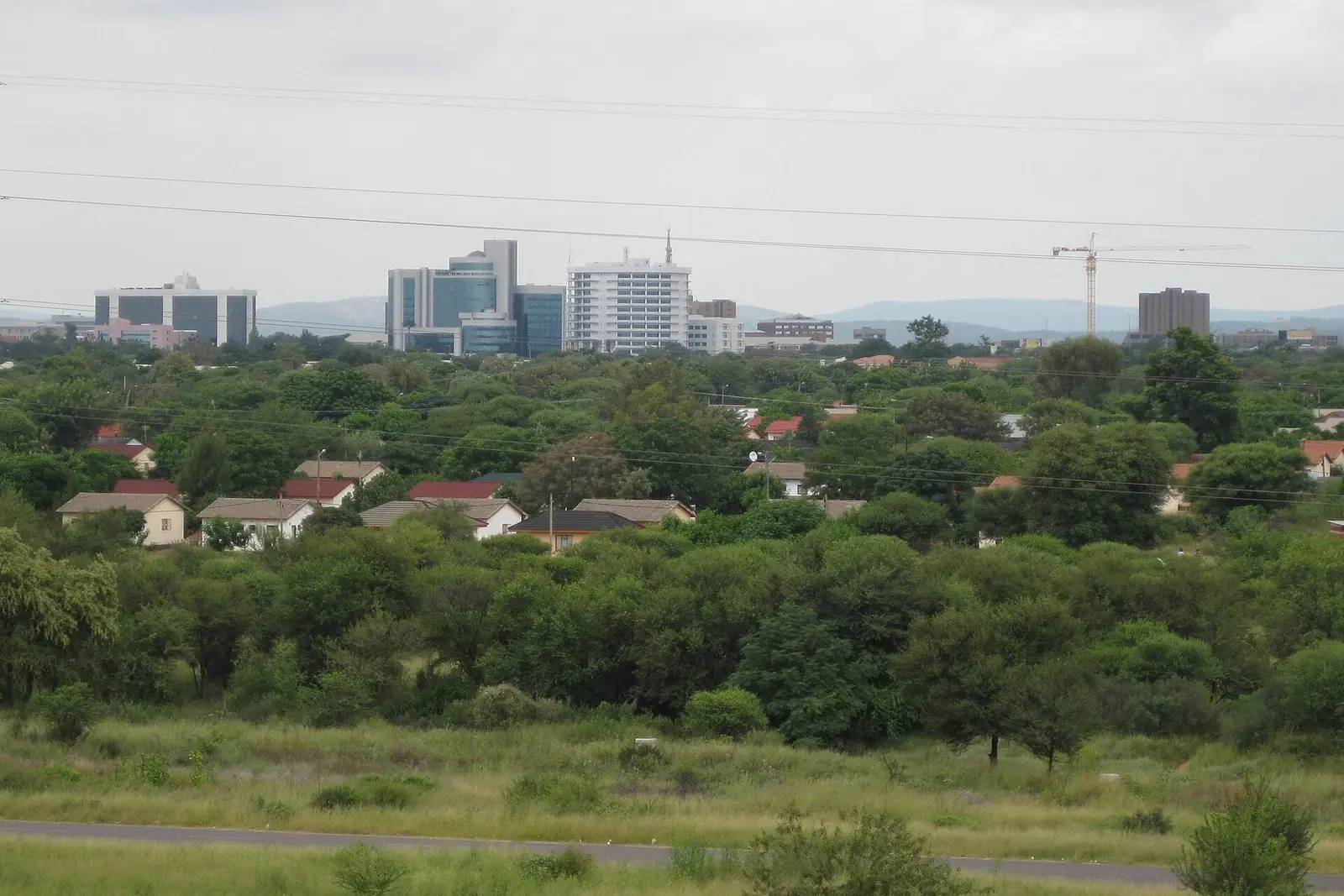
If you want the opposite of desert, the Tuli Block in the east offers sandstone ridges, riverine forest along the Limpopo and strong elephant, leopard and antelope viewing in a landscape that feels more like the lowveld than the Kalahari. And in Gaborone, the capital, the Three Dikgosi Monument honours the three chiefs who helped shape the modern nation — a useful half-day stop if your itinerary starts or ends in the city.
Planning the Trip: Seasons, Gateways and Practical Rhythm
The dry season, from May to October, is the classic window. July to September brings the best game viewing, cool, dusty mornings and no rain; June and July nights can drop close to freezing in the Kalahari, so pack fleece and a warm hat as well as shorts. October is hot and hazy but superb for predators near water. The green season, November to April, is the country's best-kept secret: lower rates, emerald landscapes, newborn animals, migratory birds and spectacular storms, with the trade-off of afternoon rain, thick bush and intense heat. Note that the Okavango flood peaks in the middle of the dry season, so the delta's channels are fullest between June and August.
Most itineraries are stitched together from three gateways. Maun is the launchpad for the Okavango Delta and Moremi, with light aircraft connecting to bush strips and 4x4 rentals available in town. Kasane serves Chobe and the riverfront, with Victoria Falls an easy day trip. Gaborone, in the south-east, handles international arrivals and works as a base for the Tuli Block and Mokolodi Nature Reserve nearby. Distances are long, roads are often sand or gravel, and driving after dark is genuinely dangerous because of animals on the road, so plan to arrive at camp before sunset.
A comfortable minimum is seven to ten days: two or three nights in the delta, two in Chobe, and a couple more in the pans or the Kalahari. Guided fly-in safaris remove all logistics and are the norm for first-timers; self-drive trips are cheaper but demand a proper 4x4, spare fuel, water and a willingness to dig yourself out of sand. Park and reserve fees are payable at gates or in advance, campsites in the most popular areas book out many months ahead for the peak season, and malaria precautions are advised for the northern regions around the delta and Chobe year-round.
Frequently asked questions
What is the best time of year to visit Botswana?
For wildlife, the dry season from May to October is best, with July to September peak for game viewing and September to October best for predators concentrating around water. The green season from November to April offers lush scenery, newborn animals, superb birding and lower rates, but with afternoon storms, thick vegetation and high heat. The Okavango Delta's flood arrives mid-year, so its channels are fullest from June to August.
How many days do you need in Botswana?
Seven to ten days is a comfortable minimum if you want the Okavango Delta plus Chobe. Ten to fourteen days lets you add the Makgadikgadi Pans, Nxai Pan or the Central Kalahari without spending your whole trip in transit, since distances between regions are long and many transfers are by light aircraft.
Should I self-drive or take a guided safari in Botswana?
Guided safaris and fly-in itineraries handle permits, transfers, guiding and park logistics, which is why most first-time visitors choose them. Self-driving is possible and rewarding if you have a genuine 4x4 with high clearance, spare fuel and water, and some off-road experience — but avoid driving at night, and expect deep sand in the Kalahari and water crossings in the delta.
Do I need malaria medication for Botswana?
Malaria precautions are generally recommended for the northern parts of the country, including the Okavango Delta, Chobe and the pan areas, and are usually considered unnecessary in Gaborone and the far south. Speak to a travel health professional well before departure, use repellent at dusk and sleep under a net where provided.
Can I visit Victoria Falls while in Botswana?
Yes. Kasane, the gateway town for Chobe National Park, sits close to the border, and Victoria Falls in Zimbabwe is reachable as a day trip of roughly an hour and a half each way by road, depending on border queues. Many travellers pair a Chobe riverfront safari with a couple of nights at the falls.
Plan it — experiences in Botswana
Live search, booked directly with trusted providers.
Sort the rest of your trip
Everything for Botswana, in one place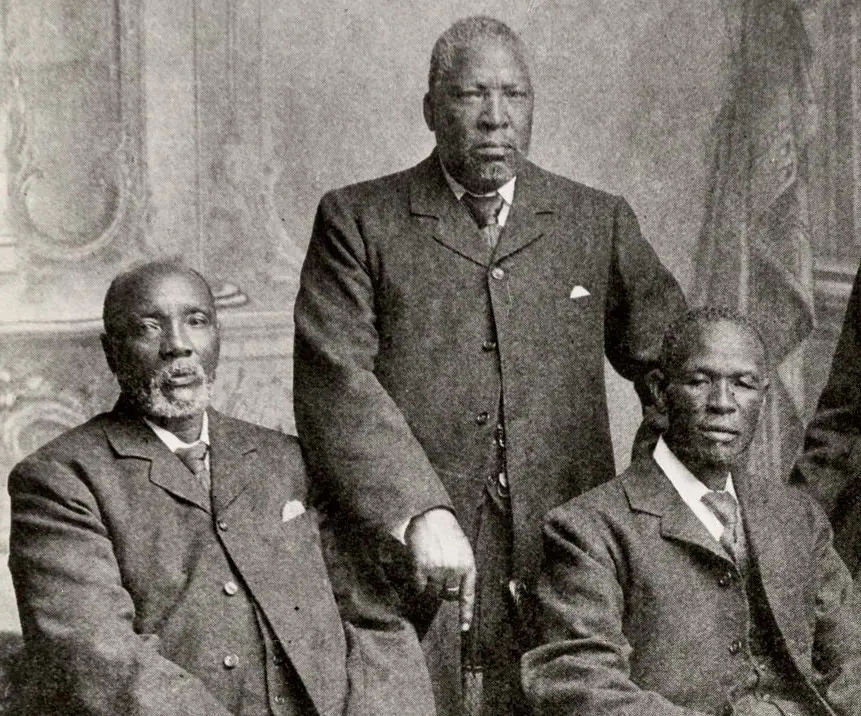
Stay in Botswana
Hotels, guesthouses and apartments — compared in one search.
Search hotels
Transfer in Botswana
Private driver waiting on arrival — no queues, no surprises.
Book a transfer
Stay online in Botswana
Travel eSIM — data the moment you land, no roaming bills.
Get an eSIM