Botswana welcomes you quietly: a country the size of France with a population smaller than most European capitals, where evenings end around a fire, a shared bowl of pounded beef and a sky clean enough to throw shadows. Beyond the wildlife lies a country of cattle posts, basket weavers, rock-art hills and salt pans that ring like drums underfoot. This is how to taste it, meet it and travel through it well.
Botho, the Kgotla and the Everyday Warmth of Setswana Life
Botswana's guiding social idea is botho — the Setswana understanding that a person becomes a person through other people. You meet it immediately in the greeting: "Dumela" to one person and "Dumelang" to a group, followed by a handshake that finishes with fingertips touching, then the polite enquiries about family and journey. Answer them properly, and you are no longer a tourist; you are a visitor, which is a different and far better thing.
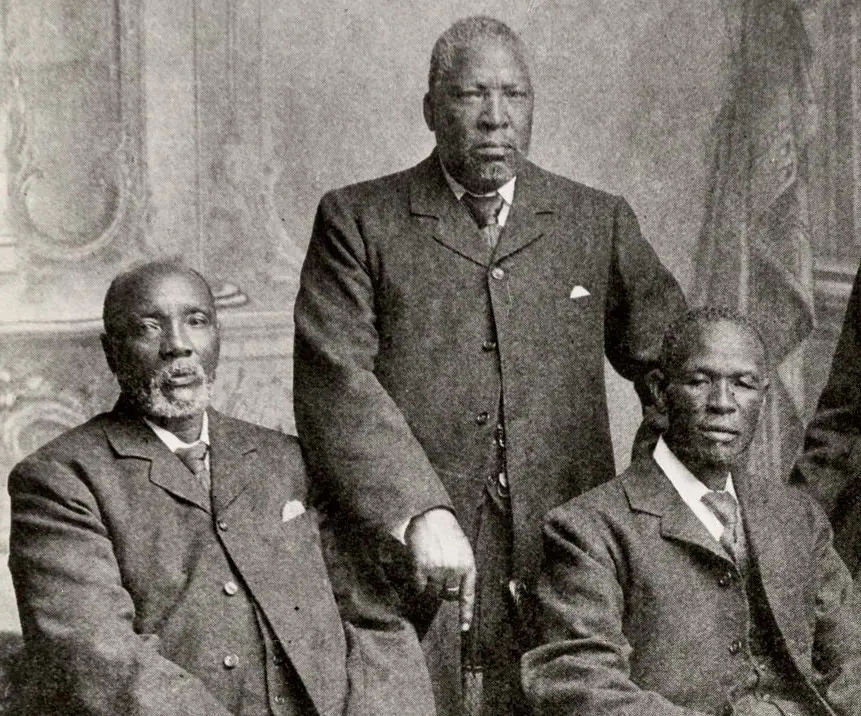
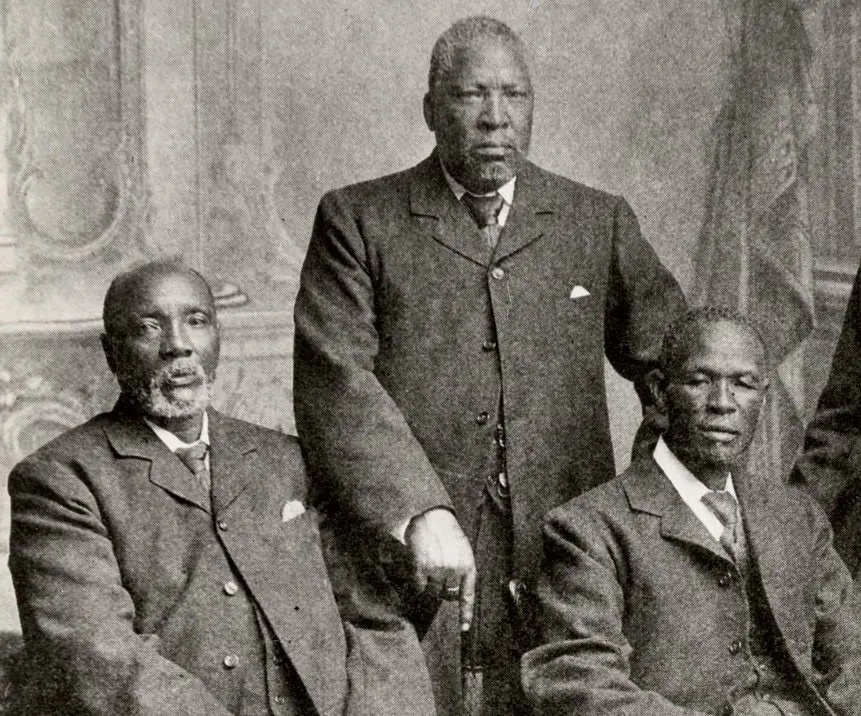
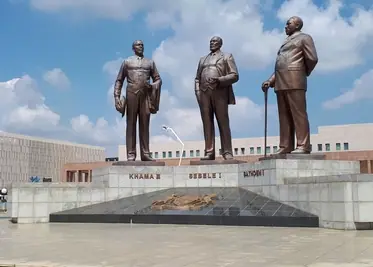
The kgotla, the traditional assembly held under a tree or in an open-walled shelter, still shapes village decisions from Mochudi to Maun. Chiefs and headmen sit at the head, anyone may speak, and consensus is worked at rather than declared. You will rarely attend one as an outsider, but you can see the political instinct it produced at the Three Dikgosi Monument in Gaborone's business district, where three bronze chiefs — Khama III, Sebele I and Bathoen I — stride forward, a memorial to the 1895 delegation that kept the territory out of colonial hands.
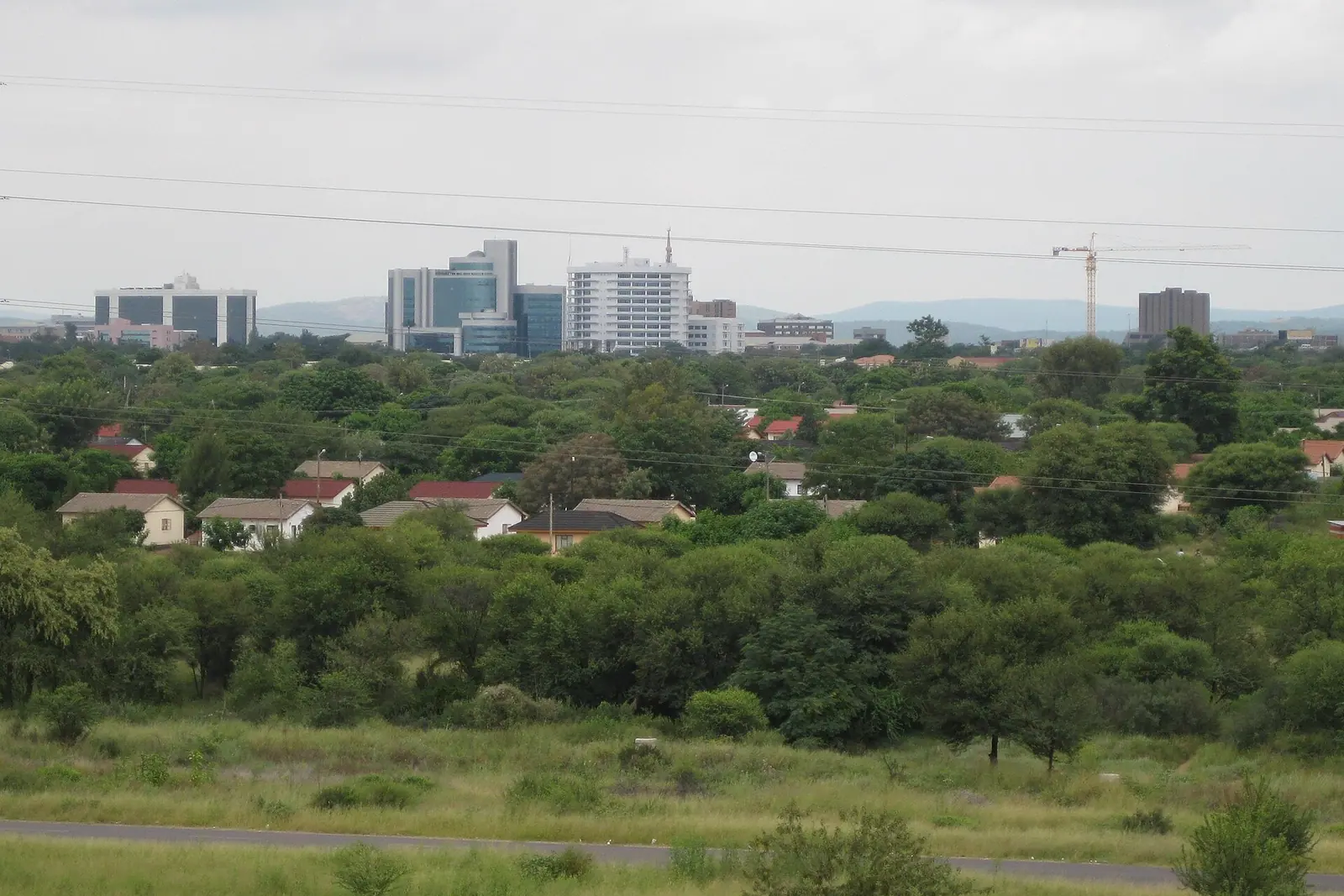
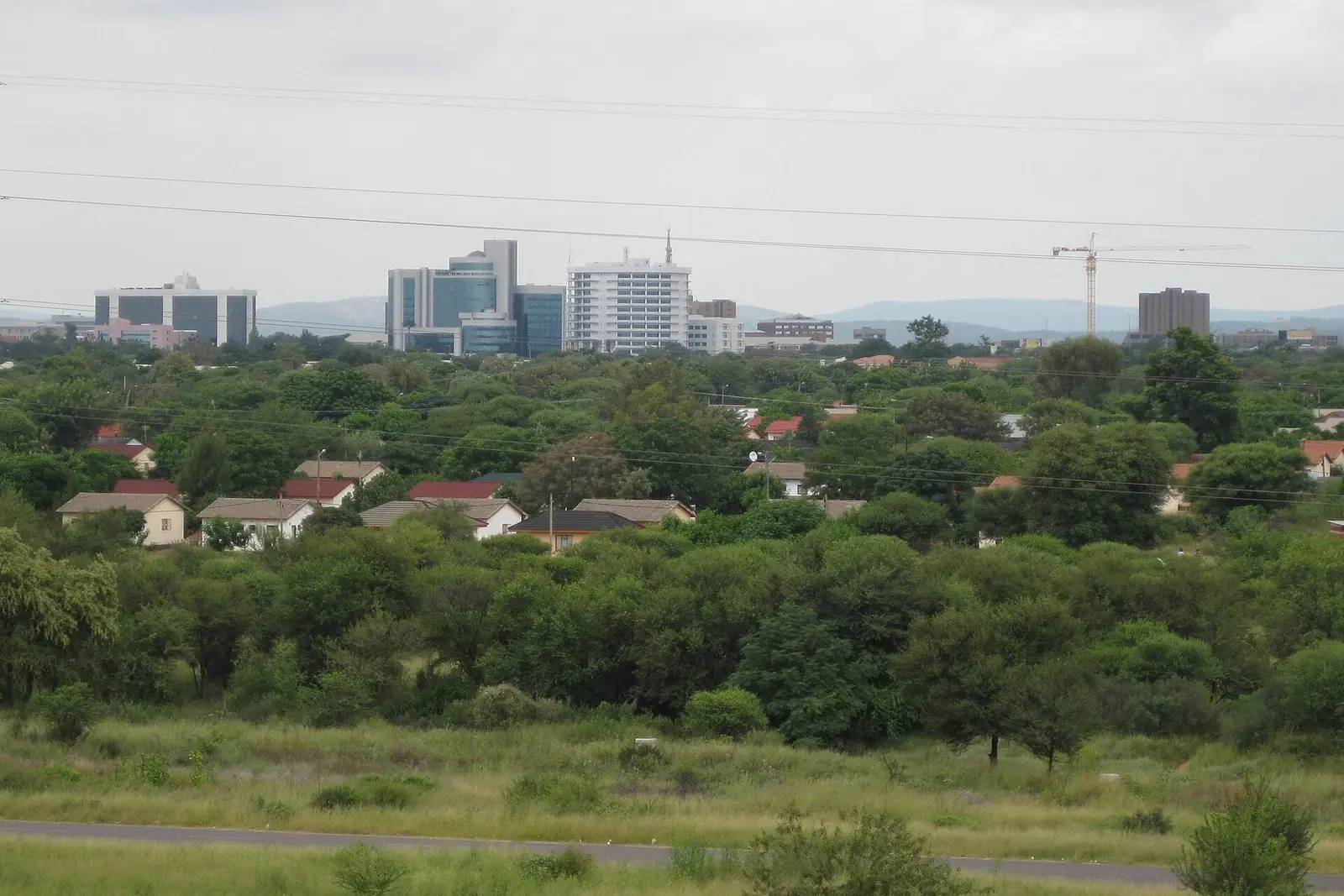
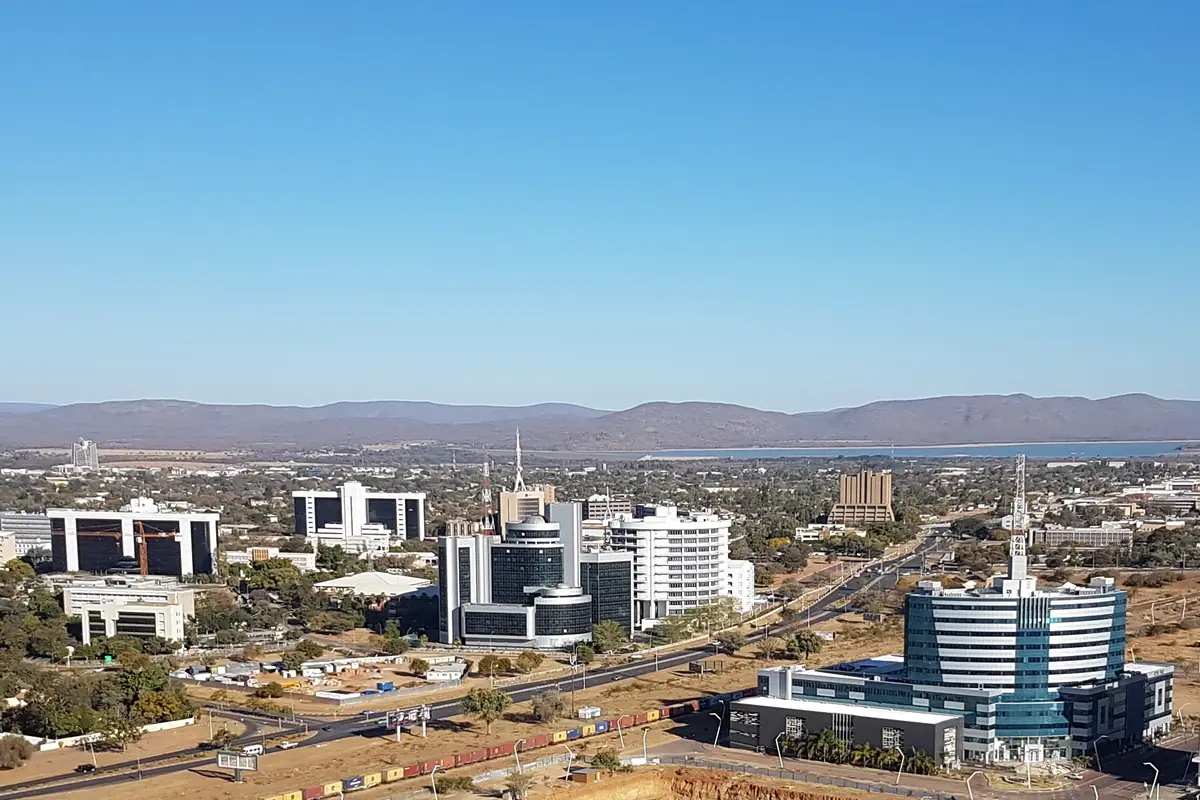
In the capital, add two hours at the National Museum and Art Gallery on Independence Drive for San rock art, Tswana craft and the cattle economy that underpins rural wealth. Then wander the Main Mall, where civil servants queue for fat cakes and roasted maize, and climb Kgale Hill at the city's edge for a two-hour round trip over the dam and the sprawl — start by six, because the heat arrives early.
What Botswana Eats: Seswaa, Bogobe, Phane and Kalahari Truffles
Seswaa is the national dish and the taste of every important occasion: beef or goat boiled slowly for hours, then pounded with a wooden pestle until it collapses into salty, fibrous shreds. It arrives on a bed of bogobe, a stiff sorghum or millet porridge, usually with morogo — wild greens stewed with onion, sometimes finished with groundnuts. Wedding, funeral, independence day or roadside stand, the plate barely changes, because it does not need to.
Northern Botswana has its own delicacies. Phane — mopane worms, the caterpillars of a large emperor moth — are harvested after the rains in roughly April and May, then fried with tomato and onion or sun-dried and eaten by the handful like crisps. They are genuinely good and genuinely protein-rich. After the first rains, between about February and April, Kalahari communities dig out mahupu, the sandy Kalahari truffle, and slice it into butter or a beef potjie. The beef itself, grass-fed and lean, is the backbone of rural status: bride price is still counted in cattle.
For drinks, look for khadi, a home-brewed sorghum and ginger brew sold in villages, marula beer in season, and mokolwane palm wine tapped from mokola palms in the Okavango Panhandle — sweet, potent and best treated with respect. Maun, the gateway town on the Thamalakane River, is the most rewarding place to eat as a traveller, with riverside braais and small kitchens serving game, beef and traditional plates side by side.
Must-See Botswana: Okavango, Chobe, Moremi and the Salt Pans
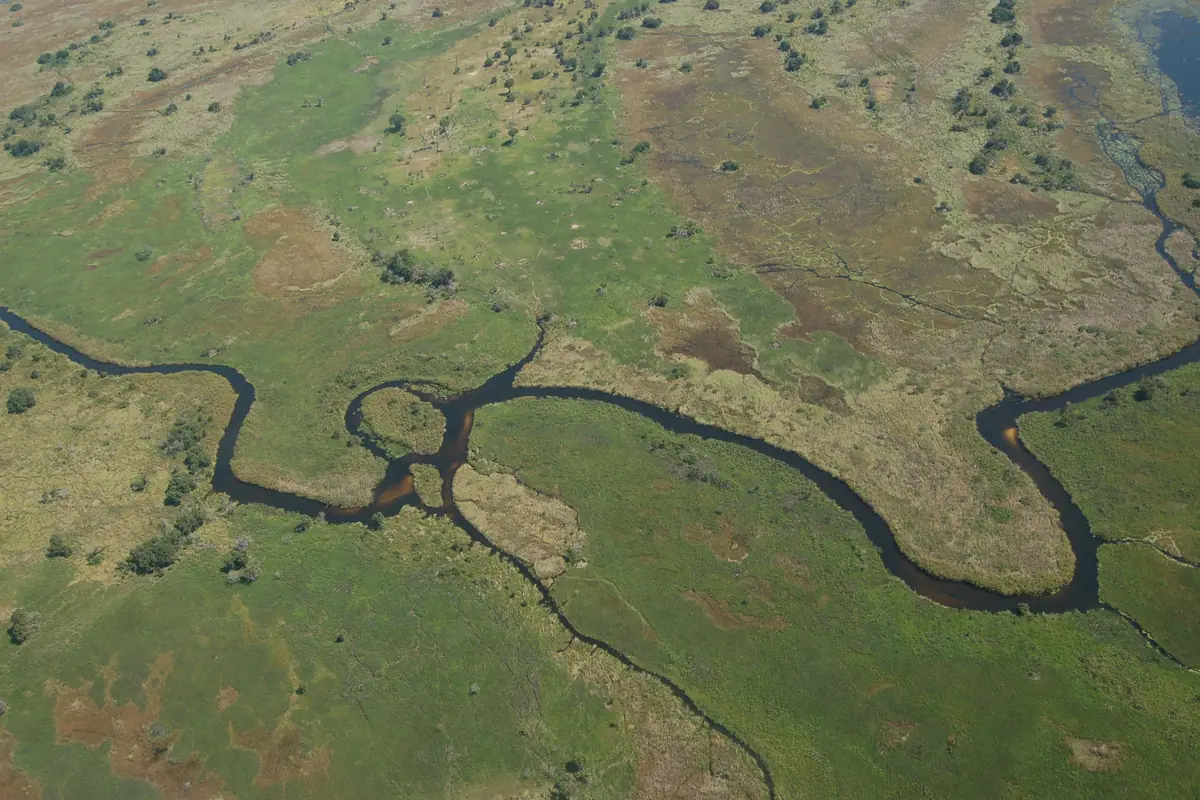
The Okavango Delta is the reason many people come. Rain falling in the Angolan highlands takes months to arrive, so the delta swells in the middle of Botswana's dry season, roughly June to August, flooding the floodplains when the surrounding bush is parched. Inside it, Moremi Game Reserve protects a vast eastern slice of islands, lagoons and mopane woodland, where you can find African wild dog, sitatunga, red lechwe and elephants crossing channels. Chief's Island is the great predator stronghold, and the classic way in is silent: a mokoro, the dugout canoe poled by a local guide.
Chobe National Park, reached from Kasane in the far north, holds Africa's densest dry-season concentration of elephants, and the riverfront allows both 4x4 game drives and boat safaris on the same day — the water offers views no vehicle can. Further west lie the Savuti marshes and the Linyanti, remote and predator-rich. Plan two full days minimum along the Chobe River; one for the river, one for the park's interior tracks.
Then there are the Makgadikgadi Pans, a salt expanse so flat it can be seen from space, with Kubu Island's baobabs and ancient stone walls rising from the crust, and Baines' Baobabs in neighbouring Nxai Pan. The Central Kalahari Game Reserve, one of the largest protected areas in Africa, offers Deception Valley, Sunday Pan and black-maned lions; Mabuasehube, on the far southwest edge, is a self-sufficient camper's paradise and one of Botswana's least-visited landscapes.
Rock Art, Baskets and Living Cultures: Tsodilo, Etsha and the San
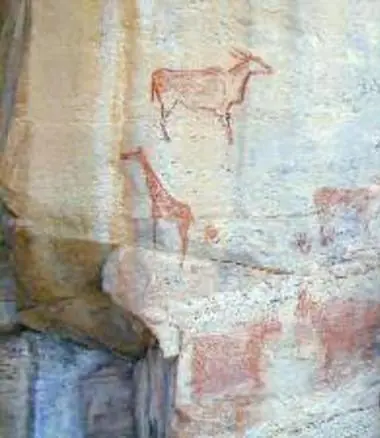
Tsodilo Hills, a UNESCO World Heritage Site near Shakawe in the far northwest, is Botswana's most sacred landscape: four quartzite hills known as the Male, Female, Child and Grandchild, holding more than 4,500 rock paintings, some among the oldest in southern Africa. Both San and Hambukushu communities consider the hills inhabited by spirits. You walk them with a local guide, who will point out hunting scenes, geometric markings and the places where offerings are left. The sandy access track is best in the dry months and needs a 4x4 after rain.
On the western rim of the Okavango Panhandle, the villages of Etsha 6 and Etsha 13 are the home of Botswana's famous coiled baskets. Hambukushu weavers, whose families came from Angola, work mokola and ilala palm, dyeing it with roots, bark and berries into patterns named for animals, rain and rivers. Buying directly from a weaving cooperative, after asking permission and taking time to talk, puts money where the skill lives. Near D'Kar in Ghanzi District, San artists paint and print at a community-run art project, and nearby San-run camps take visitors walking with trackers who read the veld the way others read a map.
Further out lie the Gcwihaba Caves in the Aha Hills, a remote limestone system with stalagmites and a bat colony that requires a 4x4 and a local guide, and the Tswapong Hills near Palapye, where Moremi Gorge shelters nesting Cape vultures and black eagles. In Mochudi, the old mission building houses a small museum that traces Bakgatla history and the region's painted ceilings.
Local Experiences Worth Building a Trip Around
The mokoro trail is Botswana's signature experience: two or three days poled between delta islands, camping on dry ground while elephants move past in the dark. Water levels decide the route, so the same trip looks different in July and in November. Ask for a poler who grew up on the water — many are exceptional bird and plant guides, and a good one will name the reed, the frog and the fish.
In the Kalahari, sleep-outs are transformative. On the Makgadikgadi pans some camps have habituated meerkat colonies, and a night on the salt crust with a mattress and no tent is one of the darkest-sky experiences in Africa. In winter, from around January to April, thousands of zebra migrate west from the Chobe area toward the pans. Add a cultural afternoon instead of a fifth game drive: village troupes perform setapa, borankana and the trance-like tsutsube, and hiring one directly, at a fair rate, beats any staged show.
Practical etiquette matters. Ask before photographing people, and accept a no. Do not hand cash or sweets to children — arrange a donation through a school instead. Buy crafts from cooperatives rather than roadside middlemen, dress modestly in villages, and greet before asking anything. Botswana's community trusts run campsites and lodges around Khwai, Sankuyo, Mababe and D'Kar, and staying in them keeps tourism money in the places you came to see.
When to Go and How to Travel Well
The dry season, from May to October, delivers the best game viewing, with July to October the busiest and most expensive. Expect warm days and very cold Kalahari nights in June and July, when temperatures can dip toward freezing and dust hangs in the air. The green season, November to April, brings afternoon thunderstorms, dramatic skies, over 580 bird species, newborn animals and lower rates — plus the flooding of the pans and the zebra migration across the Makgadikgadi. Note the seasonal quirk: the delta's flood peaks in the dry-season months, so a July visit means plenty of water and very little rain.
Base yourself sensibly. Maun serves the delta and Moremi; Kasane serves Chobe and the Kazungula crossing to the Victoria Falls region; Ghanzi and D'Kar are the door to San culture; Palapye and Serowe suit the Tswapong Hills and nearby rhino sanctuaries; Gaborone covers the city, Mokolodi and the small Gaborone Game Reserve. Allow seven to ten days for a first trip — three in the delta, two to three at Chobe, and a night or two on the pans. Two weeks lets you add Tsodilo, the Central Kalahari or the Kgalagadi's Mabuasehube section.
Self-driving is possible and rewarding on tar and gravel, but deep sand in Savuti and the delta, long fuel gaps and water crossings make a guided 4x4 or light-aircraft transfers the safer choice for a first visit. Carry pula in cash for villages and park gates, since card machines thin out fast beyond towns. Northern Botswana — Chobe, the delta and the Panhandle — is a malaria area, particularly in the wet months, so take medical advice before you travel. Above all, slow down: Botswana rewards patience, conversation and a second cup of tea.
Frequently asked questions
What is the best time of year to visit Botswana?
May to October is the dry season and the best window for wildlife, with July to October the peak — and the crowds. November to April is the green season, ideal for birds, newborn animals and lower rates. Remember that the Okavango floods in the middle of the dry season, roughly June to August, so water-based activities are strongest then.
What food should I try in Botswana?
Start with seswaa, pounded slow-cooked beef or goat served with bogobe sorghum porridge and morogo wild greens. In the north, try phane (mopane worms) fried with tomato and onion, and in the Kalahari, mahupu truffles after the first rains, roughly February to April. For drinks, look for khadi, marula beer in season and mokolwane palm wine in the Panhandle.
How do I visit San communities and Tsodilo Hills respectfully?
Go with community-appointed guides, ask before taking photographs, and accept refusal without argument. Buy baskets, jewellery and art directly from cooperatives such as the weavers at Etsha or the art project near D'Kar, and stay in community-run camps where possible. Do not hand money or sweets to children; arrange support through a school or trust instead.
How many days do I need in Botswana?
Seven to ten days covers a strong first trip: two to three days in the Okavango Delta or Moremi, two to three around Chobe and Kasane, and a night or two on the Makgadikgadi Pans. Add a week if you want Tsodilo Hills, the Central Kalahari Game Reserve or the remote Kgalagadi section at Mabuasehube, all of which demand slow 4x4 travel.
Can I self-drive in Botswana, and do I need a 4x4?
Tarred main roads are easy, but park tracks involve deep sand, water crossings and long distances between fuel stops, so a high-clearance 4x4 is essential inside the reserves. The Central Kalahari and Makgadikgadi require full self-sufficiency — water, fuel, food, spare tyres and a satellite communicator or local operator support.
Sort the rest of your trip
Everything for Botswana, in one place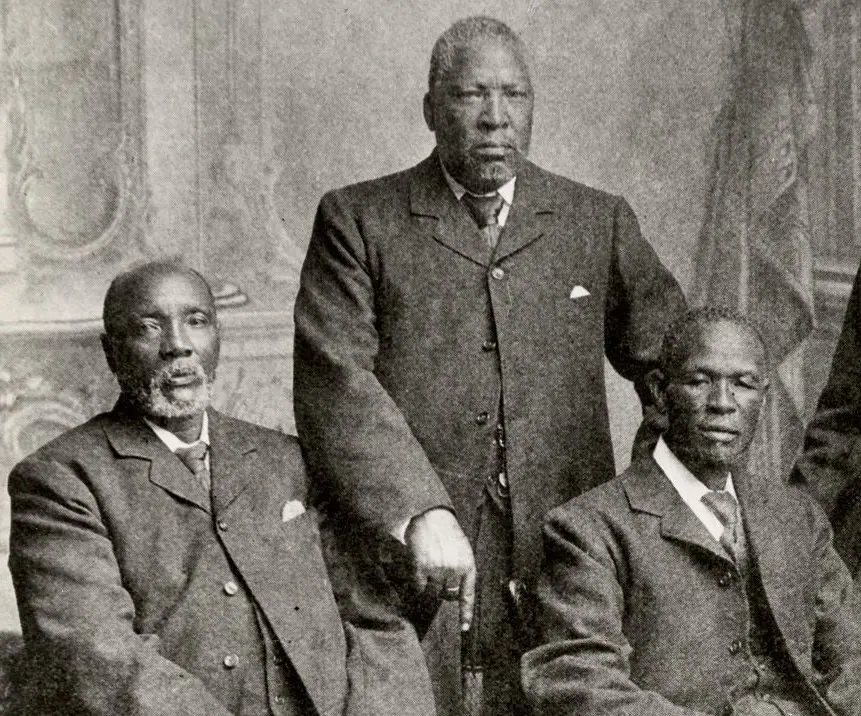
Stay in Botswana
Hotels, guesthouses and apartments — compared in one search.
Search hotels
Transfer in Botswana
Private driver waiting on arrival — no queues, no surprises.
Book a transfer
Stay online in Botswana
Travel eSIM — data the moment you land, no roaming bills.
Get an eSIM