Belarus is a land of flat forested horizons, red-brick castles built to withstand sieges, and wide avenues designed to make a single person feel small beneath the sky. It is quiet, cheap and remarkably untouristy — which is exactly why the country's great sights still feel like discoveries rather than queues.
Minsk: Monumental Squares, Leafy Boulevards and the Island of Tears
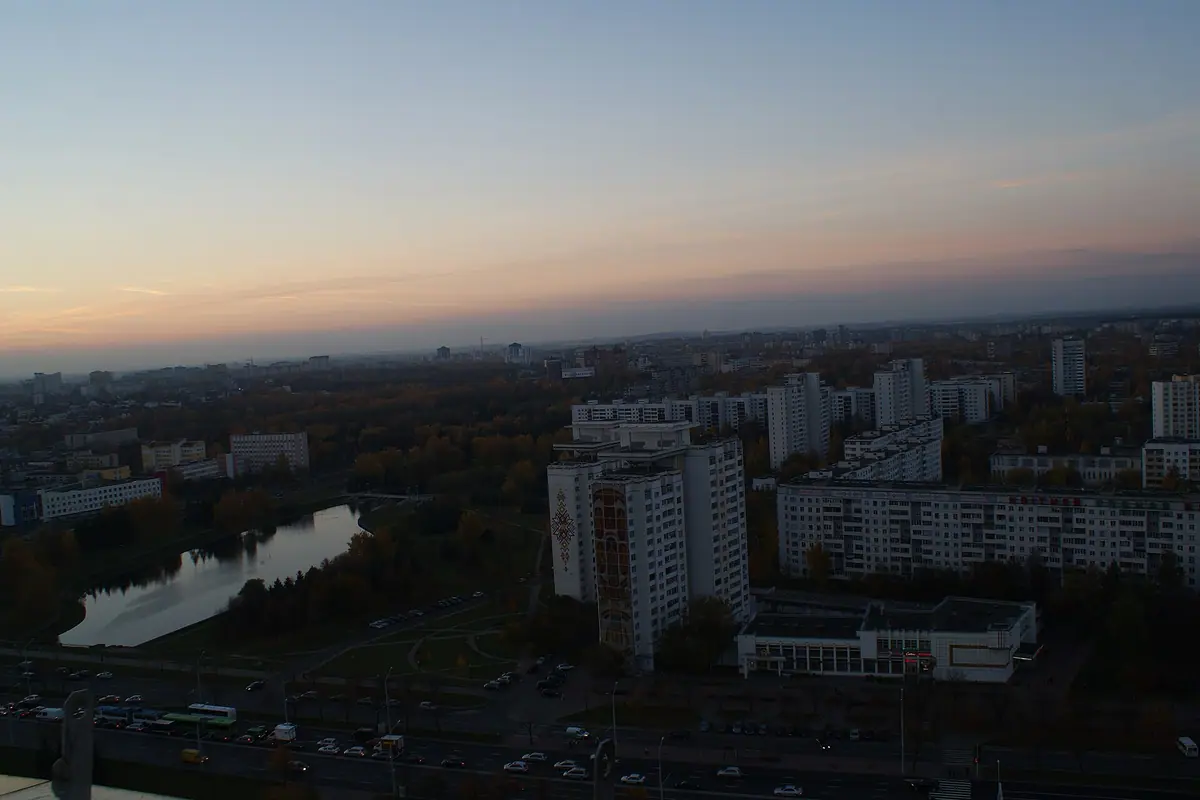
Most journeys start in Minsk, and the city is best taken on foot along Independence Avenue, a post-war boulevard of Stalinist grandeur that runs for kilometres through the centre. Independence Square is the city's ceremonial heart, flanked by the gleaming white Government House, the red-brick Church of Saints Simon and Helena, and the underground shopping galleries beneath. From here the avenue marches north past Victory Square, where an eternal flame burns beneath a soaring obelisk, to the Great Patriotic War Museum — a striking modern building with one of the most affecting collections in the region, tracing the country's wartime devastation through dioramas, letters and wreckage.
Cross the Svislach River and you reach the Island of Tears, a small memorial peninsula of granite and weeping statues honouring soldiers lost in the Soviet war in Afghanistan; it is a sombre, oddly beautiful place at dusk. Nearby, Trinity Hill preserves a tiny pocket of 19th-century wooden houses, cobbles and cafés — the city's most photogenic quarter and the obvious spot for a slow lunch of draniki (potato pancakes) with sour cream. Finish with a look at the National Library, a rhombic glass-and-steel diamond that glows after dark and has an observation deck on its roof, and the National Art Museum for a compact survey of Belarusian painting and icon art.
Give Minsk a full day, two if you like museums. It is a walking city — the centre is flat and safe — and the metro stations themselves are worth a ride for their chandeliers and marble.
Mir and Nesvizh: The Two Castles Everyone Comes For
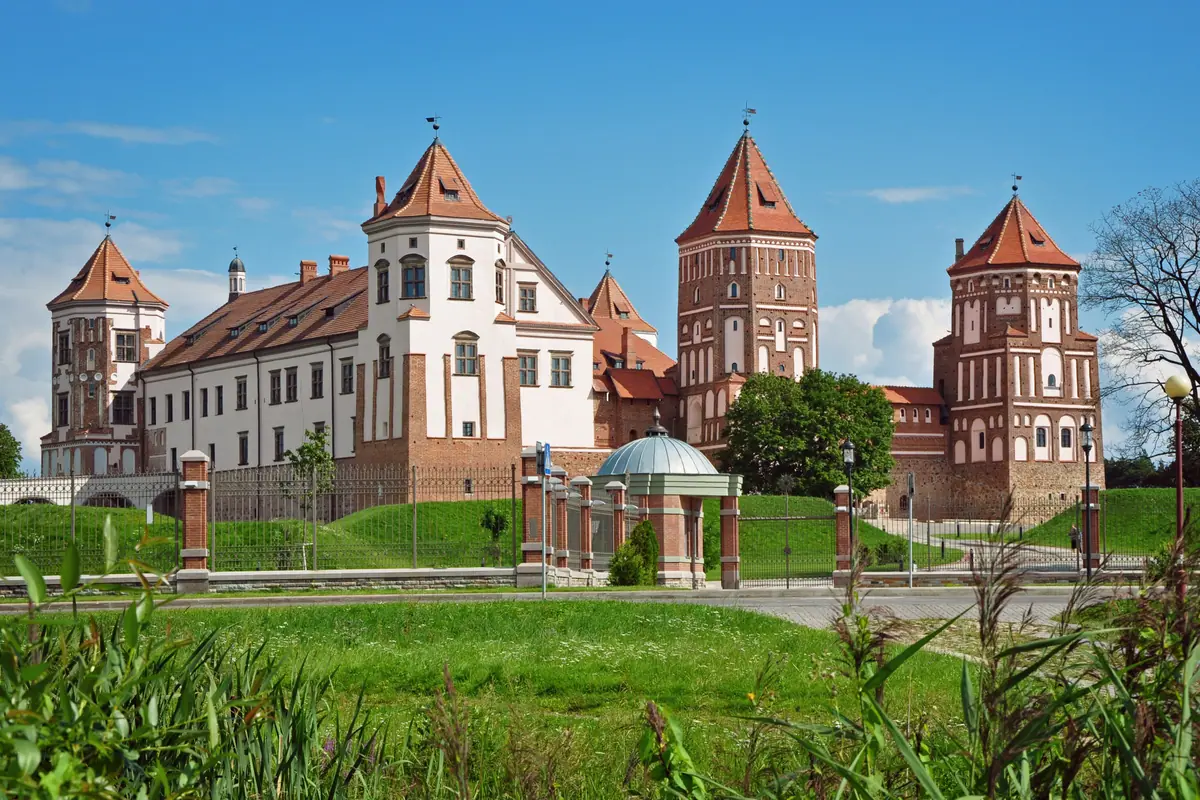
Around ninety minutes southwest of Minsk lies Mir Castle, a fortress of red brick and grey stone begun in the early 16th century and later embellished with Renaissance arcades and Baroque flourishes by the Radziwiłł family. Five towers, a moat, a drawbridge and thick vaulted cellars give it the storybook silhouette people picture when they imagine a European castle, and unlike many such places it is largely intact rather than ruined. Inside, the state rooms are restored with period furniture and armour, while the surrounding Italianate garden and English park are perfect for a picnic in summer; in winter, snow on the towers makes the place almost absurdly photogenic.
Nesvizh Castle, half an hour away, is the more aristocratic of the pair: the sprawling residence of the Radziwiłłs, ringed by lakes and landscaped parkland, and a UNESCO World Heritage site along with its smaller cousin. The interiors are lavishly restored, but do not rush the town itself — the Corpus Christi Church opposite is one of the earliest Baroque churches in the region, and the old market square with its town hall is a pleasant place to linger.
The standard approach is a single long day trip from Minsk covering both, taking around ten to twelve hours with transport. Independent travellers can reach Mir by bus or minibus and continue by local connections, though the combined excursion is far easier. Spring and autumn bring fewer crowds; July and August are busiest.
Belovezhskaya Pushcha: Europe's Oldest Forest and Its Bison
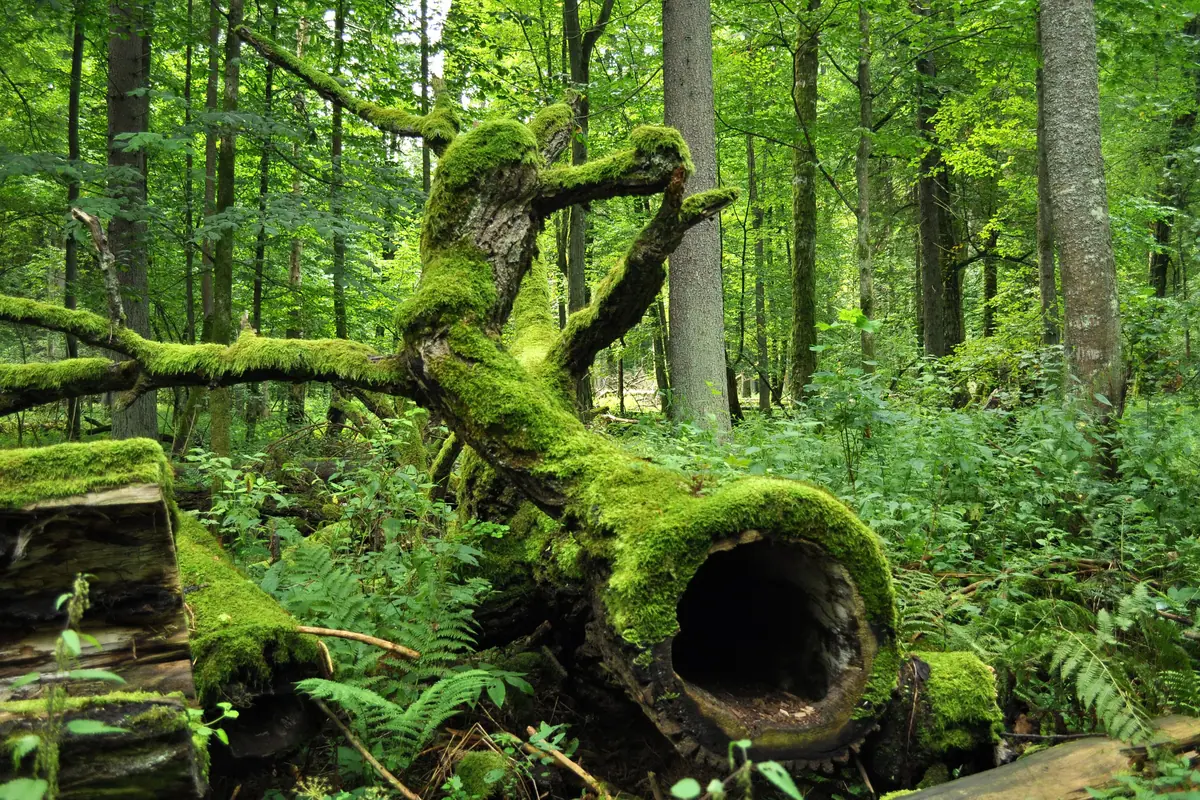
In the far southwest, straddling the border with Poland, lies Belovezhskaya Pushcha — an ancient lowland forest of oak, ash and hornbeam, protected as a national park and recognised as a World Heritage site. It is one of the last refuges of the European bison, the heavy, shaggy zubr that was brought back from the brink of extinction here and now roams the reserve in free-living herds. The gateway village of Kamenyuki has an enclosure where animals are kept in large semi-wild paddocks, which is the surest place to see them, along with a fine natural history museum and an aviary of birds of prey.
Beyond the enclosures, a network of marked walking, cycling and horse-riding trails penetrates deep into old-growth woodland. The Forest Museum and the estate of the former tsarist hunting lodge at Kamenyuki add a human story to the ecology. Bring insect repellent from May onwards — this is genuine marsh-and-forest country — and sturdy shoes, since paths can be muddy even in dry spells.
The forest pairs naturally with Brest, the nearest city, about an hour away. Late spring and early autumn are the loveliest seasons: warm, green and mercifully free of the summer mosquito peak.
Brest Fortress and Khatyn: Memorial Landscapes That Stay With You
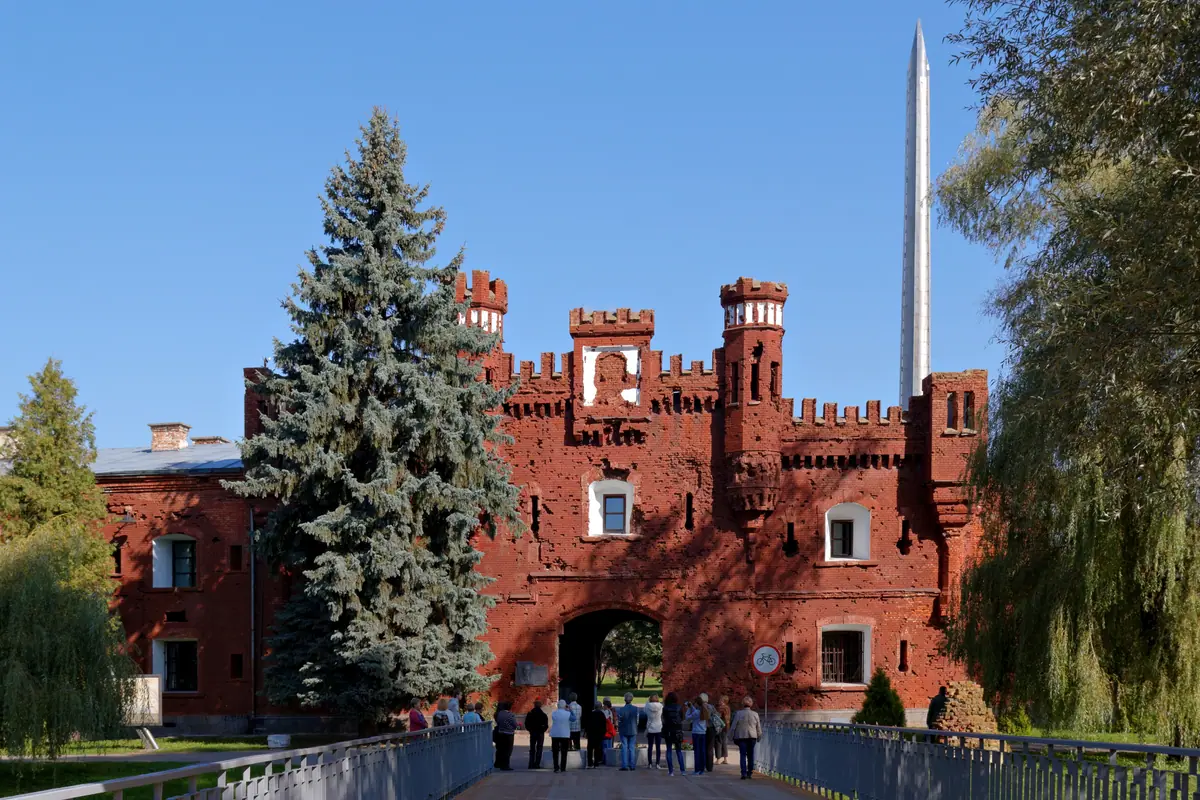
Brest Fortress is the country's defining memorial. A vast 19th-century bastion complex at the confluence of two rivers, it became famous for the stubborn defence of its garrison in the opening days of the Second World War, and today the site combines ruins, preserved barracks, the monolithic Courage monument and the stark Kholm Gate with a museum of extraordinary emotional force. Allow three to four hours; the walk from the centre of Brest across the bridge to the main entrance is part of the experience. Afterwards, the city's pedestrian Gogol Street, its railway museum and its whimsical statue of a lamplighter make an easy, cheerful counterweight.
Near Minsk, the Khatyn memorial marks a village destroyed with its inhabitants during the occupation. Its design is unforgettable: a ring of chimney-shaped monuments, a statue of a man carrying a dying boy, and a roof of concrete 'trees' above a symbolic graveyard where soil from hundreds of burned villages is interred. Bells toll on the hour. It is a 45-minute drive from the capital and easily combined with the Stalin Line open-air military museum, which displays tanks, artillery and bunkers in fields near Zaslawye.
These are places to visit with respect and time, not to tick off quickly.
Grodno and Polotsk: The Old West and the Book-Printing North
Grodno, on the Neman River near the Polish and Lithuanian borders, feels older and more Central European than Minsk. Its Kalozha Church, a 12th-century brick church with decorative cross-inlaid walls, is one of the few surviving monuments of the ancient Principality of Grodno, and it still stands above the riverbank as it has for eight centuries. Up the hill, the Old Castle and the pink-and-white New Castle bookend a cityscape of Baroque churches, a Great Synagogue, a Lutheran church and a handsome drama theatre. Grodno was long a multicultural trading town — Catholic, Orthodox, Jewish and Tatar — and that layered history is legible in its streets.
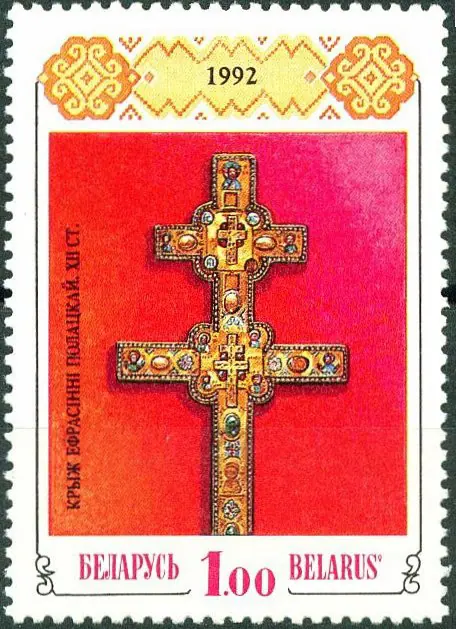
Polotsk, further north, is the cradle of Belarusian literacy. Its St Sophia Cathedral, founded in the 11th century and rebuilt in Baroque style after destruction, dominates the town, while the Museum of Belarusian Book Printing traces the craft from early Cyrillic manuscripts onwards. The town also honours Euphrosyne of Polotsk, the medieval nun and patron of the country, whose cross is among its most treasured national symbols. Polotsk even claims a monument marking the geographic centre of Europe.
Both cities reward a day each. Summer is best, though Grodno's riverside cafes have their own charm in September.
Vitebsk, Dudutki and the Lakes: Art, Craft and Water
Vitebsk, in the northeast, is the country's artistic capital — the birthplace of Marc Chagall, whose childhood home and a dedicated museum of his work draw visitors from far beyond the region. The city also hosts a famous international music and arts festival each July, when the streets fill with performers. Alongside the Chagall museum, the Assumption Cathedral, the Governor's Palace and the restored historic centre on the Western Dvina make a satisfying day.
For an entirely different taste of Belarus, head forty minutes south of Minsk to Dudutki, a sprawling open-air folk museum where craftsmen work in front of you: a working windmill grinding grain, potters, blacksmiths, cheese-makers and a distillery producing traditional strong spirits, all set among timber houses and stables. It is the most family-friendly day out in the country and a rare chance to see rural traditions kept genuinely alive rather than staged.
Finally, the lakes. Lake Naroch and its surrounding national park in the northwest are the country's main summer resort area, with beaches, cycling and forest walks, while the Braslav Lakes further north scatter over a rolling glacial landscape dotted with viewpoints and little islands. Both are at their best from June to August, when locals swim, fish and camp in earnest. Add Kamenets Tower, a lonely 13th-century white keep near Brest, or the ruined brick castle at Lida if you are hunting fortifications.
Budget four to five days for Minsk, Mir and Nesvizh; eight to ten to add Brest, the forest, Grodno and Vitebsk. Most nationalities can currently enter visa-free for short stays when arriving via Minsk National Airport, but rules change — check with an embassy before booking. The Belarusian ruble is the currency, cards work in city hotels and restaurants but cash is essential in villages and markets, and Russian and Belarusian are the everyday languages, with English most common among younger people in Minsk.
Frequently asked questions
When is the best time to visit Belarus?
Late May to early September offers the warmest weather and long daylight hours, ideal for the castles, forest trails and lake resorts. May and September are quieter and cheaper than midsummer. Autumn turns the parks around Mir and Nesvizh gold, while winter is snowy and atmospheric but very cold, with short days and some rural sights running reduced hours.
Do I need a visa for Belarus?
Citizens of many countries can currently enter without a visa for short stays when arriving and departing through Minsk National Airport; crossings by land or rail generally require a visa arranged in advance. Policies are revised periodically, so confirm the current rules with an embassy or consulate well before you travel and carry printed evidence of accommodation.
How many days do I need in Belarus?
Four to five days covers Minsk, Mir Castle and Nesvizh Castle comfortably. Allow eight to ten days if you want to add Brest Fortress and Belovezhskaya Pushcha, the old cities of Grodno and Polotsk, and the lake districts in the northwest. Travelling between regions is slow by road, so avoid overloading a short itinerary.
Is it easy to get around without speaking Russian?
Cities are manageable, but English is not widely spoken outside hotels, museums and younger urbanites. Learning the Cyrillic alphabet pays off enormously for reading station signs, bus destinations and menus. Trains and minibuses link the main towns, taxis are cheap, and hiring a driver for a day is a practical way to reach castles and memorials that sit away from rail lines.
What should I eat and drink in Belarus?
Look for draniki (potato pancakes) with sour cream or mushroom sauce, kolduny (stuffed potato dumplings), machanka (pork in a rich gravy) and cold sorrel or beetroot soups in summer. Rye bread, cottage cheese and honey are staples, and local berry juices and kvass are everywhere. Vegetarian options exist in Minsk but are thinner in smaller towns, so plan accordingly.
Plan it — experiences in Belarus
Live search, booked directly with trusted providers.
Sort the rest of your trip
Everything for Belarus, in one place
Stay in Belarus
Hotels, guesthouses and apartments — compared in one search.
Search hotels
Transfer in Belarus
Private driver waiting on arrival — no queues, no surprises.
Book a transfer
Stay online in Belarus
Travel eSIM — data the moment you land, no roaming bills.
Get an eSIM